7 Perennial Planting Mistakes That Cost Gardeners Hundreds Every Spring
Some of the most common perennial planting mistakes in America are also the most invisible. You follow the directions on the tag, you water consistently, and you choose something that looks like it’s thriving at the nursery — and still, season after season, something is quietly wrong.
These mistakes don’t look like mistakes. They look like a full shopping cart on a beautiful Saturday in spring, a freshly dug bed, or the satisfying smell of new mulch. They feel like good decisions. And then, suddenly, your brand new plants appear to be struggling, plants aren’t blooming, the beds look sparse, and there is not a single bloom in sight.
Americans spend an average of $500 a year on gardening products, and a significant portion of that goes to replacing plants that never had a real chance. The mistakes that drain that budget aren’t random bad luck. They’re the same eight errors, made by experienced gardeners and beginners alike, repeated every spring in yards across the country.
The good news is that every one of these mistakes is fixable, and most of the fixes cost nothing. Here’s what to stop doing right now in spring before any more of your garden budget disappears into the ground.
1. You’re Planting in the Wrong Zone and Wasting Money Every Spring
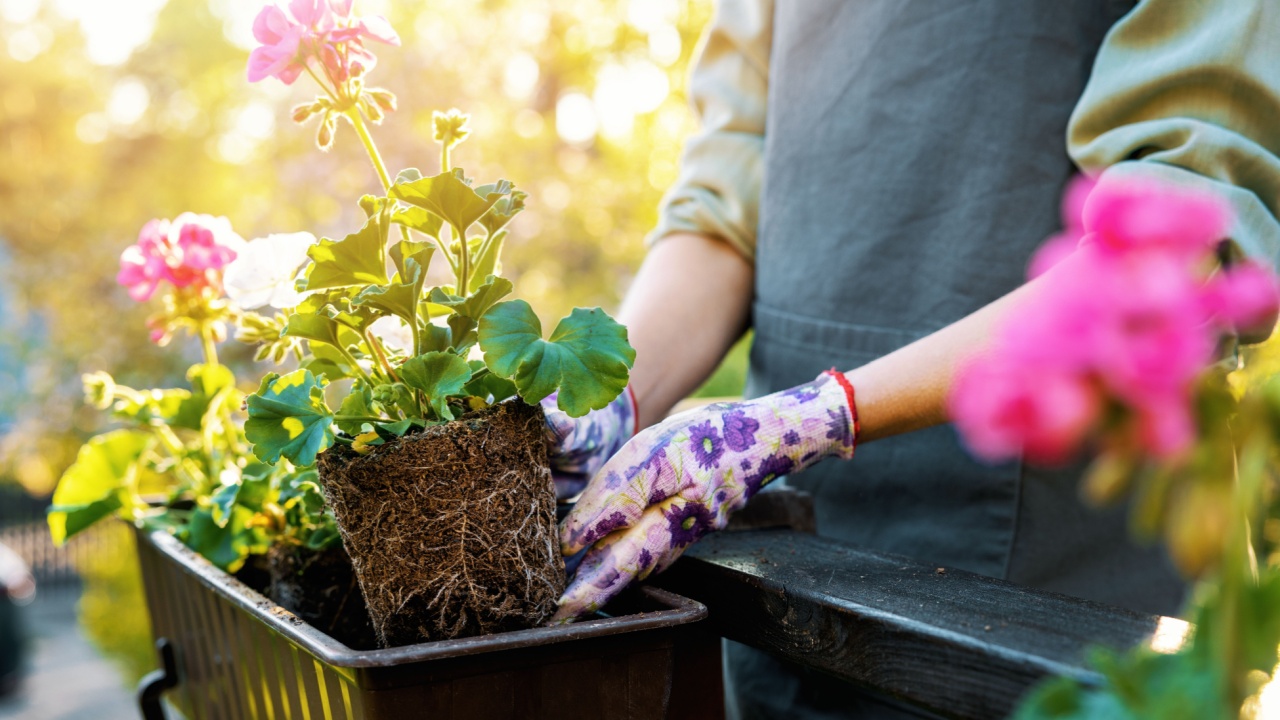
Every perennial comes with a USDA hardiness zone rating based on the lowest average winter temperatures in your region. Zone 5 in Ohio is not Zone 8 in Georgia, and a plant bred for mild winters will not survive a hard freeze, no matter how lovingly you tend it through summer.
According to Better Homes & Gardens, ignoring your hardiness zone is one of the most reliable ways to lose a plant investment before the first frost. The problem is compounded at big-box garden centers, which often stock whatever sells visually rather than what survives locally. A small regional nursery is almost always a safer bet for zone-appropriate selections.
Next time, look up your USDA zone before you shop, and check every tag against it. Plants that are marginally hardy in your zone should be planted in spring so they have the full growing season to establish strong roots before cold weather arrives.
2. You’re Ignoring the “Right Plant, Right Place” Rule
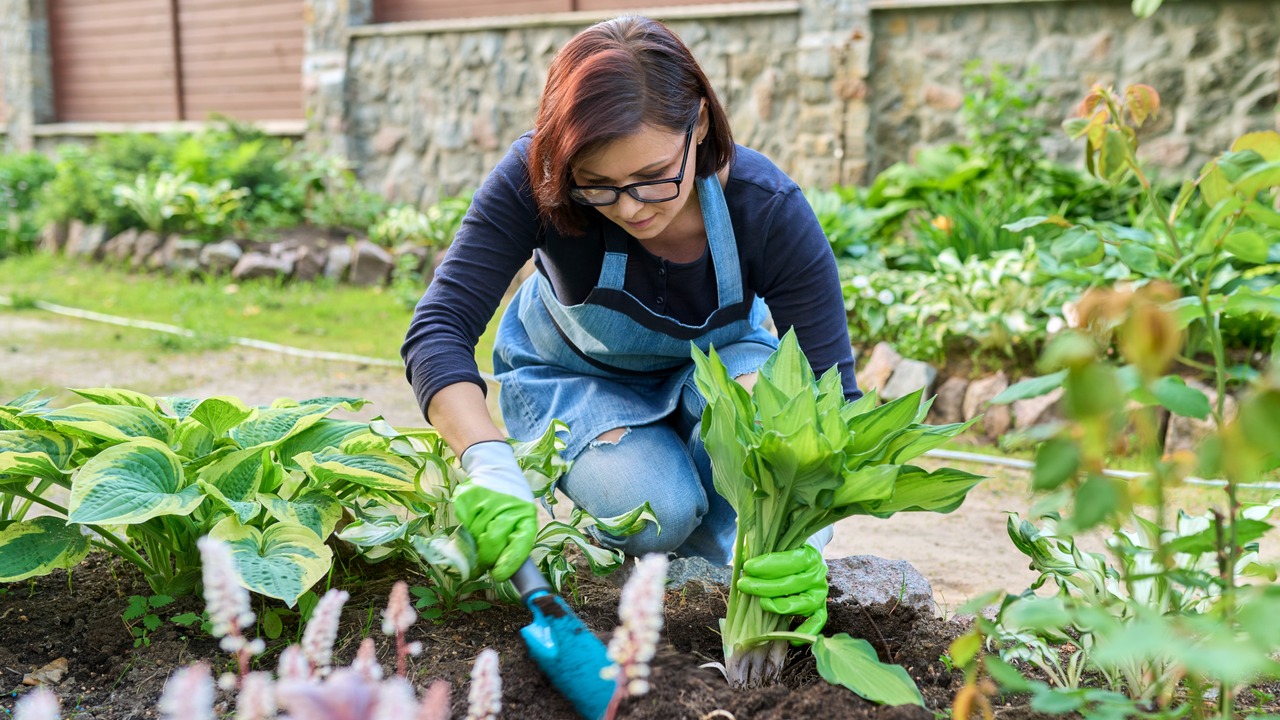
“Right plant, right place” is the oldest advice in gardening, and it is still the most ignored.
A sun-loving coneflower planted in shade will grow leggy and never flower properly. A shade perennial like a fern dropped into the afternoon sun will scorch and collapse within a week. Soil moisture matters just as much: there is a very short list of perennials that can handle soggy clay or dry, gravelly conditions, and most plants are not on it.
As Southern Living‘s gardening editors note, gardeners who move struggling plants to a better-matched location rather than giving up on them are almost always rewarded. The plant wasn’t failing. It was just in the wrong place.
Before planting anything new, spend an afternoon observing your yard. Note which areas get full sun (6+ hours), which are truly shaded, and which are perpetually damp. Then shop for those conditions rather than shopping first and forcing conditions second. That single habit shift can save you hundreds in replacement plants each season.
3. You’re Crowding Plants Together and Setting Them Up to Fail

The most common spacing mistake in perennial gardening isn’t planting too far apart. It’s planting too close together.
A garden looks sparse when you follow the 18- or 24-inch spacing on the label, so gardeners crowd plants for immediate fullness. Then, two or three years later, those plants are competing for nutrients, water, and light. Weaker varieties thin out and decline. Vigorous ones become aggressive. The whole bed becomes a maintenance problem.
Landscape designers at Homes and Gardens advise treating spacing requirements as non-negotiable, particularly for perennials near your home’s foundation. Shrubs and tall perennials planted flush against a house will eventually block windows, shade indoor spaces, and require costly removal.
The patience required to trust proper spacing is real. A garden planted with generous gaps fills in beautifully by year three, and stays manageable for a decade.
4. You’re Only Shopping for Spring Color
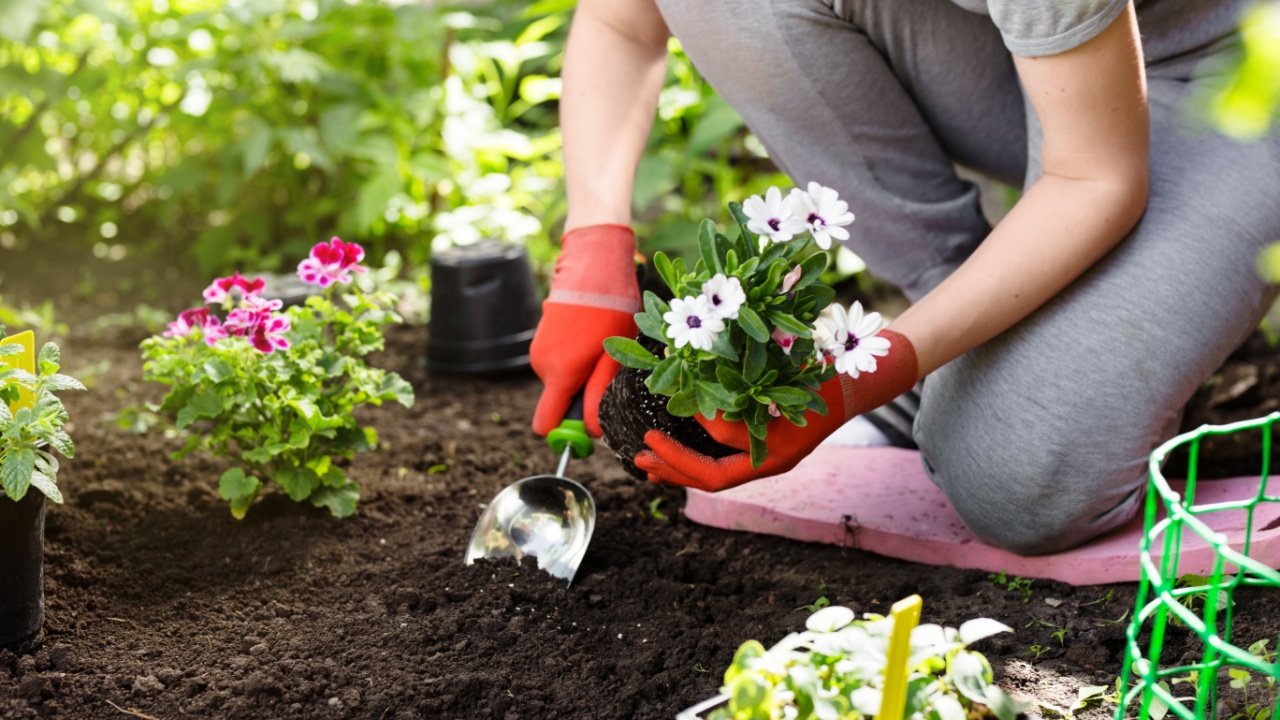
Garden centers stock and sell what’s blooming right now. In spring, that means the shelves are full of spring performers: creeping phlox, hellebore, or bleeding heart. If you do all your shopping in one trip, you will end up with a garden that peaks in April and goes visually quiet by July.
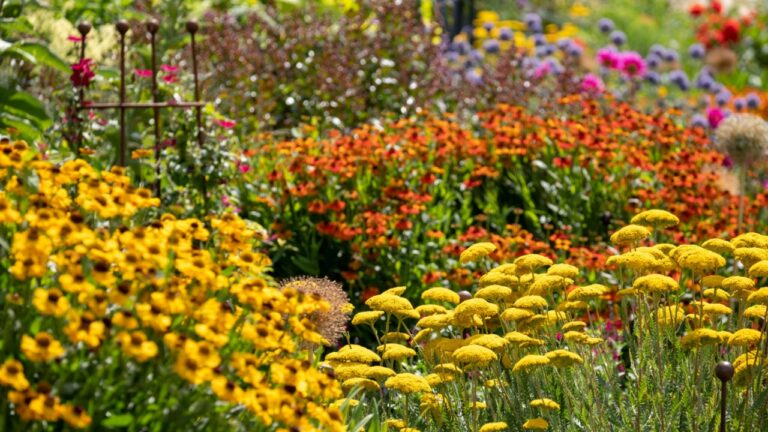
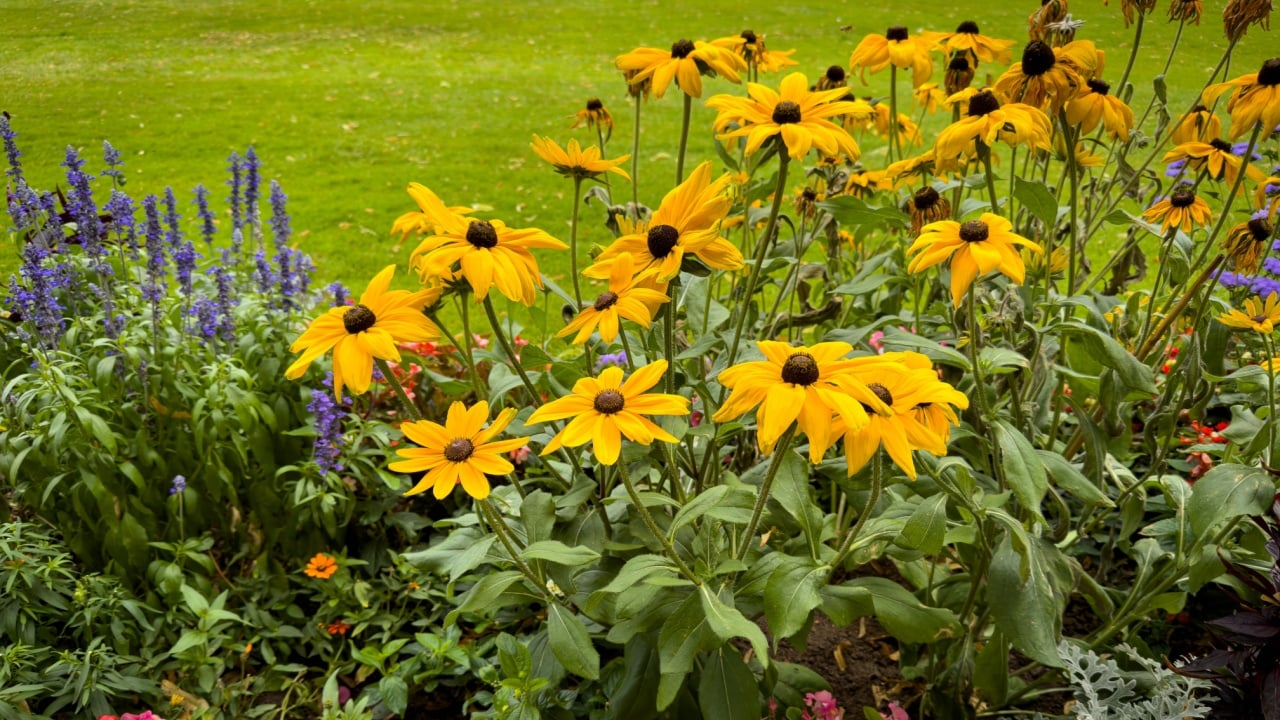
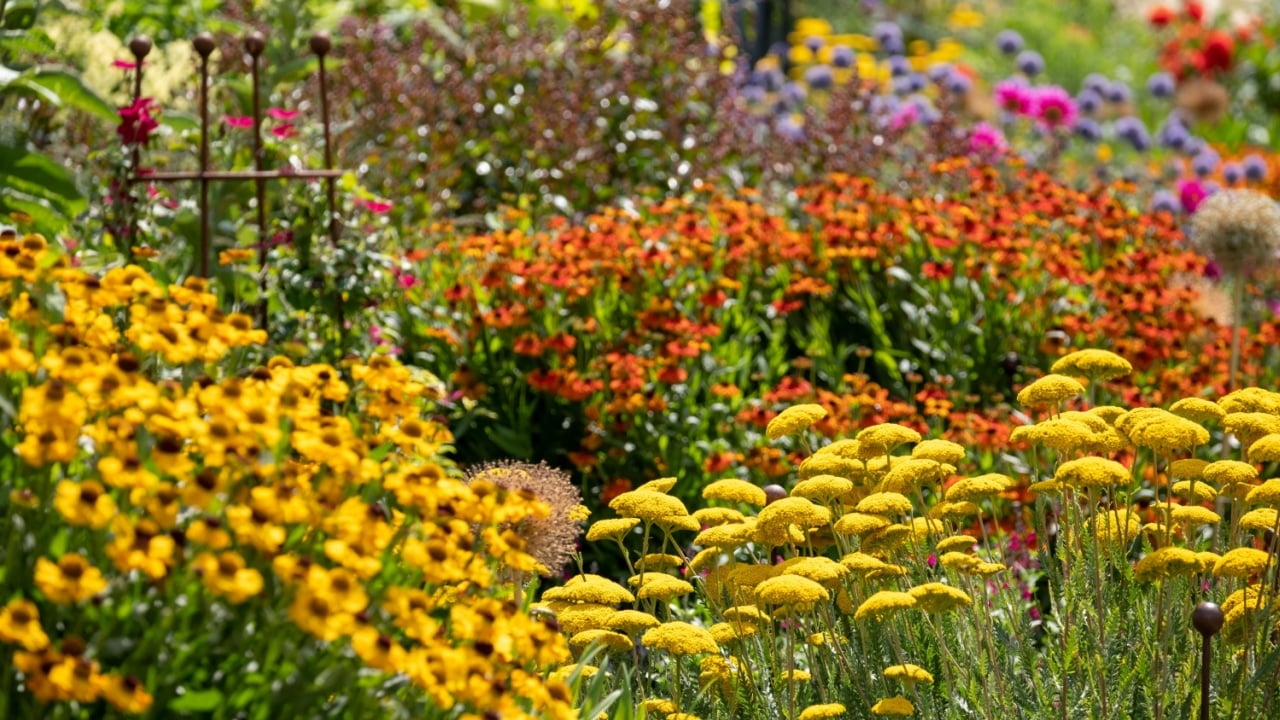
According to Better Homes & Gardens, most perennials bloom for roughly three weeks. A thoughtfully layered perennial garden pairs early-blooming species (hellebore, trillium) with midsummer performers (echinacea, Russian sage, black-eyed Susan) and late-season finishers (aster, sedum, ornamental grasses). That’s not an overwhelming project. It just requires shopping in every season, not only in spring.
Visit your local nursery once in late summer or fall, and you’ll discover the performers you’ve been missing. A $20 aster planted in September can anchor fall color for fifteen years without any replanting costs.
5. You’re Skipping the Soil Test (And It’s Costing You)

This is the mistake that makes every other problem worse. Soil pH controls whether nutrients already present in your ground are actually available to plant roots. If the pH sits outside the 5.5 to 7.0 range most perennials prefer, the fertilizer you’ve applied is essentially locked away. The plant starves in the presence of food.
Extension soil tests typically run between $15 and $20, and they tell you exactly what to add and what to skip. Gardeners who test before planting avoid buying fertilizers their soil doesn’t need, avoid over-fertilizing (which burns roots and stunts growth), and avoid the guessing-game cycle of replacing plants that were failing for invisible reasons.
Many state university extension programs offer free or subsidized soil testing in the spring. It’s the single highest-return investment in perennial gardening, period.
6. You’re Cutting Everything Down in Fall
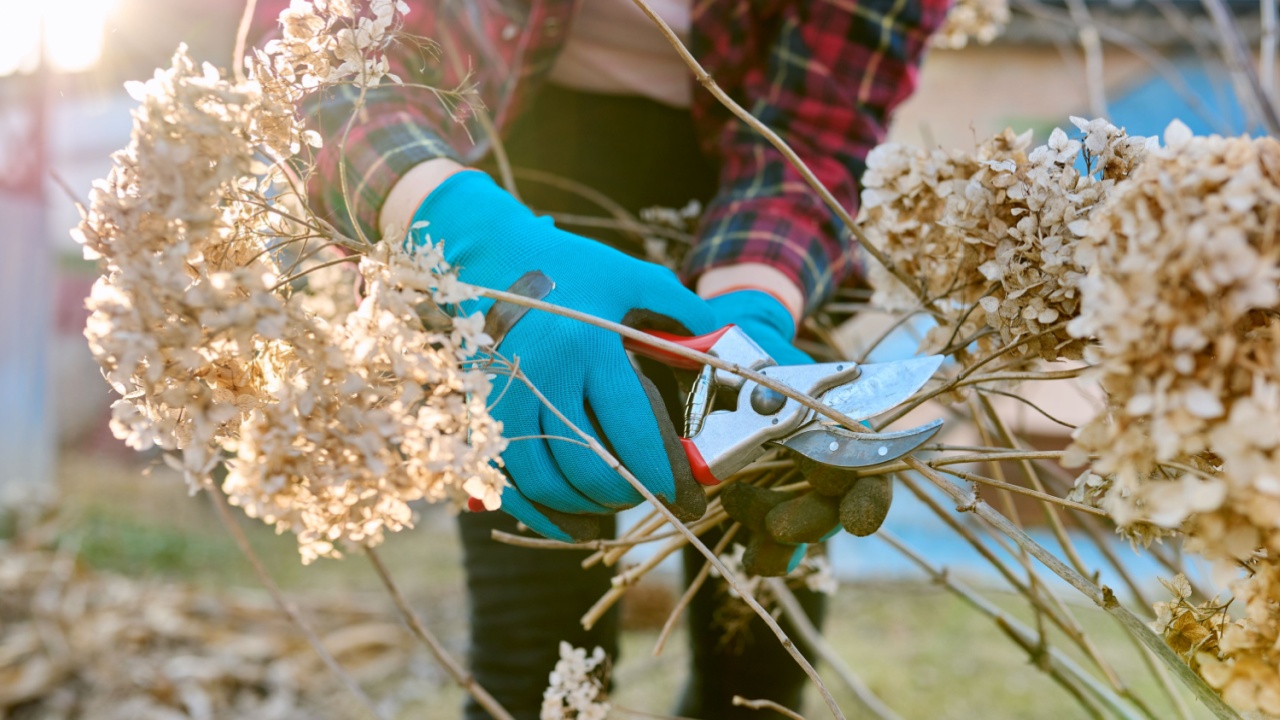
The instinct to tidy the garden in October feels virtuous. A clean-cut garden looks intentional. But cutting perennial stems all the way to the ground in fall removes the overwintering habitat of native bees, beneficial insects, and pollinators that your garden depends on come spring. Many of these insects overwinter inside hollow stems, leaf litter, and seed heads.
Horticultural guidance from multiple state extension services recommends leaving perennial stems standing until new growth pushes through in spring. Seed heads left standing also feed birds through winter, and the naturalistic look has become a hallmark of thoughtful, habitat-conscious gardens.
If you want a compromise, cut back the front third of the border where appearance matters most, and leave the back rows standing. Your garden, your pollinators, and your spring bloom will all be better for it.
7. You’re Never Dividing Your Perennials
Most perennials need to be divided every three to four years. When they aren’t, the center of the plant becomes woody, crowded, and progressively weaker. Blooms decrease. Growth slows. A perennial that was thriving at year two can look genuinely unhealthy by year six simply because no one ever divided it.
Division also gives you free plants. A mature hosta clump can be divided into four to six new plants. A stand of black-eyed Susans that’s gotten out of hand becomes six separate starts you can move around the garden or share with a neighbor. Experienced gardeners treat division as their primary source of new plants rather than an annual shopping trip, and they save hundreds of dollars a season doing it.
The best time to divide most spring and summer bloomers is early fall. Fall bloomers like asters are best divided in spring. If a plant has been in the same spot for more than four years and isn’t performing the way it used to, division is almost always the answer.
Small Fixes, Long-Term Rewards
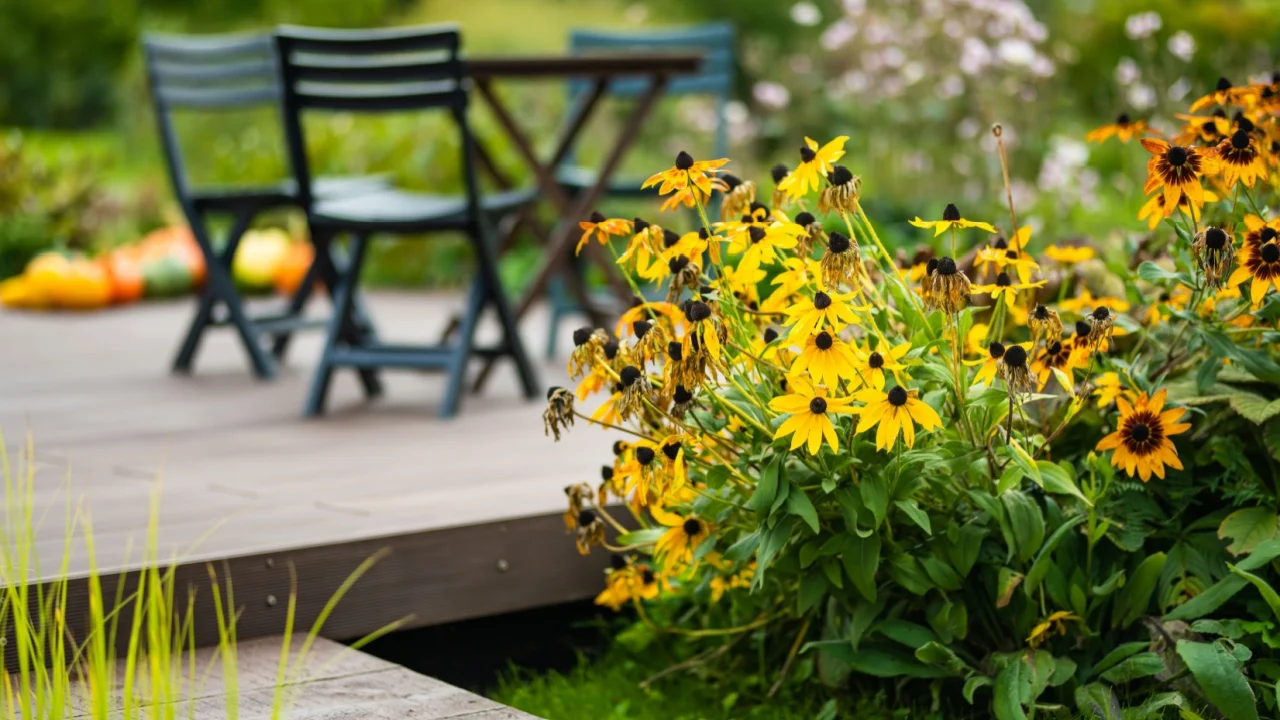
A struggling perennial garden is rarely the result of bad luck or a missing green thumb. It’s almost always the result of a handful of fixable habits: the wrong plant in the wrong place, the soil that was never tested, the crowded spacing that felt too sparse to leave alone, the beloved perennial that no one mentioned was dangerous to dogs.
The best perennial gardeners aren’t the ones who know the most plants. They’re the ones who know their yard, protect what matters, and plant with intention rather than impulse. Start there, and the garden takes care of the rest.
Read more:
Why wildlife experts are telling people to take down their bird feeders
Plant these 10 companion plants with your tomatoes — and stop planting these 4