Ditch the Toxic Lawn Fertilizer and Try These Genius Natural Options
Most homeowners never question what goes into their lawn fertilizer until they see a child or pet rolling around in freshly treated grass. Synthetic fertilizers are loaded with chemical compounds that can leach into groundwater, disrupt soil ecosystems, and linger on grass long after application.
Natural fertilizers work differently from synthetic ones. Instead of forcing rapid nutrient uptake through chemical concentration, they feed the soil itself, building the microbial life that makes grass resilient from the ground up.
Healthier soil biology means better water retention, stronger root systems, and grass that recovers faster from heat and drought. Many of the most effective natural fertilizers are made from items already sitting in the kitchen or pantry.
Here are seven natural lawn fertilizer options, how each one works, and when to use them for the best results.
1. Rice Water
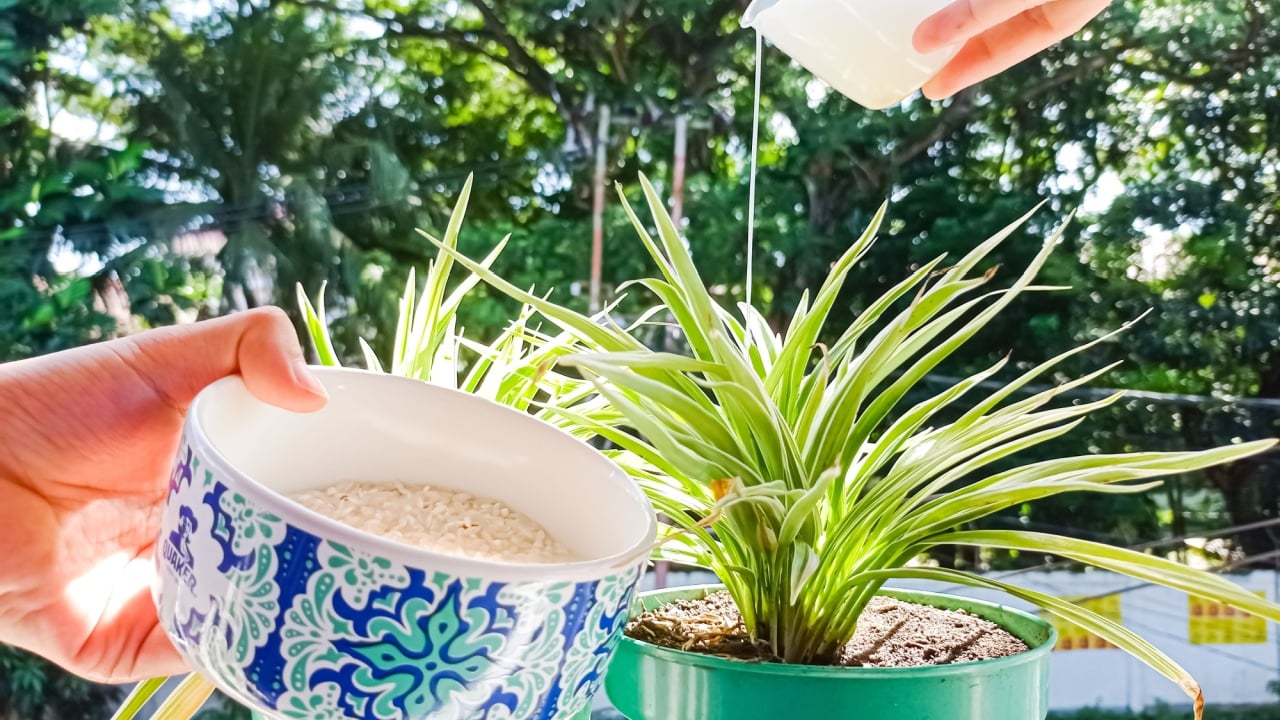
Rice water is one of the most underrated natural fertilizers available, largely because it gets poured down the drain without a second thought. The starchy liquid left behind after rinsing or cooking rice contains nitrogen, phosphorus, and potassium in small but bioavailable amounts.
More importantly, it carries beneficial bacteria and compounds that stimulate microbial activity in the soil, which is what actually drives healthy grass growth.
Because the nutrient concentration in rice water is relatively low, it works best as a spot treatment rather than a full lawn application. Lawn areas that look pale or patchy, or spots recovering from pet damage, respond well to repeated light applications of rice water.
It should be applied undiluted and directly to the soil or grass, ideally in the early morning when evaporation is minimal. Fermented rice water, left to sit for a day or two before use, amplifies the microbial benefits significantly.
2. Compost Tea
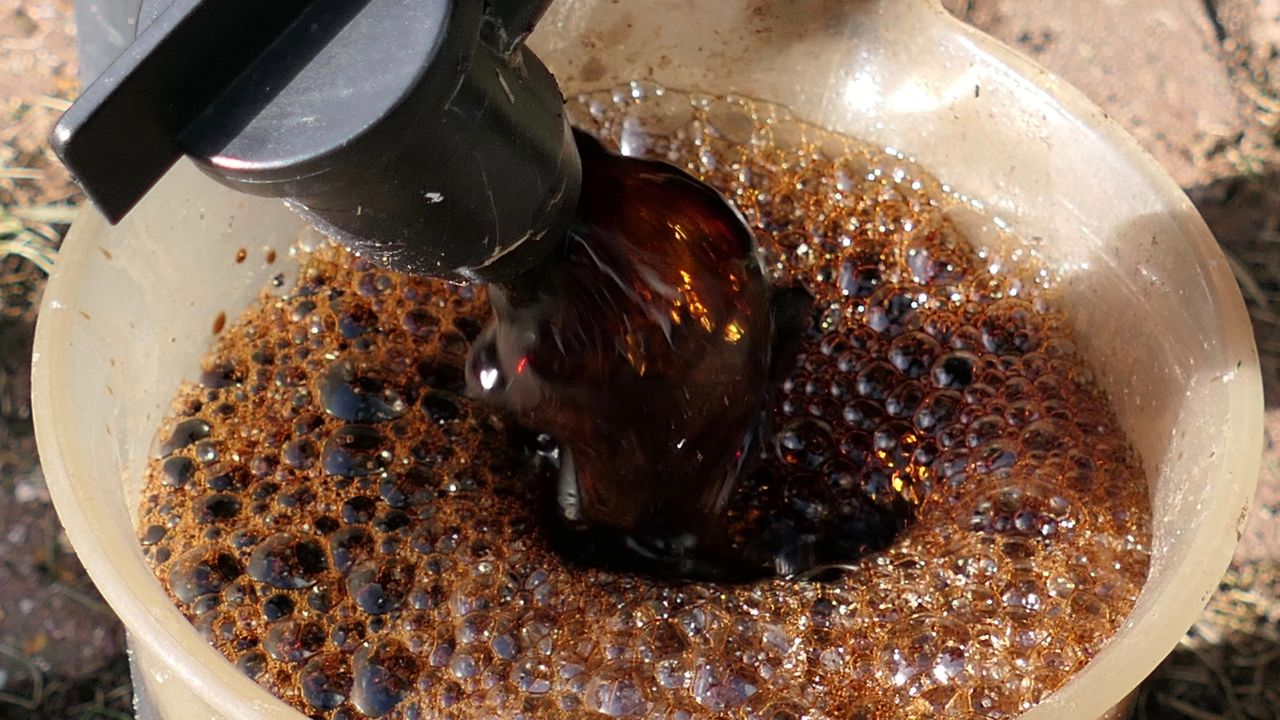
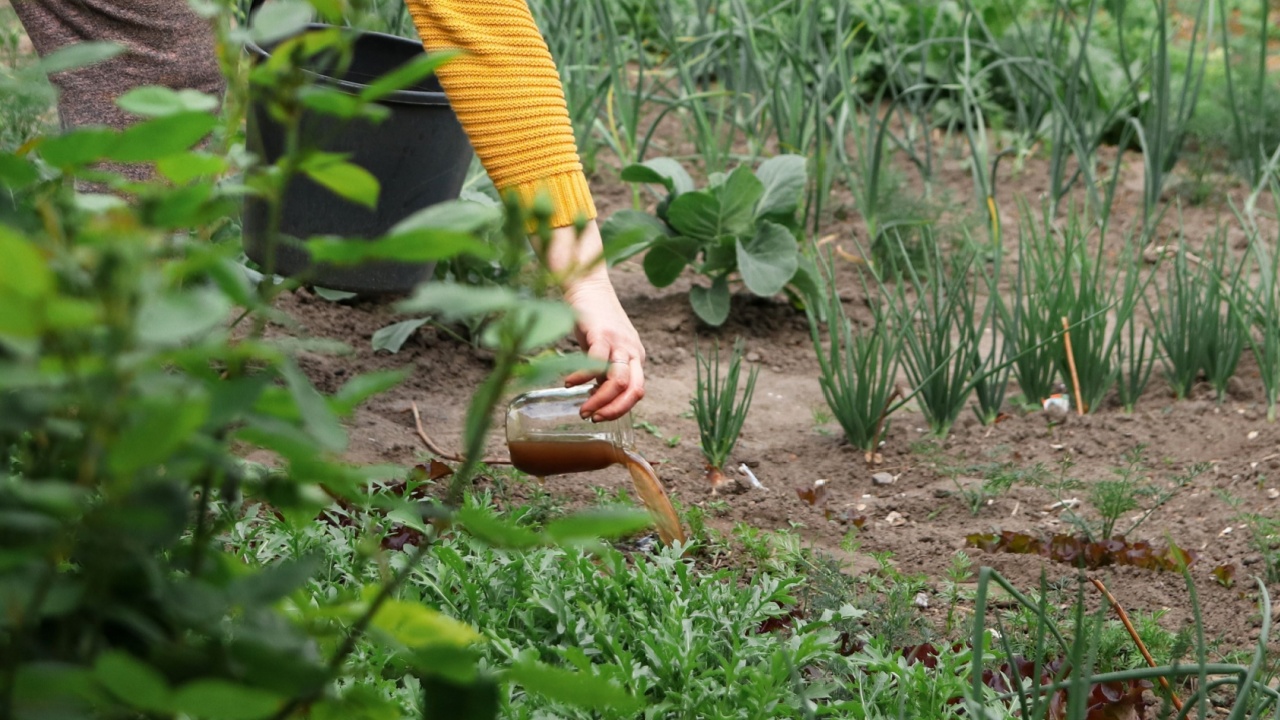
Compost tea is a liquid fertilizer brewed by steeping finished compost in water, allowing the nutrients and beneficial microorganisms to transfer into the liquid. The result is a fast-acting solution that delivers both soluble nutrients and live microbial cultures directly to the grass and soil.
Unlike solid compost, compost tea absorbs quickly and can show visible results within a few days of application. It is one of the most biologically active natural fertilizers available for home use.
To brew compost tea, fill a bucket with dechlorinated water and add a generous scoop of finished compost, then let it steep for 24 to 48 hours while stirring occasionally. An aquarium pump can be used to aerate the brew, which encourages aerobic bacteria and suppresses harmful anaerobic ones.
The finished liquid should be strained and applied to the lawn immediately, as the microbial population begins to decline within hours of brewing. Compost tea is best used during active growing seasons when the soil is warm, and grass can absorb nutrients efficiently.
3. Banana Skins

Banana skins are rich in potassium, one of the three primary macronutrients that grass needs for strong cell walls, disease resistance, and efficient water use. They also contain trace amounts of calcium, magnesium, and phosphorus, making them a surprisingly well-rounded soil amendment.
When broken down in soil, these nutrients become available to grass roots gradually, supporting steady and sustained growth rather than a sudden green flush.
There are two practical ways to use banana skins on a lawn. The first is to bury small pieces directly in the soil around struggling patches, where they decompose within a few weeks.
The second is to dry and grind banana skins into a powder that can be scattered across the lawn surface and watered in. Adding banana skins to a home compost pile is also effective, as the potassium they contain will carry through into the finished compost and reach the lawn during compost applications.
4. Homemade Liquid Lawn Fertilizer

One of the more unusual natural fertilizer recipes circulating among home gardeners combines beer, cola, Epsom salts, ammonia, and a small amount of baby shampoo into a liquid spray. Each ingredient plays a specific role.
The sugars in beer and cola feed soil microbes, Epsom salts deliver magnesium and sulfur, ammonia provides a quick nitrogen hit, and the baby shampoo acts as a surfactant that helps the mixture spread evenly across grass blades and penetrate the soil surface.
A standard recipe calls for one cup of beer, one cup of cola, one cup of Epsom salts, one cup of ammonia, and a few tablespoons of baby shampoo mixed in a large hose-end sprayer. The ammonia concentration is important to monitor because too much can burn grass.
This mixture works best as a seasonal boost rather than a regular treatment, and it should be applied during cooler parts of the day to avoid rapid evaporation and potential leaf scorch. Lawn areas with compacted soil or heavy thatch benefit most from this recipe because the surfactant component helps the nutrients reach deeper into the root zone.
5. Mouthwash Fertilizer
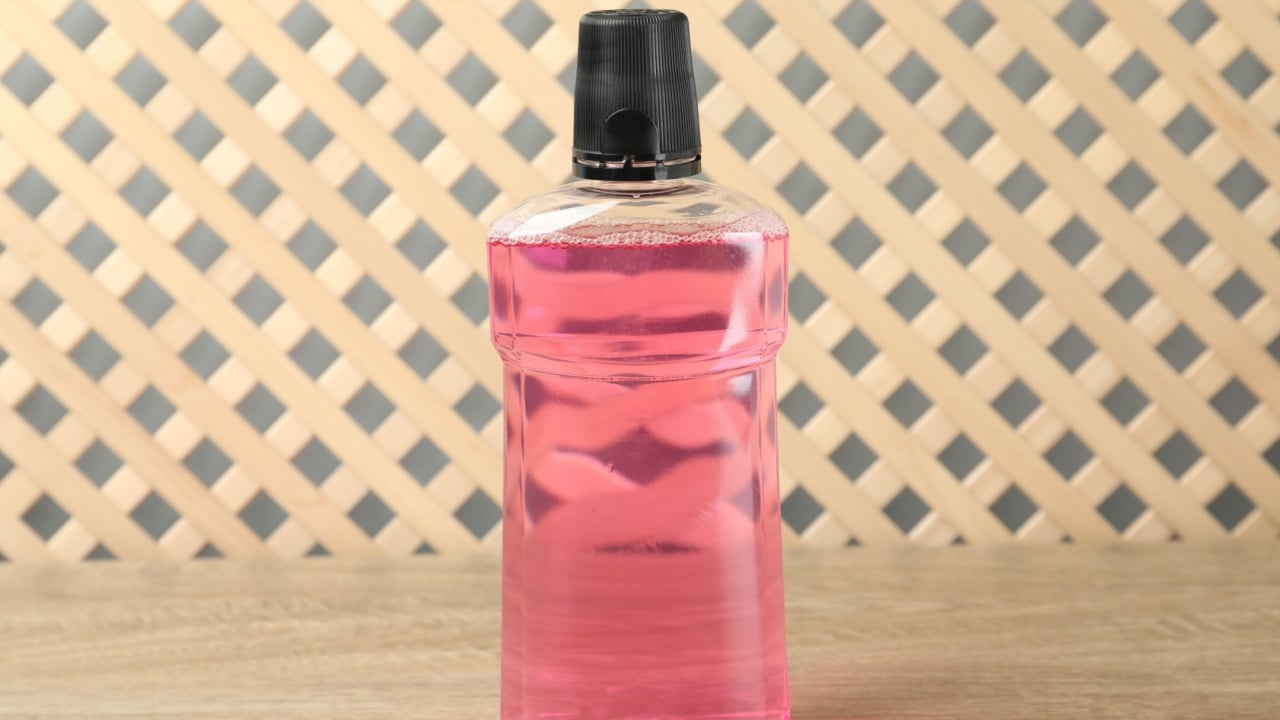
Mouthwash is not the first product most people associate with lawn care, but it has a legitimate dual purpose when used correctly. The antiseptic compounds in many mouthwash formulas, particularly those containing eucalyptol and thymol, act as mild fungicides and insect deterrents when diluted and applied to grass.
This means it addresses pest pressure and fungal issues while also contributing to a healthier lawn environment. The standard application method involves mixing mouthwash with water at a dilution of roughly one part mouthwash to ten parts water, then applying with a hose-end sprayer across the lawn.
It is important to avoid alcohol-based mouthwashes, as the alcohol content can dry out and damage grass, especially in hot weather. Mouthwash fertilizer is not a primary nitrogen or potassium source, so it works better as a supplementary treatment alongside richer organic options.
Lawns dealing with mild fungal patches or insect pressure, such as aphids or thrips at the soil level, tend to respond well to this approach.
6. Home Compost
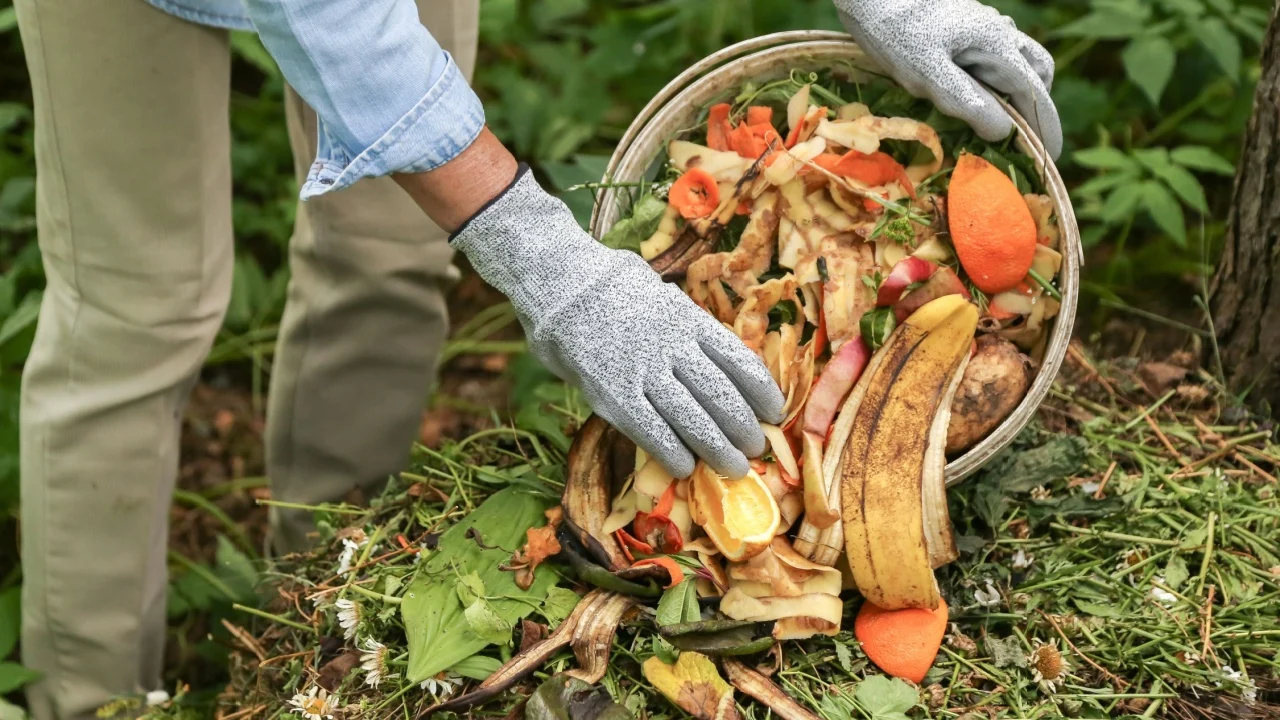
Home compost is the most complete natural fertilizer available to anyone with a backyard and a small amount of patience. It releases nutrients slowly and steadily as it breaks down further in the soil, feeding grass over weeks and months rather than hours.
Beyond nutrients, finished compost improves soil structure by increasing its ability to hold air and water, which is foundational to long-term lawn health. A lawn fed consistently with compost develops a rich, biologically active topsoil layer that reduces the need for any other inputs.
Applying compost to a lawn is called top-dressing, and it involves spreading a thin layer of finished compost, typically about a quarter to half an inch, evenly across the grass surface. A lawn spreader or the back of a rake works well for this.
The best time to top-dress is just before or during active growth periods in spring and fall, when the grass can quickly integrate the organic matter into the root zone. Compost made from a mix of kitchen scraps, dried leaves, grass clippings, and vegetable matter produces the most nutrient-diverse material, and the more varied the input, the richer the output.
7. Instant Tea Fertilizer
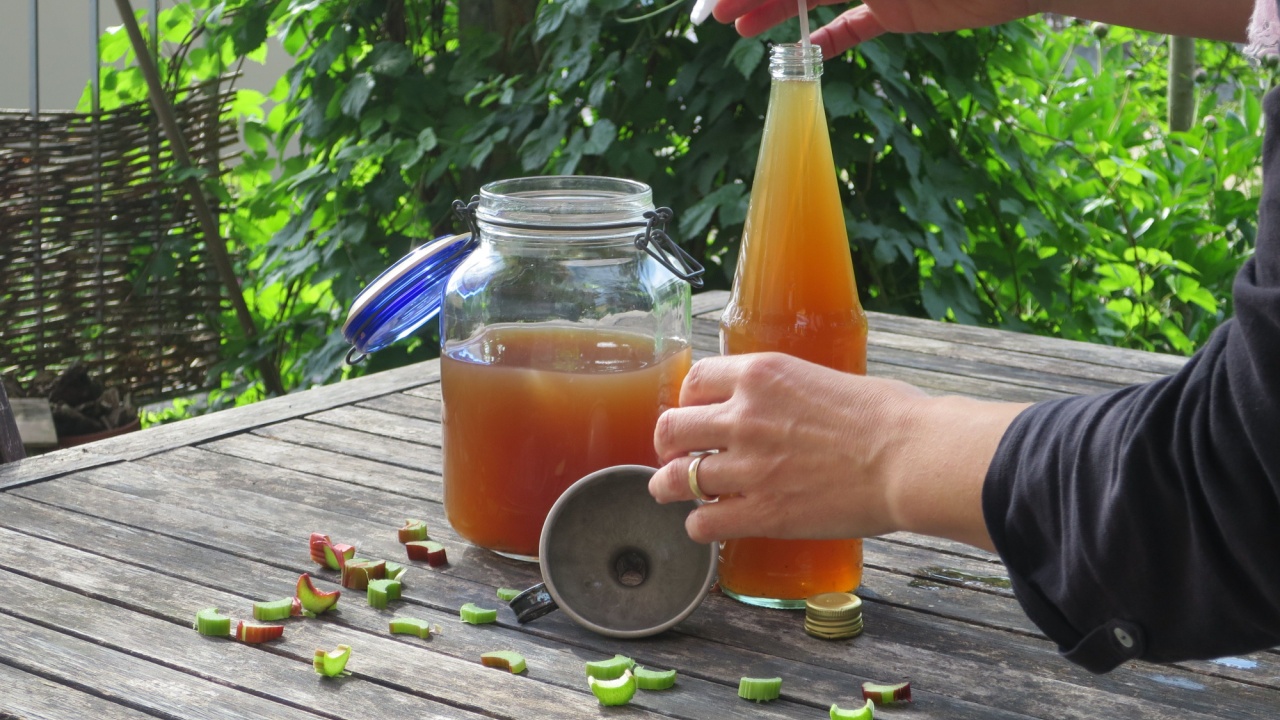
Instant tea fertilizer is a variation on the homemade liquid spray concept, replacing Epsom salts with instant tea granules to introduce a different set of micronutrients into the mix. Tea contains tannins, trace minerals, and compounds that promote beneficial microbial activity in soil.
When combined with the other ingredients in a liquid spray recipe, the tea adds a mild acidifying effect that can benefit lawns growing in slightly alkaline soil conditions.
To make instant tea fertilizer, the standard homemade spray recipe is followed with one or two tablespoons of instant tea granules substituted for the Epsom salts. Black tea and green tea varieties both work, though black tea produces a slightly stronger acidifying effect.
This version of the recipe suits lawns where magnesium deficiency is not a concern but where pH balance or microbial diversity needs attention. It pairs well with regular compost applications and works especially well on sandy soils that drain quickly and benefit from any organic input that helps retain moisture and nutrients.
Making the Switch from Synthetic to Natural
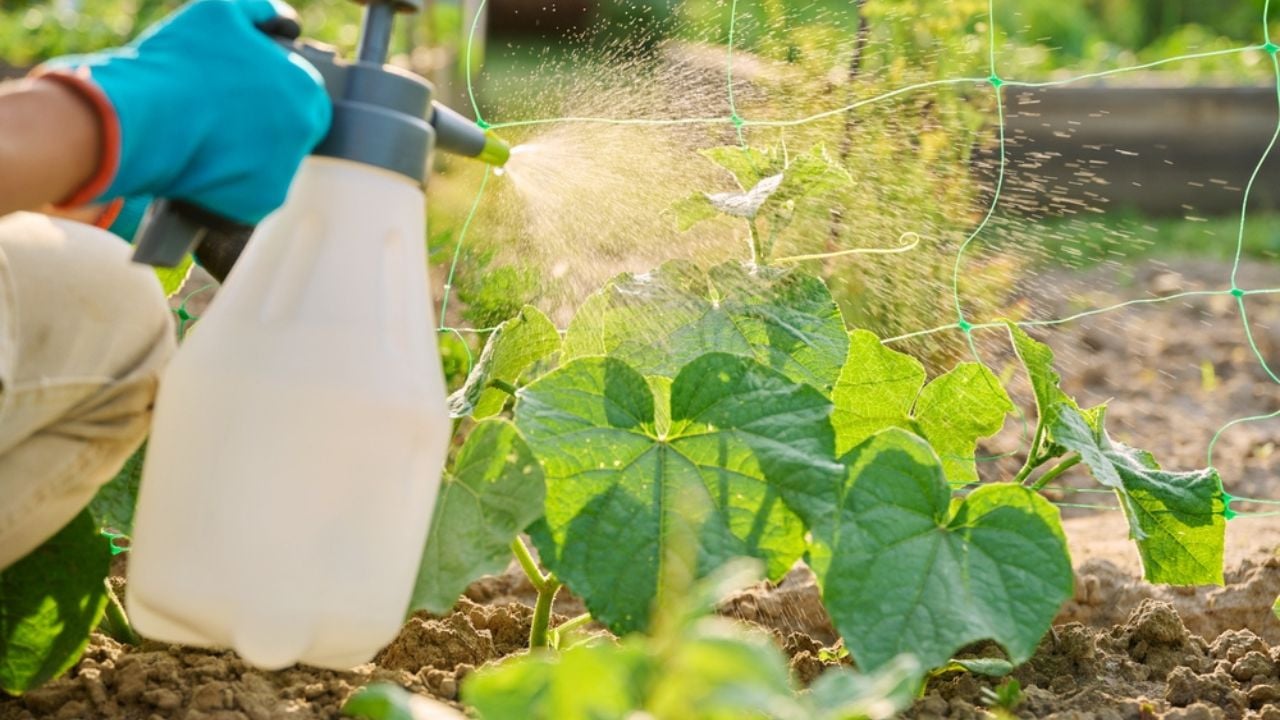
Transitioning a lawn from synthetic fertilizers to natural ones is a process that rewards consistency more than intensity. Synthetic fertilizers often leave behind salt buildup in the soil, which suppresses the very microbial life that natural fertilizers depend on.
The first few applications of natural options may seem less dramatic, but as the soil biology recovers and diversifies, the results become more stable and long-lasting than anything a chemical product can achieve.
A practical approach is to combine two or three of the methods covered here, using home compost as the foundation and rotating liquid options like compost tea or the homemade spray through the growing season. Paying attention to what the lawn responds to, including where it greens up fastest and where it stays patchy, helps identify which nutrients are most needed in specific areas.
Read More:
7 Ways Your Fertilizer Is Secretly Destroying Your Soil (And What to Do Instead)
Stop Buying Fertilizer: 9 Plants That Improve Your Soil for Free