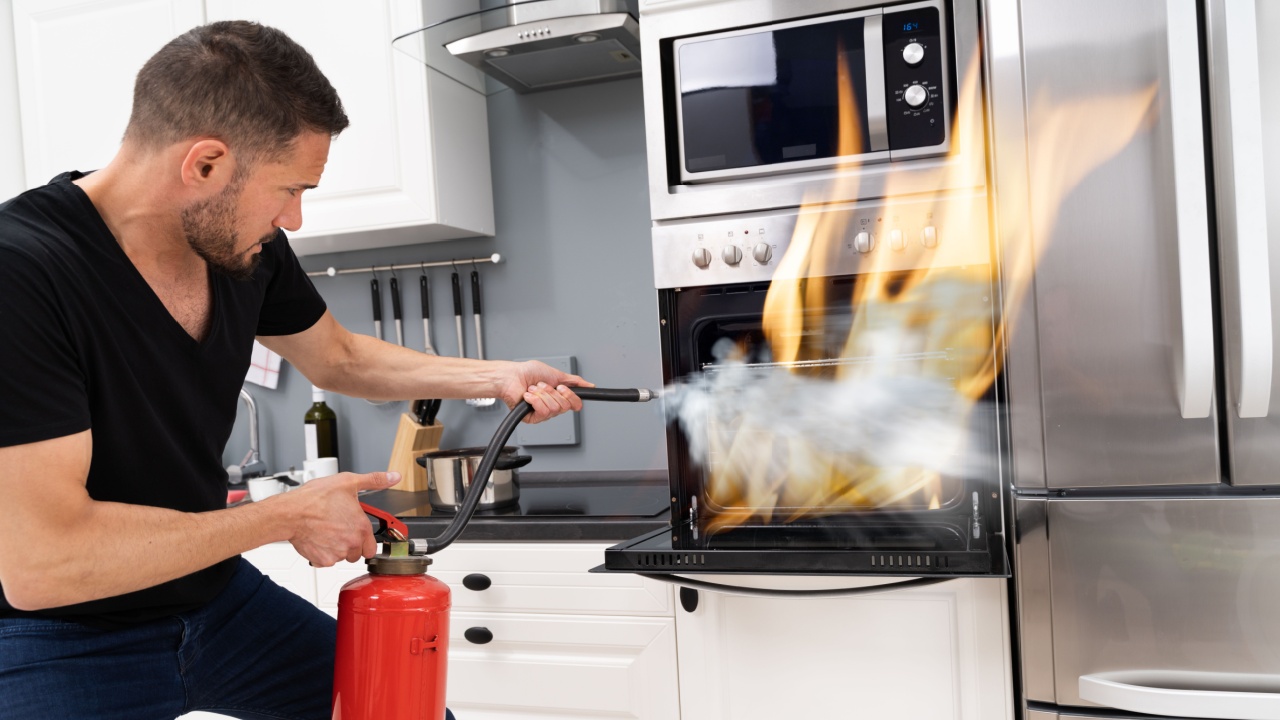
8 Appliances Most Likely to Cause a House Fire
House fires can start in an instant, and the most common culprits are often everyday appliances. According to fire safety data, thousands of residential fires each year are traced back to household equipment that most people never give a second thought.
The statistics are sobering. These are not rare, freak accidents. They are patterns that show up consistently in fire investigation data.
Understanding where the risk comes from is the first step toward doing something about it. Many of these fires are preventable with basic maintenance, proper use, and a little awareness of how these appliances behave when things go wrong.
Here are the eight appliances most likely to cause a house fire, backed by fire statistics and practical insight.
1. Stoves and Ovens
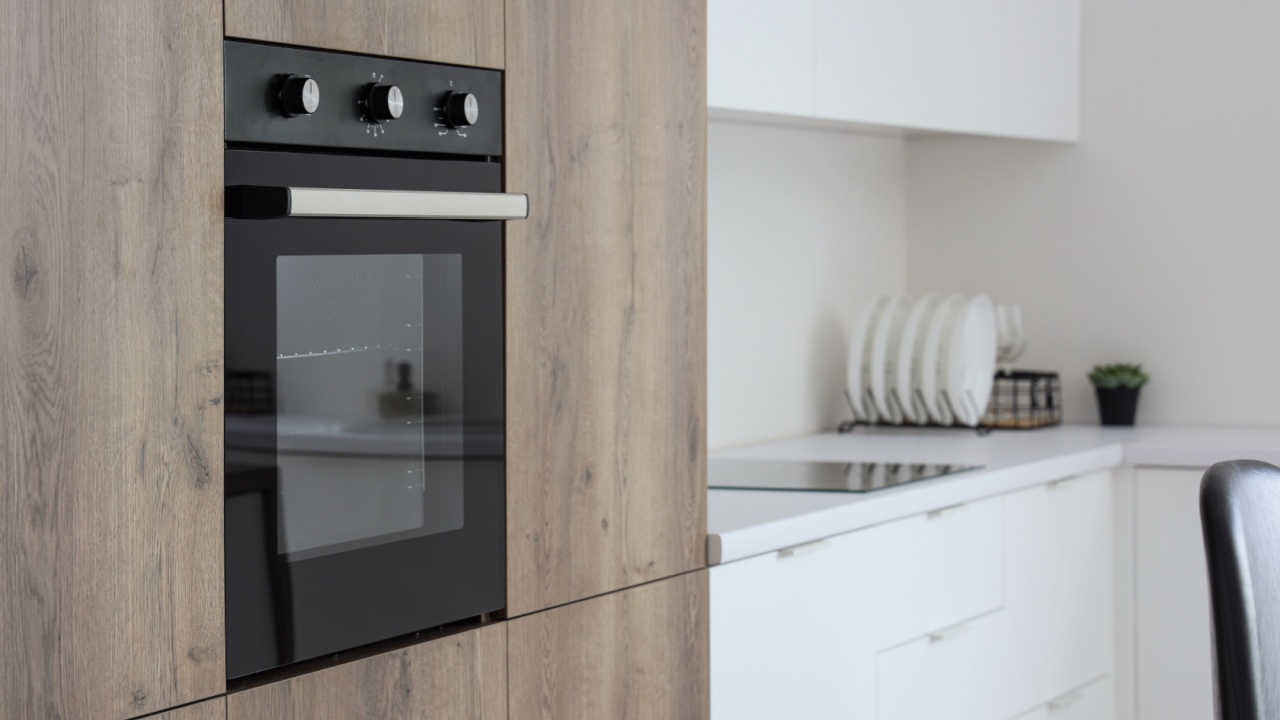
Stoves and ovens are responsible for more home fires than any other appliance.
The reasons are straightforward. High heat, cooking residue, and distraction are a dangerous combination. Grease buildup on oven walls and burners can ignite without warning, especially when temperatures climb during frying, roasting, or broiling.
Leaving food unattended is the single most common cause of cooker fires. A forgotten dish in the oven or a pot left simmering on the stove can go from fine to catastrophic in minutes.
Regular cleaning of the oven interior, checking that burners are fully off after use, and never leaving cooking unattended significantly reduces the risk.
2. Standalone Burners or Hot Plates

Standalone burners and hot plates can pose a serious fire risk in the home. Unlike built-in cookers, these portable units are often placed on non-heat-resistant surfaces, near other objects, or used in spaces without proper ventilation.
Their compact design makes them convenient, but it also makes them easy to knock over or leave too close to flammable materials.
Electric burners are particularly prone to causing fires when items are accidentally left on them or when the surface cracks without the user noticing.
Portable hot plates should always be placed on a stable, clear surface and stored properly after each use. Treating them with the same caution as a full-sized stove goes a long way toward preventing accidents.
3. Countertop Grills and Toasters
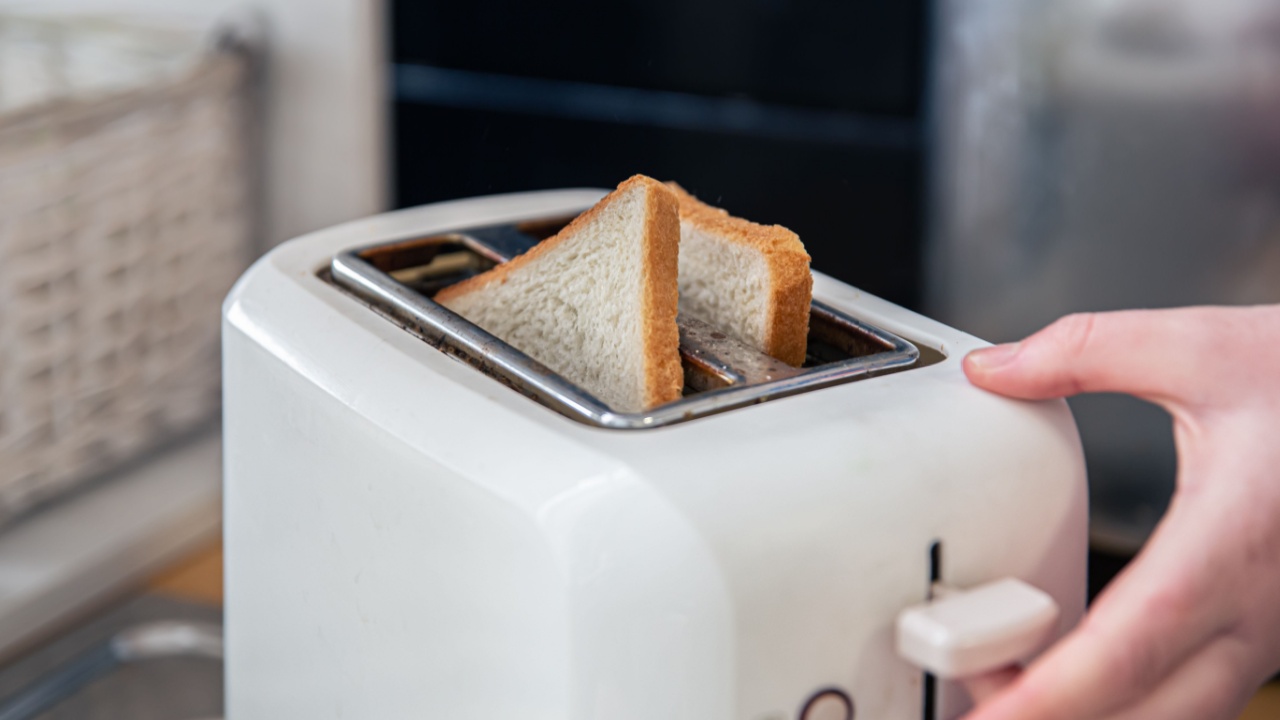
Countertop grills and toasters pose a significant fire risk, and the root cause is almost always the same: accumulated crumbs and grease. A toaster that has not been cleaned in months can become a fire risk every single time it is used.
When crumbs build up in the bottom tray and come into contact with the heating element, ignition can happen rapidly.
Countertop grills carry similar risks, especially when fat drips onto heating surfaces that are already running at high temperatures. Emptying the crumb tray regularly, keeping the appliance free from grease, and never placing anything on top of a toaster while it is in use are all habits that matter.
These appliances should also be unplugged when not in use, as faults in older units have been known to cause fires even in standby mode.
4. Microwave Ovens
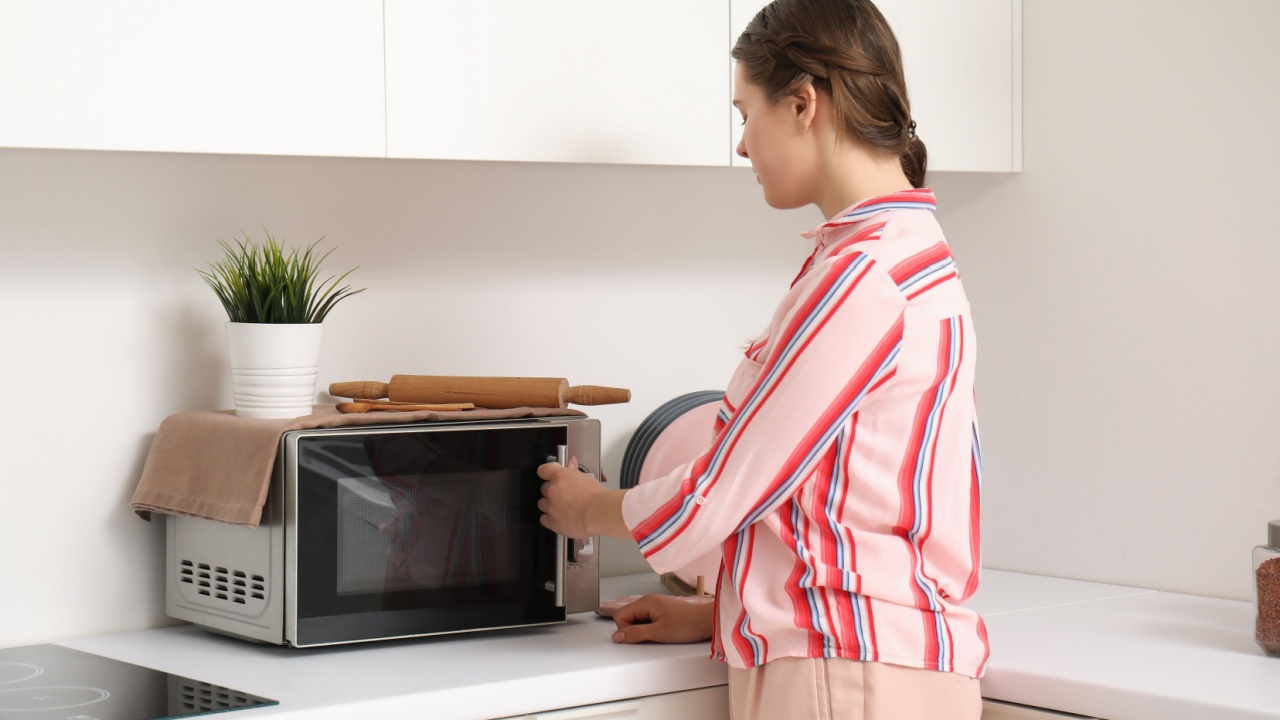
Microwave ovens are often considered one of the safer kitchen appliances, which can make their fire risk easy to overlook.
Most microwave fires are caused by human error, such as overheating food, using metal containers, or microwaving items that are not intended for use inside one.
Certain foods are notoriously risky in microwaves. Whole eggs, sealed containers, and foods with thick skins like potatoes can build up pressure and cause sudden flare-ups.
Keeping the interior clean is critical because food residue left on the walls can spark during subsequent use. Replacing aging microwaves with those that have visible damage to the interior coating also reduces fire risk considerably.
5. Tumble Dryers
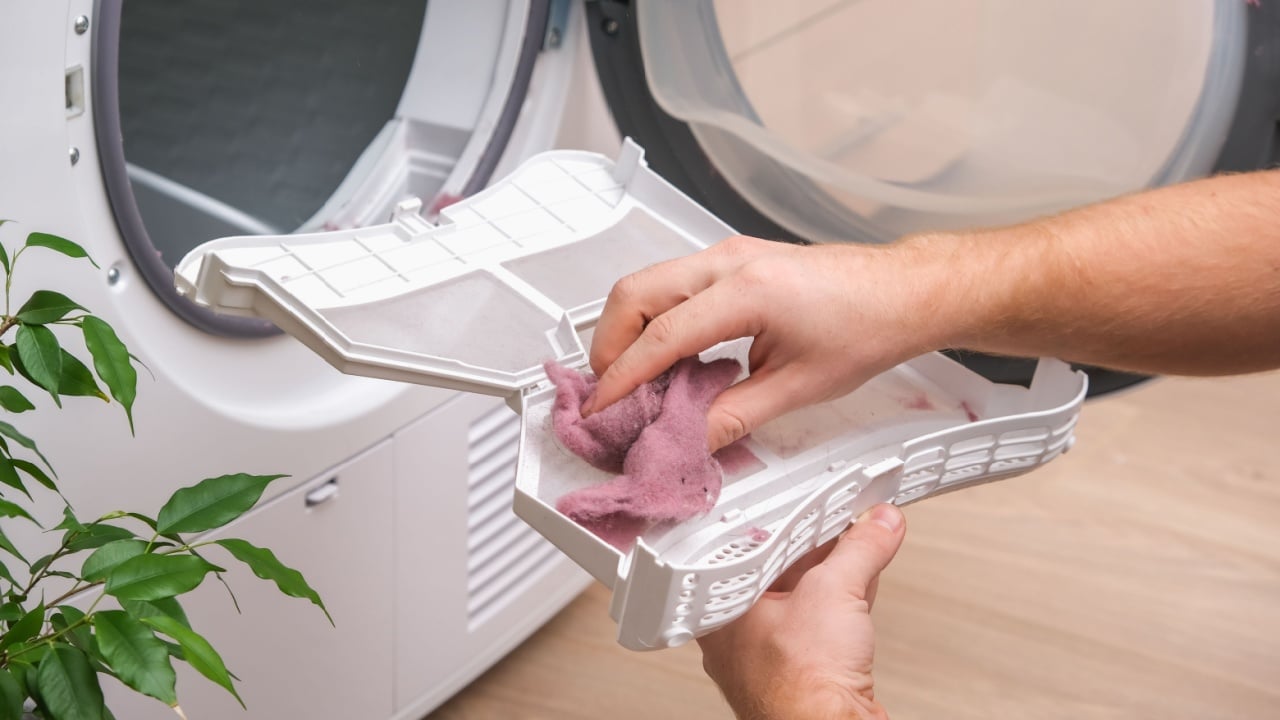
Tumble dryers can pose a serious fire risk, and lint is the primary reason. Every cycle pushes tiny fibers off clothing, and if the lint filter is not cleaned regularly, that buildup becomes highly flammable.
The heat generated inside a dryer is enough to ignite a clogged filter, and because dryers are often run unattended or overnight, fires can spread before anyone notices.
The risk increases with age. Older dryers, particularly those not registered with the manufacturer for safety recalls, may have faulty heating elements or wiring that compounds the lint problem.
Cleaning the lint filter after every single cycle, having the ductwork checked annually, and avoiding running the dryer while sleeping or away from home are practical, non-negotiable habits for anyone who uses one regularly.
6. Fridges and Freezers
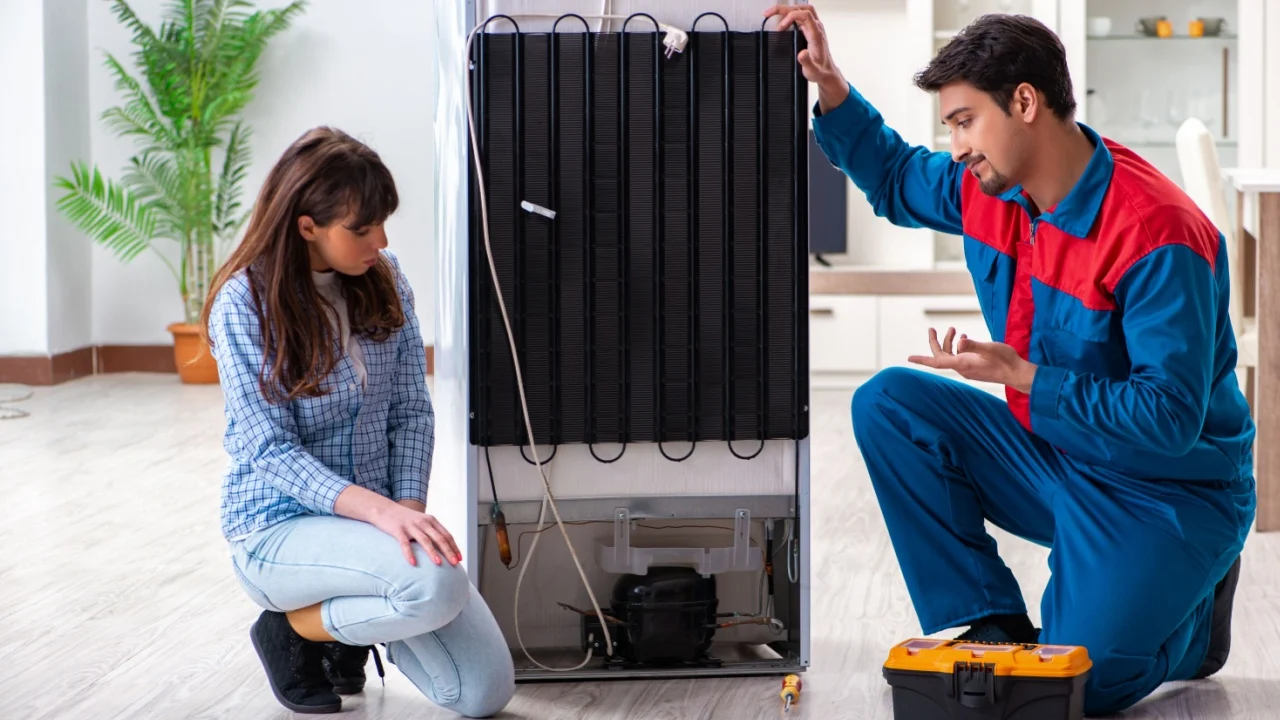
Fridges and freezers, unlike most kitchen appliances, run continuously around the clock. The most common cause is an electrical fault in the compressor or wiring, which can cause overheating at the back of the unit.
Because these appliances are often pushed close to walls or cabinetry, heat has nowhere to escape, and a fault can smolder for a long time before anyone notices.
Many fridge-freezer fires have been linked to specific models subject to manufacturer recalls, often related to faulty insulation foam or compressor defects.
Registering appliances with the manufacturer and checking the product recall database regularly is a step many households skip entirely. Keeping the coils at the back of the fridge free from dust and ensuring there is adequate clearance on all sides of the unit can reduce the likelihood of heat buildup causing a serious problem.
7. Dishwashers
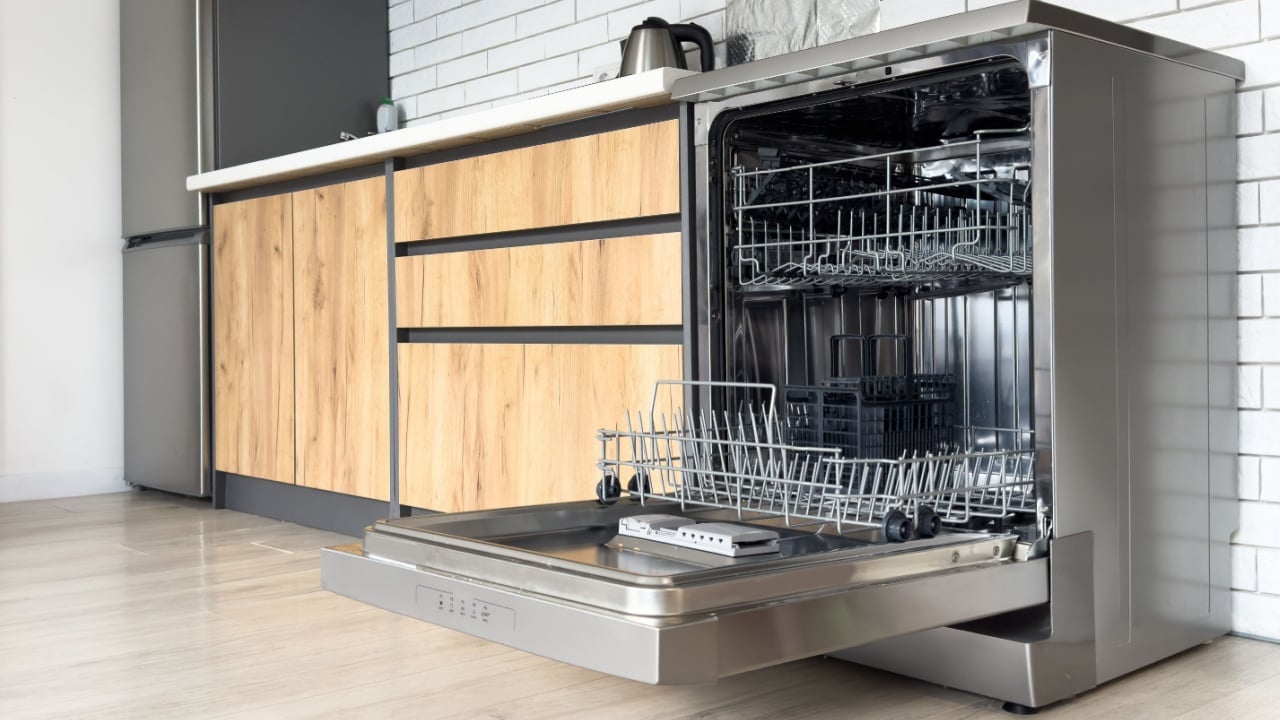
Dishwashers can pose a serious fire risk, and most incidents occur during or immediately after a cycle due to electrical faults or overheating in the control panel.
The combination of water, heat, and electricity inside a single appliance creates conditions where wiring faults can develop over time, especially in older machines. Fires can also start when the appliance is left running overnight or while the household is out.
The wash and dry cycles push dishwashers to their thermal limits repeatedly, and that wear accumulates. Warning signs include unusual smells during operation, visible scorch marks near the door, or the machine tripping the circuit breaker.
Servicing the appliance every few years, never running it on a timed delay through the night, and checking the hose and door seals for wear can help catch problems before they become dangerous.
8. Extractor Fans
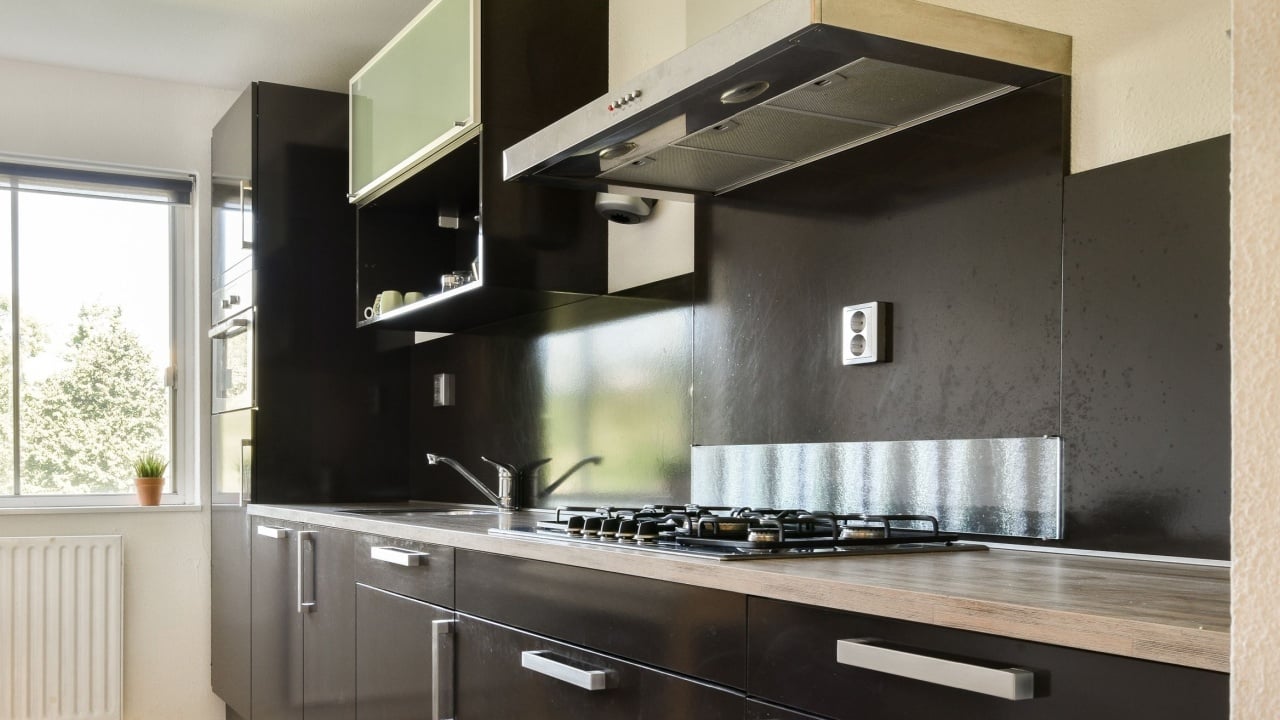
Extractor fans are among the most neglected appliances in the home. Their job is to pull grease-laden air out of the kitchen, which means grease gradually coats the filter, motor housing, and fan blades over time.
When that buildup is significant enough, the motor can overheat, or a spark from the motor can ignite the grease deposits directly.
Bathroom extractor fans carry a slightly different risk. Lint and dust accumulation can block airflow, causing the motor to run hot and eventually fail.
Both types should be cleaned on a regular schedule, with filters replaced or thoroughly washed at least every few months, depending on usage. If an extractor fan starts making unusual noises or runs slower than it used to, those are signs that a professional inspection is overdue.
A Safer Home Starts With What Is Already in It
Most house fires do not start from dramatic or unforeseeable events. They begin with small oversights compounded by routine neglect.
The appliances covered here are responsible for thousands of preventable fires each year, and the common thread across all of them is maintenance. Grease, lint, crumbs, and dust are the fuels; aging wiring and heat buildup are the ignition sources.
Registering appliances with manufacturers, checking for recalls, and building simple cleaning habits into weekly routines can dramatically reduce household fire risk.
Smoke detectors and fire extinguishers still matter, but removing the conditions that allow a fire to start in the first place is far more effective than reacting after one has already started.
Read More:
5 Dangerous Appliances to Always Be Wary Of
14 Retro Appliances That Time Forgot But Still Offer Practical Uses