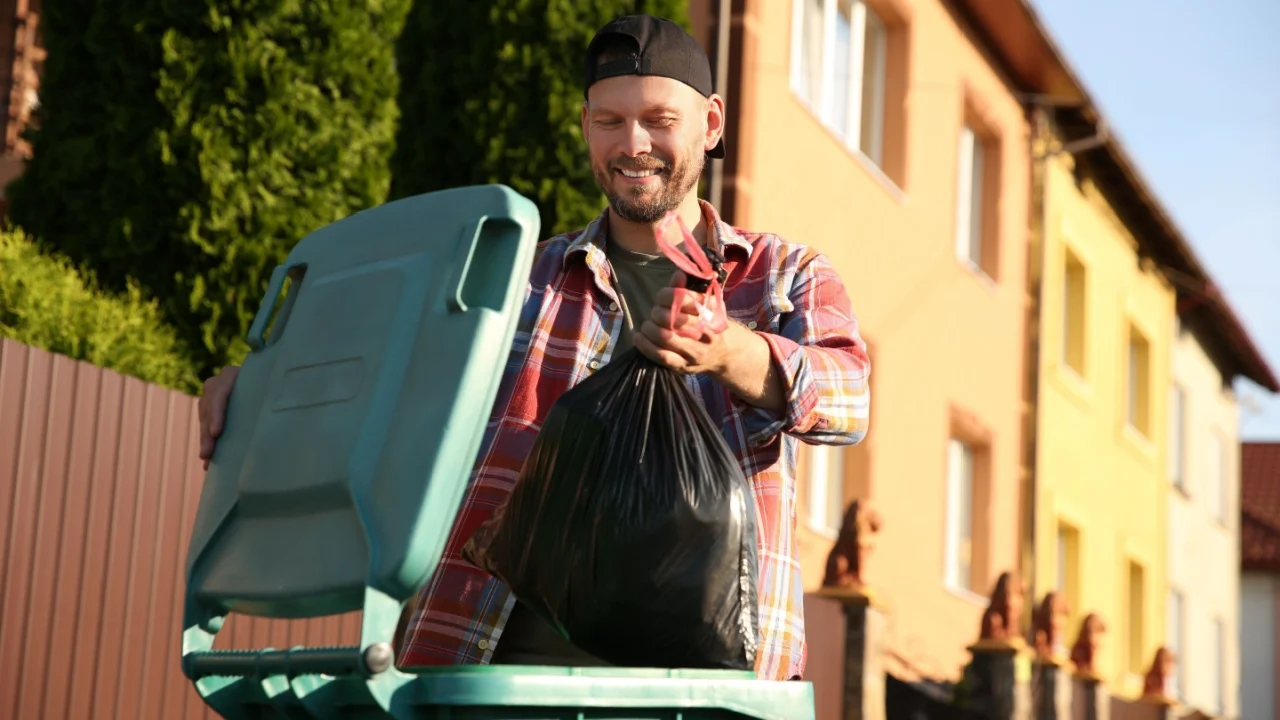
7 Items to Never Throw in the Trash (and What to Do With Them Instead)
Most people toss things in the trash without a second thought. It feels like the easiest solution, but for certain items, that simple act carries real consequences for the environment, public health, and even local water supplies.
Some household items contain toxic materials that garbage trucks and landfills are simply not equipped to handle safely. When these materials break down in a landfill or get incinerated, they release chemicals that can seep into groundwater, contaminate soil, and harm wildlife for years to come.
Safe, accessible disposal options already exist for most of these items. Communities across the country have built programs specifically designed to handle hazardous waste responsibly, and many retailers now offer convenient drop-off solutions.
This article covers seven items that should never go in the trash and explains exactly what to do with each one instead.
1. Medications
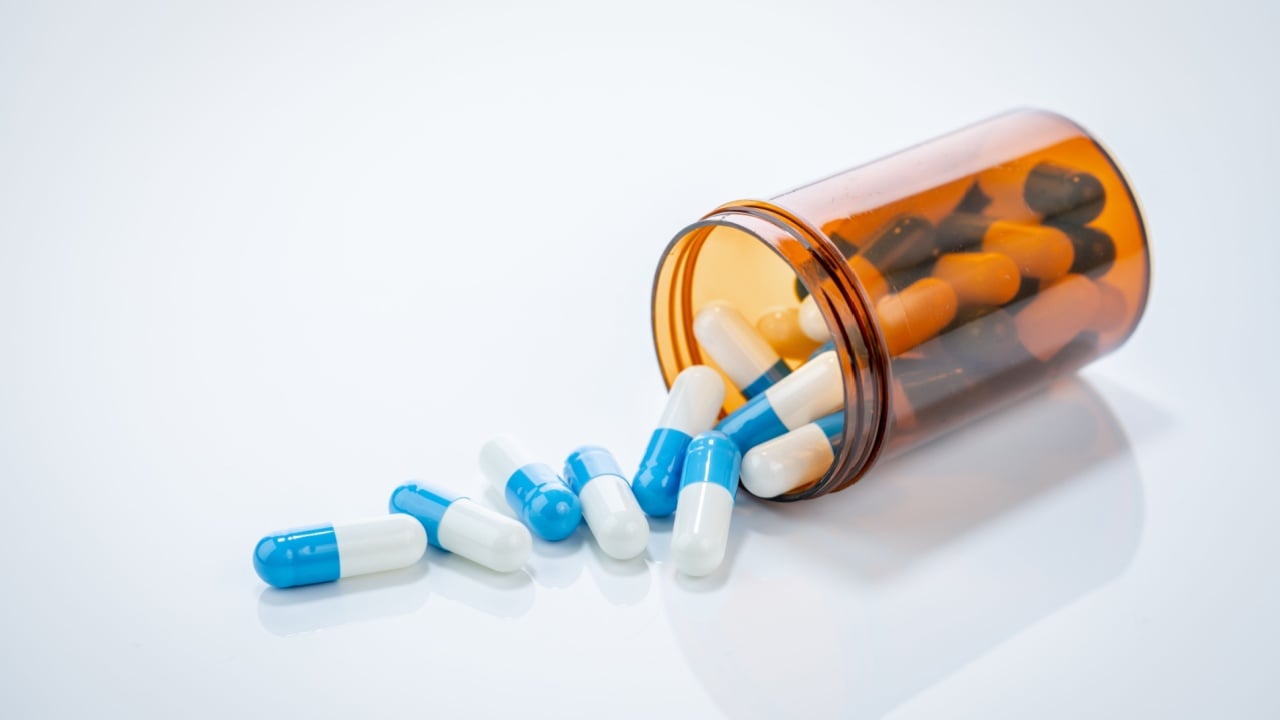
Most people assume that tossing expired pills in the trash is harmless, but medications can leach into the soil as garbage decomposes in a landfill, eventually reaching groundwater.
Flushing them is just as problematic. Studies have detected trace pharmaceuticals in rivers, lakes, and even municipal drinking water, largely because water treatment facilities are not designed to filter out drug compounds.
The safest route is to use an authorized medication take-back program. The U.S. Drug Enforcement Administration (DEA) hosts National Prescription Drug Take Back Days twice a year, and many local pharmacies operate permanent drop-off boxes year-round.
For situations where none of those options are nearby, the FDA recommends mixing medications with an undesirable substance like used coffee grounds or dirt, sealing them in a bag, and placing them in the household trash as a last resort.
2. Appliances
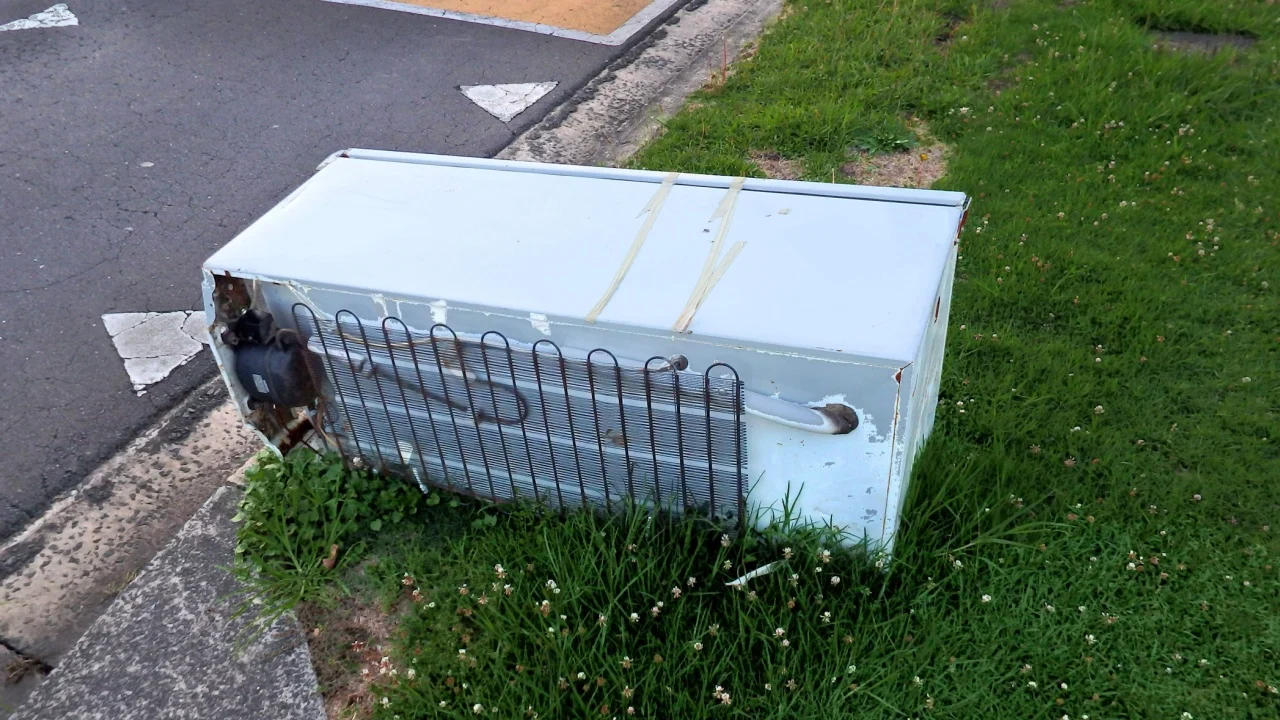
Large appliances like refrigerators, freezers, and window air conditioners contain refrigerants such as Freon, which are classified as greenhouse gases.
When these appliances are crushed in a standard garbage truck or left to deteriorate in a landfill, those refrigerants escape into the atmosphere and contribute to ozone depletion. Smaller appliances like microwaves contain capacitors, wiring, and metals that also require careful handling.
Many utility companies offer appliance recycling programs that include free pickup, and some even provide a small rebate for turning in old energy-inefficient units.
Retailers like Best Buy accept large appliances for recycling when delivering a new one. Local municipalities often schedule bulk item pickup days or have designated drop-off centers specifically for appliances, where technicians can safely remove and recover hazardous components before the materials are recycled.
3. Light Bulbs
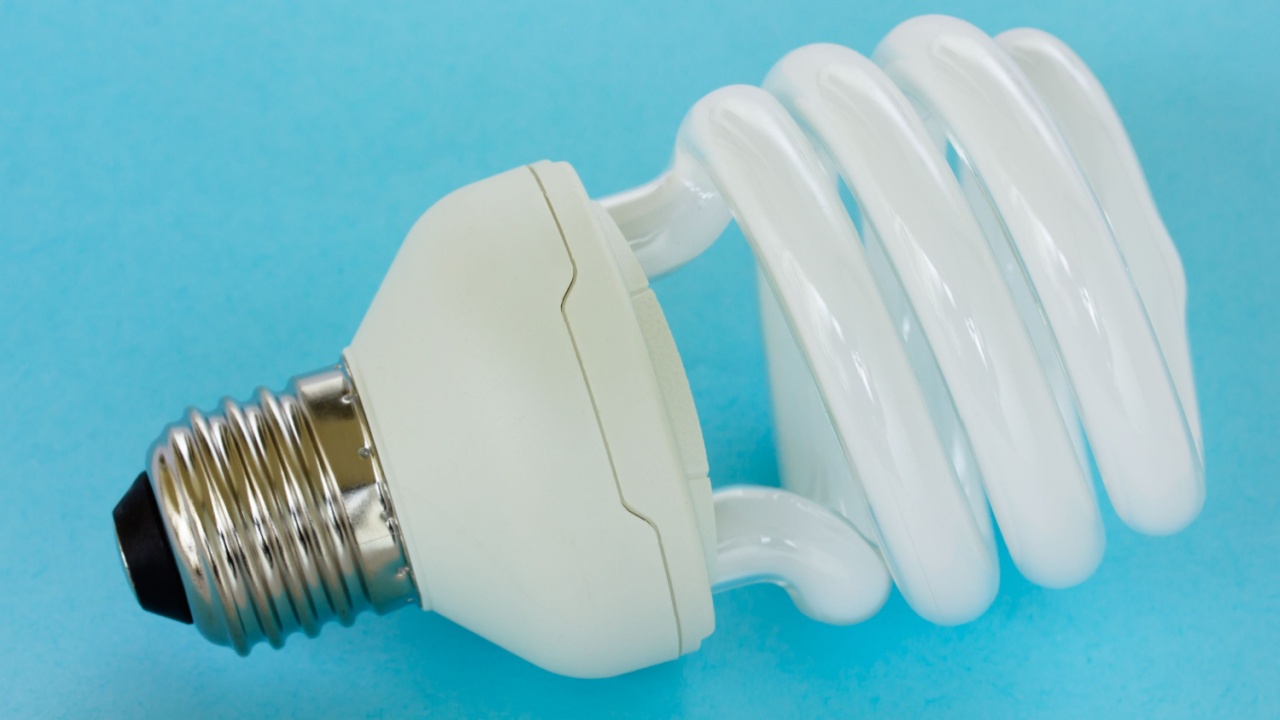
Fluorescent tubes and compact fluorescent lamps (CFLs) contain small amounts of mercury, which is a potent neurotoxin. A single broken CFL can release enough mercury vapor to require careful cleanup, and when these bulbs are crushed in a landfill, that mercury has a direct path to soil and water.
Even LED bulbs, which do not contain mercury, include circuit boards and metals that are worth recovering through proper recycling.
Hardware stores like Home Depot and Lowe’s have in-store drop-off bins specifically for used light bulbs, making disposal remarkably easy for most households.
When a CFL breaks accidentally in the home, the EPA recommends airing out the room, avoiding vacuuming the area immediately, and using stiff cardboard to carefully collect the fragments before sealing them in a plastic bag.
4. Motor oil
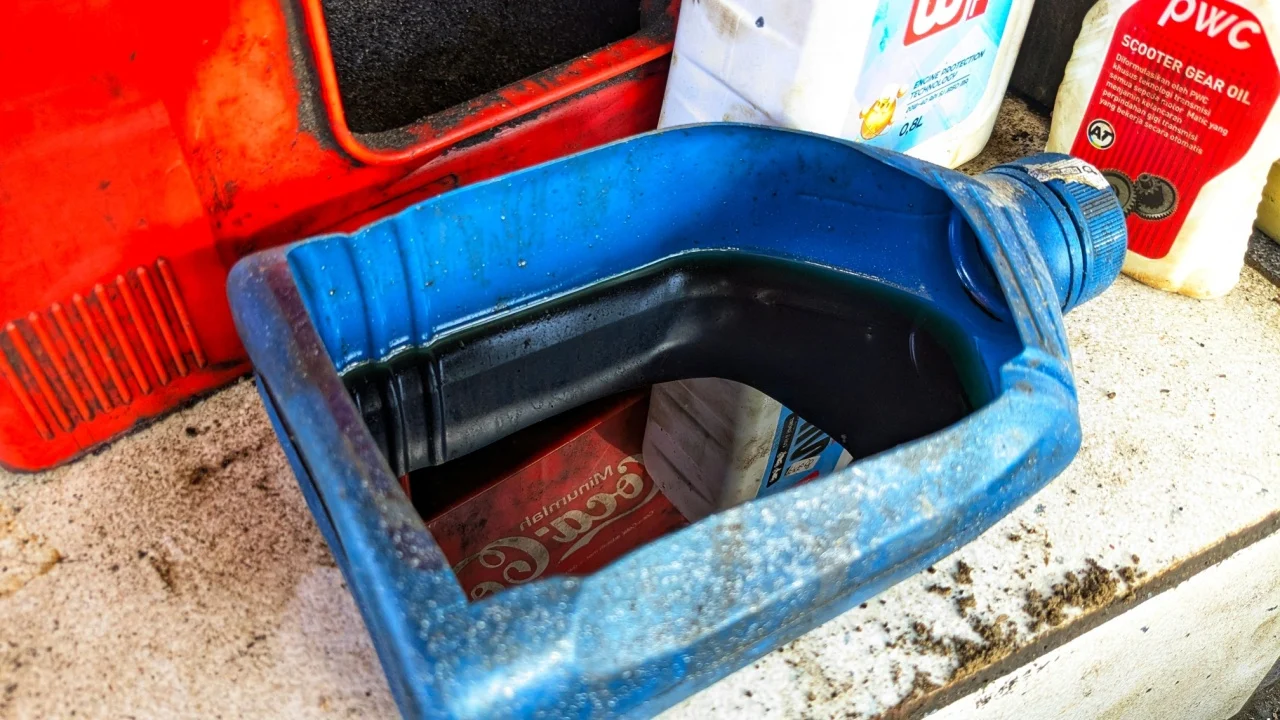
Used motor oil is one of the most damaging substances a household can mishandle. A single gallon of improperly disposed motor oil can contaminate up to one million gallons of fresh water.
It does not biodegrade quickly, it coats aquatic habitats, and it carries a cocktail of heavy metals and combustion byproducts picked up during its time in an engine.
The upside is that used motor oil is almost entirely recyclable. Auto parts stores like AutoZone and O’Reilly Auto Parts accept used oil for free, and many service stations do as well.
Once collected, used oil is filtered and re-refined into base stock for new lubricants, or it is processed into fuel for industrial burners, giving it a productive second life rather than a toxic end.
5. Electronics
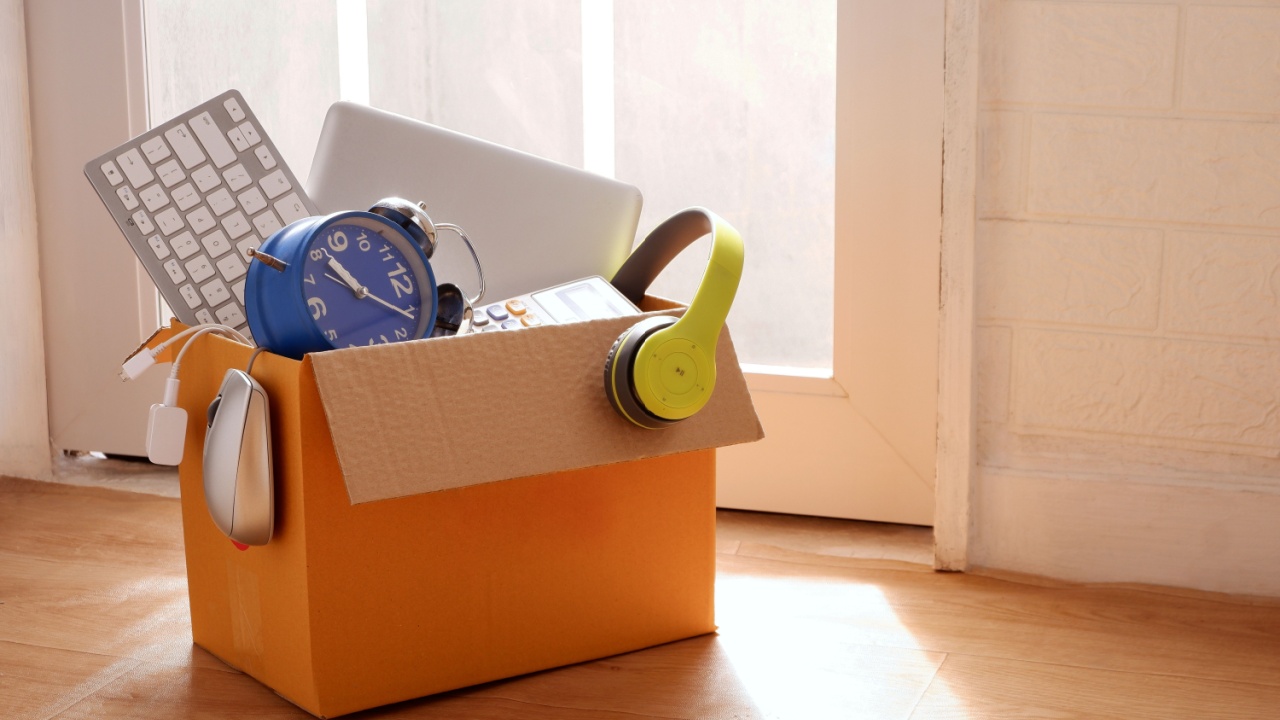
Electronics such as phones, laptops, tablets, and televisions contain a complex mix of materials, including lead, mercury, cadmium, and arsenic in their screens and circuit boards. These toxic elements pose serious risks when electronics are crushed alongside regular household waste.
At the same time, these devices also contain valuable recoverable materials like gold, silver, and copper that are lost forever when sent to a landfill.
E-waste recycling programs are widely available and increasingly convenient. Many manufacturers, including Apple and Dell, offer mail-in recycling programs, and retailers like Best Buy accept electronics for recycling in-store regardless of brand.
For devices that still function, donating to nonprofits, schools, or refurbishment programs is a responsible choice that extends a device’s useful life before it eventually needs to be recycled.
6. Paint

Oil-based paints and chemical solvents are classified as hazardous household waste due to the volatile organic compounds (VOCs) they release. When poured down a drain or placed in regular trash, these compounds can contaminate water treatment systems and soil.
Even latex paint, which is water-based and less toxic, should not be tossed in liquid form because it can still cause problems in a landfill.
Most municipalities hold hazardous waste collection events several times a year, where paint and solvents can be dropped off for safe processing.
PaintCare operates year-round drop-off sites at hardware and paint retailers in many states, accepting leftover paint for recycling or reuse. Latex paint that has fully dried out in the can is generally accepted in regular trash in most areas, so leaving the lid off to let it harden completely is a practical approach for small amounts.
7. Tires
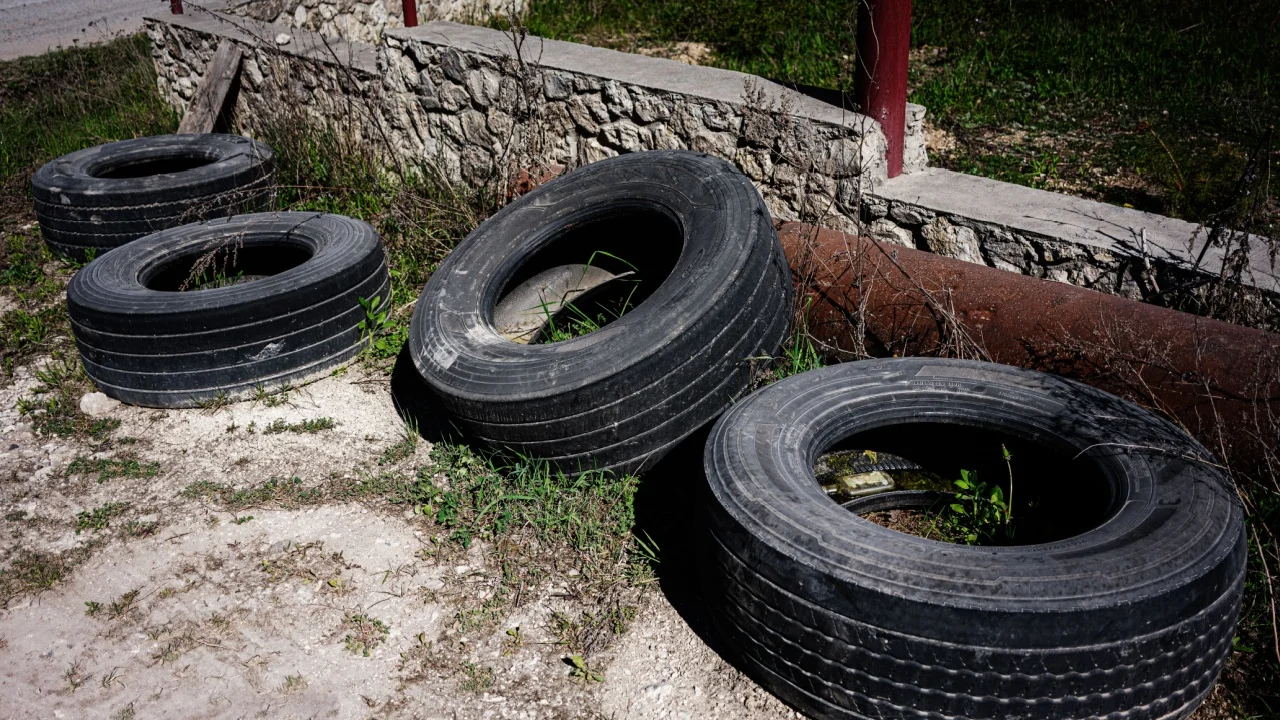
Old tires are banned from most landfills in the United States because they are extremely slow to break down, they trap gases that can cause them to bubble up through landfill surfaces, and they create breeding grounds for mosquitoes when they collect rainwater.
Illegally dumped tires are a significant environmental and public health concern, with millions improperly discarded each year.
Specialized tire recycling facilities break down old tires into crumb rubber, which is then used in products like asphalt for roads, playground surfaces, athletic tracks, and even new tire manufacturing.
Many tire retailers will accept old tires for recycling at the time of a new purchase, sometimes for a small fee. Municipalities occasionally host free tire drop-off events, and some recycling centers accept tires year-round, so checking local waste management websites is a reliable first step for anyone with tires to dispose of.
Small Choices, Real Results
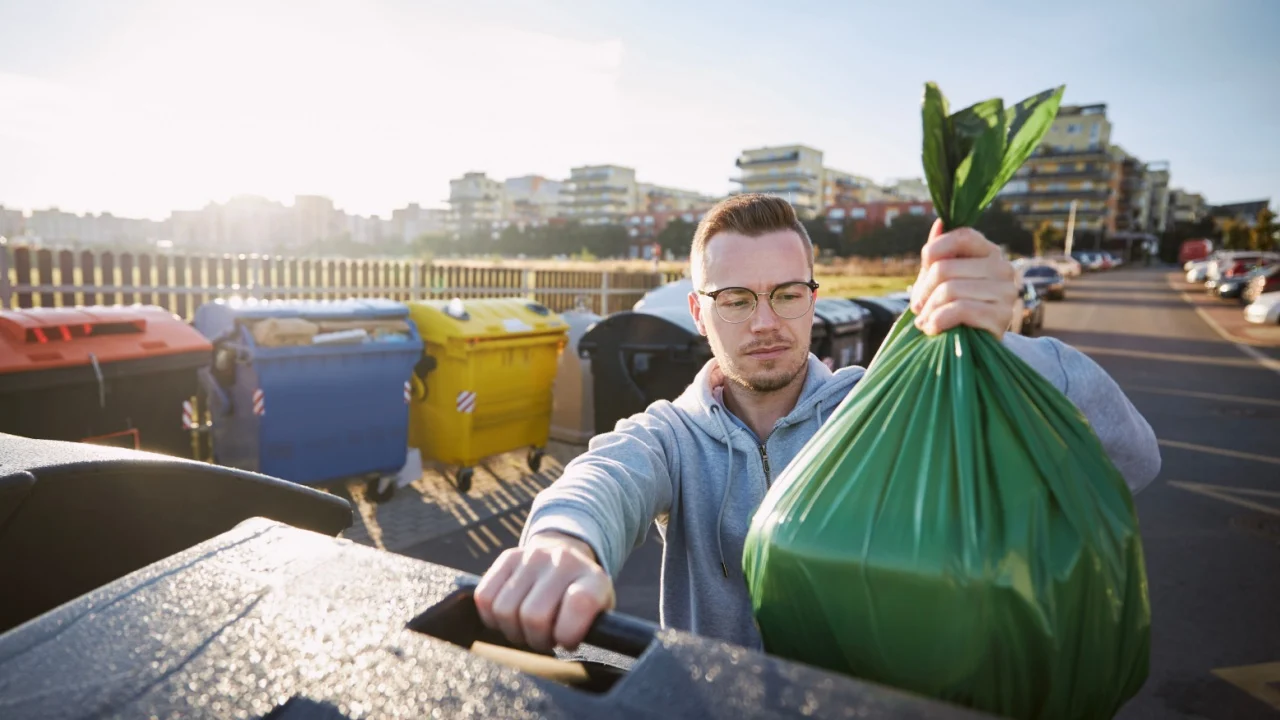
It is easy to underestimate the impact of a single discarded battery or a cracked fluorescent bulb. The reality is that disposal habits are cumulative.
When millions of households make the same careless choice, the environmental and public health effects become significant and sometimes irreversible.
Taking an extra few minutes to dispose of these items correctly is one of the more impactful habits a household can build, and the resources to do it right are more accessible now than they have ever been.