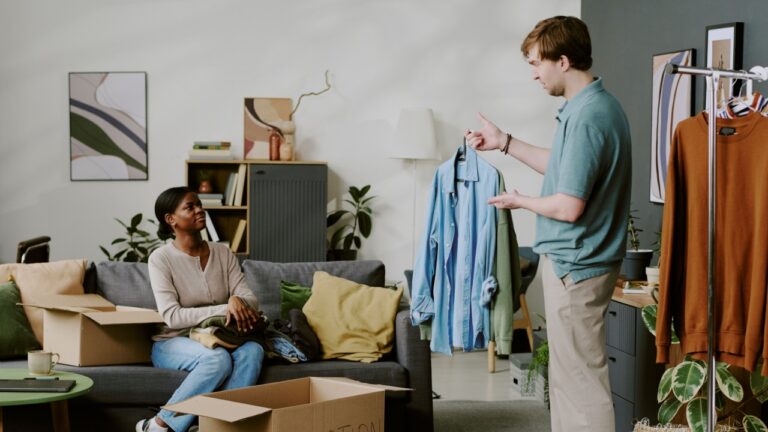
14 Items to Declutter After 40 for a Lighter Space
Turning forty often changes the way you look at your home. Things you once kept for “someday” can start to feel like extra weight, taking up space and attention. Rooms that used to feel comfortable may now feel crowded without you fully realizing why.
Most people collect far more than they actually use over the years. By the time their forties arrive, it is common to feel drained by overflowing closets, packed cabinets, and items that no longer fit their life. Even small amounts of clutter can make daily routines feel more stressful than they need to be.
Clearing out unnecessary things is about making room for what still matters and getting rid of what no longer serves a purpose. A cleaner, simpler space can make a home feel calmer and easier to manage.
These 14 items are a practical place to begin. From forgotten kitchen gadgets to clothes you never wear, each one can help you create a home that feels lighter, more organized, and far less overwhelming.
1. Expired Pantry and Medicine Cabinet Goods
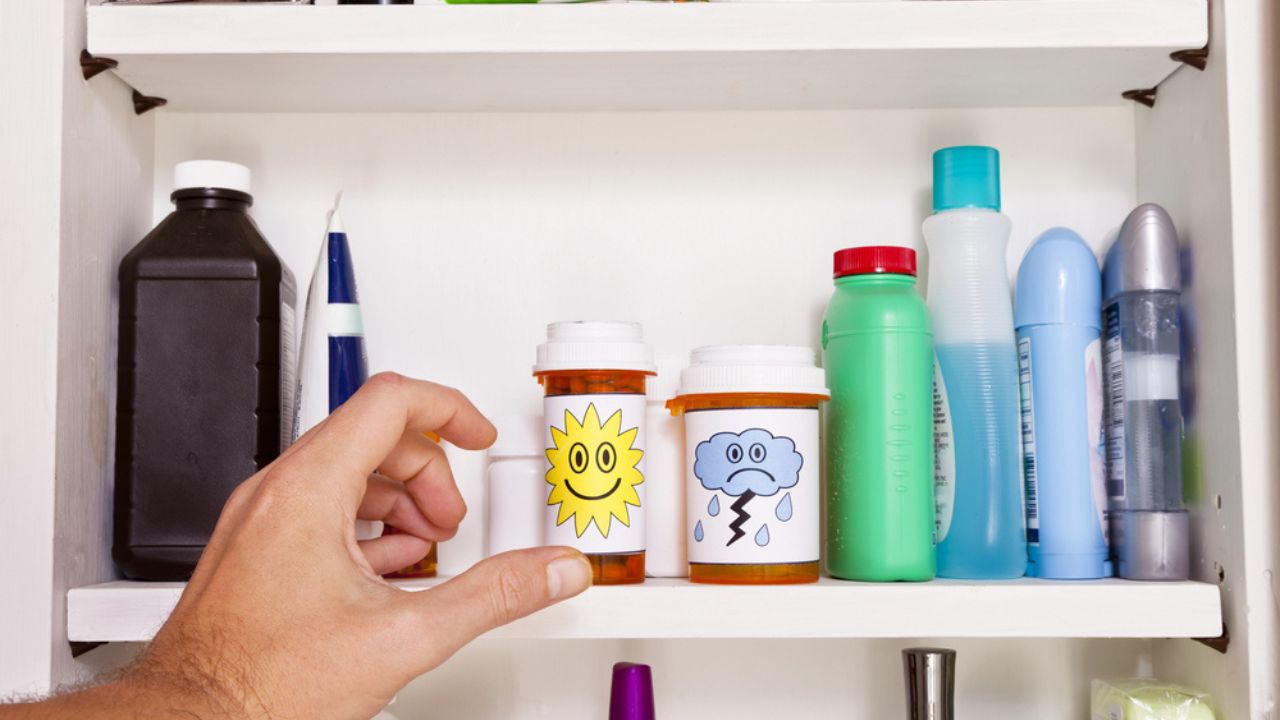
An average home stores dozens of items past their expiration dates. Keeping ineffective medicine or stale food wastes prime storage space while offering zero benefits.
This category includes vitamins, over-the-counter pain relievers, dried spices, and canned vegetables. People often bypass these items daily without noticing the printed dates on the labels.
Discard any ingested product past its prime immediately. Check local pharmacy guidelines for safely disposing of medications to keep the household organized and safe.
2. Random Cords and Chargers
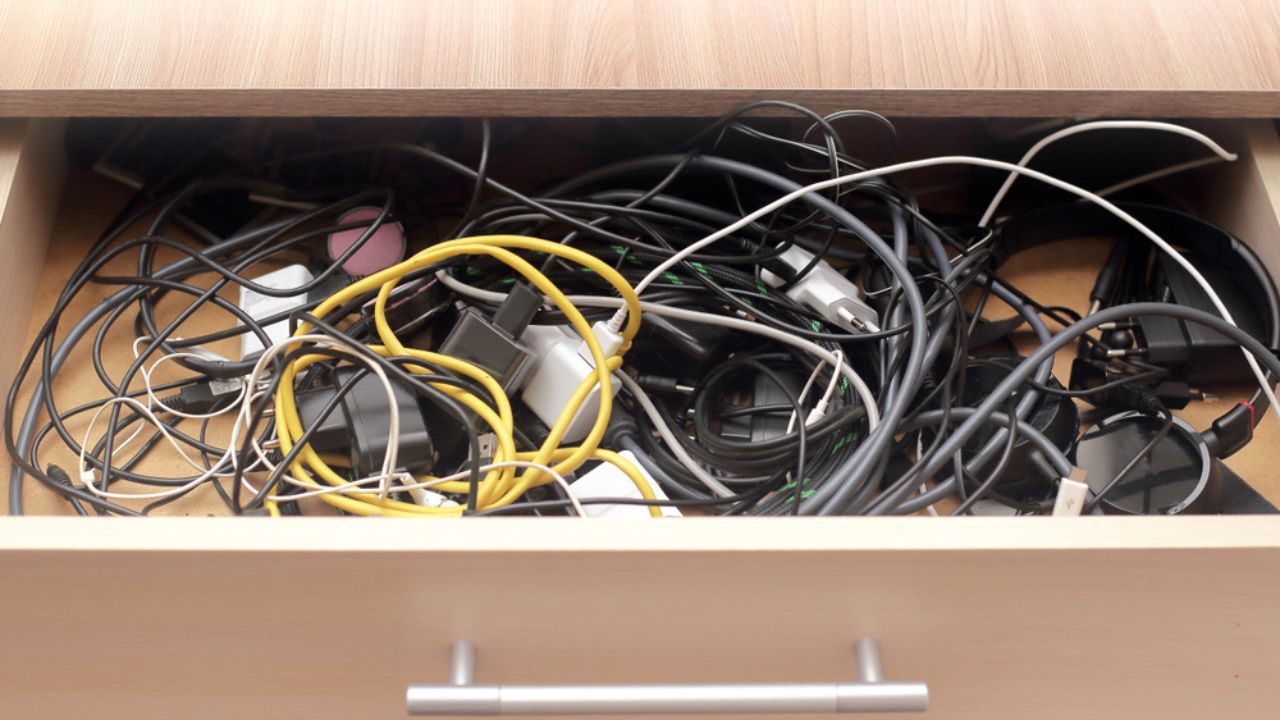
Technology changes so quickly, leaving a trail of obsolete chargers and cables in its wake. Electronics recycling centers report processing tons of unused wires from homes every year.
That drawer full of tangled wires, old phone chargers, and mystery power adapters isn’t doing you any favors. It just makes finding the cord you actually need a frustrating mess.
It’s time to tackle the tangle. Gather up all your cables and match them to the devices you currently use. Take the rest to a designated e-waste drop-off location to be recycled responsibly.
3. Nostalgic Ticket Stubs and Lanyards
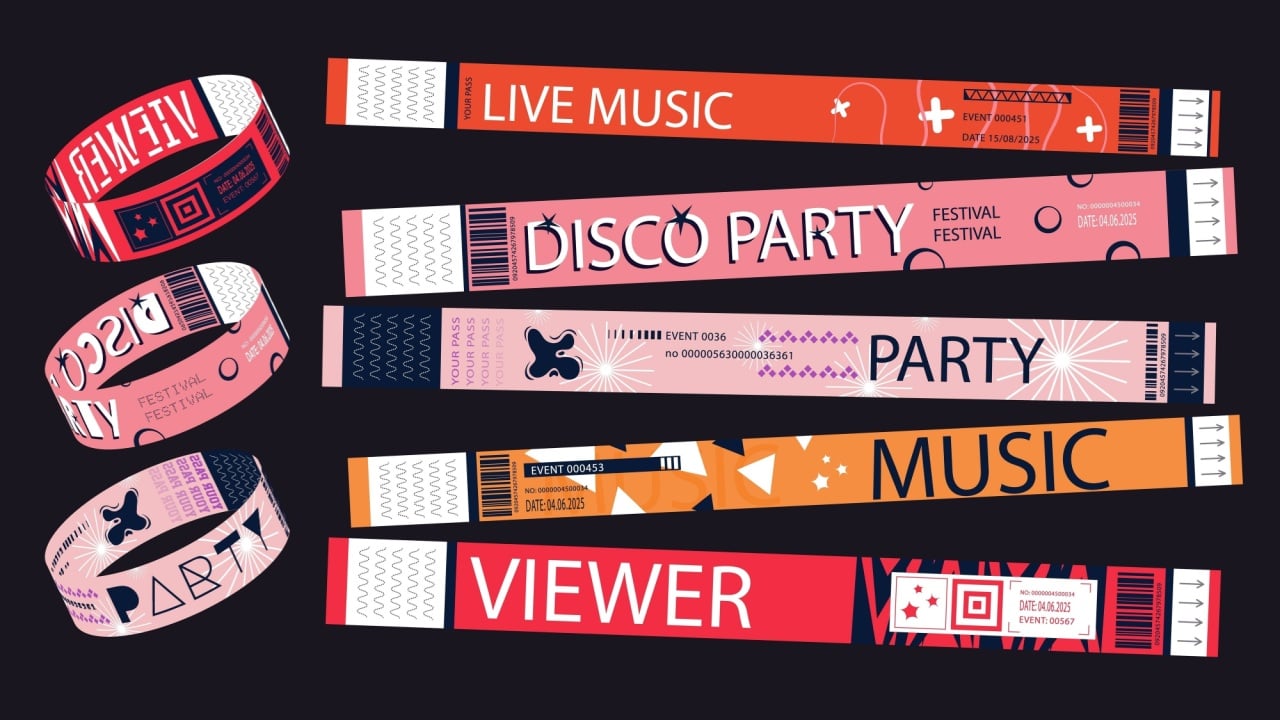
Paper memorabilia from past events creates visual clutter on bulletin boards and inside desk drawers. Concert tickets, festival wristbands, and old media passes take up room and gather dust, rarely seeing the light of day once the event concludes.
While it can be hard to let go of these memories, keeping physical proof of attendance is largely unnecessary in the digital age. Instead of letting them collect dust, photograph your most meaningful stubs and store them in a digital folder.
You could even get creative and turn them into a scrapbook or a shadow box display. This way, you can discard the physical paper to free up surface areas and storage boxes, while still preserving the memories you cherish.
4. Unidentifiable Kitchen Gadgets
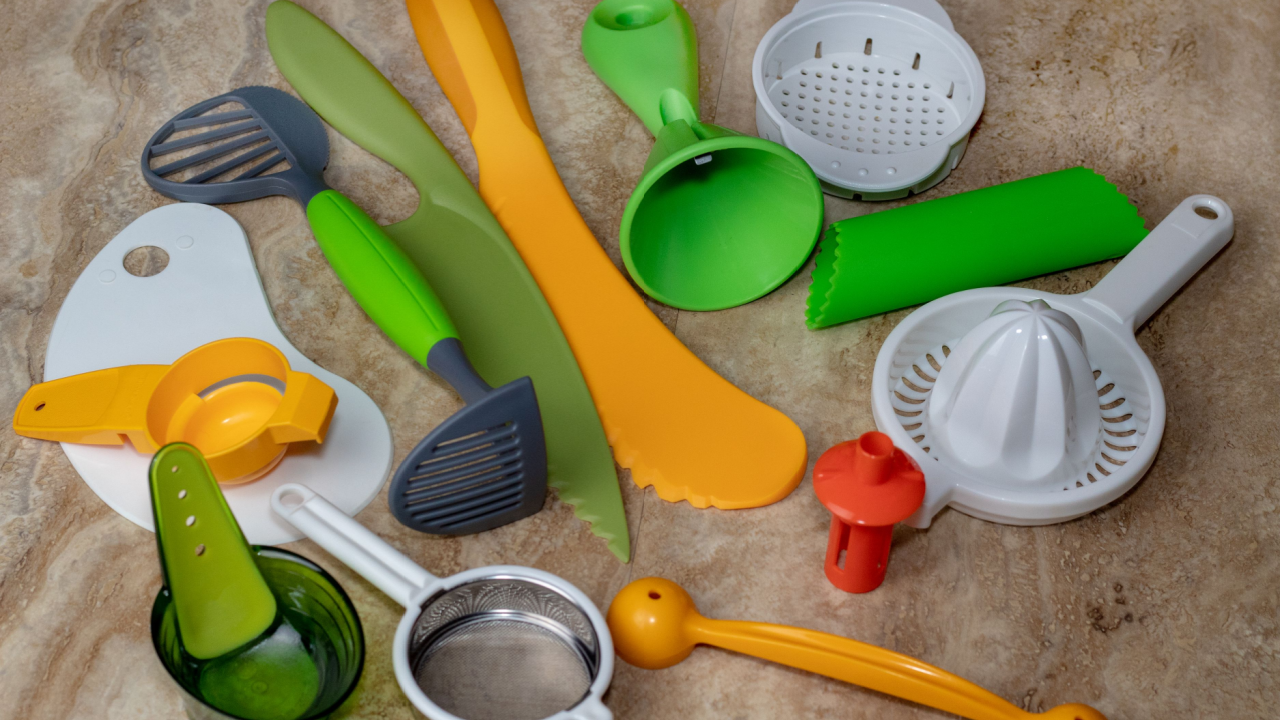
Kitchens can easily become dumping grounds for highly specific culinary tools. However, most people regularly use only a fraction of their cooking utensils.
Avocado slicers, specialized peelers, and obscure baking molds often clutter up drawers. When an object sits untouched for years, it loses its right to occupy valuable kitchen space.
It’s better to keep multi-purpose tools like a high-quality chef’s knife and get rid of single-use plastics. Unwanted gadgets can be donated to community centers or charity shops.
5. Mail and Paper Piles
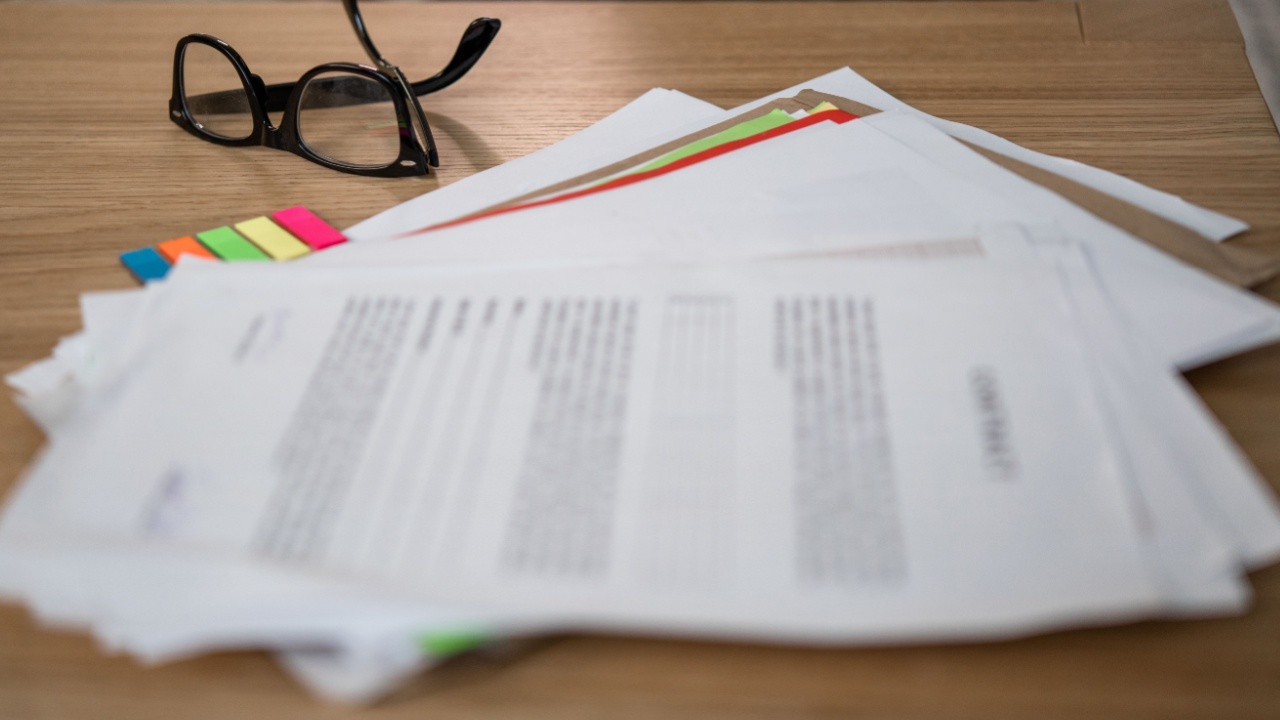
Paper clutter is a common source of stress in many homes. It’s easy for outdated physical documents to accumulate, creating large piles on countertops and entry tables.
Items like old travel itineraries, takeout menus, expired coupons, and old billing statements can often be found in these piles, but they usually belong in the recycling bin. In today’s digital world, most of this information can be found and stored securely online.
For sensitive documents, using a shredder is a good way to protect personal data before disposal. To prevent future pileups, it helps to recycle junk mail as soon as it arrives.
6. Outdated Decor Accessories

Design preferences change significantly from early adulthood into the forties. Holding onto decor that no longer matches your current aesthetic can create visual noise and make a space feel cluttered.
To curate a more harmonious living space, evaluate each decorative object. Ask whether it aligns with the current vision for the room and contributes positively to the atmosphere. Letting go of these items can be a refreshing way to update a home’s look and feel.
Donating pieces that no longer fit the desired aesthetic is a practical step. Local thrift stores or community centers are often happy to receive such items, allowing them to find a new home where they will be appreciated.
7. Obsolete Instruction Manuals
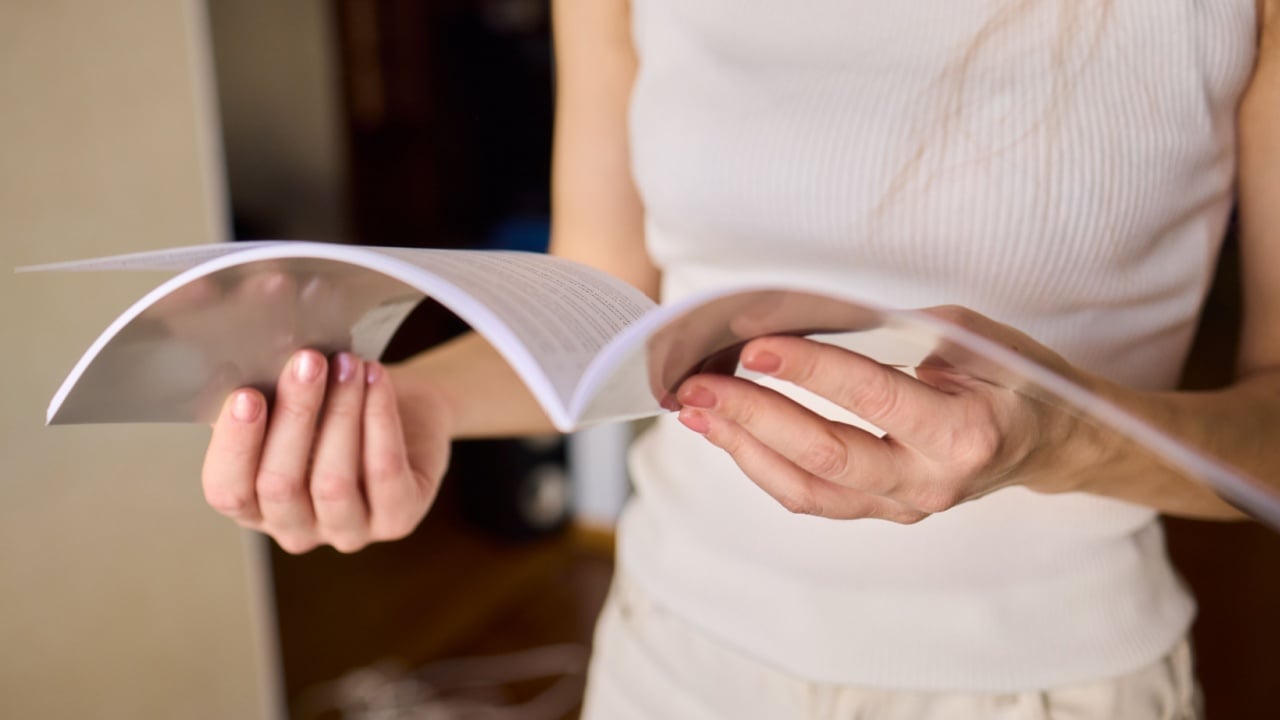
With almost all information available online, paper instruction manuals are becoming a thing of the past. Most appliance and electronics companies have digital versions on their websites, yet those thick booklets for the TV, air fryer, and vacuum still seem to pile up in our drawers.
However, it’s much easier to find a solution online or watch a quick video tutorial. These booklets just add to the paper clutter without offering much in return, making them perfect for your decluttering pile.
The fix is easy: recycle them! If you’re worried about needing the instructions later, just bookmark the manufacturer’s website or save a digital copy on your computer. You’ll clear out space and still have all the info you need.
8. Unworn Clothing

It’s easy for closets to become crowded with clothes from past years, many of which are rarely worn. On average, most people only wear about 20% of their wardrobe regularly. That means a lot of clothing is just taking up valuable space.
Items that are stained, damaged, or don’t fit well can make getting dressed a chore. Holding onto old clothes, like college jeans, often isn’t practical and can lead to decision fatigue.
A simple one-year rule can be a game-changer. If something hasn’t been worn in the last 12 months, it’s a great candidate for donation. Giving these items to a local charity not only frees up closet space but also gives the clothes a new life with someone else.
9. Old Cookbooks and Media
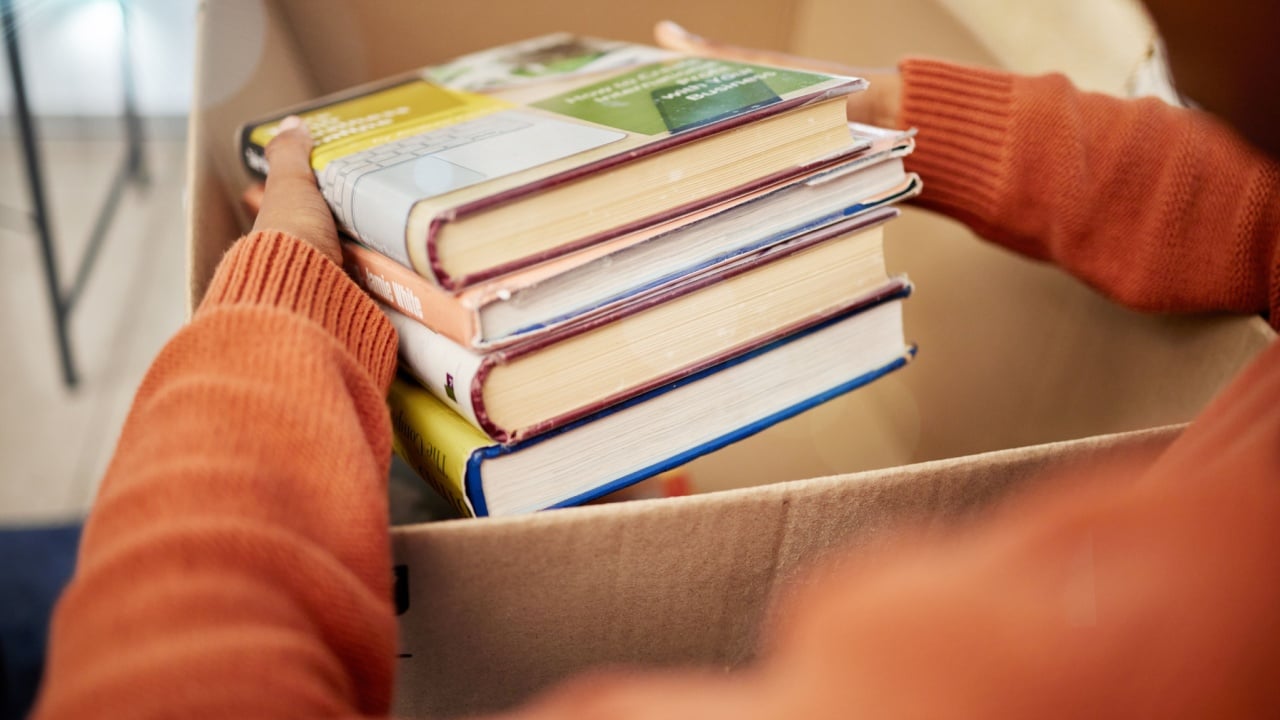
With recipes, music, and movies now just a click away, physical media like cookbooks, DVDs, and CDs can quickly become dust collectors.
While it might be nice to keep a few favorites for sentimental reasons, these collections often take up valuable shelf space and can make a home feel dated.
A good rule of thumb is to digitize what you can and keep only what is truly special. Selling or donating the rest to local libraries, schools, or secondhand shops is a fantastic way to declutter your living space while giving these items a second chance to be enjoyed.
10. Novelty Drinkware
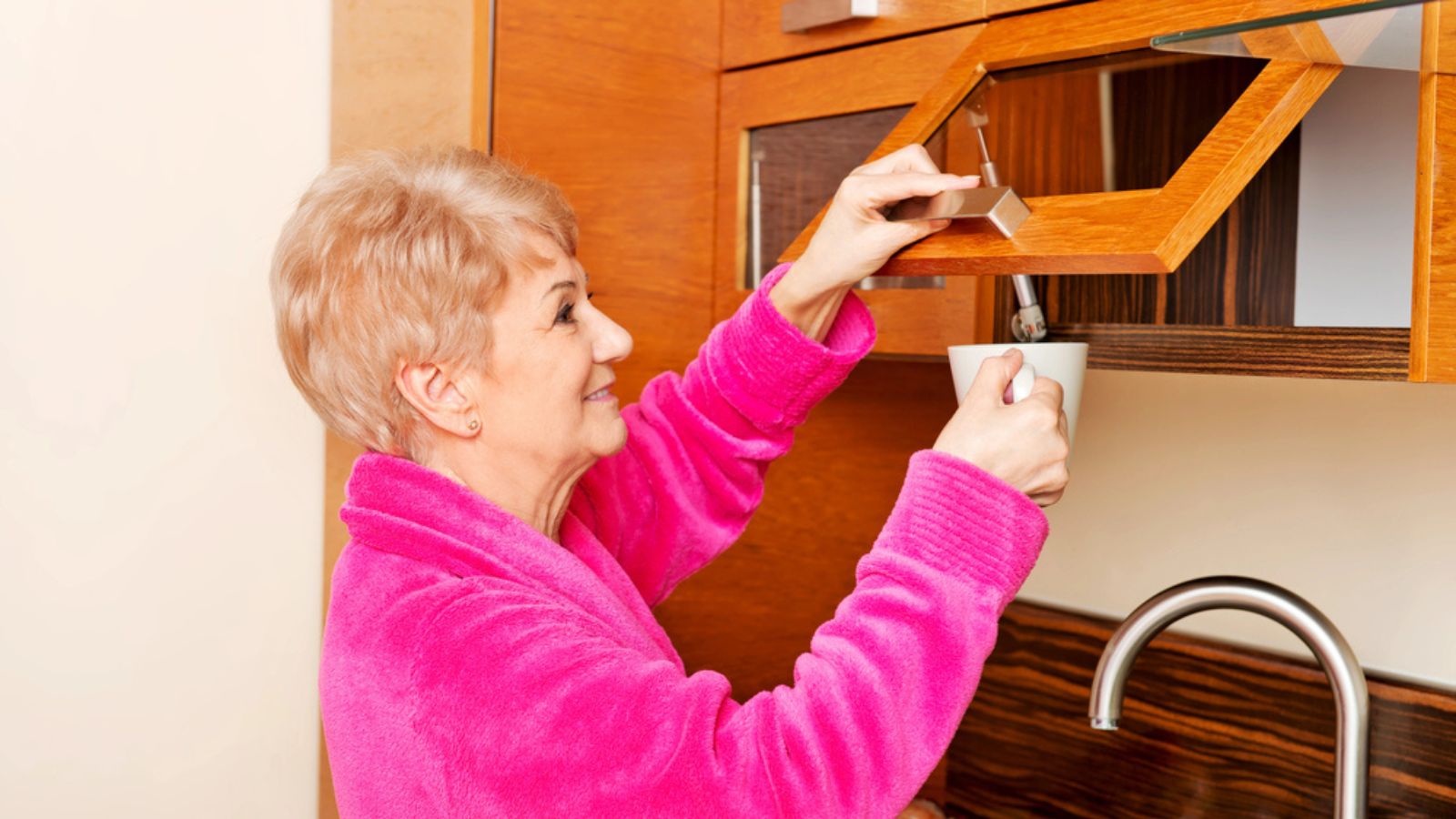
Souvenir drinkware often piles up from vacations, events, and gifts. Most households have far more cups and mugs than they actually need, leading to cluttered kitchen cabinets.
Shot glasses from college, promotional mugs, and mismatched wine goblets tend to get pushed to the back of the cupboard, forgotten and unused. While they might hold fun memories, they mostly just take up valuable space that could be used for items you actually reach for every day.
For a more organized kitchen, it’s a great idea to stick to a matching set of mugs and glasses. If a cup hasn’t been used in a while, consider donating it. This simple change can make your cabinets feel much more functional and tidy.
11. Unused Hobby Supplies
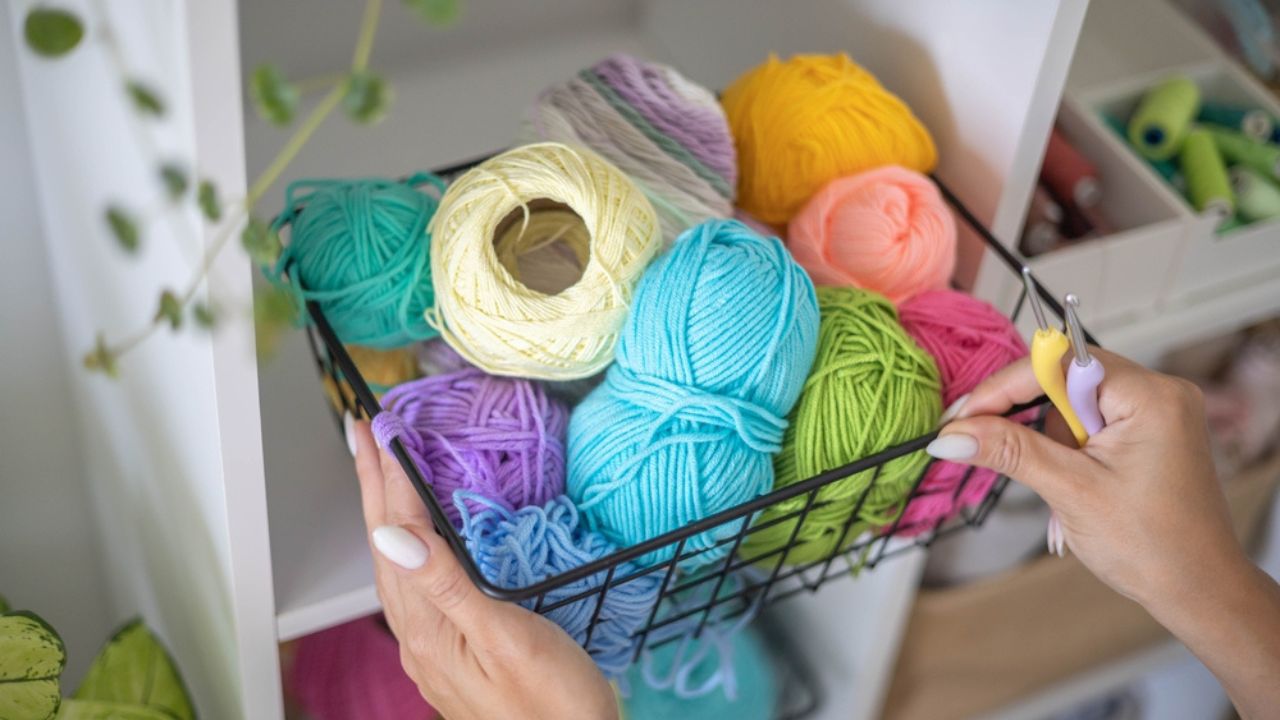
It’s natural for hobbies and interests to change over time. What was once a passion project might now be collecting dust in a closet. Garages and storage spaces often become graveyards for forgotten pastimes, filled with things like knitting needles, scrapbooking supplies, or old sports gear.
While these items might have been bought with good intentions, they now just add to the clutter. Plus, seeing them can create a sense of guilt for not finishing what was started.
A great solution is to pass these supplies on to someone who will actually use them. Local schools, community centers, or even friends might be thrilled to take them off your hands. Clearing out old hobby materials frees up physical space and makes room for new passions.
12. Duplicate Hand Tools
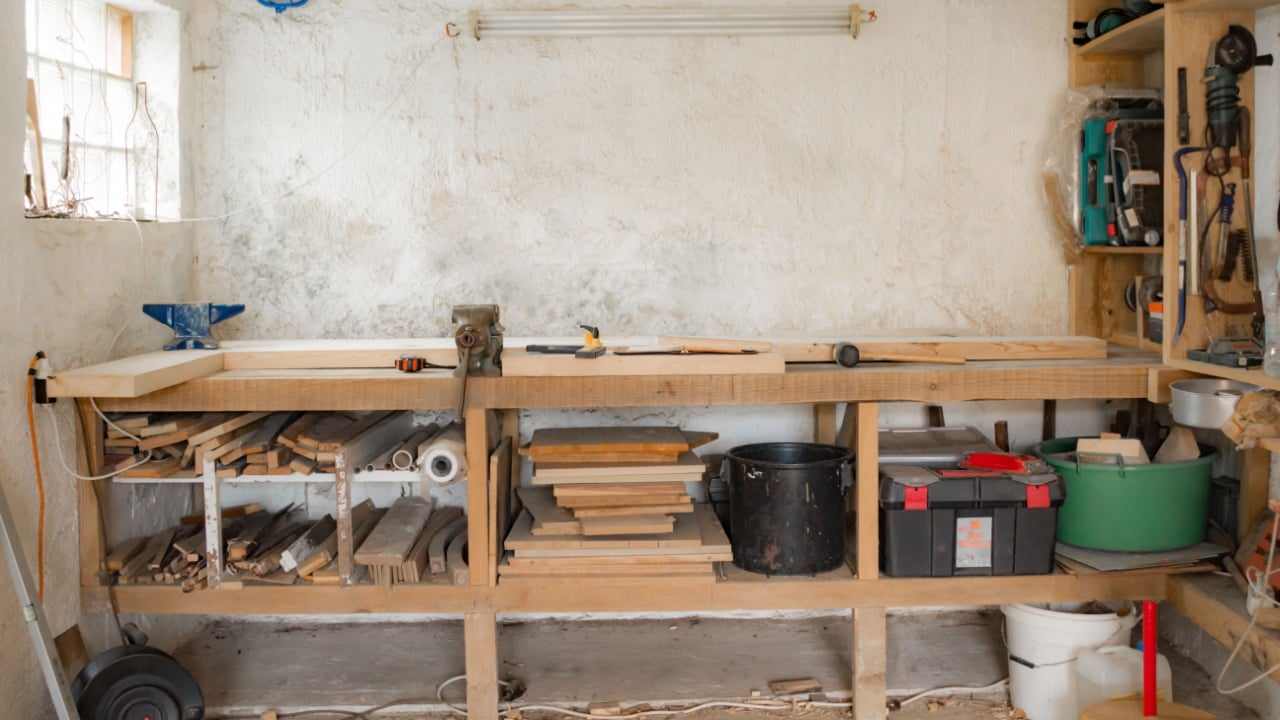
Toolboxes can easily overflow with multiples of the same item, especially when hardware is purchased in convenient kits. This often leads to owning five identical screwdrivers or several redundant tape measures.
Instead of simplifying household repairs, this surplus complicates them. A well-organized, streamlined toolkit is far more efficient and easier to use.
Take inventory of all hardware and identify the duplicates. The excess tools can then be given to a neighbor, a friend starting their own tool collection, or donated to an organization like Habitat for Humanity, where they can be put to good use.
13. Uncomfortable Footwear
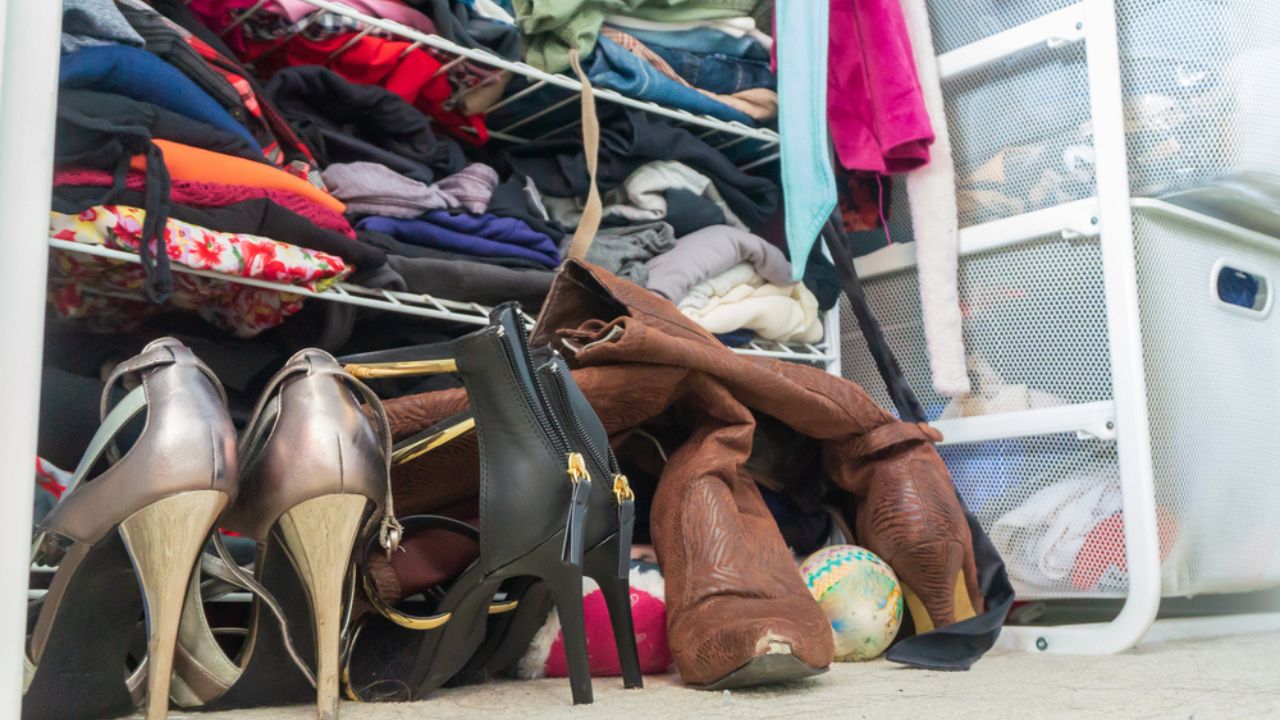
As the body ages, foot health becomes increasingly important, and podiatrists often warn against wearing shoes that pinch, lack proper support, or cause pain. Yet, many people hold onto footwear that is uncomfortable or ill-fitting. These shoes do not deserve valuable closet space.
Stilettos that cause blisters or dress shoes that cramp toes can create unnecessary decision fatigue during morning routines.
It’s wise to assess every pair of shoes for true comfort and fit. Any pair that causes pain or discomfort after a reasonable period of walking should be discarded or donated.
14. Worn Bedding and Towels
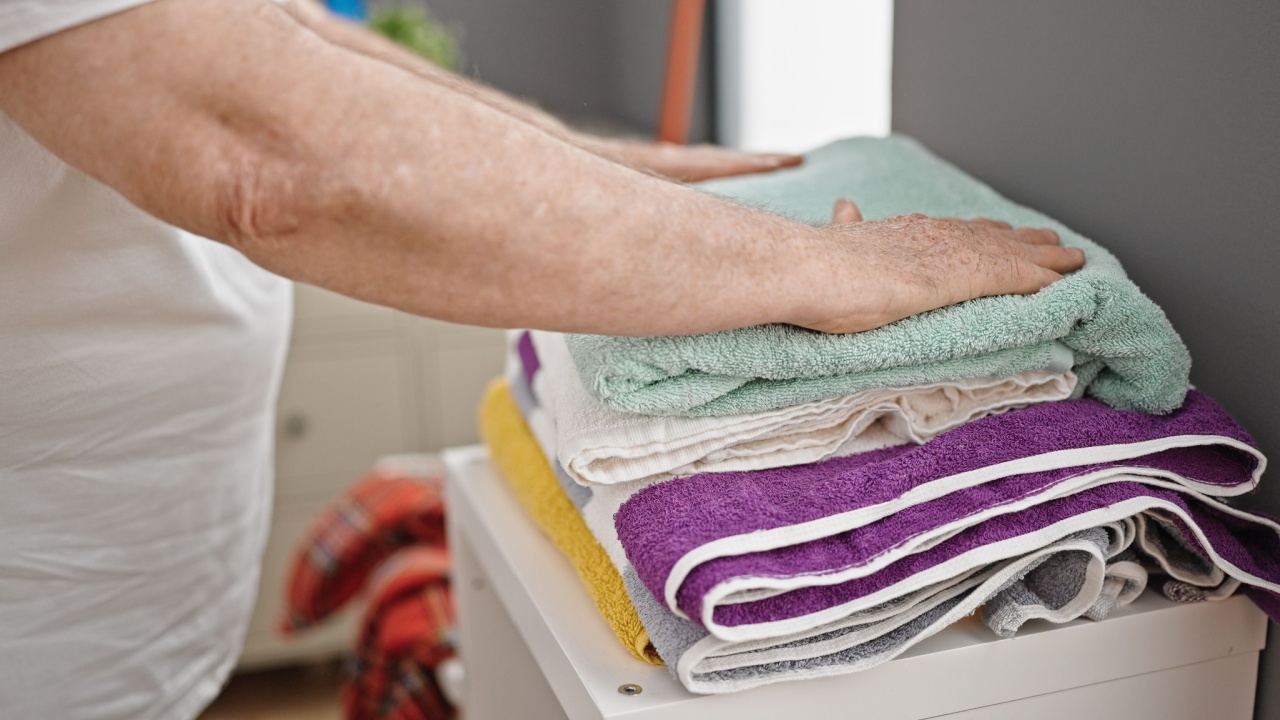
Towels and sheets don’t last forever. Textile experts suggest replacing them every few years for hygiene and comfort, but it’s easy to let worn-out linens pile up in the back of the closet. Faded pillowcases, saggy fitted sheets, and scratchy bath towels just take up space without adding any real value to the home.
Holding onto torn, stained, or frayed fabrics can make a home feel less comfortable and inviting. A simple audit of the linen closet can reveal which items are ready to be retired.
Instead of throwing them out, old towels and sheets can be repurposed as cleaning rags for household chores or messy garage projects. Investing in fresh, high-quality replacements can elevate daily routines, making a home feel more luxurious and cared for.
Clear Space, Clear Mind
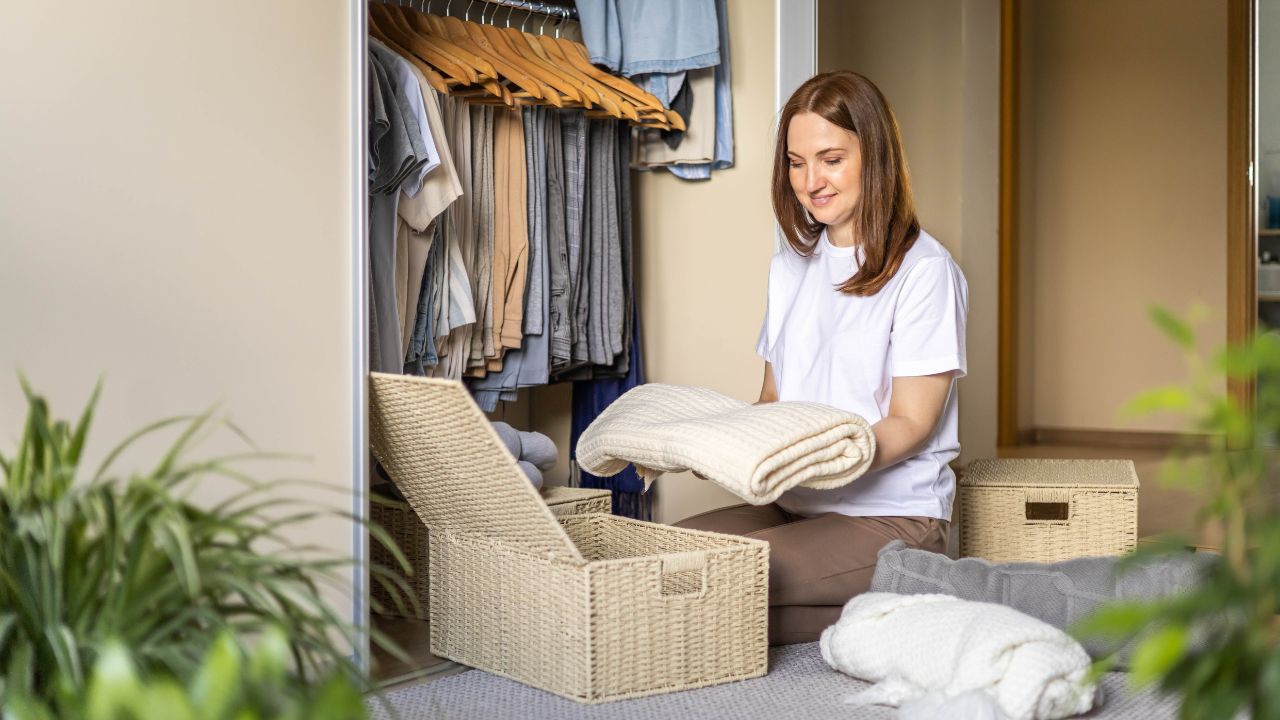
Decluttering after 40 is more than just tidying up. It’s about letting go of items that no longer serve you, freeing up physical space and mental energy. Removing excess belongings can lead to a calmer, more focused mind, and the sense of accomplishment can be a powerful motivator.
Ready to start? You don’t have to tackle everything at once. Pick one category from this list and set a timer for 15 minutes. Whether it’s sorting through old towels or expired pantry items, every little bit counts. Adopting a “less is more” mindset can transform your home into a sanctuary of peace and order for years to come.
Read More:
16 Awesome Benefits of Simplifying and Decluttering a Home
6 Trending Decluttering Methods To Kick Clutter to the Curb, According to the Pros