6 Environmentally Friendly Ways to Get Rid of Invasive Plants Without All the Harsh Chemicals
Invasive plants are some of the most stubborn problems a gardener can face. They spread fast, crowd out native species, and seem to return no matter how many times they get removed.
Unfortunately, many were introduced intentionally before their long-term impact was understood, and the damage they cause goes beyond aesthetics.
They disrupt local ecosystems by outcompeting native plants that wildlife depend on for food and shelter. In some cases, they alter soil chemistry and water flow, making recovery slow even after removal.
Chemical herbicides are often the first solution people reach for, but runoff from synthetic herbicides can contaminate nearby water sources and harm beneficial insects, soil microbes, and animals that had nothing to do with the problem in the first place. The six approaches below are practical, proven, and far gentler on the surrounding environment.
1. Cut Them Down Repeatedly
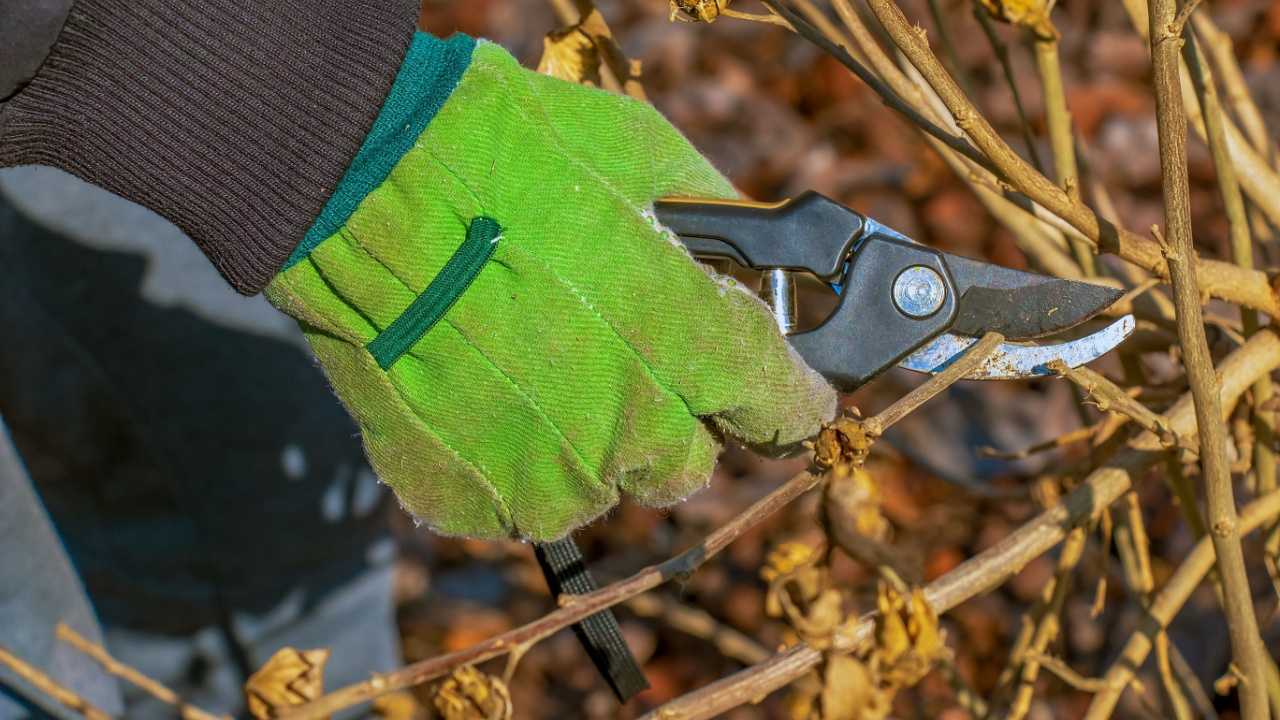
Repeated cutting is one of the most reliable ways to weaken woody or thorny invasives like blackberries, privet, and tree-of-heaven.
Each time a plant is cut back, it draws heavily on its stored root energy to push out new growth, and doing this consistently over a growing season gradually depletes those reserves until the plant can no longer recover.
The method works best when cuts happen every two to three weeks during active growth, before the plant has a chance to photosynthesize and rebuild its energy stores.
For large infestations, a brush cutter or heavy-duty loppers will make the job more manageable. One hard cut rarely finishes the job, but a steady schedule of removal across a full season can bring even aggressive shrubs to the point of collapse.
2. Smother Them With Cardboard
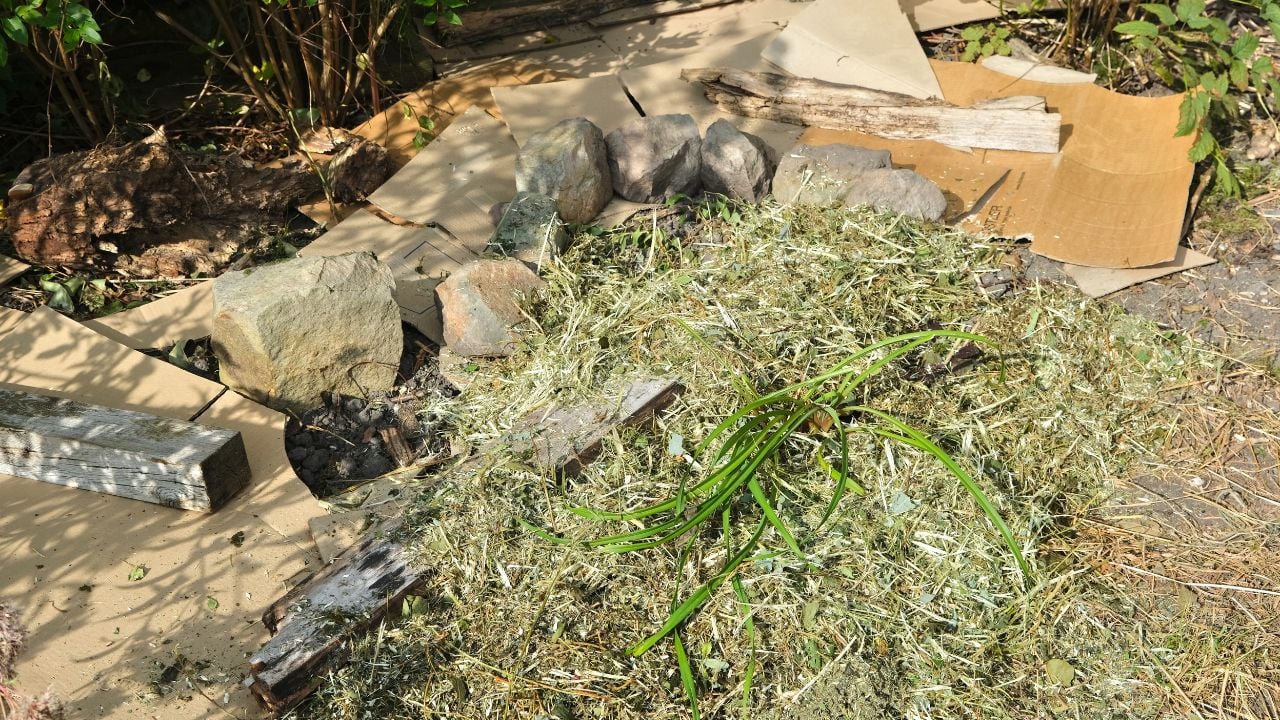
Sheet mulching with cardboard is a low-effort, high-impact approach that works by cutting off light and airflow to invasive plants at ground level.
The cardboard creates a physical barrier that prevents photosynthesis, and because most invasive plants cannot survive extended darkness, they die off within three to four weeks.
To apply it correctly, remove any large plant material first, then lay overlapping sheets of plain cardboard free of tape or staples directly over the affected area, soaking it thoroughly to help it conform to the soil and begin breaking down.
Topping the cardboard with a layer of wood chips or compost speeds up the process and keeps the barrier from lifting in the wind. Once the invasives underneath have died, the cardboard continues to decompose naturally, adding organic matter to the soil and leaving it in good condition for replanting with native species.
3. Remove Seed Heads Before They Spread
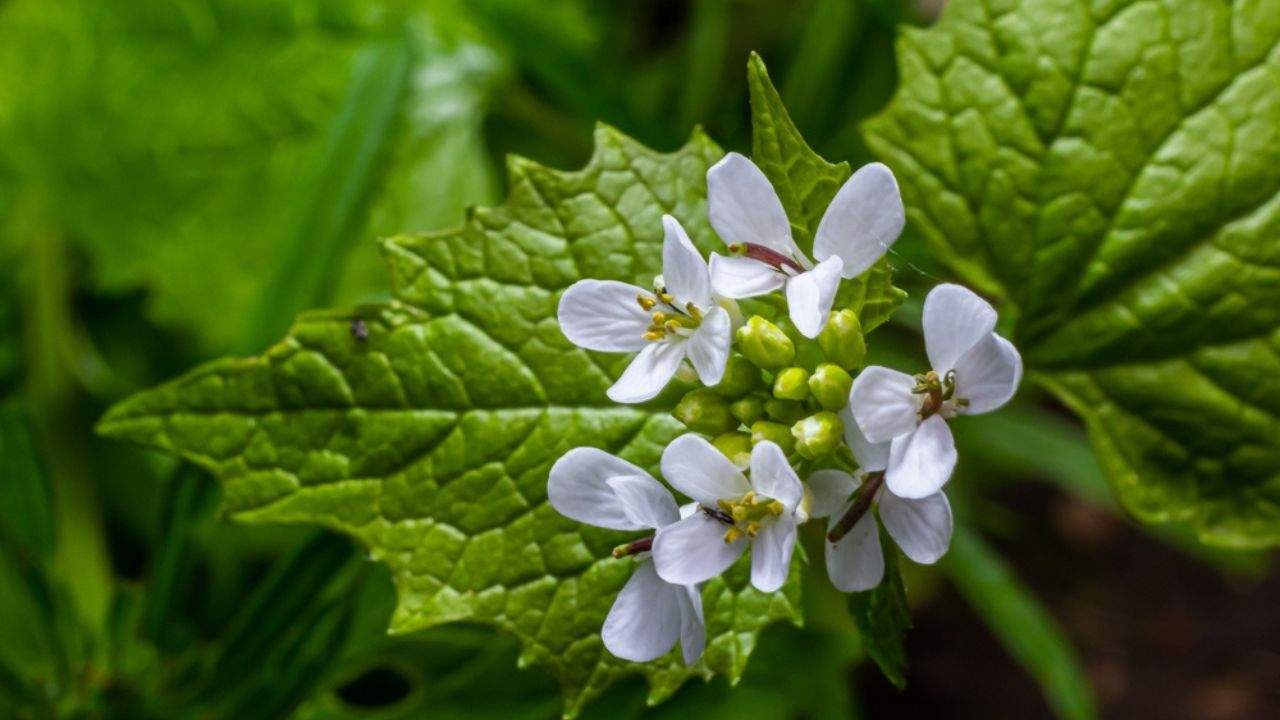
Many invasive plants spread primarily through seed, which means that removing flowers and seed heads before they mature can dramatically slow an infestation over time.
Plants like garlic mustard, Japanese knotweed, and purple loosestrife are prolific seeders, and even a single missed plant can release thousands of seeds into the surrounding area.
Timing is critical with this method; seed heads need to come off before they ripen and before wind, water, or wildlife can carry them elsewhere. Removed seed heads should never go into a standard compost pile because the seeds may survive the process and spread further when the compost is used.
Hot composting at temperatures above 140°F will destroy most seeds, or they can be sealed in a bag and sent to the landfill to prevent any further spread.
4. Use Solarization to Cook the Roots
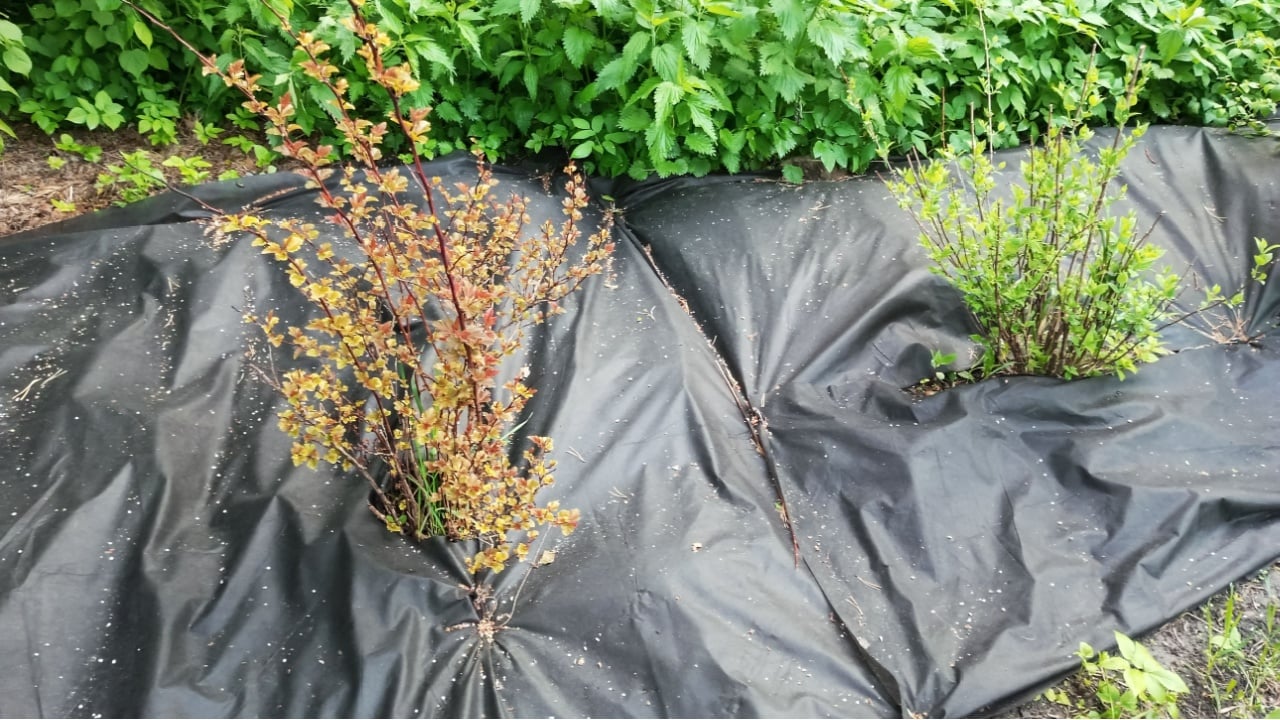
Solarization is a method that uses the sun’s heat, trapped under clear plastic sheeting, to raise soil temperatures high enough to kill invasive plants from the roots up.
Clear plastic is preferable to black because it allows sunlight to pass through and generate more intense heat directly at the soil level, where root systems are concentrated.
For this to work effectively, the plastic needs to be pulled tight against the ground and sealed at the edges with soil or rocks to trap heat and prevent airflow. In warm, sunny climates, soil temperatures under the plastic can reach 140°F or higher, which is enough to kill most invasive species and their seeds within three to six weeks.
After removal, the soil will be warm, weed-free, and ready for amendment before replanting. It is worth adding compost to reintroduce the beneficial microbes that the heat may have reduced.
5. Pull Them Up by the Root
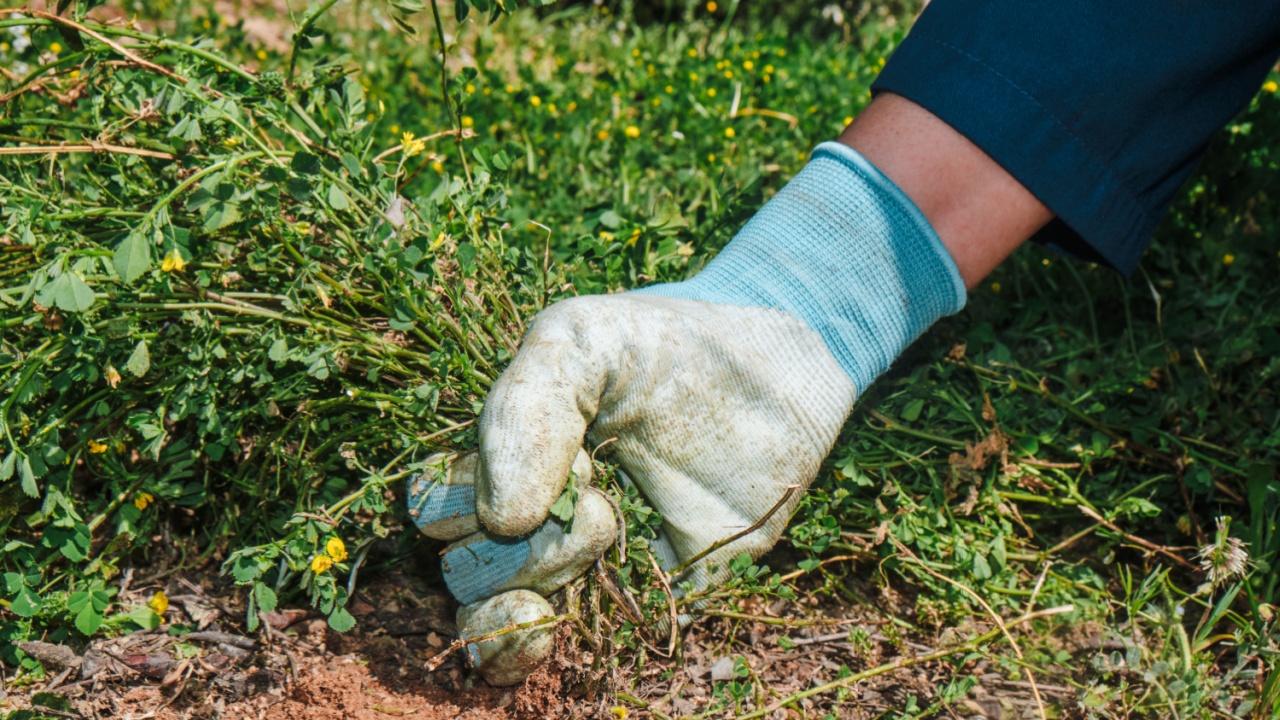
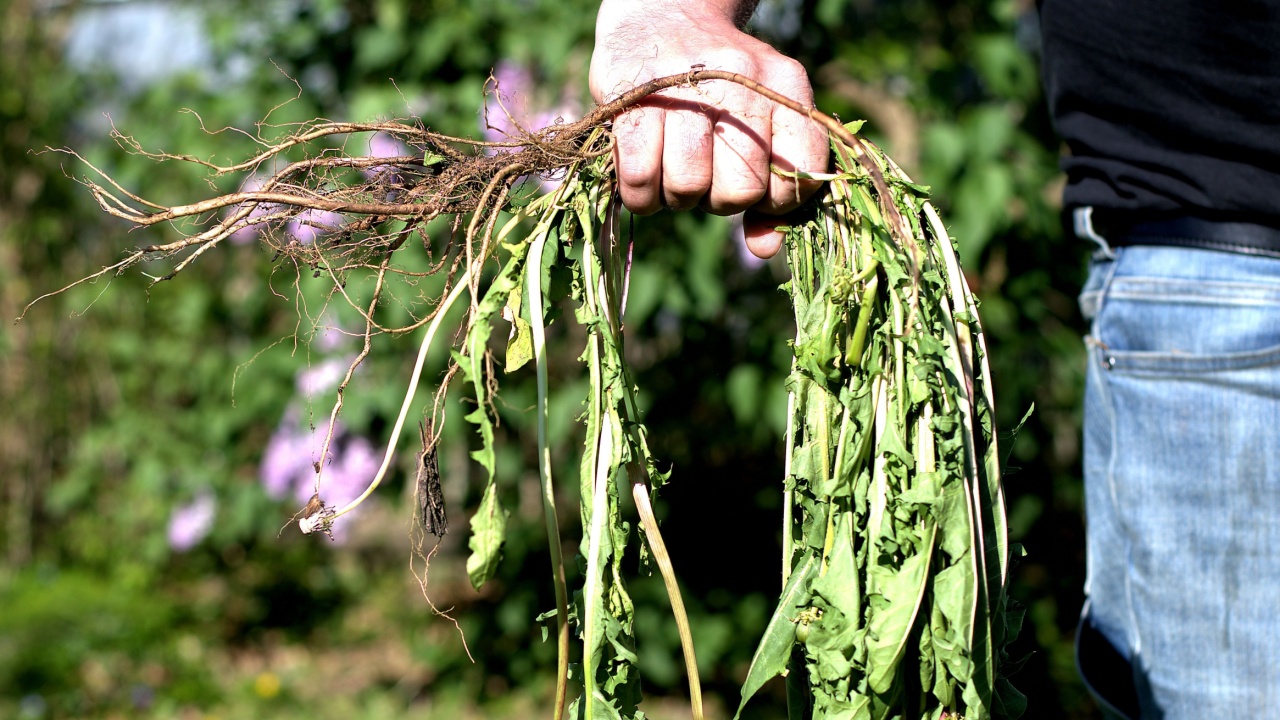
Hand-pulling is the most direct method available, and for young or shallow-rooted invasive plants, it is also one of the most effective. Getting the full root system out in one pull is the goal, since many invasive species like bindweed and Japanese stiltgrass can regenerate from even small root fragments left in the soil.
Pulling after a good rain or thorough watering makes the job significantly easier because loose, moist soil releases roots with far less resistance than dry, compacted ground.
A hand weeder or hori-hori knife helps with plants that have deeper taproots or rhizomes that run horizontally underground.
For species that spread via underground rhizomes, hand-pulling is best used as an early-intervention strategy, catching new plants when they first appear, before the root network has a chance to expand across a large area.
6. Cover the Soil With Mulch
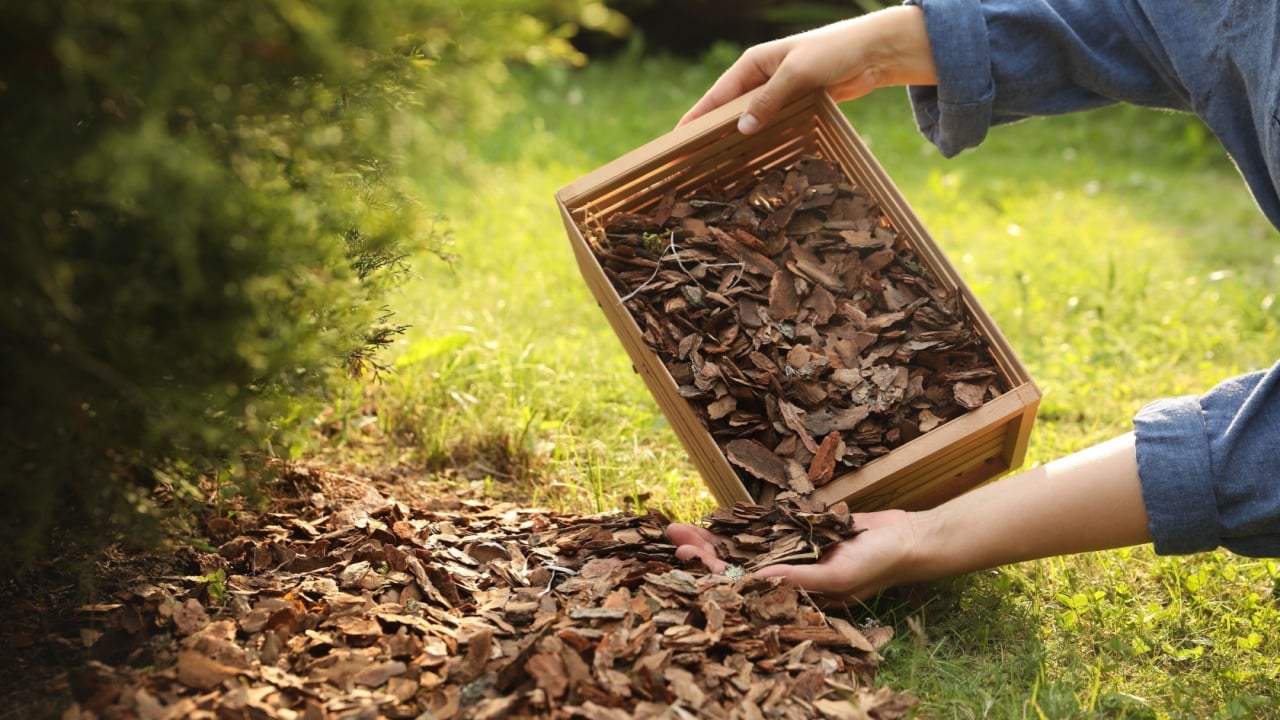
Covering bare or cleared soil with a thick layer of mulch is both a removal aid and a prevention strategy.
Wood chips, straw, leaf mold, or compost laid three to four inches deep block light from reaching the soil surface, which prevents invasive seeds from germinating while also improving moisture retention and soil health.
The real value of mulching comes after an invasive plant has been removed; bare soil left exposed is an open invitation for the next wave of opportunistic species to take hold.
Native ground covers, shrubs, or perennials planted into the mulched area fill that ecological space quickly and make it much harder for invasives to reclaim it. Choosing plants that are well-suited to the local climate and soil type creates a stable, self-supporting layer of vegetation that naturally resists future invasion.
A Longer View on Invasive Removal
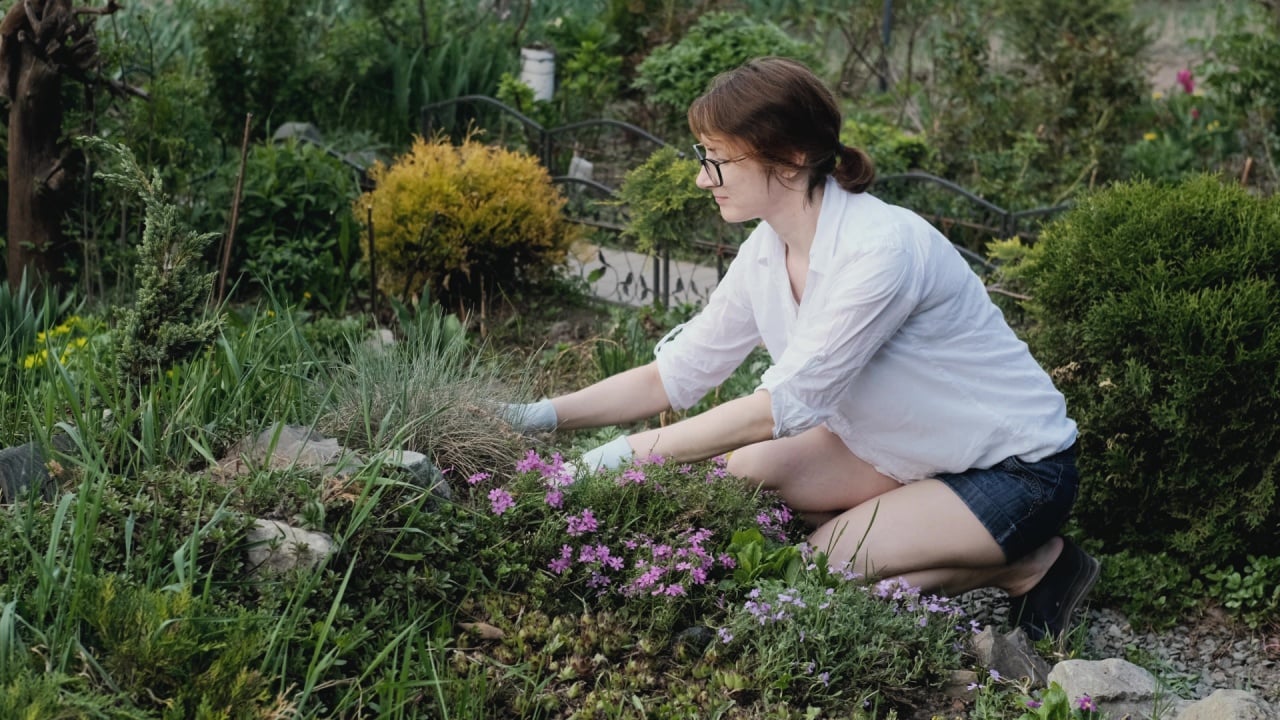
Removing invasive plants is rarely a one-and-done effort, but the chemical-free methods above do something synthetic herbicides cannot.
Each approach, applied with consistency, gradually shifts conditions in favor of native plants and the wildlife that depend on them.
It is also worth recognizing that success often looks incremental. A patch of ground that is cleared, mulched, and replanted this season may still show a few stragglers the following year, and that is a normal part of the process.
Staying observant, acting early when new growth appears, and gradually filling cleared areas with native species gives the land the best possible chance of long-term recovery.
Read More:
17 Invasive Plants That Aren’t Worth Buying, No Matter How Pretty They Are at the Store
9 Invasive Ornamental Grasses to Skip Adding to the Landscaping