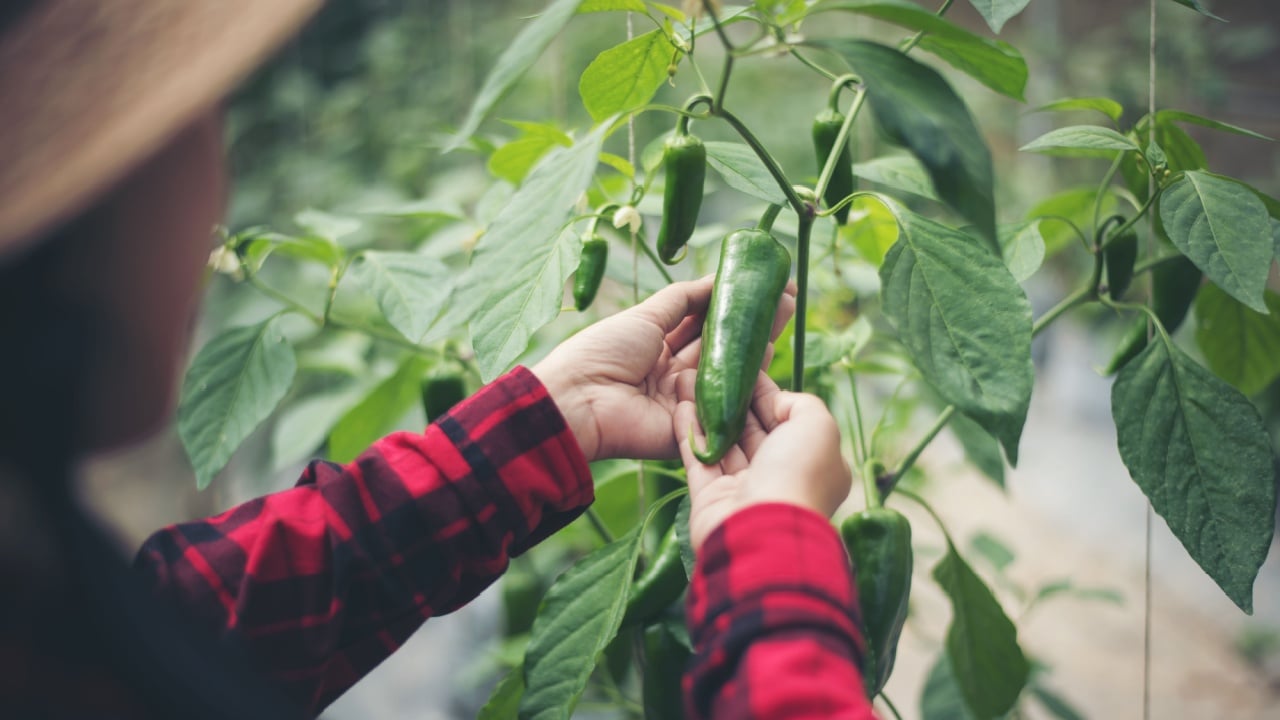
The Smart Hack to Do Now That Guarantees a Thriving Pepper Plant
Pepper plants have a reputation for being temperamental. Too much heat, too little water, or a missed window in the season, and the harvest falls flat. Yet some gardeners seem to pull consistent, abundant yields without any extraordinary effort, and their secret often comes down to one simple pruning technique done early in the season.
Topping is a method that redirects a pepper plant’s energy away from vertical growth and toward the lateral branches, where the real fruit production happens. It sounds counterintuitive to cut a healthy plant, but the science behind it is solid.
A topped plant responds by pushing growth outward, producing more stems, more flowers, and ultimately more peppers than an untouched plant of the same variety.
The timing, technique, and aftercare all play a role in how well topping works. Here is what topping is, how to do it correctly, which plants benefit most, and the mistakes that can undo all that effort.
1. What Topping Actually Does to a Pepper Plant

Topping a pepper plant means removing the growing tip at the top of the main stem. That tip, called the apical meristem, is where the plant concentrates most of its upward growth energy.
Once it is removed, the plant can no longer grow straight up, so it shifts its resources into the branches lower on the stem. Those lateral branches grow more vigorously, thicken up, and begin producing flower buds at a faster rate than they would on an untouched plant.
The effect is not just cosmetic. A bushier plant with more branching means more flower sites, and more flower sites mean more fruit. Beyond the harvest count, the broader canopy created by topping also has practical benefits.
The dense foliage shades the soil below, which slows weed growth and helps retain soil moisture. The lower leaves and stems are also protected from direct sun, which reduces the risk of sunscald on the fruit and plant tissue.
2. The Right Time to Top a Pepper Plant
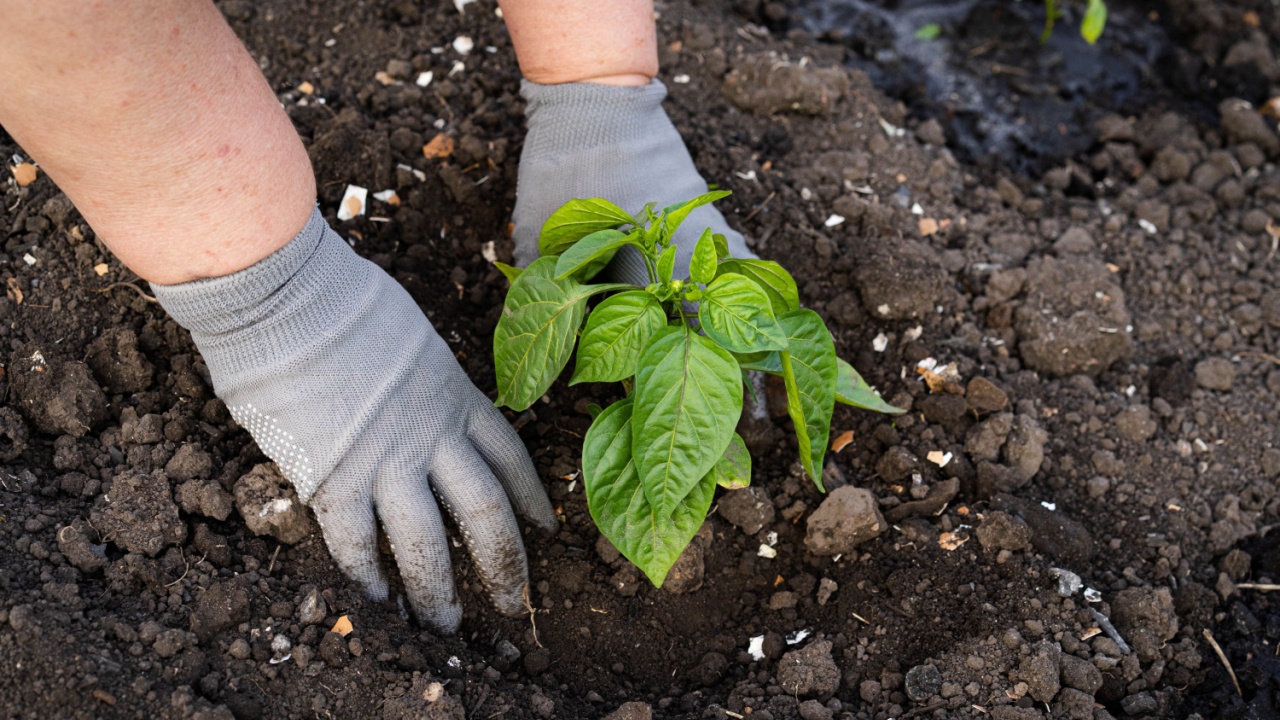
Timing is the most critical factor in successful topping. The ideal window is shortly after seedlings have been transplanted outdoors and have settled into their new environment, typically once the plant has developed six to eight sets of true leaves.
At that stage, the plant is established enough to handle the stress of cutting but young enough that it still has the full season ahead to recover and branch out.
Topping too early, before true leaves have formed, puts the plant at real risk. A seedling that has only its seed leaves, called cotyledons, does not yet have the stored energy to recover from pruning.
On the other end of the timeline, topping a plant that has already started flowering or has small peppers forming is equally problematic. The plant has already committed its energy to fruit production, and removing the growing tip at that stage disrupts that process without offering the bushier structure that early topping provides.
3. How to Top a Pepper Plant Step by Step
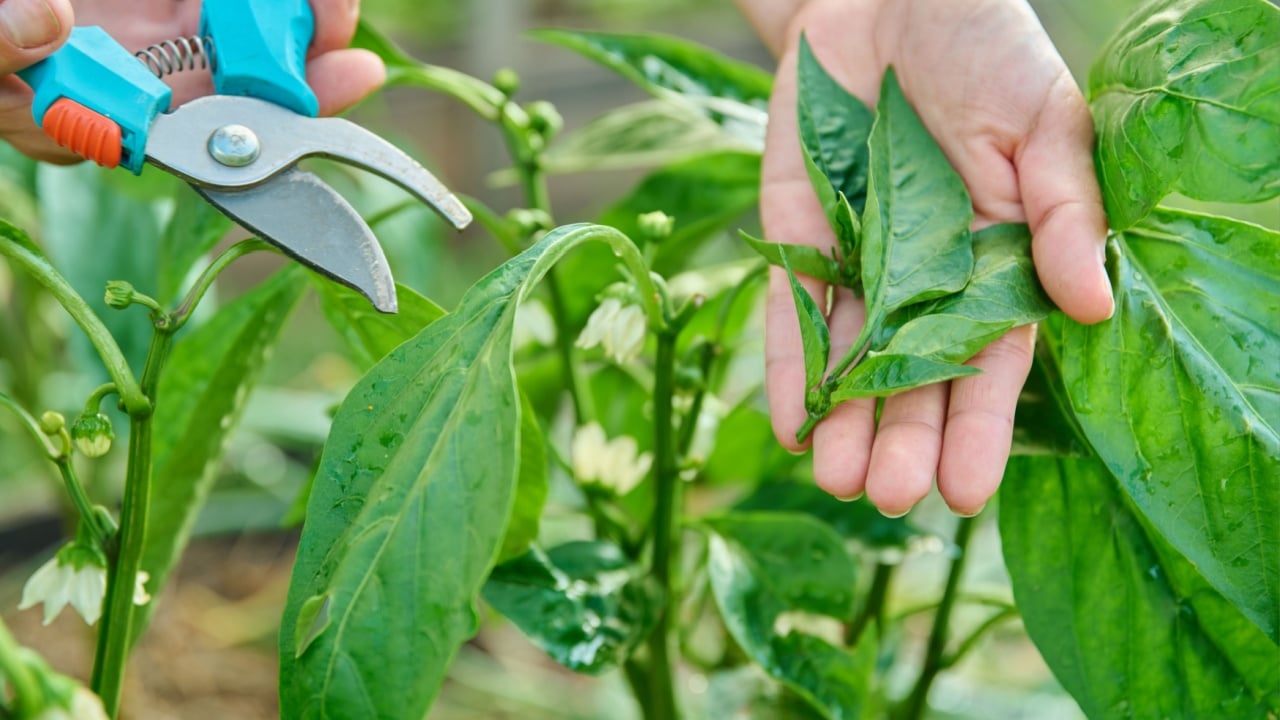
The process itself is simple, but the details matter. A gardener should use scissors or small pruning shears rather than tearing or pinching by hand, as clean cuts reduce the risk of introducing infection into the plant.
The cut should be made about one quarter to one half inch above a leaf node, which is the point on the stem where a set of leaves branches off. Cutting just above a node allows the plant to heal cleanly and gives the lateral buds the best chance of taking off.
After the cut is made, the plant needs a few days to adjust. It is normal to see a brief pause in visible growth while the plant redirects its energy to the side branches.
Gardeners should avoid adding fertilizer immediately after topping, as the plant is focusing on recovery rather than intake. Within a week to two weeks, new lateral growth should become visible, and the plant will begin to take on its wider, bushier shape.
4. Which Pepper Varieties Respond Best to Topping
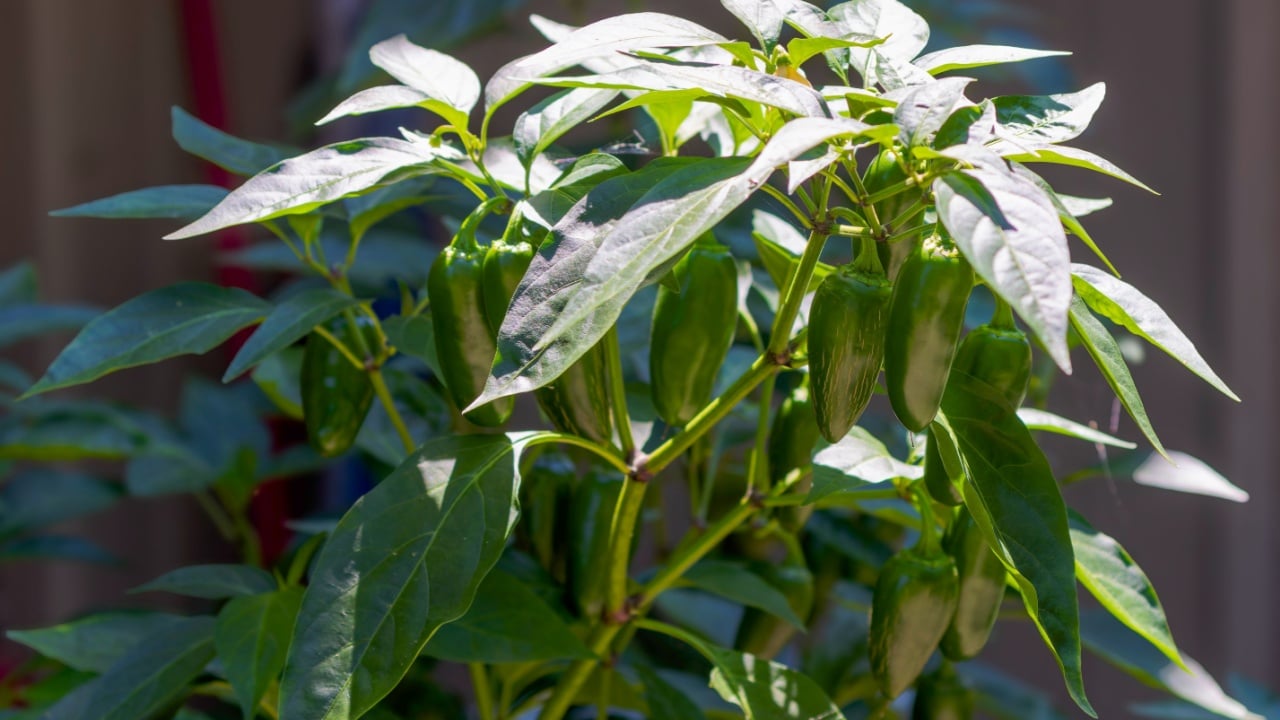
Not all peppers benefit equally from this technique. Smaller-fruited varieties like cayenne, jalapeño, serrano, and Thai peppers tend to respond very well to topping.
These plants naturally produce more branches and set fruit on multiple stems, so encouraging that lateral growth leads to a noticeably larger harvest. Topping also works well for ornamental peppers, which are grown as much for their appearance as their yield.
Larger-fruited varieties like bell peppers and banana peppers see fewer dramatic results from topping. These plants produce fewer, larger fruits per plant by nature, and their growth habit does not shift as dramatically in response to pruning.
Topping a bell pepper plant is not harmful, but the payoff is less reliable compared to smaller hot pepper varieties. Gardeners in warm climates with long growing seasons tend to see the best results across all varieties, simply because the plant has more time to recover and branch before the season ends.
5. Mistakes That Can Undermine the Process
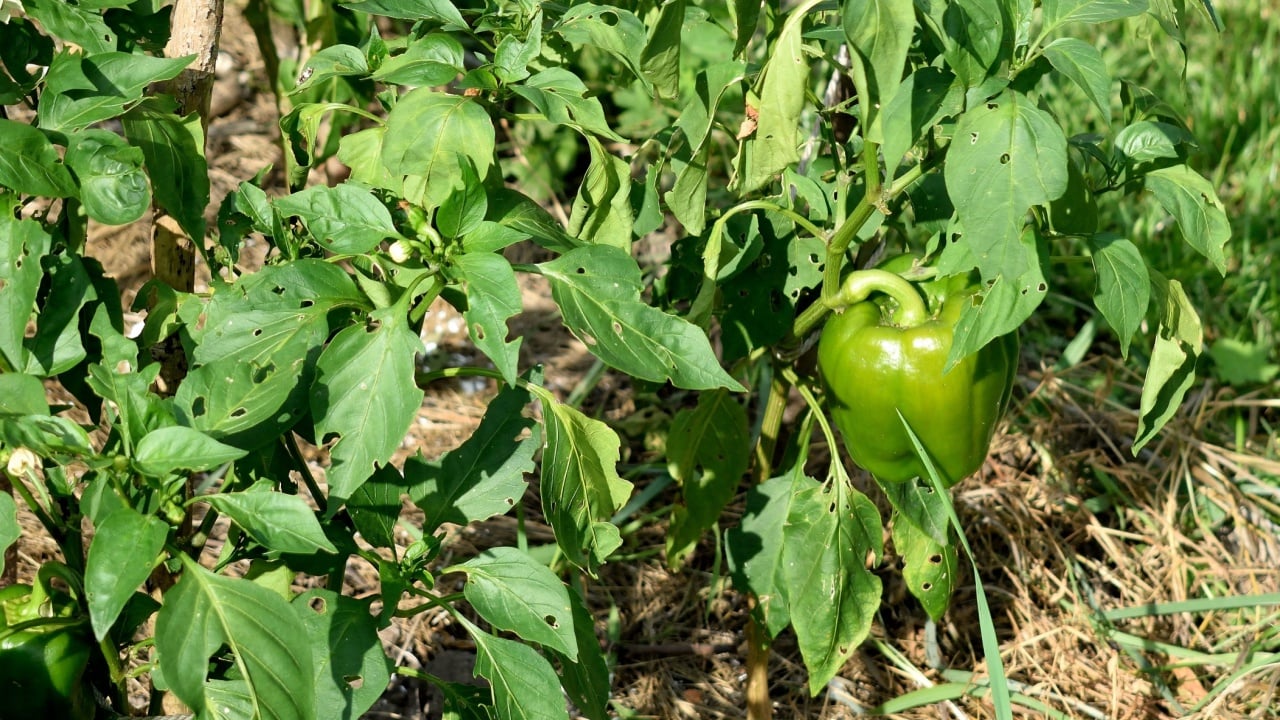
One of the most common errors is topping a plant that is already under stress. A pepper plant dealing with drought, pest pressure, root disturbance, or disease does not have the reserves to handle pruning well.
Cutting a stressed plant delays recovery and can cause a prolonged setback. The plant should look healthy and actively growing before any topping takes place.
Using unsterilized tools is another mistake that trips up gardeners who are otherwise careful with their technique. Pruning shears and scissors can carry fungal spores or bacterial pathogens from one plant to another, and a fresh cut is an open entry point for infection.
Wiping tools down with rubbing alcohol or a diluted bleach solution before and between cuts takes only a moment and significantly reduces the risk of disease.
Growing Beyond the Cut
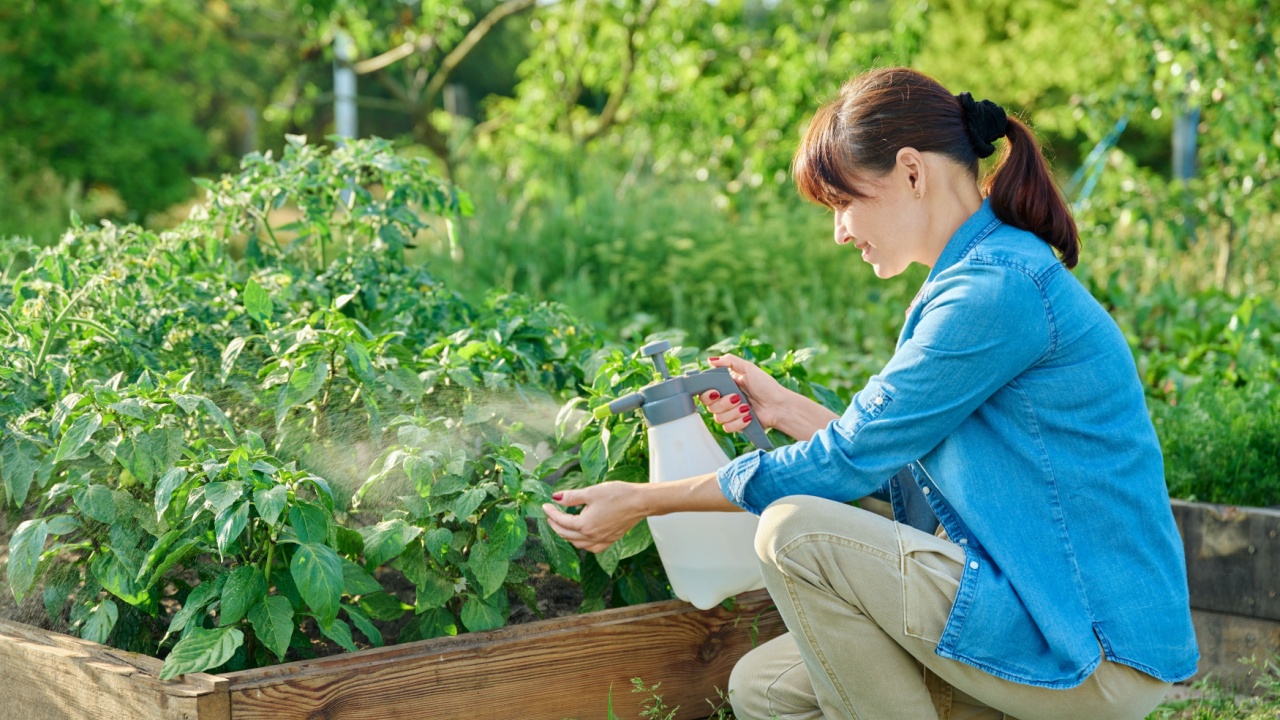
Topping is one of those rare techniques that costs almost nothing and delivers measurable results when applied at the right moment. A pepper plant topped at the right time does not struggle to recover.
It responds by becoming stronger, wider, and more productive than its genetics alone would have produced.
For gardeners who have grown peppers for years without ever trying this method, this season is a reasonable time to test it on a few plants. The technique fits naturally into the early-season routine and does not require special products or extra maintenance beyond the initial cut.
Read More:
Ten Companion Plants Your Peppers Need For A Successful Growing Season