13 Foods Nutritionists Wisely Avoid (And What They Eat Instead)
Walking into a grocery store these days feels like a total guessing game. It is hard to miss the bright boxes screaming “plant-based,” “zero sugar,” or “all-natural,” which easily tricks people into thinking they are loading up on pure health food.
But if you see those same shelves through a dietitian’s eyes, the picture changes completely. Many of those ultra-convenient, healthy choices are merely clever marketing gimmicks, often packed with hidden sweeteners and synthetic ingredients.
To separate genuine nutrition from marketing hype, it helps to see what the pros refuse to buy. Registered dietitians look past the front of the box to analyze ingredient lists and see how heavy processing alters the food. By tracking the specific items they ban from their shopping carts, it’s much easier to see what actually fuels a healthy body.
Let’s examine 14 specific items that nutrition pros often avoid, breaking down the chemical additives and structural issues hidden within each one. Upgrading a weekly grocery haul is surprisingly easy once you know how to spot the marketing traps.
1. Diet Soda

Many people choose zero-calorie sodas to avoid sugar and manage their weight while still enjoying something sweet. However, health experts avoid these drinks because artificial sweeteners do not offer any real health benefits. While they do get rid of the calories found in regular soda, they still load the body with artificial ingredients that can change taste preferences over time.
Research is still looking into how chemical sweeteners affect human digestion and metabolism. The intense sweetness of artificial additives trains the tongue to crave sweet flavors, which can make naturally sweet foods like fresh fruit taste boring.
Stepping away from artificial sweeteners allows the taste buds to reset and get back to normal. It’s best to replace these sodas with plain sparkling water, cold herbal teas, or black coffee to keep the body hydrated without the extra chemicals.
2. Coconut Milk Ice Cream
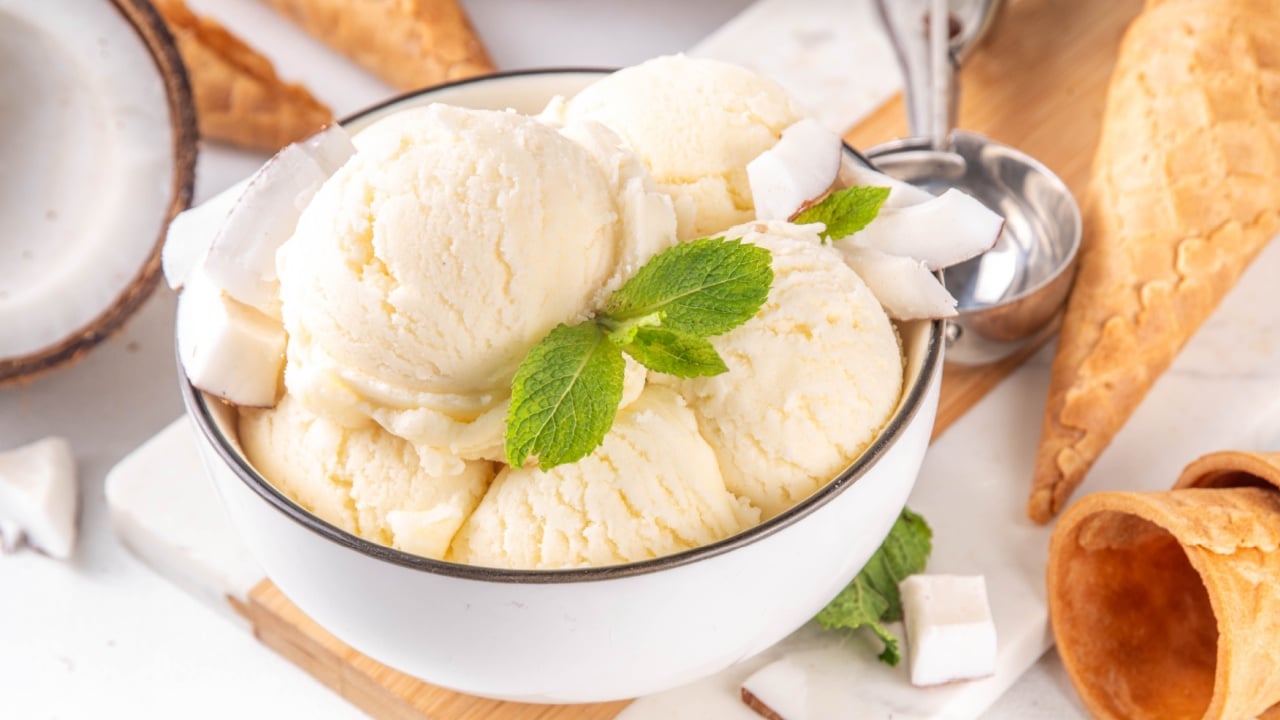
With plant-based diets gaining traction, frozen desserts made from coconut milk are sold as a premium health food. But their nutritional makeup is almost identical to that of regular dairy ice cream. Coconut-based desserts are usually lower in protein and rely heavily on the saturated fats in coconut oil to get that creamy texture.
Another downside is the strong coconut flavor present in every batch, which often clashes with other flavors, like berries or dark chocolate. The high amount of saturated fat means this alternative isn’t actually any better for heart health. Consumers also tend to eat much larger portions because they assume a plant-based label automatically means a product is healthy.
When someone wants a frozen treat, choosing a moderate scoop of high-quality traditional ice cream or a clean fruit sorbet is often much more satisfying. Real dairy options provide natural protein and calcium without needing a long list of artificial thickeners. Another great choice is blending frozen bananas into a smooth, soft-serve texture without any added fats or processed sugars.
3. Raw Oysters
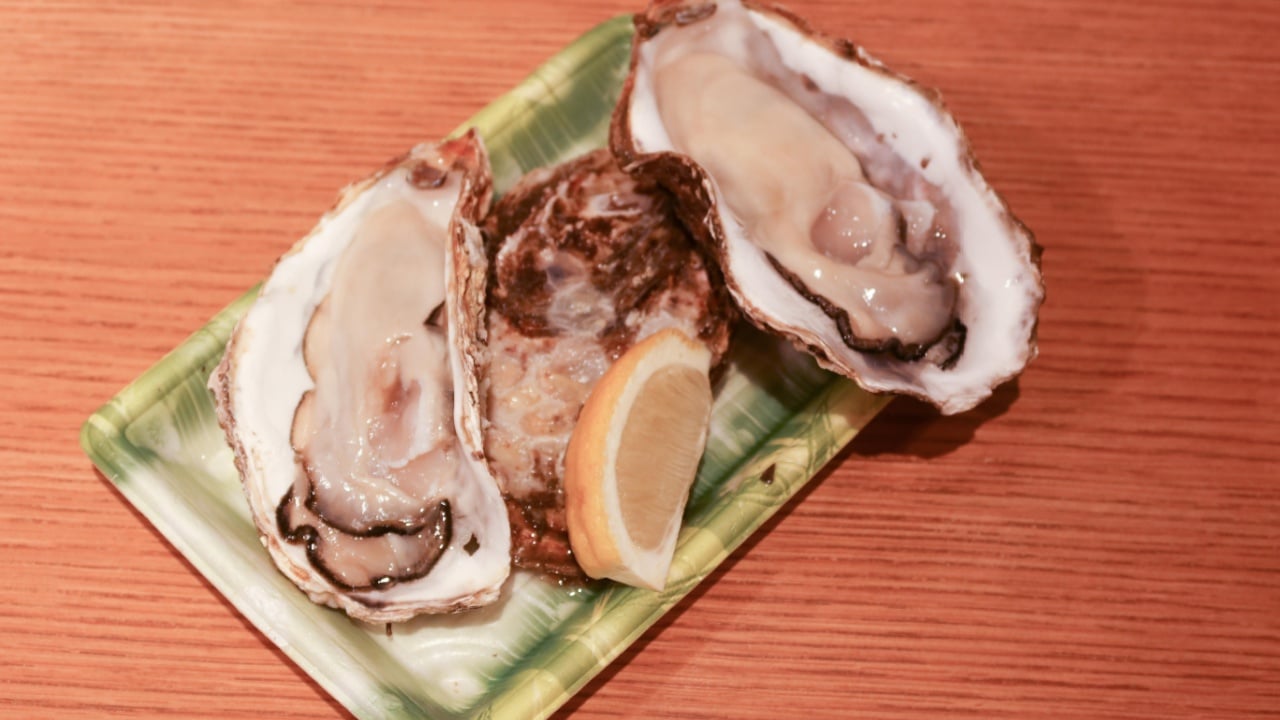
Seafood lovers often view raw oysters on the half shell as a special delicacy, pointing out their high levels of zinc and minerals. However, food safety experts and dietitians strictly avoid raw shellfish because the risk of foodborne illness is too high. Oysters eat by filtering water, which means they naturally trap bacteria, viruses, and pollution from coastal waters inside their bodies.
Eating raw seafood exposes the digestive system to dangerous bacteria like Vibrio vulnificus, which can cause severe stomach pain and serious infections. The slimy texture also makes it hard to chew them thoroughly, so they are usually swallowed whole, skipping the first step of normal digestion.
To enjoy shellfish safely, individuals need to use proper heat to kill off any dangerous germs. Cooking oysters by steaming, baking, or grilling them until their shells open ensures that any harmful bacteria are destroyed. When prepared this way, the seafood keeps its rich minerals like iron and selenium while providing a safe source of clean protein.
4. Corn Dogs

Fairgrounds and grocery freezer sections are full of corn dogs because they are a quick, comforting snack. However, they combine highly processed meat with refined carbs and unhealthy frying oils. The hot dog in the center is usually made from low-quality meat scraps packed with sodium, chemical preservatives, nitrates, and corn syrup.
The outer batter is made from refined cornmeal and white flour, which is then deep-fried in heavily processed vegetable oils. This combination delivers a heavy dose of saturated fat and empty calories with almost no vitamins, minerals, or healthy protein. Eating processed meats containing chemical nitrates has long been linked by health experts to internal inflammation and long-term digestive problems.
To upgrade this snack, consumers can focus on high-quality, unprocessed proteins and whole grains instead. Grilling a lean turkey or chicken sausage that is labeled nitrate-free gives a similar savory flavor without the chemical additives.
5. Reduced-Fat Peanut Butter
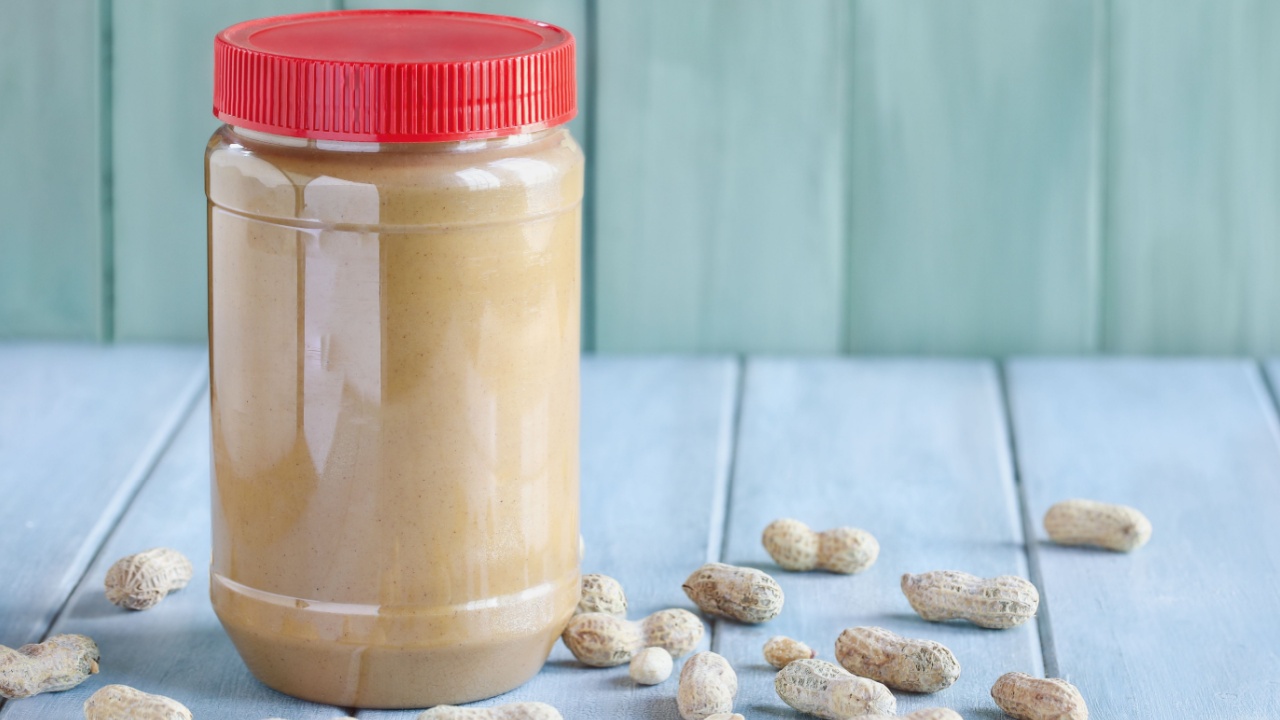
Shoppers who are watching their calories often pick up reduced-fat peanut butter, thinking it is the healthier choice. Dietitians avoid these altered spreads because the healthy, heart-safe fats are taken out and replaced with starchy fillers and processed sugars. Manufacturers use things like corn syrup solids, molasses, and hydrogenated starches to keep the spread thick and creamy.
This swap changes the balance of the food, noticeably raising the total carbohydrate and sugar content. While normal, natural peanut butter has very little sugar and plenty of healthy fats, the light versions drop the good fats that help keep a person full and balance blood sugar levels. The final product causes a much faster blood sugar spike, defeating the purpose of a high-protein nut snack.
Buying natural peanut butter that lists only peanuts and a little bit of salt on the label provides the best nutrition. The natural oil that floats to the top of the jar shows that it doesn’t contain chemical binders or hydrogenated fats.
6. Donuts

Fried donuts topped with sweet glazes and colorful sprinkles are a common choice for quick breakfasts and morning meetings. But they are made entirely of refined ingredients that disrupt the morning metabolism. Composed almost completely of white flour, industrial shortening, and white sugar, these pastries offer no fiber, quality protein, or vitamins.
Eating a fried pastry on an empty stomach causes a rapid spike in blood sugar, forcing the body to release a large amount of insulin. This sudden spike is always followed by a sharp crash, leaving a person feeling tired, unfocused, and hungry again shortly after eating.
A morning meal of soft-boiled eggs with whole-grain sourdough toast provides real protein, B vitamins, and essential minerals.
7. Commercially Grown Sprouts
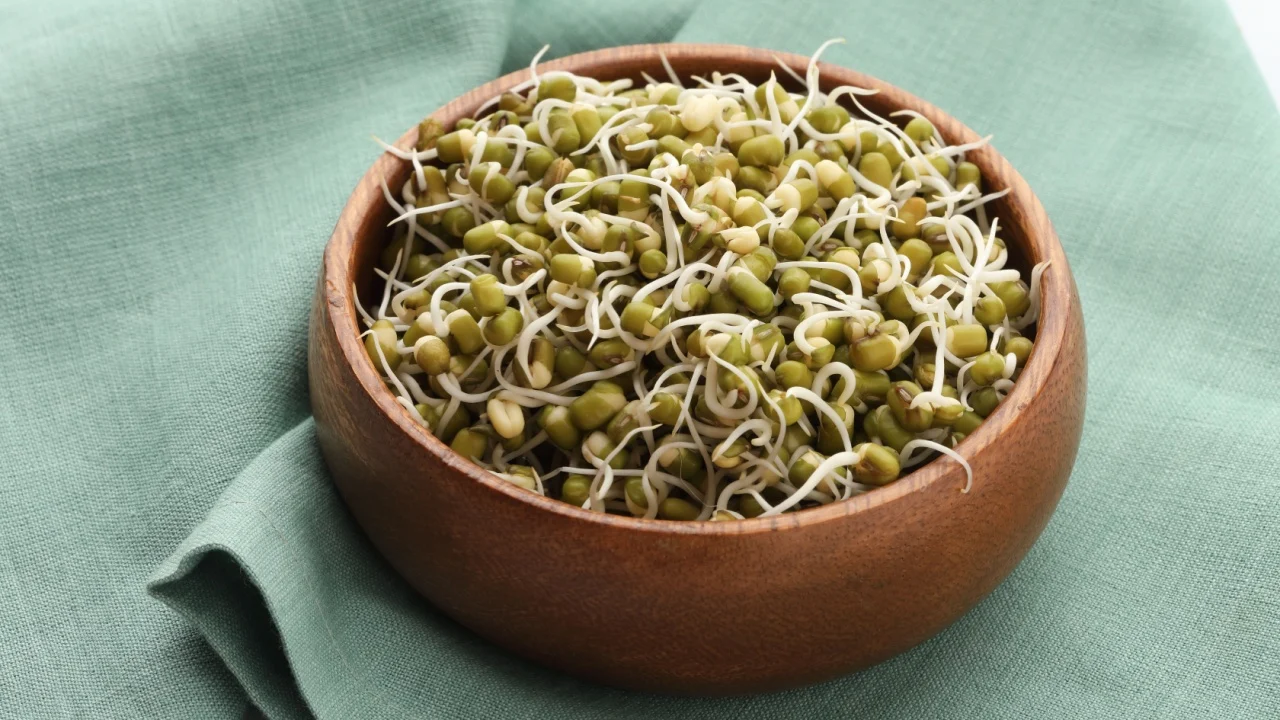
Raw alfalfa, clover, and bean sprouts are frequently added to sandwiches, salads, and wraps to give them a fresh, crunchy texture. Dietitians pass on raw sprouts because of the unique bacterial risks linked to how they are grown. The warm, damp environment needed to sprout these seeds is the same environment where Salmonella, E. coli, and Listeria thrive.
Outbreaks of food poisoning from raw sprouts happen regularly, causing severe stomach issues for consumers. For anyone with a sensitive immune system, the risk of eating these raw greens is far greater than any small amount of vitamins they provide.
Getting a satisfying crunch without the bacterial risk is easy to do with safer vegetables. Shredding fresh romaine lettuce, crisp cabbage, or organic celery adds a great snap to sandwiches and wraps.
8. Pre-Packaged Snack Cakes and Cookies

Snack aisles are filled with individually wrapped sponge cakes, cream-filled rolls, cookies, and chocolate treats designed to last a long time on the shelf. Nutrition experts stay away from these convenience desserts because the labels show a messy mix of high-fructose corn syrup, modified starches, and artificial dyes.
These products often contain hidden trans fats or highly refined palm oils that are detrimental to heart health. They are incredibly high in calories, yet their artificial makeup fails to tell the brain that the body has received real food. This lack of true nutrition leads to quick overeating, especially since these items are heavily marketed to busy adults and children.
Baking a batch of oatmeal cookies at home using real butter, whole oats, and unrefined coconut sugar allows for full control over the quality of the ingredients. Alternatively, a square of organic dark chocolate with over seventy percent cocoa provides beneficial antioxidants and deep satisfaction without the factory chemicals.
9. Rare Beef

Registered dietitians consistently avoid undercooked beef to prevent severe food poisoning from bacterial contamination. Harmful germs like Escherichia coli (E. coli) and Salmonella can live on the surface and inside raw meat, ready to multiply if not cooked properly.
While whole cuts of meat like steak mostly have bacteria on the outer surface, ground beef mixes those surface germs all the way through the meat. Eating beef that has not reached a safe internal temperature can cause acute food poisoning, leading to severe stomach cramps and dehydration.
Use a digital meat thermometer whenever cooking. Whole cuts of beef need to reach an internal temperature of at least 145 degrees Fahrenheit, followed by a short rest period to ensure safety. Ground beef mixtures need to reach at least 160 degrees Fahrenheit to guarantee that all internal germs are destroyed.
10. Bologna
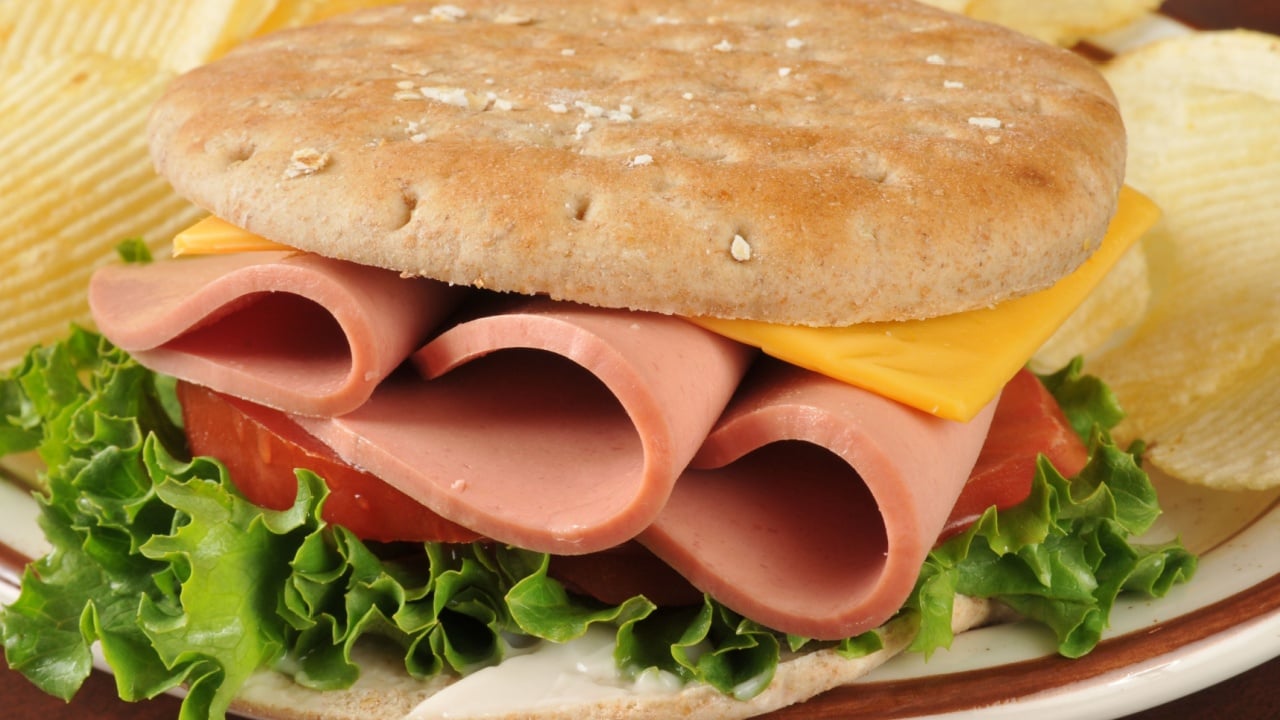
Sliced lunch meats like bologna have been a cheap and convenient sandwich staple for a long time because they last so long. However, this specific cold cut is a highly processed, high-sodium meat product.
A single ounce of this processed meat can contain hundreds of milligrams of sodium, meaning a standard sandwich can easily provide half of a person’s daily salt limit. The use of chemical curing agents like sodium nitrite is also a big concern for long-term health.
Making a healthier sandwich is easy when using fresh, whole proteins that are free from factory-curing salts. Roasting a whole turkey breast or pork loin at home and slicing it thin gives a great lunch meat alternative.
11. Pretzels
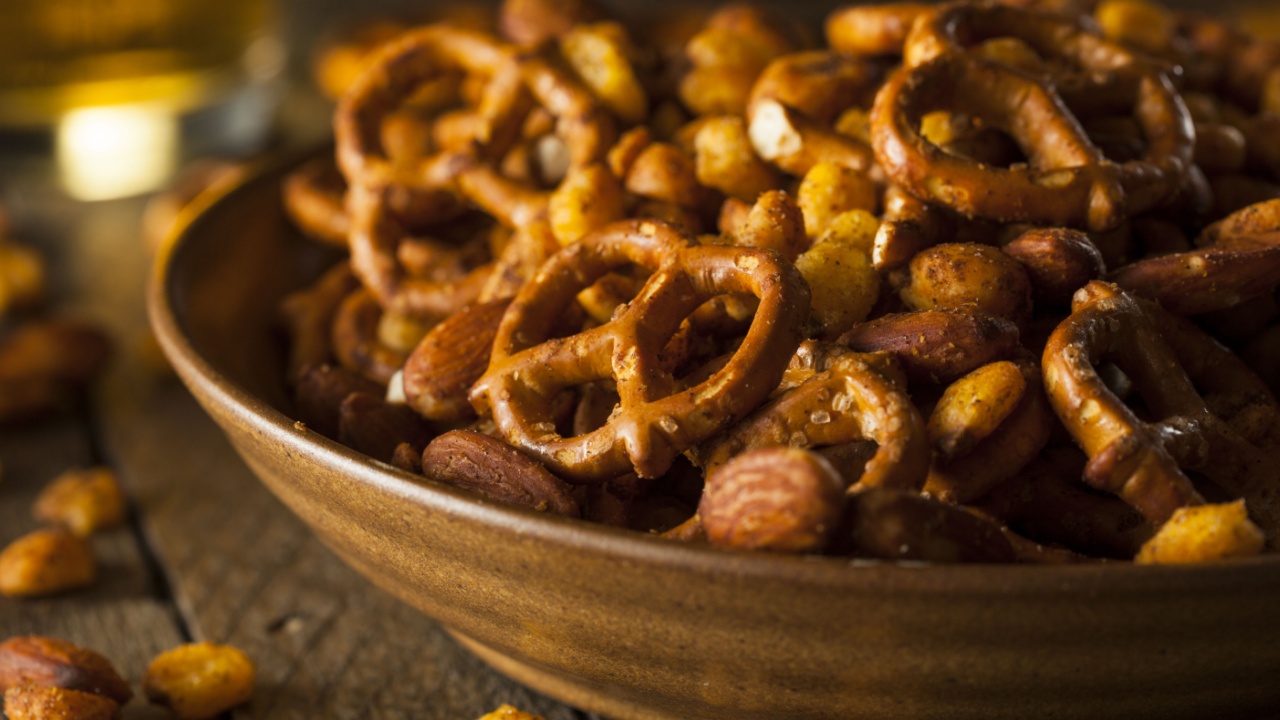
Many people choose crunchy, hard pretzels as a smart, low-fat snack option when they want to avoid greasy potato chips. Dietitians view pretzels differently, seeing them as nothing more than tightly compressed white flour and salt. Because the factory process strips the grain of its fiber-rich outer layer and nutrient-dense core, the remaining starch acts just like simple sugar inside the body.
Pretzels lack the essential pieces needed to help a person feel full, such as dietary fiber, healthy fats, or quality protein. Because of this, they are incredibly easy to overeat because they fail to send fullness signals to the brain. Eating a large portion of refined starch causes a quick rise in blood sugar, which encourages the body to store fat over time.
Choosing snacks that combine complex carbs with healthy fats or proteins keeps energy levels stable. Snacking on dry-roasted almonds, walnuts, or pumpkin seeds provides good fatty acids and fiber that keep hunger away. If a crunchy texture is desired, air-popped popcorn offers a true whole grain that delivers natural fiber without the refined flour.
12. Low-Fat Whipped Topping
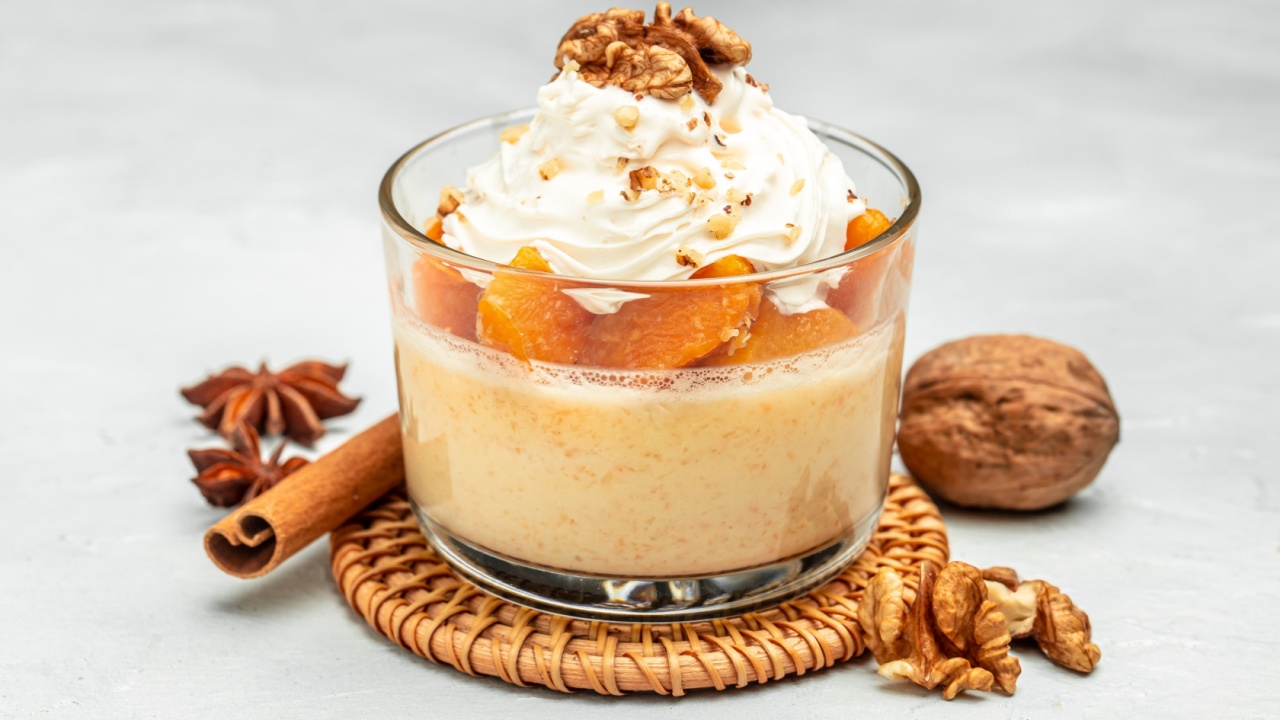
Tubs of frozen, fluffy whipped toppings are regularly used to dress up summer pies, fruit bowls, and holiday desserts. These toppings are not real dairy products; instead, they are engineered mixtures of water, hydrogenated vegetable oils, high-fructose corn syrup, and chemical binders.
Artificial stabilizers are added to copy the texture of real whipped cream, resulting in a product that tastes mostly of chemicals. Choosing a fat-free or low-fat version usually means the factory added even more refined corn syrup to make up for the lost texture.
Instead, use a small amount of real heavy whipping cream beaten into soft peaks. For a lighter twist, folding plain Greek yogurt into fresh berries provides a creamy texture along with natural protein and healthy probiotics.
13. Low-Fat Cheese
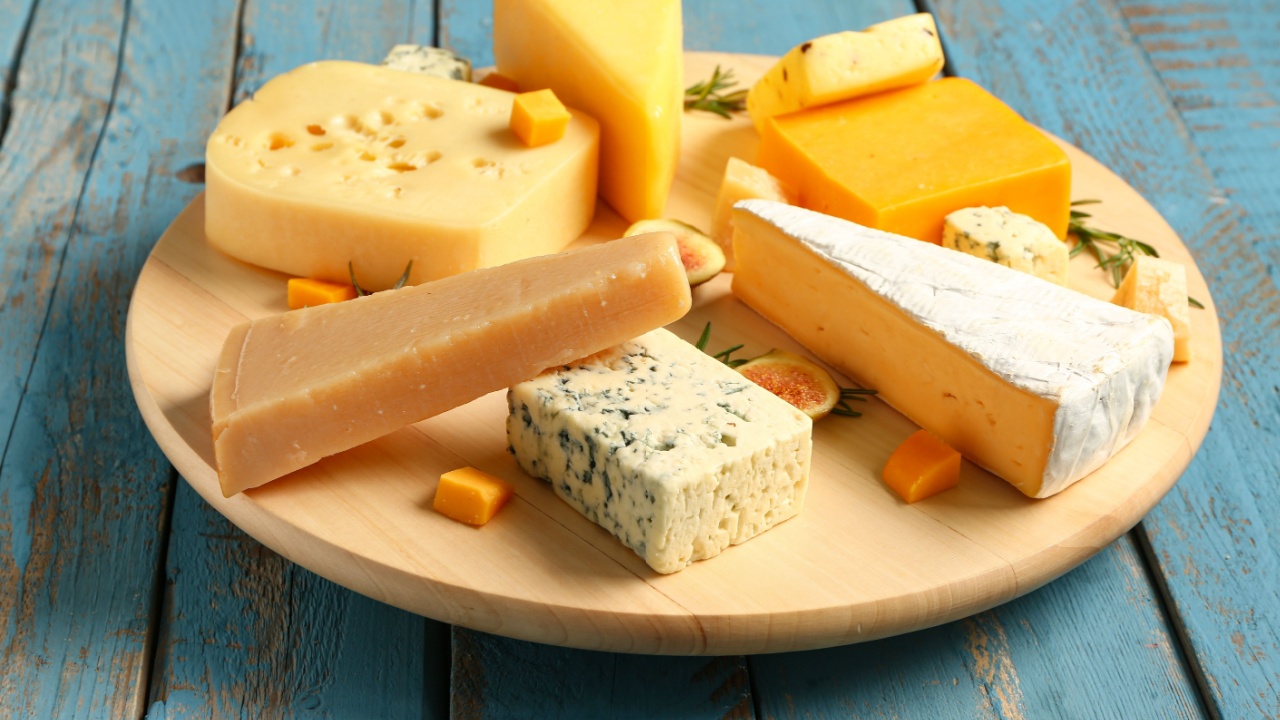
Shredded and block cheeses labeled as low-fat or nonfat are frequently bought by people looking to cut down on calories. However, removing the natural milk fat ruins both the texture and the flavor. Without milk fat, the cheese becomes rubbery, stringy, and refuses to melt smoothly when heated.
Because these light options taste bland and leave a person feeling unsatisfied, consumers often end up eating much larger quantities to make up for the lack of flavor. Authentic, full-fat cheese contains natural fatty acids that limit consumption by satisfying hunger signals quickly. The natural fats in whole dairy also help the body absorb fat-soluble vitamins like vitamin A and vitamin D.
Enjoying a smaller portion of premium, full-fat cheese like sharp cheddar, aged parmesan, or real goat cheese provides a much better experience.
Trading Up for Real Nutrition

The journey toward better health does not mean you have to change everything overnight. Look at your pantry and pick just one or two processed items to swap out for real food. Swapping pretzels for mixed nuts or trading diet soda for sparkling water with fresh lemon builds a sustainable habit.
Focusing on the actual ingredient list rather than flashy marketing labels helps you understand your food better.
Read More:
Dietitians Say You Should Be Eating These 14 Foods Way More Often
This Underrated Veggie Is in Season and Super Cheap—Here’s How a Dietitian Says to Cook It