8 Dos and Don’ts of Staging a Home to Get a Quick Sale
Selling a home is one of the biggest financial moves most people will ever make, and how that home looks on listing day can mean the difference between a fast offer and a prolonged wait.
Buyers form strong impressions within seconds of walking through a door, and those impressions are surprisingly hard to shake. Staging is one of the most effective tools sellers have to control that narrative.
The numbers back this up. According to the National Association of Realtors, staged homes sell faster and at an amount closer to the asking price than non-staged ones. Buyers who can mentally picture themselves living in a space are far more likely to move forward, and staging is what makes that mental picture possible.
A few deliberate choices can turn a cluttered, overly personal space into one that feels open and desirable.
Here are eight impactful dos and don’ts of staging a home for a quick sale.
1. Do Declutter Every Room Thoroughly
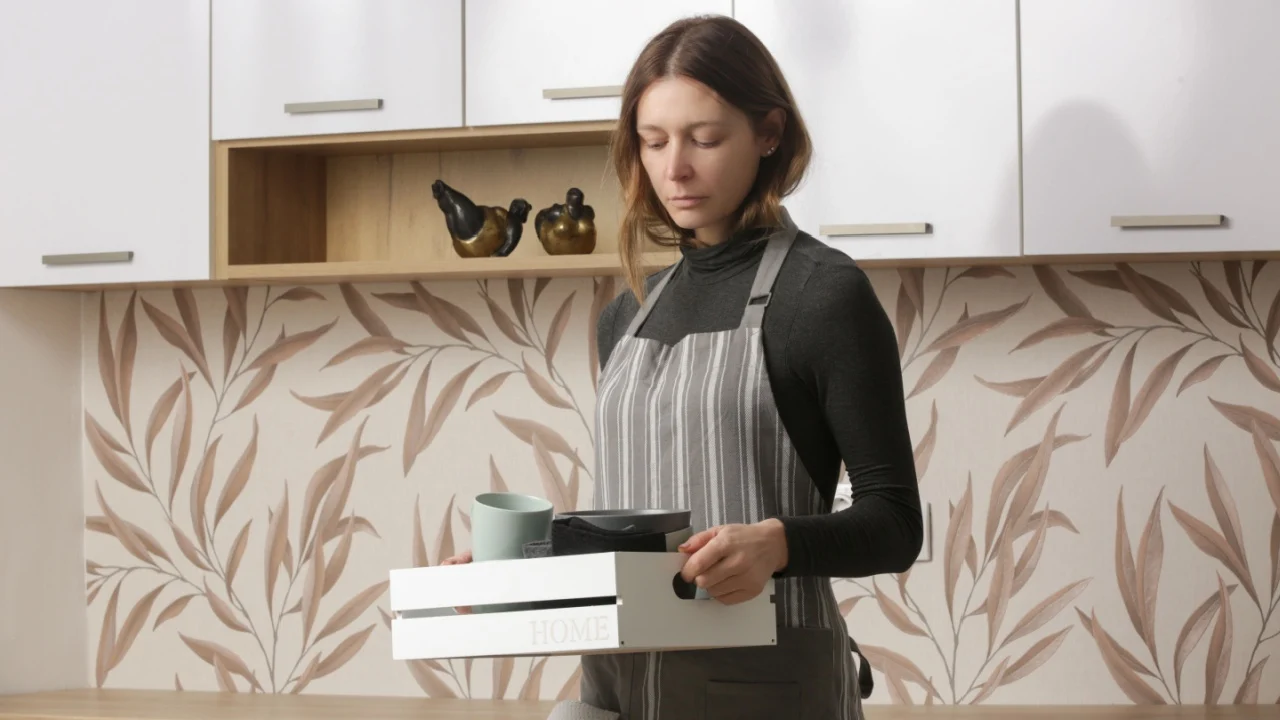
Clutter is one of the most common staging mistakes sellers make, and it costs them more than they realize. Excess furniture, stacked surfaces, and packed shelves make rooms feel smaller, messier, and harder to imagine as a blank canvas.
Buyers walking into a crowded living room are distracted by what is there rather than drawn in by the potential of the space. Removing excess items, including furniture pieces, decorative objects, and anything that has accumulated over years of daily life, immediately makes rooms feel more open and livable.
A good approach is to go room by room and remove anything that does not serve the space visually. This often means putting personal collections in storage, clearing countertops down to one or two neutral items, and reducing furniture to only what is needed to define the room’s purpose.
Renting a short-term storage unit during the listing period is a practical solution for items that need to go somewhere. A less crowded space always photographs better and shows better in person.
2. Do a Deep Clean of the Entire Property
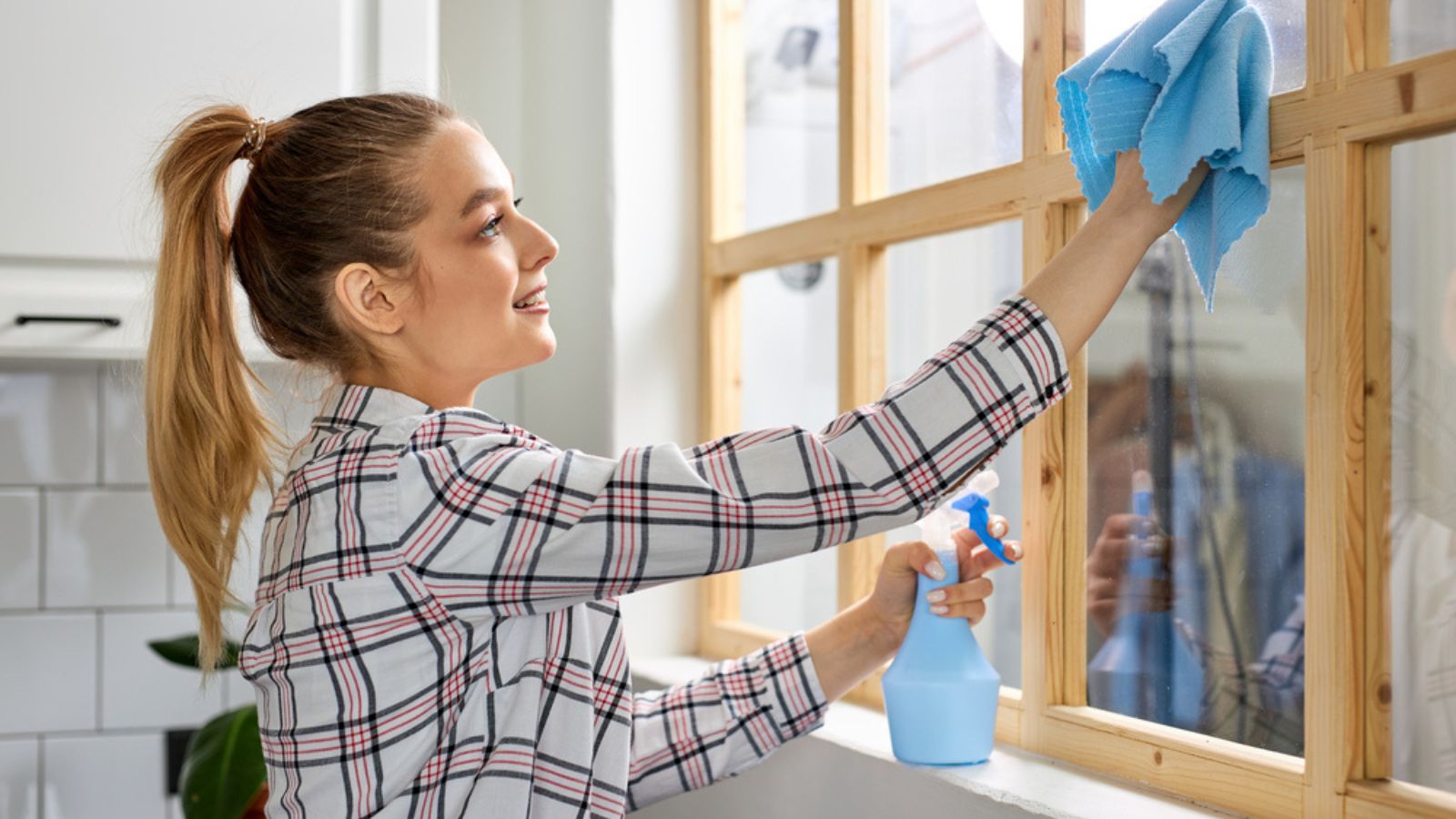
A spotless home signals to buyers that the property has been well cared for, while a dirty one raises doubts about what else might have been neglected. Kitchens and bathrooms receive the most scrutiny, so grout lines, faucet fixtures, appliance surfaces, and tile should all be cleaned to a standard well beyond the usual weekly routine.
Scuffed baseboards, dusty ceiling fans, and grimy window tracks are small details that buyers notice more than sellers expect, especially during a second showing when they are looking more carefully.
A professional deep clean before listing is worth the investment for most properties. Cleaning crews can address areas that are easy to overlook, such as inside cabinet interiors, behind appliances, and around window sills.
Sellers who do the work themselves should set aside a full day and work systematically from top to bottom in each room. A home that smells fresh, looks polished, and feels clean from the moment someone walks in sets a tone of quality that is hard to shake.
3. Do Neutralize the Décor
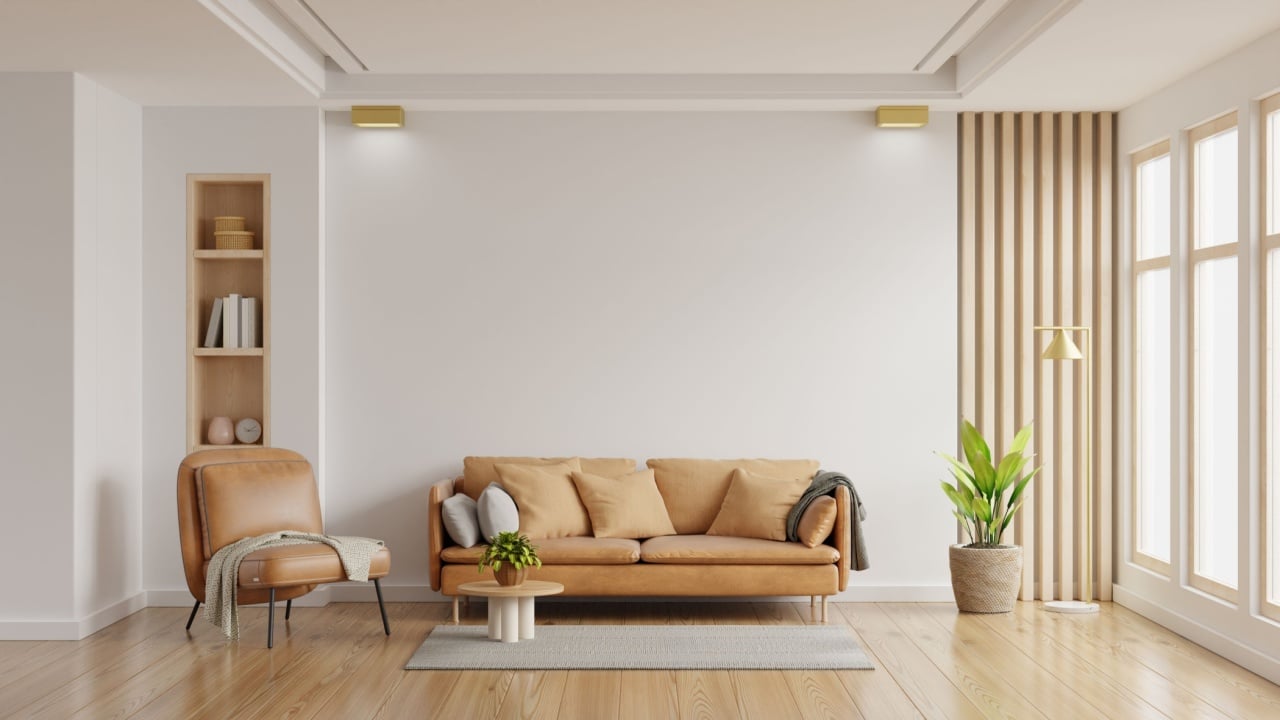
Bold, personalized decor is a genuine barrier for buyers who are trying to picture themselves in a space. A living room painted in a deep burgundy or a bathroom covered in custom tile work can read as charming to the current owner but limiting to someone else.
Neutral palettes, clean lines, and simple furnishings allow buyers to mentally overlay their own furniture and preferences onto a room, which is exactly what sellers want them to do. Soft whites, warm grays, and muted earthy tones tend to read as universally appealing in listing photos and in person.
Sellers do not need to repaint every room, but addressing any particularly bold color choices is a worthwhile step. Swapping out heavily themed décor for simple, tasteful alternatives can be done affordably with items from discount home goods stores.
The bedroom that was decorated as a dedicated sports room or a themed kids’ space, for instance, benefits enormously from being stripped back to neutral linens, simple furniture, and minimal accessories. The more a buyer can see the room rather than the current owner’s personality, the better.
4. Do Maximize Natural Light

Natural light is one of the most desirable features a home can have, and it costs nothing to show it off. Rooms that feel bright and airy photograph better and feel more welcoming during showings, while dim spaces tend to feel smaller and less appealing regardless of their actual square footage.
Opening blinds and curtains fully before every showing is a simple habit that makes a measurable difference. Removing heavy window treatments that block light, even temporarily during the listing period, can transform how a room looks both in photos and in person.
Beyond opening the windows, sellers can supplement natural light with well-placed lamps and updated light fixtures where needed. A burned-out bulb or a single overhead fixture in an otherwise dark room makes a space feel neglected.
Matching bulb temperatures throughout a room, so that all lamps and overhead lights produce the same warm or neutral tone, creates a more polished and consistent look. Buyers drawn to light-filled spaces will linger longer, and a longer time spent in a home almost always correlates with a stronger interest.
5. Don’t Leave Personal Items on Display

Personal items, including family photos, religious symbols, political memorabilia, and bold collections, pull buyers out of the experience of imagining themselves in the home.
Instead of seeing a welcoming living room, they see evidence of someone else’s life, and that mental distance makes it harder to form an emotional connection with the property.
Removing personal items also has a subtle psychological effect of making the home feel more like a product for sale and less like a private residence. Sellers are sometimes reluctant to take down family photos or pack away meaningful objects, but doing so is one of the most effective and cost-free staging steps available.
A few neutral pieces of art, a simple vase, or a well-placed plant can fill the visual space left behind without adding any personal narrative that might alienate a potential buyer.
6. Don’t Ignore Curb Appeal

The exterior of a home is the first thing a buyer sees, and a poor first impression can undermine everything that follows inside. A lawn that has not been mowed, a front door with peeling paint, and flower beds full of weeds communicate neglect before anyone has even stepped through the entrance.
Buyers who arrive at a showing already feeling underwhelmed by the outside are primed to find fault with everything they see indoors as well. Curb appeal sets the emotional tone of the entire showing experience.
Addressing the exterior does not require a major landscaping project. Mowing and edging the lawn, pulling weeds, trimming overgrown shrubs, and adding a few potted plants near the front entrance are changes that take a weekend and cost very little.
Repainting or cleaning the front door, replacing worn house numbers, and power washing the driveway and walkway are additional steps that significantly improve the property’s first impression.
7. Don’t Overdo the Staging Theme
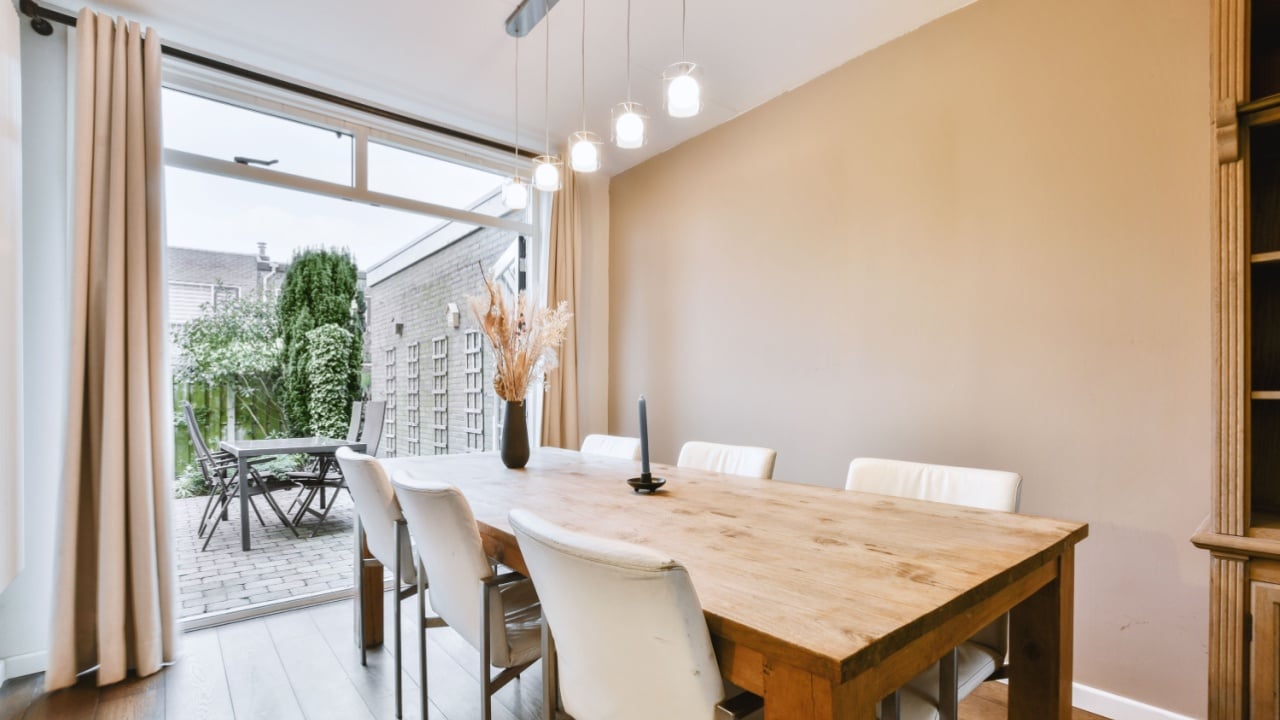
Heavily themed rooms, such as a nautical-themed bathroom or an overly rustic dining room, can feel charming to a small segment of buyers while turning off everyone else. The goal of staging is to appeal to the broadest possible pool of interested buyers, and strong stylistic choices narrow that pool considerably.
A room decorated with ship wheels, rope accents, and weathered wood finishes, for example, might resonate with coastal enthusiasts but feel jarring or excessive to buyers with a more modern or minimalist sensibility. Broad appeal, not personal expression, should drive every staging decision.
Sellers with strongly themed rooms should simplify rather than redecorate entirely. Removing the most overtly themed pieces and replacing them with neutral alternatives usually does the job without requiring a full overhaul of the space.
A rustic dining room, for instance, can be softened by swapping out themed artwork for simple prints, replacing a novelty centerpiece with a clean floral arrangement, and pulling the focus to the quality of the furniture and the size of the room.
8. Don’t Skip Professional Photography

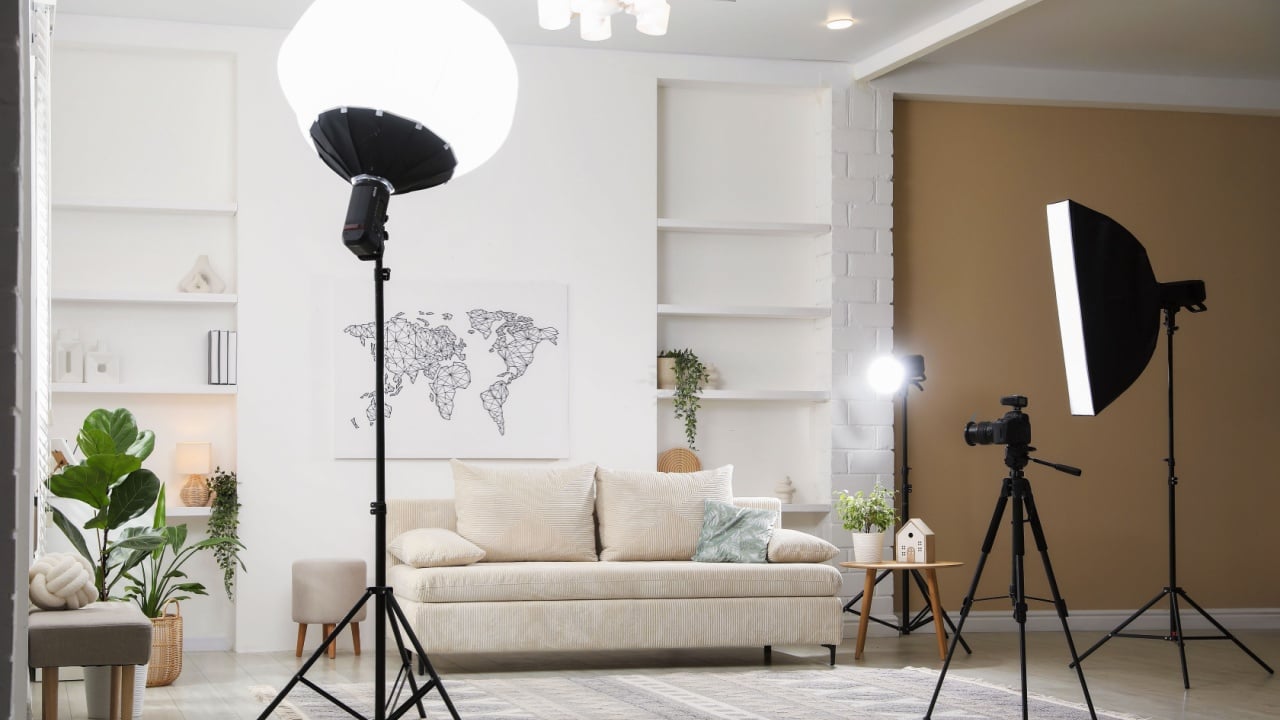
Even a beautifully staged home can fail to attract buyers if the listing photos do not do it justice. Most buyers today begin their search online, and photos are the first filter they use to decide which homes are worth visiting in person.
Dark, blurry, or poorly composed photos make even well-staged rooms look uninviting, while professional images can make a modest space look genuinely impressive. Skipping professional photography to save a few hundred dollars is one of the most counterproductive shortcuts a seller can take.
A professional real estate photographer understands how to use wide angles, lighting, and composition to show each room at its best.
They also know how to photograph a property in a sequence that tells a logical and appealing visual story, from the exterior to the main living areas to the bedrooms and bathrooms. Sellers who have already invested time and money in staging deserve to have that work captured properly.
A Clear Path to a Faster Sale
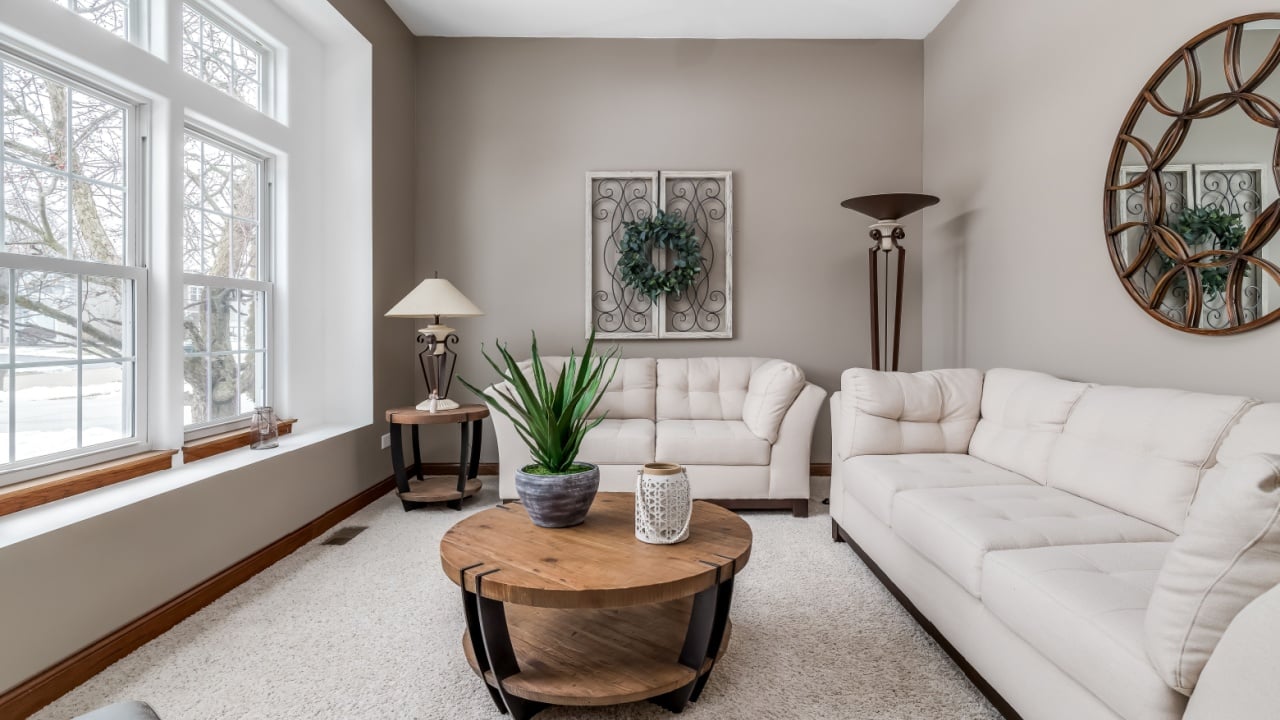
Staging a home well comes down to decluttering, deep cleaning, neutralizing décor, and maximizing light; all work together to create a space that feels open, fresh, and easy to imagine living in.
Most of the work is editing, simplifying, and presenting what is already there as clearly and appealingly as possible. Sellers who approach staging with intention put themselves in the strongest position to attract serious buyers quickly. A home that shows well is a home that sells well.