
14 Foods That Are Ruining Your Sleep
Tossing and turning all night can leave anyone feeling exhausted the next day. While it’s easy to blame stress or a bad mattress for poor sleep, the real culprit might be what’s on the dinner plate. The foods and drinks consumed in the evening can have a huge impact on sleep quality.
Digestion can interfere with the body’s internal clock. Eating heavy foods before bed puts the digestive system into overdrive, making it difficult for the body to relax and fall into a deep sleep.
Plus, nutrition experts have identified specific ingredients in everyday foods that promote wakefulness. Saturated fats and high sodium can raise heart rates, disrupting natural sleep patterns. Eating large meals late at night is another major reason for waking up.
This list breaks down exactly which foods to skip before hitting the hay. Discover simple tweaks to your evening routine that can lead to better rest, starting with your grocery list.
1. Coffee and Caffeinated Beverages

It’s no surprise that coffee and other caffeinated drinks make the list. As the world’s most popular stimulant, caffeine is great for a morning boost but not so great for winding down. It works by blocking adenosine, a chemical in the brain that makes us feel sleepy. This is why a late-afternoon latte can leave you staring at the ceiling for hours.
Consuming caffeine too close to bedtime can significantly reduce total sleep time and quality. To avoid this, experts suggest cutting off caffeine at least six hours before you plan to sleep. This gives your body enough time to process it and allows your natural sleepiness to take over.
If you enjoy a warm drink in the evening, try switching to a non-caffeinated herbal tea. Many people who make this change report feeling more refreshed in the morning and find it much easier to fall asleep. It’s a simple swap that can make a big difference to your sleep quality.
2. Broccoli and Cauliflower
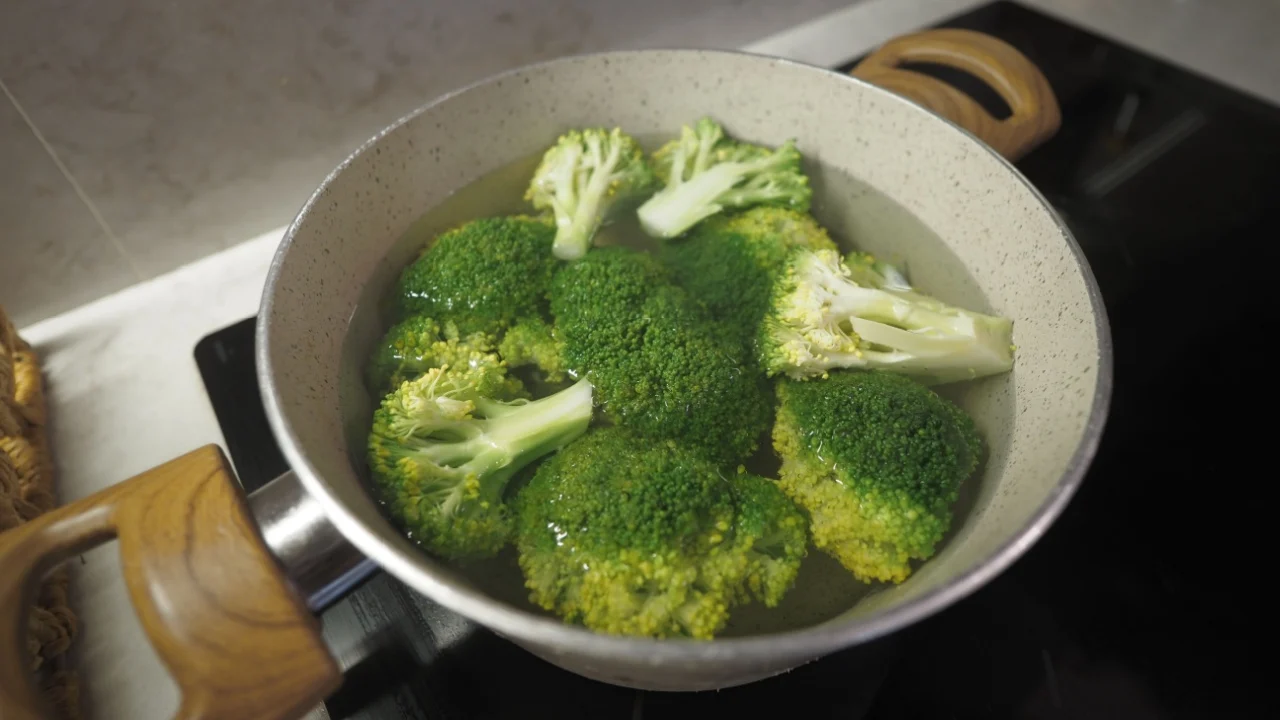
Broccoli and cauliflower are packed with nutrients, but they might not be the best choice for a late-night meal. These cruciferous vegetables are high in fiber, which is great for digestion during the day. However, eating them before bed can cause gas and bloating as your digestive system works to break them down, leading to discomfort that can keep you awake.
This nighttime gastrointestinal activity can disrupt your body’s ability to relax and fall into a deep sleep. For those with sensitive stomachs or conditions like irritable bowel syndrome (IBS), the effects can be even more pronounced. A noisy, active stomach is a direct path to a restless night.
To avoid this, it’s best to enjoy these healthy vegetables earlier in the day. This gives your body plenty of time to digest them before you hit the sack. For a gentler evening alternative, consider steamed carrots or zucchini, which are easier on the digestive system.
3. Alcoholic Beverages

A glass of wine or a beer before bed might seem like a good way to relax, but it can actually do more harm than good for your sleep. While alcohol is a depressant and can make you feel sleepy initially, it disrupts your sleep cycle later in the night. Specifically, it messes with REM sleep, the most restorative stage of sleep.
Studies have shown that alcohol can throw off your body’s internal clock, or circadian rhythm. It can also lead to more frequent awakenings, breathing-related issues, and lower oxygen levels during the night. So, that nightcap might be the reason you wake up feeling groggy and unrefreshed.
Instead of an alcoholic drink, consider a warm cup of chamomile tea to help you unwind. It promotes relaxation without the negative side effects of alcohol. You’ll thank yourself in the morning when you wake up clear-headed and full of energy.
4. Sugary Baked Goods

Late-night cookies, cakes, and other sugary treats are a common culprit for poor sleep. These foods are often high in both sugar and saturated fats, which can disrupt healthy sleep patterns. The fats can lead to lighter, less restorative sleep, while the sugar causes a spike in blood glucose levels.
This rapid rise in blood sugar is followed by a crash, a process that can lead to a chain of events resulting in insomnia. Your body releases insulin to manage the sugar, and this hormonal activity can interfere with your ability to rest. If you’re craving something sweet, a small piece of fruit is a much better option.
Avoiding heavy desserts before bed also helps prevent issues like acid reflux, which can be triggered when you lie down with a full stomach. A calm digestive system is key to allowing your body to power down naturally for the night.
5. White Bread and Refined Grains
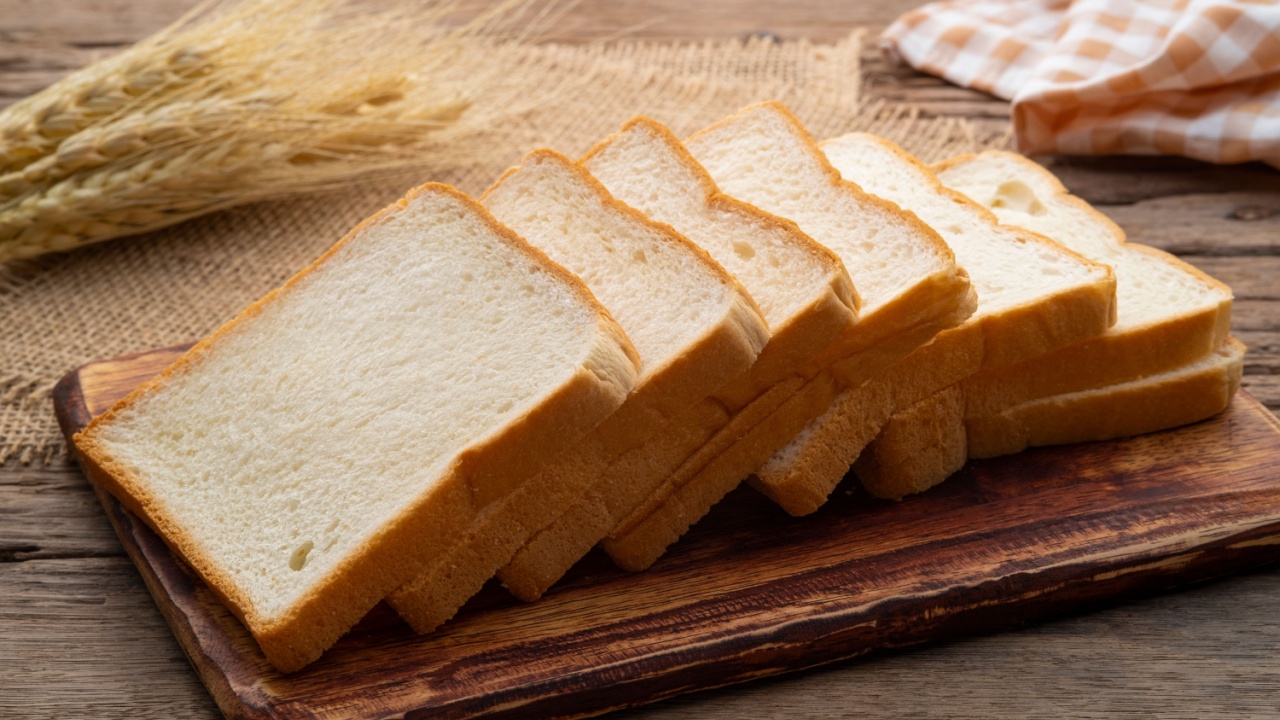
White bread, white rice, and other refined grains have a high glycemic index, meaning they cause a rapid spike in blood sugar and insulin levels. One large study, the Women’s Health Initiative, found a strong link between diets high in refined carbohydrates and an increased risk of insomnia.
The quick digestion and subsequent crash in blood sugar can cause you to wake up in the middle of the night. Your body is left scrambling for energy, which is not what you want when you’re trying to get a full night’s rest.
Swapping refined grains for complex carbohydrates like oatmeal, brown rice, or whole-wheat bread can make a big difference. These foods digest more slowly, providing a steady release of energy and helping to keep blood sugar levels stable throughout the night, leading to a more peaceful sleep.
6. Aged Cheeses and Cured Meats
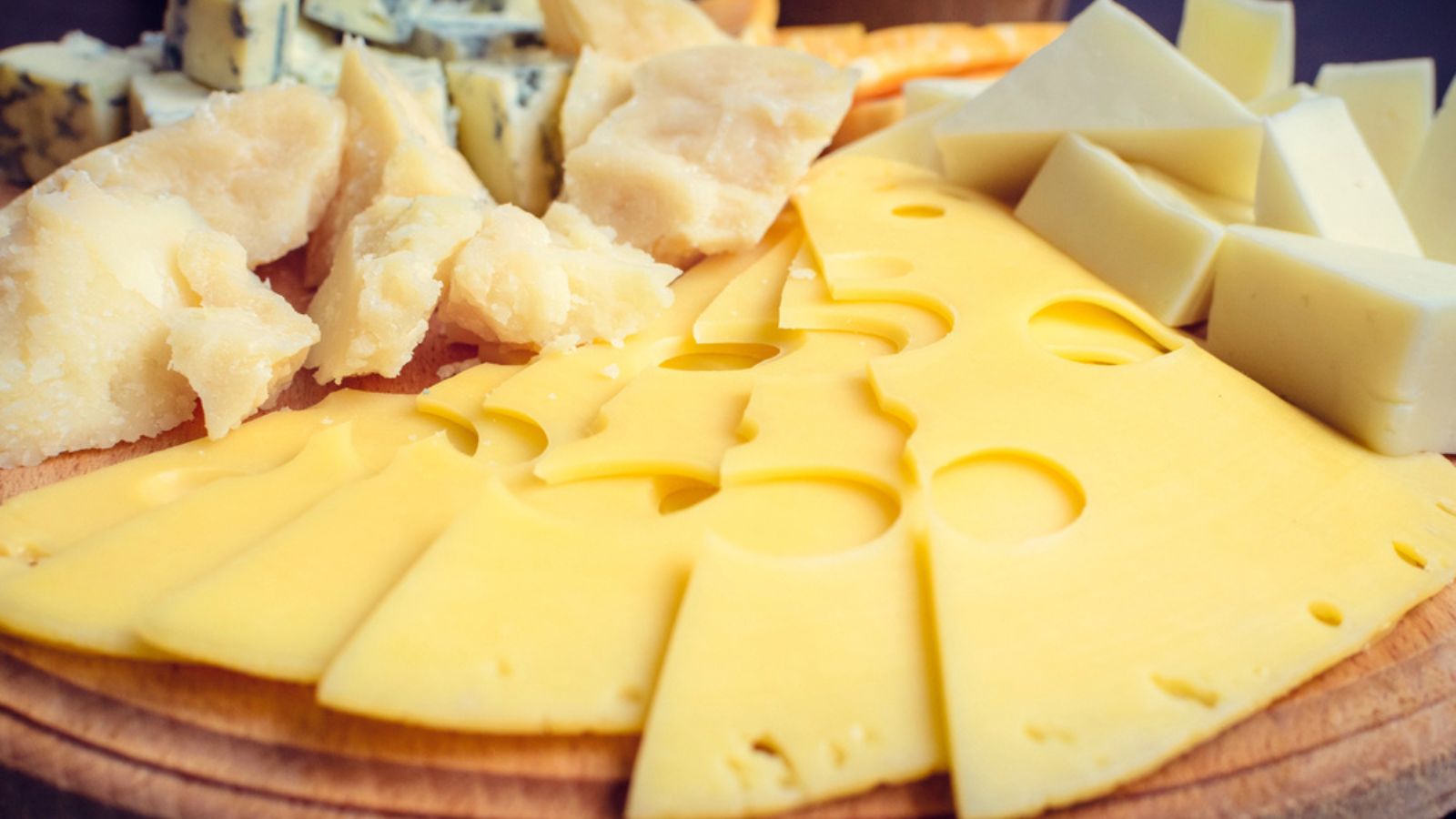
A charcuterie board might be a delicious evening snack, but aged cheeses and cured meats can be a recipe for a sleepless night. These foods contain high levels of tyramine, an amino acid that triggers the release of norepinephrine. Norepinephrine is a brain stimulant that increases heart rate and alertness.
In addition to tyramine, cured meats like salami and pepperoni are loaded with sodium. High sodium intake can lead to dehydration and increased blood pressure, both of which can disrupt sleep. You might find yourself waking up thirsty or just feeling restless.
To avoid this, opt for fresh protein sources like sliced turkey or chicken for an evening snack. Choosing fresh foods over aged or cured ones provides the nutrients you need without the hidden stimulants that can keep you up.
7. Deep-Fried Meals

Fried foods like fried chicken or French fries are hard for your body to digest, especially at night. The high-fat content means they sit in your stomach for a long time, forcing your digestive system to work overtime when it should be resting. This can lead to discomfort and acid reflux.
When you lie down after a heavy, greasy meal, stomach acid can more easily travel up into your esophagus, causing painful heartburn. It’s almost impossible to get comfortable and fall asleep when you’re dealing with that burning sensation.
For a sleep-friendly meal, try baking or grilling your proteins and vegetables instead. You can still get savory, delicious flavors without the heavy grease. A lighter meal allows your digestive system to rest along with the rest of your body, promoting better overall recovery during sleep.
8. Ultra-Processed Snacks

Chips, crackers, and other ultra-processed snacks are often packed with hidden sodium, unhealthy fats, and artificial additives that can wreak havoc on your sleep. These ingredients can force your liver and stomach to work hard throughout the night, disrupting your body’s natural rhythms.
The high chemical load and lack of real nutrients in these snacks don’t do your body any favors. Instead of promoting rest, they can lead to restlessness and unexpected awakenings. Your body is trying to process things it doesn’t recognize as food.
For a smarter evening snack, reach for a handful of unsalted almonds or walnuts. They provide healthy fats and magnesium, a mineral that helps support muscle relaxation and a sense of calm. Whole foods provide nutrients that actively help your nervous system wind down.
9. Tomatoes and Nightshade Vegetables

Tomatoes, as well as other nightshades like eggplant and peppers, can be problematic for some people, especially when eaten before bed. Their high acidity can trigger heartburn and acid reflux when you lie down, making it difficult to fall asleep.
Additionally, nightshade vegetables contain a compound called solanine. While the amounts are small, some sensitive individuals find that it has a stimulating effect, making them feel more awake. If you suspect you’re sensitive, try removing them from your dinner to see if your sleep improves.
To avoid acid reflux, consider swapping out tomato-based marinara sauce for a mild pesto or a creamy squash sauce. A calm, pain-free digestive system is essential for drifting off to sleep easily and staying asleep all night.
10. Citrus Fruits
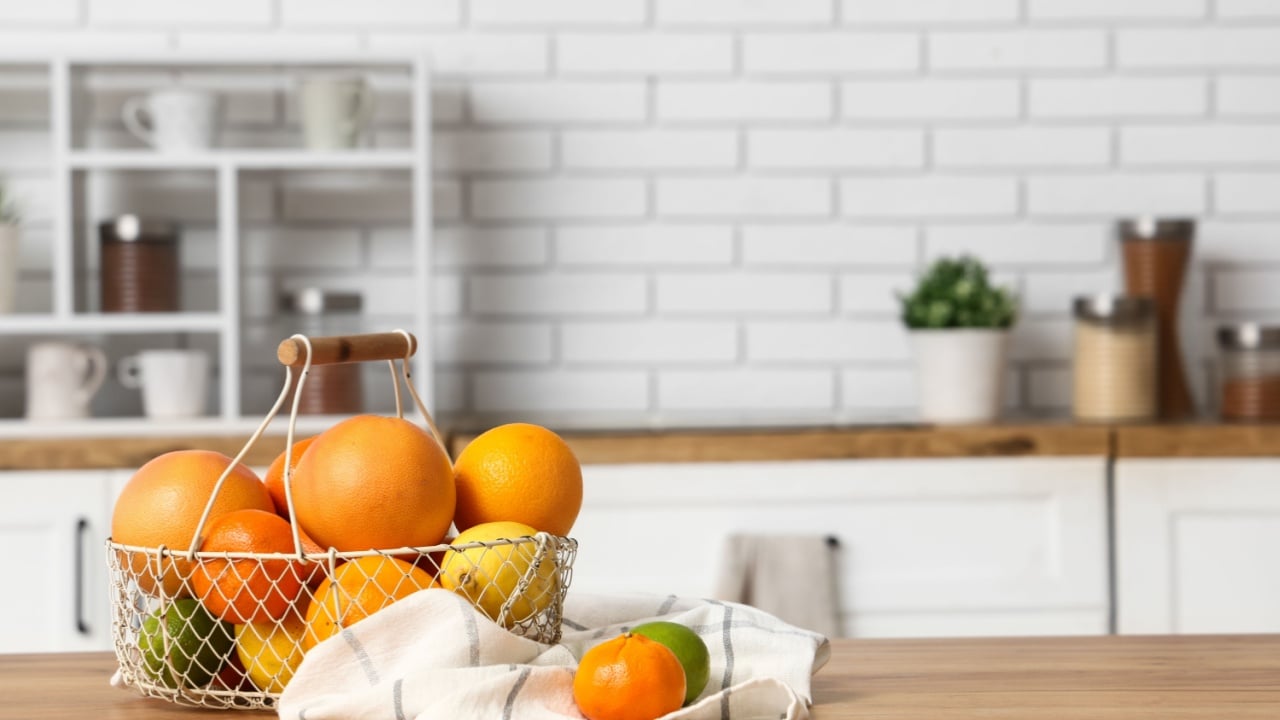
Oranges, grapefruits, and other citrus fruits are a fantastic source of vitamin C, but they’re best enjoyed in the morning. Their high citric acid content can irritate the stomach and lead to heartburn or indigestion when consumed before bed.
Besides the acidity, the strong, bright scent of citrus can be stimulating for many people. The aroma can wake up your senses at a time when you should be calming them down for sleep. It’s a sensory signal to your brain that it’s time to be alert, not to rest.
For a more sleep-friendly fruit snack in the evening, try a banana. It’s gentle on the stomach and provides potassium and magnesium, two minerals that can help promote muscle relaxation and a good night’s sleep.
11. Spicy Peppers and Hot Sauce

Spicy foods are known to turn up the heat, and that includes your internal body temperature. A slight drop in body temperature is a natural signal that helps initiate sleep. Eating spicy foods can counteract this process, making it harder to fall asleep.
The active compound in hot peppers, capsaicin, is also a common cause of heartburn and gastric distress. A burning sensation in your chest or stomach is a surefire way to ruin a good night’s rest.
To avoid these issues, try seasoning your evening meals with mild herbs like basil, oregano, or thyme. They can add plenty of flavor without the heat. Keeping your dinner mild and your body cool will signal to your brain that it’s time to power down for the night.
12. Dark Chocolate
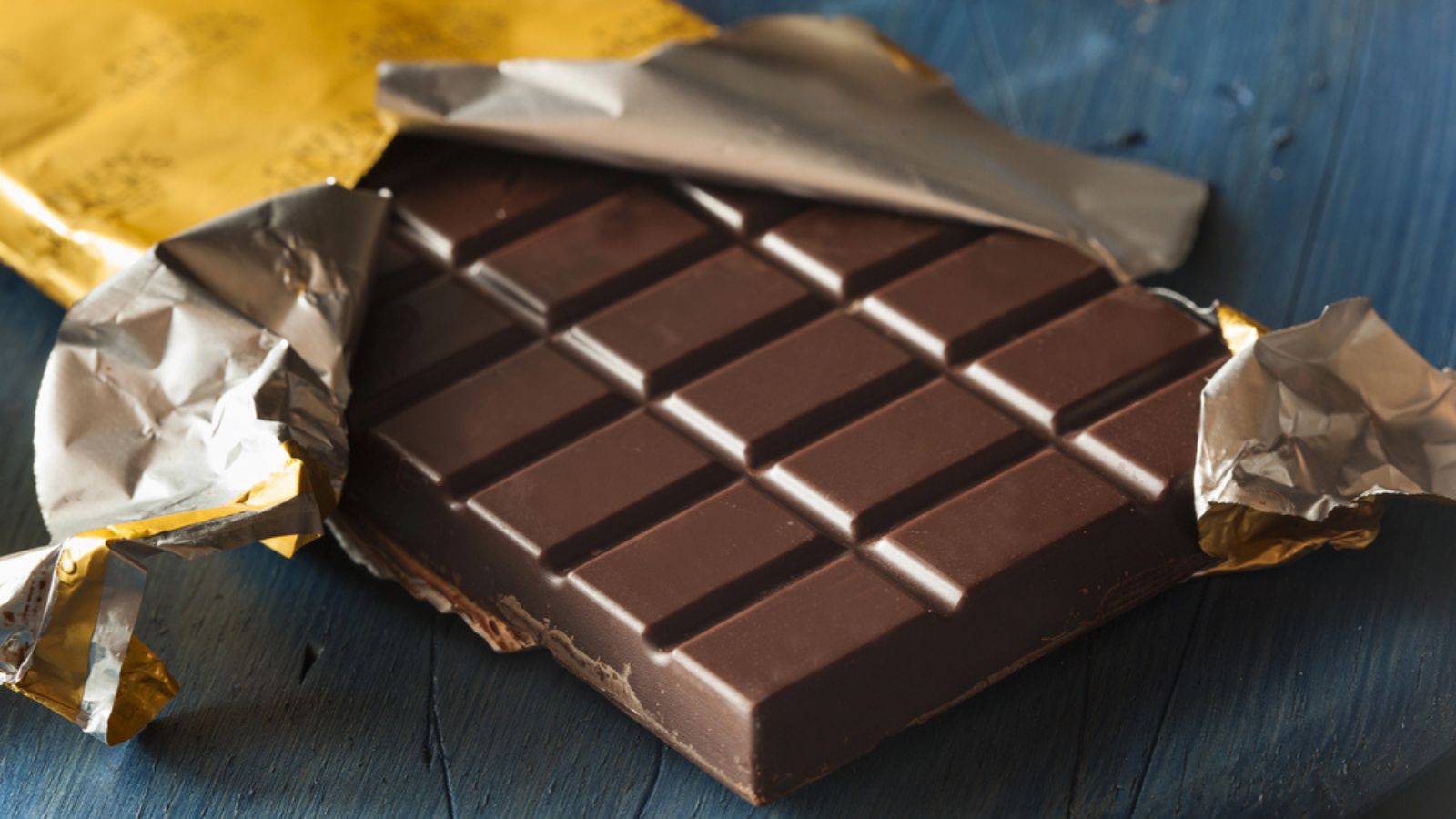
Dark chocolate is often praised for its health benefits, but it’s not the best choice for a bedtime snack. It contains two hidden stimulants: caffeine and theobromine. Theobromine, in particular, can increase heart rate and cause sleeplessness.
The darker the chocolate, the higher the concentration of these stimulating compounds. Even a few small squares can be enough to interfere with your ability to fall asleep. It’s a sneaky source of stimulation that many people overlook.
If you’re looking for a sweet treat before bed, a handful of tart cherries is a much better option. They’re a natural source of melatonin, the hormone that regulates your sleep-wake cycle. It’s a sweet way to help your body prepare for sleep.
13. Ice Cream

A big bowl of ice cream before bed is a classic comfort food, but it’s a nightmare for your sleep. It’s a double whammy of high saturated fat and sugar, both of which can disrupt your rest. The fat slows down digestion, while the sugar causes a blood glucose spike and subsequent crash.
This digestive chaos makes it nearly impossible for your body to settle into a restful state. You might experience stomach cramps, bloating, or just a general feeling of discomfort that keeps you from falling asleep.
For a creamy, sweet alternative that won’t ruin your night, try blending frozen bananas. This “nice cream” is easy to digest and satisfies sweet cravings without the disruptive fat and sugar. Your body will thank you in the morning.
14. Soy Sauce and High-Sodium Condiments

That sushi dinner might be more disruptive than you think, thanks to soy sauce. Just one tablespoon contains a massive amount of sodium, which can lead to dehydration and elevated blood pressure. This often causes you to wake up in the middle of the night feeling thirsty.
Then, if you drink water to quench that thirst, you’re likely to be woken up again by the need to use the bathroom. This cycle of waking up for water and then the bathroom can completely shatter your deep sleep cycles.
To avoid this, try to limit high-sodium condiments in the evening. Low-sodium soy sauce or coconut aminos are great alternatives that provide savory flavor without the massive salt load. Keeping your body properly hydrated and balanced is key to sleeping peacefully through the night.
Eat Smart, Sleep Tight

A good night’s sleep starts long before your head hits the pillow, it begins at the dinner table. Avoiding these 14 sleep-disrupting foods helps you set the stage for a more energized and focused tomorrow.
F
Start small. Swap that evening chocolate bar for a handful of almonds, or your glass of wine for a calming chamomile tea. Your body will notice the difference. A restorative night’s sleep is just a few smart food choices away.