14 Gardening Myths That Science Has Proven to Be Bogus
Gardening advice often gets passed down through generations, and these familiar tips can feel like a trusty guide to a flourishing yard. From preparing soil to feeding plants, many people rely on the same methods their families and neighbors have used for years.
But when you dig into the science, you’ll find that many of these common ideas don’t hold up. Horticultural researchers are always studying how plants grow, and their findings often challenge old-school backyard wisdom.
In fact, evidence shows that some popular techniques can actually hurt your plants, limit their root growth, or mess up the delicate balance of your soil.
Here are fourteen popular gardening myths that have been proven wrong by research. For each myth, we’ll explain why it doesn’t work, what the science says, and what you can do instead. These insights will give you a clear, data-driven path to better plant health.
1. Talking to Plants Helps Them Grow
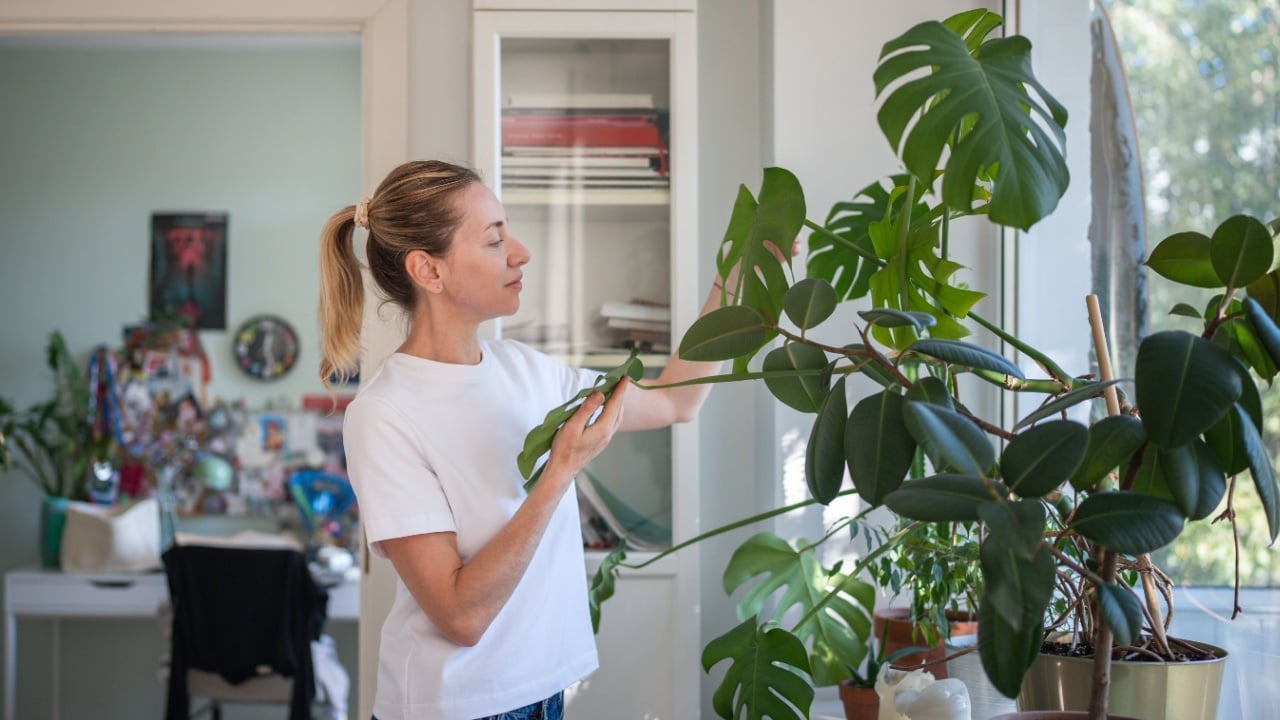
The idea that chatting with your plants helps them grow is a popular piece of folklore. While it’s a nice thought, science tells a different story. Plants don’t have ears or brains, so they can’t understand your encouraging words. Some researchers think that if there’s any benefit, it’s just from the carbon dioxide you breathe out while you’re talking close to them.
Instead of whispering sweet nothings to your petunias (although if it helps your own mental health, then go for it), it’s better to focus on what they actually need. Checking the soil moisture, making sure they get enough sunlight, and keeping an eye out for pests are what really count.
A few minutes of real observation will spot problems like disease or bugs much faster than a one-sided conversation.
2. Adding Sand to Clay Soil Improves Drainage
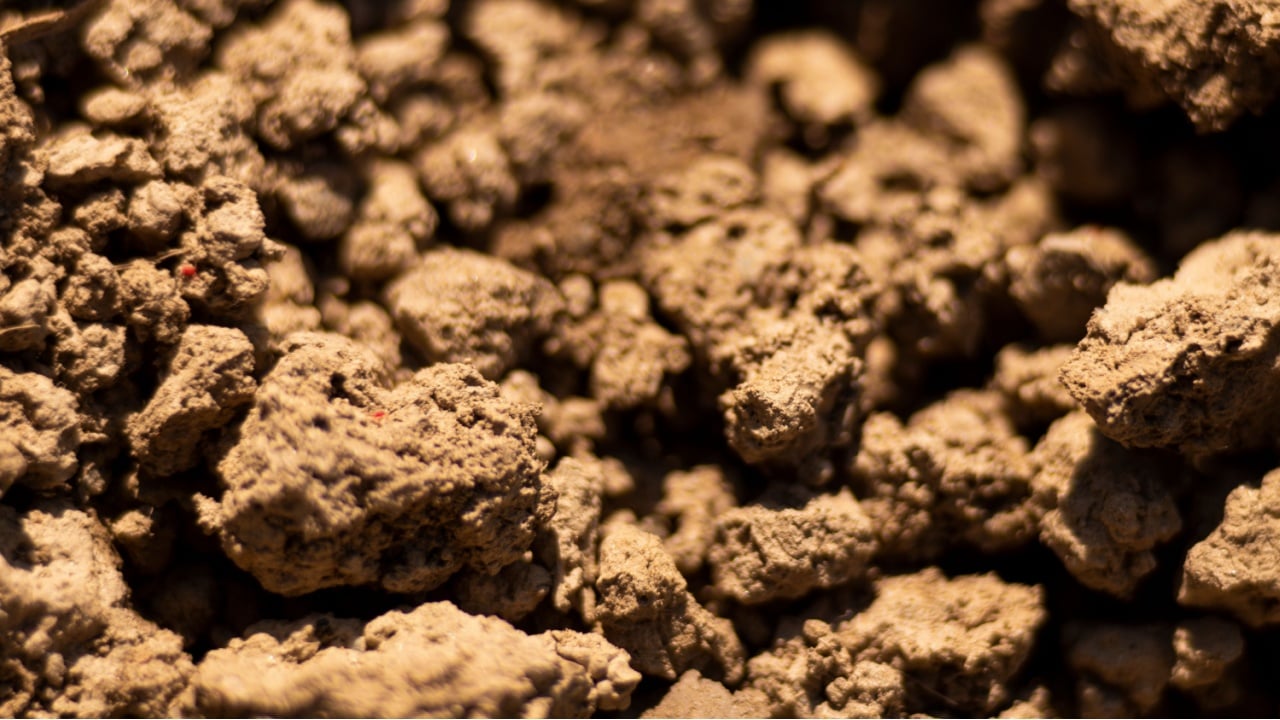
Many gardeners believe that mixing sand into heavy clay soil is the key to better drainage. In theory, it sounds like it should work, but in reality, science says this creates the opposite effect.
Clay particles are incredibly fine, and when you add larger sand particles, the clay just fills in all the gaps, creating a material that’s a lot like concrete. This makes the soil even more compacted and harder for water to move through.
The best way to improve clay soil is to mix in organic matter. Things like compost, shredded leaves, or well-rotted manure work wonders. This stuff improves the soil’s structure by creating space for air and water. Plus, it attracts earthworms and beneficial microbes that do the hard work of breaking up the dense clay for you.
3. Watering Plants in the Sun Scorches Leaves
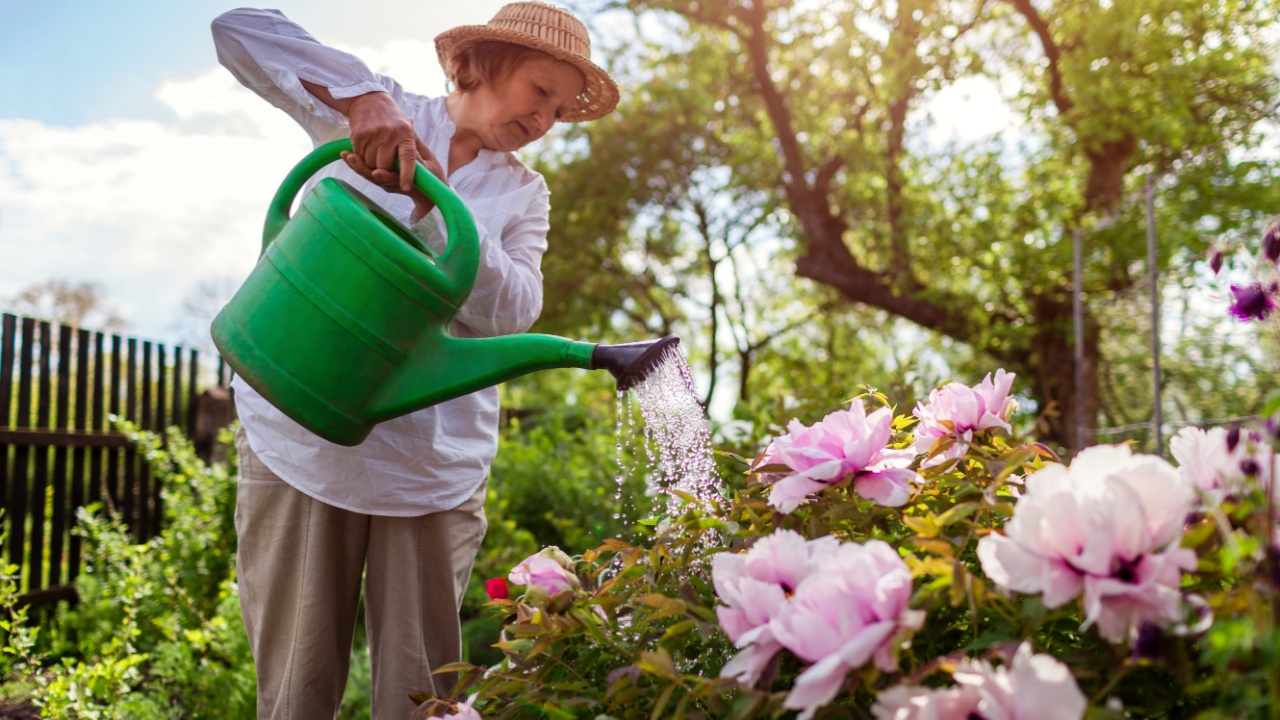
There’s a persistent myth that watering plants in the middle of a sunny day will scorch their leaves, with water droplets acting like tiny magnifying glasses. Physicists have looked into this and confirmed it’s just not true.
A drop of water would evaporate long before it could focus enough sunlight to burn a leaf. Leaf scorch is usually caused by other issues, like a lack of water in the soil, nutrient deficiencies, or even strong winds.
That said, watering in the morning is still the best practice. It gives the plant’s roots a chance to soak up moisture before the hot afternoon sun causes a lot of it to evaporate. But if you see your plants looking sad and wilted in the heat of the day, don’t hesitate to give them a drink. It’s much better to water them when they need it than to stick to a rigid schedule.
4. Young Trees Need Staking for Support
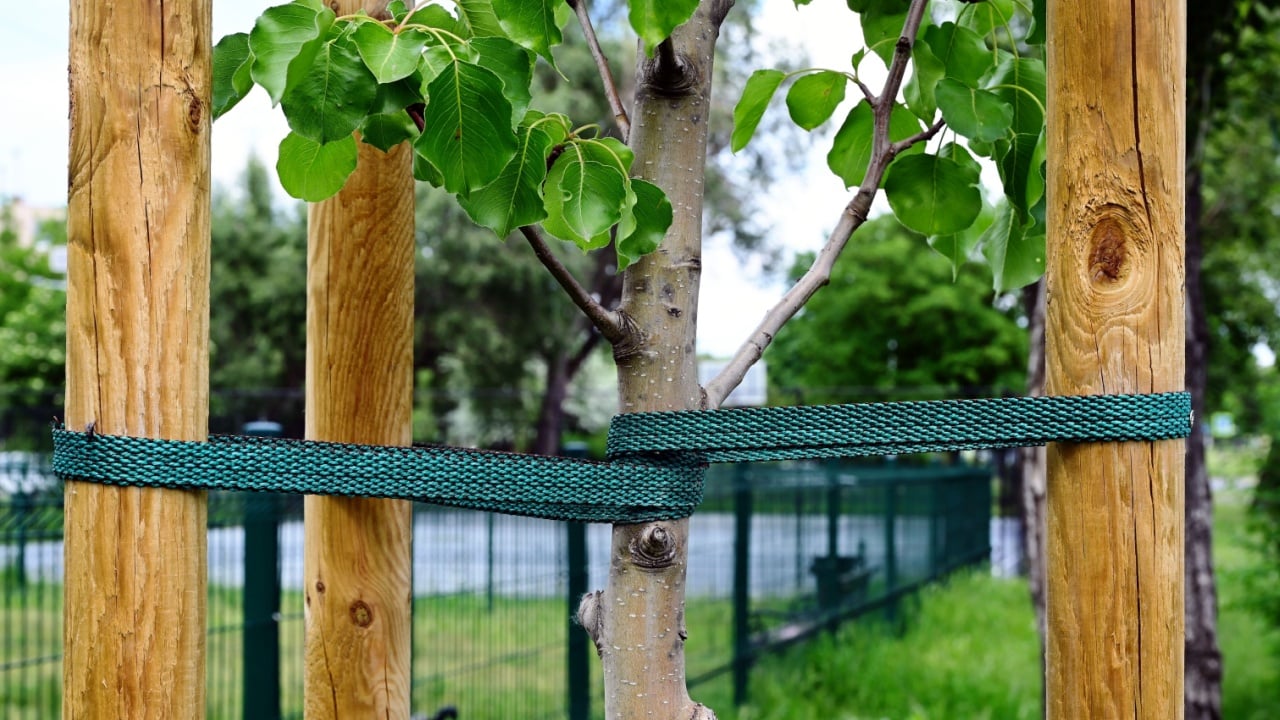
It’s common to see newly planted trees staked up, and many nurseries even recommend it. However, arborists have found that staking a young tree too rigidly can do more harm than good.
Trees need to be able to sway in the wind to develop strong wood and a healthy root system. A staked tree might grow tall and skinny, but it won’t be strong enough to stand on its own once the stakes are removed, making it likely to snap.
If you’ve planted a tree in a particularly windy spot, some flexible staking can be used as a temporary support. The ties should be loose enough to let the trunk move around, and they should be taken off after the first growing season. For most young trees, planting them at the right depth and adding a good layer of mulch is all the support they need.
5. Epsom Salt is a Universal Cure
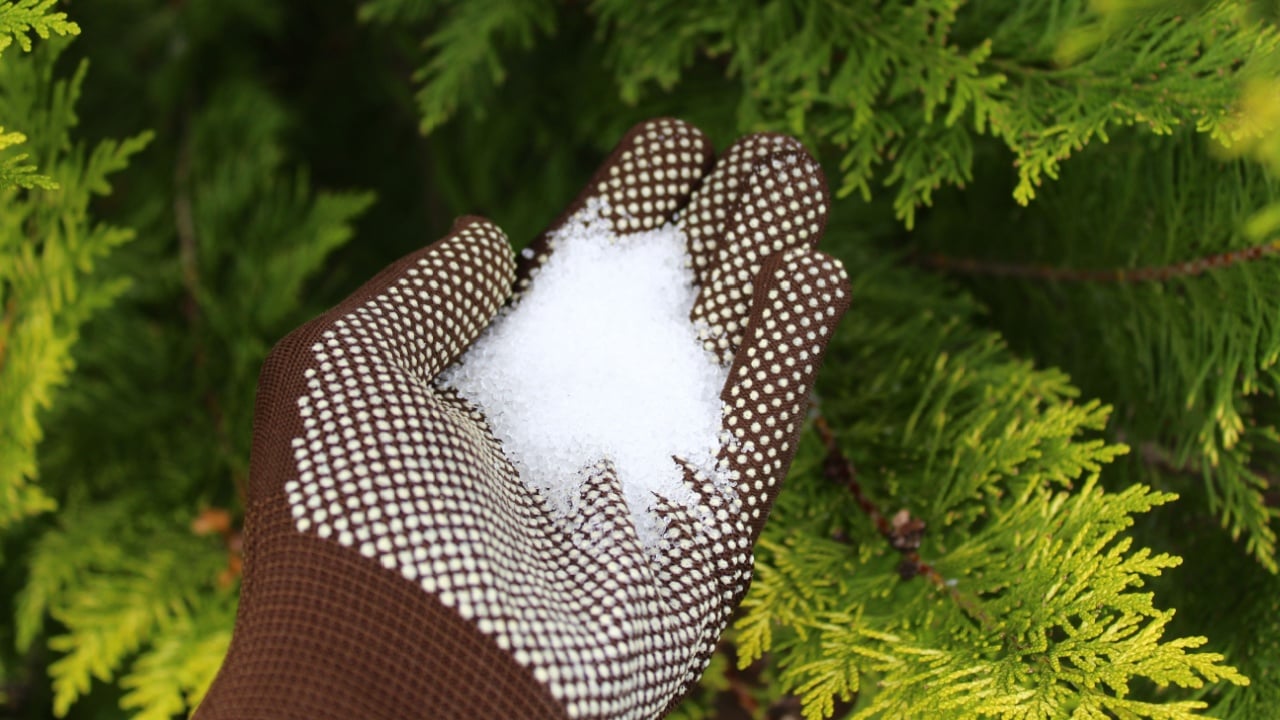
For generations, gardeners have sworn by Epsom salt as a magical tonic for everything from tomatoes to roses. The truth is, Epsom salt is magnesium sulfate, and it only helps plants if the soil is actually deficient in magnesium.
Most garden soils already have plenty of it, and adding more can throw off the soil’s nutrient balance, making it harder for plants to absorb other important minerals like calcium and potassium.
The only way to know for sure if your soil needs more magnesium is to get it tested. A professional soil test will give you a detailed report on what your soil is lacking and specific recommendations on how to fix it. If the test shows a magnesium deficiency, then Epsom salt can be a useful tool.
6. Coffee Grounds Acidify Soil
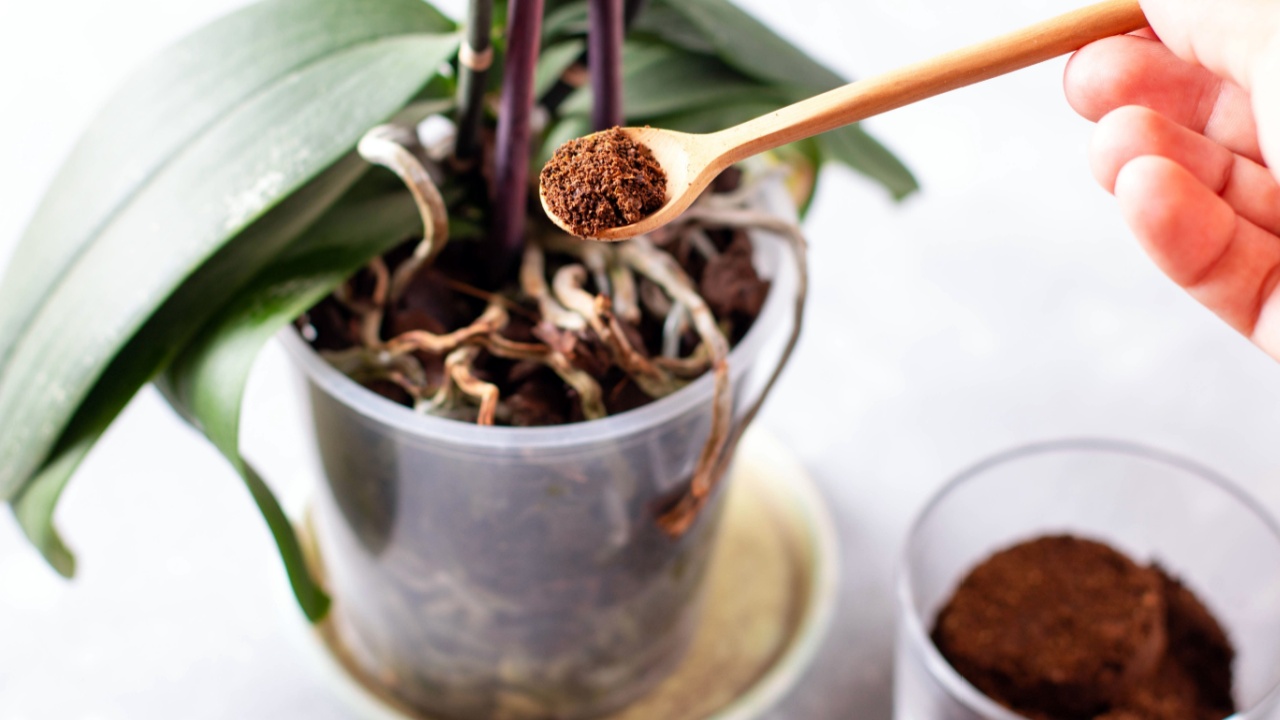
Many people save their used coffee grounds to sprinkle around acid-loving plants, thinking it’s a great way to lower the soil’s pH. While fresh, unbrewed coffee grounds are acidic, the brewing process washes most of that acid away into your cup.
The leftover grounds are actually pretty close to a neutral pH, so they won’t do much to change your soil’s chemistry.
That doesn’t mean you should throw them out, though! Used coffee grounds are a fantastic source of nitrogen for your compost pile. When mixed with “brown” materials like dry leaves, they break down to create incredibly rich compost. If you actually need to make your soil more acidic, you should use products like elemental sulfur, based on the results of a soil test.
7. Plants Do Not Like to Be Touched
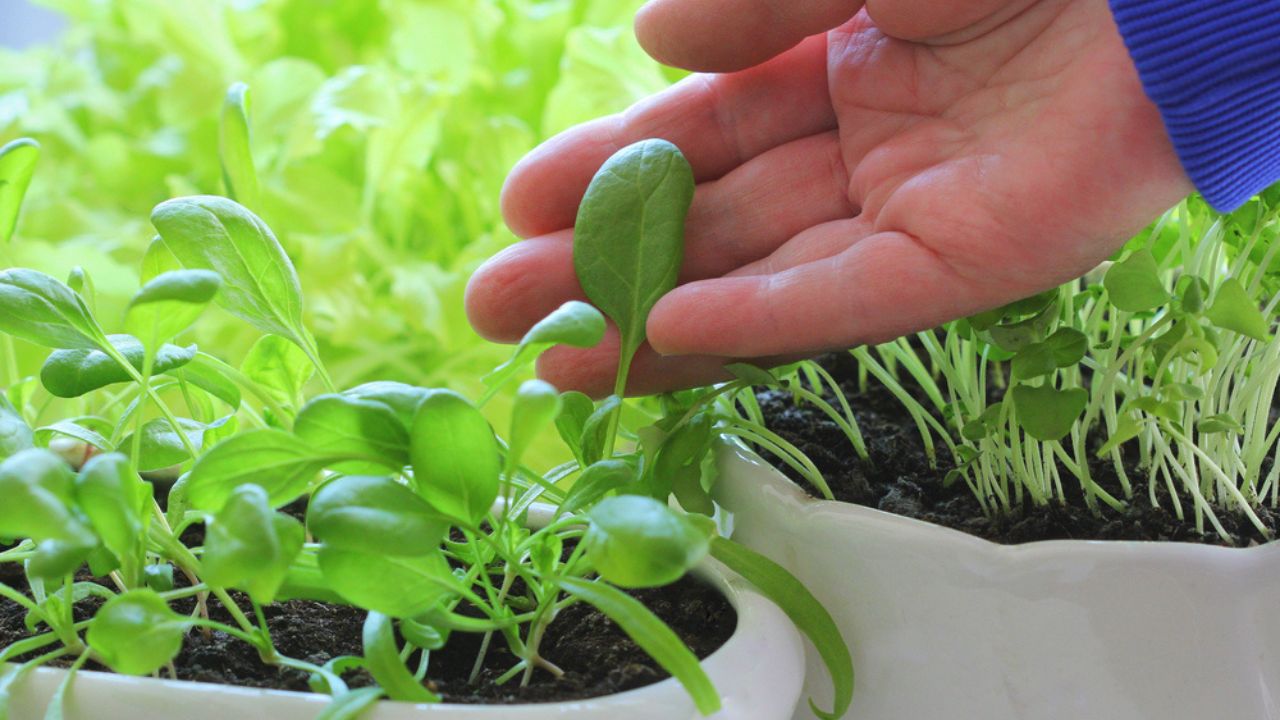
Some gardeners are careful not to touch their plants, believing that physical contact can be harmful. But research has shown that a little bit of physical stimulation can actually be a good thing for plants.
When a plant is brushed against or moved by the wind, it triggers a response that causes it to grow thicker cell walls. This makes the plant sturdier and more resilient overall.
If you’re growing seedlings indoors, you can mimic this natural process. Gently brushing your hands over them for a couple of minutes each day can help. You could also set up a small fan to create a light breeze. This kind of stimulation helps prevent young plants from growing tall and flimsy, making them better prepared for life outdoors.
8. Boiling Water Kills All Weeds
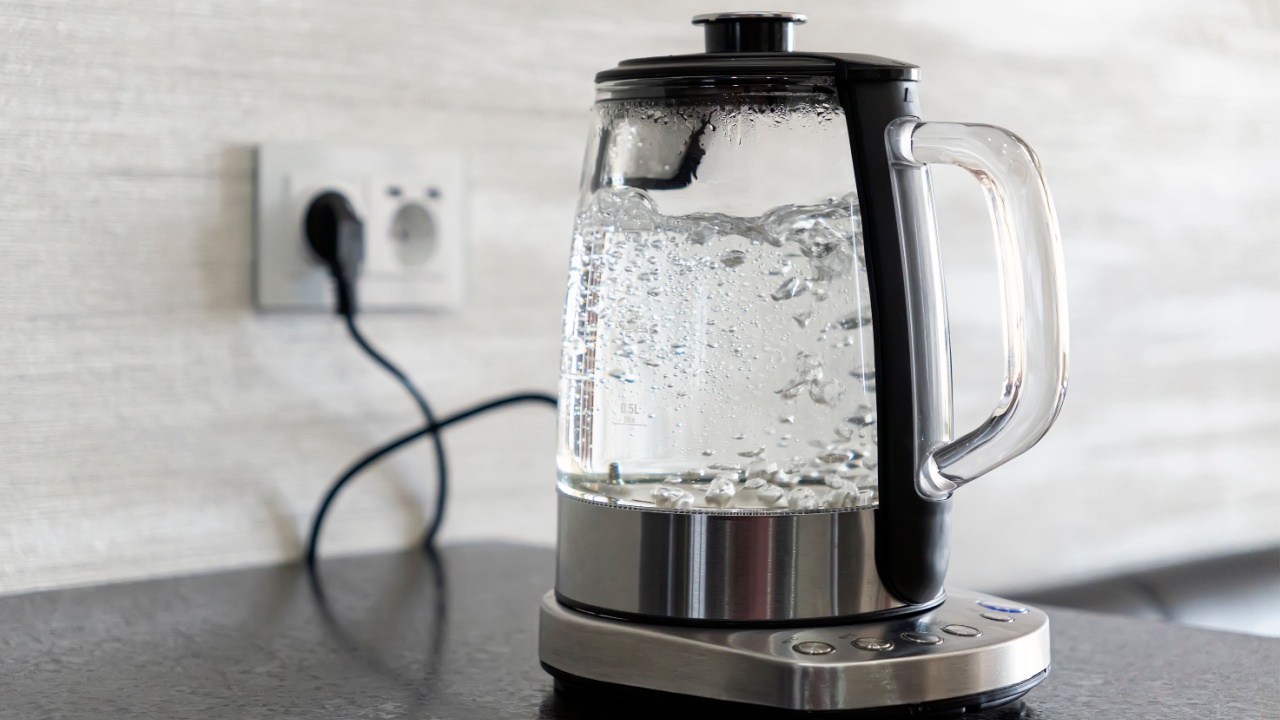
Pouring boiling water on weeds sounds like a simple, chemical-free way to get rid of them. The hot water instantly destroys the leaves and stems you can see by bursting their cells.
The problem is that the heat doesn’t penetrate very far into the soil, so it won’t kill the deep root systems of perennial weeds. A few days later, you’ll likely see new growth popping right back up.
Boiling water is most effective on small, annual weeds with shallow roots, like the ones that pop up in the cracks of your sidewalk or driveway. For tougher weeds with deep taproots, like dandelions, pulling them out by hand is still the best approach. Using a special weeding tool can help you get the entire root out, ensuring it won’t grow back.
9. More Fertilizer Equals Better Growth

It’s tempting to think that giving your plants a little extra fertilizer will make them grow bigger and faster. But in this case, more is definitely not better. Most synthetic fertilizers are made of salts, and using too much can actually “burn” a plant’s delicate roots, preventing them from absorbing water.
Over-fertilizing can also lead to nutrient runoff, which pollutes nearby streams and rivers. It’s always best to follow the directions on the fertilizer package.
For a safer approach, consider using a slow-release organic fertilizer. It provides a steady supply of nutrients without the risk of burning the roots. It’s also a good idea to watch your plants for signs of nutrient deficiencies before you decide to fertilize, so you don’t add chemicals to the soil unnecessarily.
10. Crushed Eggshells Deter Slugs
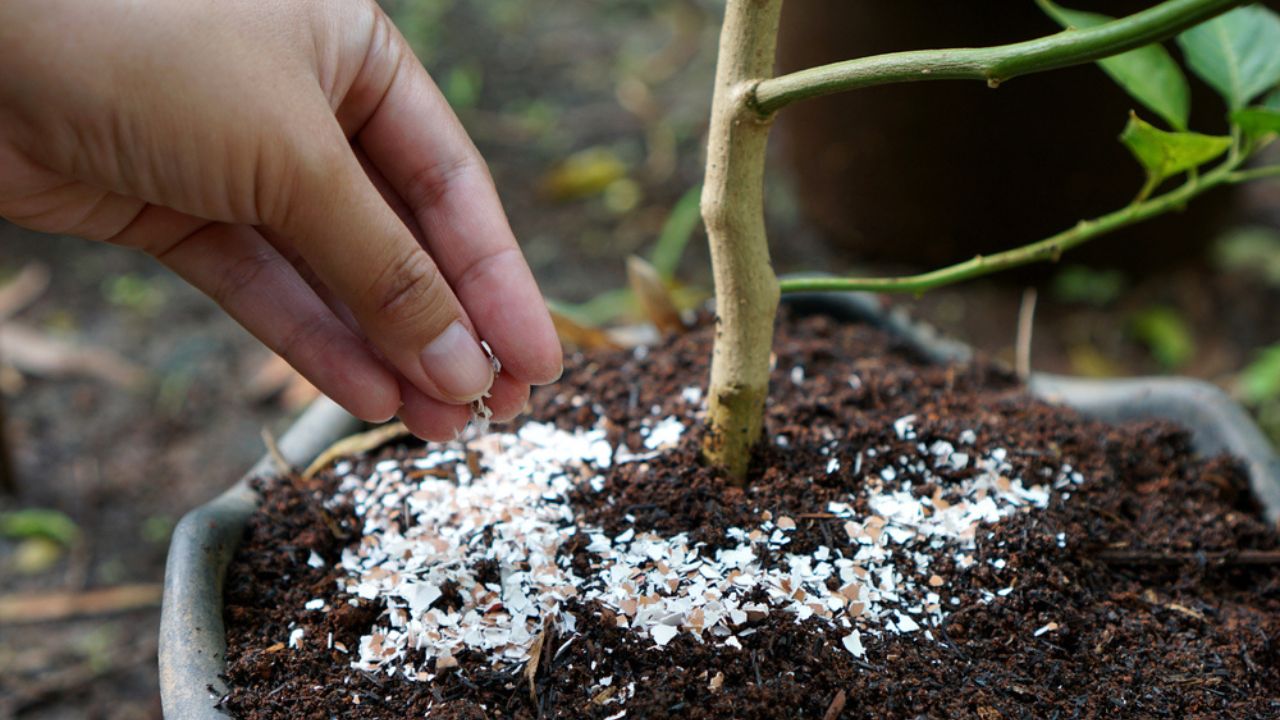
A common organic gardening tip is to create a barrier of crushed eggshells around plants to keep slugs away. The idea is that the sharp edges will cut the slugs’ soft bodies, but this is another myth that doesn’t hold up.
Biologists have watched slugs crawl over sharp objects like broken glass and razor blades without a problem. Their slimy coating protects them from getting cut.
If you have a slug problem, there are many more effective methods. Iron phosphate baits are a popular choice because they kill slugs but are safe for wildlife and pets. Another classic trick is to sink a shallow dish of beer into the soil. Slugs are attracted to the yeast, fall in, and drown. It’s a simple but surprisingly effective trap.
11. Drought-Resistant Plants Do Not Need Water
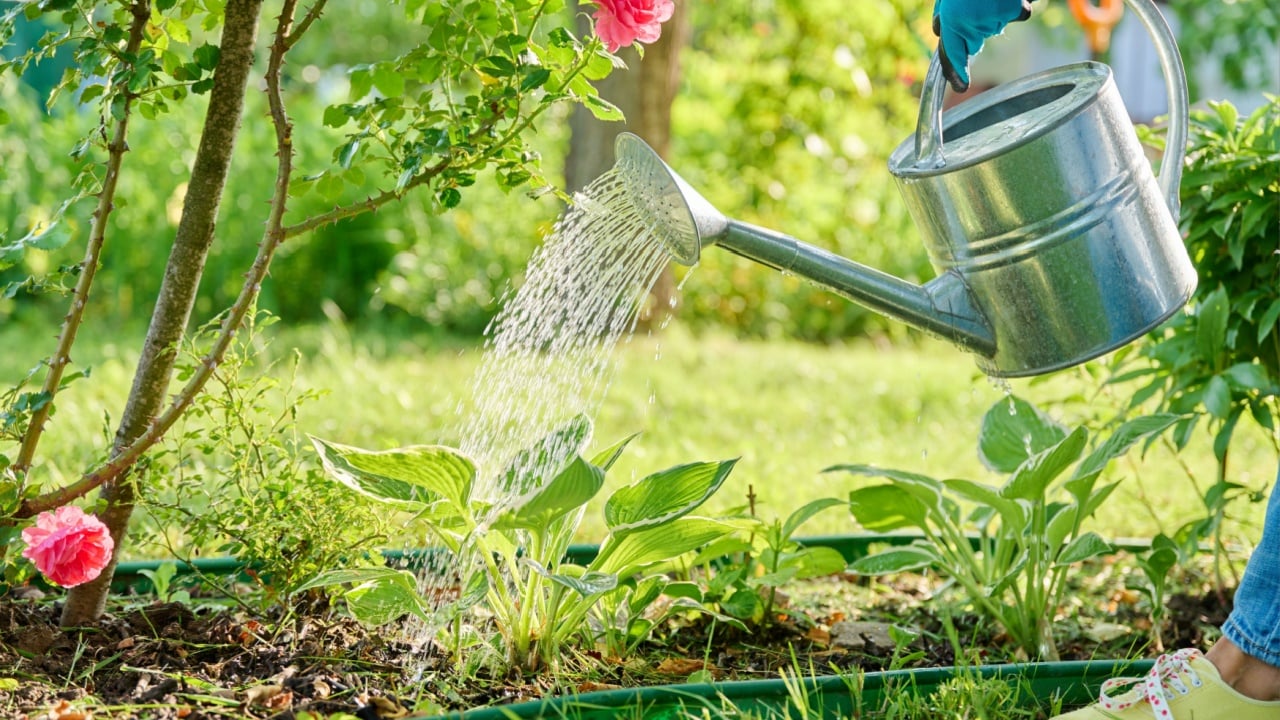
Landscaping with drought-tolerant plants is a great way to save water, but it’s not a “plant it and forget it” solution. A common mistake is thinking these plants don’t need any water at all once they’re in the ground.
In reality, all new plants need regular, deep watering during their first year to help them establish a strong root system. Even after they’re established, these tough plants will appreciate a good watering during long, hot, dry spells.
Soaking the soil deeply about once a month during the summer can keep them looking their best and prevent them from dropping their leaves. The best way to know when to water is to check the soil moisture a few inches below the surface.
12. Home Remedies Are Always Safe for Plants
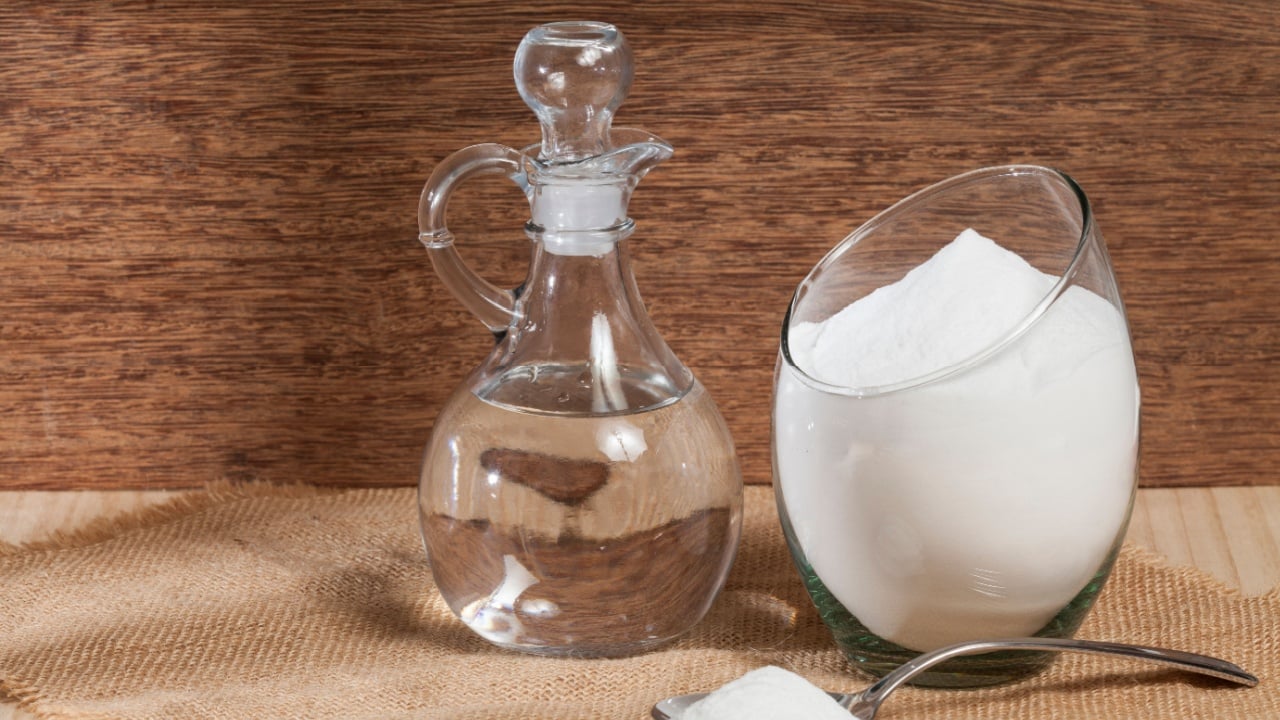
It’s easy to find DIY recipes for garden sprays using common household items like vinegar, baking soda, and dish soap. While these might seem like a safer alternative to commercial products, they can cause serious problems.
For example, most dish soaps are actually detergents, which can strip the protective waxy layer off plant leaves. And using too much vinegar can damage the soil and change its pH in unpredictable ways.
If you’re looking for a safe, organic solution, it’s better to buy commercial insecticidal soaps or horticultural oils that have been tested and proven to be safe for plants. If you’re set on making your own spray, be sure to use pure castile soap (not detergent) and test it on a small part of the plant first. Wait a day or two to see if there’s any damage before spraying the whole plant.
13. Pine Needles Make Soil Too Acidic
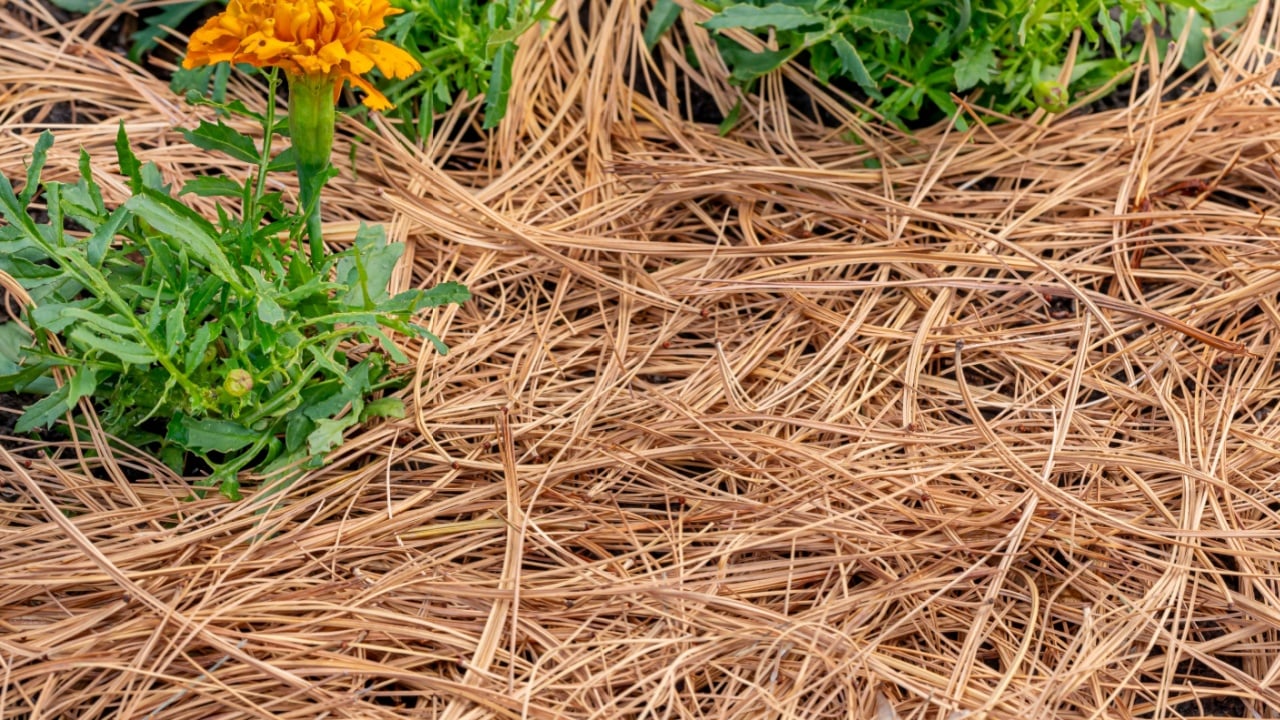
Many people are hesitant to use pine needles as mulch because they’ve heard it will make their soil too acidic.
Fresh pine needles are indeed slightly acidic, but as they break down on top of the soil, this acidity is neutralized by soil microbes. In the end, they have very little effect on the soil’s overall pH.
Pine straw, as it’s often called, is actually a fantastic mulch for any type of garden. The needles lock together, which helps prevent soil erosion on slopes, and they do a great job of suppressing weeds and retaining moisture. You can safely use a thick layer of pine needles around your vegetables, flowers, or shrubs without worrying about changing your soil chemistry.
14. Gravel at the Bottom of Pots Helps Drainage
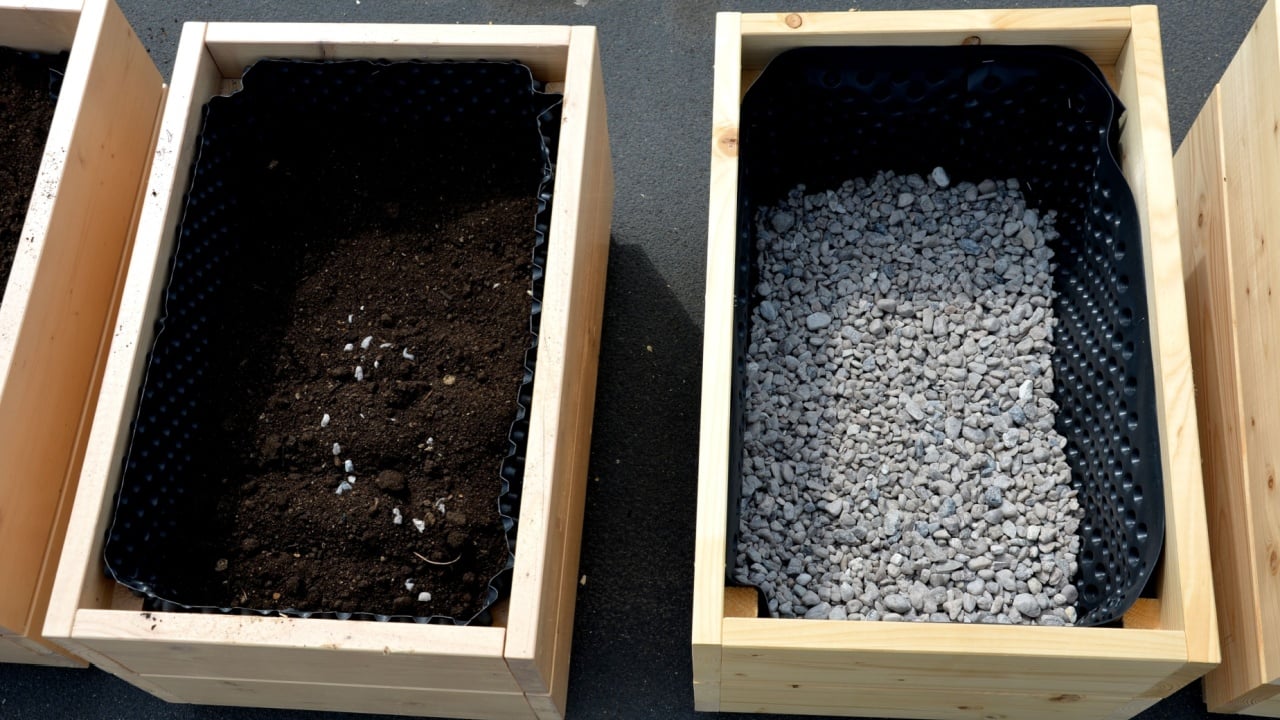
Placing a layer of gravel at the bottom of a pot before adding soil is a gardening tradition that has been passed down for generations. The thinking is that it improves drainage, but the laws of physics say otherwise.
Water actually has a hard time moving from a fine material (like potting soil) to a coarse material (like gravel). Instead, it gets stuck in the soil just above the gravel, creating what’s known as a “perched water table.”
This soggy layer at the bottom of the pot is a recipe for root rot, which can quickly kill a plant. The best way to plant in a container is to fill the entire pot with a good-quality potting mix. If you’re worried about soil falling out of the drainage hole, just place a single piece of paper towel or a coffee filter over it before adding the soil. This will let the water flow out freely.
Let’s Grow Wiser
Gardening is a journey of trial and error, but you don’t have to navigate it with a faulty map. By letting go of these long-held myths, you can replace tradition with truth and give your plants what they really need to thrive.
The best gardening tool is curiosity. Keep observing your plants, stay open to new ideas, and don’t be afraid to question the old ways. When you combine a little bit of science with your own hands-on experience, you’ll be well on your way to creating a healthier, more beautiful garden.
Read More:
3 Gardening Myths Experts Wish You Would Stop Believing
14 Myths About Houseplants (And Their Care) That Don’t Hold Any Truth