How Often Should You Replace These 14 Everyday Items? Probably More Than You Think
Every day, you look around your home and assume everything is fine just because it isn’t broken. However, from kitchen counters to bedrooms, common items wear out slowly without showing obvious signs of damage. Many everyday things have an expiration date, trapping bacteria or losing their usefulness right under our noses.
Ironically, regular washing/maintenance isn’t always enough to keep items fresh. Over months of use, materials like foam, plastic, cotton, and fibers break down from constant friction and moisture.
Keeping track of these timelines helps turn home maintenance into an easy, organized routine rather than a stressful chore.
The details below explain 14 household items that need to be replaced on a regular schedule, along with the signs of wear to watch for. Each section covers the reasons for the replacement, the specific signs of damage, and quick ways to make the items last longer.
1. Kitchen Sponges
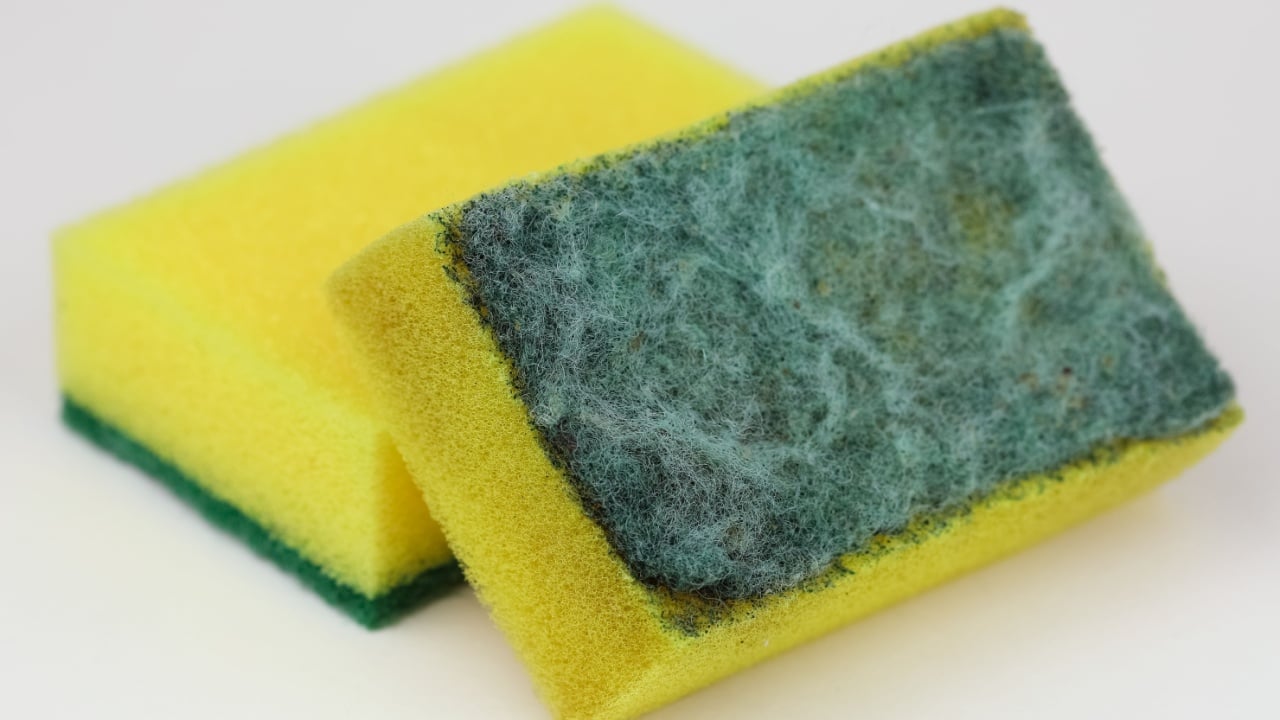
Porous cleaning tools trap food particles and moisture, which quickly attracts microscopic organisms. Studies show that a standard dish sponge can hold millions of bacteria within its fibers just a few days after its first use. Because the inner pockets rarely dry out completely, the sponge becomes an ideal place for germs to multiply.
It is time for a replacement when the sponge changes color, gets slimy, or develops a strong odor. Using a worn-out sponge actually spreads bacteria onto clean dishes and cooking areas instead of cleaning them.
To manage this issue, change traditional sponges every 2-3 weeks (ideally, every week) or switch to machine-washable cloth alternatives. Washing alternative scrubbing pads every few days removes trapped food and eliminates odors.
2. Toilet Brushes
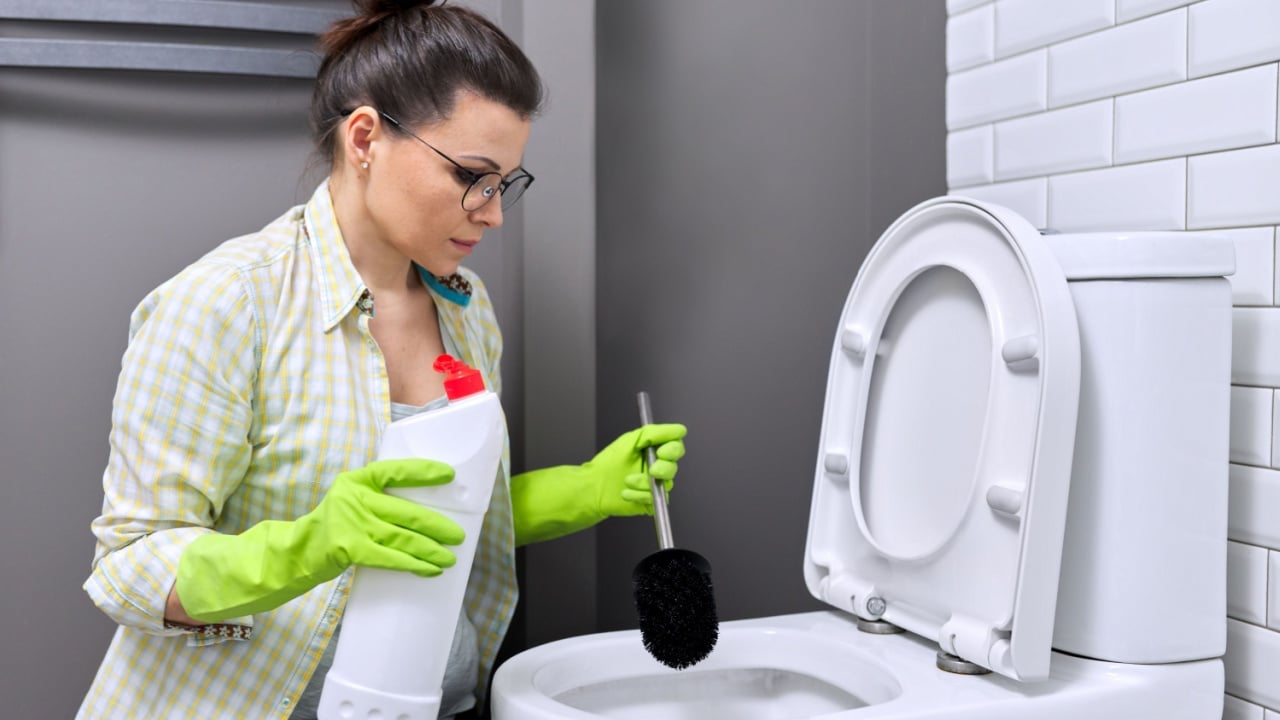
Cleaning tools used for sanitation handle a lot of heavy bacteria and break down from harsh bathroom chemicals. Over time, plastic bristles lose their stiffness and flatten out, making them less effective at scrubbing away stains. Storing a wet brush in a solid holder creates a pool of trapped water that encourages mold growth.
Clear signs of wear include discolored bristles, bent scrubbing arms, and bad smells that do not go away after a rinse. A worn-out brush requires much more effort to use and simply spreads old residue around the bowl.
Upgrading to a holder with an open, draining base allows the bristles to air dry properly. Rinsing the brush with disinfectant inside the bowl after each use helps clean the bristles before storage. Plan to replace the entire brush and holder every six to twelve months to maintain proper bathroom hygiene.
3. Couches
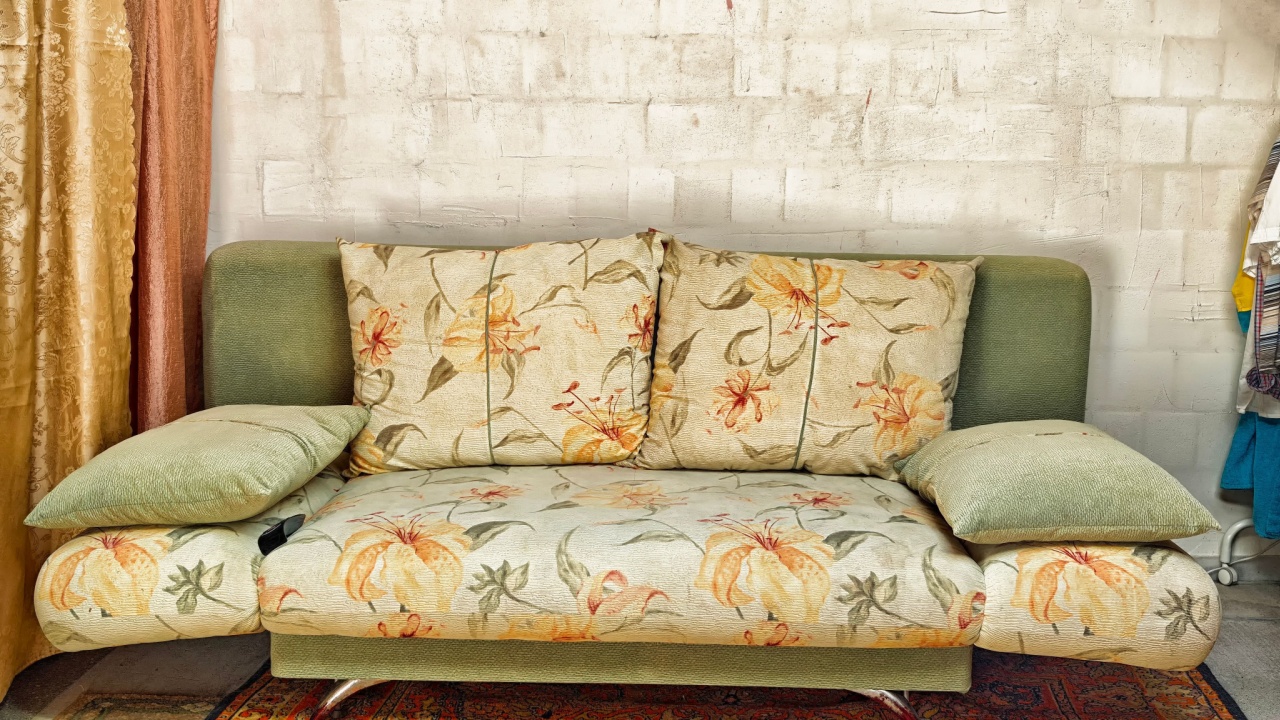
Living room seating handles a lot of weight and movement every single day. Basic wood frames and soft metal springs sag much faster than high-quality hardwoods and thick coils. Once the internal support frame bends or cracks, the couch can no longer support a comfortable posture.
Signs that a couch needs to go include permanent sinking, popping springs, torn fabric, and cushions that stay flattened. Most standard sofas provide good support for 7 to 15 years, depending on the build quality and how often people sit on them.
Rotating and fluffing loose cushions every week helps distribute weight evenly and keeps the foam from flattening. Vacuuming the fabric removes hidden dirt and crumbs that grind away at the fibers. When the frame begins to creak or tilt, replacing the couch helps prevent back discomfort.
4. Duvet Inserts

Bedding, responsible for keeping people warm, collects sweat, skin cells, and dust mites over the years of nightly use. Sleep experts explain that the inner stuffing clumps together and flattens after thousands of hours of weight. This flattening ruins the loft, which is the trapped air that regulates body temperature during sleep.
Homeowners know it is time for a new one when the blanket feels lumpy, thin, or fails to keep people warm at night. A high-quality insert can usually provide comfort for 10 to 15 years with proper care.
Washing the insert every six months in a large washing machine removes heavy body oils. Dropping clean tennis balls or wool dryer balls into the dryer helps break up clumps and fluffs up the interior material. Swapping a thick winter insert for a lighter summer blanket also cuts down on total wear.
5. Bed Sheets
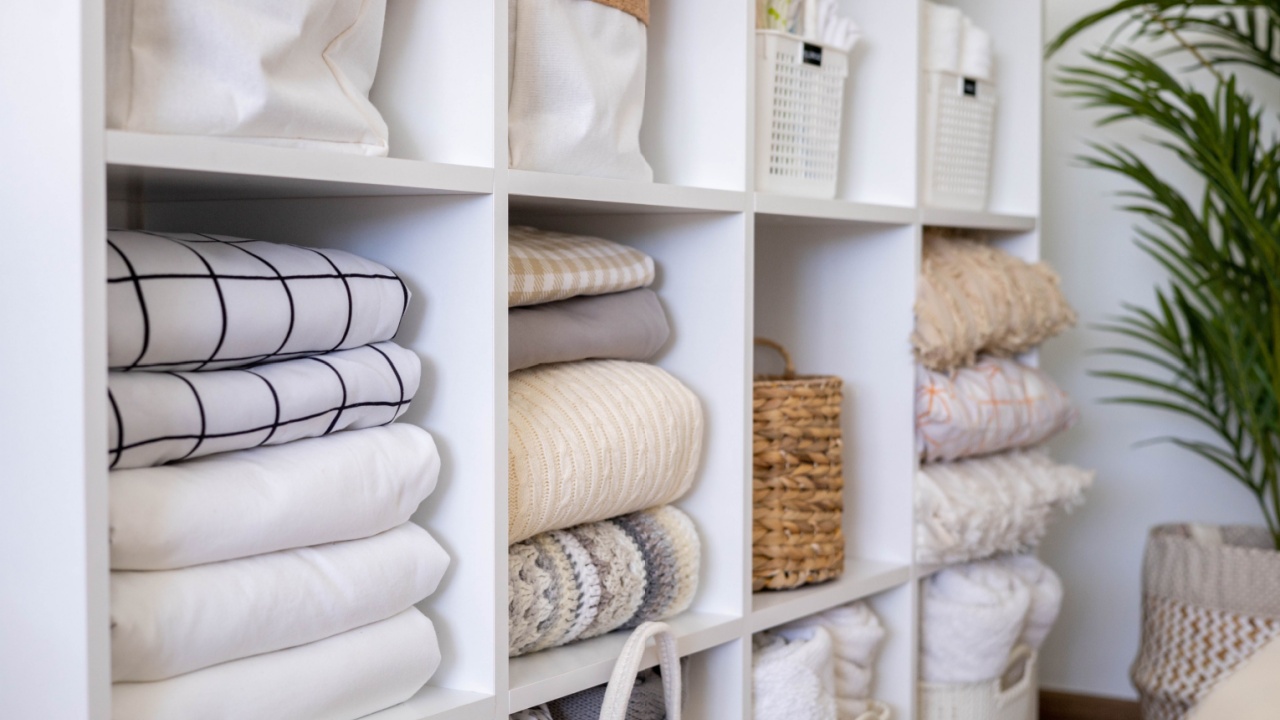
Linens stay in direct contact with human skin for hours every night, absorbing sweat and body oils. Fabric makers explain that frequent washing cycles gradually weaken the cotton or microfiber threads. This constant friction causes the woven material to thin out, form little fabric balls, and eventually rip at the seams.
Common signs of wear include yellow stains, fraying edges, and a rough texture that feels uncomfortable against the skin. Most active bedding sets need a total replacement after two years of regular use.
Owning multiple sets of sheets allows for a weekly rotation, which reduces the wear on a single pair. Washing sheets in cool water instead of hot water protects the natural fibers from breaking down too quickly. When sheets become thin enough to see through, turning them into cleaning rags and buying fresh ones keeps the bed comfortable.
6. Shower Curtain Liners
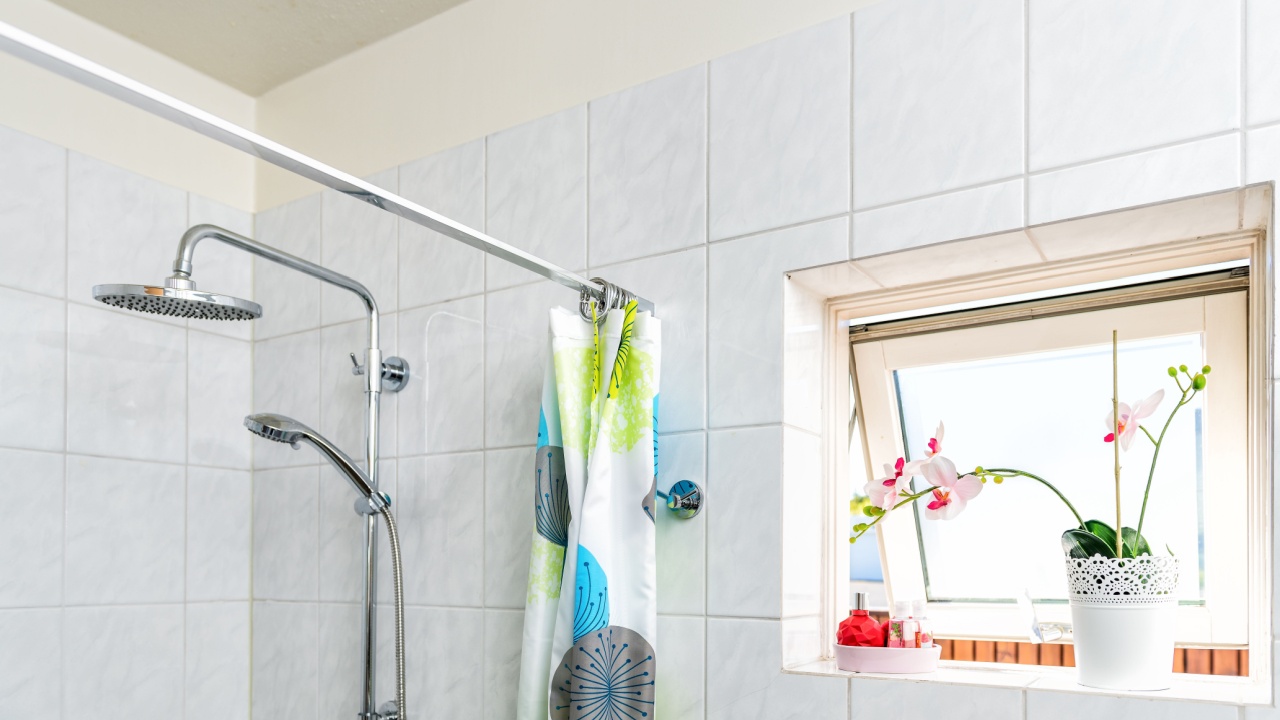
The damp environment of a bathroom exposes hanging curtains to constant moisture and soap buildup. Health evaluations show that plastic and vinyl liners attract mold and mildew within weeks of installation. If a bathroom does not have good ventilation, these spores spread across the bottom edge very quickly.
People recognize the need for a new liner when the bottom edge develops pink, black, or grey stains that will not scrub off. Because of the constant exposure to water, these liners generally last about three months.
Choosing a mildew-resistant material like heavy PEVA provides better defense against soap buildup. Drawing the curtain completely closed after every shower allows the folds to dry out and slows down mold growth. Taking the liner down to wash it with a little vinegar can also help extend its usefulness.
7. Throw Pillows
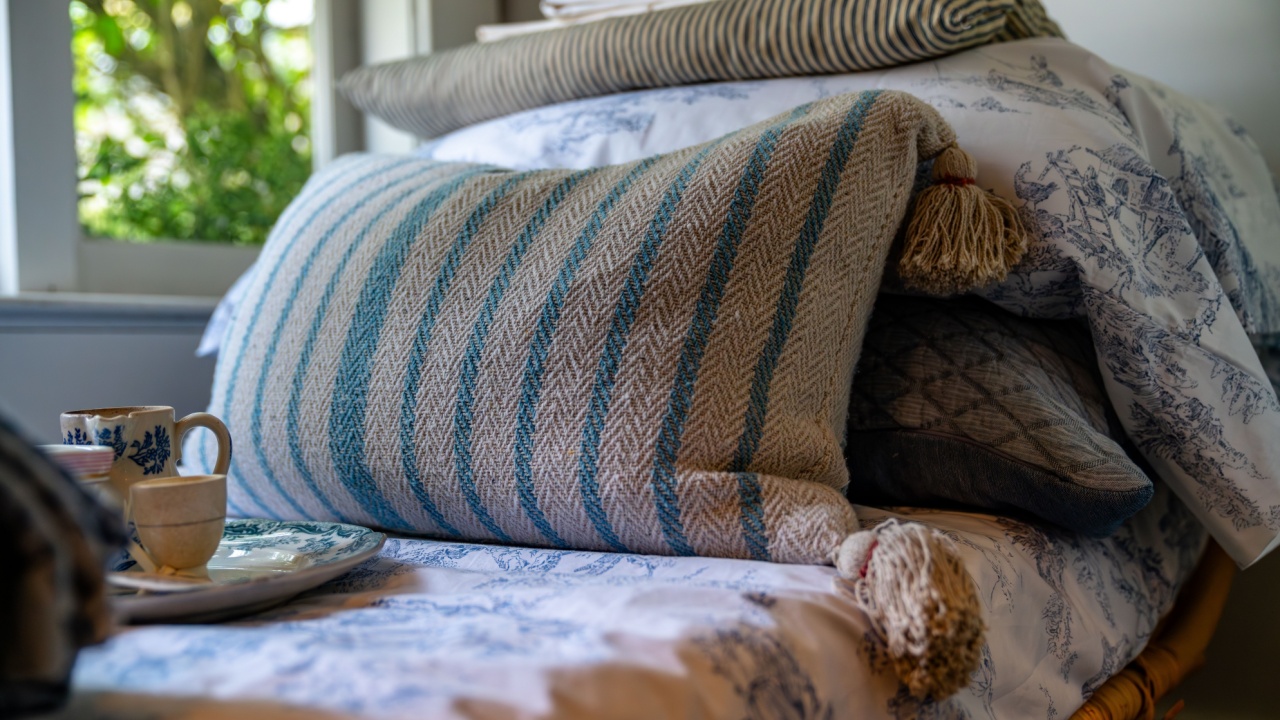
Accent cushions on couches and beds get handled a lot, from being leaned on to being stepped on by household pets. Textile designers note that synthetic foam stuffing loses its bounce much faster than down feathers, flattening within two years. Because these pillows are decorative, people often overlook the dust building up deep inside.
Signs of decline include a permanently flat shape, lumpy filling, and fabric covers that look faded or stained. High-quality pillows need to be updated or replaced every five to ten years.
Buying pillows with removable, zippered covers makes cleaning simple and prevents the inner cushion from holding bad odors. Cleaning up spills immediately keeps stains from sinking into the filling, where mold can grow. Changing the external covers with the seasons updates the room while protecting the inner cushion from friction.
8. Small Kitchen Appliances

Countertop kitchen tools contain electric motors, heating parts, and spinning blades that work hard during food preparation. Repair technicians find that worn wires, cracked plastic bodies, and weak motors compromise safety and speed. When internal parts start to wear out, the machine works harder, leading to overheating or poor performance.
Indicators that an appliance is reaching the end of its life include frayed power cords, missing parts, and slow motor speeds. On average, these small machines deliver reliable service for 8-10 years.
Regular maintenance involves wiping down the bases, emptying toaster crumb trays, and keeping blender blades clean. Avoiding overloading the blender jars protects the electric motor from burning out early during tough mixing tasks. When an appliance smells like it is burning or stops working correctly, replacing it prevents electrical hazards.
9. Bath Mats

Floor mats placed right outside the shower catch large amounts of dripping water multiple times a day. Maintenance data shows that mats holding water against the bathroom floor create a prime environment for mildew and wood damage. Also, non-slip rubber backings break down in the wash and dryer, causing them to crack and crumble.
Visible signs that it is time for a new one include fraying edges, musty odors, and a peeling rubber underside. A standard fabric mat generally needs replacement every 18 to 24 months to keep the floor safe.
Hanging the mat over the tub edge after every use allows air to circulate so the fabric dries out quickly. Washing the mat every one to two weeks removes bacteria, but air-drying is best if the item has a rubber backing. Tossing the mat away as soon as the backing starts to slip prevents accidental falls on wet tiles.
10. Curtains
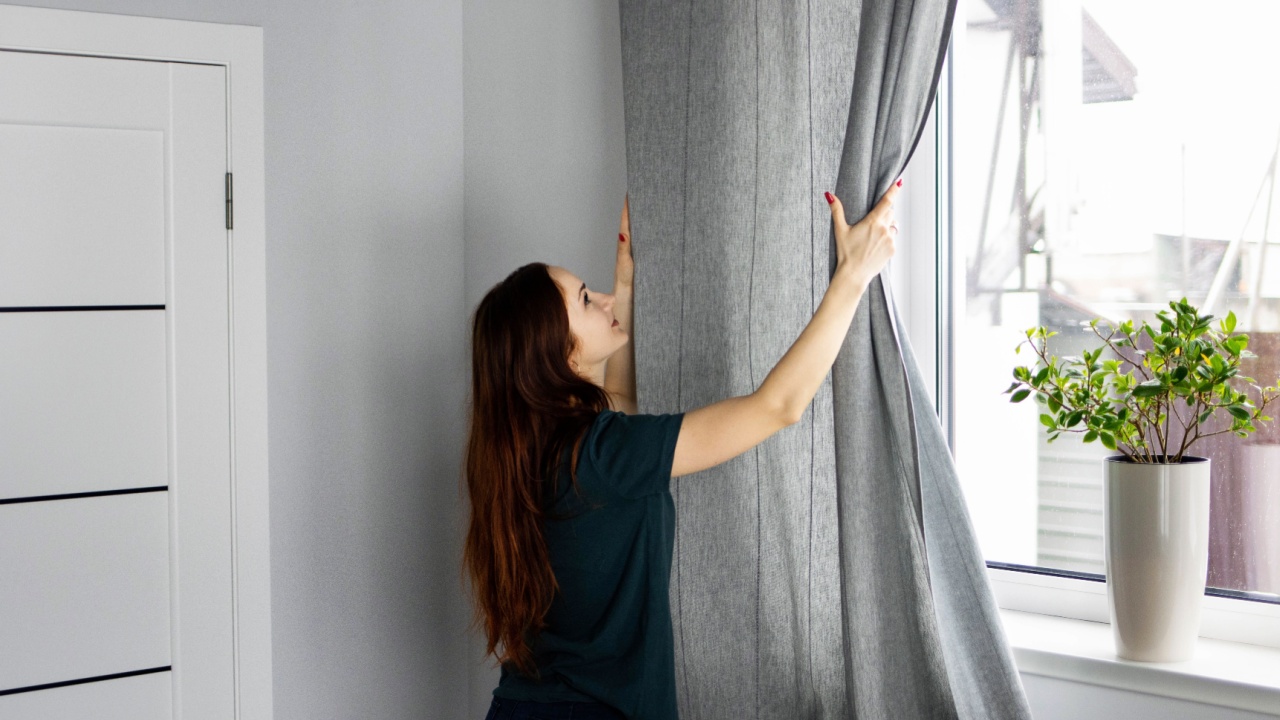
Window treatments deal with constant exposure to strong sunlight, floating dust, and pet hair. Fabric experts explain that ultraviolet rays weaken individual threads over long periods, making them fragile. This sun damage causes the fabric to rip easily when people pull or adjust the curtains during the day.
Signs that replacement is necessary include noticeable color fading, holes from pet claws, and frayed edges along the bottom. Homeowners generally swap these panels (Generally, after 3-7 years) when the fabric weakens or when updating the room’s style.
Using a vacuum cleaner with a soft brush tool twice a month removes dust before it settles deep into the fabric weave. Taking the panels down for a wash or professional dry cleaning once a year removes dust and allergens effectively. Rotating different curtain sets with the seasons minimizes continuous sun damage and balances out fabric wear.
11. Bed Pillows

Sleeping pillows absorb a large amount of sweat, natural head oils, and dead skin cells throughout the year. Allergy research confirms that a significant amount of an older pillow’s weight is actually accumulated debris and dust mites. This buildup can trigger nighttime stuffiness, sneezing, and skin breakouts for sensitive sleepers.
Clear signs that a pillow needs to be replaced include yellow oil stains, a permanent indent, or waking up with a stiff neck. Sleep professionals recommend replacing support pillows every one to two years for hygiene and proper neck alignment.
Using a zippered, allergen-proof pillow protector creates a solid barrier against moisture and dust mites. Washing the protective covers twice a month and laundering the actual pillow every few months removes hidden sweat and skin cells. Washing with cool water and drying completely with clean dryer balls helps the filling keep its shape.
12. Doormats
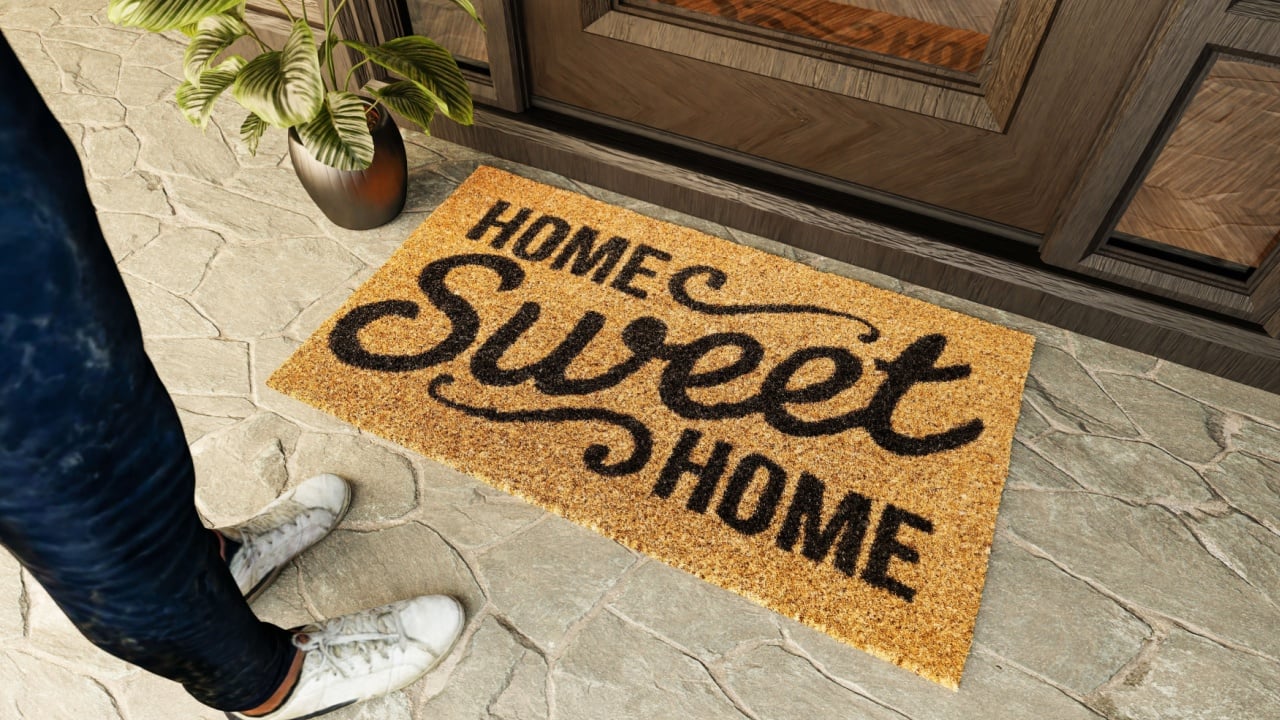
Entrance mats experience the most physical abuse of any household fabric, catching outdoor mud, dirt, and rainwater from shoes. Flooring specialists note that coarse fibers like coir wear down from constant stepping, reducing their scraping power. Once the rough surface flattens out, the mat simply shifts dirt around instead of trapping it at the door.
Replacement indicators include worn-down bristles, a splitting backing material, or a tendency for the mat to slide around when stepped on. These hard-working mats need to be swapped out once the texture loses its roughness.
Lifting and shaking out the mat once a week removes the top layer of loose gravel and dirt before it gets stuck deep inside. A monthly deep clean with a stiff brush or a garden hose spray removes stubborn mud and dried salt deposits. Keeping the entrance pad clean prevents rough grit from tracking inside and scratching hardwood or tile floors.
13. Smoke Detectors

Life-safety devices rely on sensitive electronic sensors to detect tiny smoke particles or electrical streams produced by fires. Safety data shows that these internal sensors lose their sensitivity over time due to dust buildup and aging parts. A failing sensor might delay alerts during a real emergency, compromising household safety.
National safety guidelines state that homeowners must replace the entire unit every 10 years, regardless of how the battery is doing. Testing the audio alarm monthly by pressing the physical test button confirms that the internal electronics are working.
Keeping fresh batteries in the units prevents annoying low-power chirps in the middle of the night. Vacuuming the outside vents of the detector removes loose dust that might block the path of the internal sensor. Writing the installation date on the back of the plastic casing provides a clear visual reminder of when the 10-year limit arrives.
14. Bath Towels
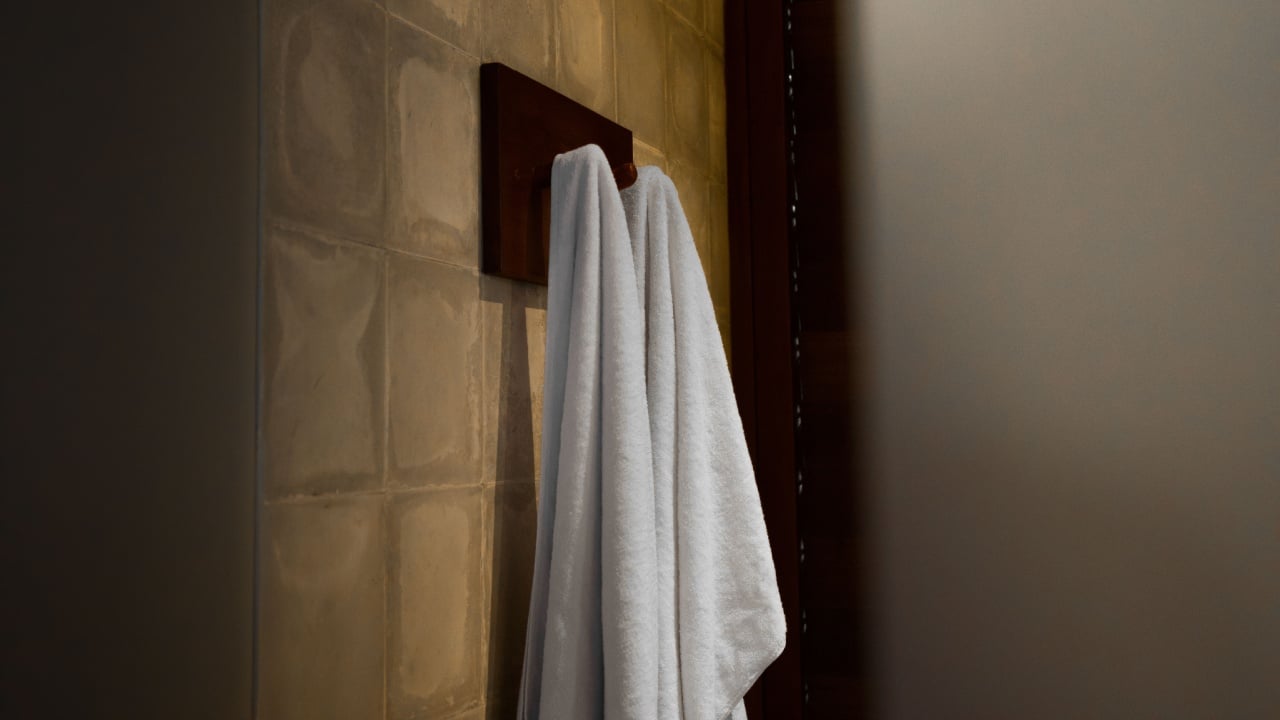
Terry cloth towels face constant friction, wetness, and frequent high-temperature wash cycles throughout their life span. Fabric testing shows that repeated washing pulls at the looped cotton threads, slowly stripping away their natural absorbency. Over time, the fabric loses its ability to hold water, leaving people feeling damp after stepping out of the shower.
Signs that a towel needs to be replaced include frayed edges, thin spots in the center weave, permanent graying, and a scratchy texture. A frequently used bath towel generally offers good performance for about 1-2 years before wearing out.
Following the specific care tags and avoiding using too much laundry detergent prevents chemical buildup on the cotton loops. Skipping liquid fabric softeners keeps the material absorbent, as softeners leave a slippery coating that repels water. When towels lose their softness and ability to dry skin quickly, moving them to the cleaning rag pile makes room for fresh linens.
A Healthier Home Through Timely Checks
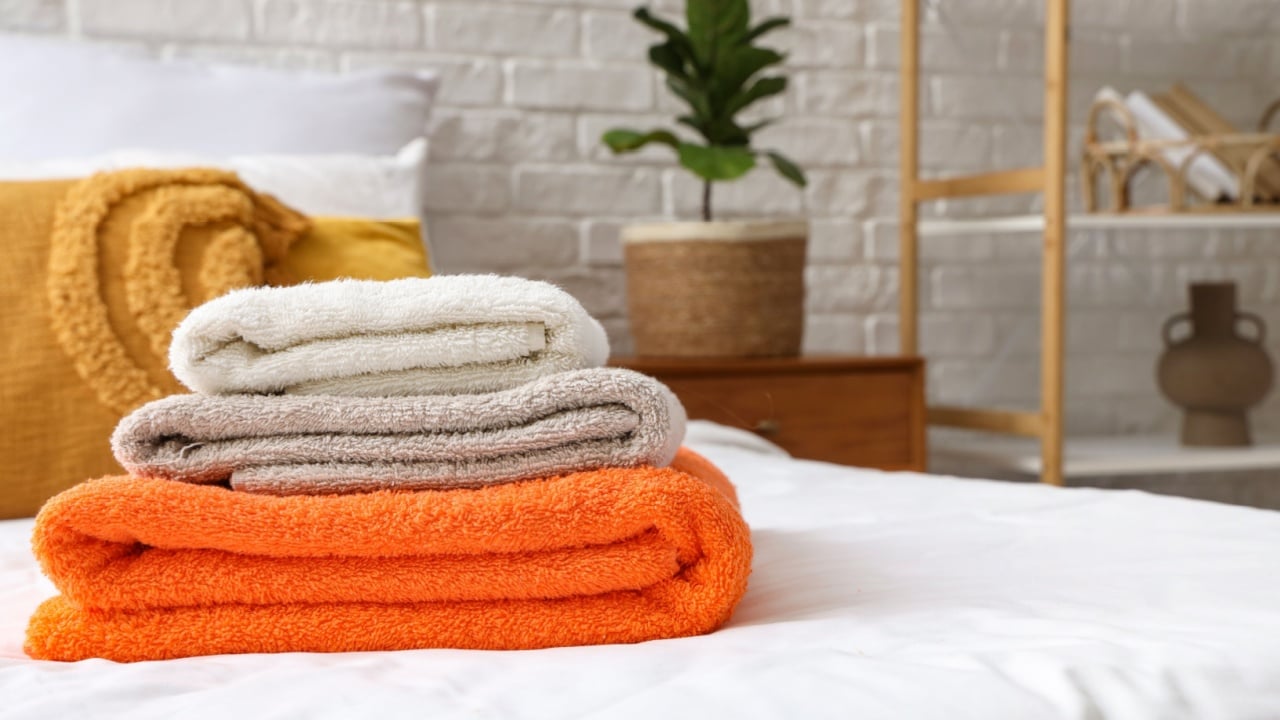
Regularly checking the condition of common household items ensures that living spaces stay clean, safe, and fully functional. Staying mindful of these simple timelines prevents the hidden buildup of bacteria and structural wear that can interrupt daily routines.
Incorporating these items’ life cycles into a yearly home checklist keeps an organized, healthy environment for everyone in the family.
Read More:
12 Household Items That Get Nasty Fast and Need Frequent Replacement