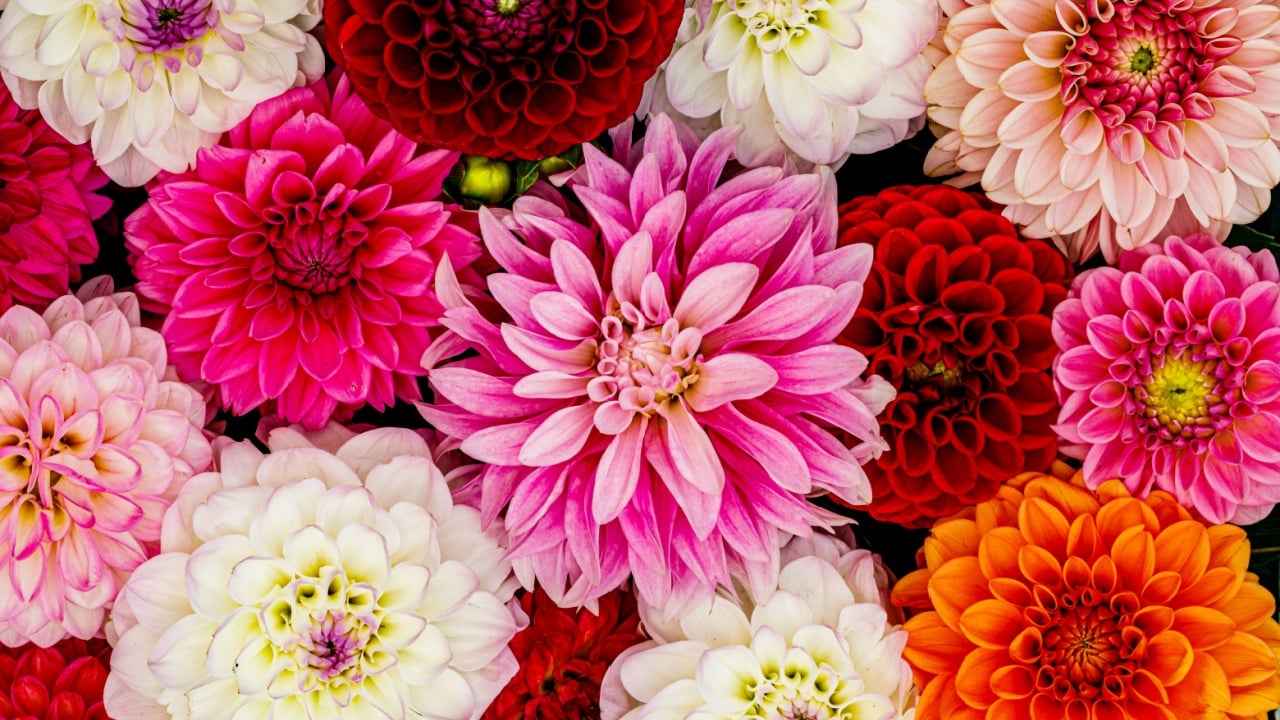
A $12 Dahlia Tuber Can Produce $200 in Cut Flowers, But Only If You Plant It Before Mid-June
If you haven’t planted your dahlias yet, you might actually be ahead of the gardeners who have. While half the neighborhood rushed their tubers into cold, wet April soil and then watched them sit there doing absolutely nothing for six weeks, you still have a small window for planting, and in many ways, it’s the better one.
Planting dahlias in cold soil is one of the most widespread mistakes in the summer garden. Soil below 60°F doesn’t just slow dahlias down; it can rot the tuber entirely before a single shoot emerges. Gardeners who planted in a hurry in early April and saw nothing for two months didn’t get a head start; they gambled and lost. By late May, the soil has finally crossed that critical warmth threshold in most U.S. regions, and dahlia tubers respond to warmth the way most plants respond to water: fast, hungrily, and with real momentum.
Here’s the financial case for acting right now. A single dahlia tuber costs between $8 and $40. One healthy plant can produce dozens of blooms over a season; at $3 to $6 per stem at a florist, that’s easily $200 or more in cut flowers from a single tuber. And if you dig up the tuber in the fall and store it over winter, it will multiply into 5 to 10 new plants for next year, for free. However, the window to make that investment is closing. In most of the country, mid-June is the outer limit for planting dahlias and still getting a real bloom before the first frost.
Right now, in late May, you still have every advantage available to you: the right soil temperature, long days, and time enough for a full bloom season.
Here’s Exactly How Late You Can Plant Dahlias
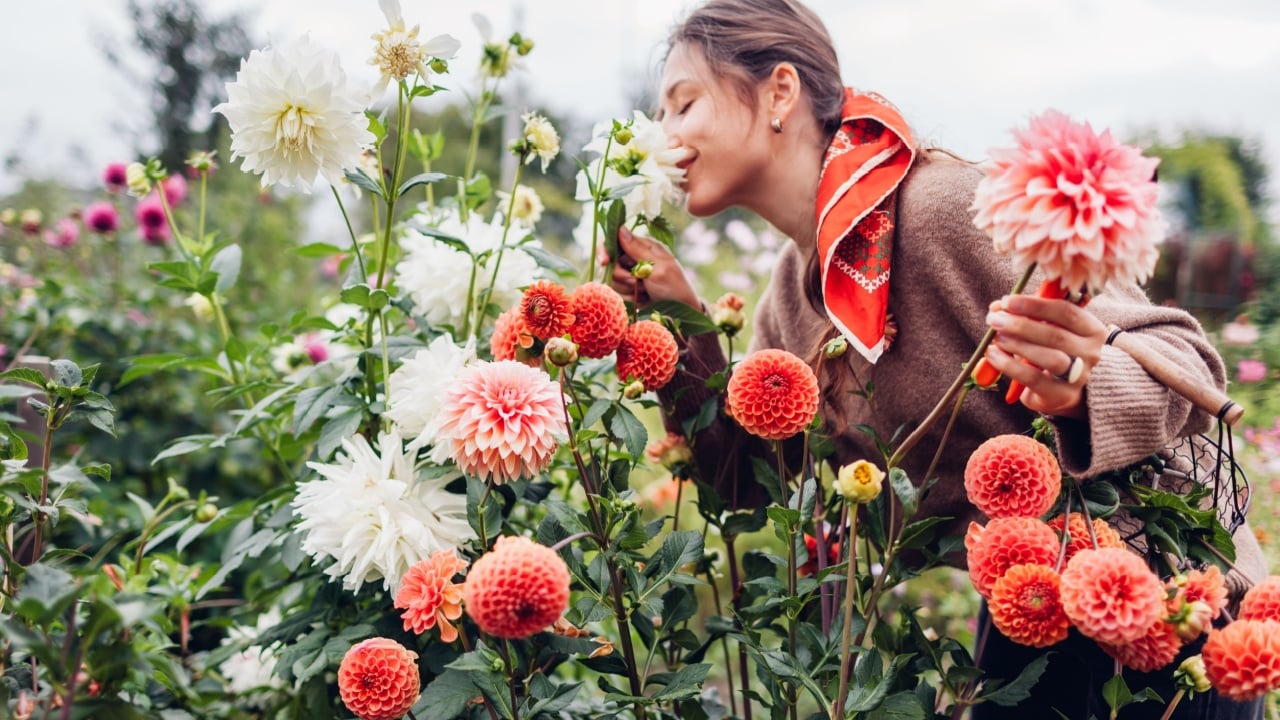
Most dahlias take between 80 and 120 days from planting to first bloom. That sounds like a long time until you do the math. If you plant in late May, and your area sees its first frost around mid-October, which is typical across a wide swath of the U.S., you have roughly 140 days of growing season left. That is more than enough time for a full, spectacular dahlia display. The American Dahlia Society notes that tubers can be planted as late as mid-June in most parts of the country and still produce reliable blooms.
The calculation is simple: find your average first fall frost date, and then count back 90 to 100 days. That date is your personal planting deadline. According to Longfield Gardens, the key is not the calendar date but the soil temperature. Once soil holds steady at 60°F or above, dahlias want nothing more than to grow.
In southern states like Georgia, June plantings are preferred by experienced growers because late-planted dahlias often produce more perfect fall flowers than spring-planted ones. The University of Georgia Cooperative Extension has documented this pattern: June plantings skip the cold-soil dormancy period entirely and go straight into vigorous growth.
The Real Reason Your April-Planted Dahlia Might Not Grow Well
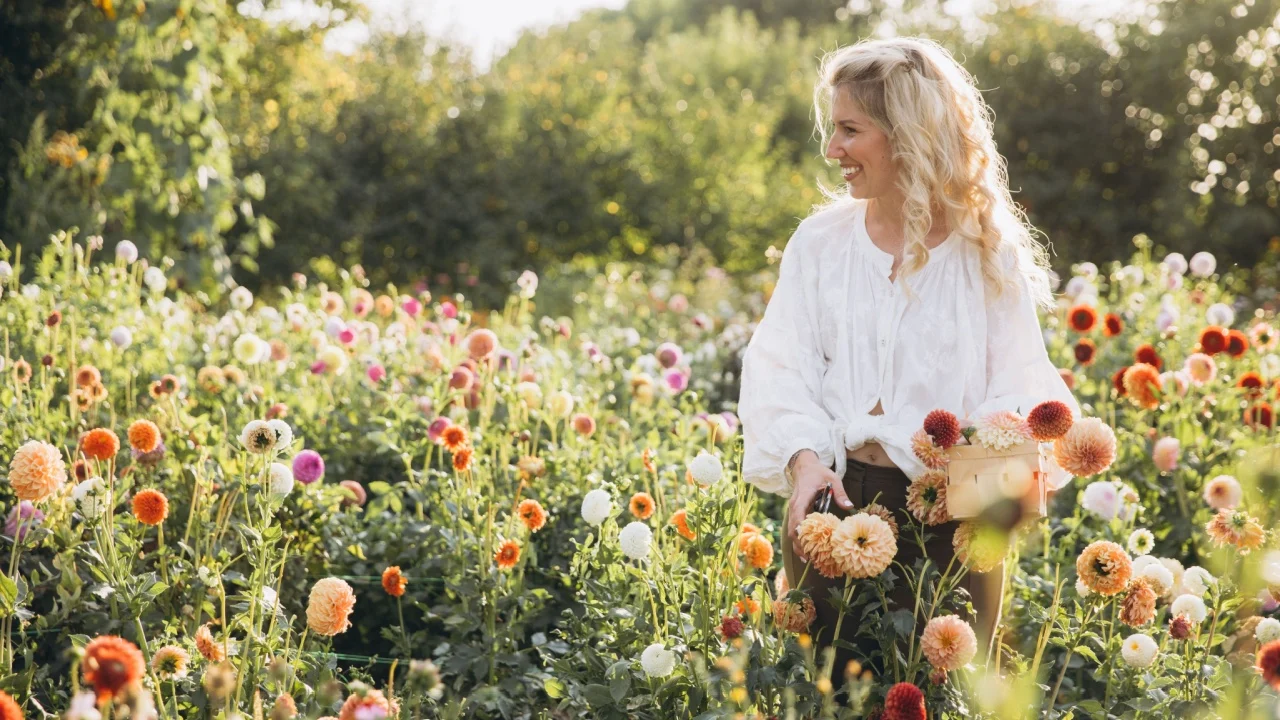
The conventional wisdom is that earlier is better. Gardeners who rushed their tubers into the ground on the first warm weekend in April likely felt virtuous about it. What many of them experienced was weeks of nothing, or worse, a tuber that rotted quietly underground before ever sending up a shoot.
“Dahlias should only be planted once the risk of frost has completely passed, and soil temperatures should be at least 60 degrees Fahrenheit,” says Nastya Vasylchyshyna, resident botany expert at Plantum. “Skipping this step often leads to problems.” The issue is that cold, wet spring soil creates the exact conditions dahlia tubers cannot survive: sustained moisture around a dormant root with no heat to trigger growth. The tuber sits, gets wet, and rots.
By the time late May arrives, the soil has crossed that threshold in most regions. A tuber put in the ground now will often sprout within two weeks and be visibly growing within three, outpacing an April-planted tuber that spent six weeks dormant in cold earth. Experienced growers describe this as the “warm soil advantage,” and it is exactly why a late start is not the disaster most gardeners assume.
What to Look for in a Tuber Right Now
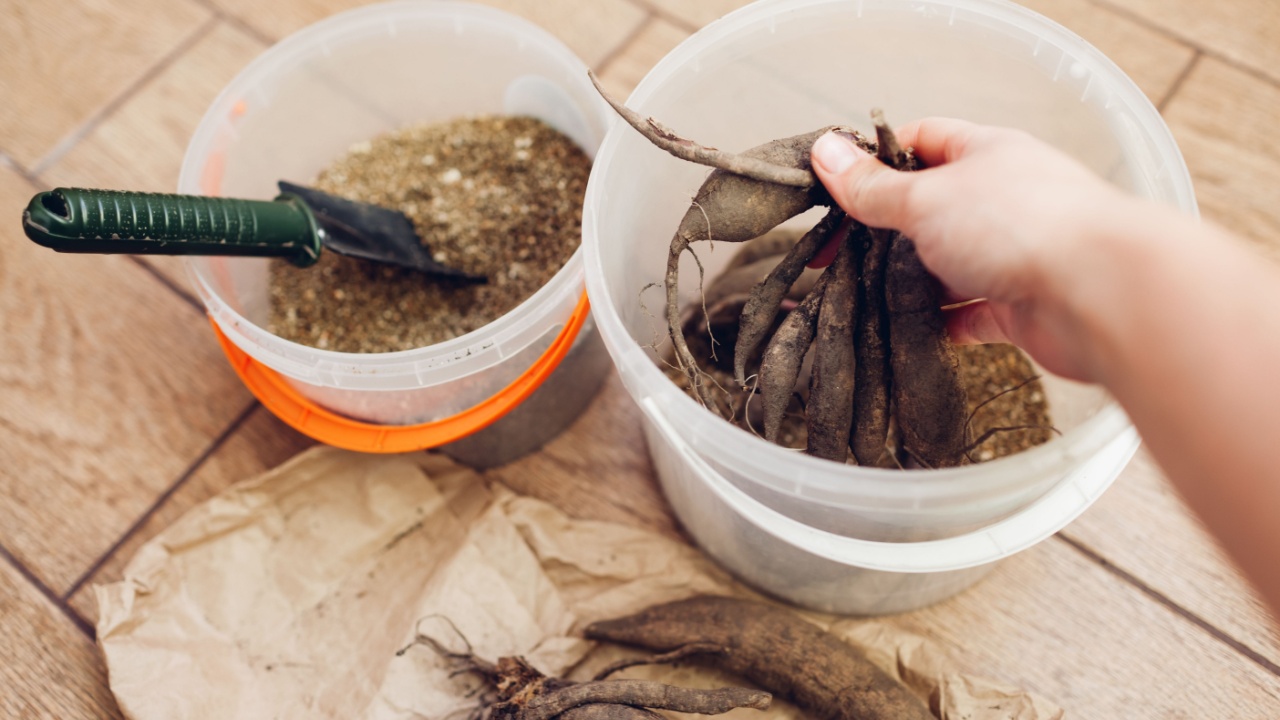
By late May, garden center tuber bins have been picked over, and the best varieties like Café au Lait, Bishop of Llandaff, and most dinner-plate cultivars are often sold out. What remains can look discouraging. But the question is not which varieties are left; it is which individual tubers are still viable. Here is how to tell.
A healthy tuber feels firm and solid, similar to a fingerling potato in density. Avoid anything soft, squishy, or visibly moldy. Wrinkled tubers are borderline; they may be dehydrated rather than dead. If you find one that passes the firmness test but looks a little dry, soak it in room-temperature water for two to three hours before planting; some gardeners report that even shriveled tubers can spring back with a good soak. What you are looking for above all is the eye: the small pink or green bud at the base of the tuber’s neck. If there is no eye, then there is no plant. If a tuber shows visible sprouts already emerging, that is not a liability; it is a green flag. A sprouted tuber in late May is a tuber ready to run.
Pompon, decorative, and ball dahlias tend to have better late-season availability than dinner-plate varieties. They are also, according to many experienced growers, easier for first-timers and tend to bloom reliably even from later plantings.
7 Things to Do Right Now for a Stunning Fall Dahlia Show

- Choose the fastest-blooming varieties you can find. Some dahlias bloom in as few as 75 to 80 days; others take 120. Ask at the nursery or check the tag. When you are planting in late May, those extra weeks matter, and a faster-blooming variety buys you a longer display window before frost.
- Skip the mulch at planting. This surprises most new dahlia growers. Dahlias prefer warm sun on their roots, and mulch traps moisture and invites the slugs that are already active in late spring. Wait until after the plant is 8 to 10 inches tall to add any mulch, and even then, keep it light.
- Do not water until you see sprouts. This is the single most important instruction in dahlia culture. Watering a freshly planted tuber before it has sprouted dramatically increases rot risk. The tuber carries enough stored moisture to get started. Wait until green growth appears above the soil, then water deeply two to three times a week.
- Stake before you plant, not after. Pushing a stake into the ground after a dahlia is growing risks spearing the tuber. Set your stake at planting time, right next to the tuber. Tall dinner-plate dahlias will thank you in August when they are loaded with heavy blooms.
- Pinch at the third set of leaves. Your grandmother’s garden likely had dahlias that exploded into bushy, flower-covered plants. The secret was pinching: removing the central shoot above the third set of leaves forces the plant to branch into four or more stems rather than one. Gardeners who skip this step consistently get fewer flowers.
- Plant near a south-facing wall or fence if you have one. Reflected heat speeds emergence by several days; a meaningful advantage when planting in late May. A warm microclimate does what the calendar cannot.
- Fill the gaps with zinnias while you wait. Dahlias planted in late May will bloom by mid-to-late July. Plant fast-growing zinnias or marigolds nearby for the gap weeks; they attract pollinators that will keep your dahlia garden healthy and give the beds visual interest while you wait.
The $12 Investment That Keeps Paying Back

A lot of gardeners spend $80 to $150 every spring replacing dahlia tubers they could have saved for free. The math on storing tubers is overwhelming in favor of doing it: after the first frost blackens the foliage, dig the clump, let it dry for a few days in the sun, and pack the tubers in vermiculite, dry sand, or peat moss in a cool, frost-free space like a basement corner, a garage shelf, or an unheated closet that stays above freezing. According to Longfield Gardens, a single tuber planted in May will produce a clump of five to ten new tubers by October. That $12 purchase effectively costs about $1.50 per plant the following year, and less than 50 cents the year after that.
The cut-flower savings are just as striking. One vigorous dahlia plant can produce 30 or more blooms over the course of a season. At the retail price of $3 to $6 per stem, that single tuber produces $90 to $180 worth of fresh-cut flowers. The more you cut, the more it blooms. As Three Acre Farm puts it: “I like to think of tubers as an investment. Even if I’m paying $30 for a tuber, it’s still a bargain.” That calculus looks even better when you are paying $8 for a clearance tuber in late May.
The One Thing You Should Never Do With a Newly Planted Dahlia Tuber
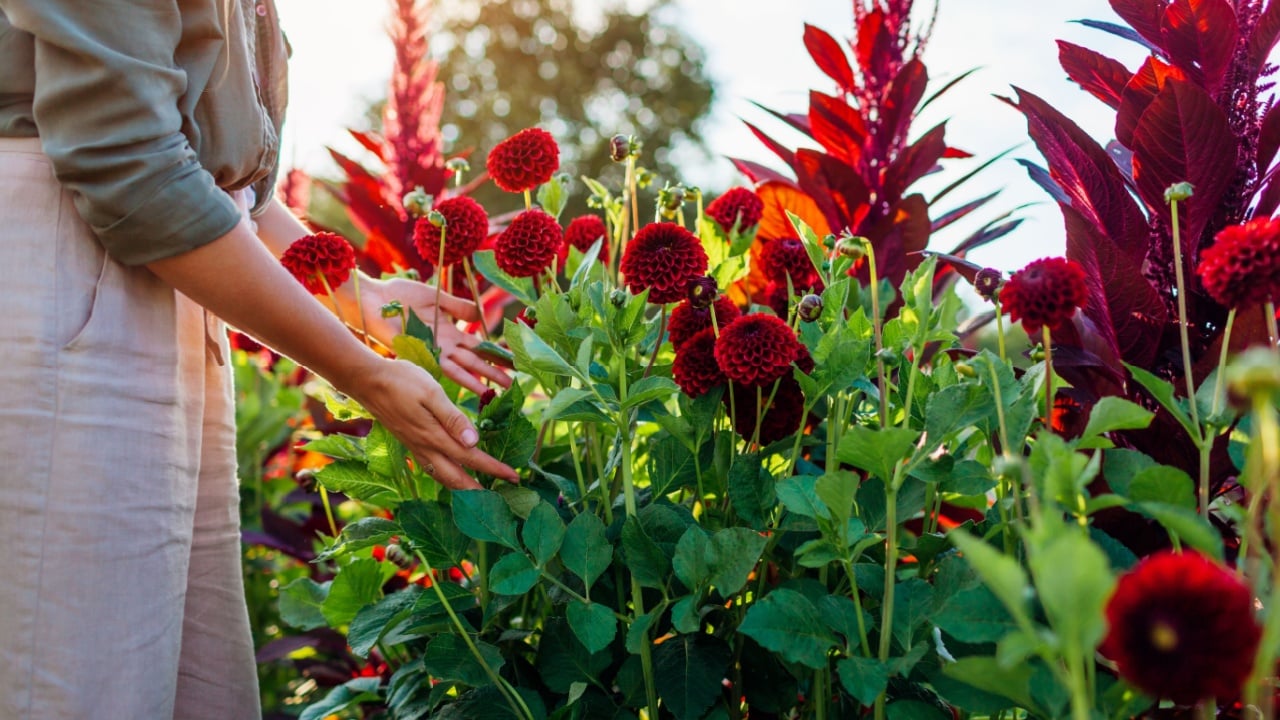
Of all the mistakes that end a dahlia season before it starts, overwatering a freshly planted tuber is the most common and the most preventable. Julie Williams, co-owner of Stonehouse Dahlias and a grower with more than 20 years of experience, puts it plainly in Martha Stewart: “Overwatered tubers are prone to rot, while underwatered cuttings will dry and wither.” Tubers and cuttings have opposite needs, and most new growers water everything the same way.
With tubers, the rule is simple: plant it, stake it, walk away. Do not water until you see green above the soil. Depending on your soil temperature and sun exposure, that sprout will appear in 10 to 21 days. After that, water deeply and consistently, two to three times a week in normal conditions, more during a heat wave. From that point forward, the hard part is over. The dahlia has found its footing, the warm days are ahead of it, and by mid-July, you will be cutting armloads of blooms and wondering why you ever thought you were too late.
The gardeners who panic in late May about missing the dahlia season are often the same ones who have the best fall gardens. They plant with intention, choose their tubers carefully, and skip the cold-soil gamble entirely. The window is not closed. It is open right now, and it will not stay that way much longer.
Read more:
7 perennial planting mistakes to stop making right now
How to Grow Zucchini Vertically: 7 Steps That Save Space and Double Your Harvest