Not All Olive Oil is Created Equal. Here’s How to Tap Into Its Potential Health Benefits
A bottle of olive oil looks simple on the shelf, yet what is inside can vary a lot. Some oils bring rich flavor and helpful plant compounds, while others lose much of that value before they reach your kitchen.
Olive oil has earned a strong reputation for heart and brain health, and for good reason. The best kinds contain healthy fats and natural compounds that help protect cells from damage and support the body in many small but meaningful ways.
Still, buying olive oil can get confusing. Labels use terms like extra virgin, cold-pressed, pure, and light, and those words do not all mean the same thing for your health.
This guide will help you sort through the label, spot better-quality oil, and use it in ways that help you get more from every pour.
1. Choose Extra Virgin First
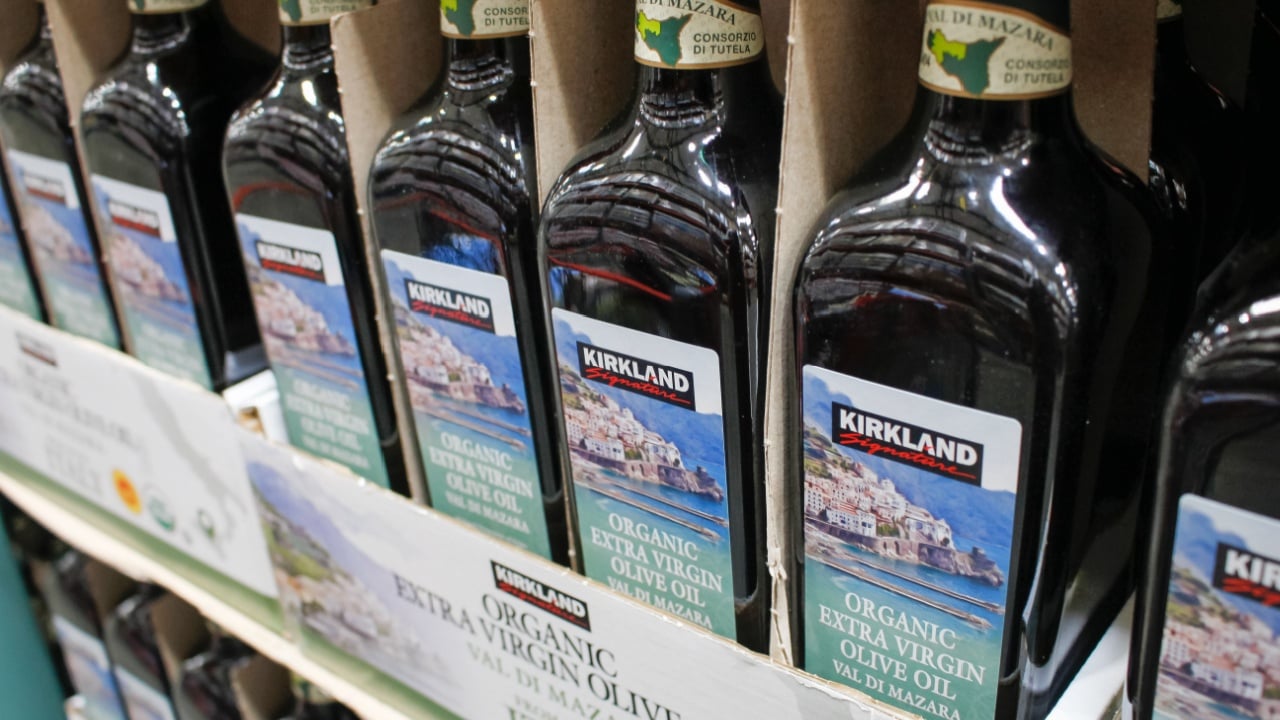
If you want the strongest health benefits,extra-virgin olive oil is the best place to start. It is the least processed type, which means it keeps more of the natural antioxidants and polyphenols found in olives.
Those compounds are linked to lower inflammation and better heart health, and they help set extra virgin oil apart from more refined options. It also tends to have a richer taste, which can be a clue that more of the olive’s natural character is still intact.
When you shop, read the label closely and look for the words extra virgin, not just olive oil or pure olive oil. A peppery or slightly bitter taste is often a good sign, since many polyphenols create that sharp finish. If the oil tastes flat, greasy, or stale, it may be old or lower in quality.
Paying a little more for a true extra virgin bottle often gives you more nutritional value per serving.
2. Look for Signs of The Real Thing

Olive oil fraud is a real issue, and some bottles are diluted, old, or blended in ways that lower their quality. That is why authenticity matters almost as much as the type of oil itself.
Labels with certifications such as PDO or COOC can help you identify oils that meet stricter quality standards. Dark glass bottles are another helpful sign, since light can damage oil and reduce its freshness.
You can also check the harvest date if it is listed, since fresher oil usually has better flavor and more active compounds. A clear bottle may look appealing, but it exposes the oil to light while it sits on store shelves.
If you buy olive oil often, it helps to learn a few trusted brands and stick with producers that share clear details on sourcing. That small bit of label reading can help you avoid paying for oil that does not offer the benefits you want.
3. Pay Attention to Cold-Pressed Labels

Cold-pressed olive oil is made without high heat during extraction, which helps protect delicate nutrients. That includes vitamin E, oleic acid, and many of the plant compounds that give olive oil its healthy reputation.
Heat can lower the amount of these helpful substances, especially in oils that go through more aggressive processing. When an oil is cold-pressed, it usually keeps more of its original flavor and nutritional profile.
This label does not replace extra virgin, though it works best when the two appear together. If a bottle says extra virgin and cold-pressed, that usually points to a less processed product with more of the good stuff still in place.
It is still smart to check packaging and freshness, since even a well-made oil can decline if it sits too long. Store your bottle in a cool, dark spot at home to help protect what is inside.
4. Skip Light and Refined Oils
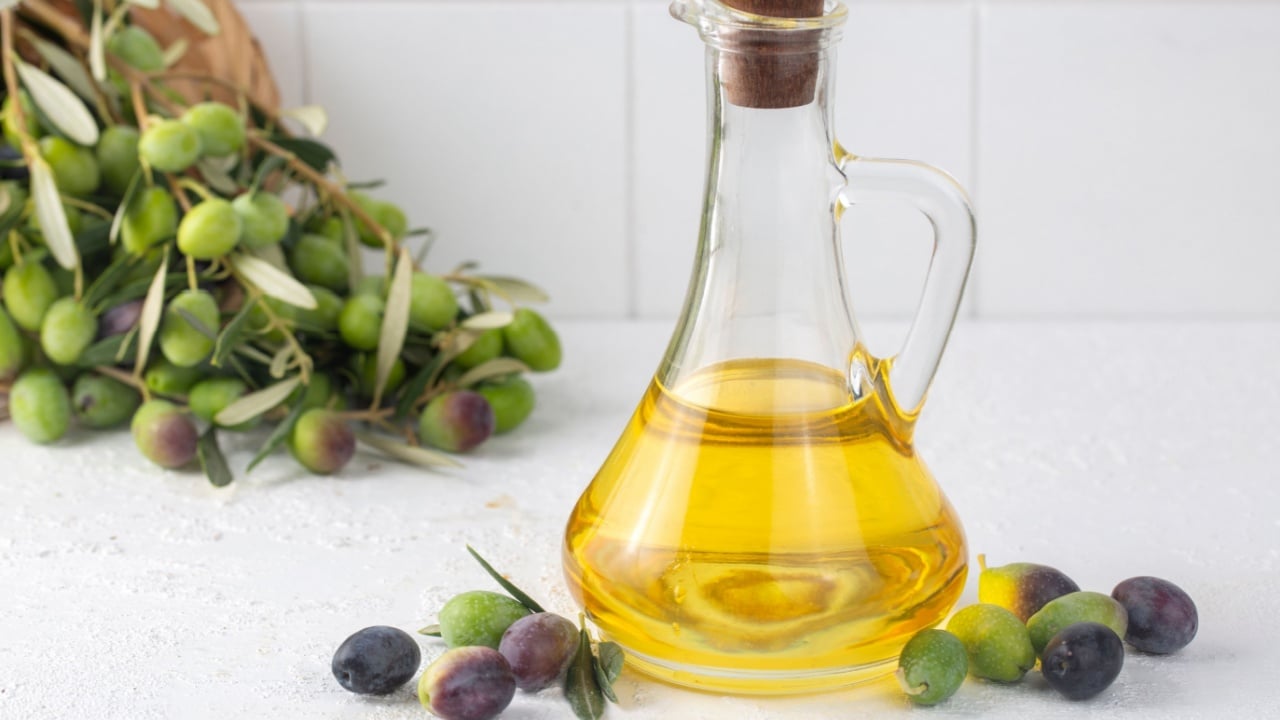
Light olive oil sounds healthy, yet the word light usually refers to color and flavor, not calories. These oils are heavily refined, and that process strips away many of the antioxidants and polyphenols that make olive oil stand out in the first place.
Refined oils may still contain some healthy fat, though they often lack the broader nutritional profile found in extra virgin olive oil. The same issue applies to many bottles labeled pure olive oil, which may sound premium but are often more processed than they appear.
If you want olive oil for health, this is a label category to approach with care. Refined oils can still be useful in some kitchens, though they should not be your first choice if your focus is nutrition.
For most people, it makes more sense to keep one good extra virgin olive oil on hand and use it regularly. That choice gives you better flavor and a stronger mix of beneficial compounds in each serving.
5. Use It Raw More Often
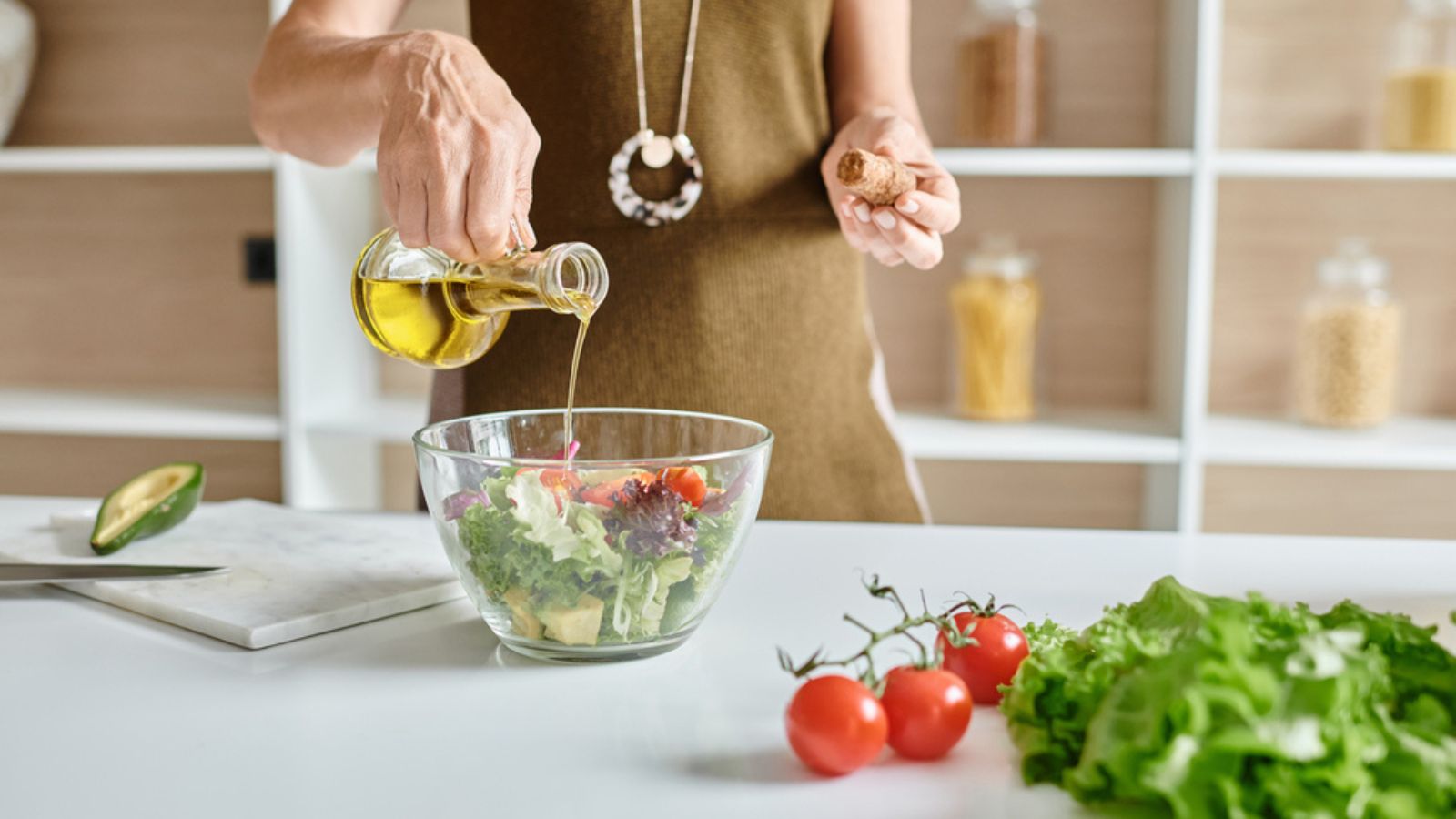
Olive oil can still be part of cooked meals, but using it raw helps preserve more of its natural compounds. High heat can reduce some antioxidants, especially when oil is heated for long periods.
A simple drizzle over roasted vegetables, grain bowls, beans, soups, or salads lets you keep more of the nutrients intact. It also gives food a richer flavor, so a small amount can go a long way.
This does not mean you must avoid cooking with olive oil entirely. It simply means raw use is a smart way to get more from a good bottle.
Try adding it after cooking instead of during cooking when that works for the dish. That small shift can help you hold on to more of the flavor and nutritional value you paid for.
6. Watch the Portion Size
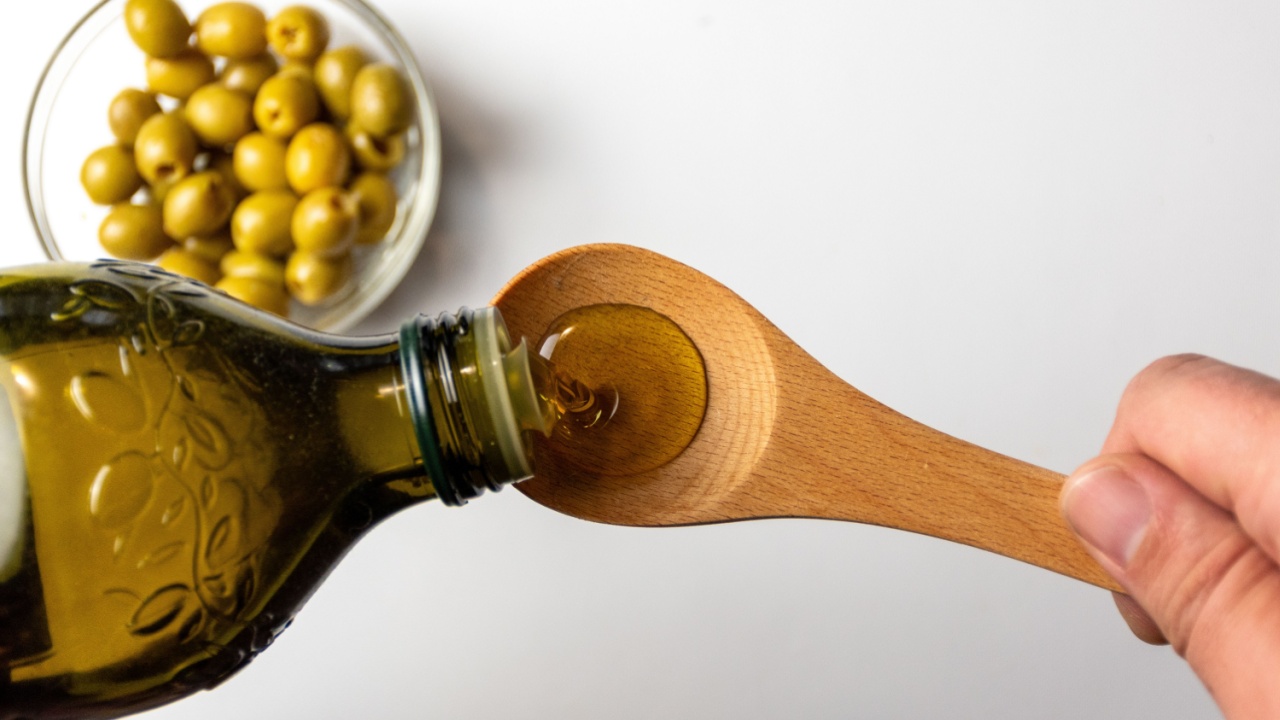
Olive oil is rich in healthy fat, though it is still calorie-dense. One tablespoon has around 120 calories, so it is easy to pour more than you mean to if you are not paying attention.
This does not make olive oil unhealthy, though it does mean portion size still counts. Using the right amount lets you enjoy the benefits without turning a healthy meal into one that is heavier than planned.
A measured drizzle can be enough to add flavor and improve satisfaction at the table. You do not need large amounts to get the value of extra virgin olive oil, especially if you use it often in balanced meals.
A spoon, a pour spout, or a small dipping bowl can help you stay more aware of how much you are using. That makes olive oil easier to fit into your routine in a way that feels smart and sustainable.
A Better Bottle, A Better Habit
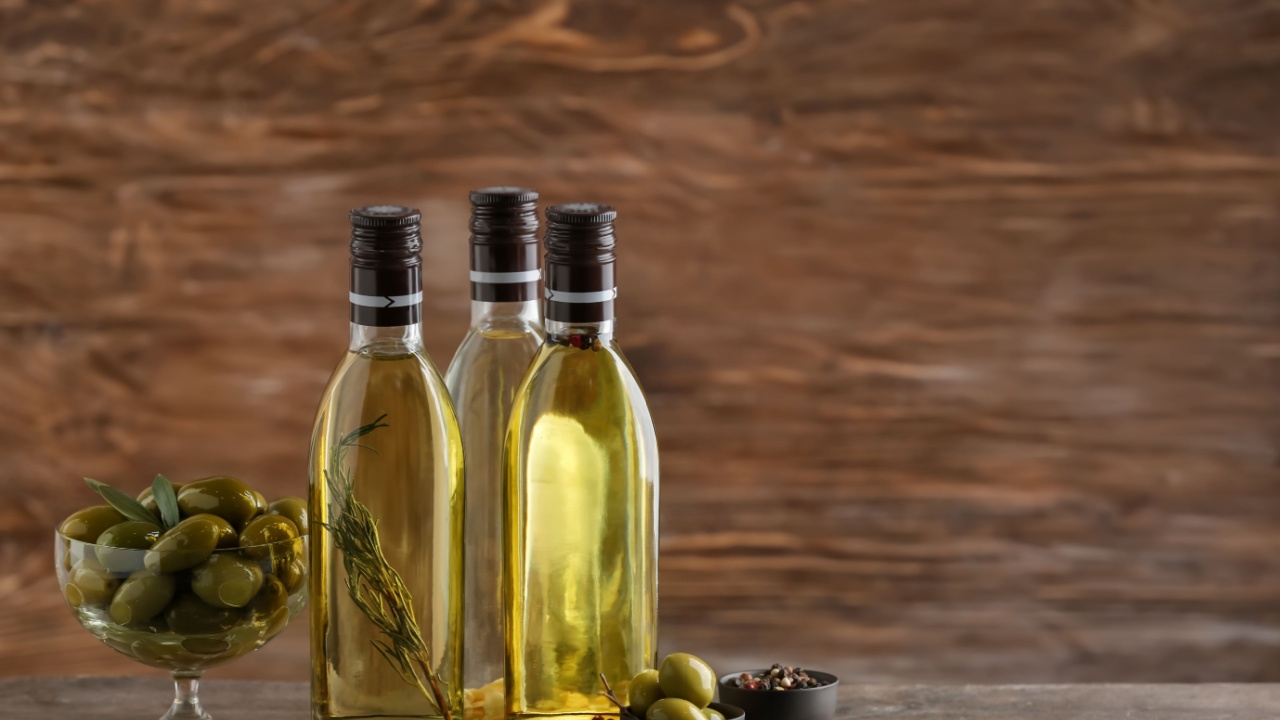
Olive oil can be a strong part of a healthy diet, but the label and the way you use it both matter. Extra virgin, cold-pressed oil in a dark bottle gives you a better shot at getting the nutrients and plant compounds linked to its best benefits.
Skipping refined options and using olive oil raw more often can help you hold on to more of what makes it worth buying.
A little label reading can make a big difference in what ends up on your plate. When you choose carefully and use olive oil with purpose, it becomes more than a pantry staple. It becomes an easy, everyday way to support better eating with real flavor and real value.
Read More:
The Best and Worst Oils to Use in the Air Fryer to Prevent Smoking