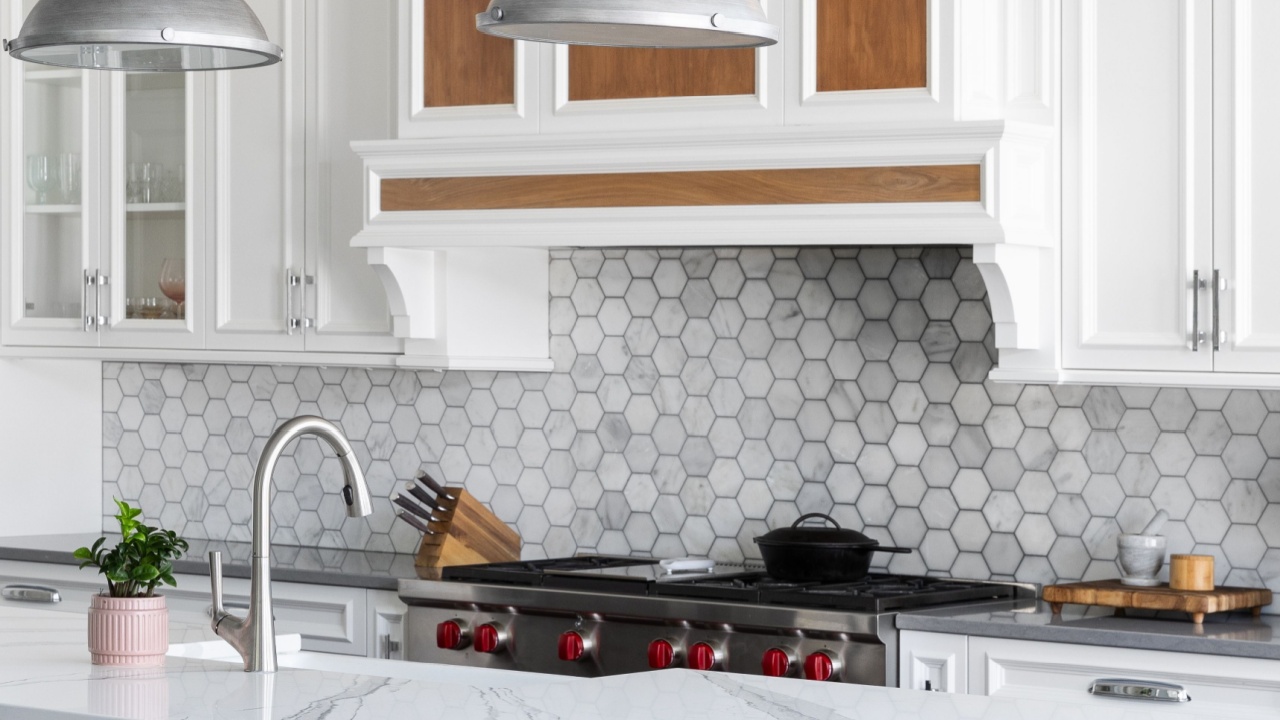
6 Steps to Choosing the Right Kitchen Backsplash
A kitchen backsplash does more than guard the wall from splashes and stains. It shapes the room’s look.
A poor choice can clash with cabinets, fight with countertops, and make the whole kitchen feel disjointed. A smart choice can tie every surface together and give the room a finished look.
Each detail affects how the backsplash looks on day one and how well it holds up after years of cooking and cleaning.
Here are six clear steps to help narrow the options and make the final choice easier to live with.
1. Choose the Right Material
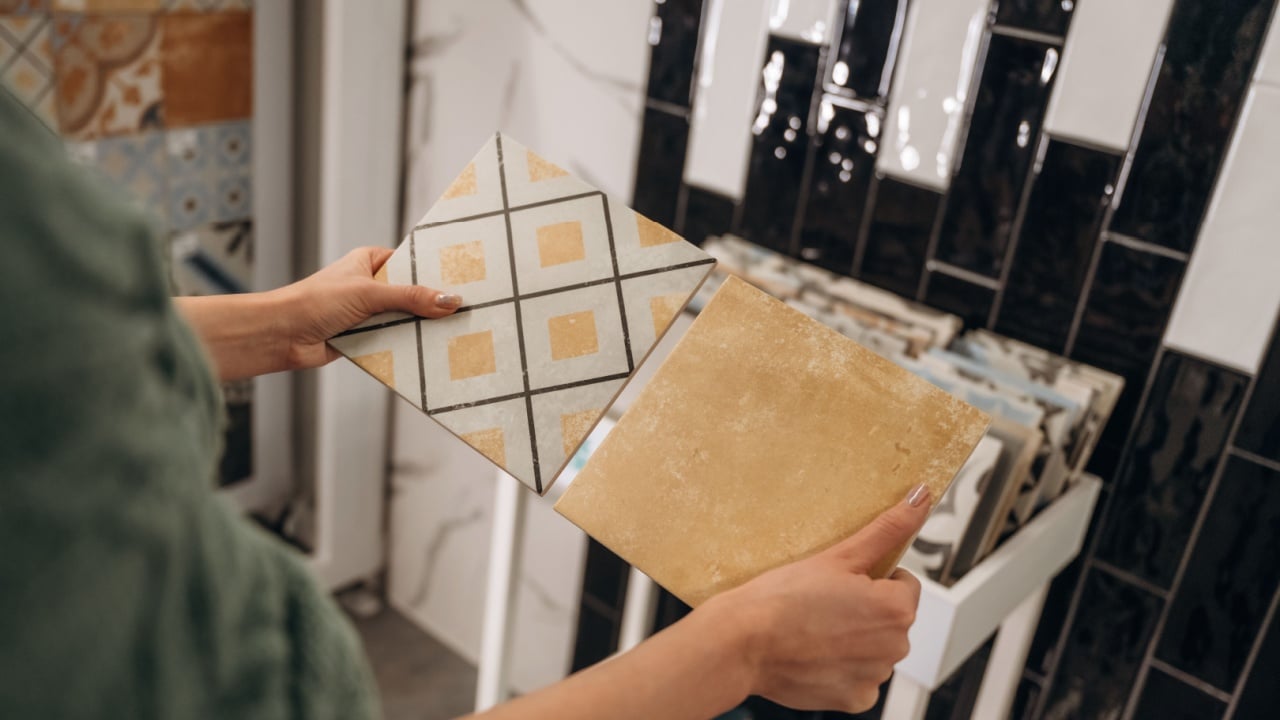
Material sets the tone for durability, care, and style. Porcelain stands out for its strength, low upkeep, and resistance to moisture, which makes it a strong fit for busy kitchens.
Ceramic is often more budget-friendly and comes in a wide range of colors and finishes, while glass can brighten darker spaces by reflecting light. Natural stone offers rich texture and depth, though it usually needs more care and sealing than man-made tile.
The smartest material choice depends on how the kitchen is used every day. In a space with heavy cooking, grease, and frequent cleanup, smoother surfaces tend to be easier to maintain than rough or porous ones.
Metal tile can suit a modern kitchen, though it may show fingerprints more easily than ceramic or porcelain. Before making a final choice, many homeowners benefit from comparing samples in natural and artificial light and checking how each surface feels to the touch.
2. Select a Color That Supports the Room

Color can quietly unify a kitchen or turn the backsplash into the main focal point. Light shades often help a smaller kitchen feel more open, while darker tones can add depth and contrast, especially with pale cabinets.
Neutral colors stay flexible as styles change, which helps in kitchens that may get updated in small ways later. Bolder colors can still work well, though they usually look best when they connect with another finish already in the room.
Countertops and cabinets should guide the color decision more than passing trends. If the counters have heavy movement or strong veining, a calmer backsplash often creates better balance.
If the rest of the kitchen is simple, a richer tile color can add interest without overwhelming the room. Samples placed against the cabinet finish and countertop slab usually reveal far more than a small photo or online mockup.
3. Pick a Tile Size That Fits the Space
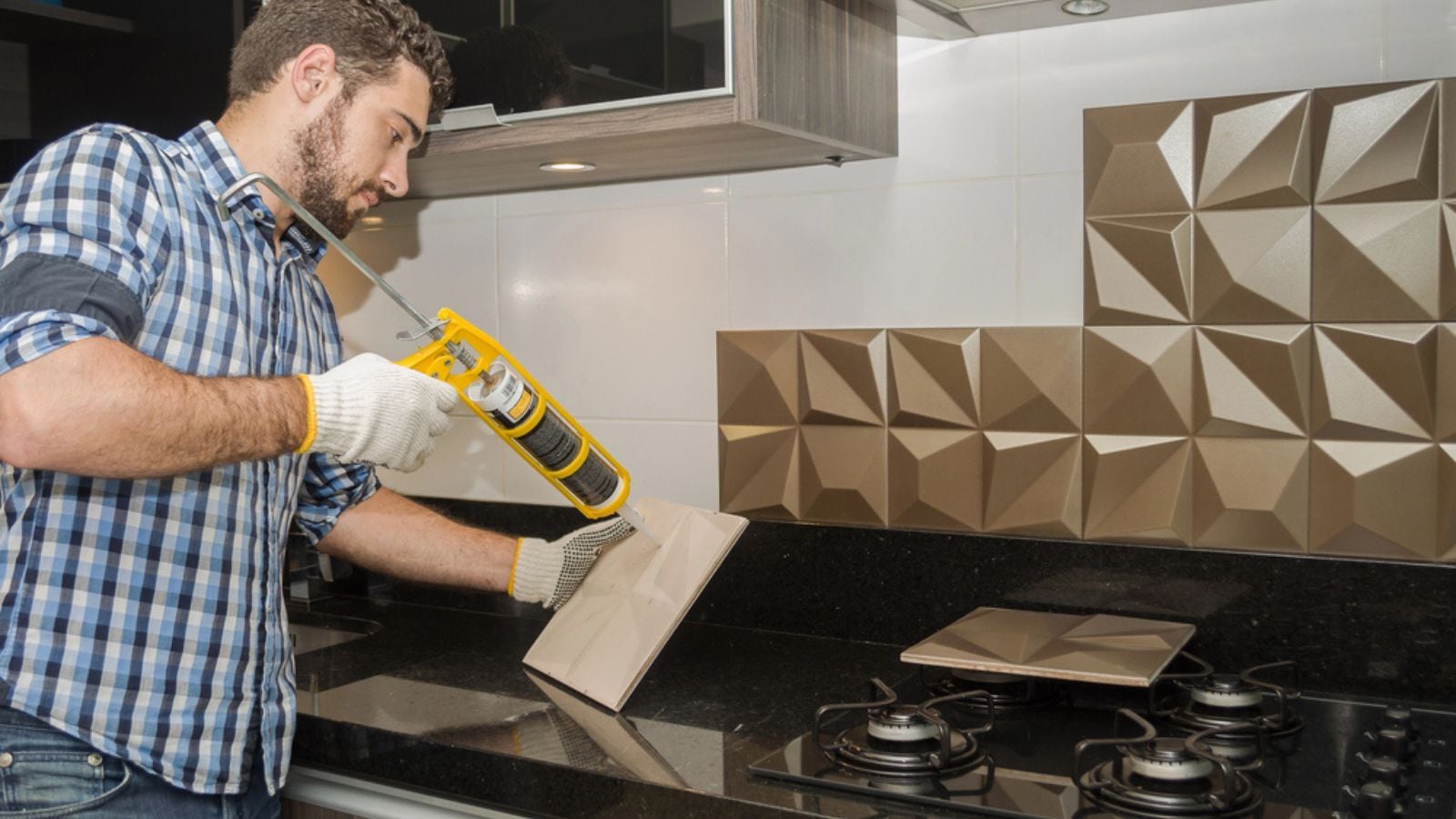
Tile size changes the visual rhythm of a kitchen. Large-format tiles create a cleaner look with fewer grout lines, which can make the wall appear less busy and easier to wipe down.
Smaller tiles bring more texture and detail, though they also introduce more grout and a stronger pattern across the wall. Subway tile remains a popular option because it suits many kitchen styles and comes in many sizes beyond the standard shape.
The size of the kitchen should influence the tile scale. A tiny mosaic can look crowded across a broad wall, while oversized tile may seem out of place in a very compact cooking area with many corners and interruptions.
Grout color also affects how the size reads, since matching grout softens the pattern and contrasting grout makes each tile stand out more. Looking at a full sample board instead of a single tile often gives a much clearer sense of the finished result.
4. Decide on a Layout Pattern
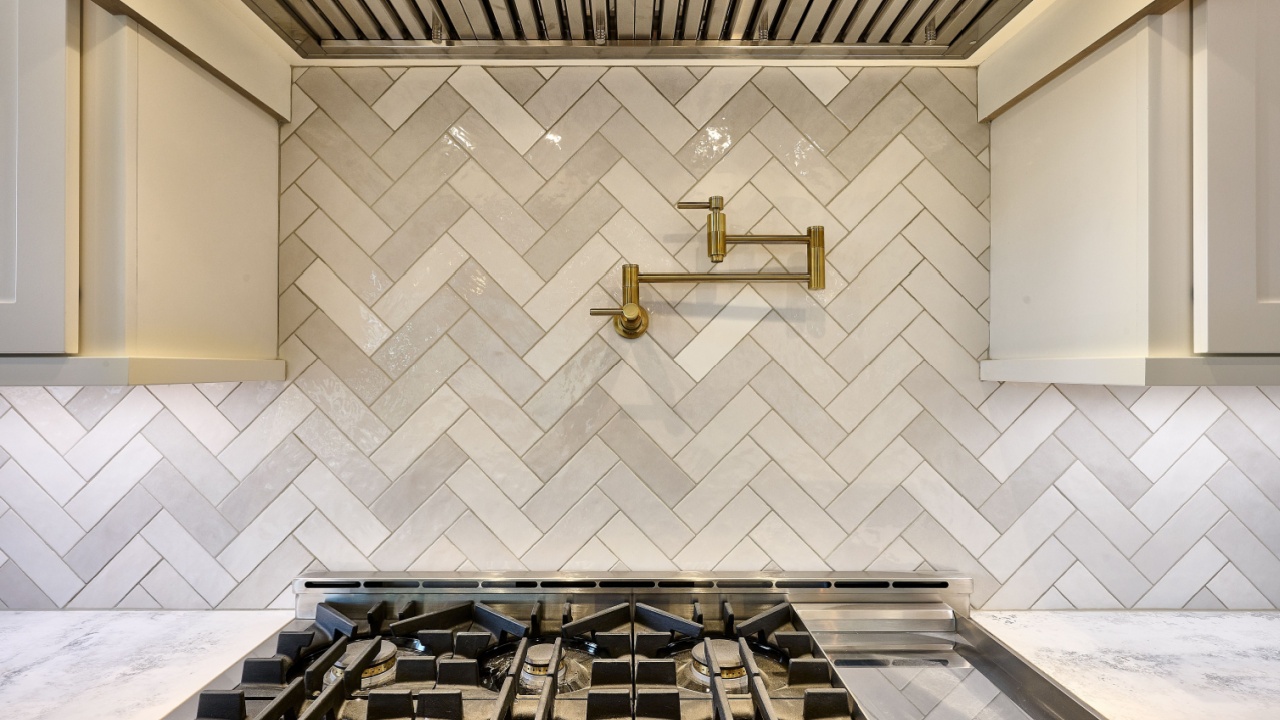
Layout plays a major part in the finished look, even when the tile itself is simple. A basic horizontal brick pattern feels familiar and easy to live with, while a stacked layout feels cleaner and more modern.
Herringbone introduces movement and detail, which can add life to a quiet kitchen without changing the tile color. Full-height installation, where tile runs farther up the wall or to the ceiling, can make the room feel more polished and intentional.
Pattern should match the style of the room and the amount of visual activity already present. If cabinets, counters, and hardware already make a strong statement, a simpler layout often gives the eye a place to rest.
If the kitchen needs a little more interest, a patterned installation can bring it in through shape instead of loud color. It also helps to ask the installer how much waste and labor each layout requires, since more complex patterns usually raise the final cost.
5. Consider Cleaning and Long-Term Care
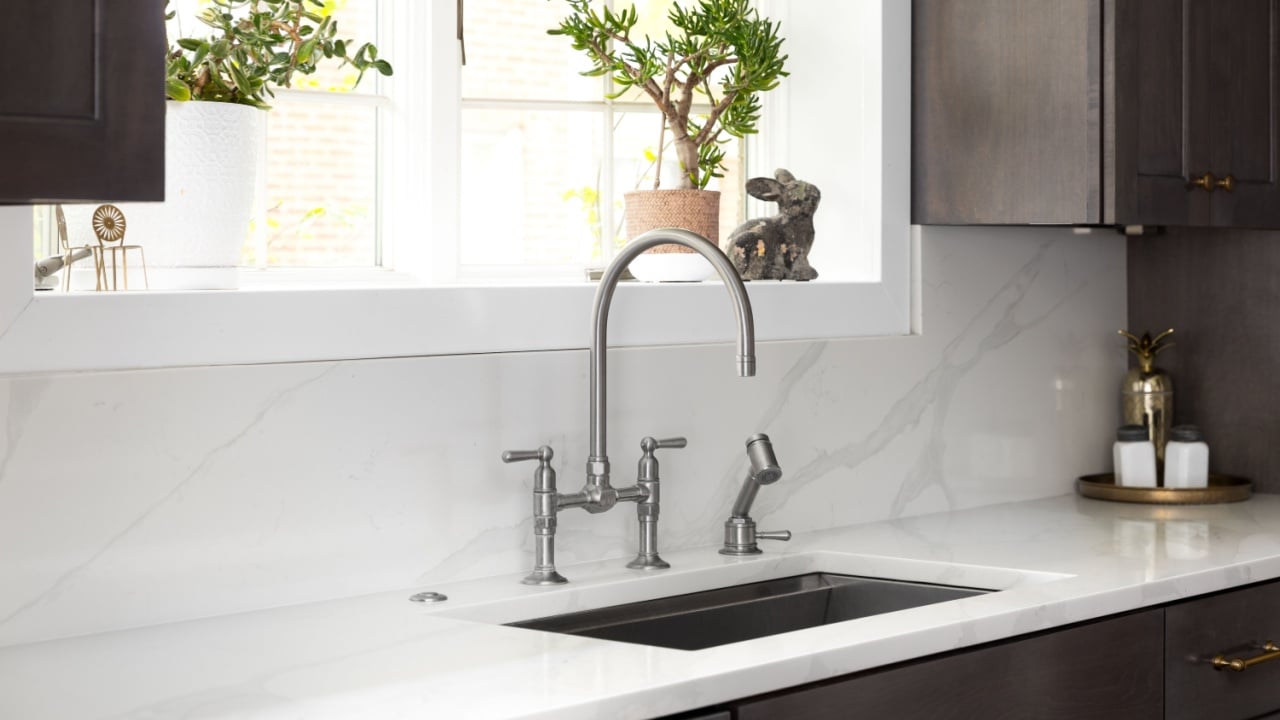
A backsplash faces heat, grease, steam, water, and food splatter regularly. That makes maintenance an important part of the decision, not an afterthought.
Smooth ceramic, porcelain, and glass are usually easier to clean with basic household products, which suits kitchens used every day. Natural stone can be beautiful, though it may stain more easily and often needs sealing to keep it looking its best.
Texture also affects daily upkeep. Deep grooves, rough surfaces, and heavily recessed grout lines can trap grime near the stove, which means more scrubbing and more attention.
Glossy finishes tend to wipe clean quickly, though they may show smudges more readily in some lighting. Reading care instructions before buying tile can prevent disappointment later, especially with materials that need special cleaners or regular sealing.
6. Set a Budget Before Falling in Love with a Design

Budget shapes every part of the backsplash decision, from tile type to layout complexity to grout choice. Ceramic is often one of the most affordable routes, while porcelain and glass usually sit in the middle range.
Marble, handmade tile, and custom mosaic work tend to cost more due to material price and labor demands. Installation can shift the final bill in a big way, especially when patterns are intricate or walls need repair before tile goes up.
A well-planned budget helps narrow the field without limiting style. An affordable tile can still look polished when paired with a smart grout color, a clean layout, and quality trim details.
It is also wise to account for adhesive, grout, sealant, edge pieces, and labor instead of focusing only on tile price per square foot. A clear spending plan often leads to better choices and fewer compromises once the project begins.
A Smart Finish
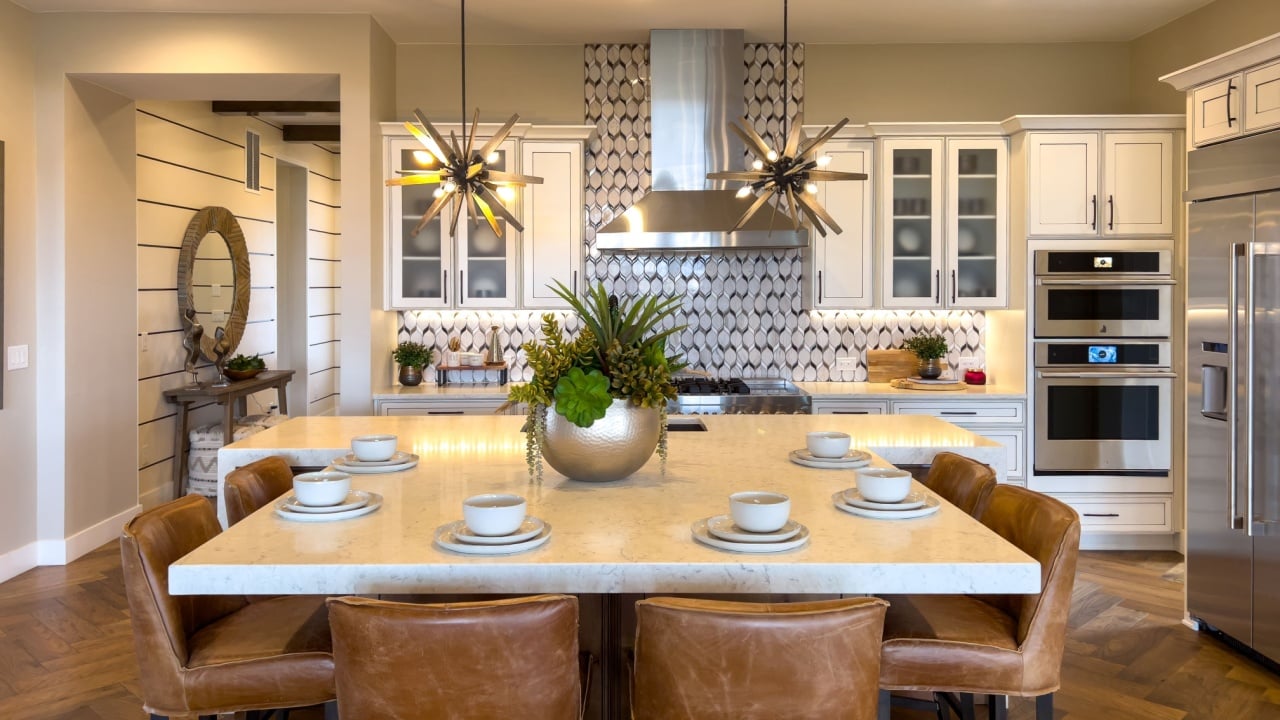
The right kitchen backsplash balances style, function, and long-term value. When material, color, scale, layout, maintenance, and budget all work together, the kitchen feels more complete and more cohesive.
A careful choice can lift the entire room without pulling attention away from the rest of the design. With a little planning and a close look at how the kitchen is used, homeowners can land on a backsplash that looks good and performs well for years.