14 Healing Flowers You Can Grow at Home
A garden can do far more than brighten a yard or supply fresh vegetables. When filled with medicinal flowers, it becomes a living source of natural remedies that have supported human health for centuries.
Many of these healing plants were once passed down through folk traditions and home remedies. Today, researchers and herbal experts are finding scientific evidence behind many of their long-used benefits. From calming teas to skin-soothing salves, these flowers continue to earn a place in both traditional and modern wellness practices.
Planting medicinal blooms also benefits the garden itself. Flowers that attract bees, butterflies, and other pollinators help create a healthier ecosystem with stronger plant growth and fewer pest problems. A diverse garden often becomes more resilient, productive, and vibrant over time.
Let’s discover fourteen powerful flowers that offer both beauty and practical health benefits. You’ll learn what makes each plant useful, how it has traditionally been used, and simple ways to harvest and prepare these blooms safely at home.
1. Calendula
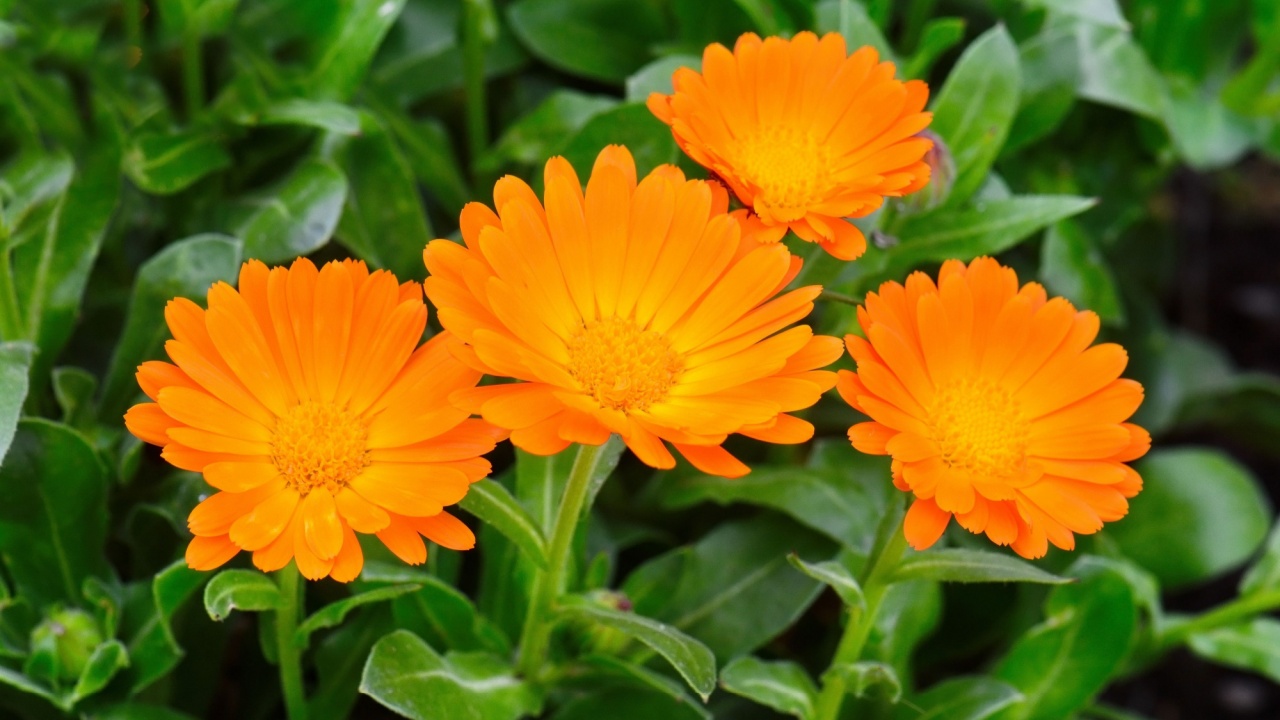
Also known as pot marigold, calendula has bright orange petals famous for their skin-soothing abilities. Herbalists love using these petals in salves and ointments to help heal wounds. Modern science backs this up, confirming its anti-inflammatory properties are perfect for treating minor scrapes and cuts.
To use calendula, harvest the flower heads in the morning after the dew has dried. Dry the petals on a screen in a dark, airy spot before infusing them into carrier oils like olive or jojoba. Storing the oil in a glass jar will keep it potent and ready for your next scrape.
Growing calendula is a breeze. Just plant the seeds directly into your garden soil. The flowers are not only pretty but also attract beneficial insects, helping to create a balanced garden. Plus, the more you harvest, the more they bloom!
2. Lavender
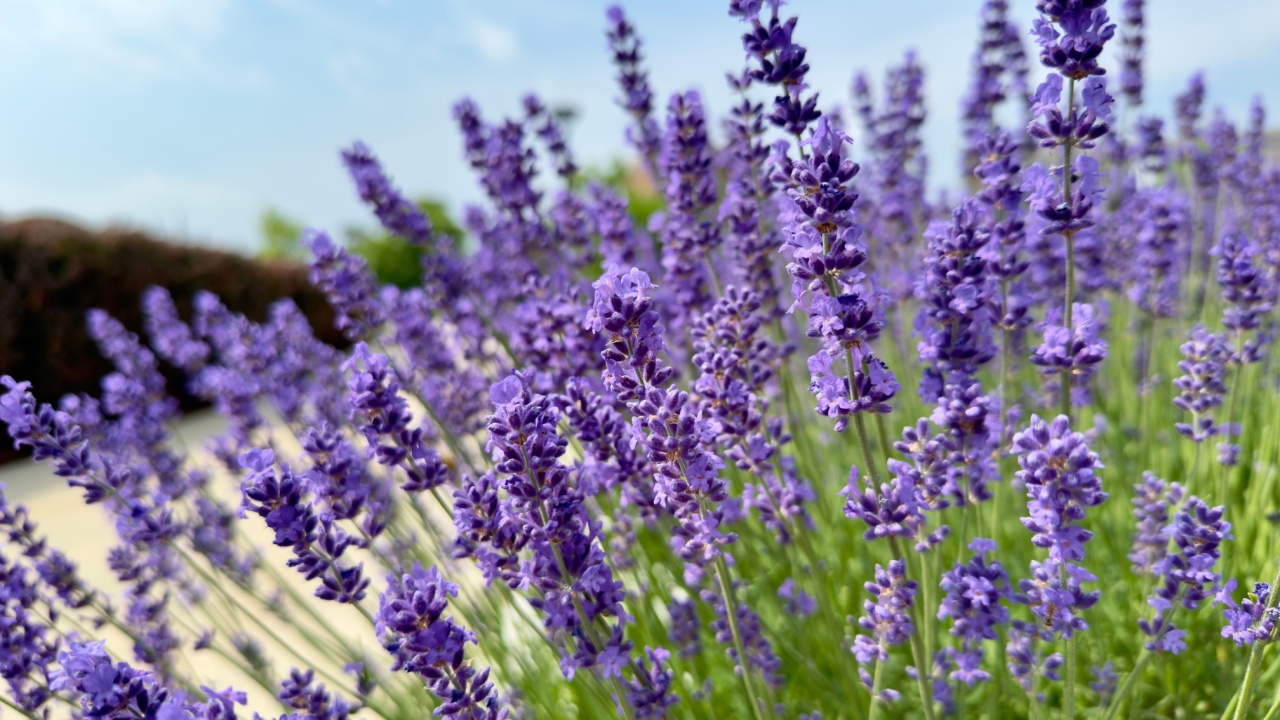
Lavender’s fragrant purple spikes are a go-to for relaxation and stress relief. Research shows that just inhaling its scent can lower your heart rate and help you sleep better. The essential oil distilled from the buds is also a popular natural remedy for headaches.
A little pruning each year will keep your lavender plant healthy and prevent it from getting too leggy. You can place dried bundles in your drawers for a fresh scent or make small sachets to tuck under your pillow. A mild tea made from culinary lavender varieties is the perfect way to wind down in the evening.
This Mediterranean native loves well-draining soil and plenty of sun. Be careful not to overwater it, as that can lead to root rot. A healthy lavender bush is also a fantastic source of nectar for local bees.
3. Chamomile
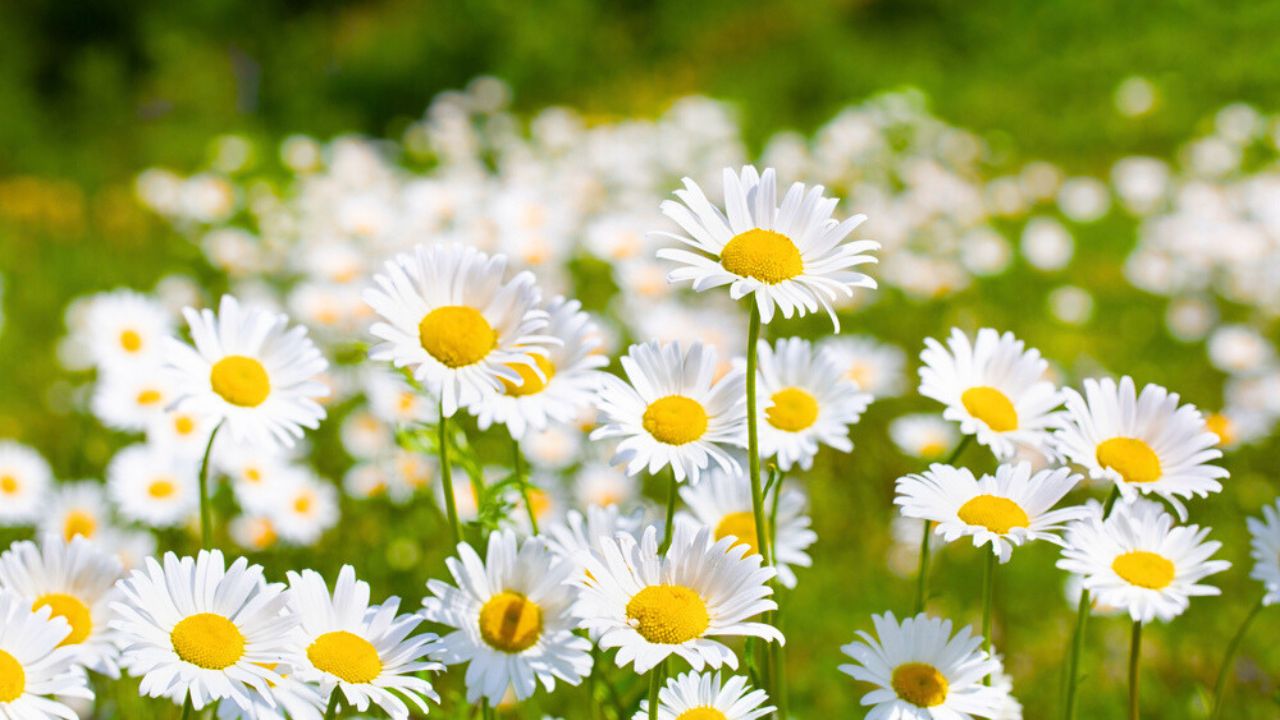
Chamomile looks like a tiny daisy and is well-known for its ability to calm an upset stomach and ease anxiety. Studies show its gentle sedative effects, especially when brewed into a tea. The flowers contain a compound called apigenin, which helps your brain signal that it’s time for sleep.
For a soothing bedtime drink, snip the flower heads just as the petals open flat and dry them completely. Steep about two teaspoons of the dried flowers in hot water. You can also use a cooled chamomile compress to reduce mild skin redness and irritation.
Sowing the tiny seeds on the soil surface is all it takes, as they need light to germinate. Chamomile often reseeds itself, so you’ll have a permanent patch in no time. It also attracts hoverflies and ladybugs, which provide natural pest control for your garden.
4. Echinacea
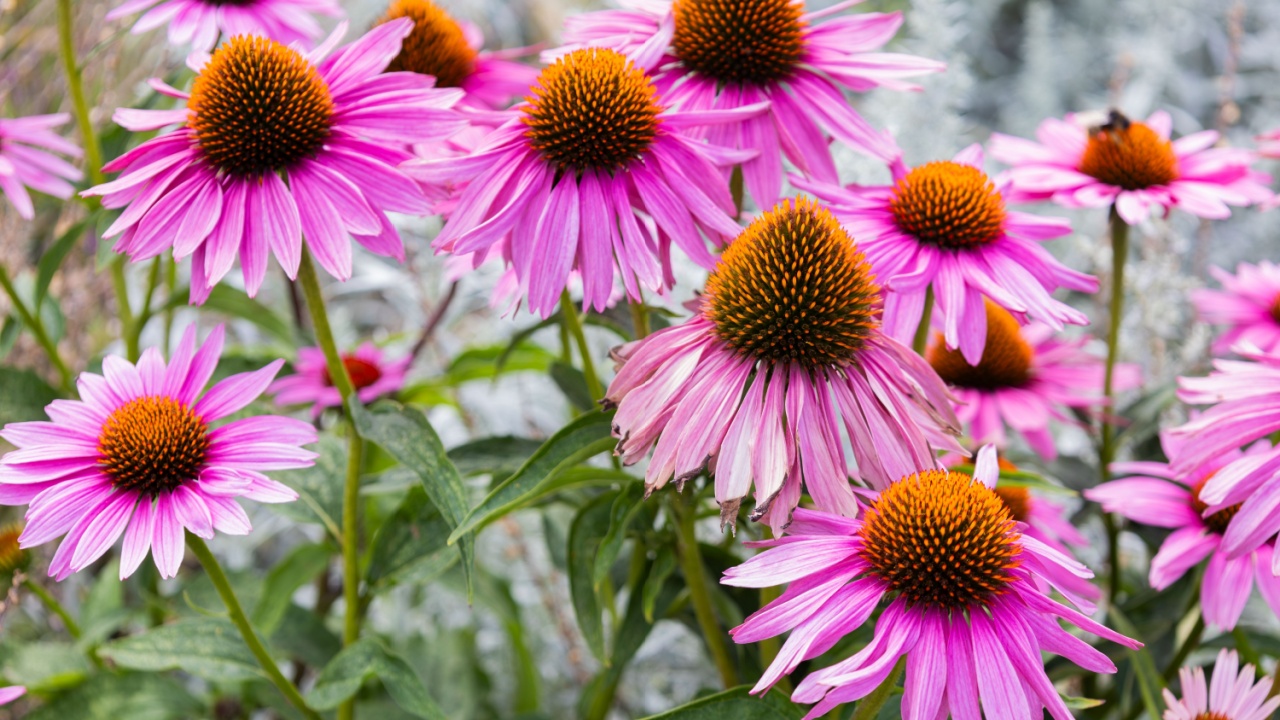
With its striking purple petals and spiky center, echinacea is a powerhouse for immune support. Herbalists use the roots and flower heads to create tinctures that are widely believed to help you get over a common cold faster.
To keep your echinacea plants healthy, divide them every few years. You can make your own potent extract by steeping the dried plant parts in high-proof alcohol for several weeks. Just remember to chat with a healthcare provider before adding strong herbal supplements to your daily routine.
This North American native is tough and can handle drought and poor soil like a champ. In late summer, you’ll often see goldfinches feasting on the seeds. Leaving a few stalks standing provides a vital food source for wildlife during the colder months.
5. Rose
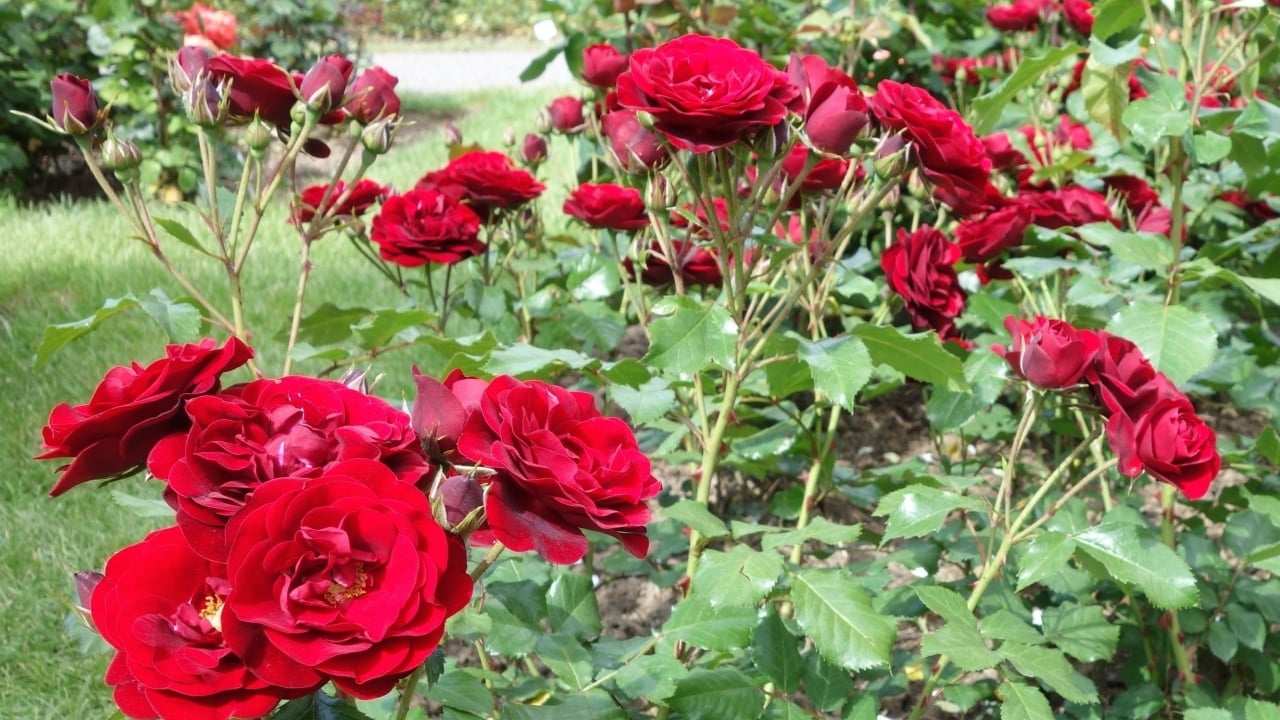
Beyond being strikingly pretty, roses also possess medicinal benefits. The petals are astringent and packed with vitamins, especially when brewed into a tea. Rose water is a wonderful, gentle facial toner that can reduce inflammation and hydrate sensitive skin.
If you plan to eat or use your roses, make sure they’re grown without synthetic pesticides. Simmering fresh petals in water creates a fragrant base for syrups or DIY cosmetics. You can also add dried rosebuds to your tea for a delicate floral flavor.
Proper pruning helps prevent fungal diseases and encourages more blooms. Roses need rich soil and regular watering to thrive. The seed pods, called rose hips, can be harvested in late season and are loaded with vitamin C.
6. Yarrow
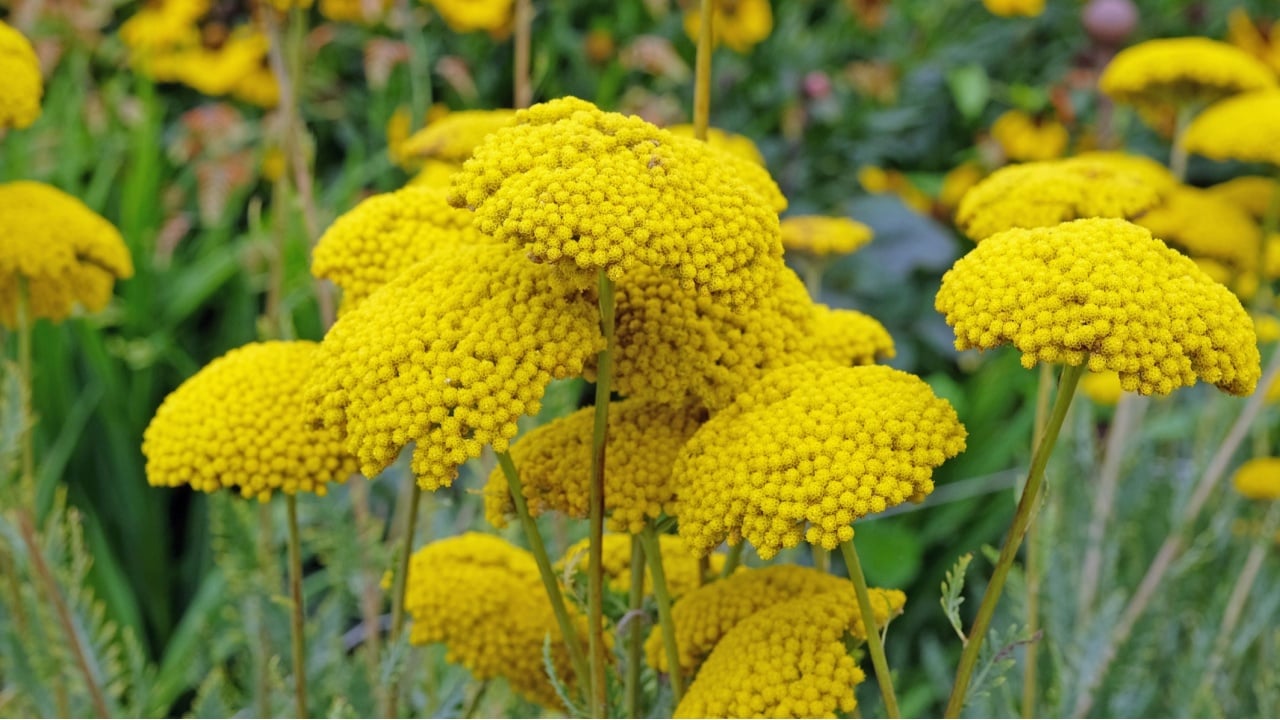
Yarrow has feathery leaves and flat clusters of tiny white or pink flowers. Traditionally, its crushed leaves were used to slow bleeding and prevent infection in wounds. It’s also used as a digestive bitter to help stimulate appetite.
For the most potent effect, cut the stalks just before the flowers are in full bloom. Hang the stems upside down in a dark room until they are completely dry. You can crush the dried plant to create a handy powder for minor kitchen cuts.
This hardy perennial spreads easily and can quickly take over neglected areas of your garden. Butterflies love landing on the flat flower heads to sip nectar. To keep it from spreading too much, you’ll need to divide it and remove unwanted shoots regularly.
7. Hibiscus
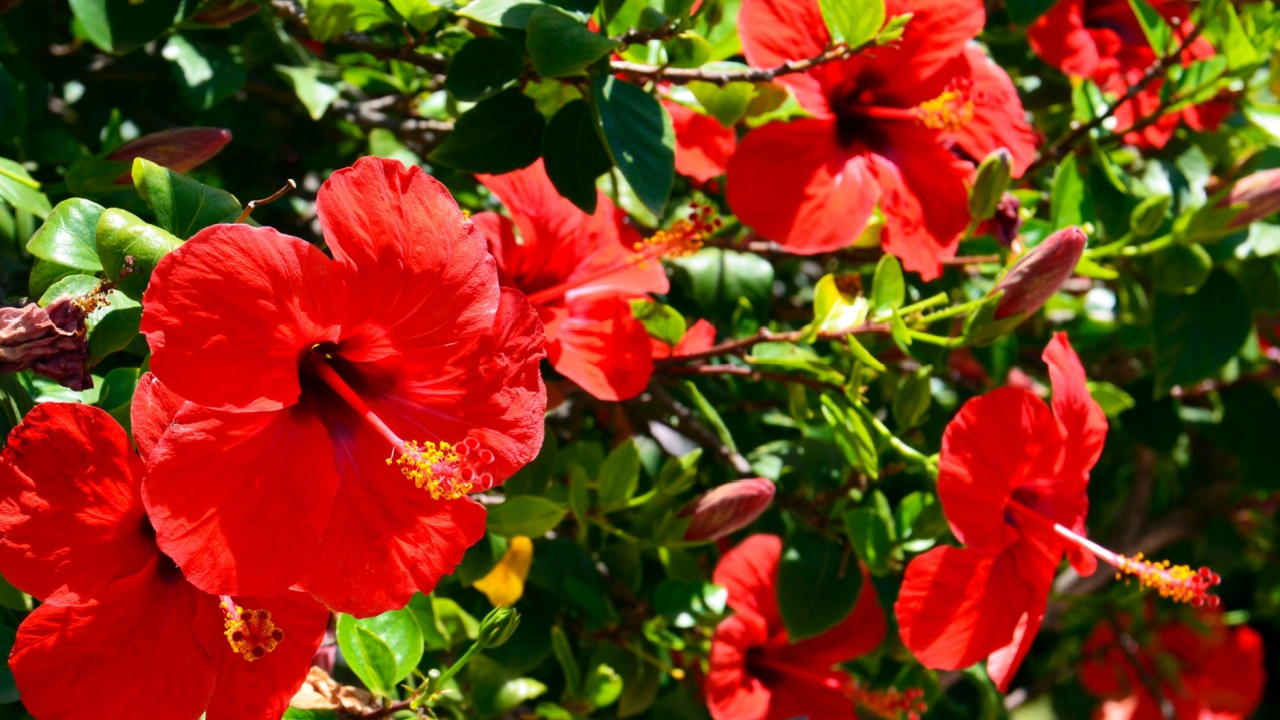
Hibiscus plants produce large, stunning blooms that make a tart, ruby-red tea. Studies suggest that drinking tea made from the flower’s calyces can support heart health and help regulate blood pressure. The flower also acts as a mild diuretic and is high in antioxidants.
After the flower petals drop, harvest the fleshy red part left behind, called the calyx. You can dehydrate these pieces to use for hot or iced tea all year round. The tea is quite tart, so you might want to sweeten it with a bit of honey or agave.
This tropical plant needs to be protected from frost, so it’s a good candidate for container gardening. You can easily move it indoors when the weather gets cold. Hummingbirds can’t resist the bright red and pink blossoms.
8. Bee Balm
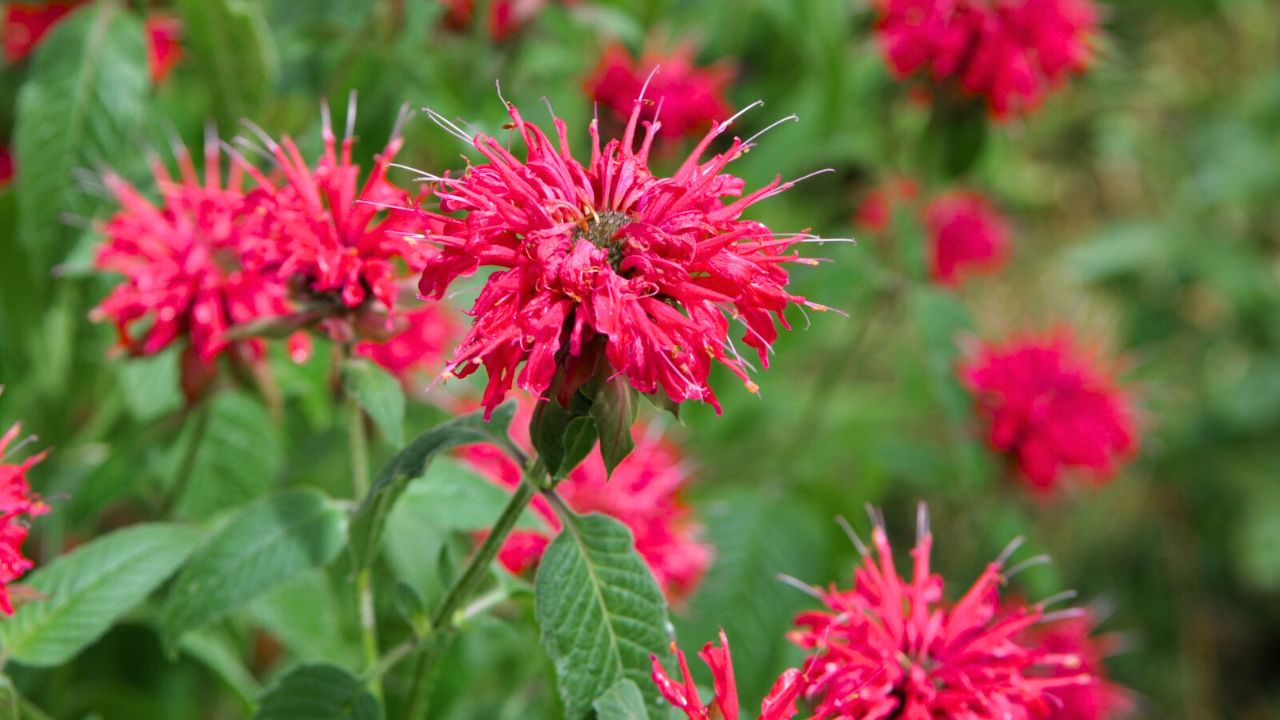
Bee balm has unique, tubular flowers that come in shades of red, pink, and purple. Its leaves contain thymol, a powerful antiseptic used in many commercial mouthwashes. Native American traditions have long used the plant to soothe sore throats and settle upset stomachs.
Snipping the top leaves and flower heads throughout the summer will encourage the plant to grow bushier. To clear up a stuffy nose, try inhaling the steam from a bowl of hot water infused with bee balm leaves. The fresh leaves also add a spicy, mint-like flavor to summer salads.
This plant can be prone to powdery mildew, so give it plenty of space for air to circulate. Consistent moisture will also help it thrive. The vibrant flowers are an absolute magnet for hummingbirds.
9. Dandelion
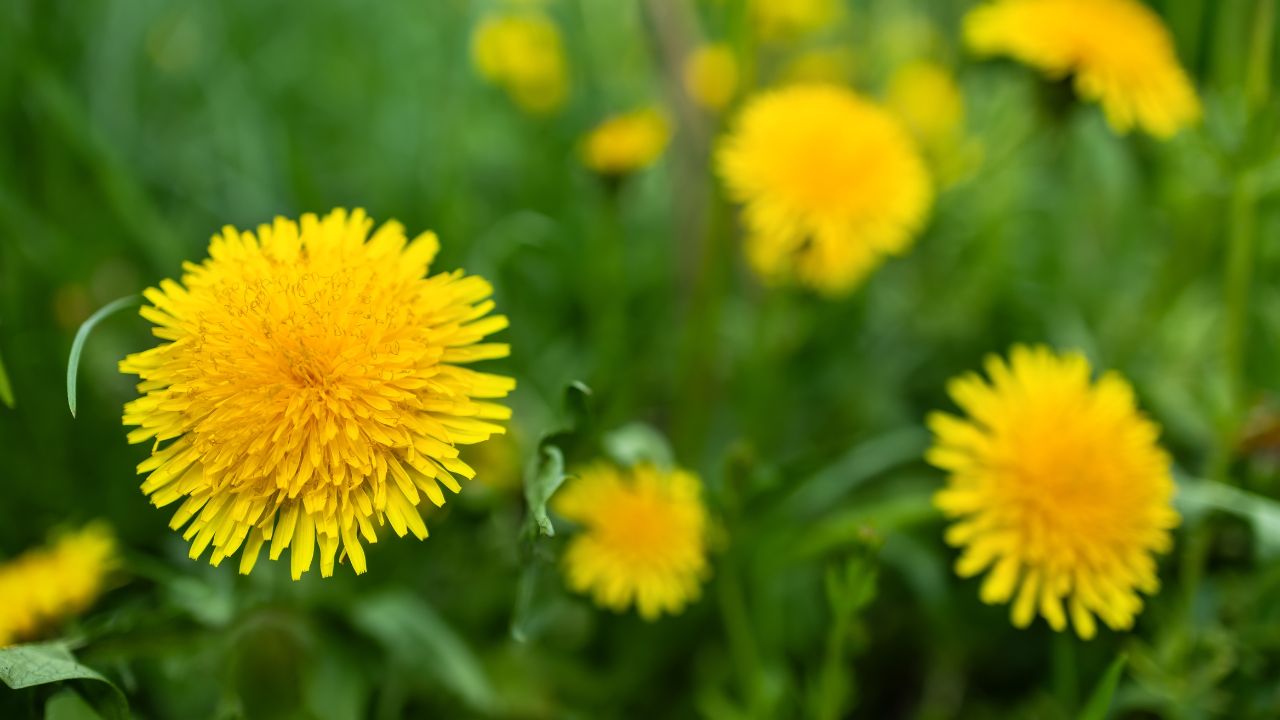
Often dismissed as a weed, dandelions are actually a potent medicinal plant. The bitter leaves stimulate digestion, and the roasted roots make a great caffeine-free coffee substitute that supports liver health. Every part of the plant is packed with nutrients, including potassium and iron.
Only forage for dandelions in areas you know are free from herbicides and chemicals. The young leaves are best in early spring before they become too bitter. You can infuse the bright yellow petals into a sweet syrup or a massage oil for sore muscles.
While they can be persistent, their deep taproots pull valuable nutrients up from the soil. Leaving a few in your yard provides an important early food source for bees. You can even find specific, less-aggressive varieties to grow in dedicated beds for a clean, controlled harvest.
10. Passionflower
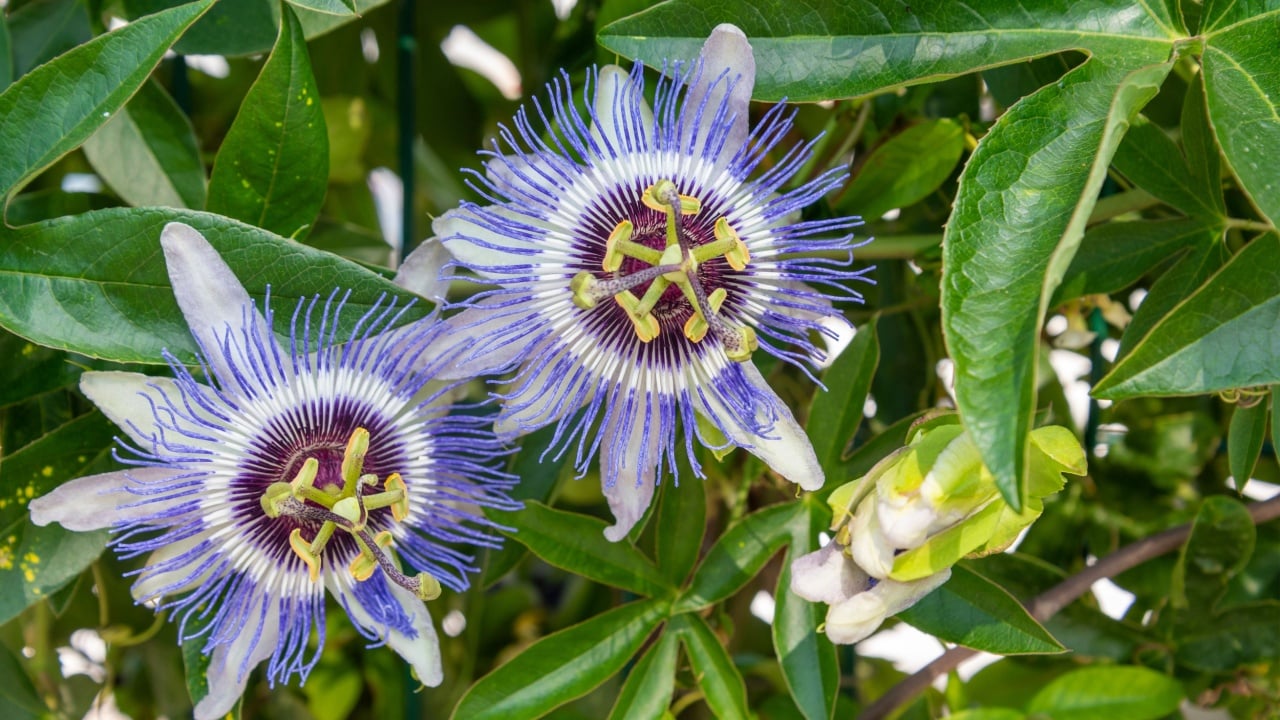
Passionflower vines produce stunning, intricate flowers that are known for their strong calming effects. Herbalists often recommend the leaves and stems to help with insomnia and reduce anxiety. The plant contains compounds that work with your central nervous system to promote relaxation.
These vines are aggressive growers, so give them a sturdy trellis or fence to climb. This also helps with airflow and sun exposure. Try brewing a mild tea with a teaspoon of dried leaves to see how it affects you, or combine it with chamomile for a powerful sleep-inducing blend.
Native to warmer regions, passionflower needs a protected spot to survive in cooler climates. Some varieties even produce edible fruit, which is a bonus. The unique flowers attract specialized bees and are a host plant for certain butterfly caterpillars.
11. Arnica
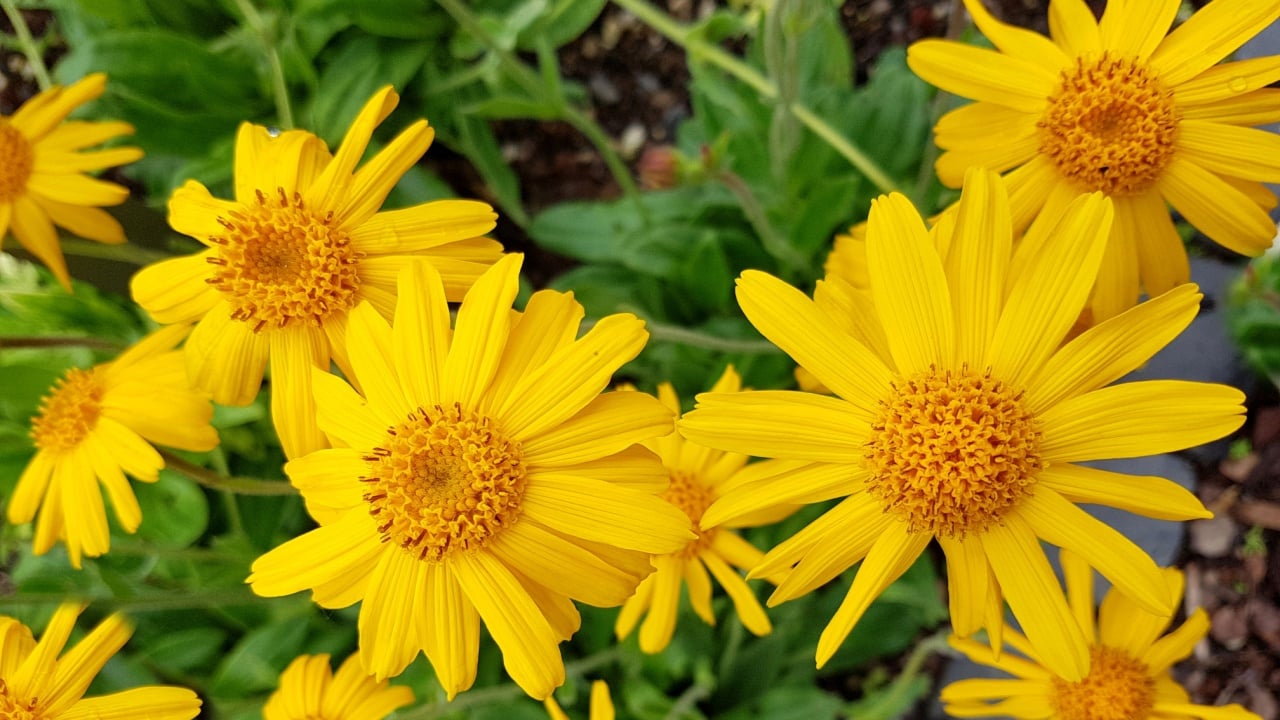
Arnica’s cheerful yellow flowers are a traditional remedy for bruises, sprains, and muscle aches. Its active compounds help reduce swelling and improve blood flow when applied to the skin. However, it’s toxic and should never be taken internally.
Always handle arnica with care and wash your hands after harvesting to avoid accidentally ingesting it. You can create a powerful massage oil by infusing the dried flower heads in a carrier oil. Apply the finished oil to sore joints after a long day for some much-needed relief.
This alpine native prefers cooler temperatures and well-drained, slightly acidic soil. Arnica establishes slowly, but once it does, it’s a reliable perennial. Growing your own helps preserve this important traditional remedy right in your backyard.
12. Violet
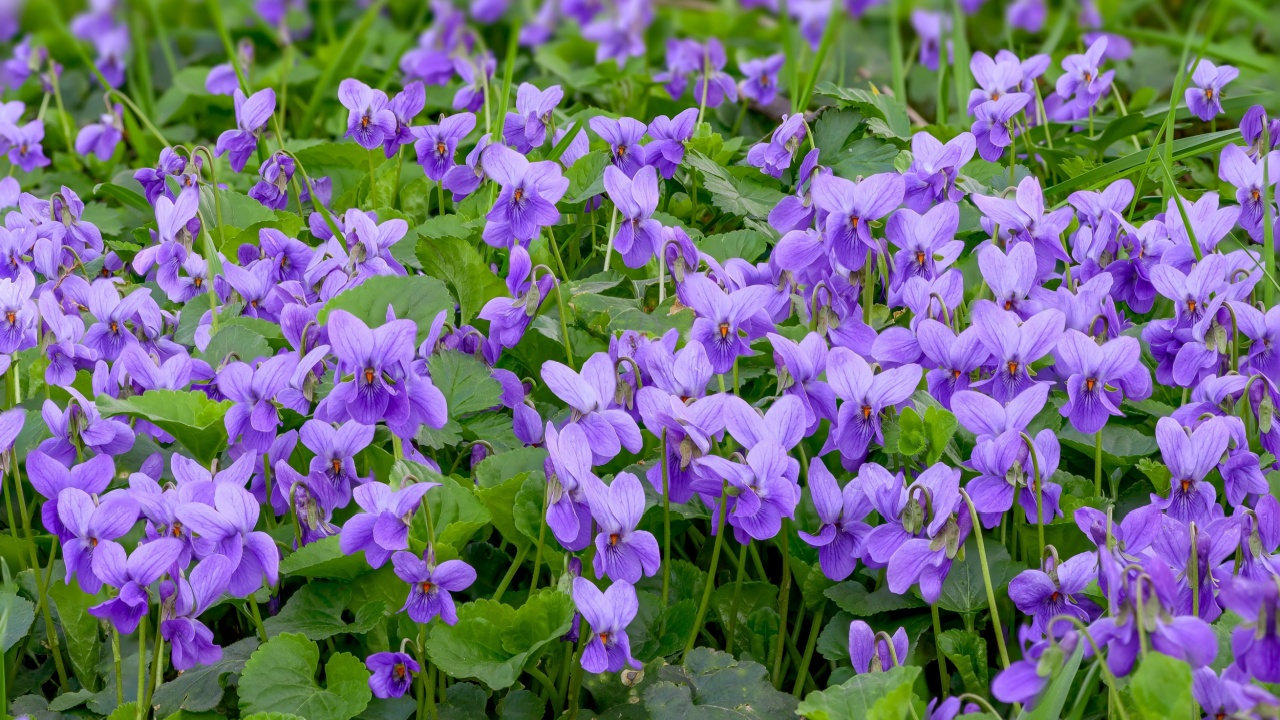
Violets pop up in early spring with their delicate purple or white petals and heart-shaped leaves. The leaves contain a cooling, gel-like substance called mucilage that soothes sore throats and coughs. A traditional syrup made from the flowers is often used to calm a persistent, dry cough.
Pick the blossoms gently by hand so you don’t pull up the shallow roots. You can freeze the fresh petals in ice cubes for a beautiful addition to summer drinks. For minor insect bites, mash the fresh leaves into a quick poultice to soothe the sting.
These low-growing plants love shady, moist spots where other flowers might not grow. They spread easily on their own, creating a beautiful and functional ground cover under trees or in other shaded parts of your yard.
13. Sunflower
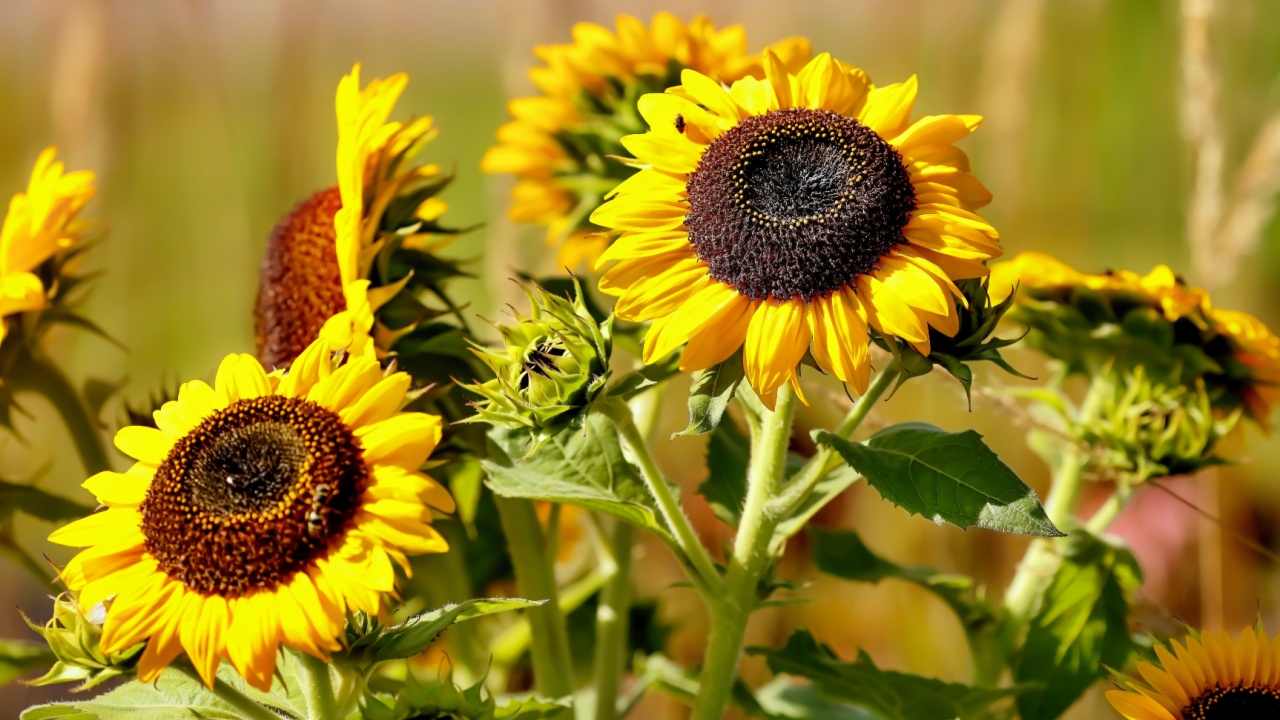
Sunflowers don’t just tower over the garden; they also offer amazing health benefits. The seeds are packed with vitamin E and magnesium, which support healthy skin and reduce inflammation. In traditional medicine, a tea brewed from the flower petals was used to reduce fevers.
Wait until the back of the flower head turns brown to harvest the seeds. Roasting them lightly brings out their flavor and makes for a healthy, energy-boosting snack. Be sure to save some unroasted seeds in a paper bag to plant next spring.
These giants need full sun and lots of water to support their tall stalks. As they grow, their heads follow the sun across the sky. Once mature, they become a popular hangout for birds, turning your garden into a lively wildlife sanctuary in the fall.
Bloom Where You Are Planted
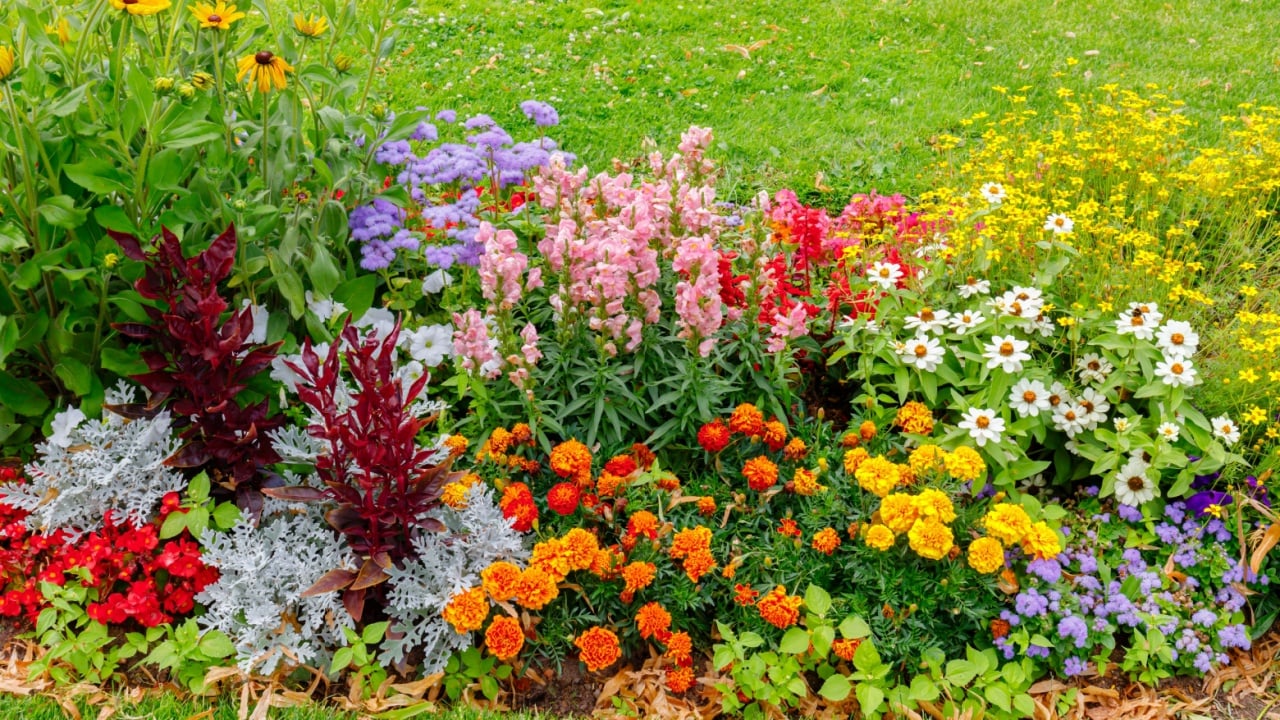
Turning your garden into a healing space is a rewarding experience. The fourteen flowers in this list, from calendula to lavender, offer more than just beauty; they connect you to nature’s pharmacy.
Planting even one or two of these botanicals can boost your well-being and support local wildlife. Just start small, see how they grow, and talk to a doctor before trying any new herbal remedies.
So, grab your gloves and get planting. It’s time to create a space that heals and brings you joy.
Read More:
15 Hacks to Make Your Home a Healing Space
Stop Buying These 12 Herbs and Grow Them in Your Backyard Instead