How Living Roofs Are Making Buildings Elegant and Eco-Conscious
A bare roof rarely inspires anyone. Cover that same surface with grasses, flowers, and winding paths, and it becomes one of the most striking parts of a building.
Living roofs are changing the way people see architecture. They soften hard lines, add life to unused space, and give buildings a stronger bond with the natural world.
They also do serious work behind the scenes. A well-planned roof planting can help with insulation, ease stormwater pressure, and create habitat in places where green space is scarce.
This article looks at how living roofs bring beauty and environmental value together, from plant choices to design ideas that make rooftops more useful and more inviting.
Roofs with Visual Elegance
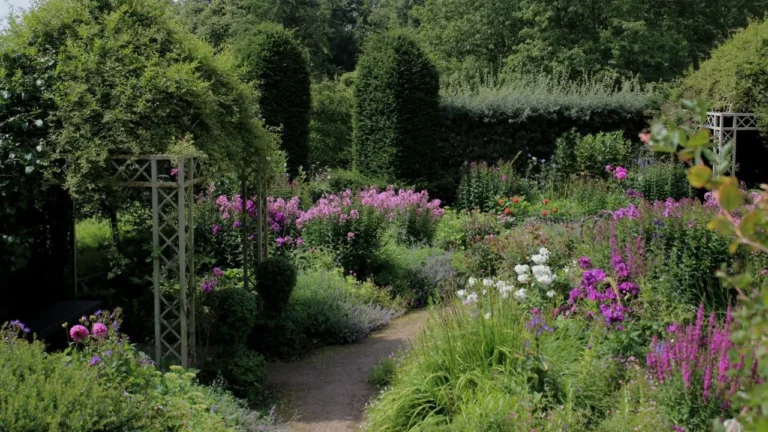
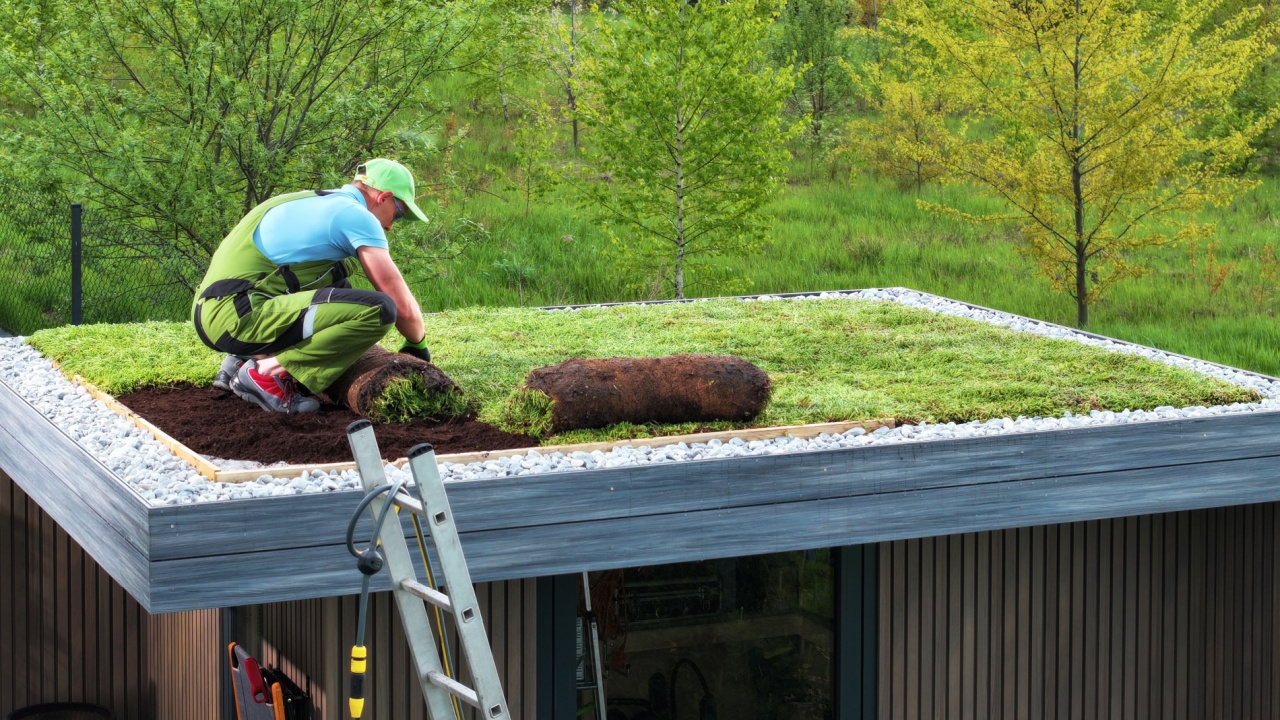
Living roofs turn flat, forgettable rooftops into scenes with texture, color, and movement. Some are shaped to look like meadow plantings with grasses that sway in the wind, while others feel more formal with clipped edges, repeated plant groupings, and clean paths.
On homes, offices, hotels, and public buildings, this kind of planting helps architecture feel warmer and more connected to its setting. From nearby windows or taller buildings, the roof becomes part of the view instead of a blank surface.
This visual shift does more than improve curb appeal. Designers can match a living roof to the style of the building, using soft native plantings for a natural look or stronger structure for a polished finish.
Seasonal change adds another layer of beauty, with spring growth, summer blooms, autumn color, and winter forms giving the roof fresh interest across the year. That changing look makes the building feel more alive and more rooted in place.
Encouraging Environmental Resilience in City Scapes
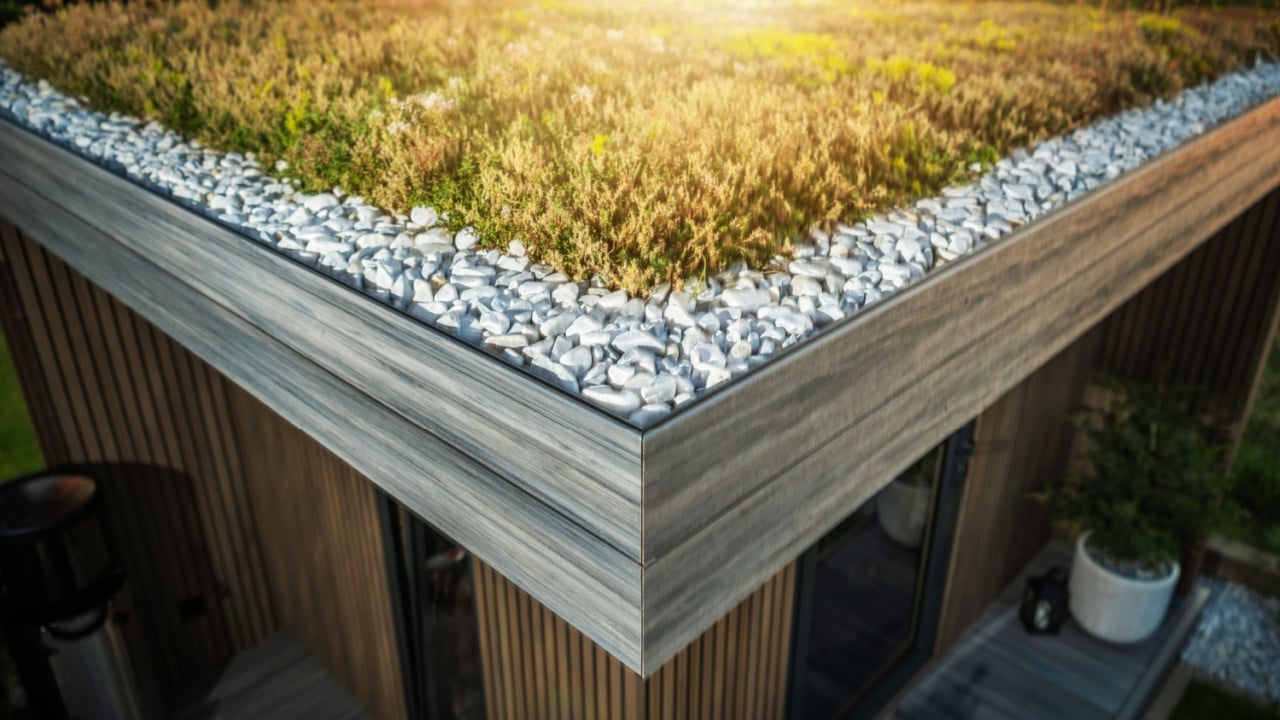
Living roofs help buildings handle weather in smarter ways. The layers of soil and plants add insulation, which can help reduce heat gain in summer and limit heat loss in cooler months.
They also absorb rainfall, slowing the rush of water into drains and lowering runoff during heavy storms. In cities where paved surfaces send water quickly into sewer systems, that added control can ease strain on public infrastructure.
They can also protect the roof itself from sun exposure and sharp temperature swings. That added cover may help roofing materials last longer by reducing wear from constant heating and cooling.
In areas facing stronger storms and hotter summers, these systems offer a practical response that supports building performance. Beauty draws people in, but lasting function is a big reason living roofs keep gaining ground.
Providing Biodiversity Support

A living roof can become a small habitat high above the street. When planted with pollinator-friendly species such as prairie dropseed, penstemon, black-eyed Susans, sedges, and butterfly weed, it can attract bees, butterflies, and songbirds looking for food and shelter.
Even a modest planting adds more life to areas filled with concrete and glass. That matters most in dense urban settings where ground-level green space is limited.
Plant selection shapes how much wildlife a roof can support. Flowers with staggered bloom times give pollinators a longer food source across the growing season, while grasses and seed heads offer cover and seasonal interest.
Designers often favor native or regionally adapted plants since they are better matched to local insects and birds. A roof planted with habitat in mind becomes more than decoration and serves as a living part of the local ecosystem.
Regional Plant Choices That Thrive in the Local Climate
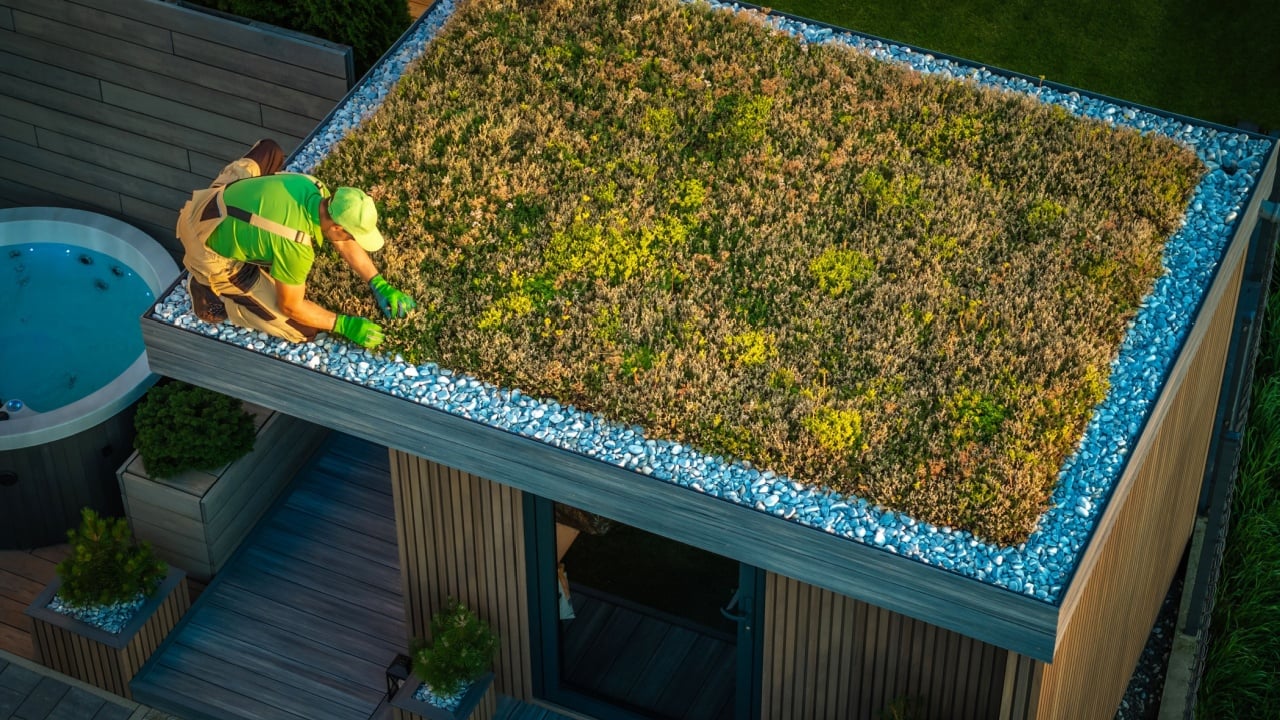
Good living roof design starts with the climate, not a trend. For example, sedums are often linked with green roofs because they handle dry, cooler conditions well, but they are not always the best fit in humid parts of the Southeast.
In hotter and wetter regions, many designers turn to hardy perennials and grasses that can handle local heat, moisture, and seasonal swings. This leads to roofs that look better and hold up longer.
Regional planting also reduces avoidable problems with disease, stress, and weak growth. A roof in Georgia or South Carolina may perform better with tough grasses, flowering perennials, and sedges than with a plant palette copied from Chicago or Toronto.
Matching plants to local conditions supports healthier growth and lowers replacement needs. It also gives the roof a look that feels natural within the wider landscape of the region.
Promoting Creative Design Flexibility
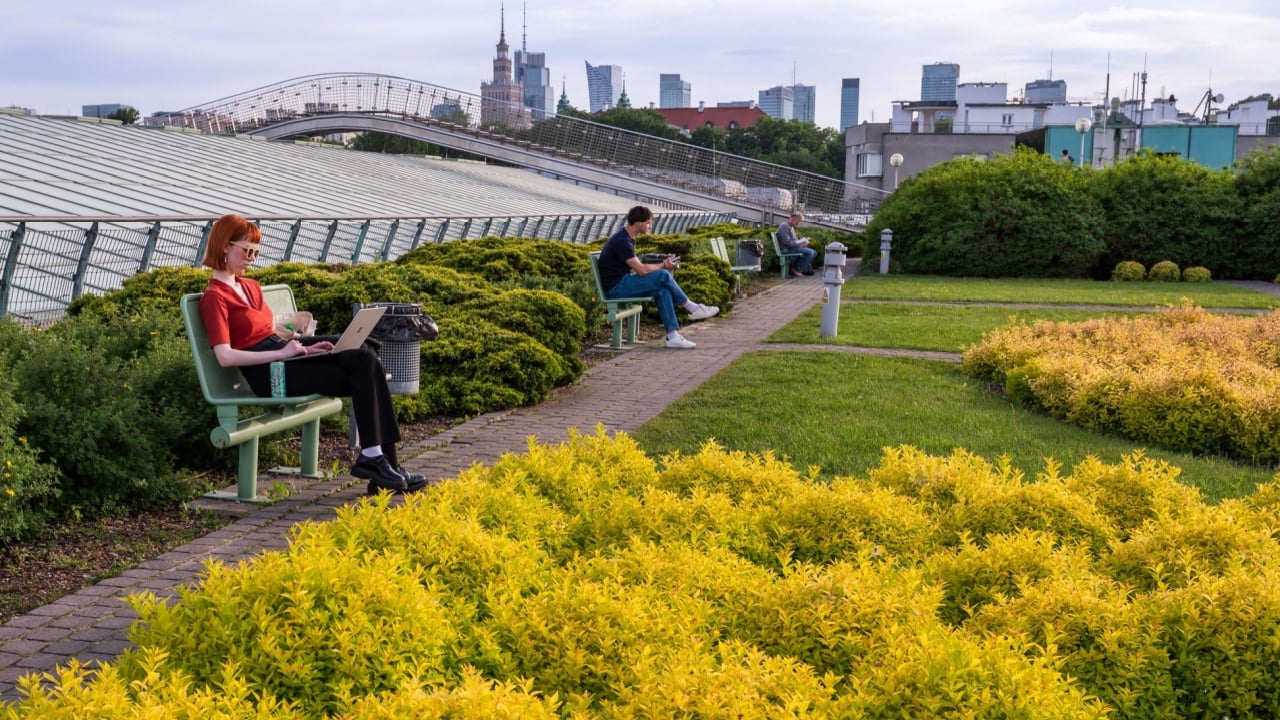
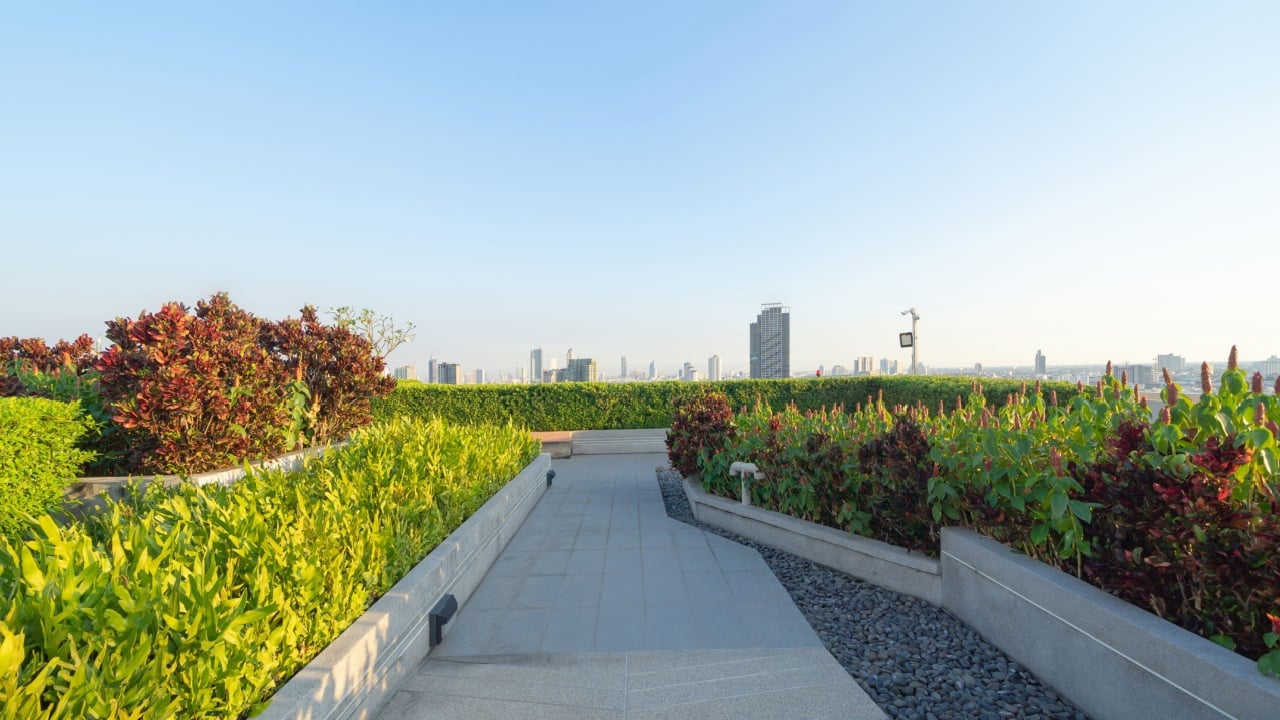
Living roofs are far more than planted blankets spread across a building. If space allows, they can include stone pathways, patios, seating areas, raised planters, and light garden structures that make the roof usable as well as beautiful.
In private homes, that may mean a quiet outdoor retreat with layered planting and a small sitting area. On larger buildings, it can mean shared space for gathering, dining, or relaxing above the city.
This design freedom allows each project to answer a different need. Some roofs are made mainly for viewing from inside the building, while others are built for daily use with clear circulation and durable surfaces.
Load limits, irrigation, wind exposure, and maintenance access all shape what is possible, so good planning matters from the start. When those practical issues are handled well, the roof can feel like a true extension of the building rather than an afterthought.
Smart Urban Integration
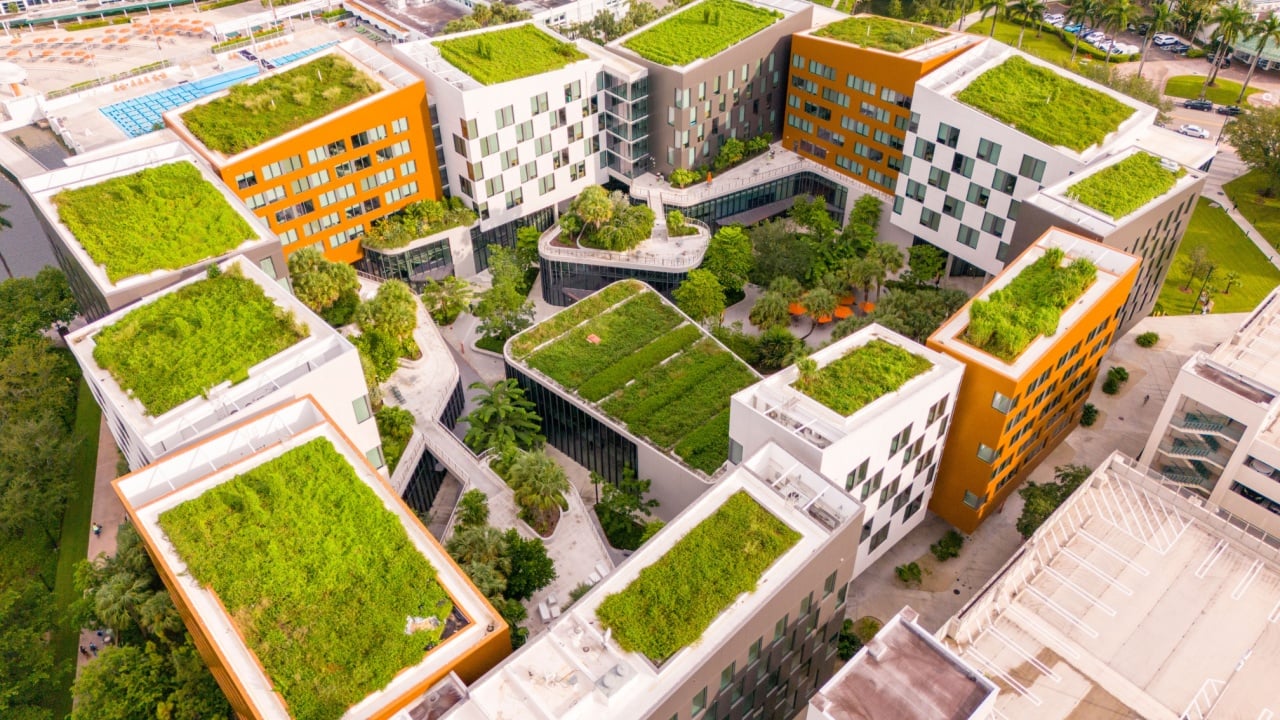
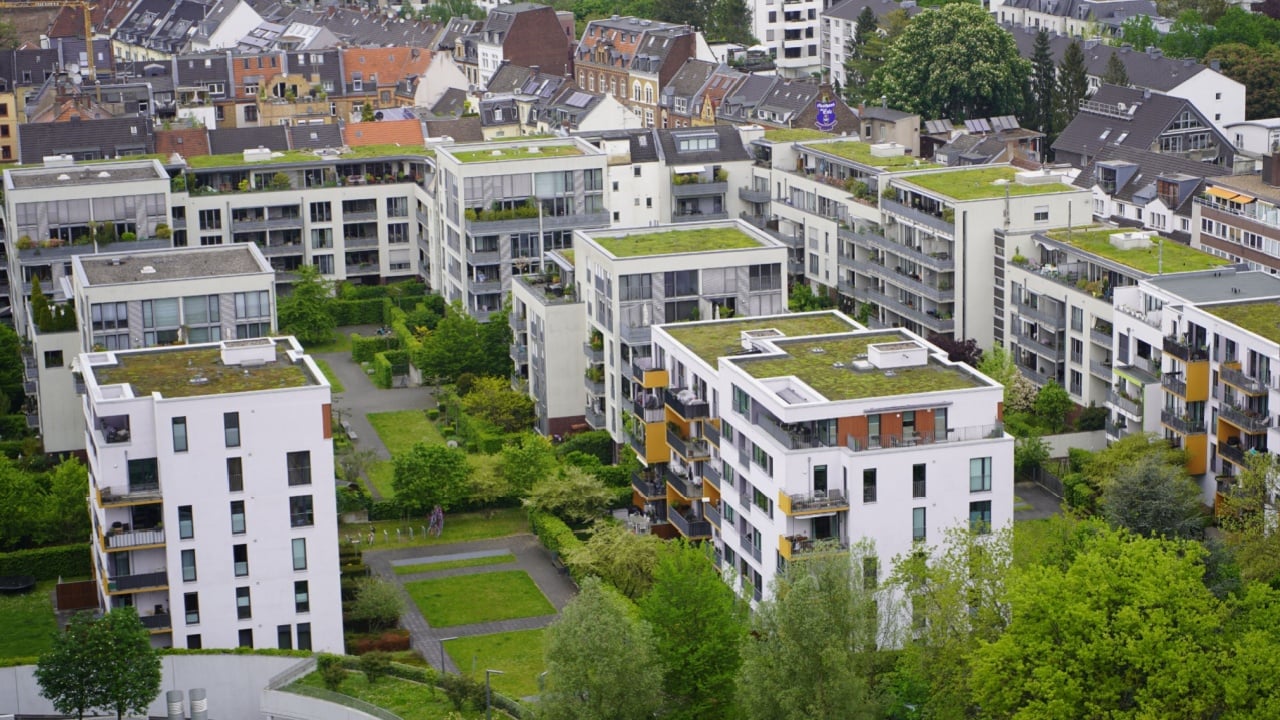
Living roofs help cities feel less hard and less cut off from nature. A planted roof softens skylines, breaks up stretches of gray, and adds green space in places where land is limited.
Seen from neighboring buildings, streets, or upper floors, these rooftop gardens give the city a richer and more humane look. They remind people that built spaces do not need to shut nature out.
They also reconnect people with greenery during daily life. Office workers may look out at grasses and flowers instead of mechanical units, and residents may gain shared outdoor space without leaving the building.
Living roofs help weave nature back into city design in a form that is practical, attractive, and highly visible.
A Greener View Above
Living roofs show that beauty and function do not need to compete. They make buildings more attractive, support wildlife, help manage rain, and turn empty rooftops into spaces with real value.
For homeowners, designers, and city planners, the appeal is clear. A living roof can be shaped to fit the climate, the building, and the people who use it, giving each project a greener and more useful future from the top down.
Read More:
How Floating Gardens in Chicago Are Cleaning Up the River
How a Company in India is Tackling Plastic Pollution by Feeding the Hungry