14 Native Trees and Shrubs That Will Fill the Yard With Beautiful Birds
Manicured suburban lawns might look neat, but they don’t do much for local birds. They offer little food or shelter, so you’re unlikely to see a wide variety of feathered friends. By swapping out some of that grass for native plants, you can turn a boring yard into a bustling habitat that birds will flock to.
Recent studies have revealed a concerning decline in insect populations nationwide. This is bad news for birds, which depend on protein-rich insects to feed their young during breeding season. Without enough bugs to eat, baby birds can end up underweight, or nests might fail altogether.
Conservation groups have found that suburban birds need local plant species to survive and raise healthy chicks. That’s because these plants host the specific insects that baby birds need to grow strong. Planting the right native foliage can turn any yard into a wildlife sanctuary.
The following list of native trees and shrubs is curated to help you bring beautiful colors and cheerful birdsongs right to your neighborhood.
1. Oaks

Oaks are quintessential wildlife plants, supporting hundreds of species of butterflies and moths. The sheer variety of caterpillars they host is unmatched by almost any other plant genus, providing an incredible food source for hungry songbirds.
A mature oak becomes a central hub for the entire local ecosystem. Birds use its sturdy branches for safe nesting, while other wildlife feeds on its acorns during colder months.
By planting a single oak, you can sustain generations of beautiful birds.
- Best for: Unmatched food source for songbirds (caterpillars).
- Birds Attracted: Various songbirds.
- Growing Tips: Requires ample space, well-drained soil, and sufficient sunlight.
2. Willows
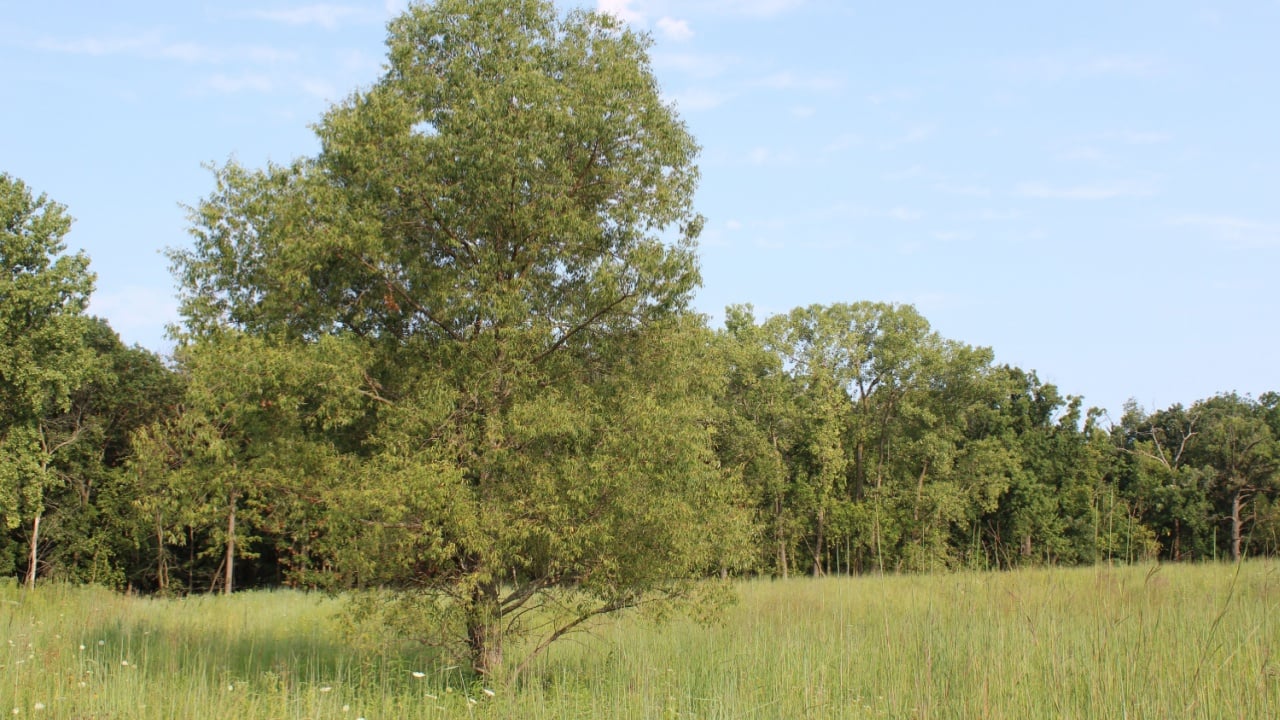
Native willow species, such as black willow and pussy willow, thrive in damp environments and attract numerous moth and butterfly species. These moisture-loving plants serve as magnets for insects, which in turn draw in hungry insectivorous birds.
Gardeners can plant native willows along the borders of a property or near natural water features. They require damp soil to reach their full potential and grow rapidly under the right conditions.
The dense foliage offers excellent protection for small birds hiding from predators, and the flexible branches provide sturdy anchors for nests.
- Why Plant It? A magnet for insects that attracts various insect-eating birds.
- Birds You’ll See: Warblers, vireos, flycatchers.
- Pro Tip: Best for properties with damp soil, natural ponds, or streams. Grows fast in the right conditions
3. Cherries
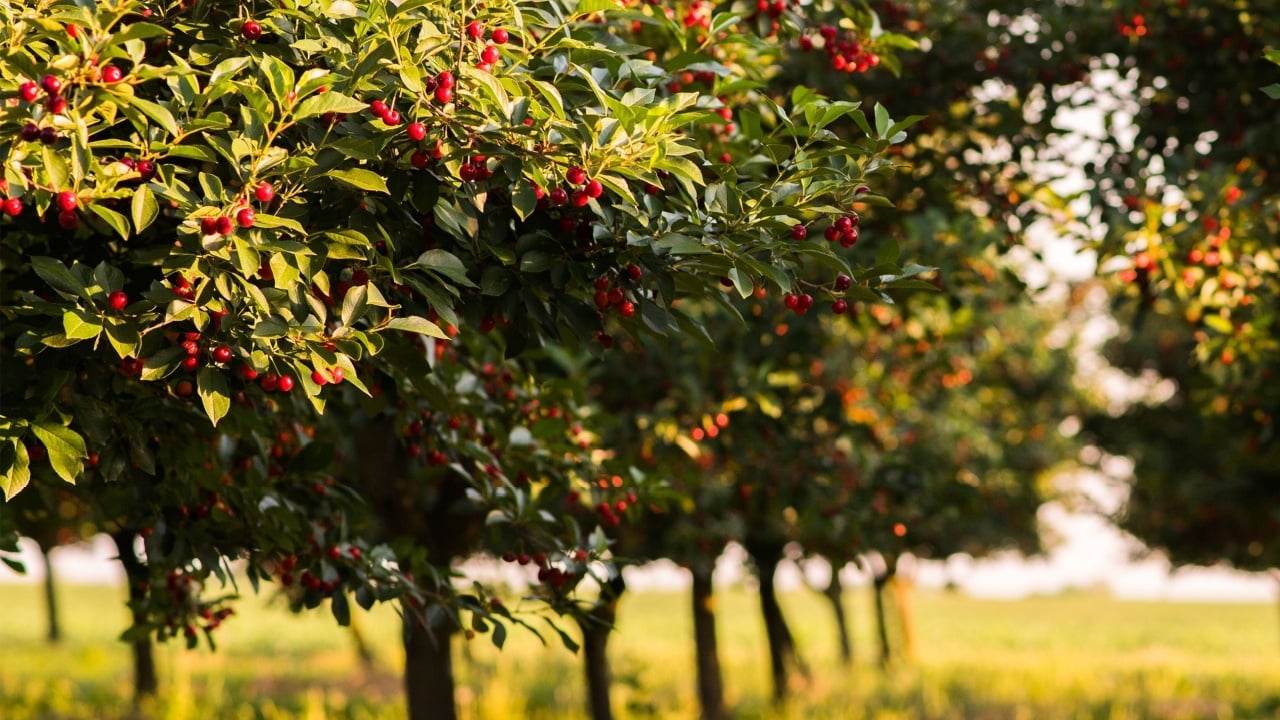
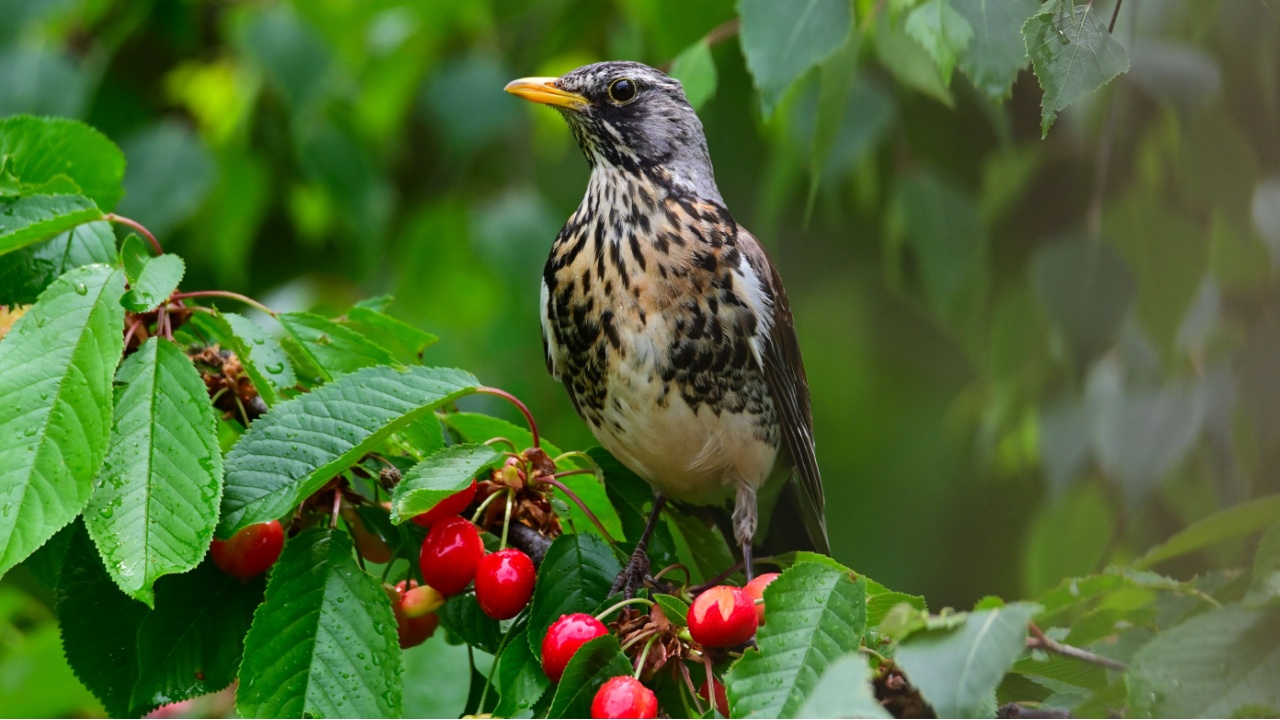
Native cherries, such as black cherry and common chokecherry, provide sweet fruit and leaves that feed many types of caterpillars, including the large cecropia moth and the abundant eastern tent caterpillar.
Cuckoos and orioles frequently visit cherry trees to feast on these specific insects. Homeowners should select native varieties, which require full sun and well-drained soil to produce the maximum amount of fruit.
Small songbirds use the silk from caterpillar nests found in cherry trees to construct their own nests, making this tree highly valuable for its combination of fruit, insects, and nesting materials.
- Best for: Providing fruit, caterpillars, and nesting materials.
- Birds attracted: Cuckoos, orioles, and small songbirds.
- Growing tips: Choose native varieties (not ornamental ones), provide full sun and well-drained soil.
4. Birches
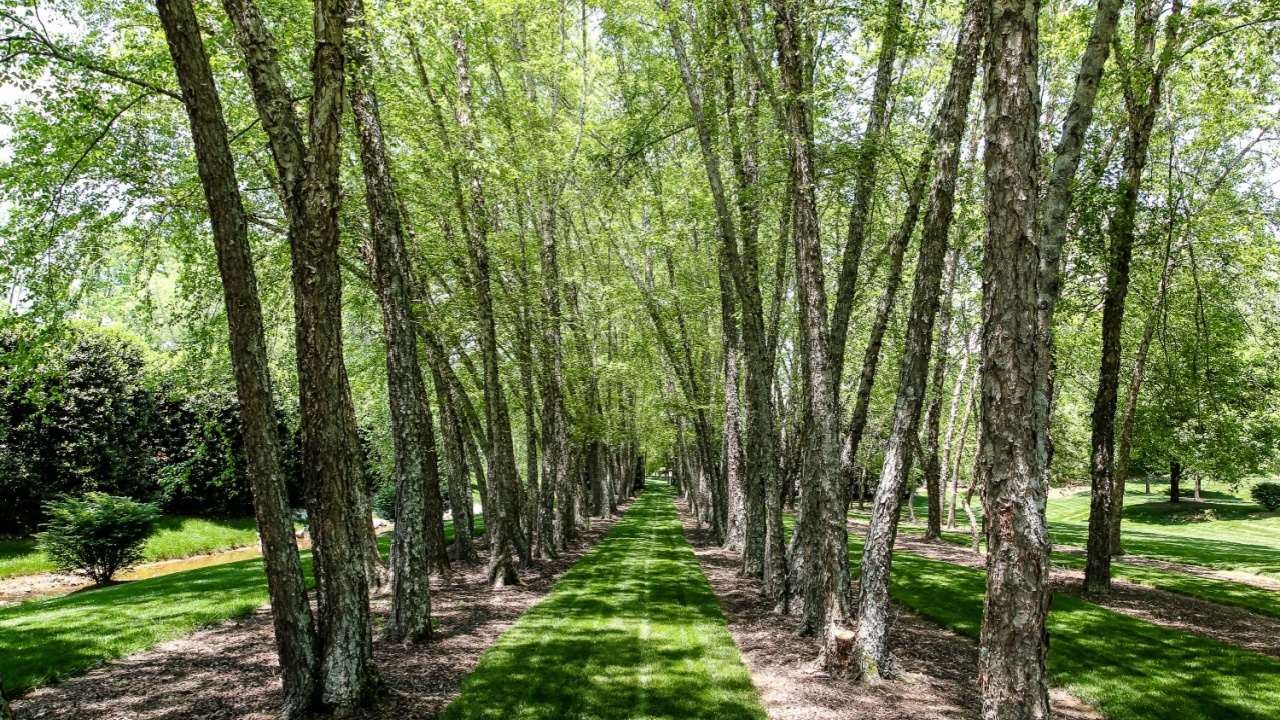
Birches feature complicated, peeling bark that shelters numerous invertebrates throughout the year. The leaves attract hundreds of butterfly and moth species, while the seeds and buds attract birds and small mammals alike.
The adaptable river birch is a fantastic option for residential landscapes, thriving in slightly acidic soil.
Small birds frequently forage along the textured trunk to find hidden insects, and the delicate branches provide ideal perches. Birches offer year-round interest and vital resources.
- Best for: Shelter for invertebrates and seeds/buds for birds.
- Birds attracted: Small foraging birds.
- Growing tips: River birch is a good choice; it prefers slightly acidic soil and retains moisture.
5. Dogwoods
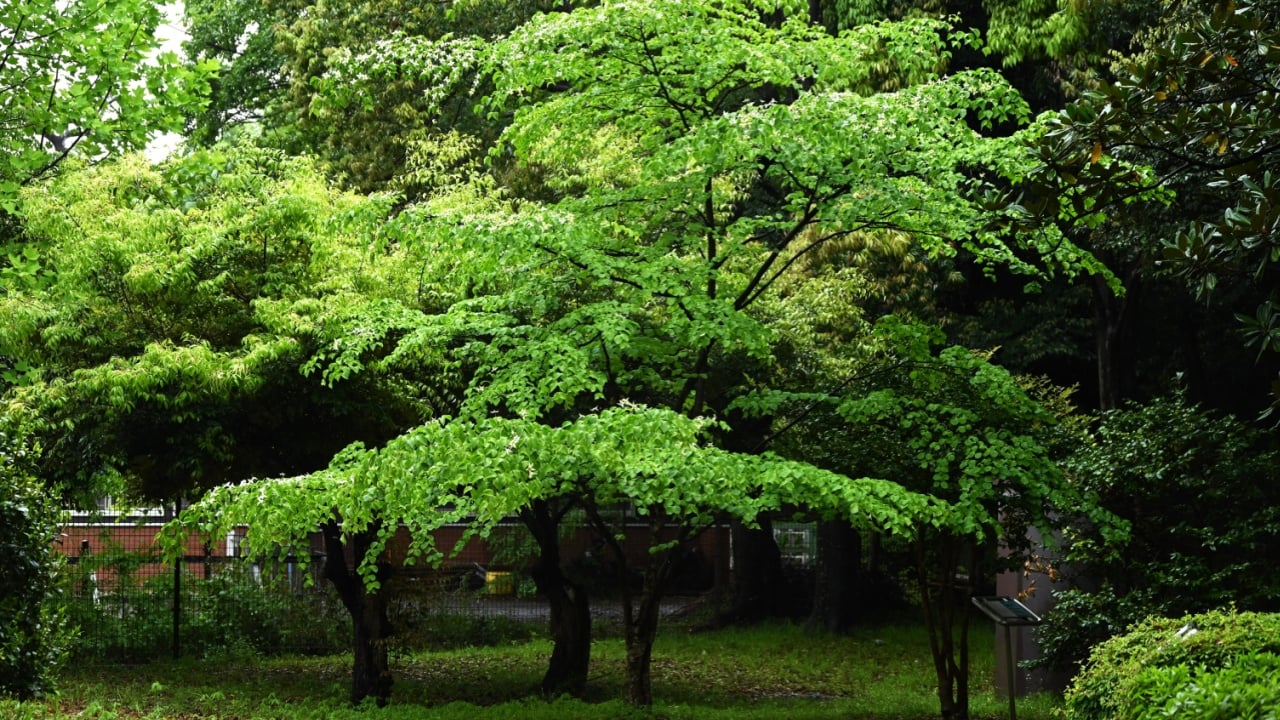
Dogwood trees feature bright flowers that draw in insects early in the season, and birds eagerly await the nutritious fall berries. Both eastern and western native dogwood species provide immense ecological value. It’s important to choose native species like the flowering dogwood instead of the non-native kousa dogwood.
These trees flourish in partial shade and prefer rich, well-drained soil. The berries sustain migrating birds needing quick energy for their long journeys, making this tree a perfect balance of visual beauty and practical wildlife support.
- Best for: Nutritious fall berries for migrating birds.
- Birds attracted: Migrating songbirds.
- Growing tips: Choose native species; thrives in partial shade and rich, well-drained soil.
6. Hollies
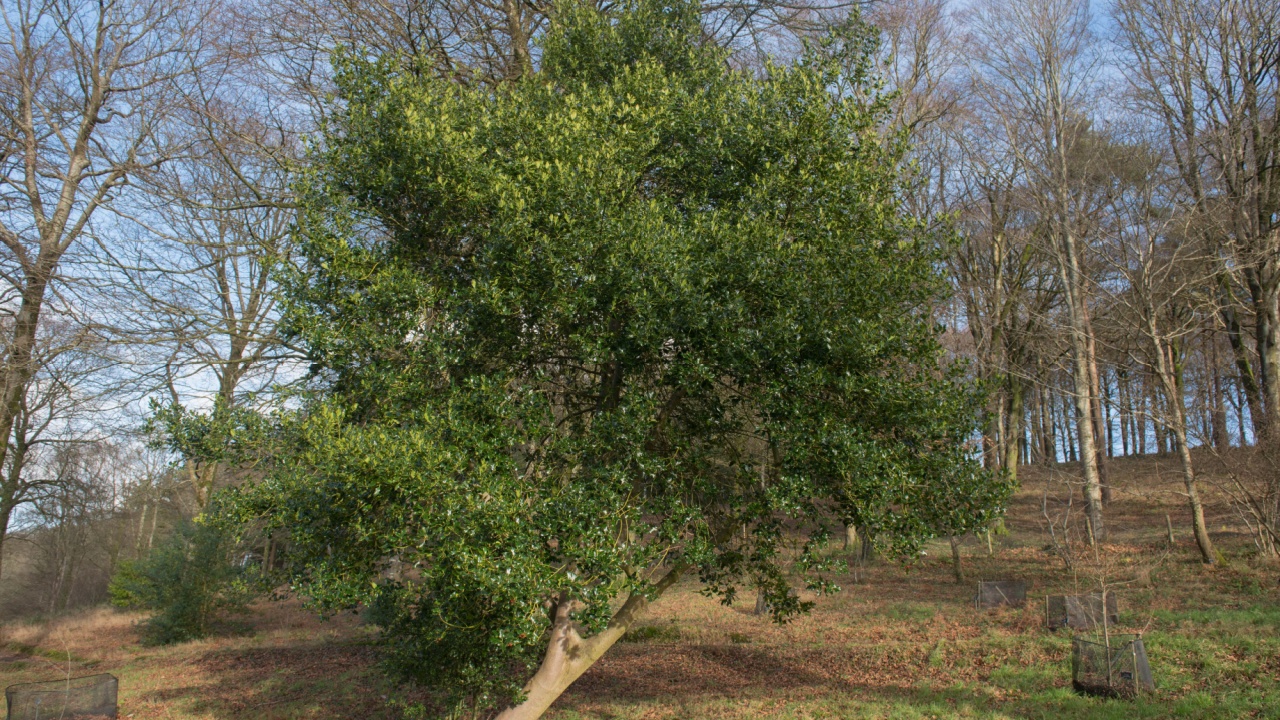
Many holly trees and shrubs remain evergreen to provide year-round shelter and nesting places. The bright berries ripen in late fall or early winter when other food sources become scarce.
Options range from large trees like the American holly to deciduous shrubs like the winterberry. Planting both male and female holly plants close together guarantees a vibrant crop of berries.
The dense, prickly leaves offer small birds a haven from hungry predators, and flocks of robins and waxwings frequently feast on the berries.
- Best for: Year-round shelter and late-season berries.
- Birds Attracted: Robins, waxwings, various small birds.
- Growing tips: Plant male and female plants together for berries; prefers slightly acidic soil.
7. Elderberry
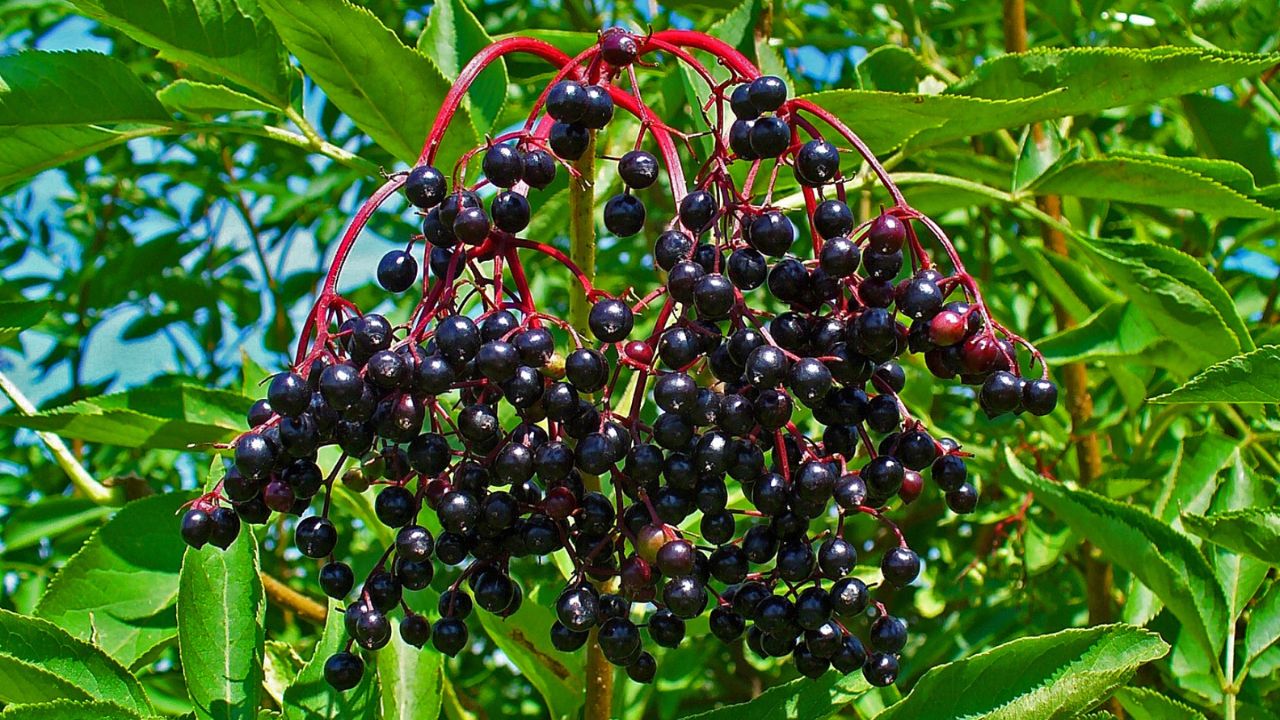
Elderberries grow as large shrubs or small trees that produce abundant flowers for pollinators, which then give way to dark, nutrient-dense summer berries that people and birds find irresistible.
These fast-growing shrubs prefer moist soil and full sun to partial shade, requiring plenty of space to spread out. Gardeners must act quickly to harvest the berries before the local birds consume them. The dense growth habit creates perfect hiding spots for shy ground-feeding birds.
- Best for: Dense cover and nutrient-rich summer berries.
- Birds Attracted: Ground-feeding birds and various fruit-eaters.
- Growing tips: Needs moist soil and space to spread; prune older stems in winter for new growth.
8. Mulberry
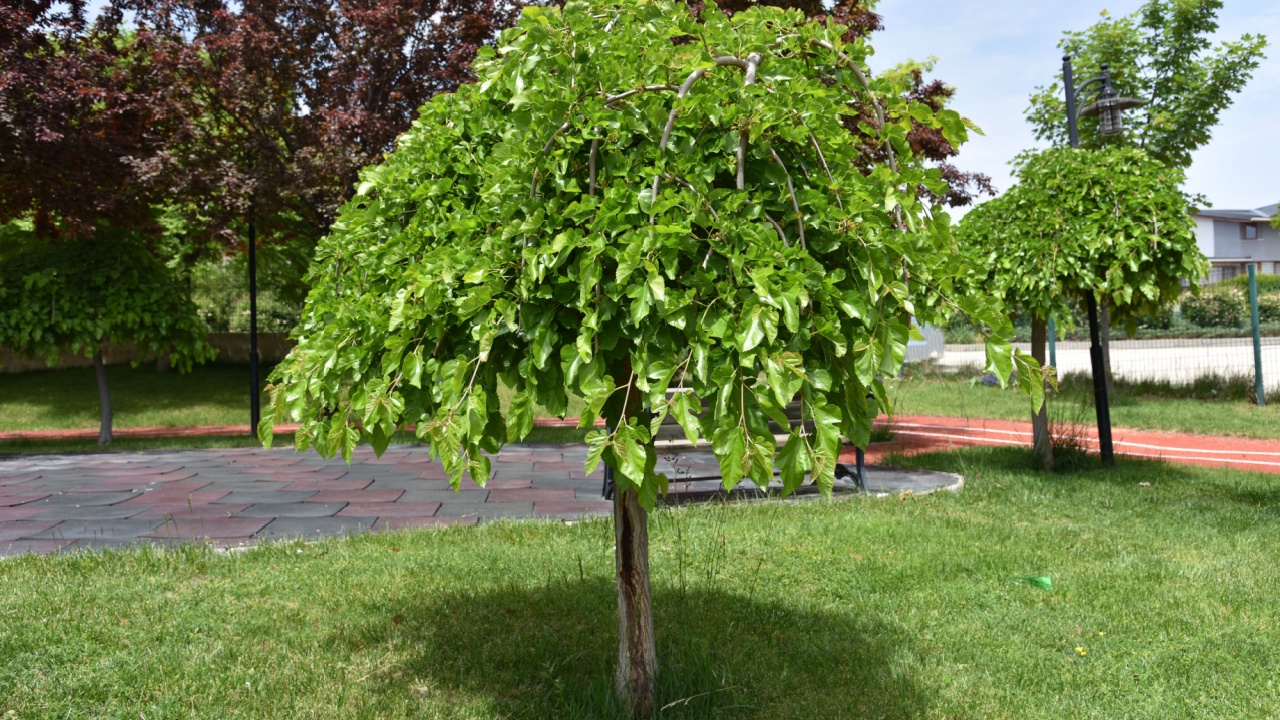
Native red mulberry trees bloom with spring flowers that attract swarms of beneficial insects and produce a massive crop of sweet fruits by mid-summer. Flocks of birds arrive daily to gorge themselves on the ripening berries. Landscapers should strictly avoid the invasive white mulberry and seek out the native red variety.
Red mulberries thrive in rich soil and can grow quite large. The sheer volume of fruit can sustain dozens of birds simultaneously, quickly making the tree a popular neighborhood dining spot.
- Best for: A massive crop of mid-summer fruit.
- Birds Attracted: Dozens of fruit-eating bird species.
- Growing tips: Use the native red mulberry (not invasive white); plant away from driveways to avoid stains.
9. Juniper
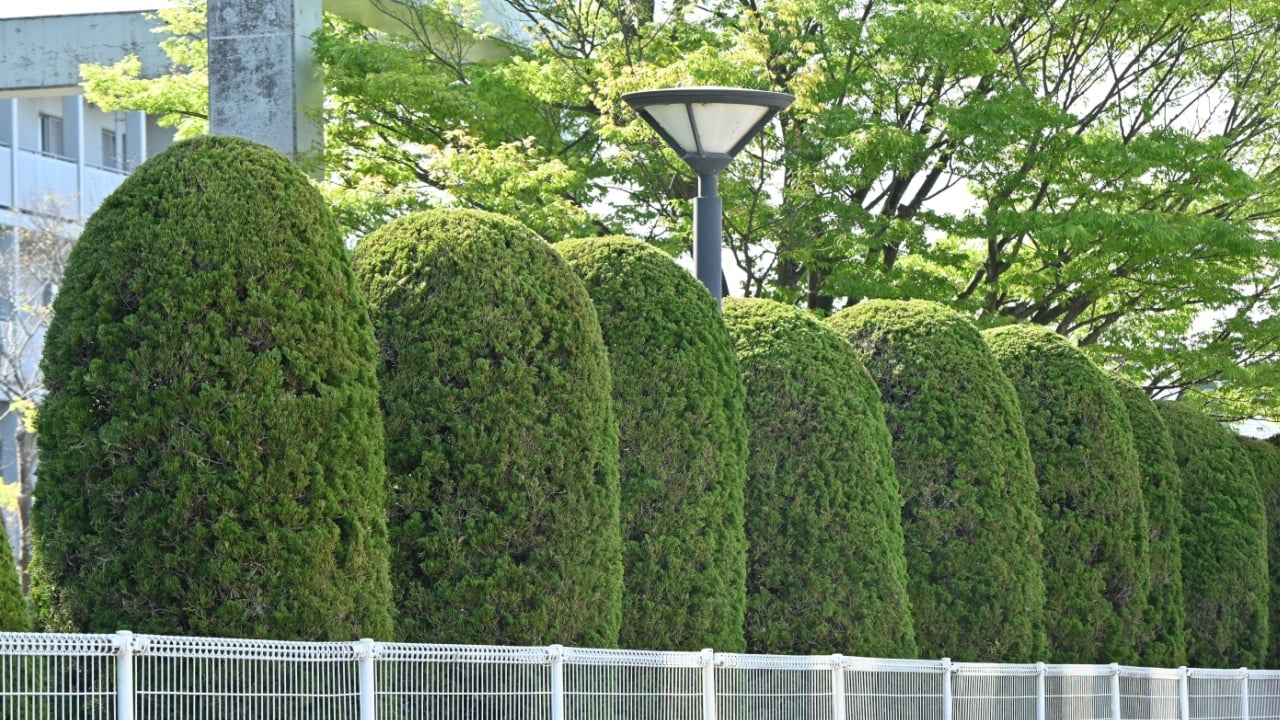
Juniper shrubs and trees, including the eastern redcedar, are evergreens that produce berry-like fruits and provide critical year-round cover for birds facing harsh weather. The small blue fruits are a dietary staple for birds like the Cedar Waxwing.
These hardy plants tolerate poor, dry soil better than most natives but require full sun and excellent drainage. Birds build nests deep within the prickly branches to protect their young from predators and harsh weather.
- Best for: Critical year-round cover and winter fruit.
- Birds attracted: Cedar Waxwings and other birds seeking shelter.
- Growing tips: Very hardy; tolerates poor/dry soil but needs full sun and good drainage.
10. Viburnums
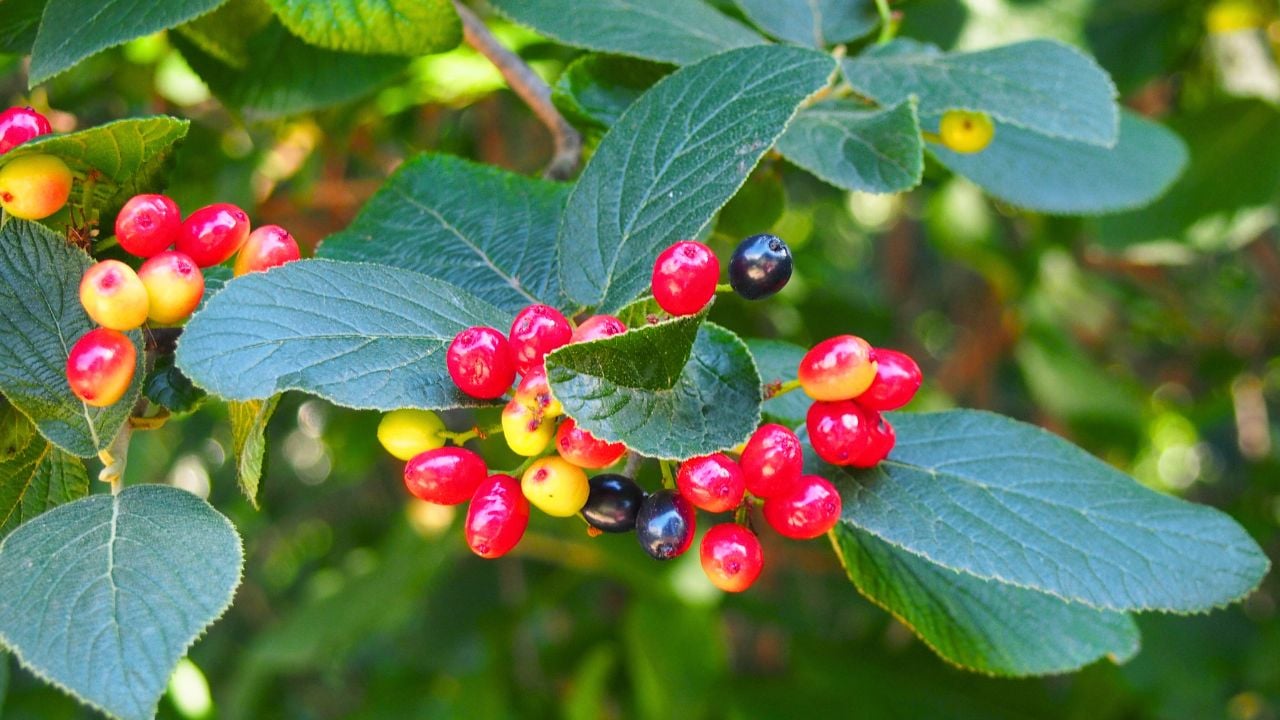
Viburnums naturally grow in the forest understory and adapt well to shaded residential yards. They attract myriad invertebrates to their flowers and leaves, and the resulting berries and dense branching structure create ideal nesting areas for a wide variety of songbirds.
Homeowners must carefully select viburnum species native to their specific region, like the highly recommended arrowwood viburnum.
The clusters of dark berries provide a crucial energy source for birds preparing for winter.
- Best for: Filling shady spots with nesting areas and berries.
- Birds attracted: A wide variety of songbirds.
- Growing tips: Select species native to your region; great for shade and require little maintenance.
11. Serviceberry

The Amelanchier family, commonly known as serviceberry, offers beautiful small trees highly popular with wildlife lovers. They provide delicate white flowers in early spring, followed by delicious fruits in early summer. The tree-sized downy serviceberry offers unmatched visual appeal and bird attraction.
Serviceberries thrive in full sun to partial shade and prefer well-drained, slightly acidic soil. Birds often strip the tree of its fruit the moment it begins to ripen, packing massive ecological benefits into a relatively compact tree.
- Best for: Early summer fruit in a compact, attractive tree.
- Birds Attracted: Various fruit-eating birds.
- Growing tips: Thrives in sun to partial shade; requires minimal pruning.
12. Blackberry and Raspberry
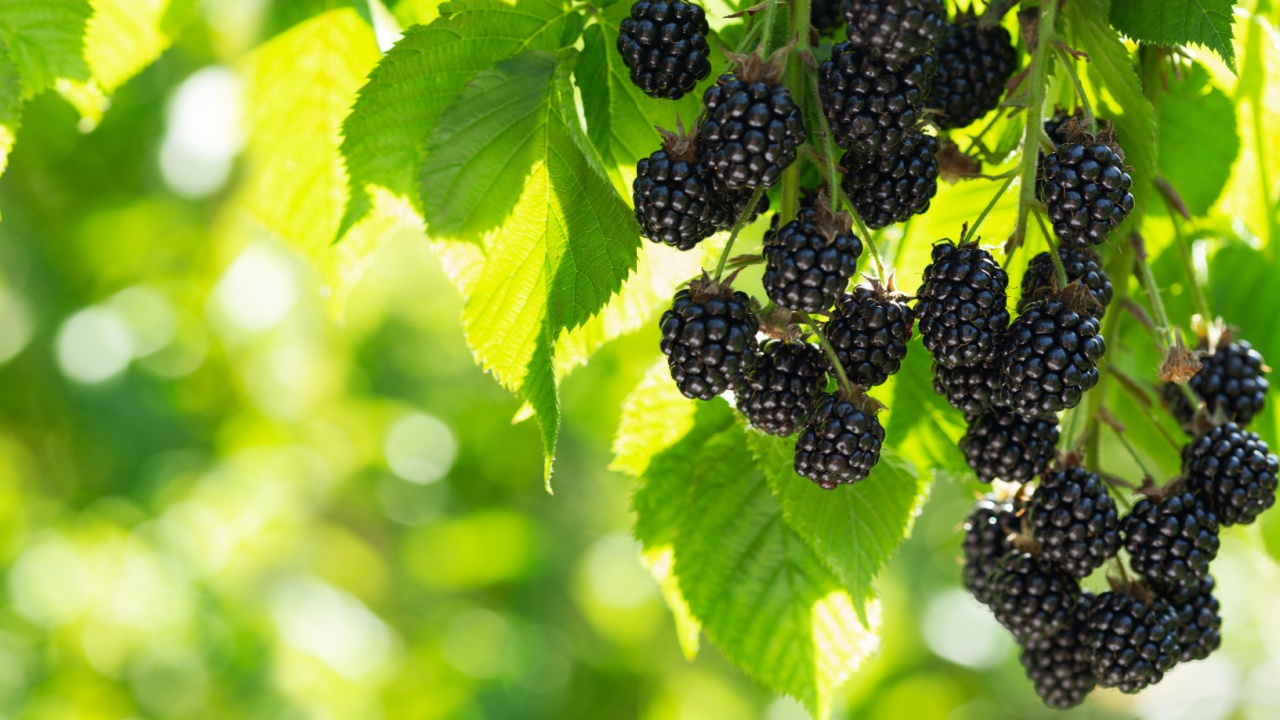
Blackberry and raspberry plants attract many insects to their small white flowers. These thorny plants create dense brambles that provide unmatched cover and safe nesting places for vulnerable songbirds. The resulting summer berries offer a sweet and hydrating treat for dozens of bird species.
Gardeners must carefully select native varieties and prune regularly to keep the thickets manageable. The sharp thorns deter predators from reaching nests hidden deep within the bramble patch.
- Best for: Excellent protective cover and summer berries.
- Birds Attracted: Catbirds, mockingbirds, towhees.
- Growing tips: Choose native varieties; requires full sun and regular pruning to manage growth.
13. Buttonbush
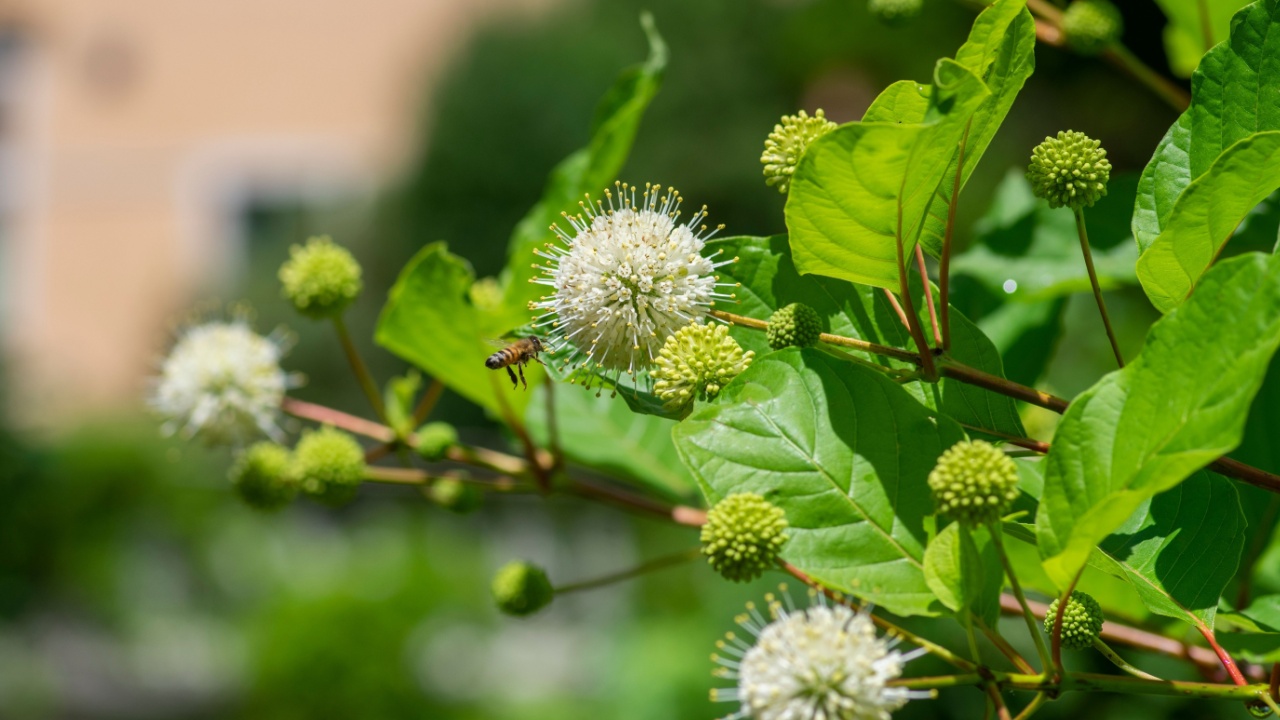
Buttonbush thrives in wetland areas and produces unique, spherical white flowers that draw in incredible numbers of butterflies, bees, and other flying insects. These flowers eventually form hard seed heads that waterfowl and songbirds consume in the fall.
This native shrub requires consistently moist soil, making it a perfect addition to a rain garden or pond edge. The intricate branching structure offers a safe resting place for birds visiting the water source.
- Best for: Attracting pollinators and providing seeds in wet areas.
- Birds Attracted: Waterfowl and songbirds (eating seeds).
- Growing tips: Requires consistently moist soil; perfect for rain gardens or pond edges.
14. Spicebush
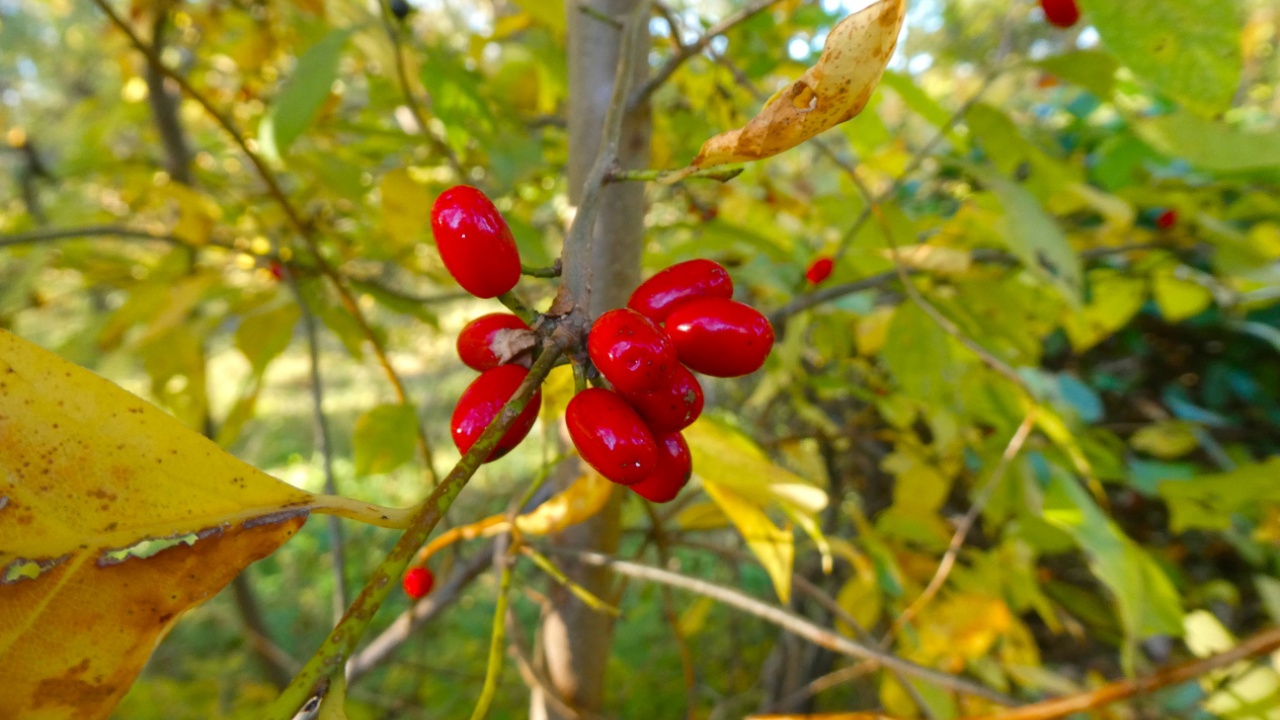
Spicebush serves as a critical host plant for the spicebush swallowtail butterfly. Female plants produce bright red berries in the fall that boast a remarkably high fat content. Planting a mix of male and female plants guarantees a healthy crop of berries.
They naturally grow in the forest understory and thrive in shaded gardens. Migrating birds actively seek out the lipid-rich berries to fuel their long flights southward, adding incredible ecological value to shaded corners of a property.
- Best for: High-fat berries for migrating birds in shaded areas.
- Birds Attracted: Migrating songbirds.
- Growing tips: Plant both male and female plants; thrives in partial to full shade.
Your Yard is an Ecosystem Waiting to Happen
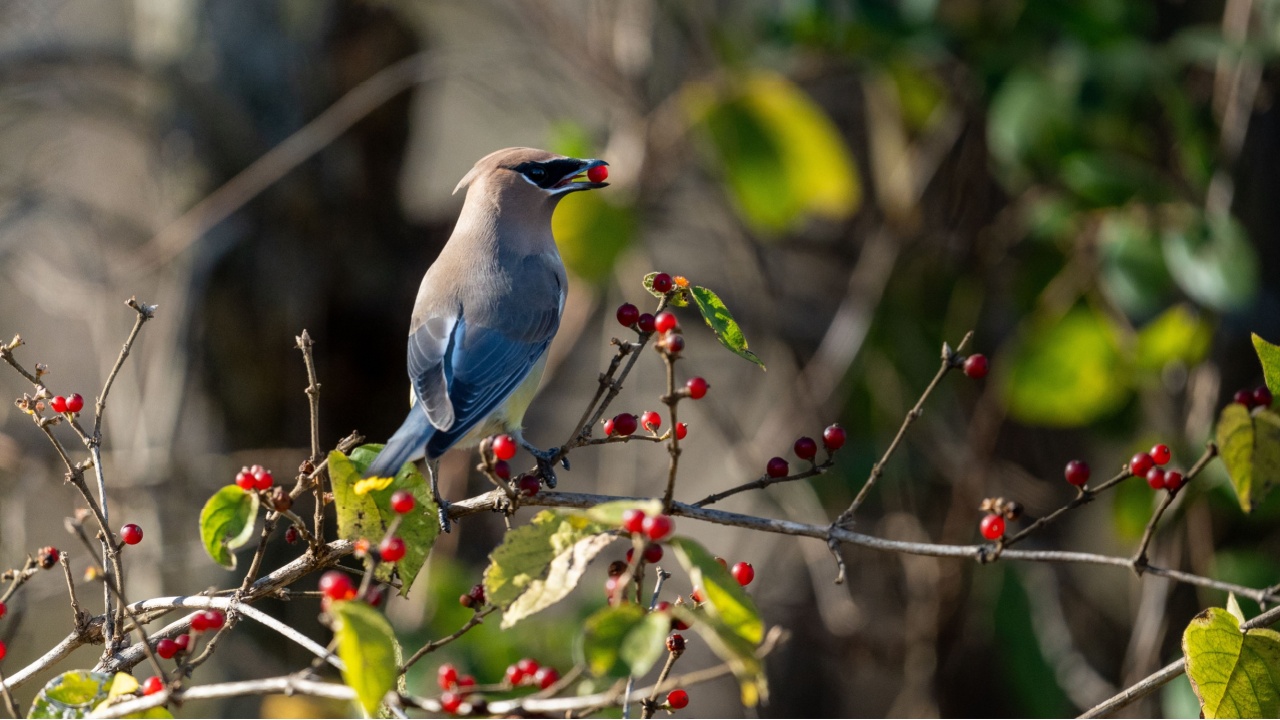
Take a look outside. Every patch of lawn is a missed opportunity to create a thriving habitat. By swapping out just a few feet of grass for some of the native trees or shrubs on this list, you’ll immediately start providing more food and shelter for your local wildlife.
Ready to get started? Reach out to a local native plant nursery to find the perfect species for your yard.
Read More:
12 Tips to Make Bluebirds Regular Visitors in the Yard
Do It For the Birds and Bees: 8 Easy Steps to Build a Pollinator Garden