13 DIY Home Projects That Unknowingly Void Insurance
Taking on a home improvement project yourself can be rewarding. Simple tasks like painting walls or hanging shelves are harmless; however, complex jobs can put your home insurance at risk.
Venturing into plumbing, electrical work, or structural changes increases the chance of accidents. According to the Insurance Information Institute, water and fire damage are two of the most frequent and costly claims homeowners face each year.
Insurance providers require that all major repairs meet local building codes and professional standards. If you need to make a claim, the adjuster will most likely check for any unpermitted work, which could lead to your claim being denied.
This guide will show you which DIY projects could void your policy. Read on to see which jobs require a licensed professional to ensure your insurance coverage remains valid.
1. Unlicensed Electrical Work
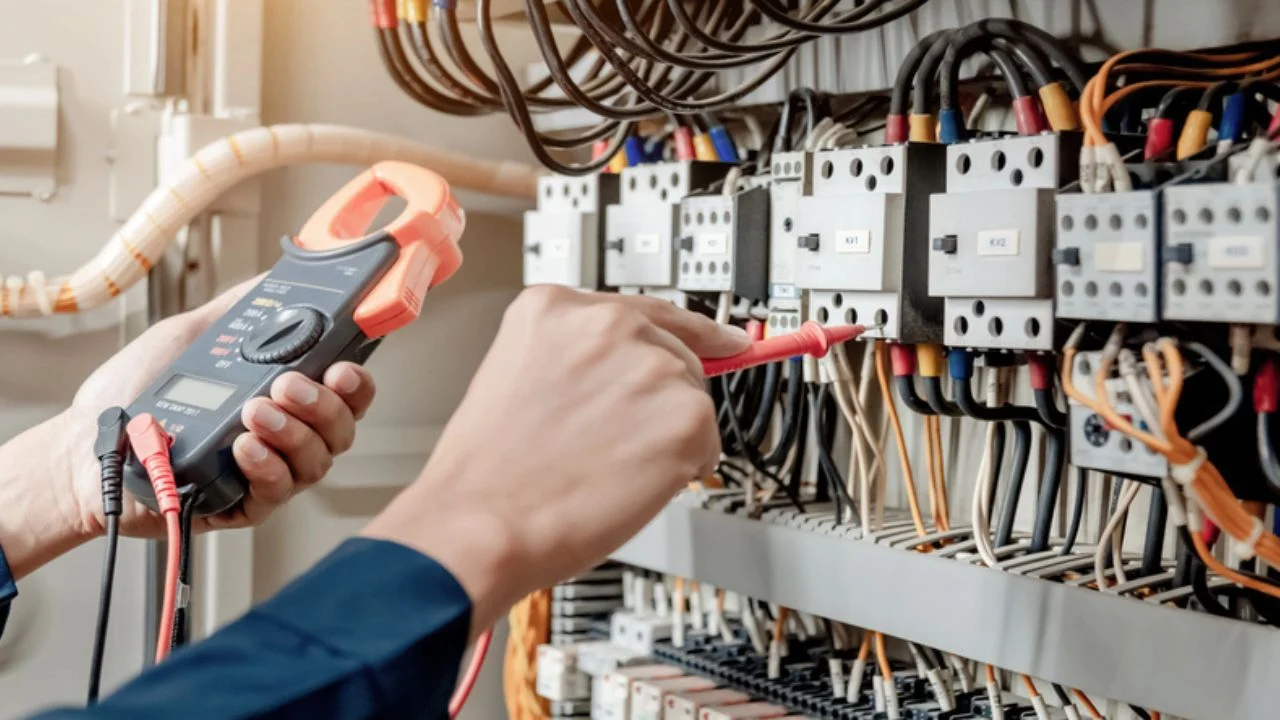
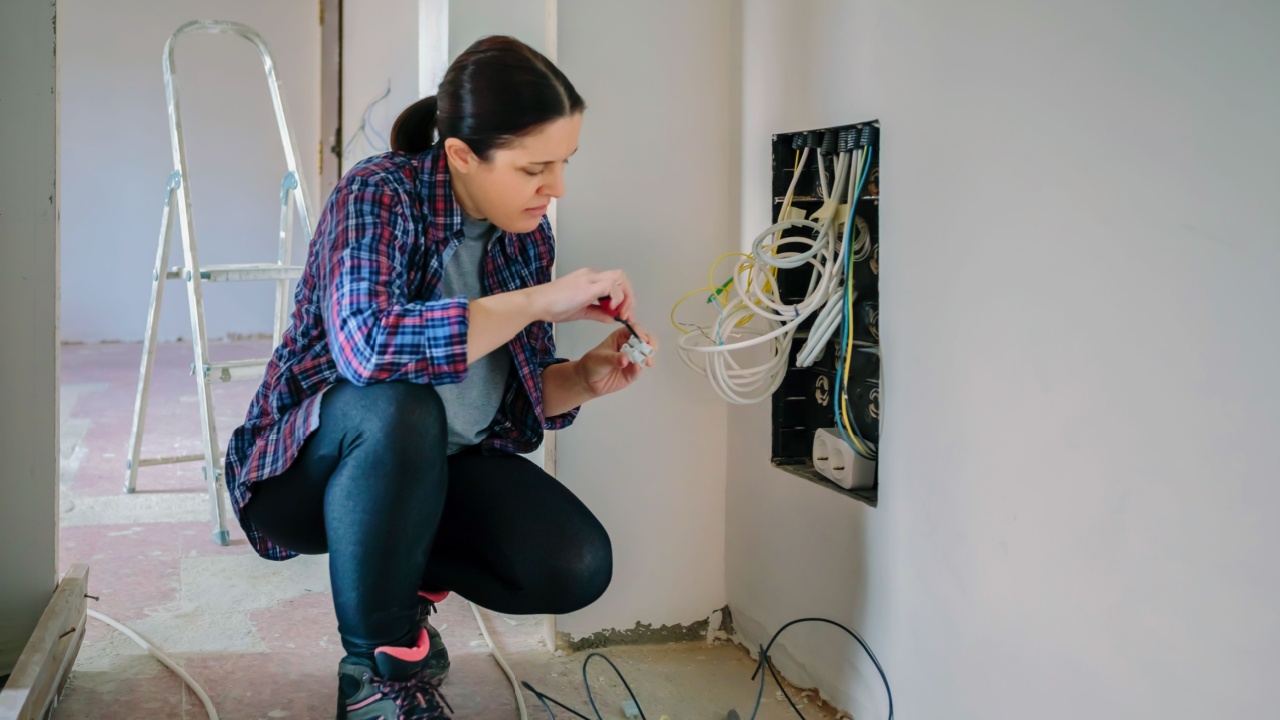
Thinking about rewiring a room after watching a few online tutorials? You might want to reconsider. Faulty electrical work is a major fire hazard, leading to nearly 50,000 house fires each year. Insurance companies have strict rules and require all electrical installations to meet local safety codes to even consider covering a fire-related claim.
If a fire breaks out and an investigation finds that unpermitted, amateur electrical modifications were made, the insurance adjuster will likely deny the claim immediately. This could leave the homeowner facing financial losses and responsible for all repair costs out of pocket.
The safest bet is to always bring in a licensed electrician. Professionals understand the complex code requirements and can provide the necessary documentation to prove the work was done correctly.
2. DIY Wood-Burning Stove Installation
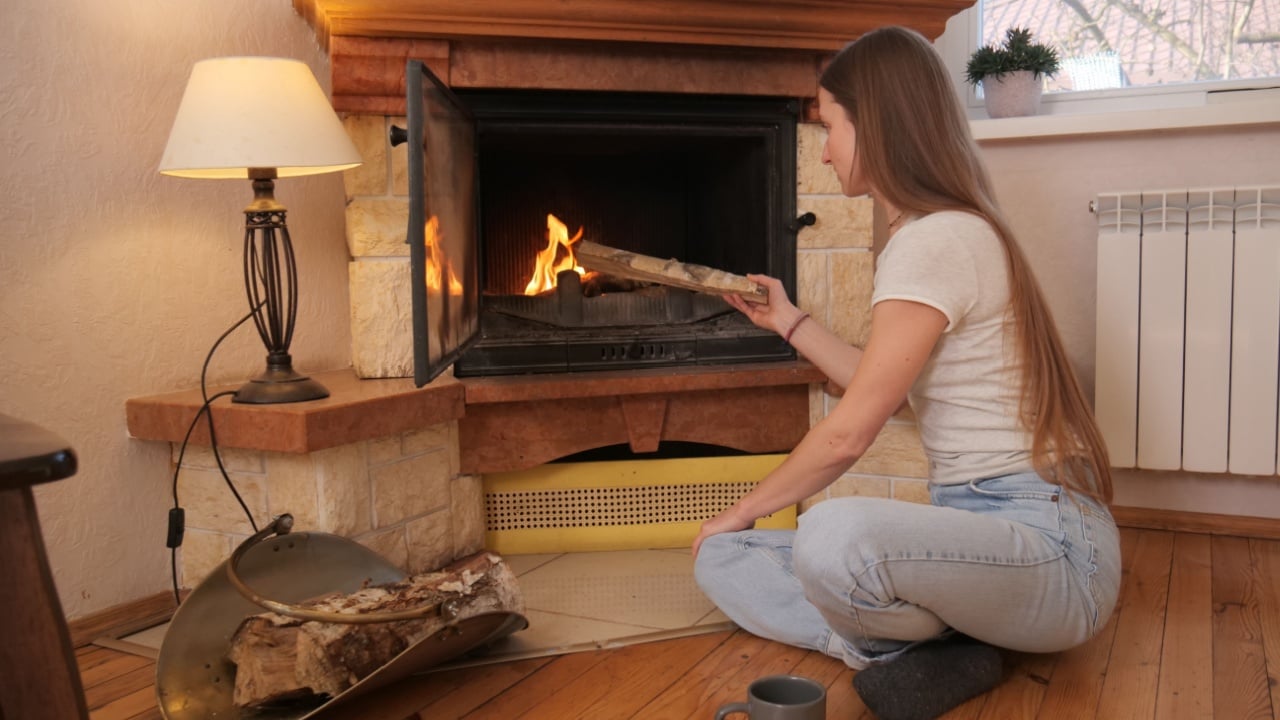
Setting up a wood-burning stove incorrectly is a serious risk that makes insurance providers nervous. Improper venting is a primary concern, as it can lead to poor indoor air quality and, more dangerously, create a significant fire hazard from stray embers.
Because the risk is so high, insurers demand that any stove installation be signed off by a professional. They check for proper chimney placement and require specific clearance from walls and other flammable materials.
Hiring a certified installer from the beginning is the best approach. It’s also smart to keep all receipts and inspection certificates in a dedicated folder. This paperwork will be crucial proof of compliance if you ever need to file a claim.
3. Replacing Your Roof
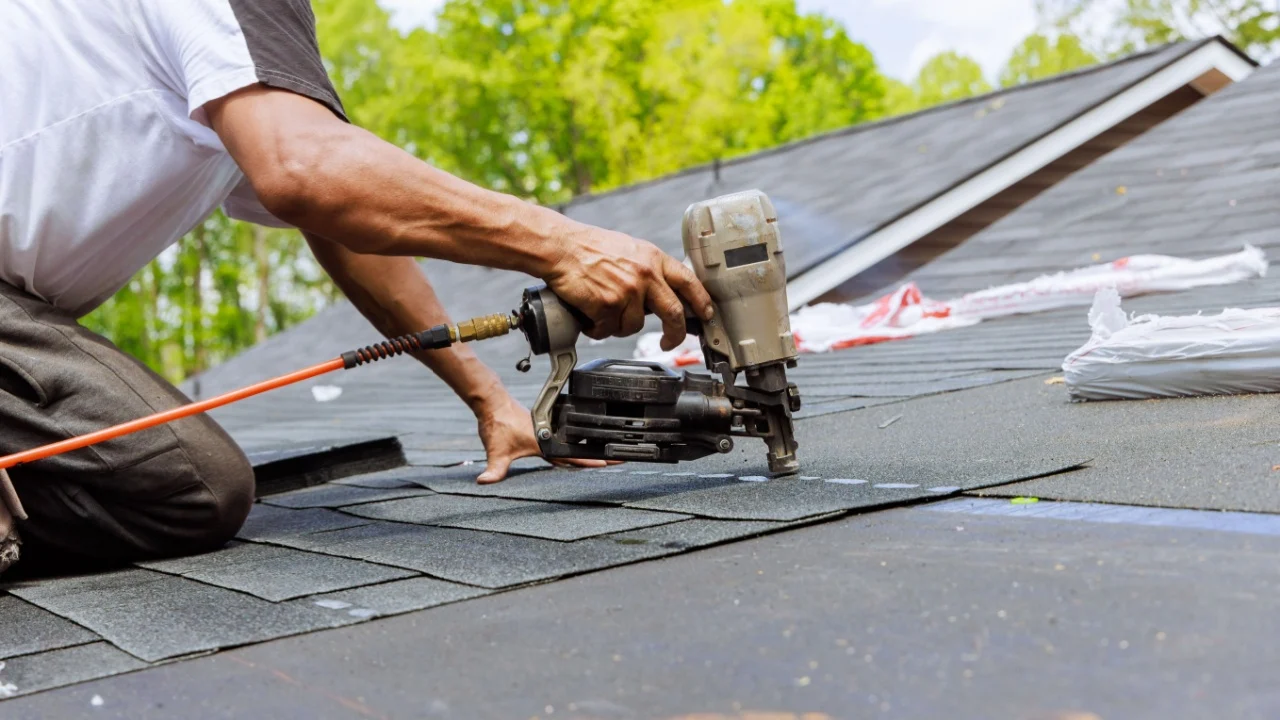
The idea of saving thousands on labor by replacing a roof yourself is tempting. However, when it comes to insurance, a certified installation is non-negotiable. Amateur roofing jobs are plagued with common mistakes like improper flashing or loose shingles, which are prime causes of water intrusion and leaks.
Should a leak occur and the insurance adjuster discovers it’s the result of a DIY roofing attempt, the claim will almost certainly be denied on the grounds of homeowner negligence.
Water damage can be incredibly costly to repair, making this a huge financial gamble. To avoid this headache, it’s essential to hire a reputable, licensed roofing company.
4. Removing a Structural Wall
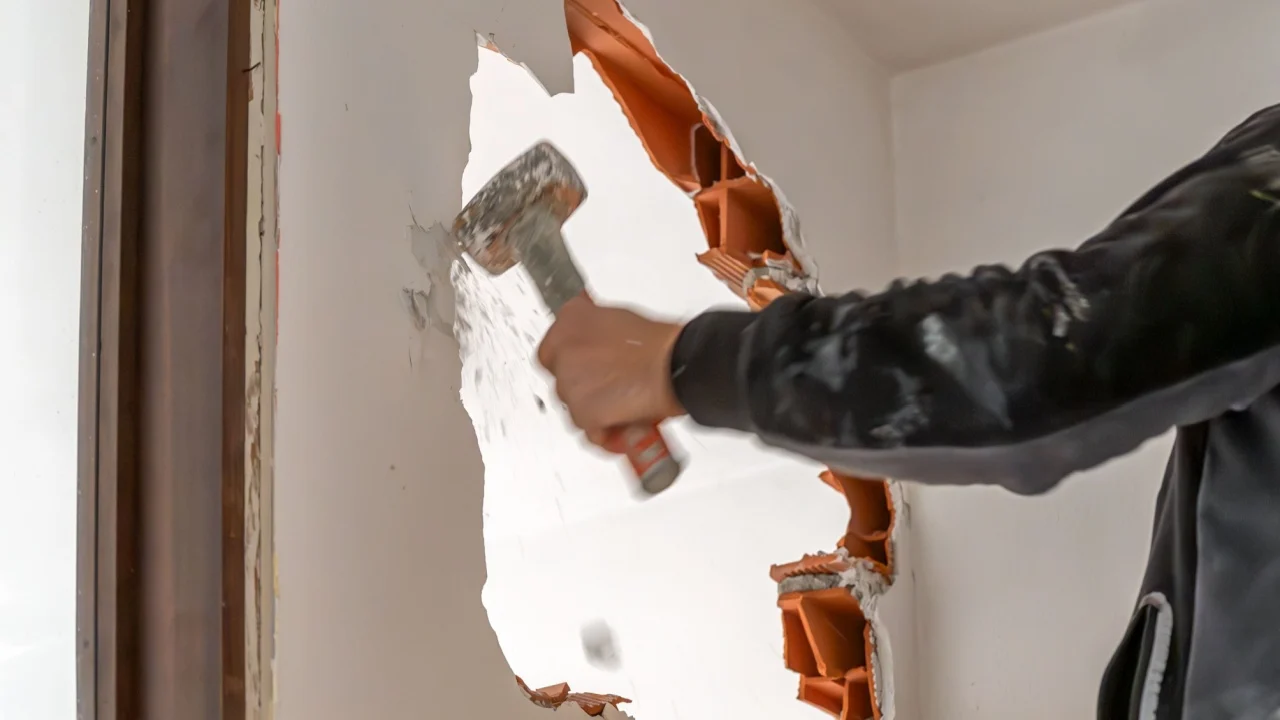
Removing a wall to create an open-concept living space might seem like a great way to update your home, but it’s a huge risk from an insurer’s viewpoint. Structural walls support your home’s weight, and removing one without a proper engineering plan can cause a roof collapse or severe foundation issues over time.
If a structural problem occurs after you’ve removed a wall without a permit, your insurance company will almost certainly refuse to cover the damages. They consider unauthorized structural modifications a deliberate disregard for the home’s integrity, which can void parts of your policy.
Before you take a sledgehammer to any wall, you must consult a structural engineer or architect. They can identify if the wall is load-bearing and design a safe plan for its removal.
5. Major DIY Plumbing Repairs
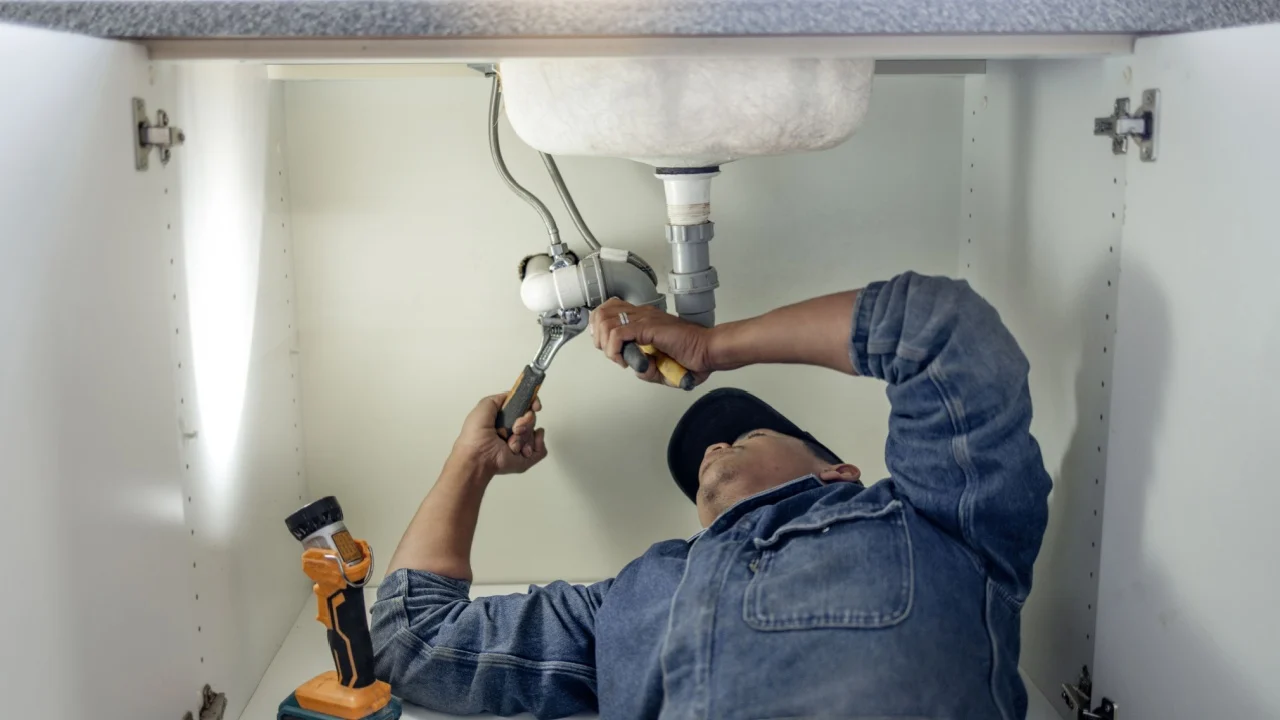
Fixing a leaky pipe can quickly turn into a homeowner’s nightmare. Water damage is one of the most common and expensive property claims, and a poorly sealed pipe or faulty connection can flood an entire home in just a few hours.
Insurance companies will investigate the cause of a flood, and if they find evidence of unlicensed plumbing work, they will deny the claim. The cost of mold remediation alone can often be more expensive than the initial repair, making a DIY shortcut a significant financial risk.
It’s best to leave major plumbing jobs, like replacing pipes or working on the main water line, to certified professionals. Keeping detailed invoices for all repairs proves that the home is maintained to industry standards, which helps keep the insurance policy intact.
6. Building a Deck Without a Permit
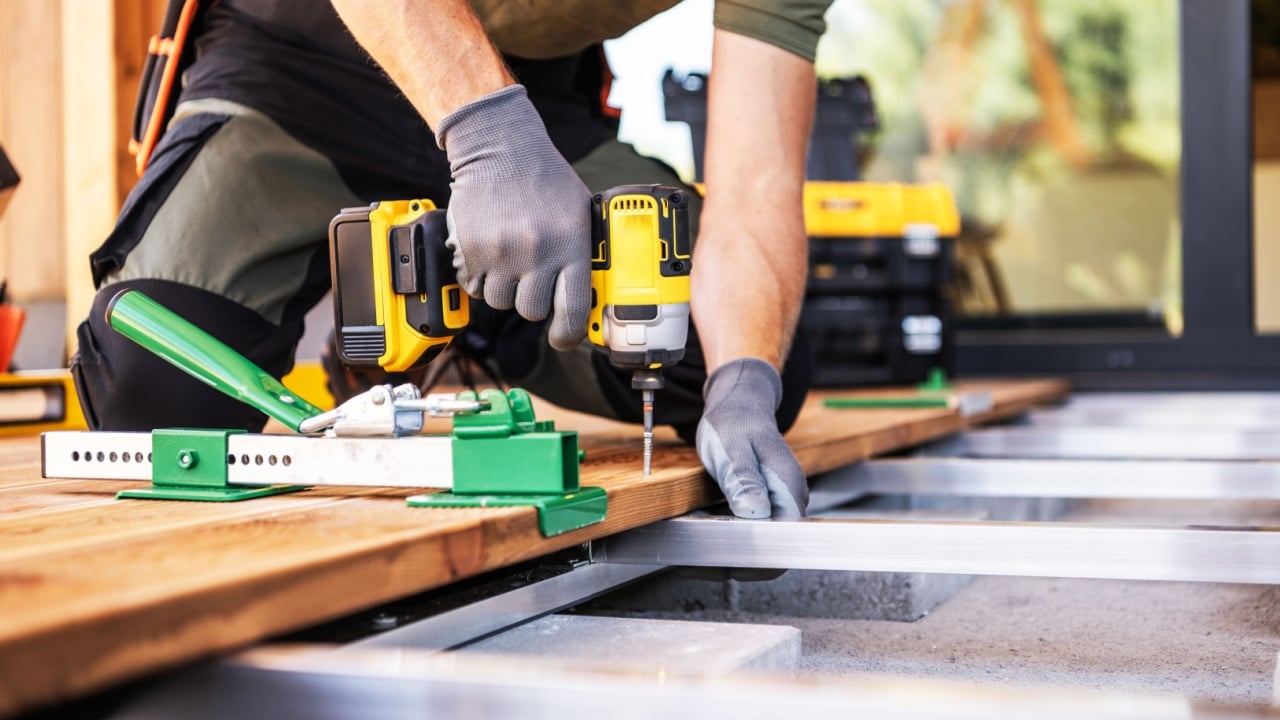
Building a deck without the proper permits can put a homeowner’s liability coverage in serious jeopardy. Deck collapses are surprisingly common and can lead to severe injuries.
If someone is injured on an unpermitted deck, the insurance company will likely reject any medical or property claims related to the incident. In their eyes, the unapproved construction is a breach of the policy agreement, meaning the homeowner is left personally responsible for all costs.
Always hire a licensed contractor who can design and build the deck according to local codes. They will also handle submitting the plans for city approval before any work begins, ensuring the final structure is safe, compliant, and insurable.
7. Installing Gas Appliances on Your Own
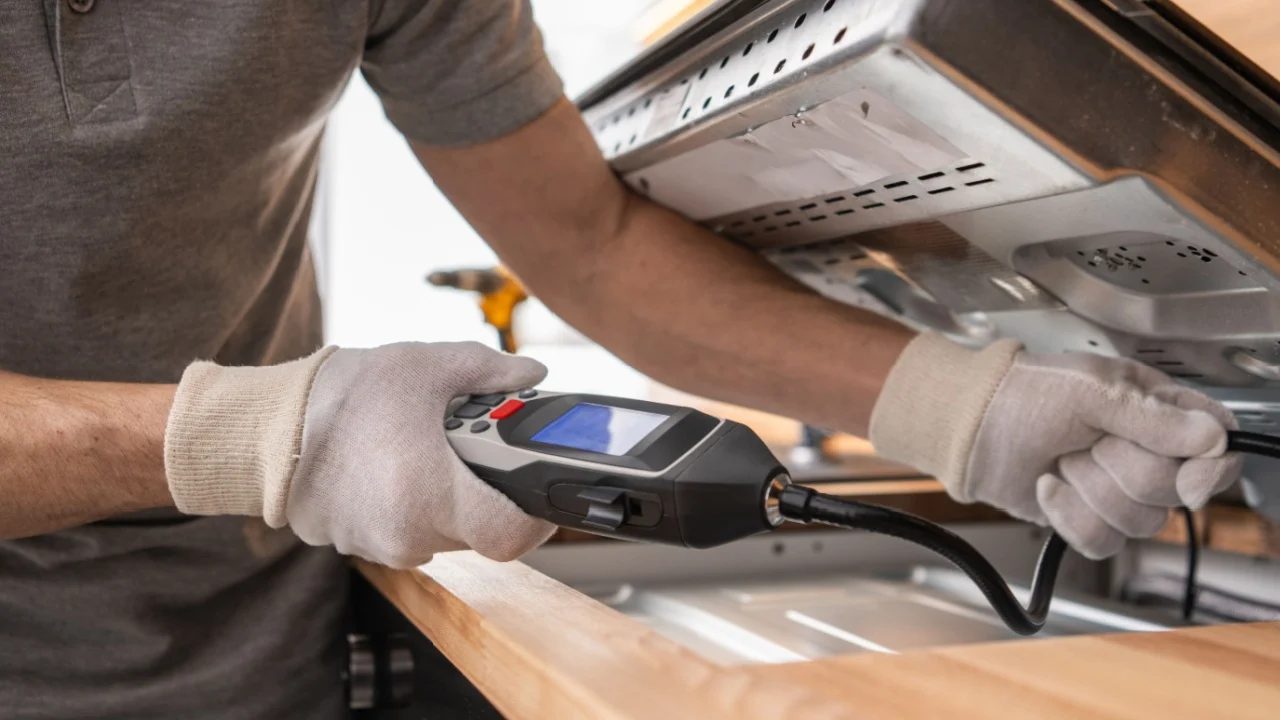
Connecting a new gas stove might appear simple, but gas lines demand professional precision. A small mistake can lead to a gas leak, which creates a risk of carbon monoxide poisoning or, in the worst-case scenario, a devastating explosion. These are preventable tragedies that insurers take very seriously.
If a fire or other damage is traced back to a botched DIY gas connection, the resulting insurance claim will almost certainly be denied. The insurance provider will argue that the incident could have been avoided by hiring a professional.
For safety and to keep your policy active, it’s crucial to have a certified plumber or a technician from the local utility company handle all gas appliance hookups. Additionally, installing carbon monoxide detectors near these appliances is an essential safety measure.
8. Taking Shortcuts with Basement Waterproofing
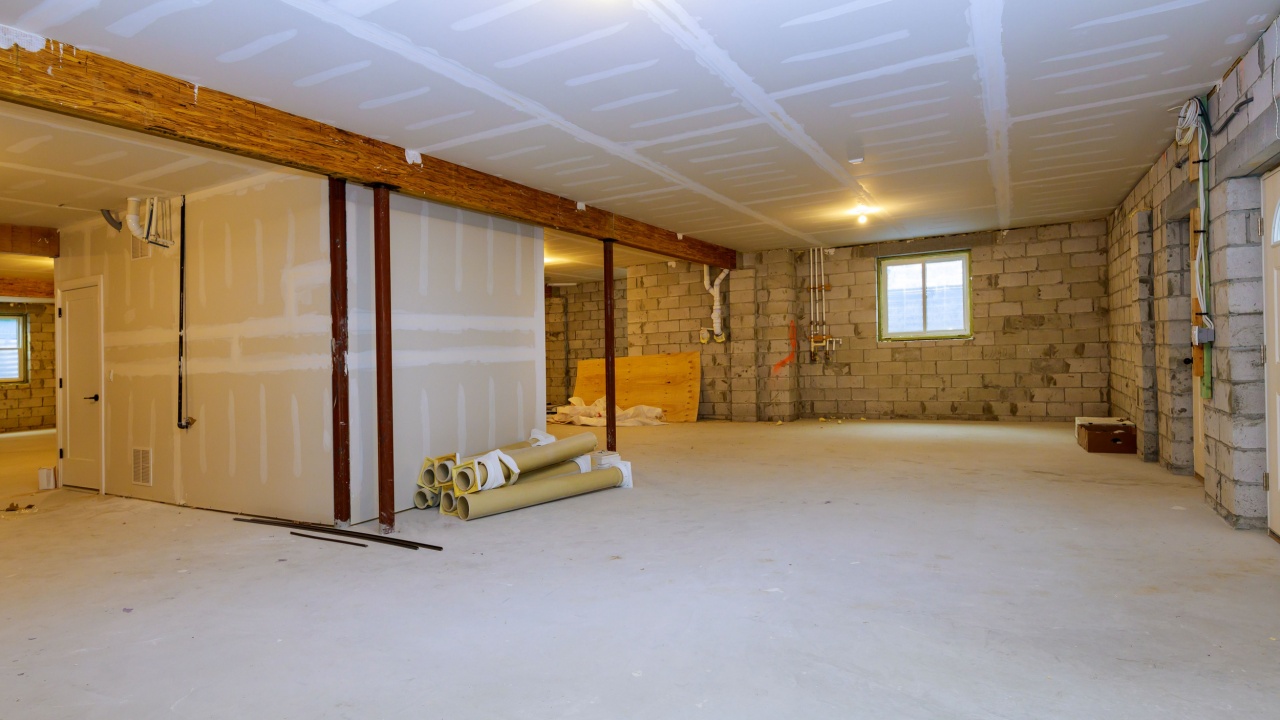
When dealing with a damp basement, applying a sealant or creating a makeshift drainage system might seem like a quick and cheap solution. However, these amateur fixes often fail when faced with significant water pressure, leading to major flooding. Just a single inch of water can cause thousands of dollars in damage.
If a basement floods after a homeowner has attempted their own waterproofing, the insurance company is likely to deny the claim, citing the inadequate repairs. In contrast, professional solutions like perimeter drainage systems come with warranties that insurers recognize as valid protection.
Specialized contractors can install effective systems like sump pumps and French drains that meet industry standards and satisfy insurance requirements.
9. DIY HVAC System Installation

Heating, ventilation, and air conditioning (HVAC) systems are complex, involving high-voltage electrical components and chemical refrigerants. An improper installation can create serious fire hazards or lead to toxic leaks.
Professionals use precise calculations to size units and install ductwork correctly, a task that amateurs are not equipped to handle. If an amateur HVAC setup leads to a fire or other damage, insurers will not hesitate to deny the claim.
To protect both the property and the insurance policy, homeowners should always hire a licensed technician for installations and schedule annual maintenance.
10. Building a Fence Without Checking Rules
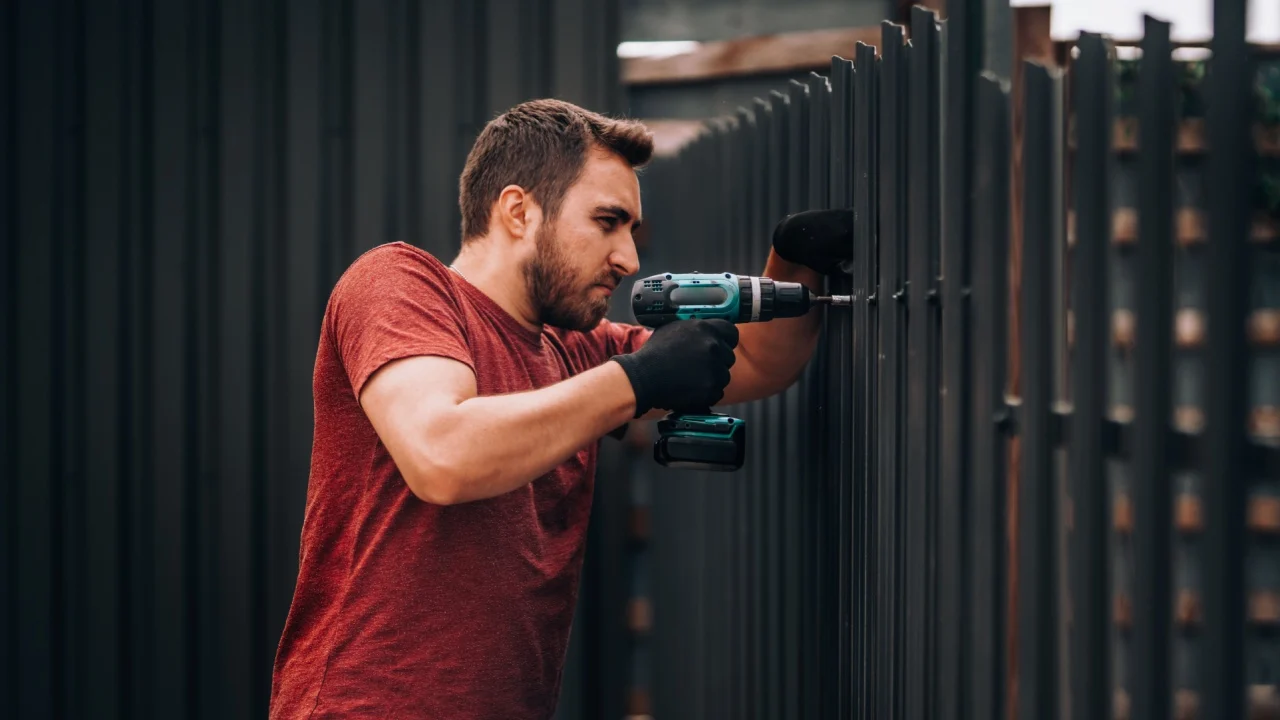
Building a fence on a neighbor’s property or over a utility easement can lead to significant disputes and costly litigation. Boundary disagreements are common and can be very difficult to resolve.
If a fence is built illegally, an insurance company will not cover the legal fees or the cost of moving it. A neighbor could even legally force the homeowner to tear it down at their own expense.
To avoid these problems, it’s essential to get a professional land survey done before any construction begins. It’s also important to check local zoning laws regarding fence height, materials, and placement to ensure everything is done by the book.
11. Unapproved Foundation Modifications
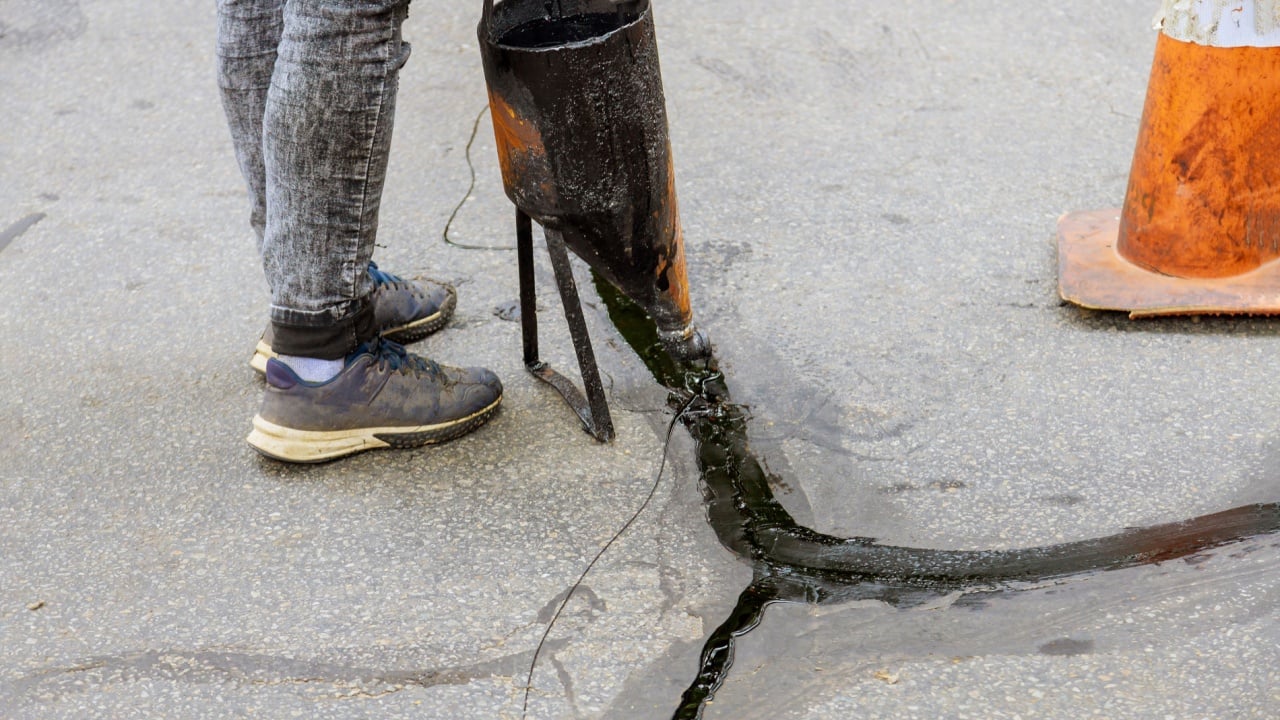
Patching a small crack in the foundation might seem like a simple repair, but using the wrong materials can do more harm than good. These DIY fixes can hide serious underlying structural problems that could lead to catastrophic failure down the road.
Since most insurance policies do not cover damage from natural earth movement, an amateur foundation patch gives adjusters another reason to deny a claim. They often categorize such repairs as neglected maintenance.
The moment a homeowner notices signs of shifting, they should contact a foundation repair specialist to get a detailed engineering report and make sure the correct remediation is performed.
12. Cutting Down Large Trees Yourself
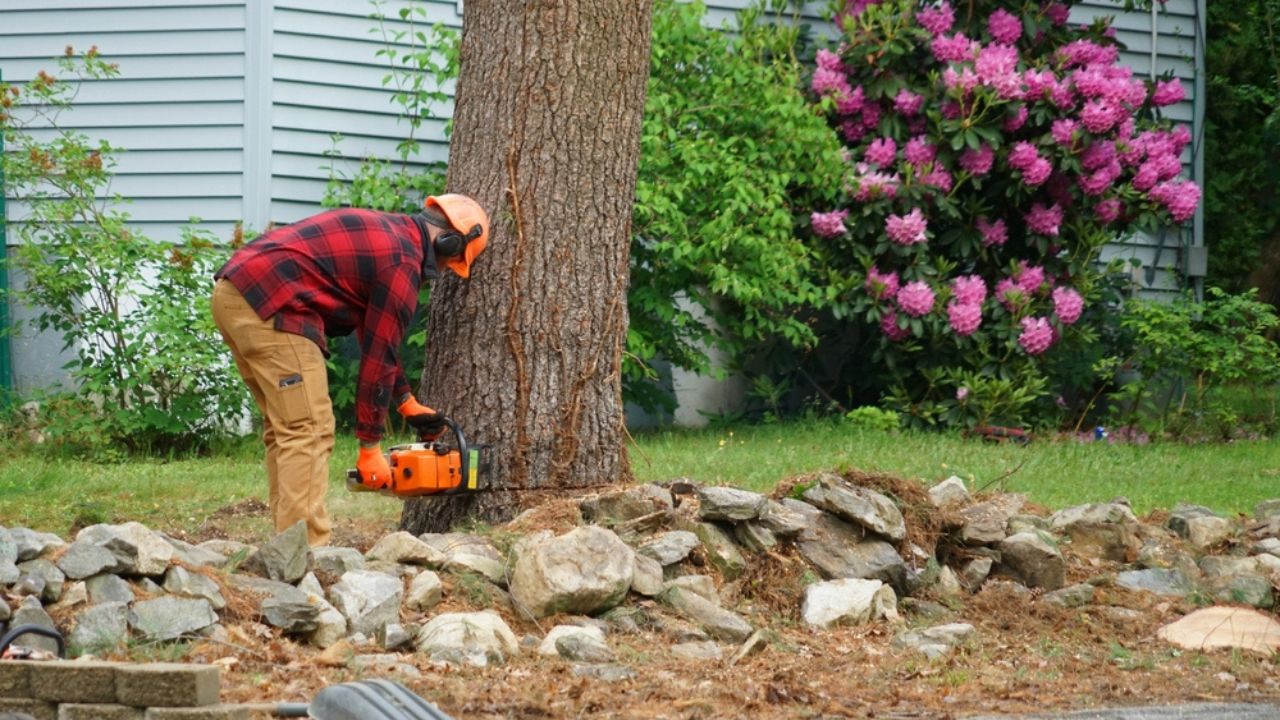
Removing a dead or oversized tree might seem like a way to save a few hundred dollars. However, felling a large tree is a dangerous task that requires specialized equipment and a deep understanding of physics. A mistake can lead to serious property damage or injury.
If a homeowner attempts to remove a large tree and it falls on a neighbor’s house or car, the liability rests entirely on them. Insurance companies often classify amateur tree felling as reckless behavior and will deny any resulting claims, leaving the homeowner to pay for the damages out of pocket.
The safest and most responsible choice is to hire a certified arborist who carries their own liability insurance. This is especially important for any tree that is taller than a single-story home.
13. DIY Smart Water Valve Installation
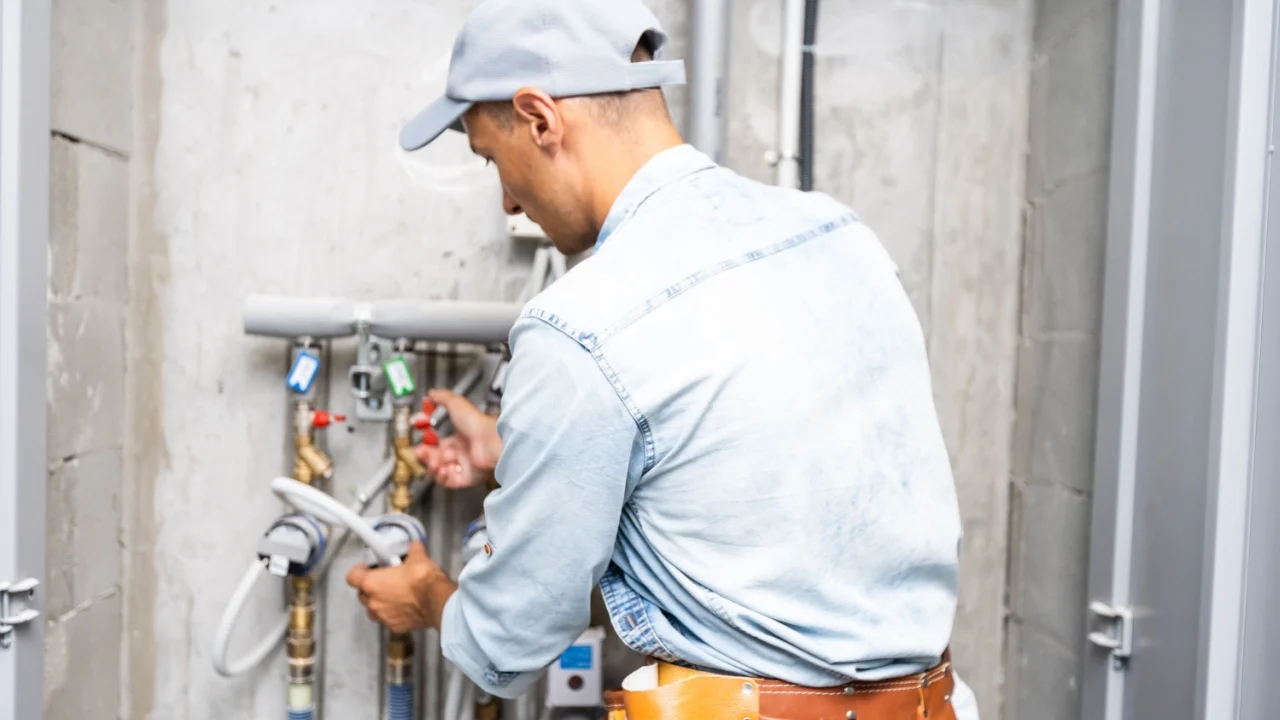
Smart water valves are a great way to protect your home, as they can automatically shut off the water supply if they detect a leak. But installing one means cutting into the home’s main water line, which is a job that can easily go wrong. A bad installation could cause the exact kind of flood you’re trying to prevent.
Plumbing manufacturers often won’t honor the warranty on a smart valve unless it’s installed by a professional. If an improperly installed valve fails and causes water damage, your home insurance company will probably deny the claim, leaving you with a massive bill.
A professional installation might also qualify the homeowners for a discount on home insurance, so sending the receipt to the agent is a must.
The High Price of a Shortcut
The satisfaction of a DIY project is undeniable, but it’s crucial to know where to draw the line. While painting a bedroom or assembling flat-pack furniture are safe bets, tackling complex jobs like electrical, plumbing, or structural work can have disastrous consequences.
Before you start any major renovation, take a moment to weigh the risks. A quick call to your insurance agent or a consultation with a licensed professional can clarify what’s covered and what’s not. Remember, the most expensive project is the one you have to pay for twice.
Read More:
Insurance Agents Say These 12 Claims Are Rising — And Costing Homeowners Big