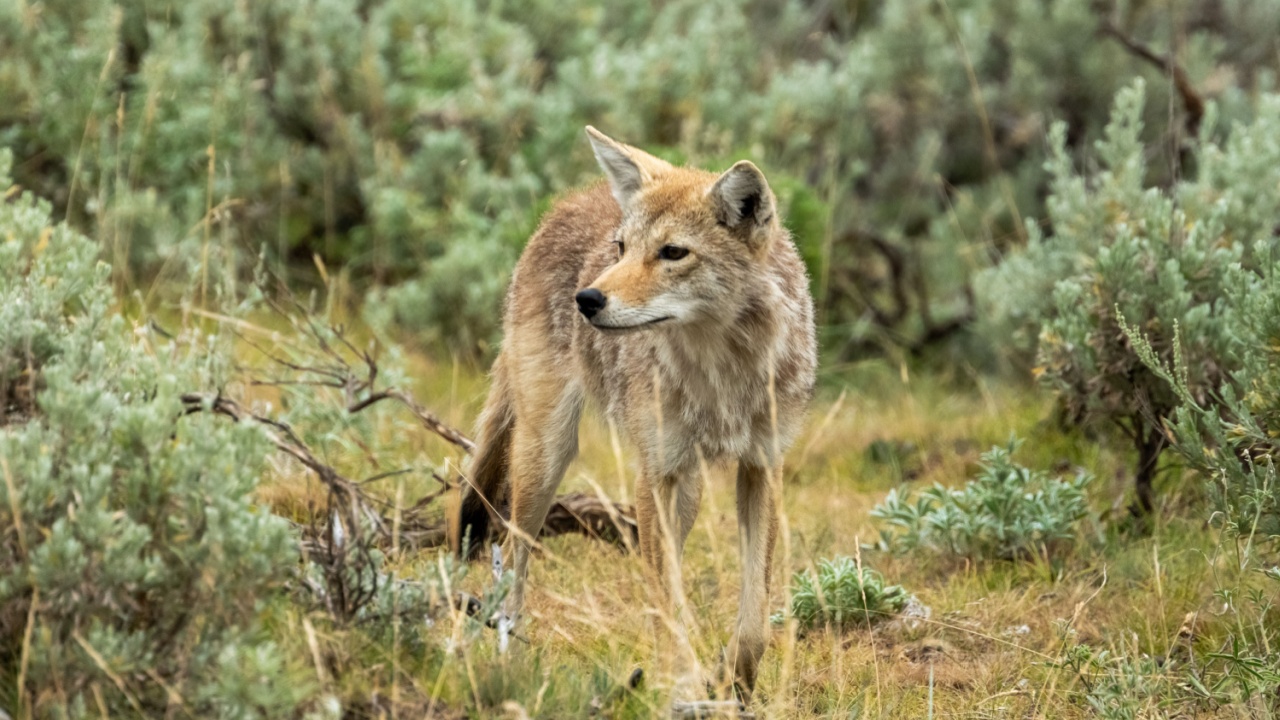
How to Protect Your Dog from Coyotes and Their Attacks
Most people want a quiet, safe yard for their pets (and even kids), but that can change fast when a coyote slips past the fence line. For dog owners, that risk feels very real, especially at dawn, dusk, and after dark.
Coyotes now live in many suburbs, small towns, and rural areas. They adapt well, move with little noise, and often return to places that offer food, water, or an easy path through a yard.
Dogs face more than bite-wound risk during an encounter. A close call can lead to panic, escape, injury from a chase, or contact with parasites and disease.
Here is how to protect your dog from coyotes and their attacks at home, on walks, and during daily outdoor time.
1. Know When Coyotes Pose The Greatest Risk
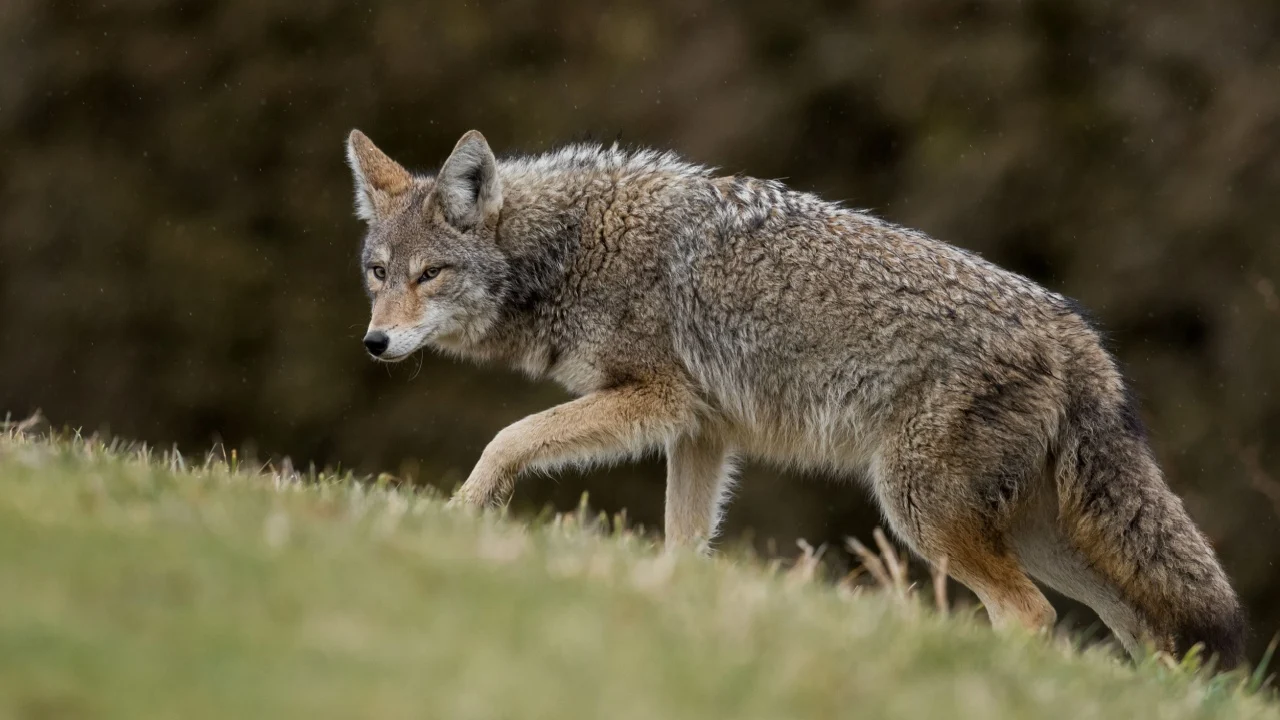
Coyotes are most active from sunset through early morning, though they may appear in daylight if food is scarce or they have grown used to people.
Small dogs face the highest risk, yet medium and large dogs can also be injured, especially if a coyote lures them into a chase or if more than one coyote is nearby.
Breeding season in late winter and pup season in spring and summer can raise aggression near dens. A dog that runs, barks from a fence line, or roams alone can quickly draw attention.
2. Keep Your Dog Close During Walks
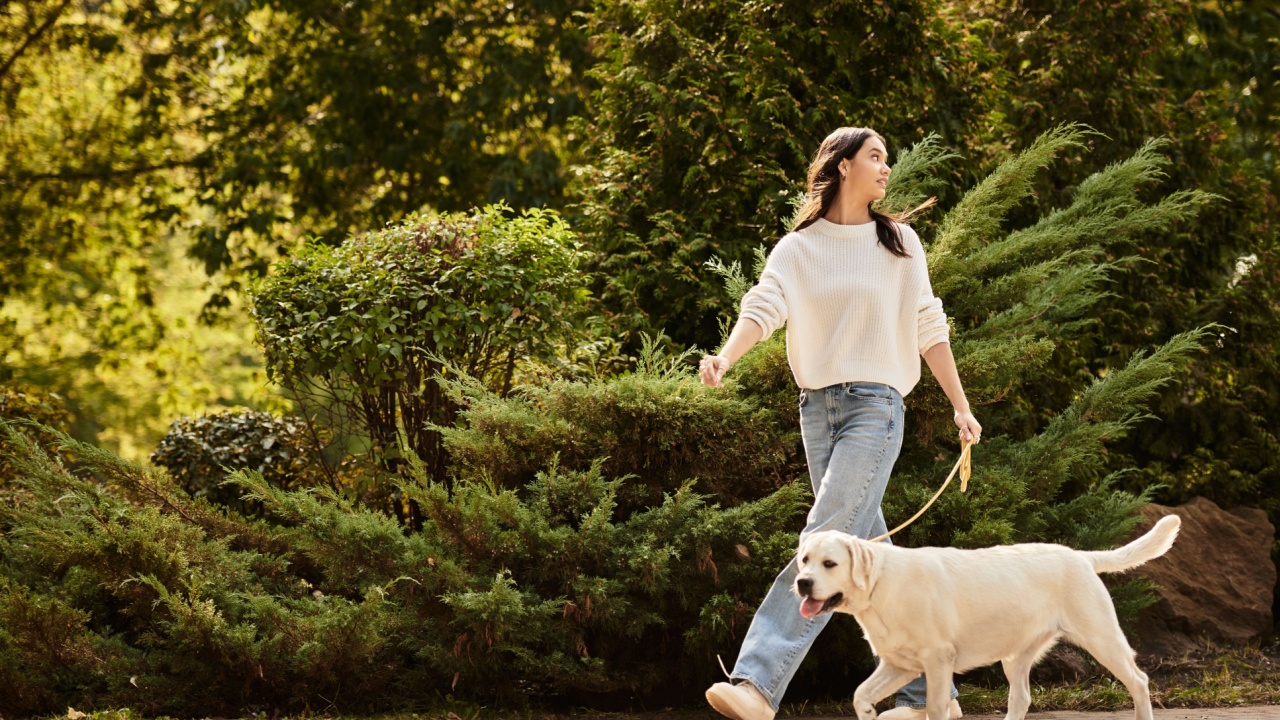
A short leash is one of the best tools you can use in coyote country. Coyotes rarely rush a dog that stays tight to a person, while a dog at the end of a long leash or off leash looks far more exposed.
Retractable leashes make it harder to react fast and give a coyote more room to test distance. Small dogs are safer when carried past known coyote areas if activity has been heavy nearby.
Choose routes with open sight lines and avoid places with dense cover, trash, fallen fruit, pet food bowls, or signs of burrows. Walk with purpose, keep your dog near your side, and do not let sniffing drift into bushes, tall grass, or dark corners near fences.
Bring a flashlight at night so you can scan ahead and make your presence obvious. If a coyote appears, stay calm, shorten the leash, turn away without running, and move toward a busier, brighter area.
3. Use Gear That Makes an Attack Harder
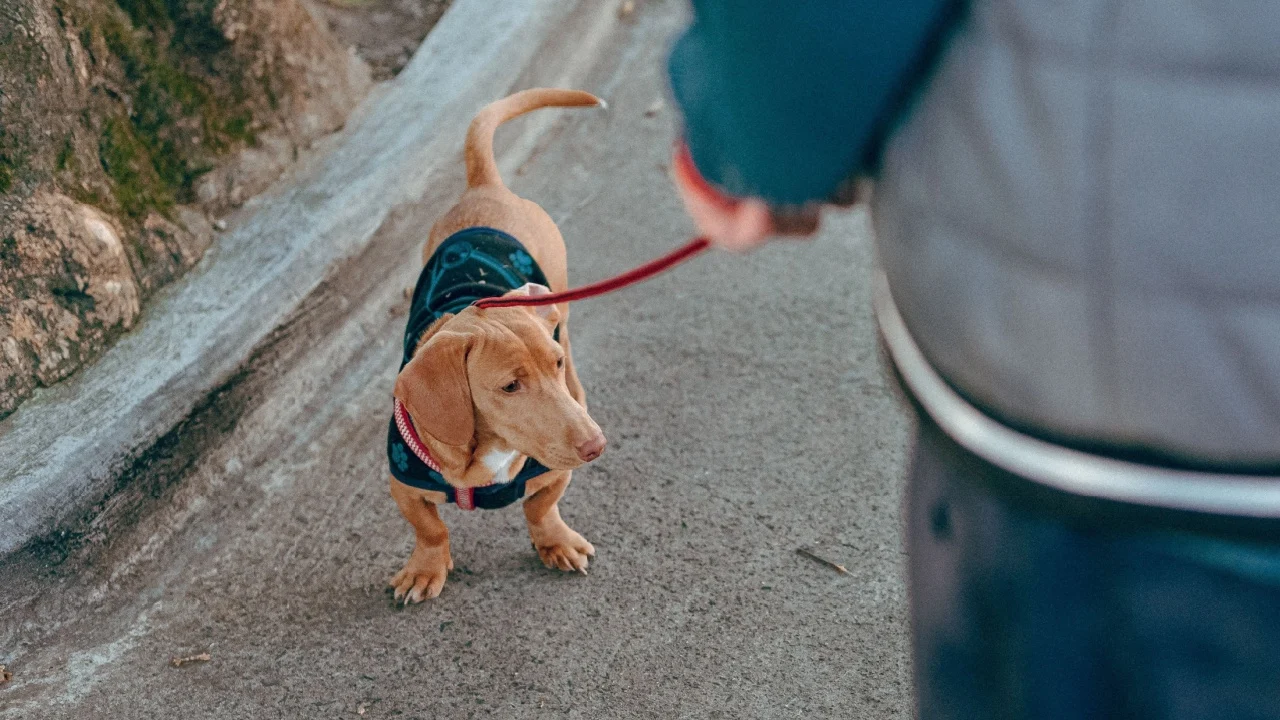
Protective gear can help most with small dogs, who are easier for coyotes to grab. Coyote vests with stiff bristles, bite-resistant fabric, and neck coverage can make a quick bite less likely to land cleanly.
Wide collars with spikes or reinforced panels add another layer near the throat, which is a common target in predator attacks. This gear does not make a dog attack-proof, yet it can buy time and create enough trouble for a coyote to back off.
Pair protective gear with tools that create noise and space. An air horn, whistle, personal alarm, or shaker can interrupt stalking behavior and may send a hesitant coyote away.
Keep deterrents where you can reach them in seconds, not buried in a bag. Practice using them before you need them, since fumbling during a tense moment wastes time.
4. Make Your Yard Much Less Inviting
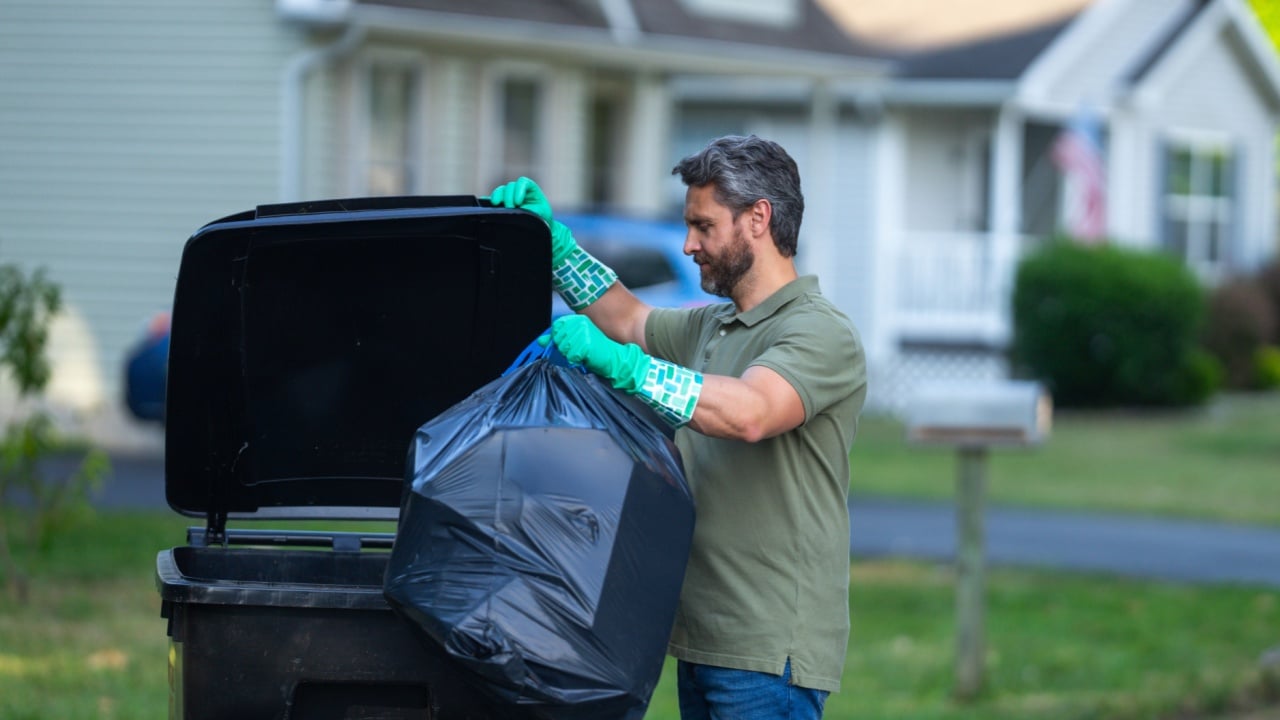
Many coyote visits begin with something easy to eat or investigate. Pet food left outside, open trash, fallen fruit, compost scraps, spilled birdseed, rodents near feeders, and even dog feces can attract wildlife into the yard.
Water bowls, ponds, and low spots that hold water can draw animals during dry weather. Once coyotes learn that a yard offers food or scent cues, they may circle back again and again.
Clean habits help keep coyotes out. Bring food dishes inside right after meals, use tight-lid trash cans, pick up fruit and droppings daily, and keep brush trimmed so coyotes have fewer hiding spots.
If you feed birds, clean the area under feeders to avoid drawing mice and rats, which in turn draw predators.
5. Build Fencing Coyotes Cannot Easily Beat

A basic fence may slow a coyote, though it often will not stop one for long. Coyotes can jump, climb, and dig with more skill than many homeowners realize.
A coyote-proof fence should be at least 6 feet tall, and many experts favor added protection at the top, such as coyote rollers or a loose PVC pipe that spins when an animal tries to grip it. To block digging, the bottom should extend into the ground or include an outward apron of wire mesh.
Check the full perimeter, not just the main panels. Gaps under gates, loose boards, low corners, stacked items near the fence, and nearby sheds or woodpiles can create easy access points.
If your dog uses a run or kennel, place it away from the fence line so a coyote cannot trigger barking and lunging through the barrier. For small dogs, covered runs add another level of safety during short outdoor breaks.
6. Never Leave Your Dog Outside Unattended
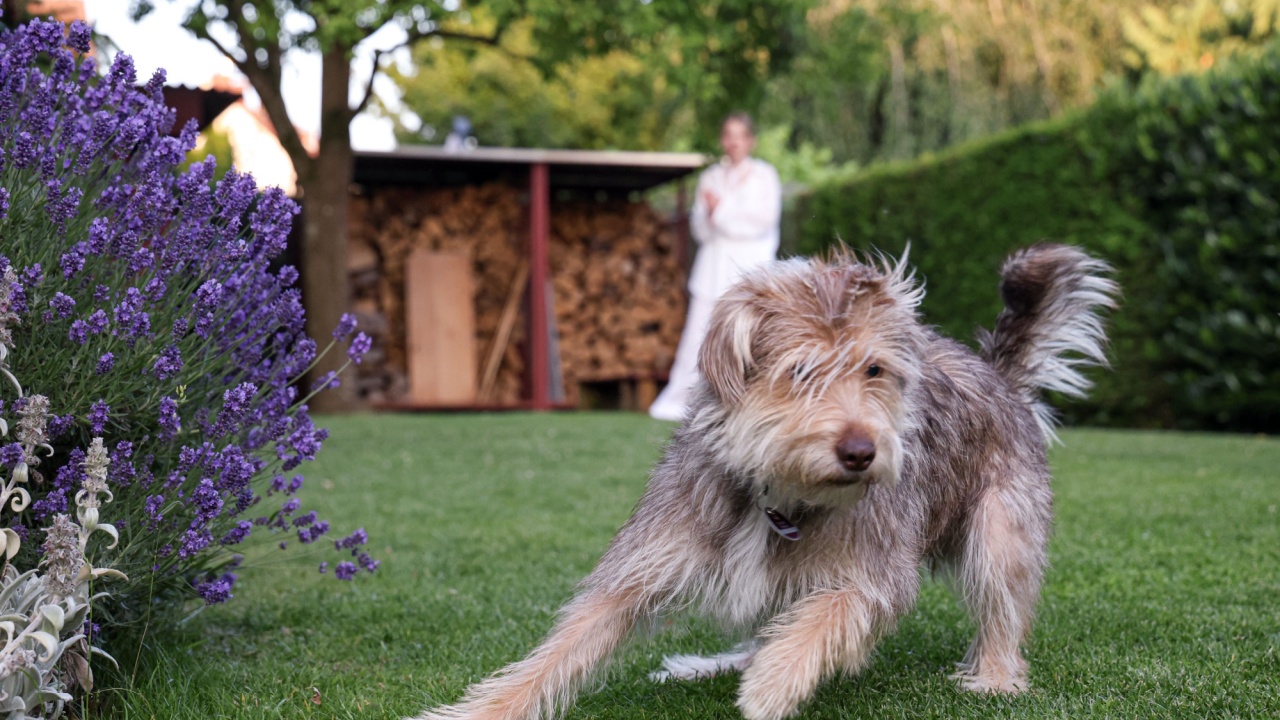
Supervision is one of the most effective ways to prevent an attack. Coyotes look for easy chances, and a dog alone in a yard gives them time to watch, test boundaries, and move closer.
This risk rises at night, though many encounters happen in early morning or evening when owners assume a quick trip outside is harmless. Even a fenced yard is not a free pass if a coyote can climb in, dig under, or provoke a dog through the fence.
Go outside with your dog during bathroom breaks, especially if your pet is small, elderly, or slow to respond. Keep your dog within sight and call them back at once if they fixate on bushes, freeze, or begin barking at one spot.
If you cannot supervise, keep outdoor time very brief in a secure, covered area or skip it until you can be present.
7. Train Commands That Matter in a Scary Moment

Training can save precious seconds when a coyote shows up. A solid recall helps your dog turn and run back to you instead of chasing wildlife, and a reliable stay can stop a dangerous burst toward the fence or brush.
Commands like heel, leave it, behind me, and a fast U-turn cue are useful during walks and yard time alike. In a real encounter, simple cues your dog knows well are far more useful than complicated patterns.
Practice these skills in low-distraction places first, then in busier settings, and reward heavily for fast responses. Use treats or toys your dog values enough to break focus when something exciting appears.
Train for movement too, since many dogs obey indoors but struggle when outdoors with scents and noise. If your dog has a high prey drive, work with a trainer who understands wildlife safety and can build stronger control without adding fear.
8. Know the Health Risks After an Encounter

A coyote encounter can leave harm behind, even if your dog seems fine at first. Coyotes can carry rabies, distemper, mange, fleas, ticks, and intestinal parasites, and they may pass some of these risks through bites, scratches, or close contact with contaminated ground.
Puncture wounds can look small on the surface while trapping bacteria deep under the skin. Stress and panic can also cause sprains, torn nails, or injuries from pulling on a leash or crashing through a fence.
Call your veterinarian right away after any bite, scratch, or suspected contact. Wash visible wounds gently if your vet advises it, keep your dog quiet, and do not wait for swelling or fever to show up before seeking care.
Stay current with core vaccines, and keep parasite prevention up to date throughout the year if coyotes are active in your area. Report aggressive daytime coyotes or repeated close approaches to local animal control or wildlife officials so the wider community can take precautions.
Stay Safe Out There

Coyotes are smart, adaptable, and common in many neighborhoods, yet dog owners still have real ways to lower the risk. Close supervision, better fencing, clean yard habits, protective walk routines, and strong training all work together to make your dog a harder target.
You do not need a long list of fancy products to make a real difference. A leash held short, a yard checked before bedtime, and a dog that comes when called can prevent the kind of encounter no owner wants to face.
Read More:
These 12 Plants Are Accidentally Attracting Predators to the Yard
18 States That Allow Trapping and Relocating Nuisance Animals