This Homeowner Got a Violation for Parking at Home — Here’s Why
Getting a warning letter for parking a car in a private driveway sounds like something out of a bad joke. For one homeowner, it was completely real. A Reddit post went viral after a man shared a citation he received from his HOA for parking on his own property.
Sometimes, HOAs often enforce rules that feel arbitrary to residents, but parking regulations rank among the most common and most contested. Many homeowners sign up for HOA living without fully reading the restrictions buried in their governing documents. When those rules collide with everyday life, the frustration tends to run deep.
What made this situation particularly grating was that the homeowner inherited the property rather than choosing to buy into an HOA community. He pays over $2,000 a year in fees, with roughly 90% going toward maintaining a pool he cannot use without paying an additional $260 per person. That left many Reddit readers wondering what the fees are actually for.
This article breaks down the post, the covenant behind the citation, and what homeowners in similar situations can realistically do.
What the Homeowner Shared on Reddit
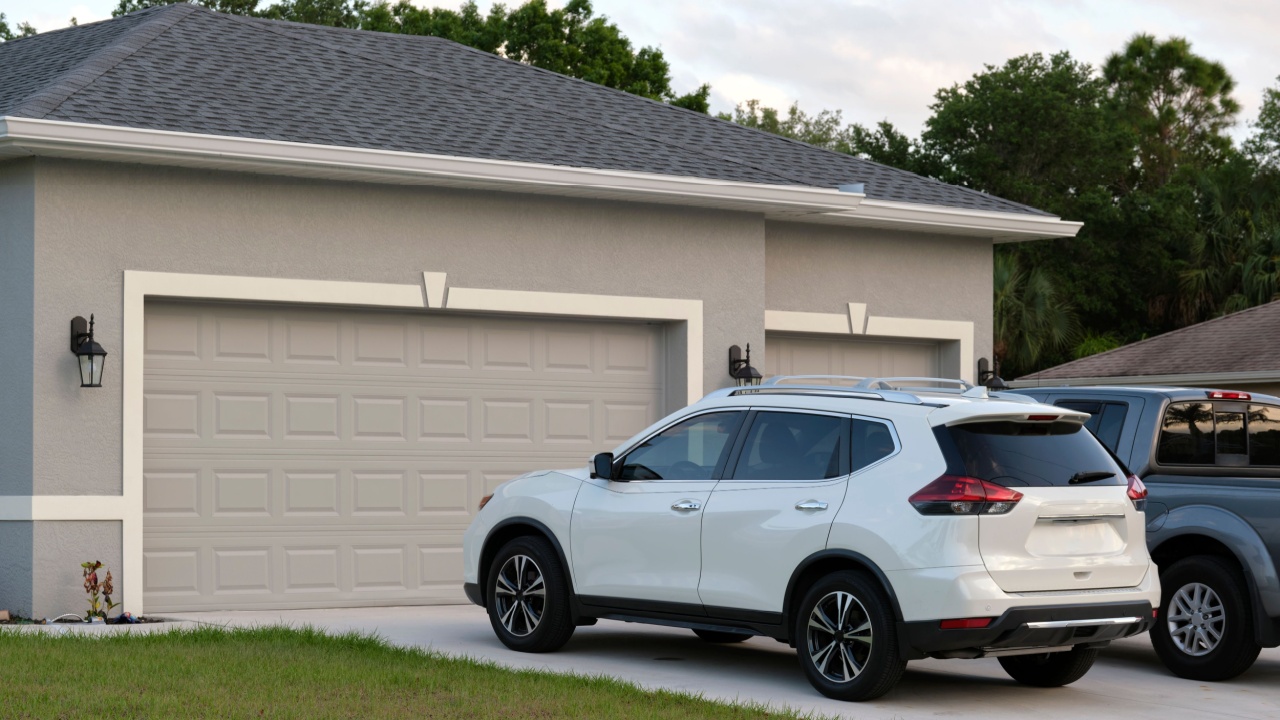
The man explained that he has two cars and a motorcycle, but not enough garage space to store them all. His driveway can technically fit four cars, though filling it would partially block the sidewalk, something he stated he never does.
The parked car was fully on his own property, causing no obstruction and posing no risk to anyone nearby.
He also shared the actual citation letter from the HOA management company, which noted that a community inspection had taken place and flagged the vehicle as a covenant violation.
The letter suggested he may not have been fully aware of the community restrictions, a comment that struck many readers as condescending, given that he had been paying thousands in annual fees.
The Covenant That Triggered the Citation
The violation in the letter falls under Article V, Section 5 of the HOA’s governing documents. It states that no vehicle, trailer, camper, boat, or machinery of any kind may be stored on the property except inside a garage or in a spot completely out of view from any public street.
His car, parked on the driveway and visible from the road, technically crossed that line even though it was sitting on his own land.
This type of covenant is more common in planned subdivisions than many people realize, and it often catches residents off guard well after move-in day. The rule is generally framed as a way to preserve neighborhood aesthetics and maintain property values across the development.
For someone with more vehicles than garage space, the covenant effectively restricts how a homeowner can use their own property.
The Pool Fee Issue That Added Frustration
The citation was irritating on its own, but the financial picture surrounding it made the situation feel even more unreasonable. The homeowner noted that he pays over $2,000 annually in HOA fees, with roughly 90% of that going toward maintaining the community pool.
Despite funding maintenance through his fees, he cannot use the pool without purchasing a separate pass at $260 per person.
This kind of arrangement, where residents fund an amenity but must pay again to access it, exists in some HOA communities but rarely sits well with homeowners.
The remainder of his fees reportedly goes to the management company itself, leaving residents with no clear picture of what benefits they are actually receiving. Many Reddit commenters found this particularly frustrating and said it illustrated a broader problem with how some HOAs operate.
How HOA Rules Can Be Challenged and Changed
Several commenters on the post offered practical guidance for homeowners who feel boxed in by rules they find unreasonable. HOA bylaws are not permanent, and they can be amended through a vote at a board meeting.
Any homeowner is generally entitled to propose changes to the governing documents, and getting enough neighbors aligned on a modification is one of the more effective ways to push back. Arriving at meetings with a clear proposal and a count of supporting residents tends to carry real weight.
It also pays to document everything when there is a pattern of citations or a concern that the board may respond with retaliation. Keeping records of correspondence, citations, and all interactions with the management company can become critical if a dispute escalates.
Some homeowners have challenged HOAs in court successfully, and thorough documentation tends to be the backbone of those cases.
Requesting Financial Transparency From an HOA
One of the most upvoted comments in the Reddit thread noted that homeowners have the right to request a full breakdown of their HOA’s financial records. This includes details on how fees are collected and where they are being spent across the year.
A responsibly run HOA will typically publish this information in a community newsletter or on a shared website, without waiting to be asked.
If a management company resists sharing those records or makes the process needlessly difficult, that resistance is worth paying attention to. Opacity in HOA finances has been at the center of multiple fraud and mismanagement cases across the country.
Homeowners who feel their fees are being misused have legal channels available, including requesting formal audits and bringing concerns directly before the board.
The Bigger Picture Behind One HOA Citation
The reaction to this post was largely sympathetic, and it reflects a frustration with HOA culture that has been building for years. The homeowner, who inherited the property and never chose to join the HOA, found himself subject to rules he had no say in creating.
Many commenters shared their own experiences with similar restrictions, and several said they now actively seek out properties with no HOA affiliation when searching for a home.
Homeowners already inside an HOA can take this post as a useful reminder that the rules governing their communities are not carved in stone.
Attending meetings, reading the governing documents carefully, and requesting financial records are all practical steps that can shift some power back to residents. The HOA system does not always have to operate as a one-way street.
Read More:
8 Common HOA Myths— And the Truth Behind the Power Struggles