7 Plants That Attract Deer to the Yard
A yard can look calm at dusk, then turn into a deer buffet before sunrise. Many gardeners first notice the damage when neat leaves turn ragged, and flower buds vanish overnight.
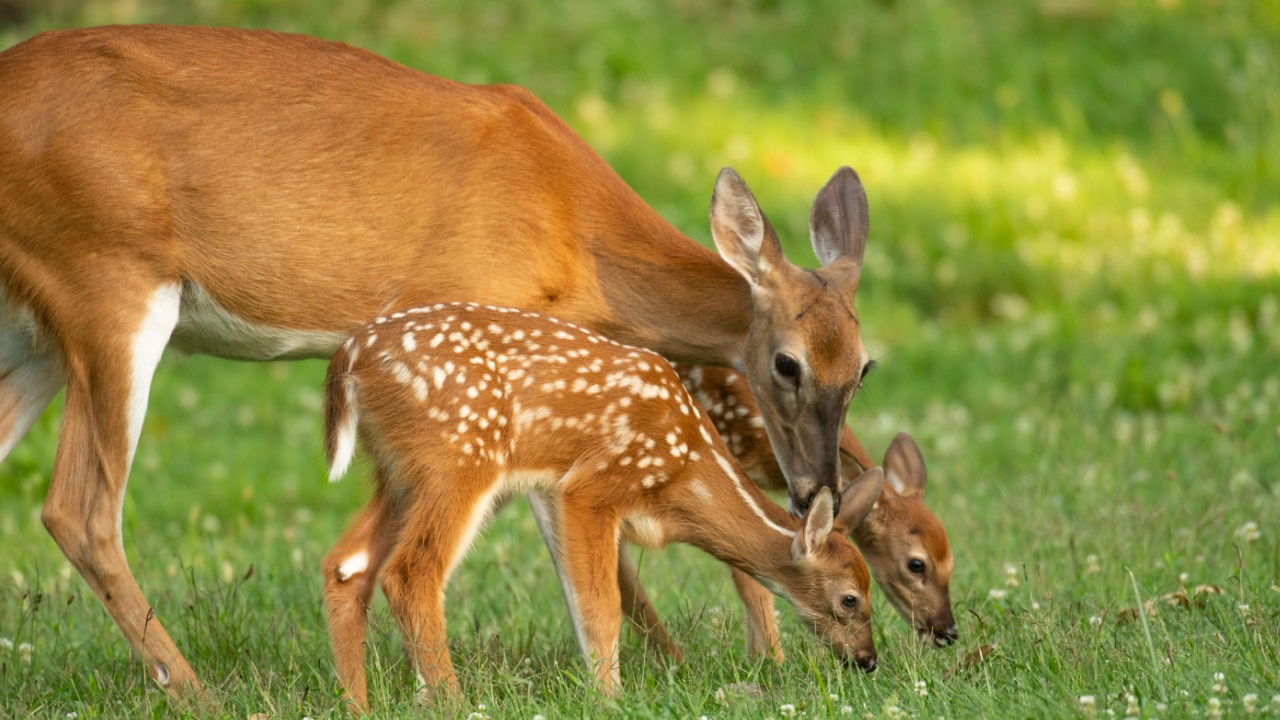
Deer do not eat every plant with the same interest. They go after soft new growth, tender blooms, and plants with high moisture content, especially in spring and early summer when fresh growth is easy to chew.
Food is only part of the story. Local deer pressure, dry weather, and limited wild forage can push deer toward home landscapes, even in neighborhoods where people rarely see them during the day.
Here are seven plants that attract deer to your yard, why deer like them, and what you can do if you want to grow them without turning your beds into a regular feeding stop.
1. Daylilies
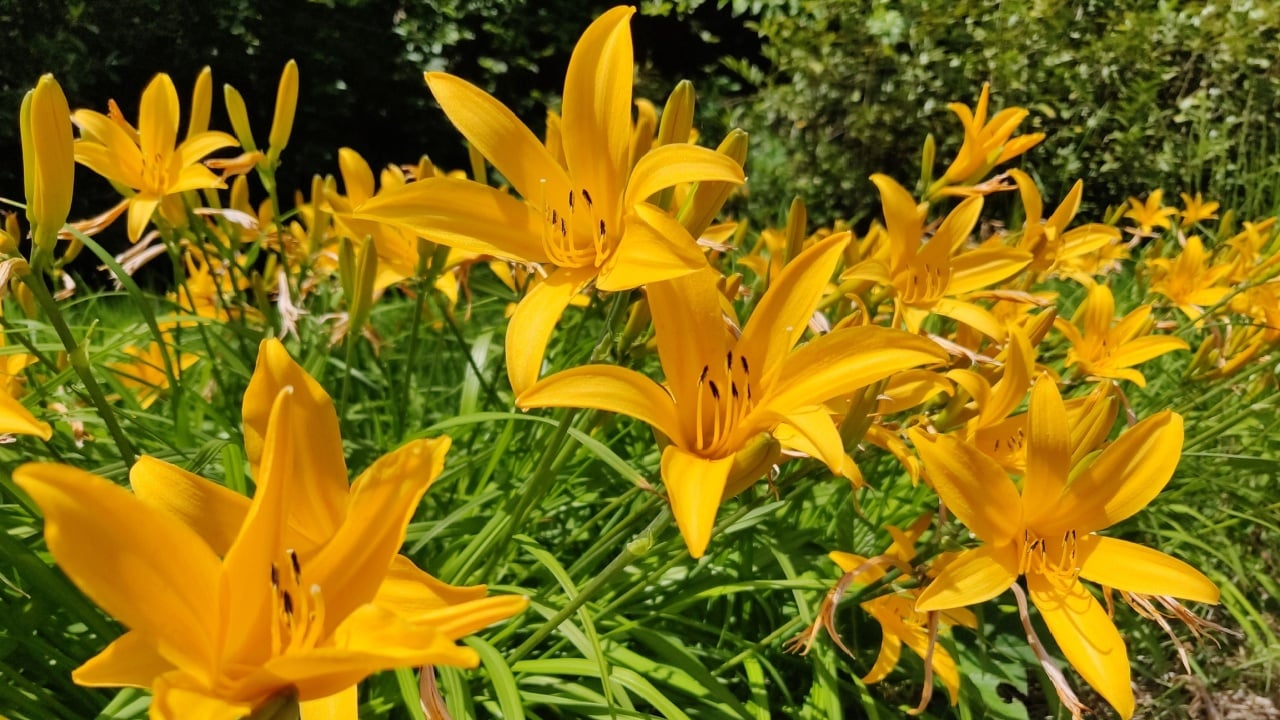
Daylilies are one of the plants deer often target first. Their shoots are soft in spring, their buds are easy to bite off, and the blooms sit right at a comfortable feeding height.
Gardeners often blame rabbits or insects at first, yet deer damage on daylilies usually looks clean and torn all at once, with stems clipped higher than a rabbit could reach.
If you love daylilies, place them near the house or in beds with strong protection. A tall fence works best, but deer netting, motion sprinklers, and planting them near less appealing species can help reduce damage.
Deer feeding pressure changes by season, so watch plants closely when new growth starts and again when buds begin to swell.
2. Fruit Trees
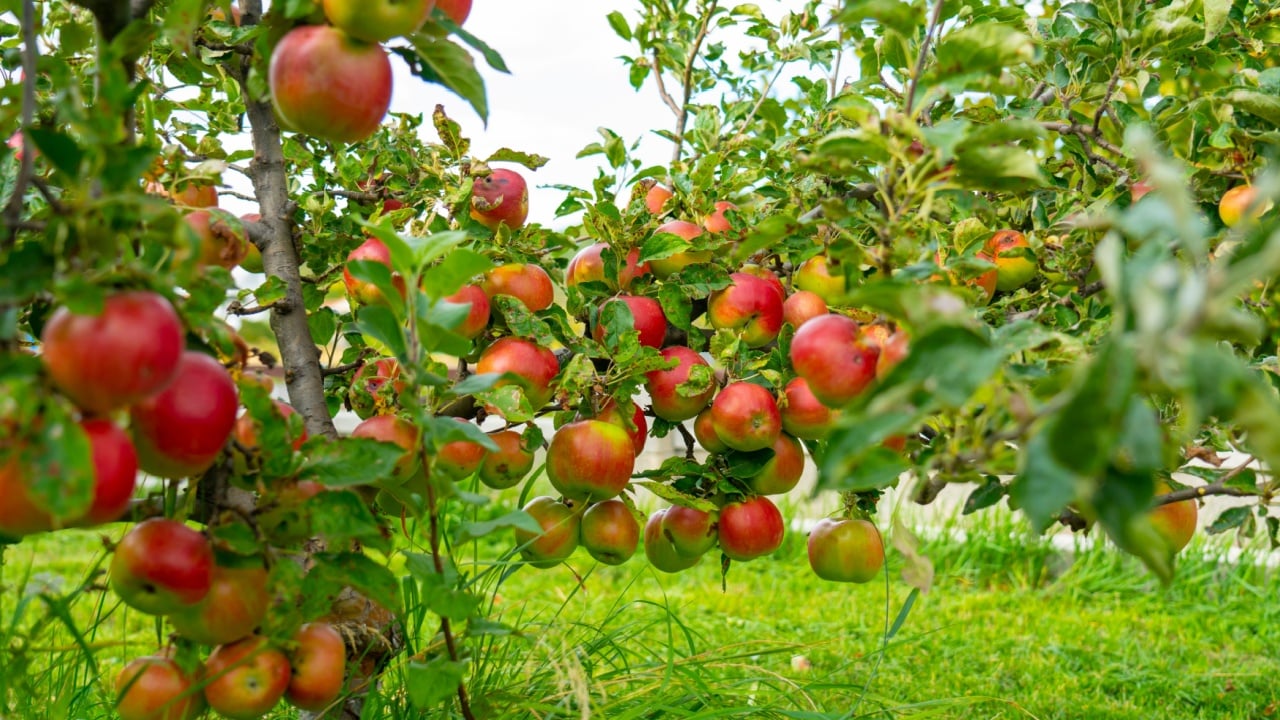
Fruit trees draw deer for more than fruit on a tree alone. Tender leaves, fresh shoots, low branches, blossoms, and dropped fruit can all attract feeding deer, especially apple, peach, and cherry trees.
Young trees face the most risk because deer may browse the tips, strip bark, or rub antlers against the trunk in the fall.
Protection matters most while trees are small. Use trunk guards to reduce bark injury, and cage young trees with sturdy fencing wide enough to keep deer from reaching through.
Cleaning up fallen fruit can also make the area less tempting, since sweet fruit on the ground can bring deer back night after night.
3. Hostas
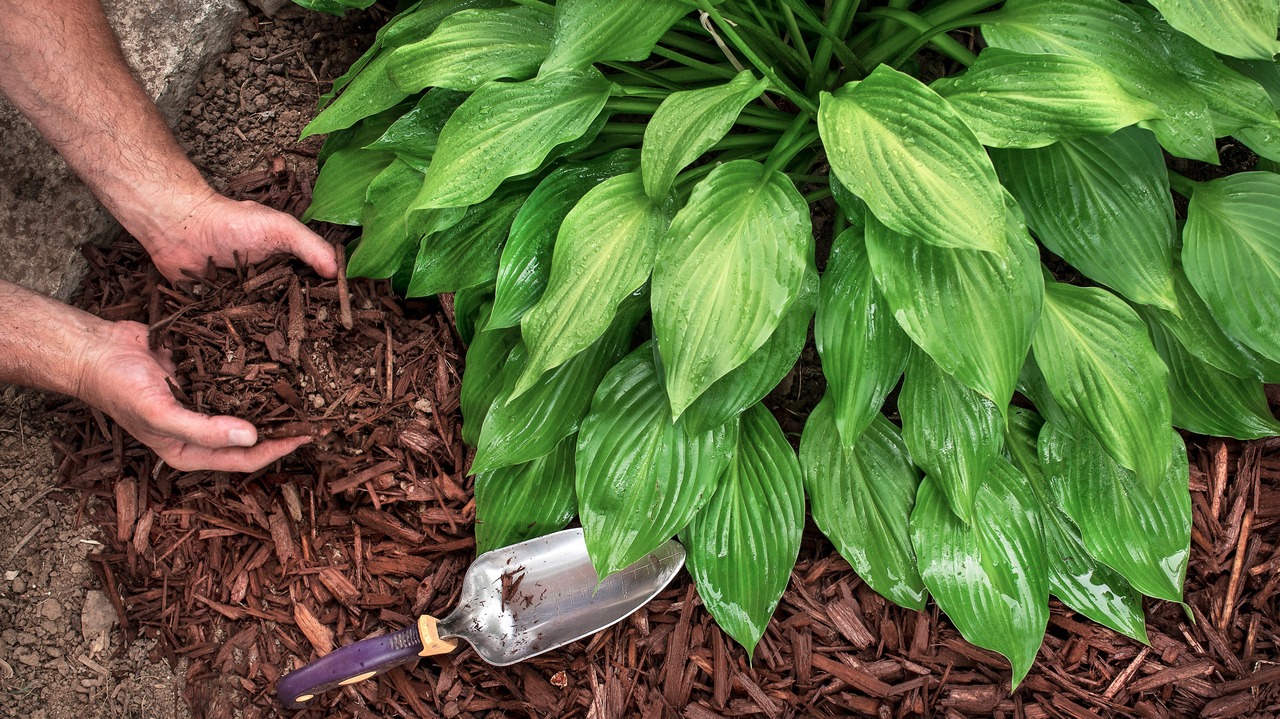
Hostas are famous for thriving in shade, and deer seem just as fond of them as gardeners are. The broad leaves are tender, full of moisture, and easy to chew, which makes hostas a common target in spring and summer.
In many yards, deer can strip a healthy clump down to stems in a single visit. If hostas are a must for your shade garden, treat them as high-risk plants.
Put them in fenced beds, near active walkways, or in containers close to the house where deer are less likely to feed.
Repellent sprays may help for a short time, though they usually need frequent reapplication, especially after rain and during active growth.
4. Tulips
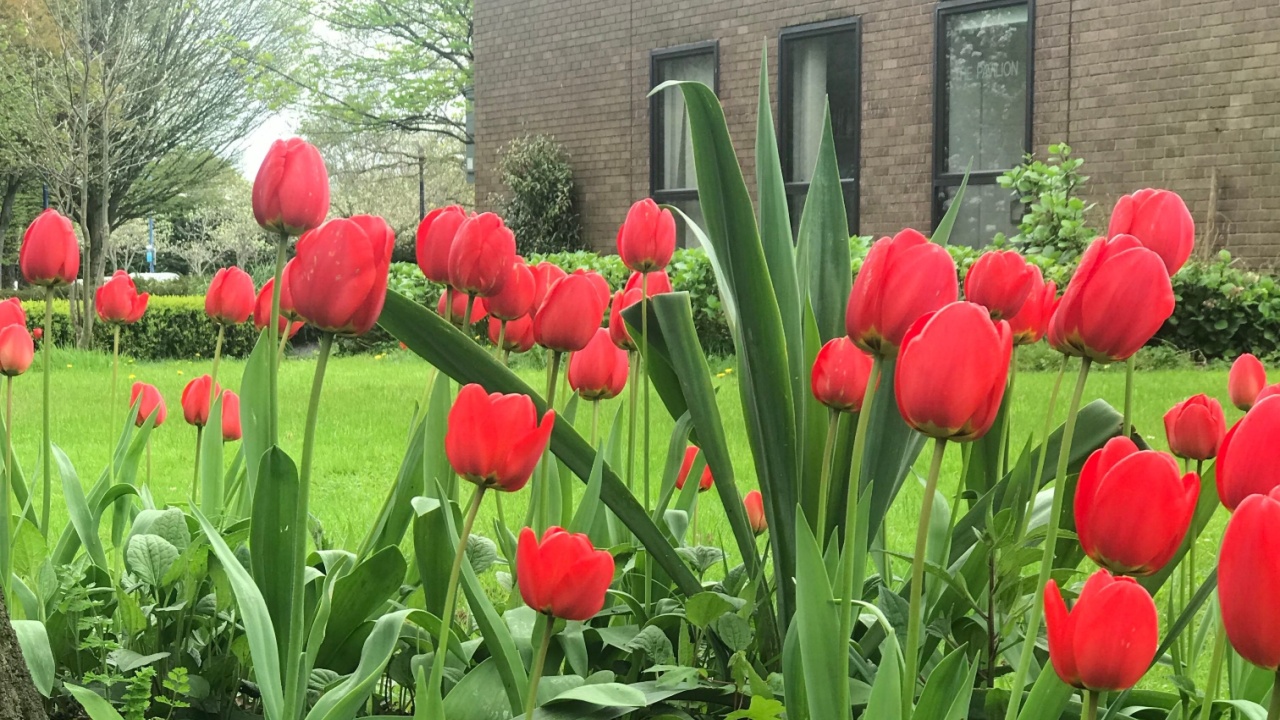
Tulips often disappear just as gardeners wait for them to open. Deer eat the buds, petals, and foliage, and they can wipe out a planting fast when spring food is still limited.
Since tulips emerge early and offer lush, tender growth, they stand out to hungry deer at a time when many other garden plants are barely awake.
You can still grow tulips if you plan for protection before shoots appear. Plant them inside fenced areas, cover small beds with mesh during the bloom period, or mix in bulbs deer tend to avoid, such as daffodils, to break up the planting.
That will not make tulips invisible, though it may reduce how easy they are to spot and reach.
5. Azaleas
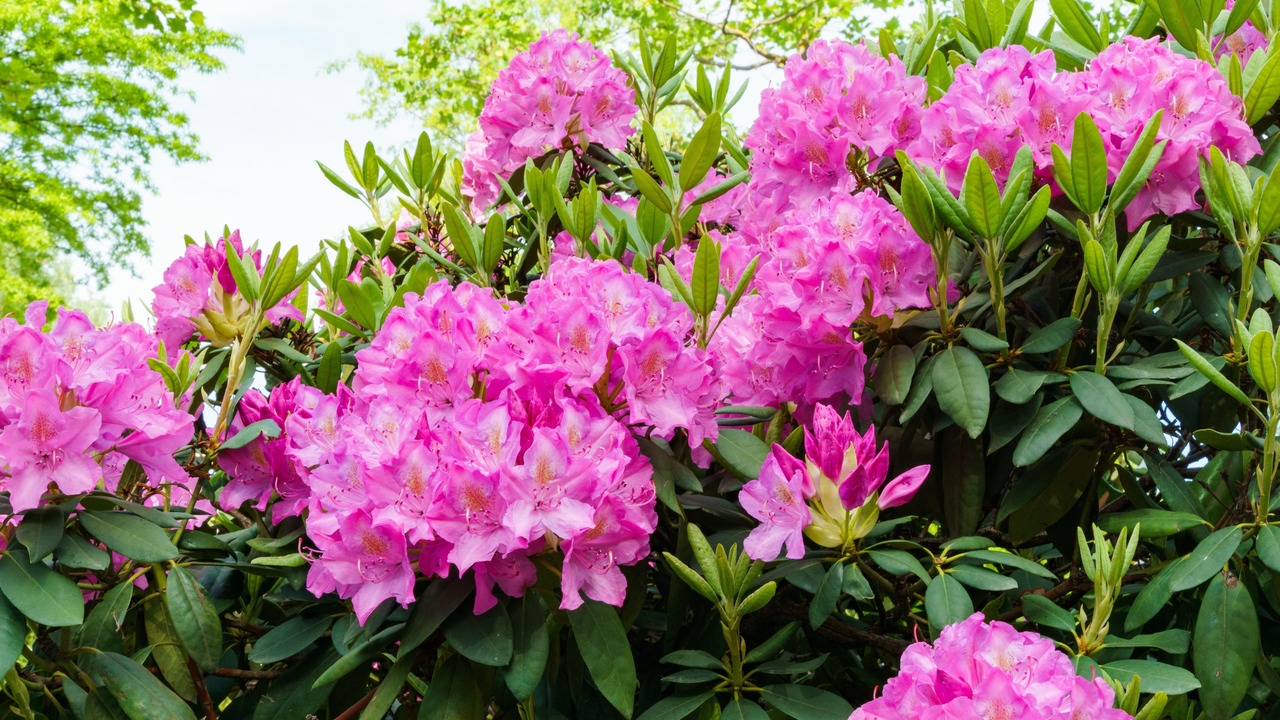
Azaleas attract deer with both foliage and flowers. In spring, the fresh leaves and blooms are especially tempting, and in winter, deer may browse evergreen types when other food is scarce.
Repeated feeding can ruin the shape of the shrub and reduce flowering for the season that follows.
Placement makes a big difference with azaleas. If deer are common in your area, avoid using them as exposed foundation shrubs or outer border plants where browsing is easy.
A protected courtyard bed or fenced section gives them a better chance, and regular monitoring helps you catch damage before shrubs become badly misshapen.
6. Roses
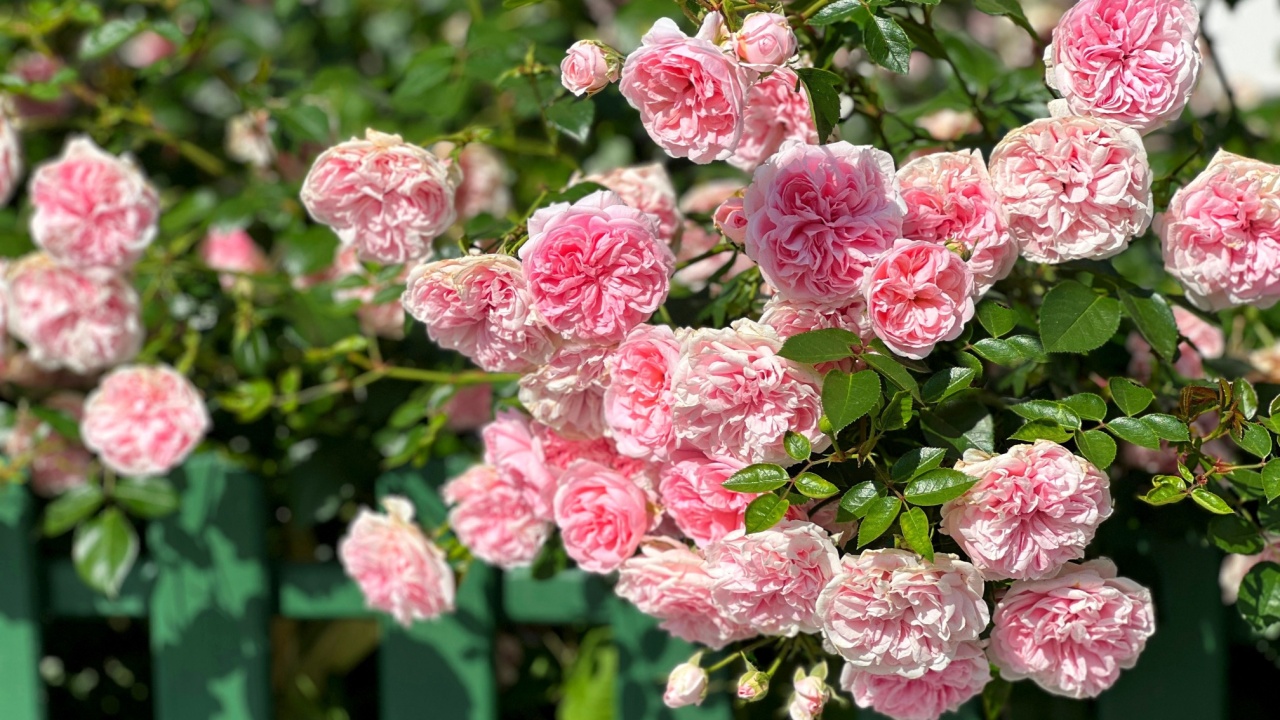
Thorns do not stop a hungry deer from eating roses. Deer usually go for the soft new stems, leaves, buds, and flower heads, and they can leave behind ragged canes with stripped foliage.
New growth is the most vulnerable, especially in spring when roses push out lush shoots that are easy to reach and full of moisture.
To keep roses in the garden, treat them like a favorite food source, not a plant deer might ignore. Use physical barriers during peak growth, and avoid relying on thorniness as protection.
If you grow shrub roses in open beds, inspect them often so you can respond early before deer remove most of the buds.
7. Brassicas
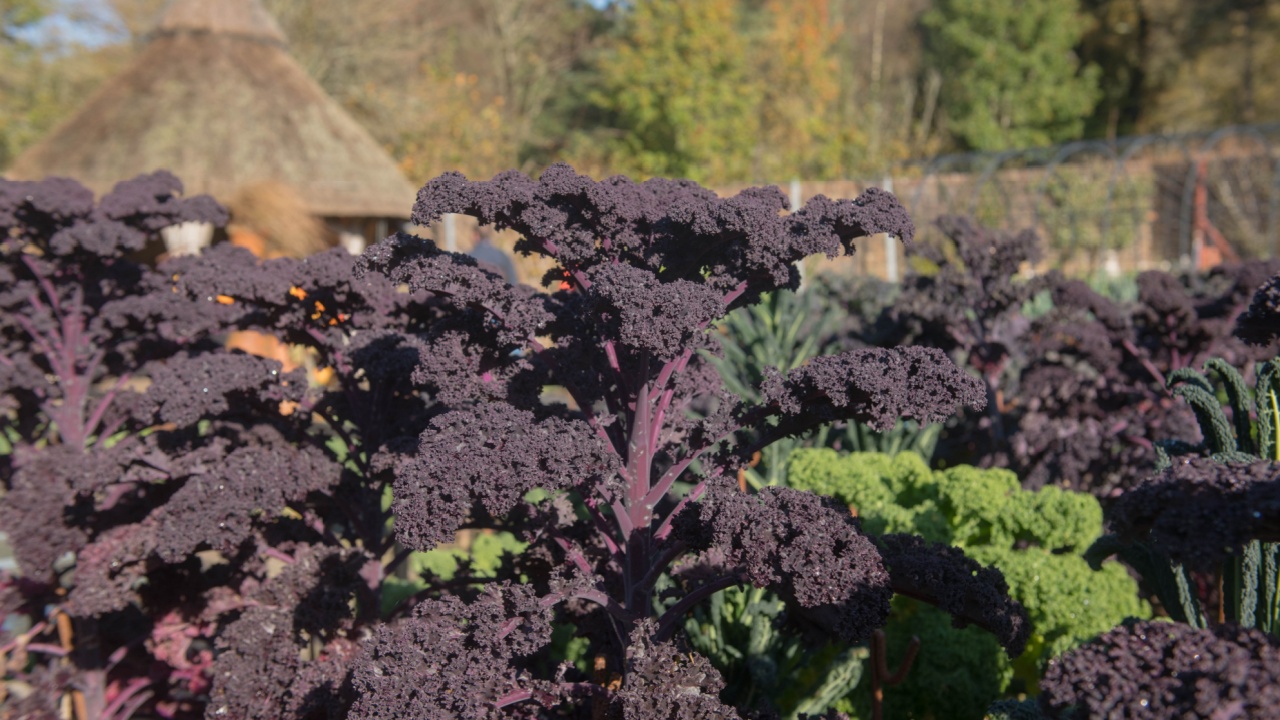
Brassicas include plants like kale, cabbage, broccoli, and related greens, and deer are often drawn to them. These crops are leafy, mild, and full of water, which makes them especially appealing in vegetable gardens during cool seasons.
In some regions, deer will browse brassicas heavily in fall and winter when wild food becomes less available.
If you grow brassicas, fencing is usually the most reliable defense. Row covers can help when plants are young, though they must be secured well if deer pressure is high.
Since vegetable beds often sit in open, sunny areas that deer can spot from a distance, adding protection early is much easier than trying to save half-eaten plants later.
A Quick Take Before You Plant
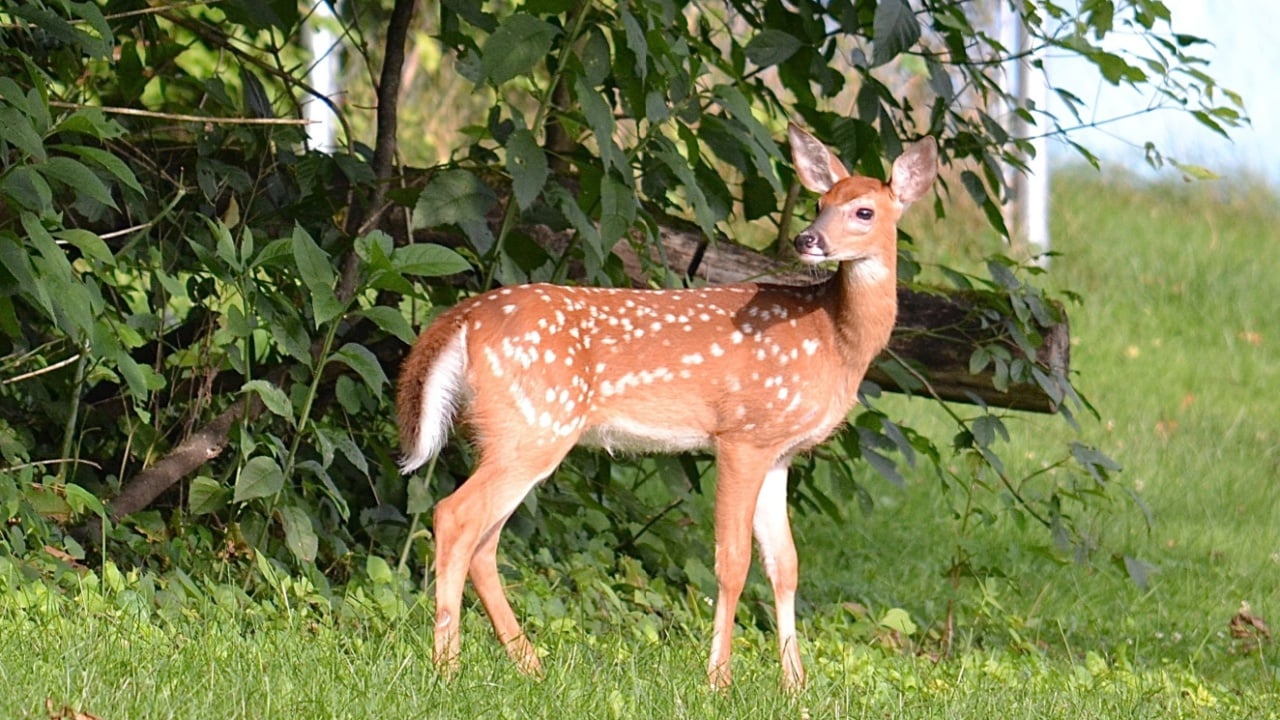
If deer visit your area, these seven plants can draw extra attention to your yard. Daylilies, fruit trees, hostas, tulips, azaleas, roses, and brassicas all offer the soft growth, moisture, or sweet reward deer look for when food is easy to reach.
That does not mean you need to avoid them forever. It means you should plant with a plan, watch the garden closely during active growth, and use barriers before damage begins.
A little planning can help you enjoy the plants you want without making your yard a regular dinner stop.
Read More:
If You Spot These 11 Animals in Your Yard, It’s a Hopeful Sign
9 Natural Pest Control Methods for Backyard Gardens That Actually Work