8 HOA Rules That Are Illegal in Most States
Living in a community with a homeowners’ association brings strict guidelines for residents. People move into these neighborhoods expecting well-maintained lawns and quiet streets. Some boards try to exert too much power over the people living there. This overreach can create friction between neighbors and board members.
State and federal laws limit what these boards can control on your property. Board members often write rules without consulting legal professionals.
Some homeowners mistakenly believe they must follow every mandate handed down by the association. Knowing your legal rights protects you from unlawful fines and citations.
These are the common mandates that violate state and federal regulations. You might recognize a few of these demands from your own neighborhood handbook. Read through these eight examples to protect yourself from unnecessary neighborhood disputes.
1. Parking On Public Streets

Many boards attempt to control where residents park outside their property lines. Associations possess the legal authority to regulate private streets owned by the community.
However, they completely lack jurisdiction over public roads maintained by the city or county. Any attempt to ban street parking on public roads remains legally unenforceable.
Local governments have the exclusive authority to set public parking laws. You can safely ignore community warnings regarding your car parked on a public street.
City ordinances alone dictate where you can leave your vehicle overnight. Simply report any unapproved towing threats directly to local law enforcement.
2. Outlawing Exterior Objects

Neighborhood committees frequently try to ban items visible outside your house. Federal laws protect your right to display American flags and use solar panels.
Certain state regulations also shield clotheslines and standard property sale signs from neighborhood bans. Associations may restrict the size of these items without implementing outright prohibitions.
These legal protections exist to promote renewable energy and protect basic rights. Board members who try to fine you for a solar panel violate federal law.
You should always consult state laws before removing these items from your yard. Standing your ground forces the board to acknowledge its limited authority.
3. Forbidding Legal Action

Governing documents sometimes include clauses preventing residents from suing the board. Associations can legally require mandatory mediation before anyone files a formal lawsuit.
However, they absolutely cannot strip you of your fundamental right to sue your neighbors or the board. Courts routinely dismiss these restrictive clauses because they violate basic legal rights.
A neighborhood contract cannot force you to surrender your access to the justice system. You always retain the option to file lawsuits if major disputes remain unresolved.
Mediation serves as a helpful tool rather than a permanent barrier to legal action. Residents should consult attorneys when association conflicts become unmanageable.
4. Banning Native Plant Landscaping

Some community committees typically demand that every resident maintain a uniform green lawn. However, state lawmakers increasingly pass legislation protecting your right to grow native plants.
These eco-friendly laws prevent neighborhood boards from enforcing strict grass-only mandates. You can legally choose sustainable landscaping options in many regions across the country.
Replacing thirsty grass with local flora saves water and helps native wildlife. Boards must adapt their bylaws to accommodate these new state environmental regulations. Homeowners should review local environmental codes before submitting new landscaping plans. Modern environmental laws side with residents wanting sustainable yards over uniform green turf.
5. Mandating Specific Contractors

Neighborhood leaders occasionally attempt to force residents into hiring specific repair companies. Unless governing documents explicitly list this requirement, you choose your own workers.
Associations lack the authority to dictate which plumbers or roofers work on your house. You hold the ultimate right to select contractors based on your personal budget.
Forcing a specific company on residents creates massive conflicts of interest. Homeowners need the freedom to shop around for fair prices on home repairs.
You can safely hire any licensed professional you prefer for property maintenance. Just check that your chosen contractor holds the proper local permits.
6. Prohibiting Quiet Home Businesses

Community rules often restrict disruptive commercial enterprises operating within residential zones. These same boards cannot ban quiet remote work happening inside your personal residence.
Blank prohibitions on freelancing and telecommuting fail to hold up in modern courts. You can legally run a quiet digital business from your spare bedroom.
The association only gains authority when a business creates extra traffic or noise. A resident typing on a laptop causes absolutely zero disruption to the community.
Modern zoning laws recognize the difference between noisy shops and quiet, remote jobs. You never need to hide your remote job from the neighborhood committee.
7. Restricting Protected Signage
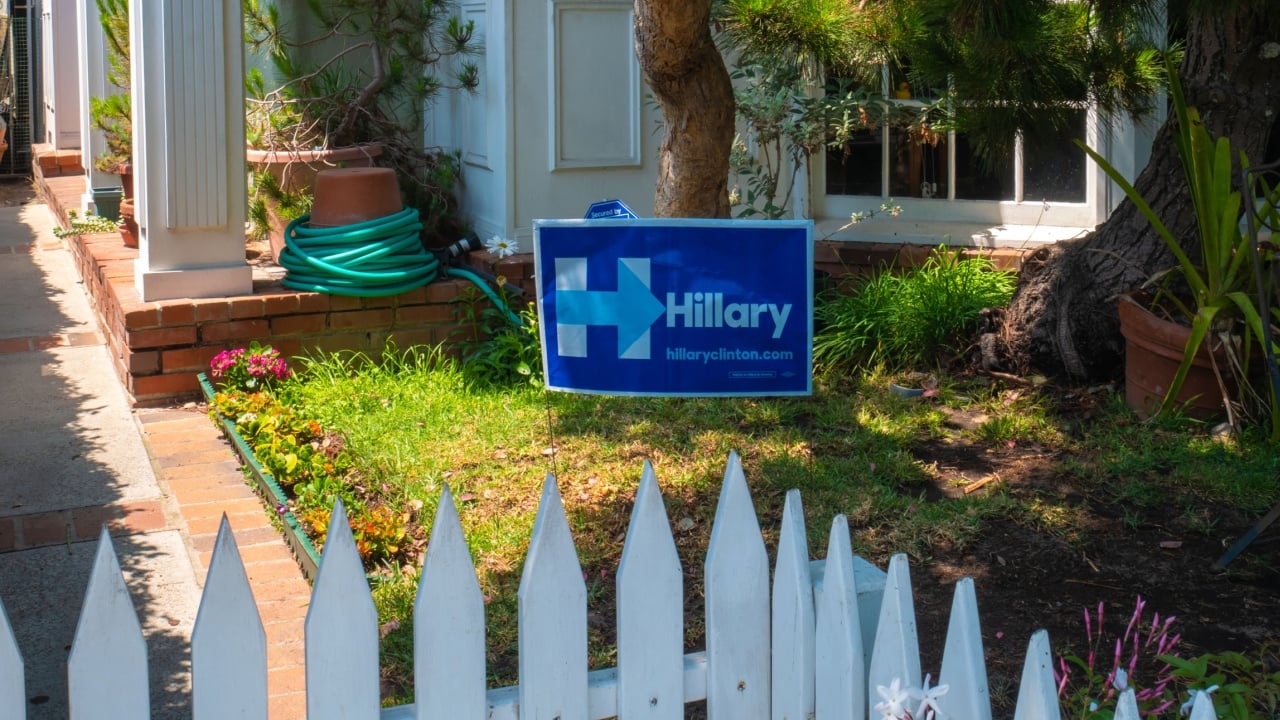
Committees love to regulate the size and quantity of signs placed in yards. They completely lack the power to ban political or religious displays outright.
Free speech protections prevent neighborhood boards from censoring specific viewpoints in residential areas. Attempting to ban all political signs violates fundamental constitutional rights.
Associations must use reasonable size restrictions rather than total censorship. You can legally display modest signs supporting your preferred candidates during election seasons.
Boards crossing the line into censorship face swift legal backlash from advocacy groups. Knowing your free speech rights keeps overly strict committees in check.
8. Implementing Firearm Restrictions

Some neighborhood groups draft bylaws attempting to ban guns inside private homes. Constitutional protections instantly invalidate these strict mandates regarding personal weapon ownership.
Committees may regulate weapons in shared spaces like community pools and clubhouses. They have no authority to regulate legal firearms kept securely in individual residences.
The Second Amendment completely overrides any local community handbook restrictions on private ownership. Residents must simply follow standard state and federal laws regarding their personal weapons.
Committees trying to enforce private-home weapons bans face immediate legal defeat. Your private home remains outside the association’s regulatory reach regarding constitutional rights.
Know Your HOA Limits

Understanding your legal standing protects you from unreasonable neighborhood committee demands. You have the right to challenge mandates that violate state and federal laws.
A well-informed resident can easily identify when a board steps outside its legal boundaries. Questioning unreasonable demands creates a fairer living situation for everyone in the neighborhood.
We highly recommend keeping a copy of your local property laws handy. You can use this knowledge to push back against unlawful fines and citations.
Read More:
Is Your HOA on a Power Trip? 12 Rules They Can’t Legally Enforce