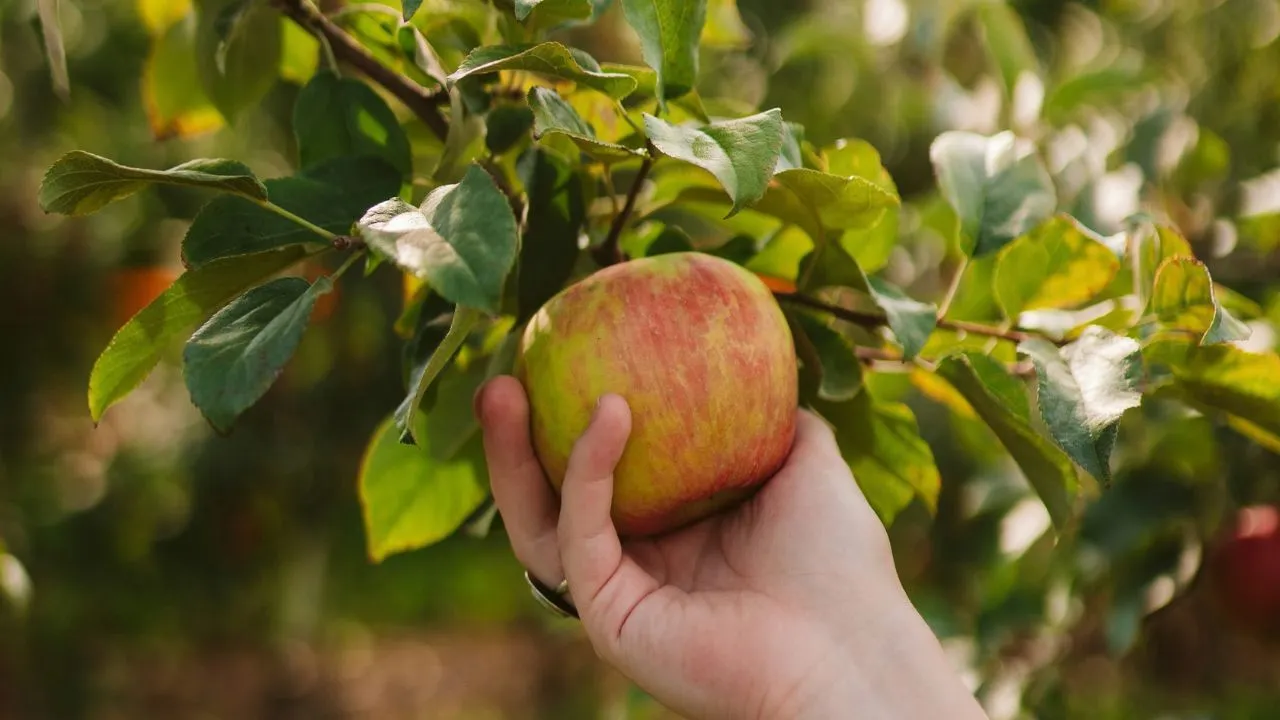
7 Easy Fruit Trees for Beginners that Practically Grow Themselves
Most beginner gardeners walk into a big box store, grab whatever fruit tree looks promising on the label, bring it home with high hopes, and watch it struggle for years without producing a single piece of fruit. It is one of the most expensive and demoralizing mistakes in home gardening, and it happens to millions of people every spring.
Here is the part the stores never tell you: the varieties on those shelves, trees like Honeycrisp apples and popular peach cultivars, are among the hardest fruit trees to grow without chemical sprays and fungicides. They were bred for commercial orchards, not backyard beginners. Nursery professionals know this, but most garden centers stock what sells, not what grows.
This year is genuinely the best time to plant fruit trees, and not just in a general “gardening is good” sense. Trees planted now, while the soil is warming but before the summer heat arrives, establish faster, root more deeply, and can begin producing fruit a full season sooner than trees planted in fall or late summer. A single well-chosen tree can save you $200 to $500 a year in grocery bills and keep producing for 20 to 50 years. The math makes the right choice matter enormously.
What Nurseries Rarely Tell You Before You Buy
Most gardeners never hear this, but the single biggest predictor of fruit tree failure is not how you water or fertilize; it is where you bought the tree. Garden centers and big box stores carry varieties that consumers recognize from the grocery store. The problem, as orchardist and author Susan Poizner explained on the Joe Gardener podcast, is that those supermarket varieties are among the hardest to grow without pesticides and fungicides. Reputable local nurseries and specialty online retailers carry disease-resistant cultivars actually suited to your climate and soil.
Before spending a dollar on any tree, ask three questions: Is this variety rated for my USDA hardiness zone? Does it need a second tree to pollinate, or is it self-fertile? And does it receive the chill hours my winters actually deliver? Miss any one of those answers, and you may wait five years for fruit that never comes.
Here is a list of seven fruit trees that actually deliver for beginners: forgiving, disease-resistant, and honest about what they need.
1. Fig
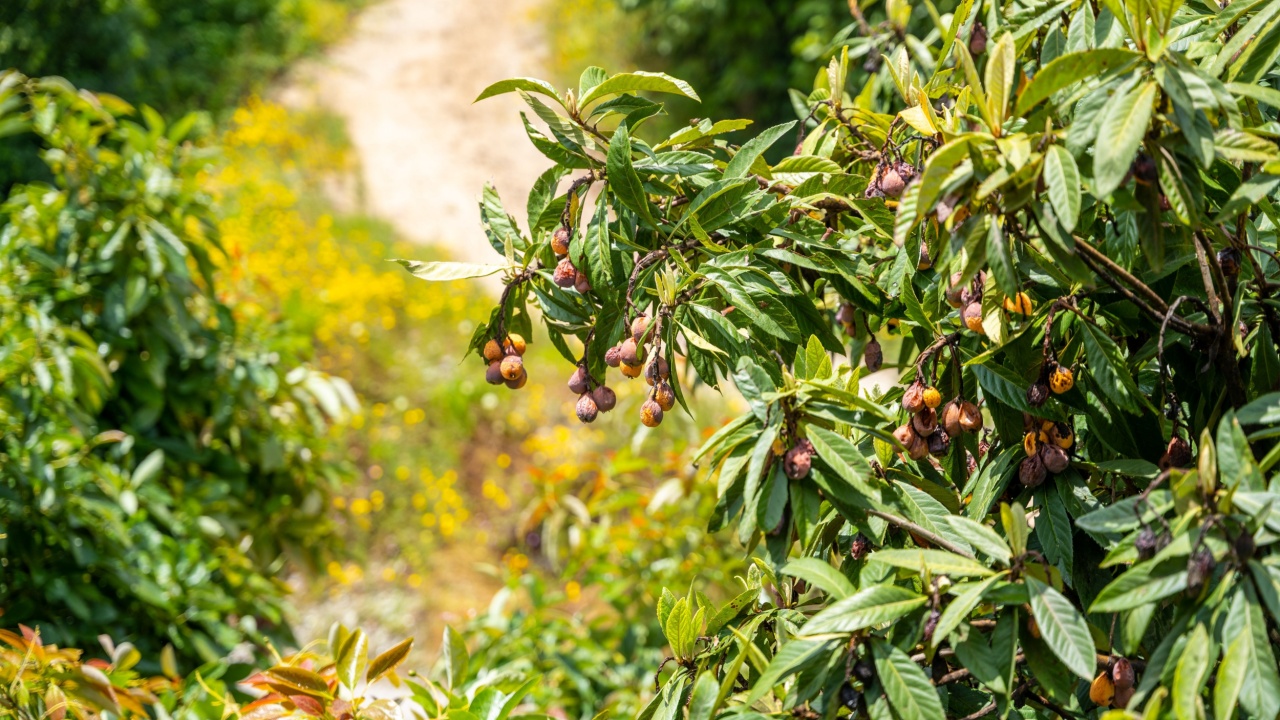
Fig trees grow so vigorously that experienced gardeners joke they thrive on neglect. They tolerate drought, adapt to a range of soils, and rarely need spraying. The Marseille variety, reportedly a favorite of Thomas Jefferson, resists pests and disease and produces fruit that birds are less likely to target.
One critical caveat for pet owners: fig leaves and sap contain ficin, a compound that is toxic to dogs and cats on contact. If you have animals that roam your yard freely, fence the tree or choose a different variety from this list.
2. Kieffer Pear
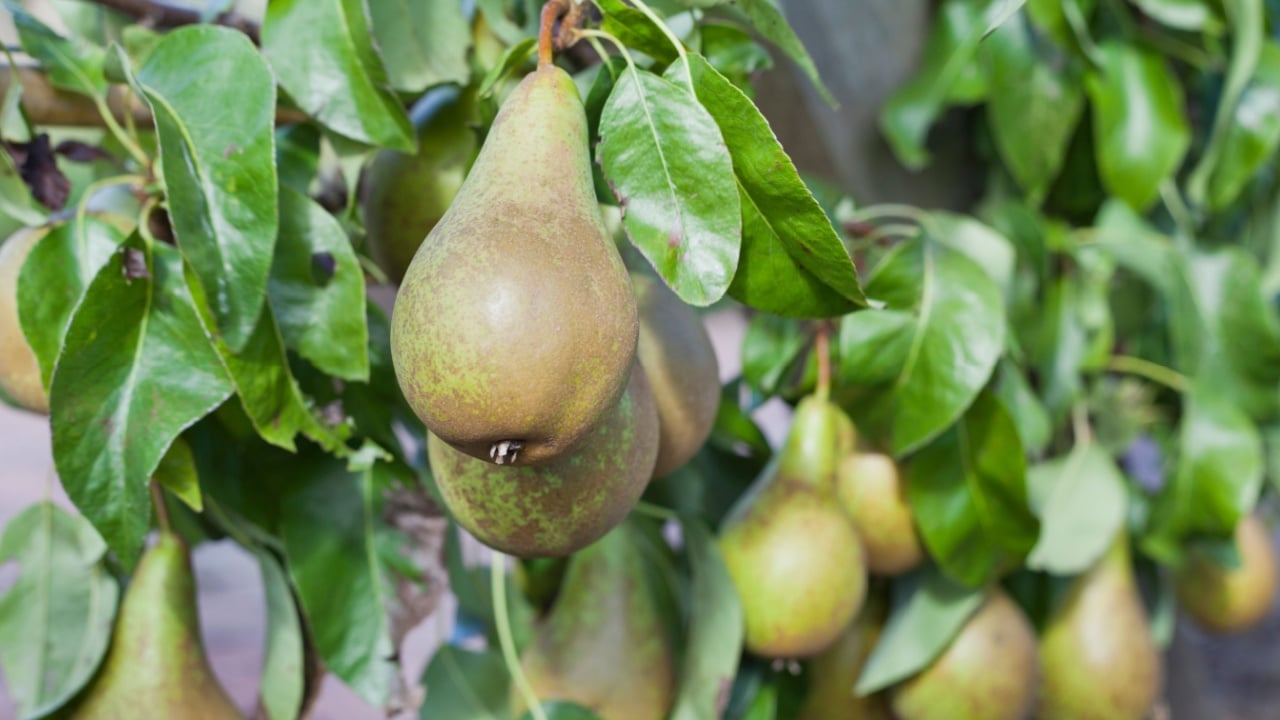
Pears are generally easier to grow than apples, and Kieffer is the easiest pear of all. It resists fire blight, the only significant disease that plagues pear trees, and it handles both drought and flooding with equal ease. Hardy in zones 4 to 9, it is one of the most broadly adaptable fruit trees available.
3. Redhaven Peach
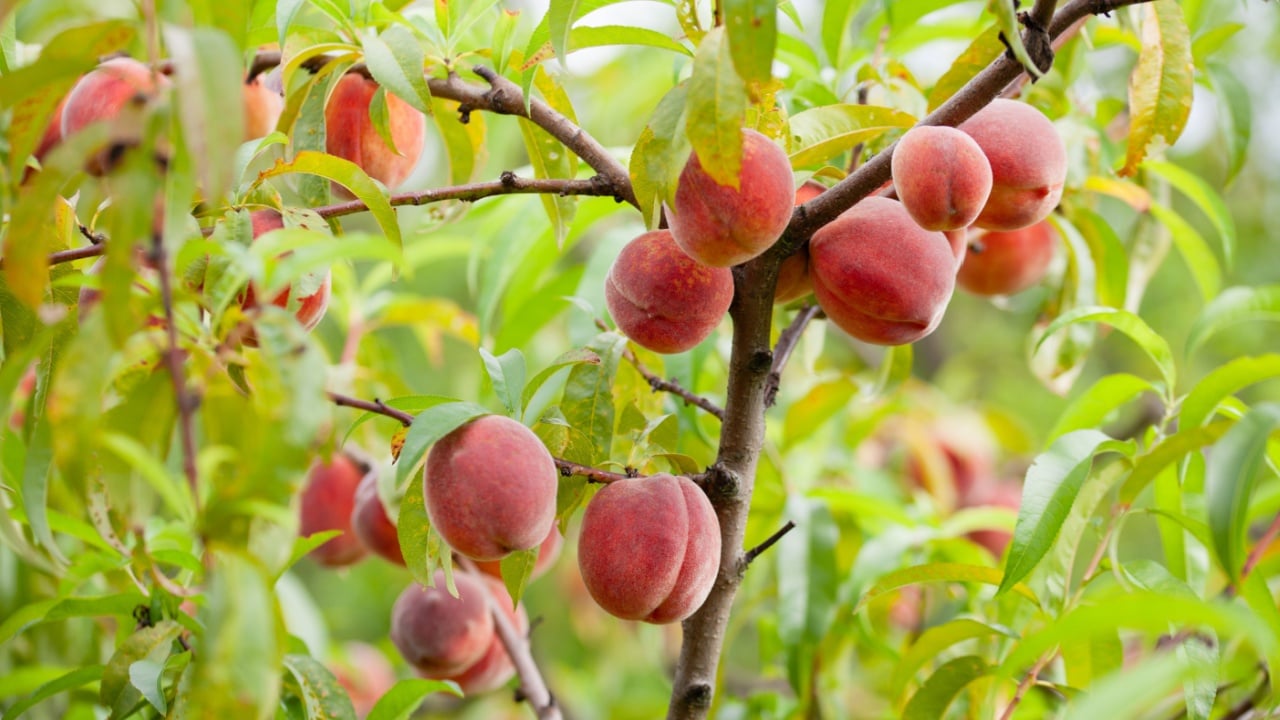
Peaches have a difficult reputation, and most of it is deserved for standard varieties. Redhaven changes the equation.
It resists peach leaf curl, the most destructive fungal disease in the species, and asks little more than full sun and well-drained soil in return for generous harvests. For gardeners in zones 5 to 8 who have always wanted a peach tree but feared the maintenance, this is the variety that actually works.
4. Red Mulberry
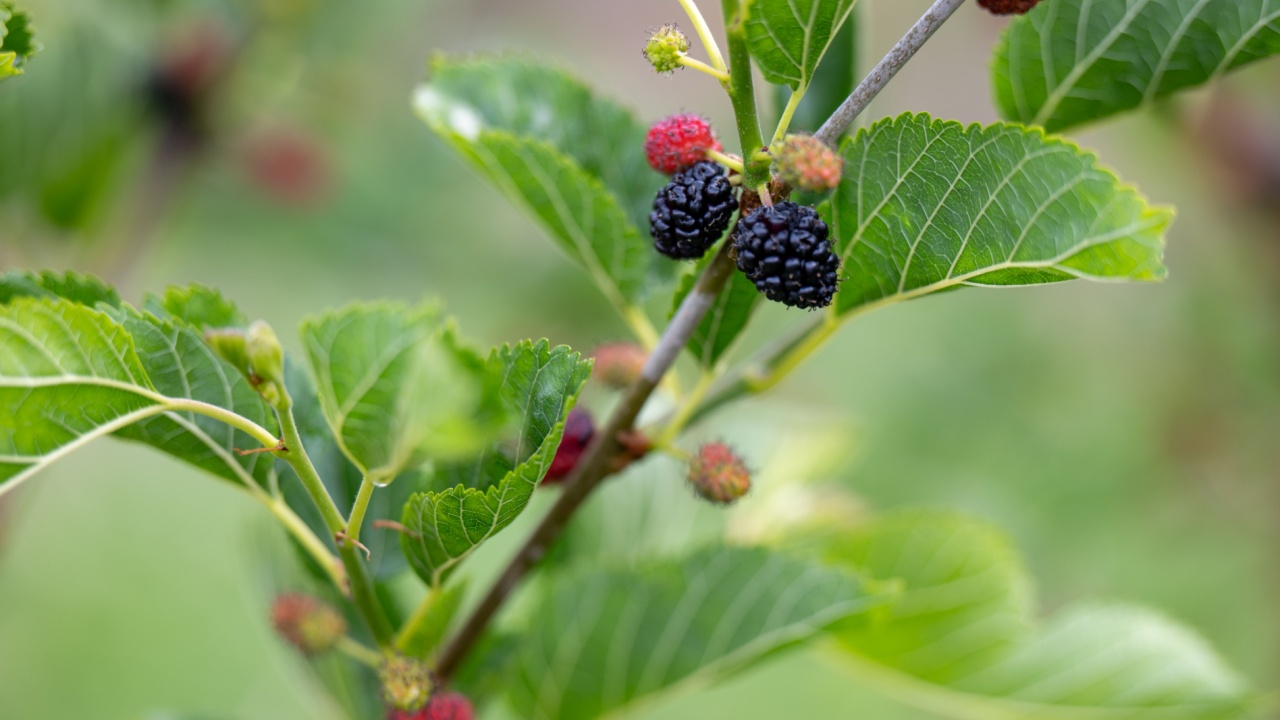
No other tree on this list grows and fruits faster. Red mulberry adds roughly 10 feet of height per year and can produce its sweet, blackberry-like fruit within the first growing season. It tolerates partial shade and grows across zones 4 to 9.
One practical warning: the berries stain anything below them, including patios, driveways, and outdoor furniture. Plant it away from hardscape surfaces.
5. Downy Cherry
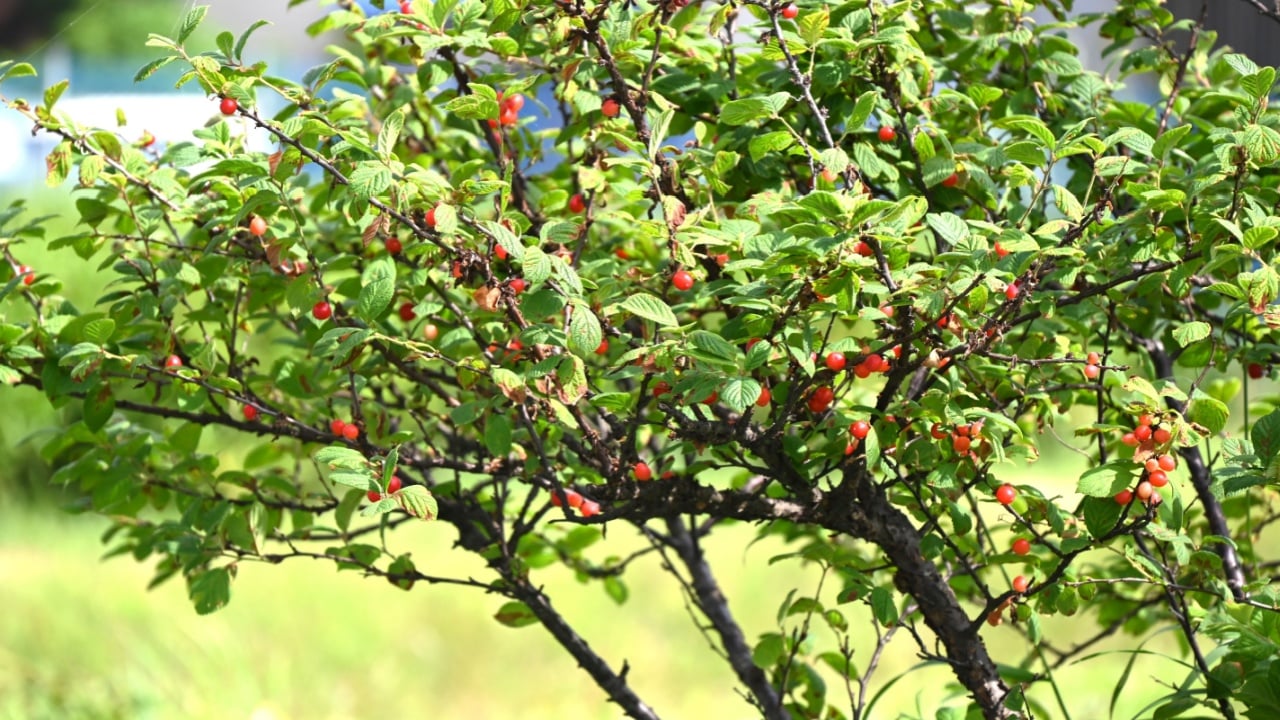
This is the cherry tree for anyone who thought cherries were out of reach.
Cold-hardy to USDA zone 2, it grows about 2 feet per year and tops out at a manageable 6 to 10 feet tall. Pruning is minimal; the main task is improving air circulation or removing dead wood. For gardeners in colder climates who have envied their southern neighbors’ orchards for years, the downy cherry is the answer.
6. American Plum
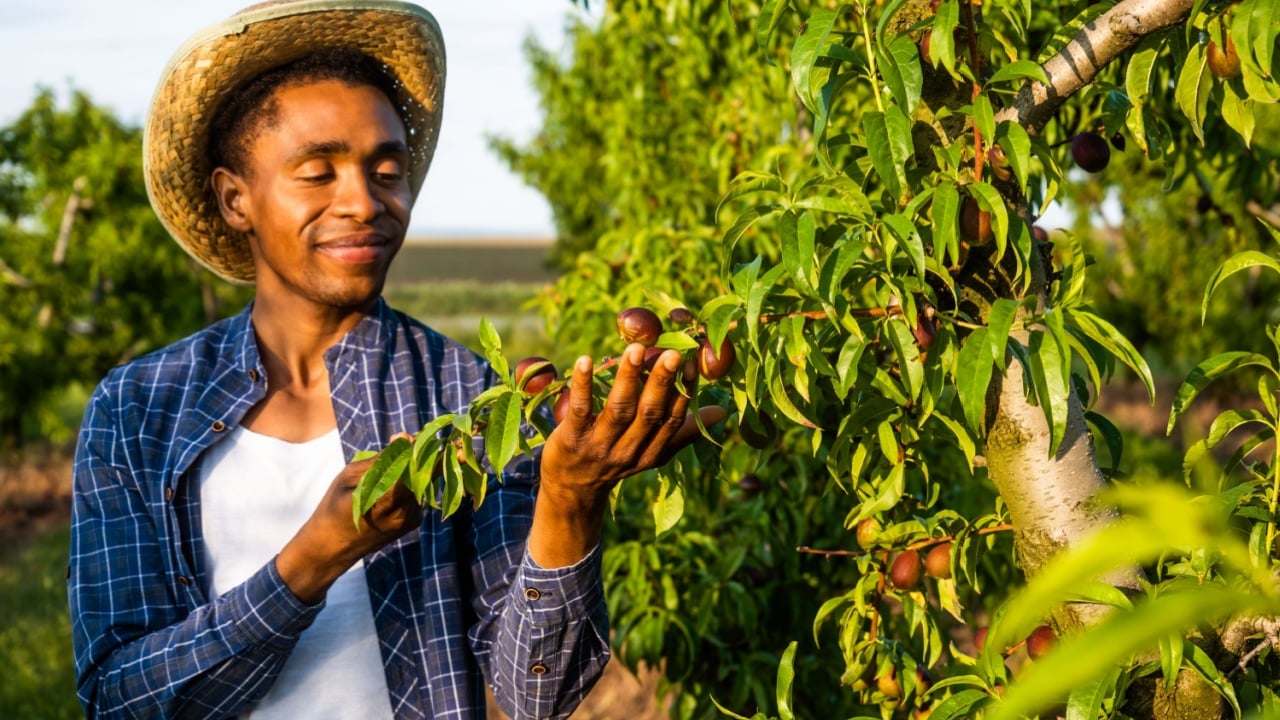
A native plant that earns its keep on every front: juicy fruit, wildlife habitat for songbirds and pollinators, host plant for butterfly species, and tolerant of partial shade and nearly any well-drained soil. It grows in zones 3 to 9 and requires almost no intervention once established. Your main task is occasional pruning to prevent it from spreading into areas you want to be clear.
7. Juneberry

Juneberry is the rare fruit tree that actually grows well in shade, which makes it a genuine solution for yards where full sun is limited.
It produces blueberry-flavored fruit in early summer, brilliant fall foliage, and delicate spring flowers, giving it four-season interest that most fruit trees cannot match. Hardy from zones 4 to 9, it is also drought-tolerant once established and requires almost nothing from the gardener beyond a little patience.
How Much Can a Fruit Tree Really Save You at the Grocery Store?
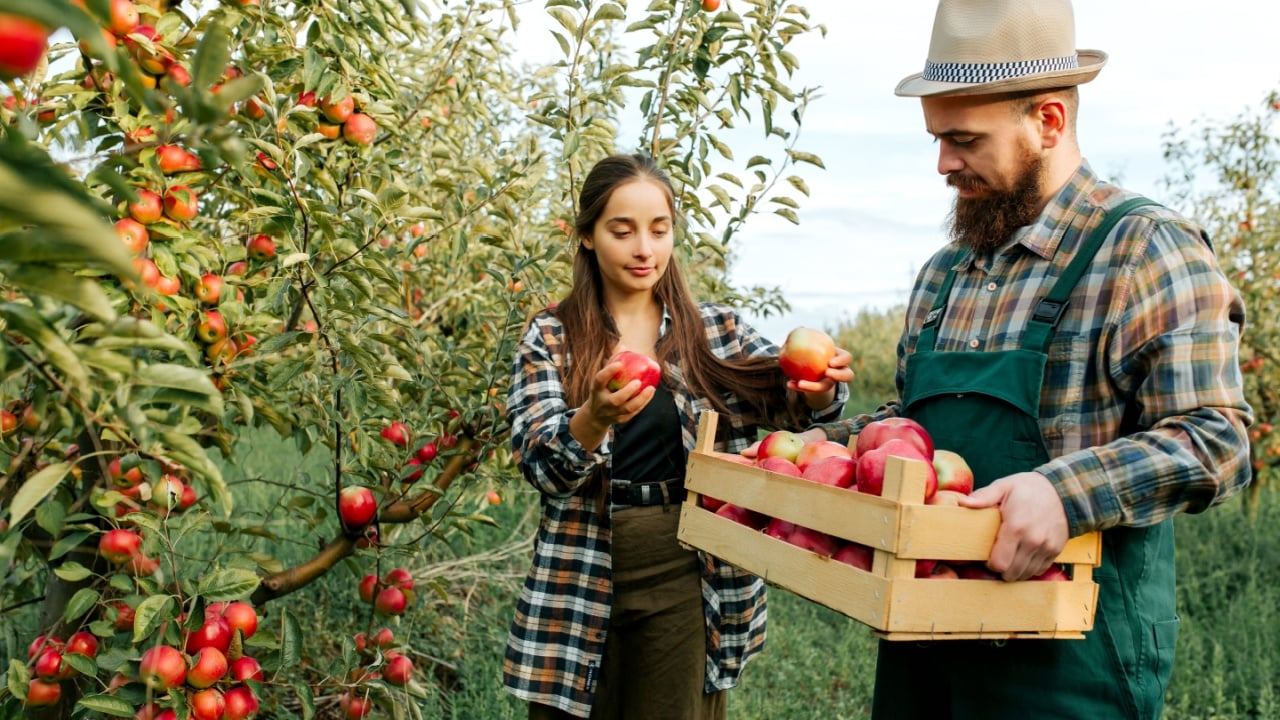
The numbers are more compelling than most people expect. According to the US Citrus Nursery, fruit trees save home gardeners $200 to $500 per year on grocery bills, and a single mature citrus tree can produce 50 to 100 pounds of fruit annually. A Tree Triage survey found that people who grow their own food save an average of $65 per month on groceries, and 92 percent of respondents said their homegrown food tastes better than anything from the store.
The investment is minimal compared to the return. A quality fruit tree costs $25 to $75 at planting. Once it reaches maturity, which for most of the trees on this list happens in two to five years, it produces for decades with little ongoing expense. Stop paying $4 for a pint of organic cherries at the grocery store and grow 30 to 50 pounds of them in your own backyard instead.
Three Rules That Separate the Gardeners Who Get Fruit From Those Who Don’t
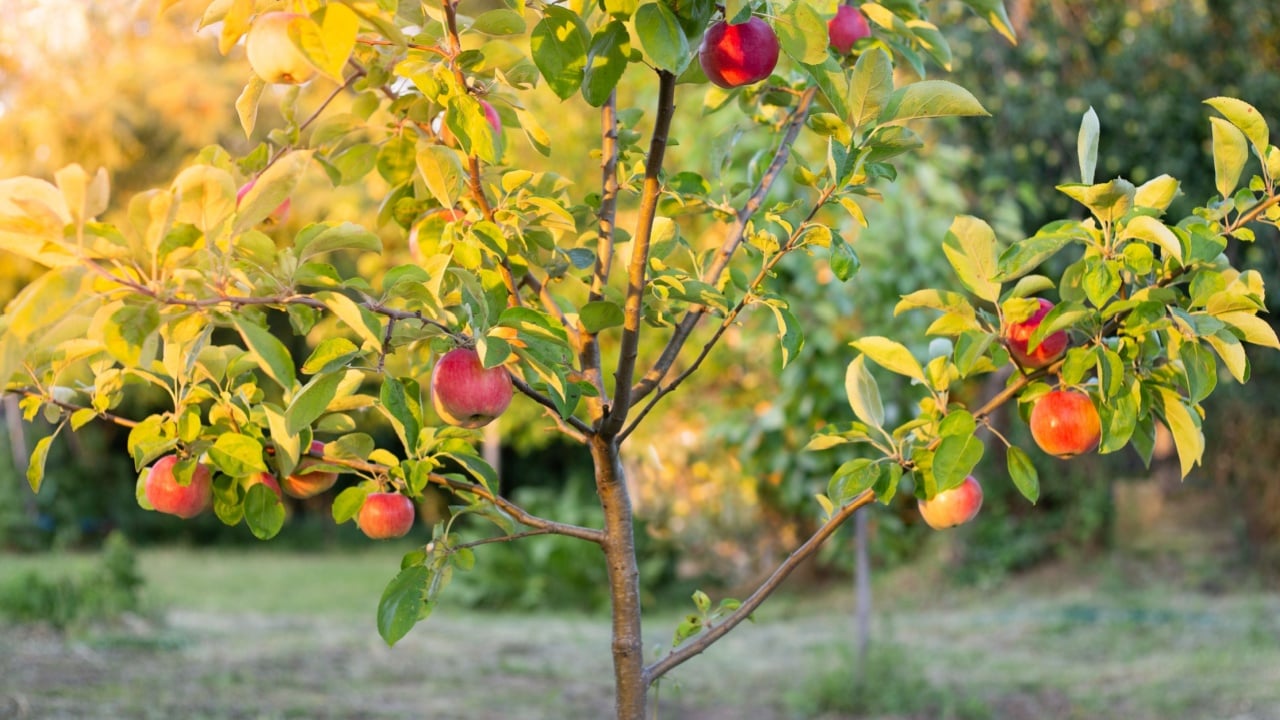
Buy from a reputable source. Skip the big-box store and find a local specialty nursery or a trusted online retailer that can confirm the variety, the rootstock, and whether it suits your specific zone. As Master Gardener Josh Davis noted on the Orchard People podcast, knowing your chill hours and zone before you buy is the single most important step in fruit tree success.
Protect the trunk in year one. Voles and gophers chew through young trunk bases and surface roots with devastating efficiency. This silent killer destroys trees that beginners have waited for and tended for years, and it is seldom mentioned in standard planting guides. A simple wire trunk guard costs under $5 and eliminates the risk.
Start with one or two trees, not five. The gardeners who succeed in the long term are the ones who build their skills with a manageable number of plants before expanding. Overwhelm leads to neglect, and neglect kills trees. Plant one or two this year, learn their rhythms, and add more next spring.
Read more:
Direct Sow These 9 Seeds in June Before the Window Closes for Good
June Is National Pollinator Month. Are You Accidentally Harming the Bees You Want to Help?