6 Things Minimalists Never Keep in Their Home More Than a Year
Homes fill up slowly, almost without notice. A gift lands on a shelf, a gadget gets tucked into a cabinet, and a few unused items stay in place far longer than anyone meant them to.
Minimalists tend to notice that pattern early. Their homes are not empty for the sake of appearance. They stay lighter because the people in them make regular choices about what still serves a clear purpose.
That habit has real value. Studies on household clutter have linked cluttered spaces with stress, wasted time, and the mental load of too many visual reminders and unfinished decisions.
This list looks at six things minimalists rarely keep in their home for more than a year, and why that yearly review helps keep daily life simpler.
1. Clothes That Never Get Worn

Minimalists rarely let untouched clothing sit in closets year after year. If a sweater, pair of jeans, or jacket has gone through a full season without being worn, it usually signals a mismatch in fit, comfort, lifestyle, or taste.
A yearly clothing review helps separate fantasy purchases from real-life favorites. Many minimalists use simple methods, such as turning hangers backward at the start of a season and checking which items remain untouched later on.
Special-occasion pieces may stay longer if they still fit and serve a real purpose, but everyday clothes need to earn their place. That makes dressing easier and cuts down on cramped drawers and crowded rods.
2. Expired Makeup and Skincare
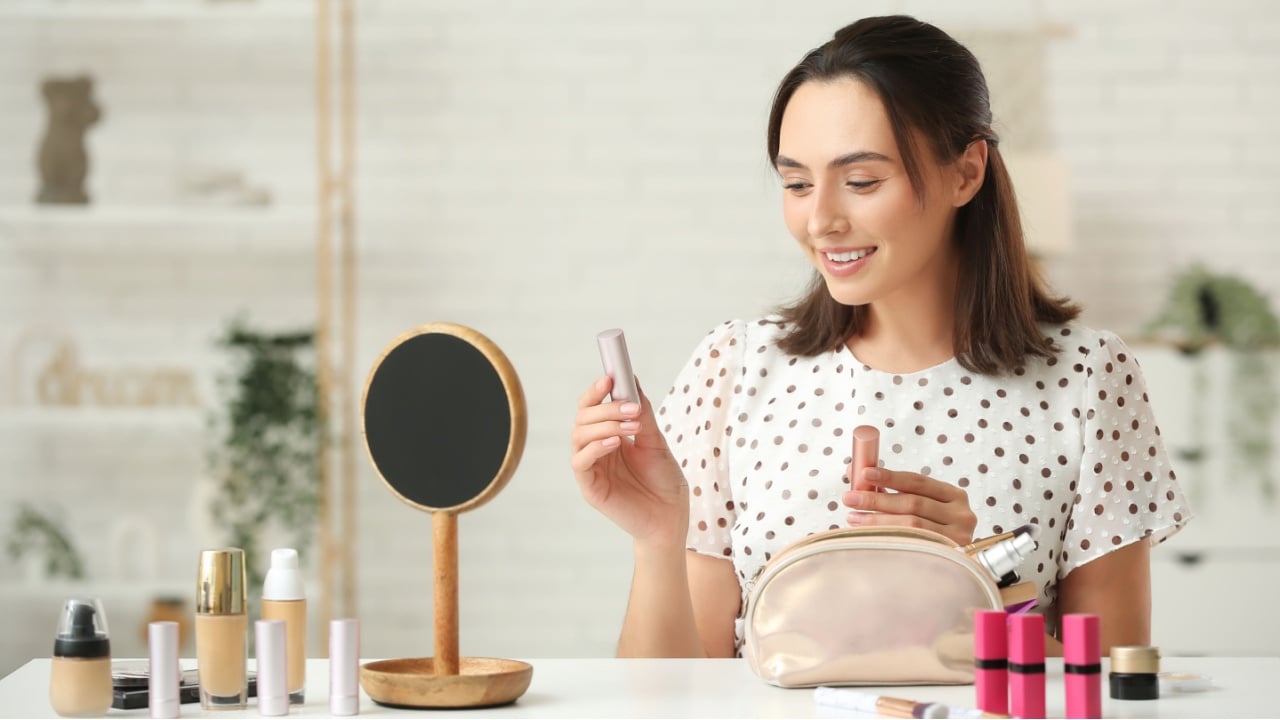
Beauty products often outstay their safe use period, especially when they are bought on impulse or received as gifts. Mascara, liquid eyeliner, creams, and serums all have shelf lives, and old products can lose their effect or collect bacteria.
Dermatologists and product safety guidance have long warned that expired makeup and skincare can lead to irritation, breakouts, or eye infections. Minimalists tend to treat these items as practical tools, not permanent inventory.
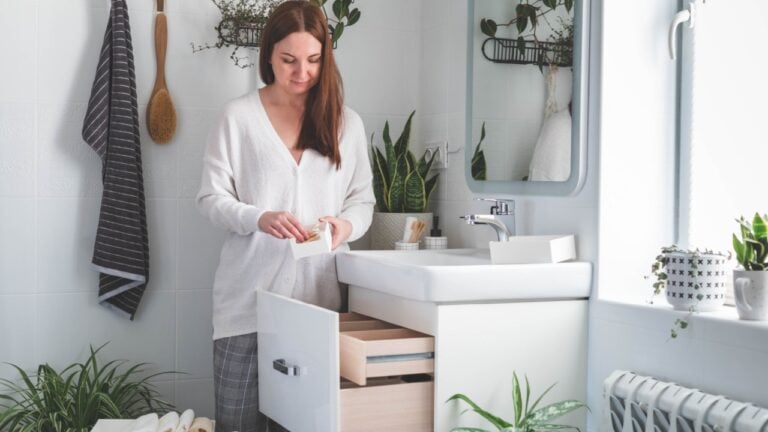
A once-a-year check of bathroom drawers and vanity trays can clear out a surprising amount. Duplicate lip colors, half-used lotions, old perfume samples, and products that did not suit the skin usually do not deserve another year of storage.
What remains is often a smaller group of items that are used often and finished with less waste.
3. Small Appliances and Dead Electronics

Some gadgets take up space but serve little real use. Bread makers, juicers, sandwich presses, old tablets, tangled chargers, and mystery cords often sit in cupboards long after interest fades.
Broken or outdated electronics create a similar problem, especially when households keep them “just in case.” An annual review usually reveals what has become dead weight.
If an appliance has not been used in a year and another item already handles the same task, it is time to donate it, recycle it, or pass it on. The same goes for electronics that no longer charge, match current devices, or meet daily needs.
4. Holiday Decor That Lost Its Meaning
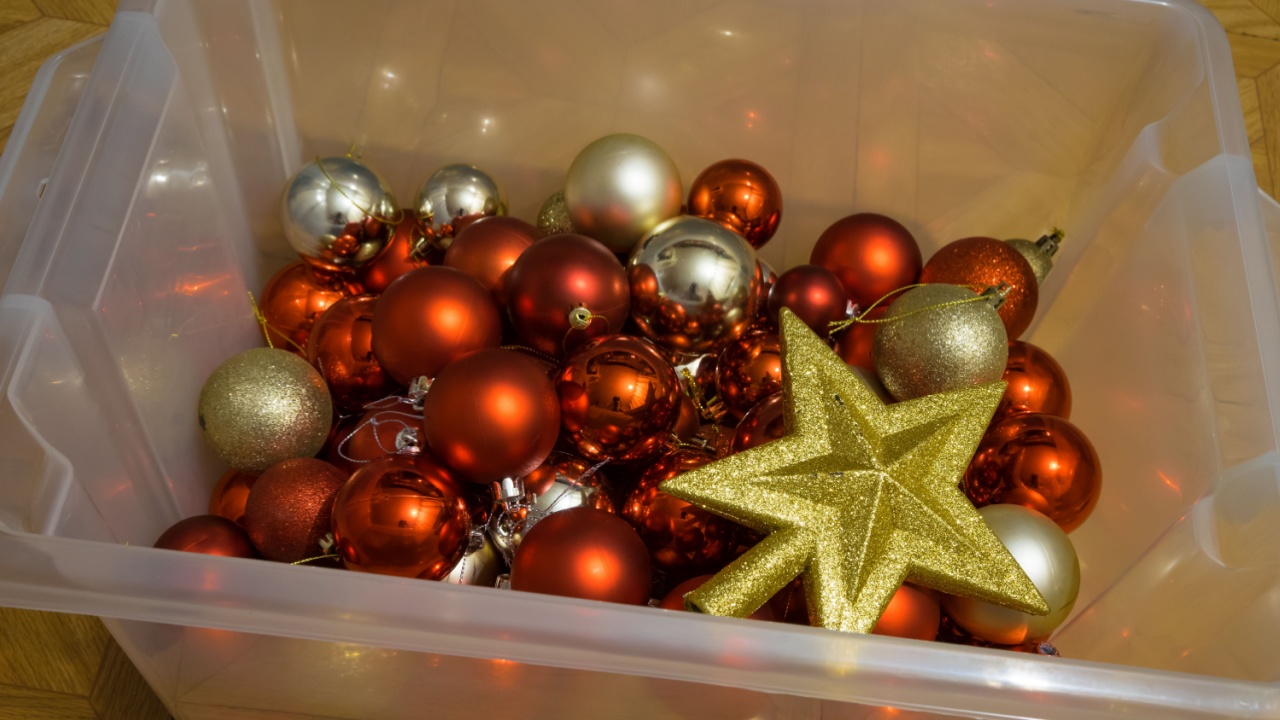
Seasonal decor can carry strong memories, but it can also become one of the easiest categories to overstore. Boxes often hold broken ornaments, faded table linens, burned-out string lights, and themed serving pieces that never make it out during the season.
Most minimalists keep holiday items that still feel meaningful or useful, then let go of the rest. That keeps tradition intact without filling closets and attics with things no one reaches for.
A yearly sort before or after each holiday can make this process much easier. Items in poor condition, duplicates, or decorations that no longer fit the household’s style often stand out quickly once everything is unpacked.
Sentimental pieces can be limited to a small keepsake box, which protects memories without giving them unlimited storage space. The result is a holiday setup that feels intentional instead of crowded.
5. Extra Storage Containers and Spare Organizers

Storage products can create their own form of clutter. Extra baskets, shoe boxes, garment bags, tote bags, bins, and drawer dividers may seem useful, yet many sit empty or hold random leftovers from past organizing efforts.
Minimalists review storage items once a year with a hard limit in mind. They may keep one bin for gift bags, one tote for reusable shopping bags, or a small set of baskets that fit current routines.
When containers outnumber the household’s actual storage needs, they become clutter dressed as order. Cutting back in this category often reveals how much space was already available all along.
6. Paper Piles and Old Household Records
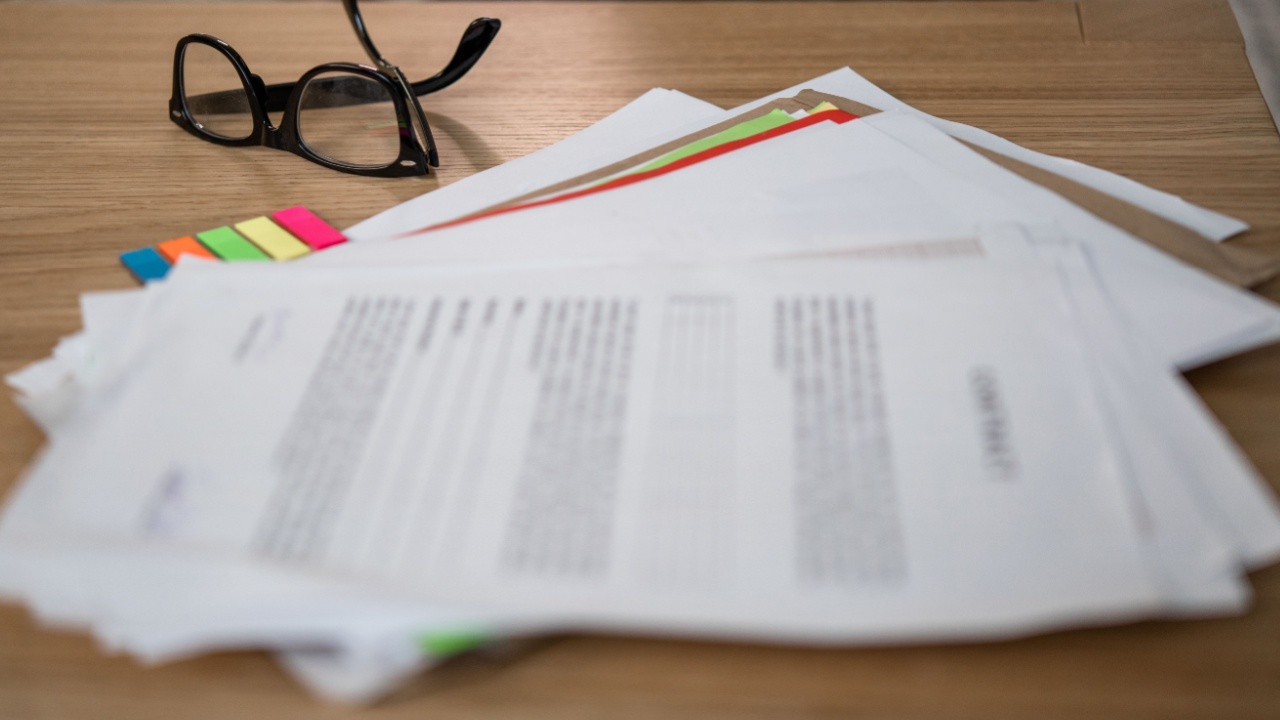
Paper clutter spreads across counters, drawers, and shelves. Old receipts, expired coupons, duplicate manuals, outdated school papers, and stacks of filed documents can stay untouched for years because sorting them feels tedious.
Minimalists tend to treat paper as a category that needs regular limits. That approach lines up with common household advice, since many records only need to be kept for a set number of months or years, while others can be scanned and stored digitally.
A yearly paper review can shrink this category fast. Important tax records, legal documents, warranties still in effect, and medical files may deserve a dedicated file system, but much of the rest can go through a shredder or recycling bin.
Unread magazines and old printouts are often easy wins. With less paper in the home, surfaces stay clearer, and important documents are much easier to find.
A Lighter Home, Kept On Purpose
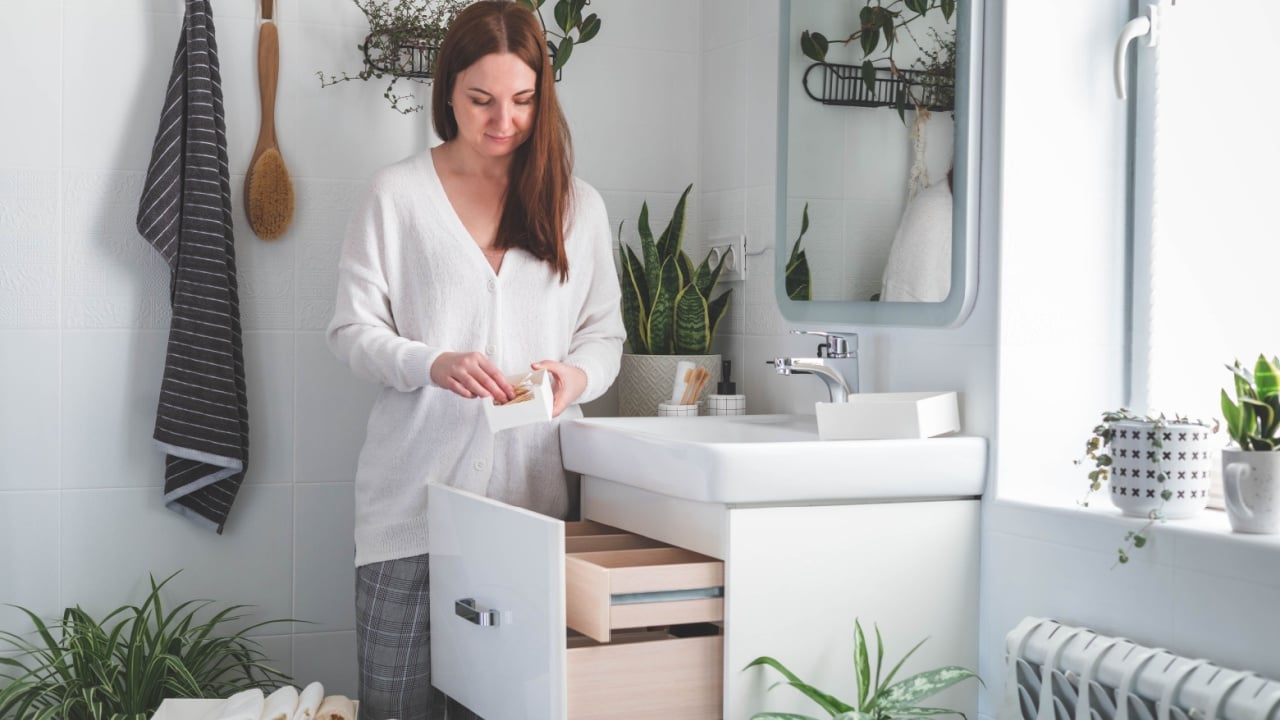
Minimalists do not wait for clutter to become a major problem. They build simple review habits into the year, then remove what no longer fits their life, space, or routines.
That steady editing keeps a home useful, calm, and easier to manage. The point is not to own as little as possible. It is to make room for what still earns a place.
Read More:
6 Questions That’ll Help You Declutter Ruthlessly
6 Reasons Marie Kondo’s Decluttering Method Doesn’t Work for Everyone, and What to Try Instead