15 Lurking Kitchen Hazards Posing a Safety Risk (and How to Fix Them)
The kitchen is the heart of the home, a place for gathering, eating, and cooking. But with its combination of heat, sharp objects, and heavy appliances, it can also be a room full of hidden dangers. Many of these hazards are easy to overlook during daily use.
Research shows that the kitchen is the most common place for house fires and other accidents to start. Simple issues, like neglecting equipment or not cleaning surfaces properly, can lead to preventable injuries, property damage, and even foodborne illnesses.
Identifying these dangers requires a closer look at everyday tools and routines. A standard cleaning might not address the internal parts of appliances or the tiny cracks in cooking tools where germs can hide. Changing a few daily habits can help prevent accidents before they occur.
This article will outline 15 common safety hazards found in the kitchen. For each hazard, it will explain the risk and offer simple, actionable advice to make your kitchen a safer place for everyone in the household.
1. Plastic Cutting Boards

Plastic cutting boards can release tiny particles of plastic into food each time a knife slices into them. These microplastics can enter the human bloodstream, turning a common kitchen tool into a source of contamination. Eventually, knife grooves can also harbor bacteria that are difficult to remove.
A safer alternative is to use boards made from natural materials like wood or bamboo. Wood has natural antimicrobial properties that help resist bacterial growth, while bamboo offers a durable, sustainable surface that is less prone to deep scratches. Both options provide a more sanitary surface for meal preparation.
It is advisable to discard plastic boards once they show significant scratches or discoloration. Investing in high-quality wooden or bamboo boards can create a safer and more hygienic cooking environment for the household.
2. Scratched Nonstick Pans
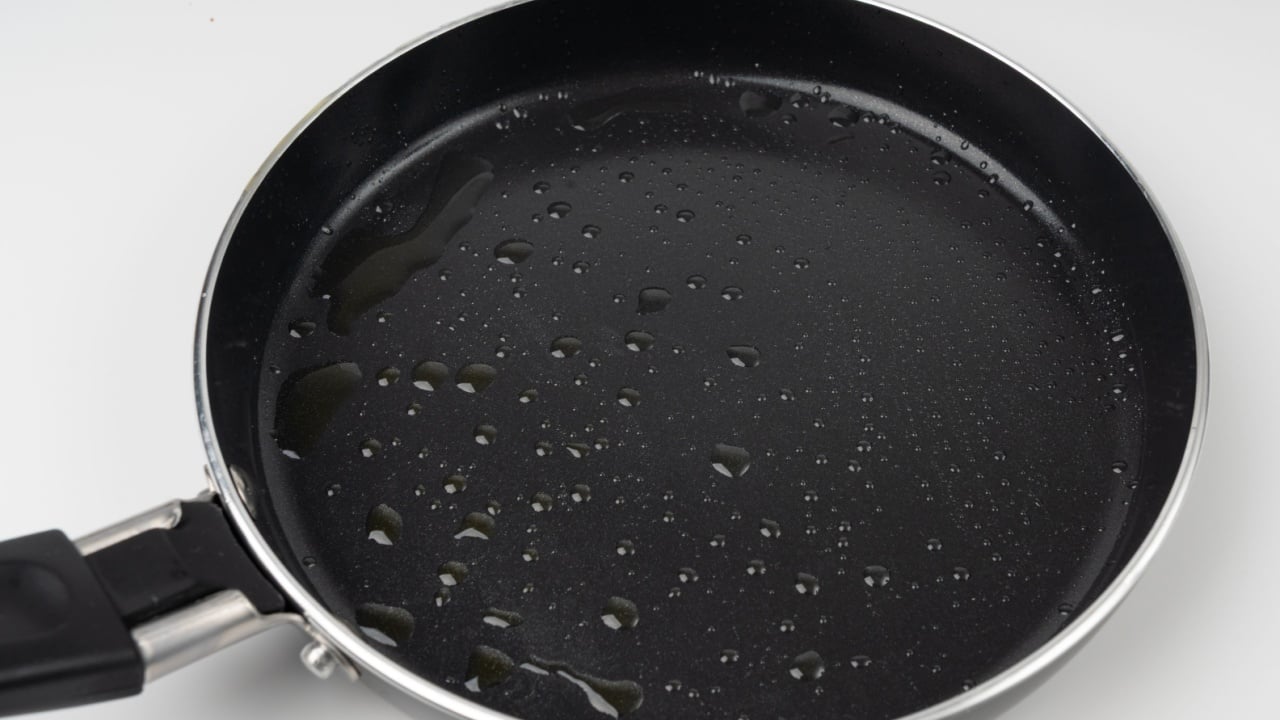
Nonstick cookware can pose a health risk once the surface becomes scratched or chipped. When damaged Teflon pans are heated to high temperatures (above 500°F), they can release toxic fumes. These fumes may cause respiratory issues and can contaminate the food being prepared.
It is important to inspect all nonstick pots and pans for signs of wear and tear. Any cookware with flaking or deep gouges in the coating should be discarded. Ceramic-coated cookware is a non-toxic alternative that still provides a smooth cooking surface.
A well-seasoned cast-iron skillet is another excellent replacement for damaged nonstick pans. Cast iron is extremely durable and develops a natural non-stick surface over time with proper use and oiling, making it a long-lasting and safe option.
3. Old Water Filters
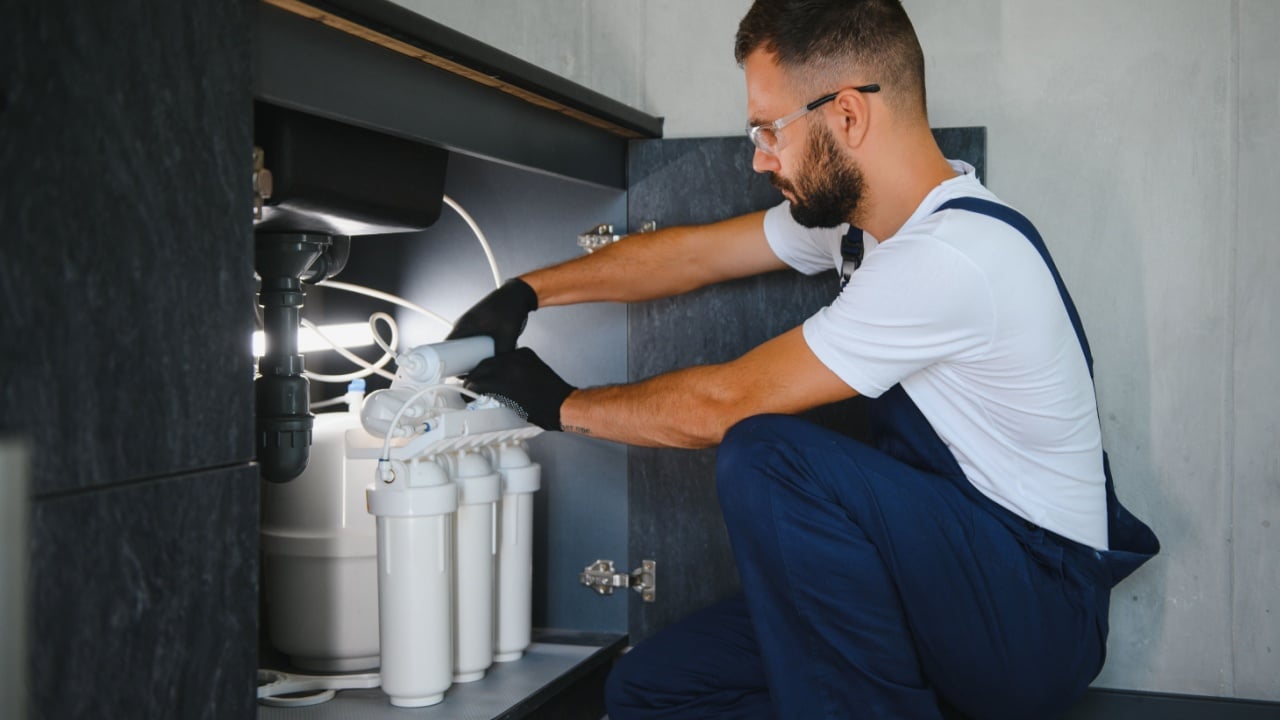
Water filters in refrigerators and pitchers lose their effectiveness. Once a filter passes its expiration date, it can become clogged with contaminants and no longer purify water effectively. The damp environment inside an old filter can also become a breeding ground for bacteria and mold.
A change in the water’s taste or a slower flow rate is a clear indicator that the filter needs to be replaced. It is important to check the manufacturer’s guidelines for the specific replacement schedule, as most systems require a new cartridge every three to six months.
Keeping a spare filter on hand ensures a timely replacement can be made. Regular maintenance of water filtration systems guarantees that the household has continuous access to clean and safe drinking water.
4. Germy Sponges
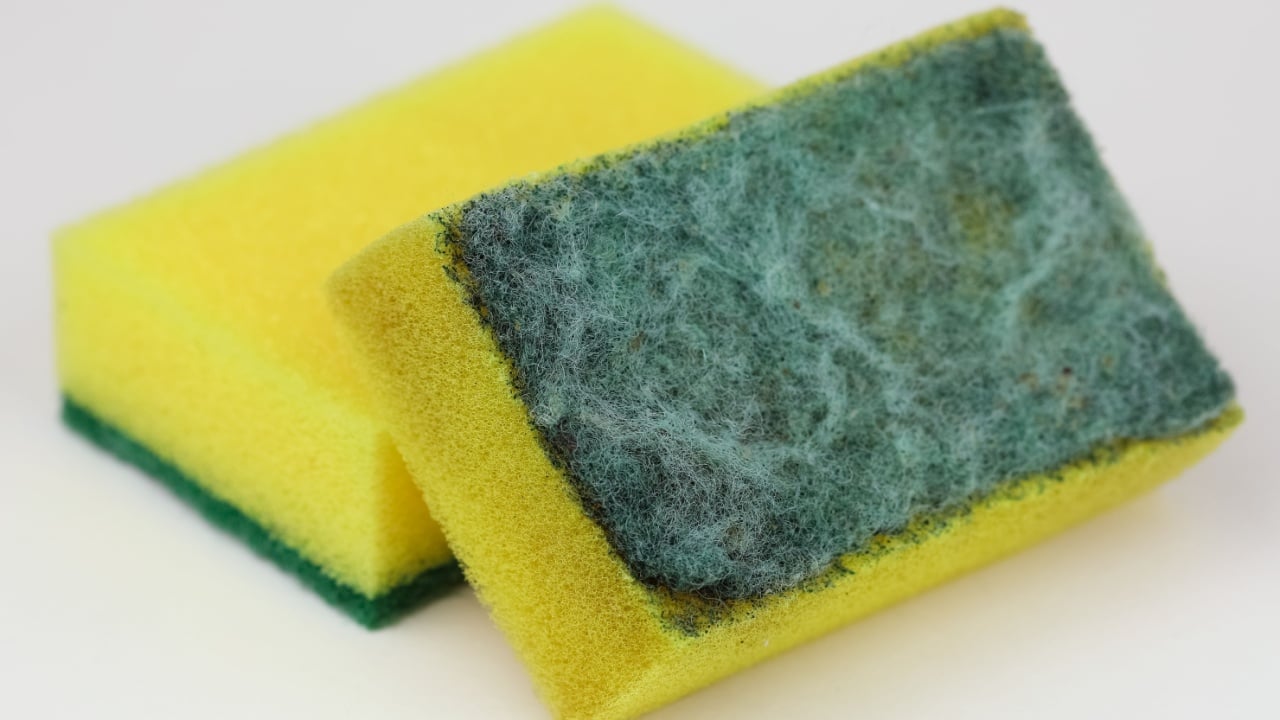
Kitchen sponges can create an ideal environment for harmful bacteria to grow because they absorb moisture and food particles. Using the same sponge for an extended period can spread germs across dishes, countertops, and other surfaces. This can lead to unintentional cross-contamination.
While sanitizing a sponge in the dishwasher or microwave can kill some bacteria, it is not a long-term solution. To maintain a hygienic kitchen, sponges should be replaced every one to two weeks, or sooner if they develop a foul odor.
A more sanitary alternative to sponges is using washable cotton dishcloths. These can be washed in a machine every few days, which helps keep the cleaning routine fresh and reduces the spread of germs.
5. Clogged Hood Filters
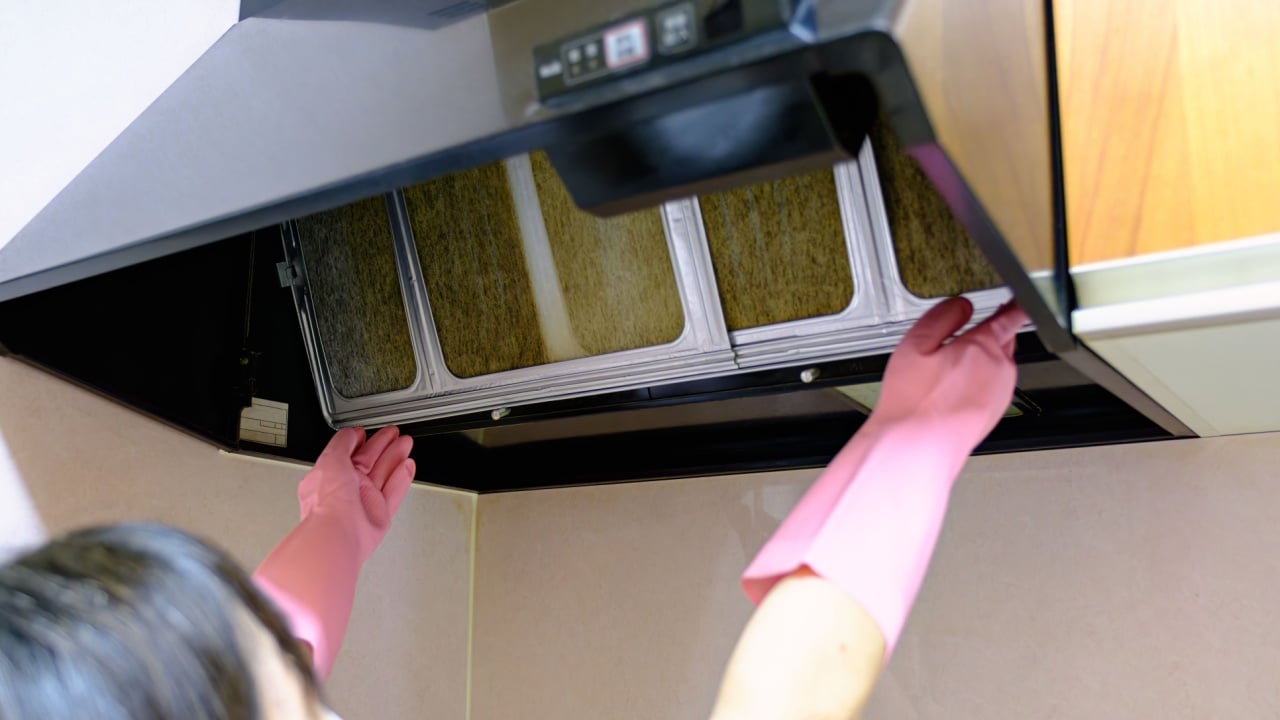
The filter in a range hood can accumulate a heavy buildup of grease from cooking. This sticky residue is highly flammable and can ignite if a fire starts on the stovetop. A clogged filter also reduces the hood’s effectiveness at removing smoke and harmful gases like carbon monoxide from the air.
The metal mesh filter should be inspected regularly for yellow or brown grease deposits. To clean it, the filter can be removed and soaked in hot, soapy water to break down the grease. A gentle scrub with a soft brush will clear out any remaining grime.
Cleaning the hood filter once a month helps keep the ventilation system working efficiently. A clean range hood not only protects the home from potential fires but also improves indoor air quality.
6. Full Crumb Trays
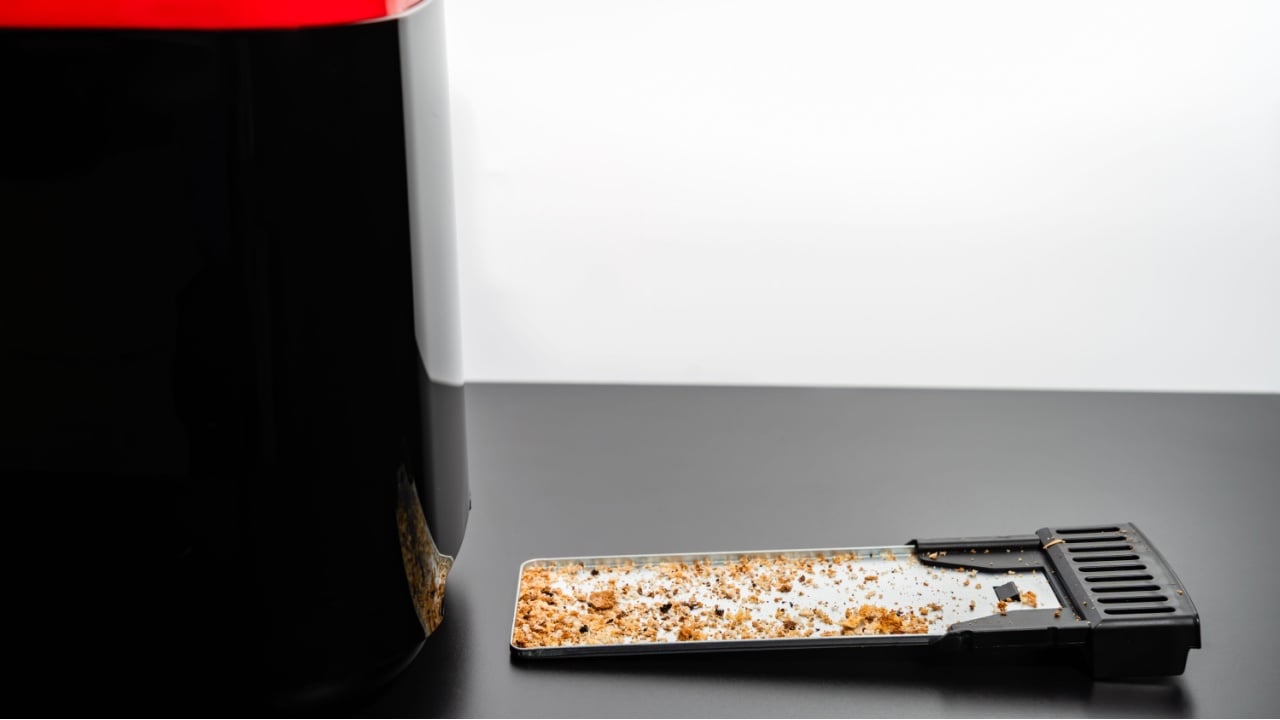
The crumb tray in a toaster or toaster oven collects dried bread flakes and other food debris. If this debris builds up near the heating elements, it can start to smoke or even catch fire. This makes a routine task like making toast a potential fire hazard.
To clean it, the appliance should be unplugged, and the tray slid out to empty the crumbs. The tray can then be washed with warm, soapy water and dried completely before being put back. Shaking the toaster upside down can also help dislodge stubborn crumbs.
Emptying the crumb tray weekly is a quick and simple habit. This small chore can prevent smoke, reduce the risk of fire, and prolong the life of the appliance.
7. Stinky Dishwashers
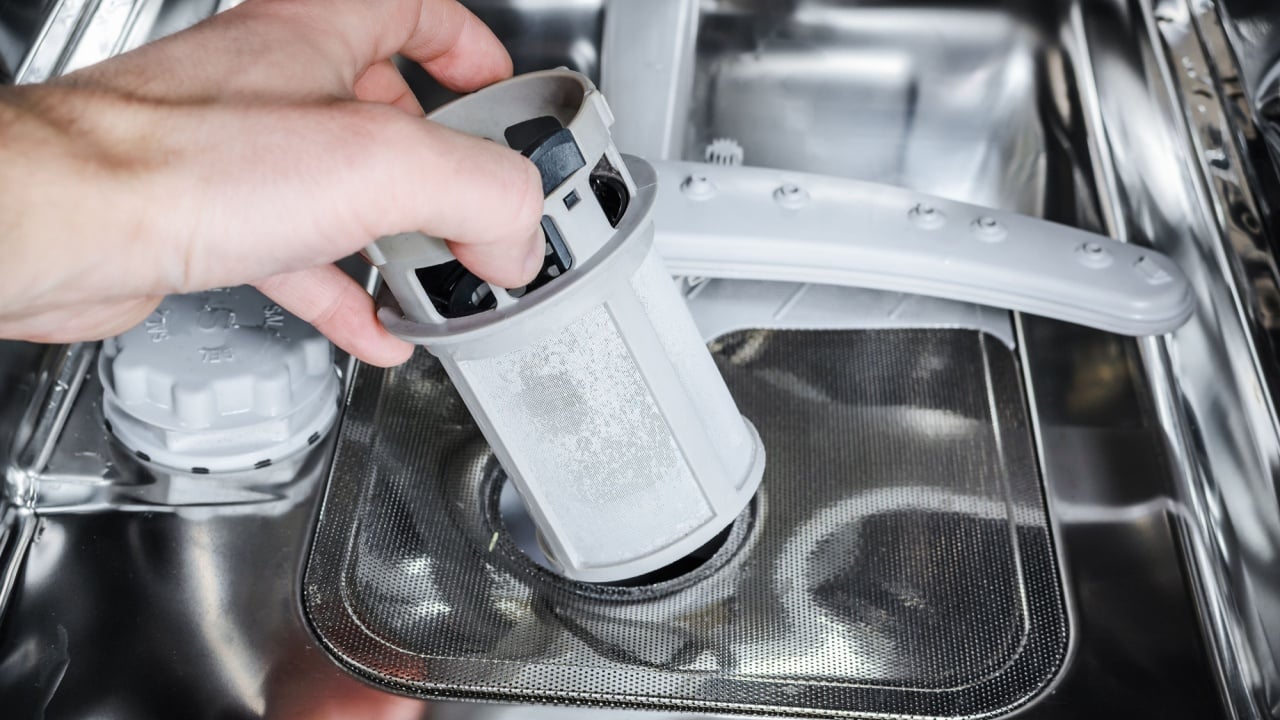
Food scraps and grease can become trapped in a dishwasher’s filter and rubber seals. This decaying organic matter can create foul odors and become a breeding ground for mold. A dirty machine cannot effectively clean dishes.
The filter, usually located at the bottom of the tub, should be removed and washed regularly. A soft brush can be used to clean grime from the door seals and spray arms. Running an empty cycle with a cup of white vinegar can help eliminate odors and dissolve mineral deposits.
Performing a deep cleaning of the dishwasher interior monthly helps maintain its performance. A clean appliance washes dishes more effectively and prevents the transfer of bacteria to utensils.
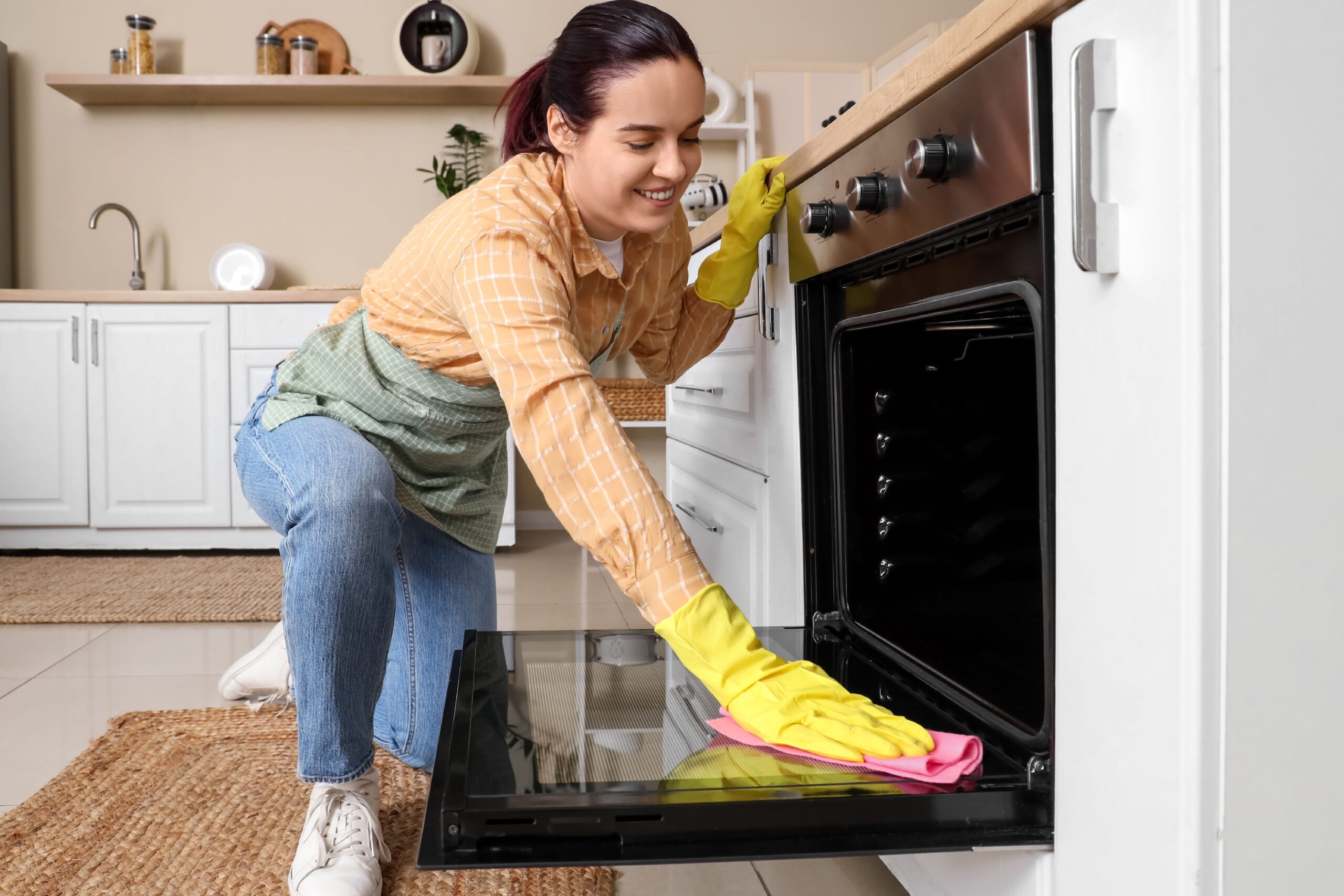
8. Dirty Ovens

A dirty oven can release smoke and unpleasant odors when heated. Spilled food and baked-on grease carbonize, which can impact indoor air quality and affect the taste of food. Breathing in this smoke can also aggravate respiratory conditions.
Fresh spills should be wiped up as soon as the oven cools to prevent them from becoming baked on. For stubborn stains, a paste of baking soda and water can be applied, left overnight, and then wiped away with a damp cloth. This method avoids the use of harsh chemical cleaners.
A thorough oven cleaning every few months will keep the appliance in safe working order. A clean oven heats more evenly, cooks food more effectively, and prevents burnt flavors from ruining meals.
9. Slippery Floors
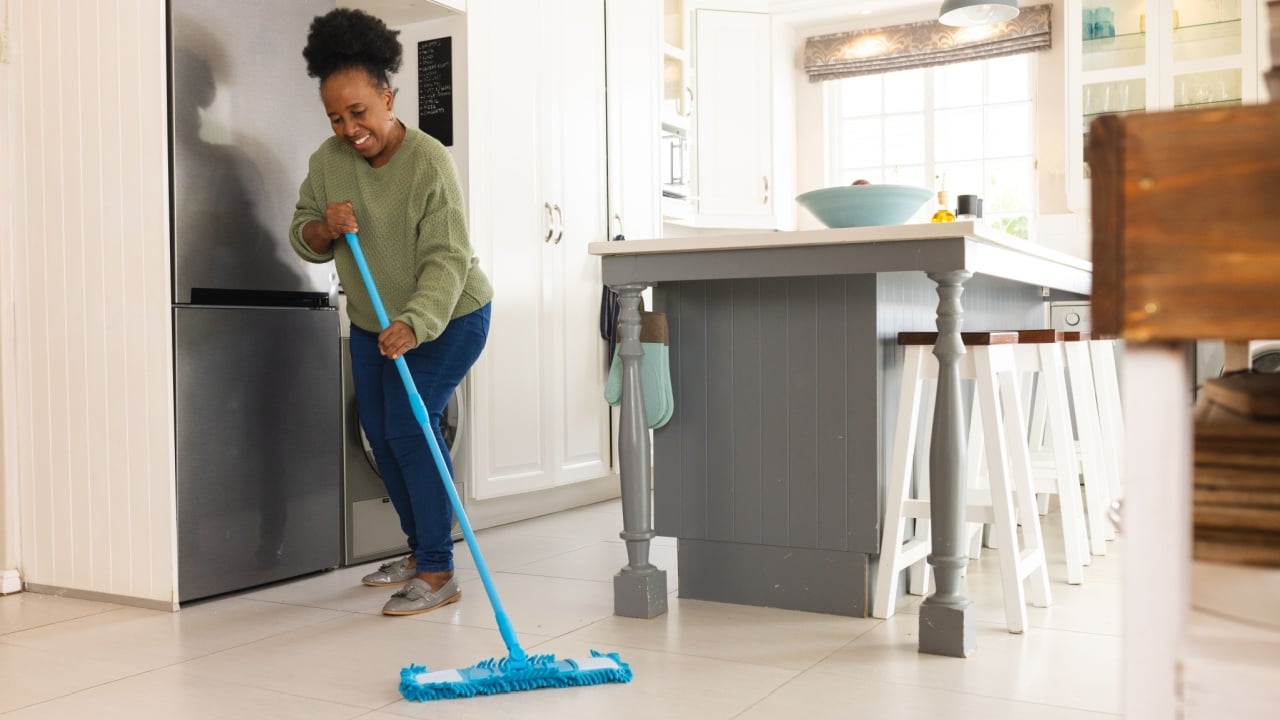
Spills from cooking oil or water can make kitchen floors, especially tile or linoleum, extremely slippery. A person could be seriously injured if they slip and fall while carrying something hot or sharp. Grease can also be tracked around the room, creating invisible hazards.
Any spills should be wiped up immediately with an absorbent towel or mop. Placing non-slip mats in front of the sink and stove can provide extra traction in high-traffic areas. These mats also help catch small splashes.
Washing mats regularly and sweeping the floor daily removes dust and crumbs that can make surfaces slippery. Keeping the kitchen floor clean and dry is a simple way to significantly reduce the risk of a dangerous fall.
10. Dull Knives

Using a dull knife is more dangerous than using a sharp one because it requires more force to cut. This increased pressure makes it more likely for the blade to slip off food and cause an injury. Many emergency room visits are due to lacerations from dull blades.
A knife’s sharpness can be tested by slicing a piece of paper. If it doesn’t cut cleanly, the edge needs to be restored using a whetstone or a handheld sharpener. Professional sharpening services are also an option for bringing blades back to their original condition.
Proper storage, such as on a magnetic strip or in a knife block, protects the blades from damage. Maintaining a sharp edge makes food preparation faster, easier, and significantly safer.
11. Frayed Electrical Cords

The electrical cords on countertop appliances can become damaged from being wrapped too tightly or pinched. Exposed wires present a serious risk of electrocution and can be an ignition source for fires. A damaged cord near water is especially dangerous.
It is important to regularly inspect the power cables on all kitchen appliances for cracks or exposed wiring. Any appliance with a compromised cord should be professionally repaired or discarded. Standard electrical tape is not a safe solution for fixing a high-voltage cord.
Keeping cords organized and away from hot surfaces and water can extend the life of an appliance. Proper cord management is a key step in preventing major electrical hazards in the kitchen.
12. Overloaded Outlets

Plugging multiple high-power appliances into a single outlet or power strip can overload the circuit. This can cause the wiring inside the walls to overheat, which degrades the insulation and creates a fire risk. This is a common issue in kitchens with many electrical gadgets.
High-wattage appliances like microwaves and toasters should be plugged directly into their own wall outlets. It is also wise to avoid running multiple heavy-draw machines at the same time. Upgrading to GFCI outlets provides additional protection against electrical shocks near water sources.
If circuit breakers trip frequently during cooking, it may be a sign of an overloaded system. In such cases, consulting a licensed electrician to assess and possibly upgrade the electrical panel is a crucial safety measure.
13. Improperly Stored Chemicals

Storing cleaning chemicals in low, unlocked cabinets poses a poisoning risk, especially to children and pets. Products like drain cleaners and oven sprays contain toxic compounds that can cause serious harm if ingested or inhaled. Accidentally mixing certain chemicals can also create deadly toxic gas.
All hazardous cleaning products should be moved to a high shelf or a locked cabinet. Installing childproof latches on lower cabinets is another effective solution. Keeping chemicals in their original, labeled containers prevents dangerous mix-ups.
It is important to read warning labels and never store incompatible products, like bleach and ammonia, near each other. Proper storage and segregation of chemicals are essential for keeping the household safe from accidental exposure.
14. Expired Fire Extinguishers
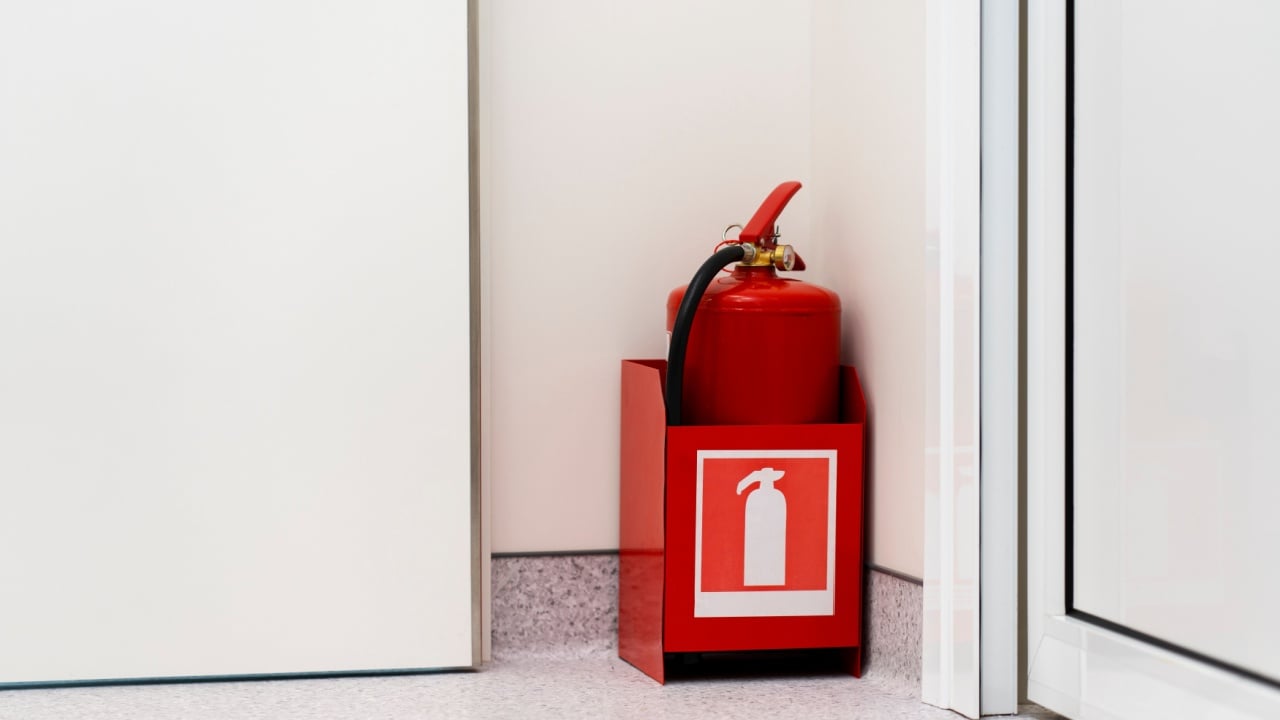
A fire extinguisher can lose its internal pressure over time, rendering it useless in an emergency. Many people keep an extinguisher for years without checking it. Discovering that an extinguisher is non-functional during a kitchen fire can have devastating consequences.
The pressure gauge on the extinguisher should be checked regularly to ensure the needle is in the green zone. Dry chemical models should be shaken monthly to prevent the powder from compacting. Any unit showing signs of damage or rust should be replaced immediately.
A functional Class B and C fire extinguisher should be mounted in an easily accessible location near a kitchen exit. Having a working extinguisher ready can stop a small flare-up from turning into a major disaster.
15. Loose Cabinet Hardware

Loose cabinet handles or hinges can create unexpected physical hazards. A heavy cabinet door could fall from a loose hinge and cause a serious injury. Protruding screws from wobbly handles can also snag clothing or cause cuts.
A screwdriver should be used to regularly check and tighten all visible screws on cabinet doors and drawers. If screws are stripped, they can be replaced with slightly thicker ones to secure the hardware. This simple maintenance ensures the structural integrity of the cabinets.
Repairing loose hardware is a quick task that can prevent accidents. Sturdy and well-maintained cabinets are safer and less likely to cause unexpected injuries or collapses.
Cook With Confidence

Making your kitchen safer doesn’t require a major overhaul. Building small, consistent habits can protect you and your family from these common hazards.
Regularly cleaning your appliances, sharpening your knives, and checking your equipment can turn the heart of your home from a place of potential danger into a true haven. Stay vigilant, stay safe, and enjoy the peace of mind that comes with a secure cooking space.
Read More:
Hidden Health Risks Lurking in Everyday American Groceries
16 Home Safety Tips That’ll Prevent Unnecessary Accidents and Injuries