These Simple Rules Make a Small Home Feel Bigger Than It Is
People who live in small homes know how a space can look peaceful one hour and crowded the next. A single pile of mail, a few shoes by the door, or a chair loaded with clothes can shrink a room fast.
That shift happens because small spaces show every habit in plain sight. An open, organized home rarely comes from storage bins alone. It comes from a few clear rules that guide what stays, where it lives, and how daily life moves through each room.
This matters even more in homes where one room handles several jobs. A dining area may double as a work zone, and a hallway may need to store more than it should.
Without limits, clutter spreads into every surface and makes a home look tighter than it really is. The rules below help make a small home stay usable, calm, and easy to maintain.
1. Clear Out What No Longer Serves Daily Life
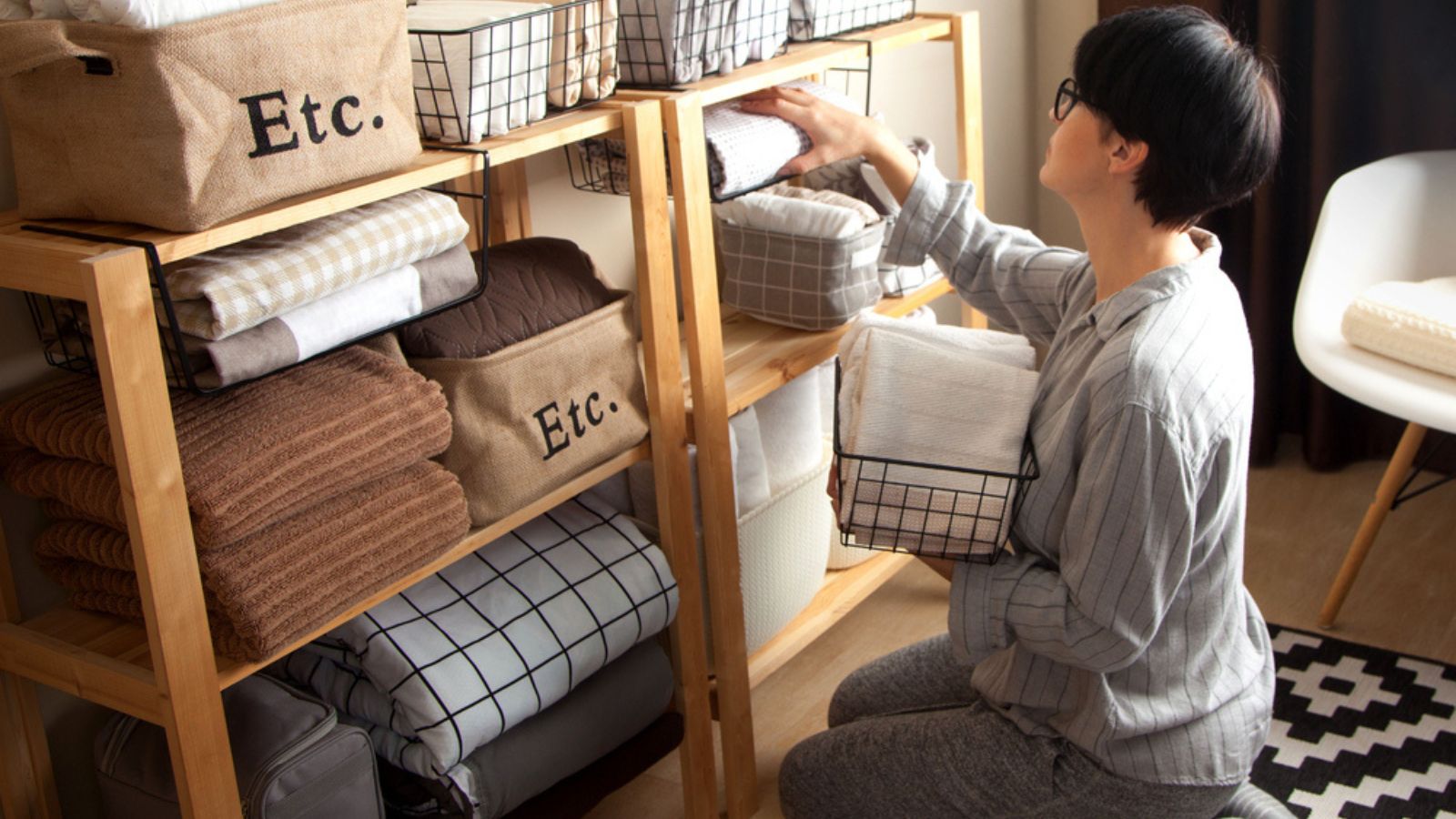
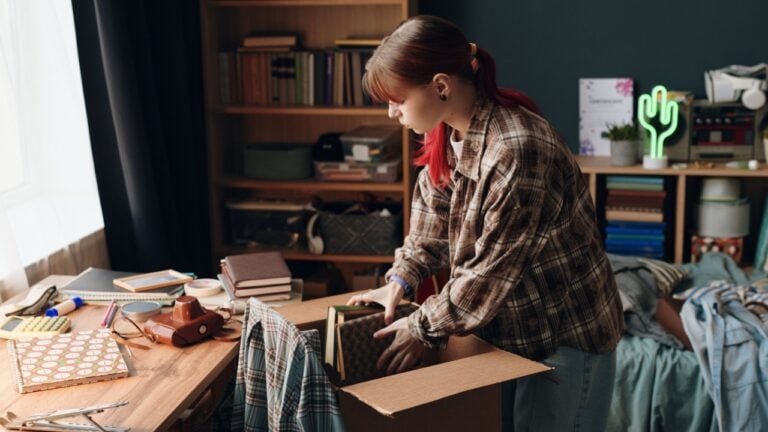
The fastest way to open up a small home is to remove what no longer earns its place. Unused kitchen gadgets, extra blankets, duplicate tools, and old papers all compete for limited storage and leave less room for items used every week.
Professional organizers often note that the average home keeps far more than it actively uses, and small homes feel that weight first.
A useful rule is to review items by function, not sentiment alone. If something has not been used in months, does not fit current routines, or has a better replacement already in use, it may be time to donate, sell, recycle, or discard it.
This kind of editing creates breathing room in closets, cabinets, and open surfaces, which helps a small home look wider and more settled.
2. Give Every Item A Home
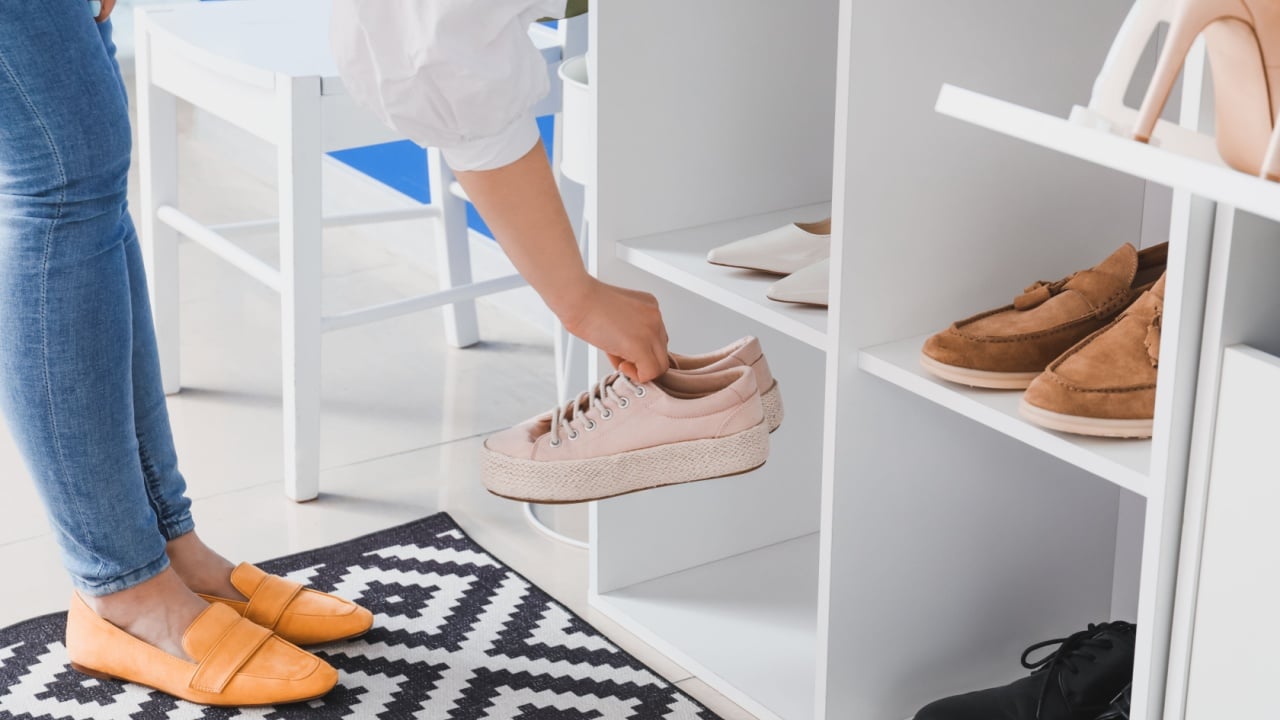
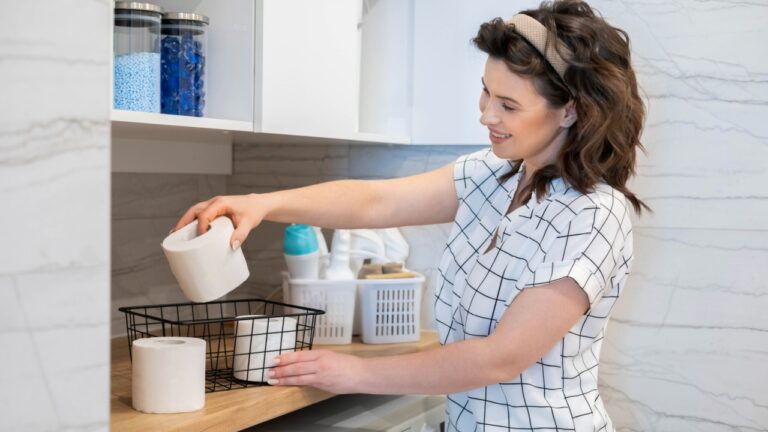
When belongings do not have a set place, they land wherever there is space. That is how counters turn into drop zones, chairs become clothing racks, and entry tables disappear under daily clutter.
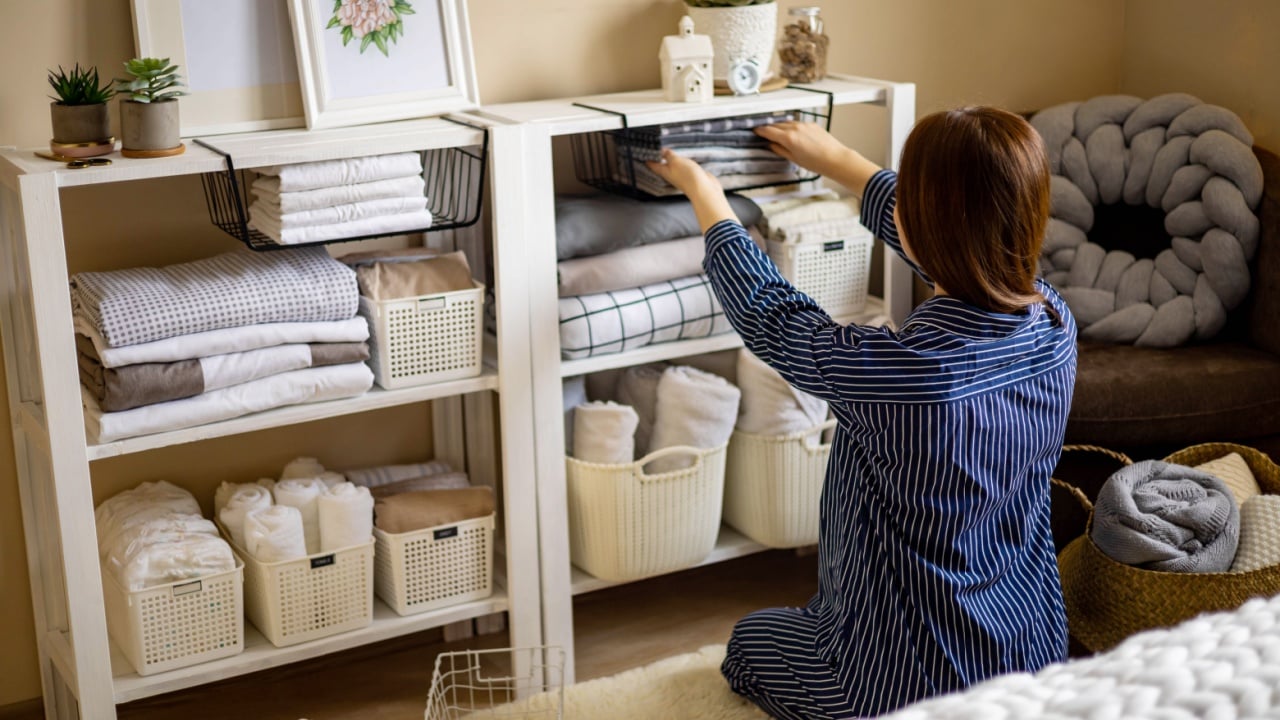
A small home stays organized more easily when every item has a clear storage spot that matches how often it is used. The best storage spots support natural habits instead of fighting them.
Shoes belong near the door, mail needs a tray or wall file near the entry, and charging cords should stay close to outlets where devices are used. When the storage location fits the routine, putting things away takes less effort, and clutter has fewer chances to build up.
3. Limit What Comes Through The Door

Many small homes become crowded because new items arrive faster than old ones leave. Sale purchases, seasonal decor, pantry extras, and impulse buys may seem harmless on their own, yet they slowly fill shelves and corners.
A simple intake rule keeps growth under control and protects the space that has already been cleared.
One of the most helpful methods is a one-in, one-out habit for categories that grow fast, such as clothing, toys, mugs, linens, and decorative pieces.
It also helps to pause before buying and ask where the item will live, how often it will be used, and what problem it solves. Those small checks reduce clutter at the source, which is far easier than dealing with a packed closet later.
4. Divide Rooms Into Clear Zones
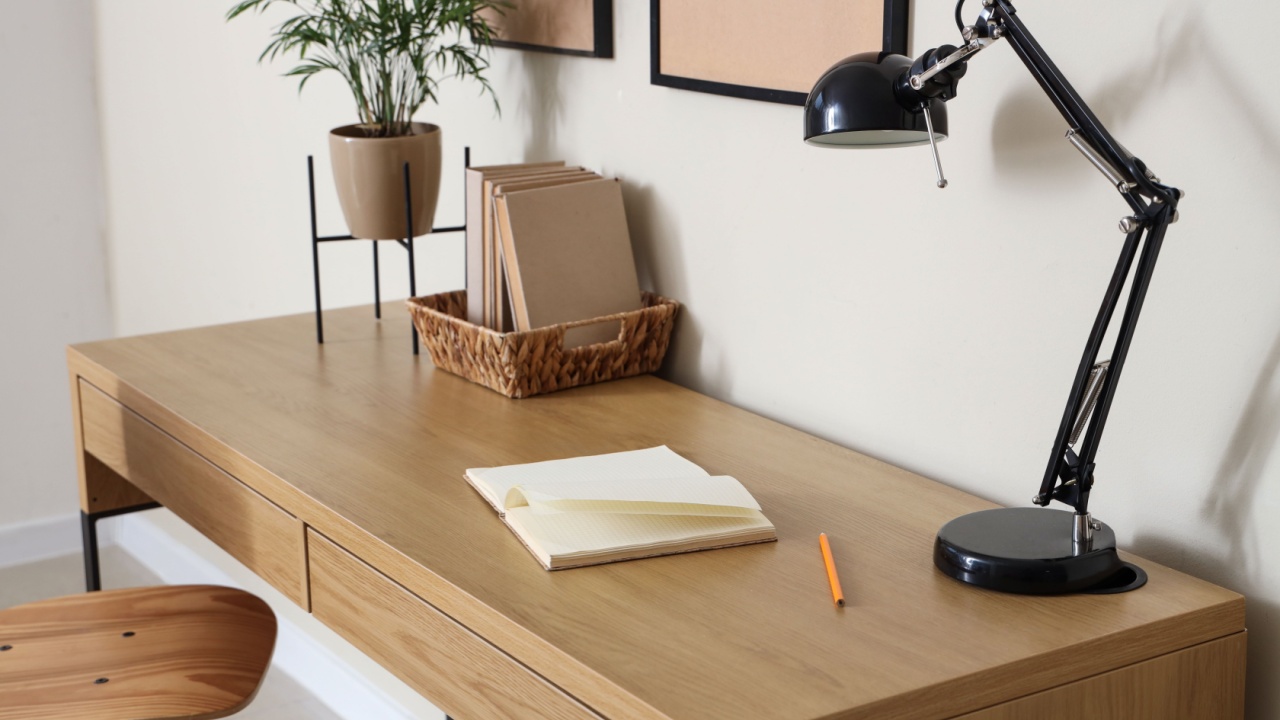
A small home often asks one room to do several jobs, yet that does not mean it has to feel messy. Clear zones help separate tasks so the room reads as organized instead of crowded.
Even a studio apartment or compact main room can feel more open when each area has a distinct use and its own boundaries.
Micro-zoning can be done with furniture placement, rugs, lighting, or simple storage choices. A small desk and lamp can define a work corner, a basket beside the sofa can hold reading materials, and a narrow shelf can mark the edge of a dining area without blocking sightlines.
These visual cues reduce confusion, keep supplies where they belong, and make the room easier to reset at the end of the day.
5. Cut Down Paper and Surface Clutter
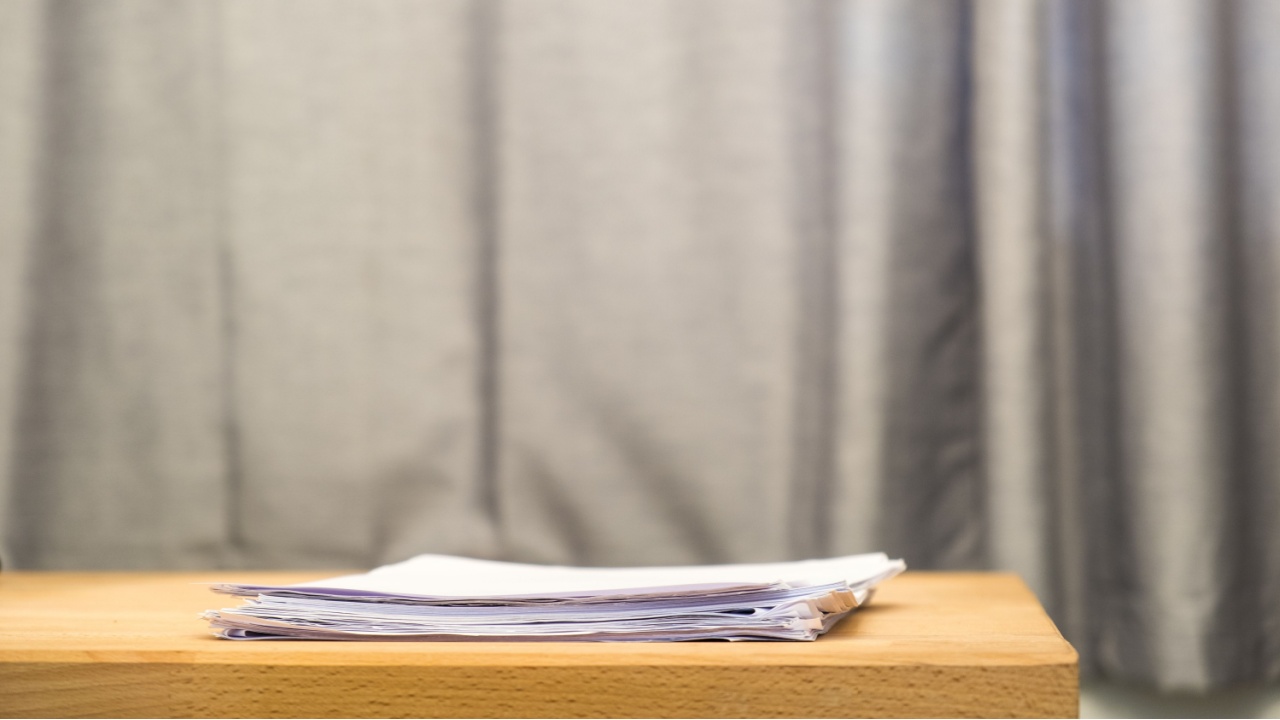
Paper is one of the quickest ways to make a small home look full. Bills, school forms, receipts, catalogs, and loose notes pile up fast and spread from counters to tables to kitchen islands.
Because paper is thin and easy to ignore, it often stays longer than bulkier clutter, even though it creates just as much visual noise.
A better system is to handle paper in stages and keep only what is truly needed. Go paperless with important records by scanning and saving them digitally.
Incoming mail can be sorted right away, and a small file box can hold the few documents that must stay in hard copy. Clear surfaces instantly make rooms look larger, so this rule has an effect that is visible almost at once.
6. Reset the Home Every Day
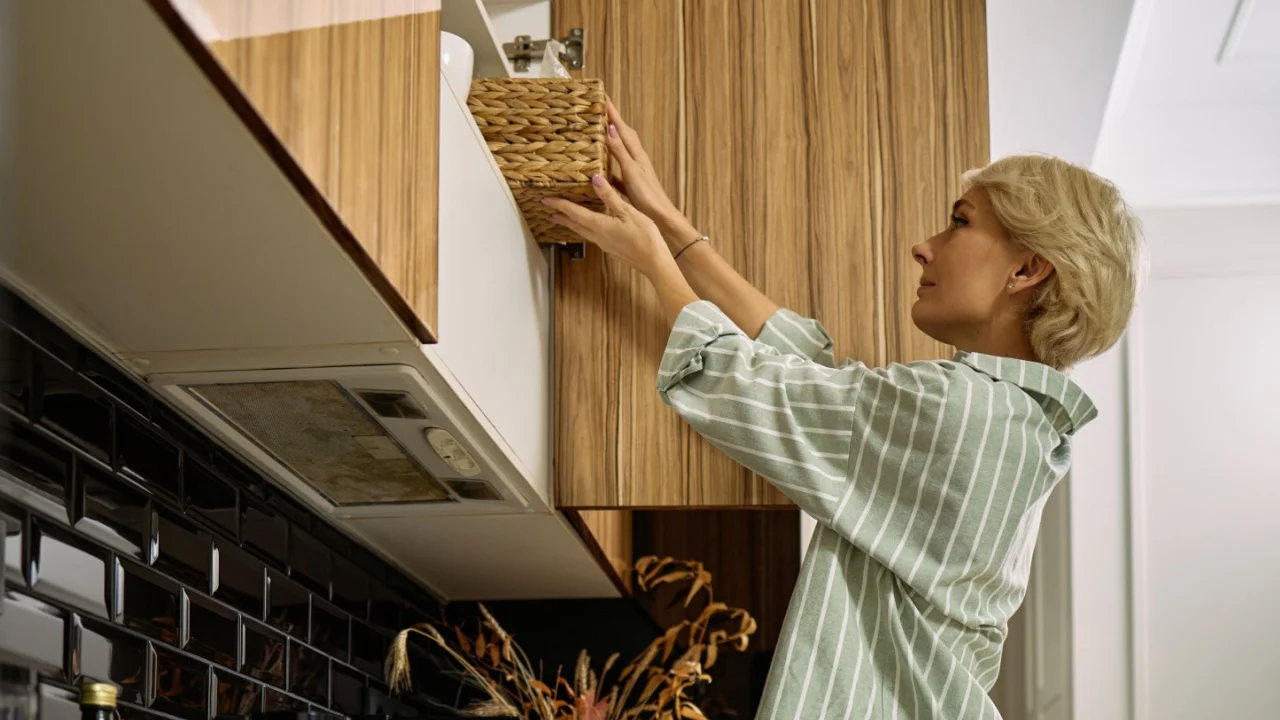
Even the best-organized small home drifts out of order during a busy day. Dishes collect, blankets unfold, bags land by the door, and toiletries gather near the sink.
A short daily reset keeps those small signs of use from turning into a larger mess that feels harder to handle.
This routine does not need to take long to matter. Ten or fifteen minutes spent returning items to their places, wiping major surfaces, and clearing the floor can restore order before bedtime.
That daily habit keeps clutter from stacking up and helps the home stay open without requiring long cleanup sessions on the weekend.
A Home That Feels Bigger

A small home does not need perfect shelves or hidden storage in every corner to feel open. It needs rules that are easy to repeat, easy to maintain, and strong enough to stop clutter before it spreads.
When less is kept, every item has a place, and daily routines support order; the space begins to work better. These simple rules deal with the habits behind clutter, not just the clutter itself. That shift helps a home feel calmer, more useful, and easier to enjoy every day.