6 Evergreen Shrubs That Look Great in the Front Yard
A front yard does a lot of heavy lifting. It frames your home, shapes first impressions, and gives your landscape structure in every season. When the right evergreen shrubs are in place, the yard looks settled and cared for even in the dullest months.
Many flowering plants shine for a short stretch, then fade into the background. Evergreen shrubs keep color, texture, and form in view all year. Some bring glossy leaves, some offer silver tones, and some carry berries or winter fragrance that add even more interest.
The best front yard shrubs do more than stay green. They should fit the space, handle local weather, and look good without constant clipping or fuss. That matters even more near walkways, porches, and entry beds where plants are always on display.
Here are six evergreen shrubs that can make a front yard look polished, welcoming, and well planned through every season.
1. Rockrose
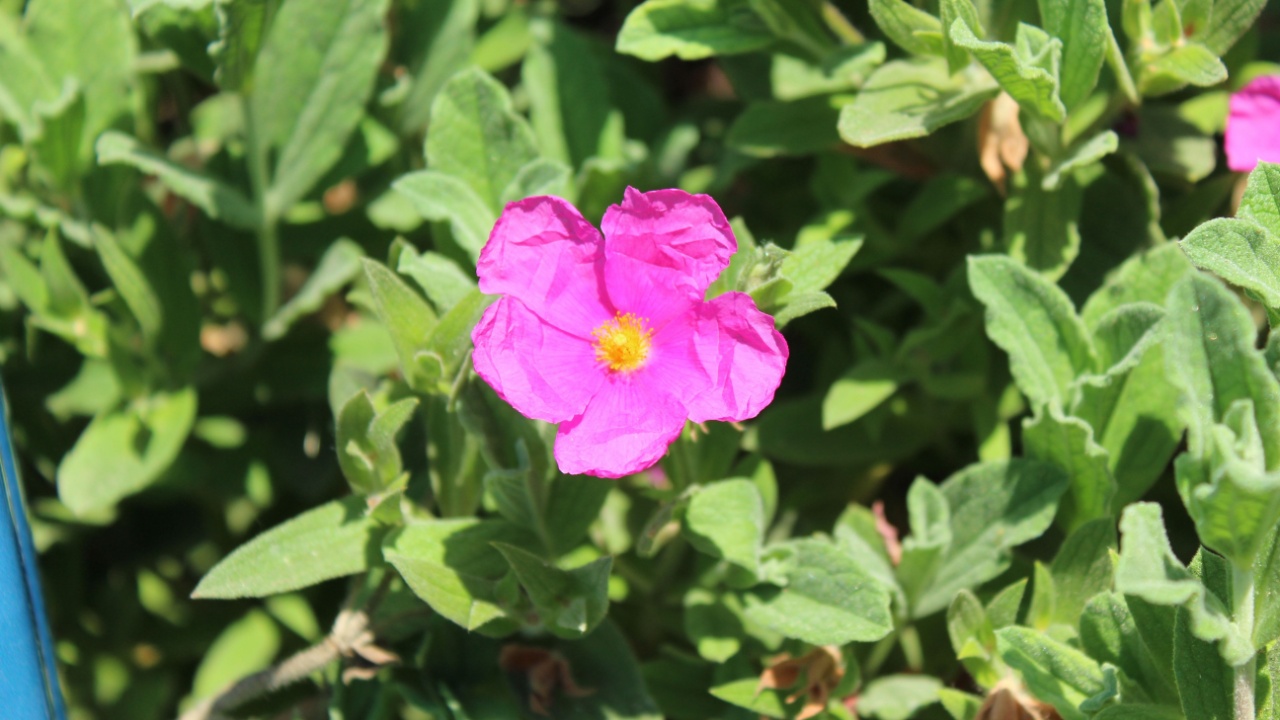
Rockrose is a strong choice for sunny front yards that get heat, glare, and dry soil. This evergreen shrub has small, resin-scented leaves and a loose, rounded shape that softens hard lines near paths and foundations.
In late spring or summer, many types produce papery flowers in white, pink, or purple, often with bright centers. It brings a relaxed, natural look while still holding its place well in a front bed.
This shrub does best in full sun and well-drained soil, so it suits gravel gardens, dry slopes, and low-water landscapes. Once established, it needs little extra water and very little pruning, which makes it useful for busy homeowners.
Avoid rich, soggy soil, since that can shorten its life. If you use rockrose in the front yard, give it space to spread so its shape stays full and attractive.
2. Sweet Box
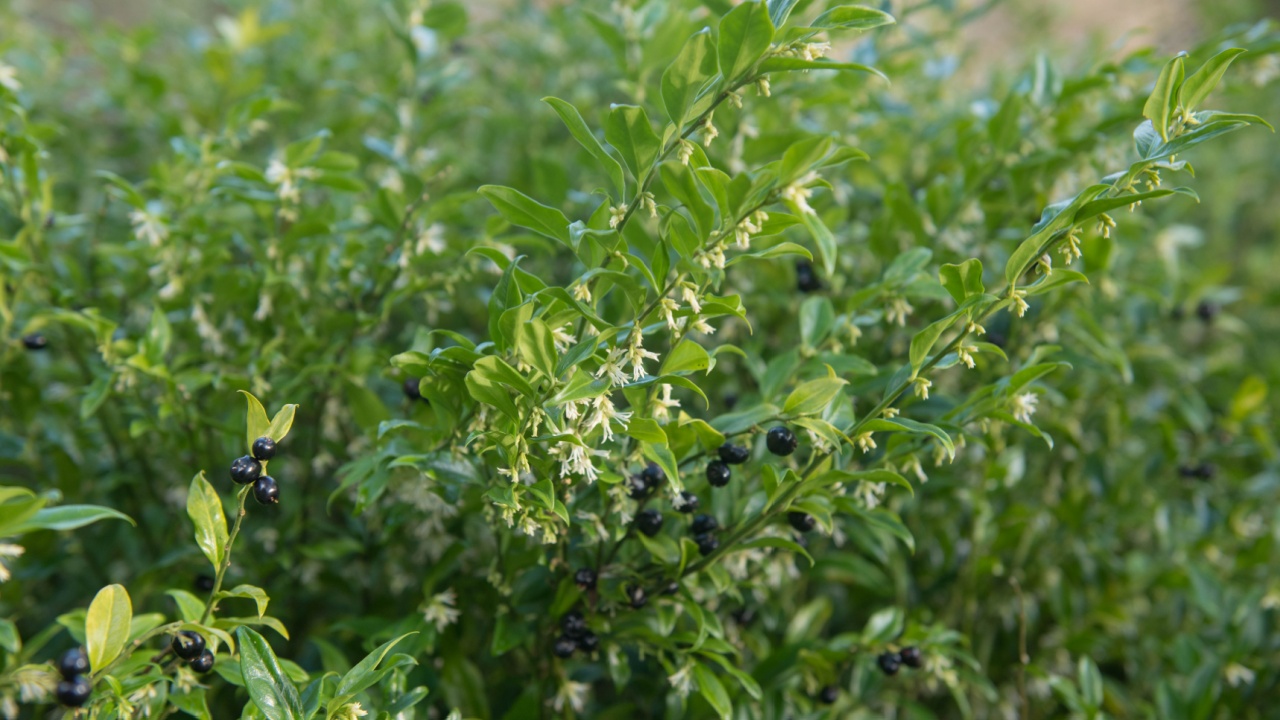
Sweet box is one of the best evergreen shrubs for a shaded front yard. Its dark, glossy leaves look neat every month, and its small winter flowers carry a strong, sweet scent that can surprise anyone passing by the front walk.
Even when it is not in bloom, the plant keeps a dense, tidy form that works well under windows or near a porch. It brings life to spots where many other shrubs struggle.
This shrub grows slowly, which is helpful in small yards where large plants can take over too fast. It likes moist, well-drained soil and appreciates shelter from harsh afternoon sun.
Because the sweet box stays fairly compact, it can be used as a low hedge, a foundation plant, or a mass planting under trees. If fragrance matters to you, place it near an entry so the winter bloom can be noticed and enjoyed.
3. Japanese Holly
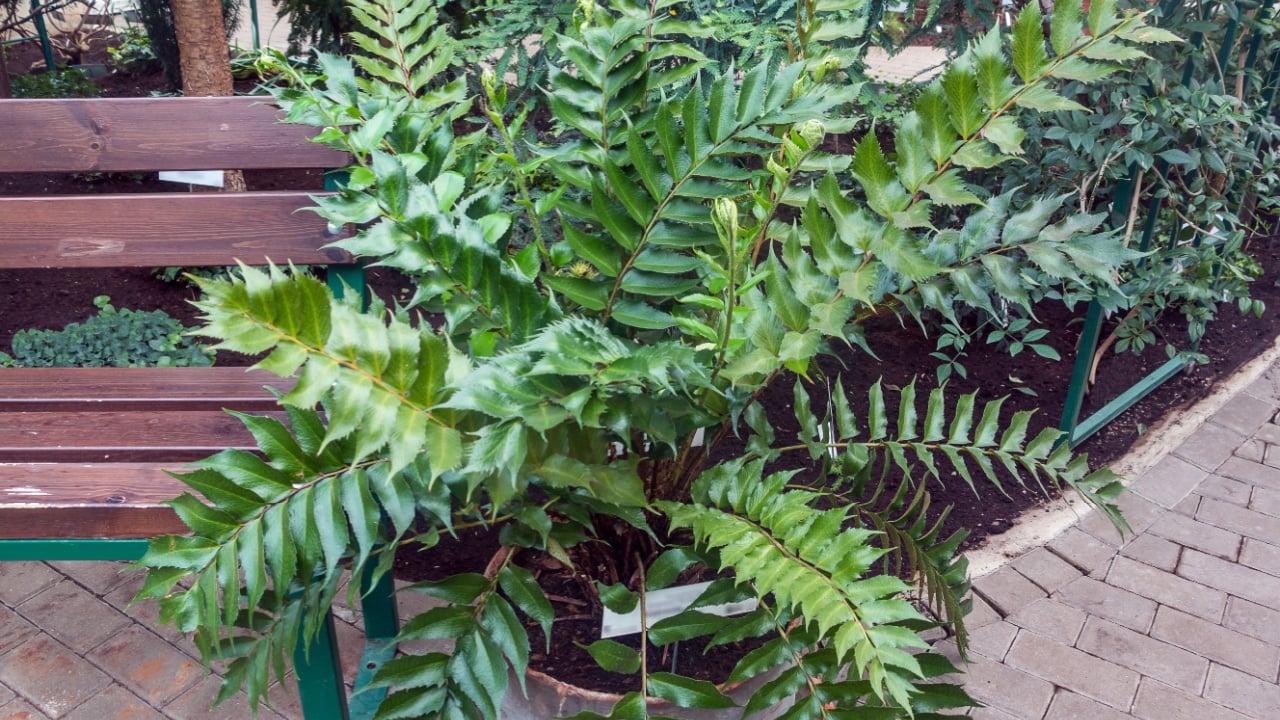
Japanese holly gives you the neat, evergreen look many people want in a front yard, yet it tends to be less troublesome than boxwood in many regions. It has small, rounded leaves that read as fine-textured from a distance, which helps create a clean and orderly look.
Some varieties stay compact, while others grow tall enough for screening or anchoring the corners of a house. Female plants can produce dark berries that attract birds, which adds another layer of garden interest.
This shrub responds well to pruning, so it fits formal landscapes as well as simpler planting plans. It grows in full sun or part shade and prefers slightly acidic, well-drained soil.
Many gardeners use it for low hedges, clipped shapes, or repeated mounds across the front of a home. If you want a crisp outline without constant care, choose a variety that naturally matches the size you need instead of relying on heavy trimming.
4. Sacred Bamboo
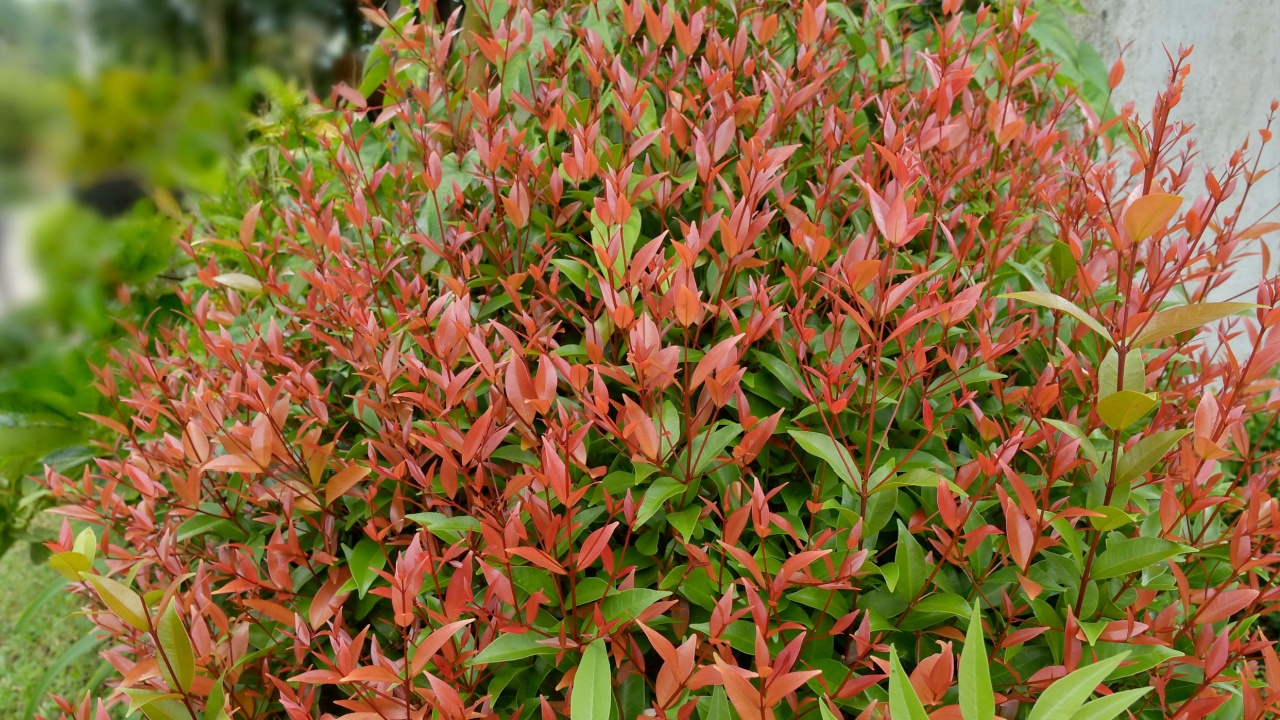
Sacred bamboo, often sold as nandina, adds more color variation than many evergreen shrubs. Its fine foliage can shift from green to red, bronze, or purple as the seasons change, and wide varieties carry bright berries in fall and winter.
That mix of leaf color and fruit makes it stand out in a front yard planting without looking messy. The upright shape is useful too, especially in narrow beds where rounder shrubs may crowd the space.
This plant grows best in sun to part shade and usually needs only light pruning to remove old canes or shape the clump. In mild climates, it can be very easy to grow, though local rules matter since nandina is considered invasive in some areas.
Sterile cultivars are a better option where that is a concern. Use it as an accent near an entry, or repeat it in small groups to give the front yard a more layered look.
5. Brachyglottis
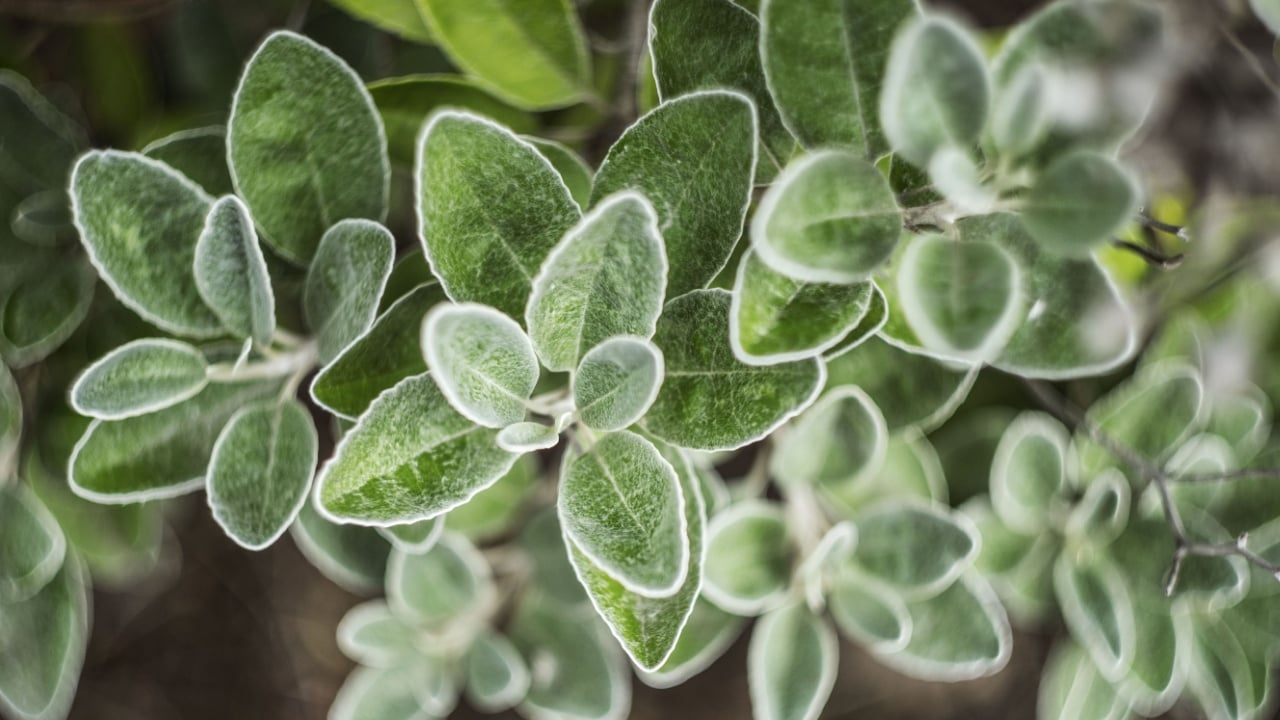
Brachyglottis stands out for its silver-gray leaves, which can brighten a front yard in a way green shrubs cannot. The foliage has a soft, pale look that pairs well with stone, gravel, dark mulch, and deep green neighbors.
In summer, many kinds produce clusters of yellow flowers that add a warm burst of color. Even without bloom, the leaf color gives a strong contrast and helps break up a planting that feels too dark or flat.
This shrub is best suited to milder climates and well-drained soil, especially in areas with coastal influence or dry summers. It dislikes wet roots, so planting site matters more than fertilizer or heavy pruning.
A light trim after flowering can help keep it compact and full. If your front yard gets strong sun and you want a shrub with a different look from the usual broadleaf evergreens, brachyglottis is worth a close look.
6. Dwarf Yew
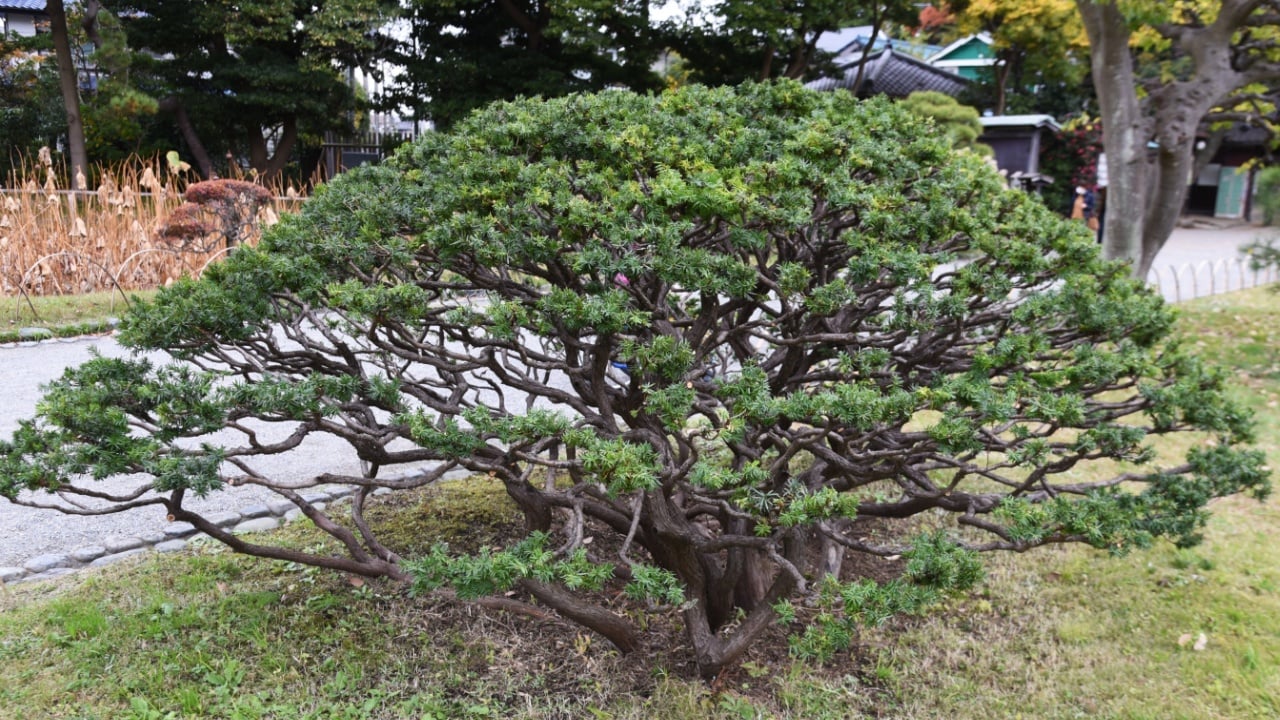
Dwarf yew is a dependable front-yard shrub for gardeners who want year-round structure. Its dark green needles create a rich, full look that reads as calm and steady in the landscape.
Many dwarf forms stay low and dense, which makes them useful near foundations, walkways, and entry beds. Red berry-like arils on female plants can add color, though all parts of yew except the flesh of the aril are toxic if eaten.
This shrub grows best in well-drained soil and can handle more shade than many evergreen options. It also responds well to pruning, so it can be kept formal or left in a softer shape.
Since yews dislike soggy conditions, avoid placing them where water tends to sit after rain. If you need a shrub for a partly shaded front yard that still looks refined in winter, dwarf yew is a strong candidate.
A Stronger Front Yard in Every Season
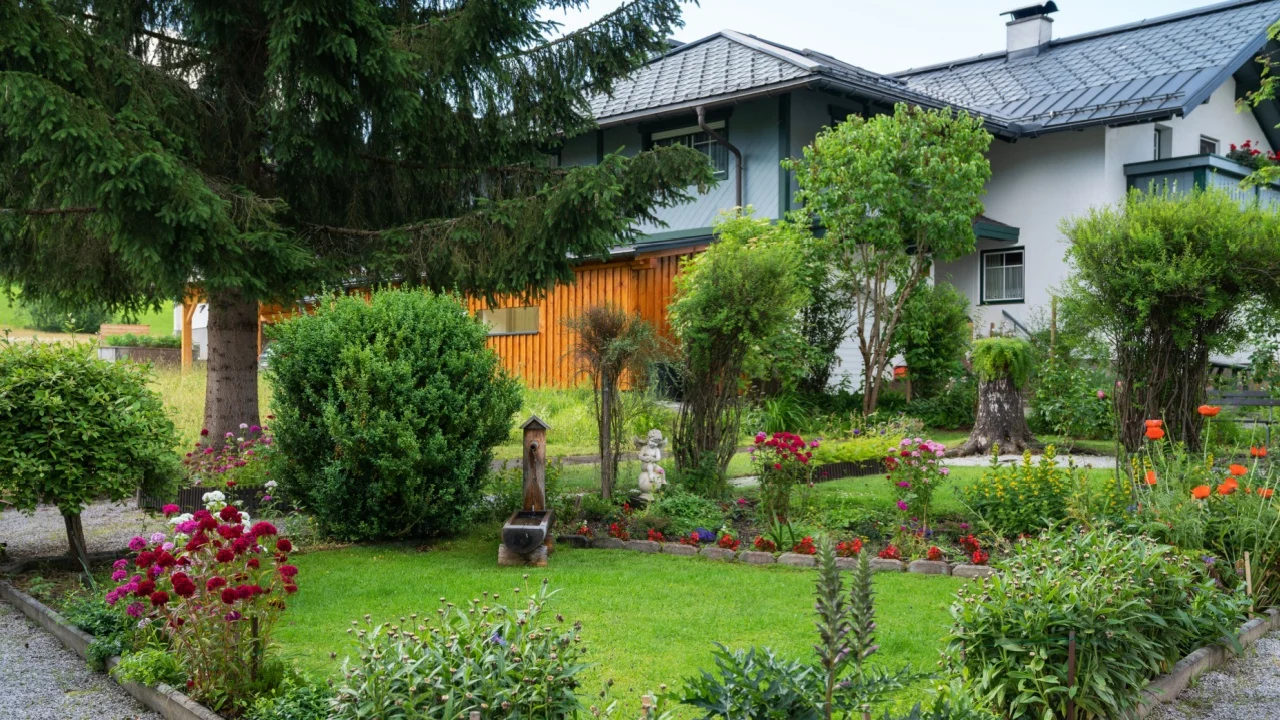
The best evergreen shrubs do more than fill space. They increase the front-yard curb appeal and hold it together when flowers fade, grass slows, and deciduous plants drop their leaves. With the right mix of form, color, and growing needs, these shrubs can make the whole entry area look more settled and inviting.
Before planting, look at sun exposure, soil drainage, mature size, and local climate. A shrub that fits the site will stay healthier and need less correction later.