
15 Times You Can Actually Sue Your Neighbor
Living next to other people isn’t always a walk in the park. What starts as a peaceful block can turn into a legal battlefield when neighbors don’t respect property lines or personal space. Disputes over fences, noise, and pets are common across the country, leaving homeowners wondering what they can do about them.
Legal experts say most neighbor disputes fall into a few key areas of property law, like nuisance, property damage, and trespassing. Many of these cases end up in small claims court because the damages are usually between a few hundred and a few thousand dollars. This makes the legal process more accessible for everyday property owners.
Before you jump into a lawsuit, it’s important to know if you have a solid legal claim. You’ll need evidence, a good grasp of local rules, and an honest assessment of the damages you’ve suffered. Looking at the situation from a legal angle can save you from wasting time and money on a lawsuit that’s doomed from the start.
This guide breaks down the 15 most common legal fights between neighbors. You’ll learn what these offenses mean, how courts handle them, and what practical steps you can take to build a strong case.
1. Chronic Noise and Private Nuisance

A private nuisance claim is for when someone unreasonably interferes with your ability to enjoy your property. This could include frequent loud parties, a dog that barks all night, or vibrations from heavy equipment. Courts look at how severe the disruption is, how long it’s been going on, and what’s considered normal for your neighborhood.
Before you sue, document everything. Check your city’s noise ordinances to find specific decibel limits and quiet hours. Calling the police or code enforcement creates an official record and can often solve the problem faster than a lawsuit.
If a judge agrees that a nuisance exists, they can order the neighbor to stop the disruptive activity. They might also award you money for the loss of enjoyment of your property or any decrease in its value caused by the constant noise.
2. Intentional Property Trespassing

Trespassing is simple: someone enters your property without permission. You don’t even need to prove they caused any harm to have a case. The law recognizes that the act of entering private land without consent is an injury in itself.
The entry has to be intentional, meaning the person knew they were walking onto your land. If you once gave permission but later took it back, their refusal to leave is trespassing. Posting “No Trespassing” signs and using security cameras can provide clear evidence of unauthorized entry.
Courts can award nominal damages just for the violation of your property rights. If the trespasser actually caused damage, they’ll have to pay compensatory damages to cover the cost of repairs.
3. Unauthorized Debris and Dumping
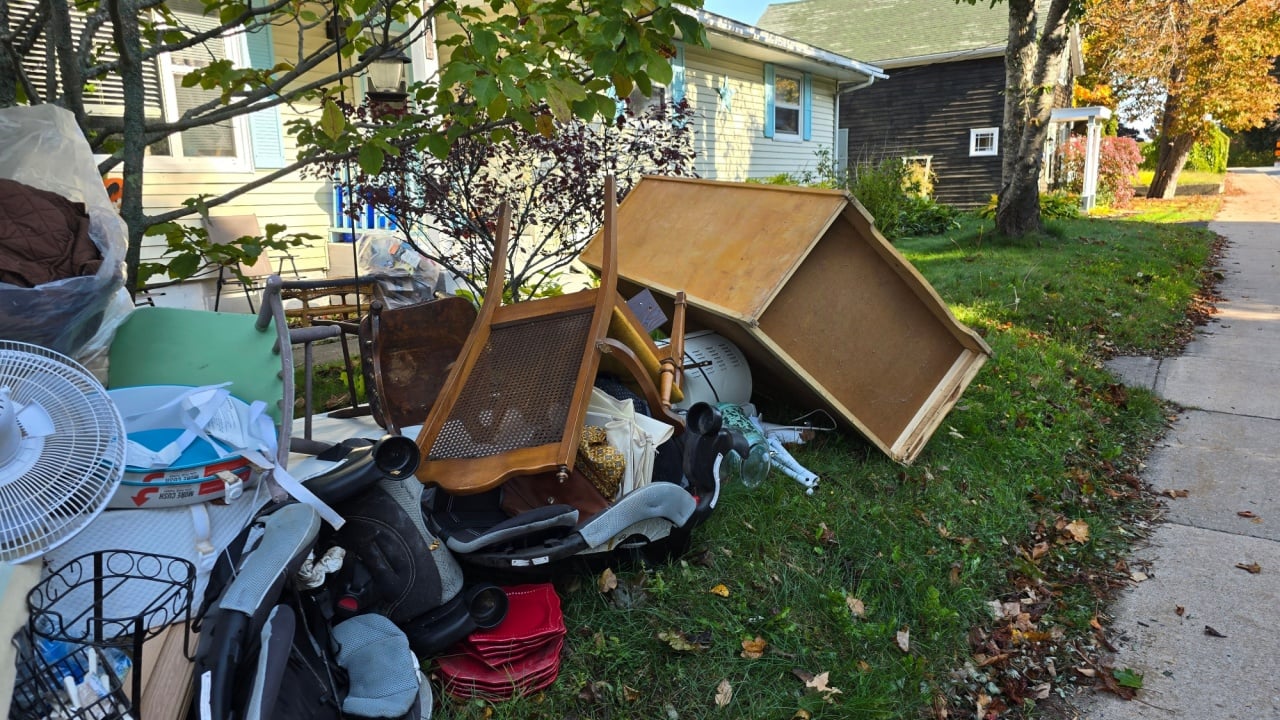
Trespassing isn’t just about people; it also includes objects. If your neighbor dumps yard waste, construction scraps, or trash on your property, they’re trespassing. Deliberately placing items on someone else’s land is a clear legal violation.
Cleaning up the mess costs time and money. Take photos of the dumped materials and get quotes from waste removal services to show the financial damage. Sending a certified demand letter asking them to remove the items creates a paper trail.
A successful lawsuit will force the responsible party to pay for the cleanup. Judges don’t take kindly to people who treat their neighbor’s yard like a personal landfill.
4. Dangerous or Falling Trees

Trees can become a major point of contention, especially when dead branches hang over your property. Liability for a fallen tree depends on what the owner knew beforehand. If a tree is obviously decaying or an arborist has flagged it as dangerous, the owner is responsible for any damage it causes.
Notify your neighbor in writing as soon as you spot a hazardous tree. A certified letter creates a record that they were aware of the danger and didn’t act. If a healthy tree falls during a major storm, it’s usually considered an “act of God,” and your homeowner’s insurance will handle it.
When a neighbor ignores clear warning signs, they are being negligent. A lawsuit can help you recover the full cost of roof repairs, structural fixes, and debris removal from their carelessness.
5. Intrusive Tree Roots
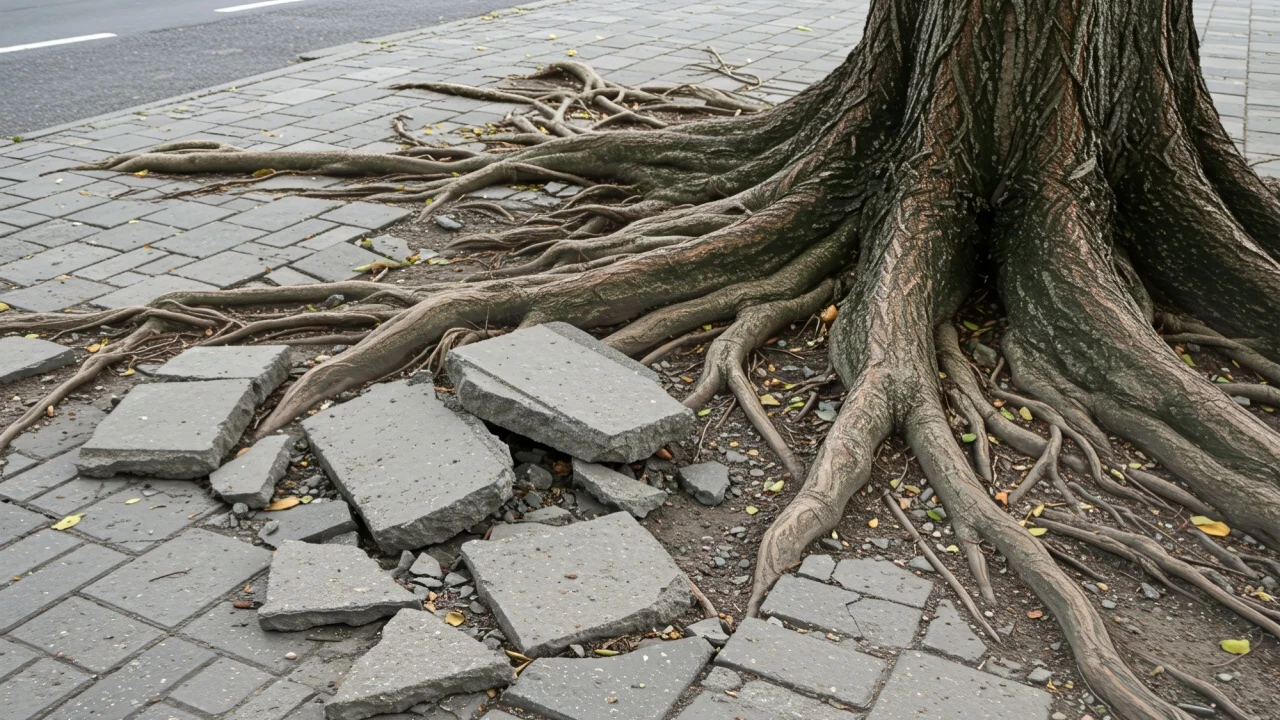
Tree roots don’t respect property lines and can cause major damage underground. They can crack foundations, buckle driveways, and destroy sewer lines. Legally, you have the right to cut any roots that cross onto your property.
If the roots have already caused damage, you can sue for repair costs. To win, you’ll need to prove the tree owner knew the roots were a problem and did nothing. Hiring a structural engineer or a licensed plumber to assess the damage provides crucial expert testimony.
Courts can award money to fix the damaged pipes or concrete. In some cases, a judge might even order the tree to be removed if it poses an ongoing threat.
6. Artificial Water Runoff and Flooding
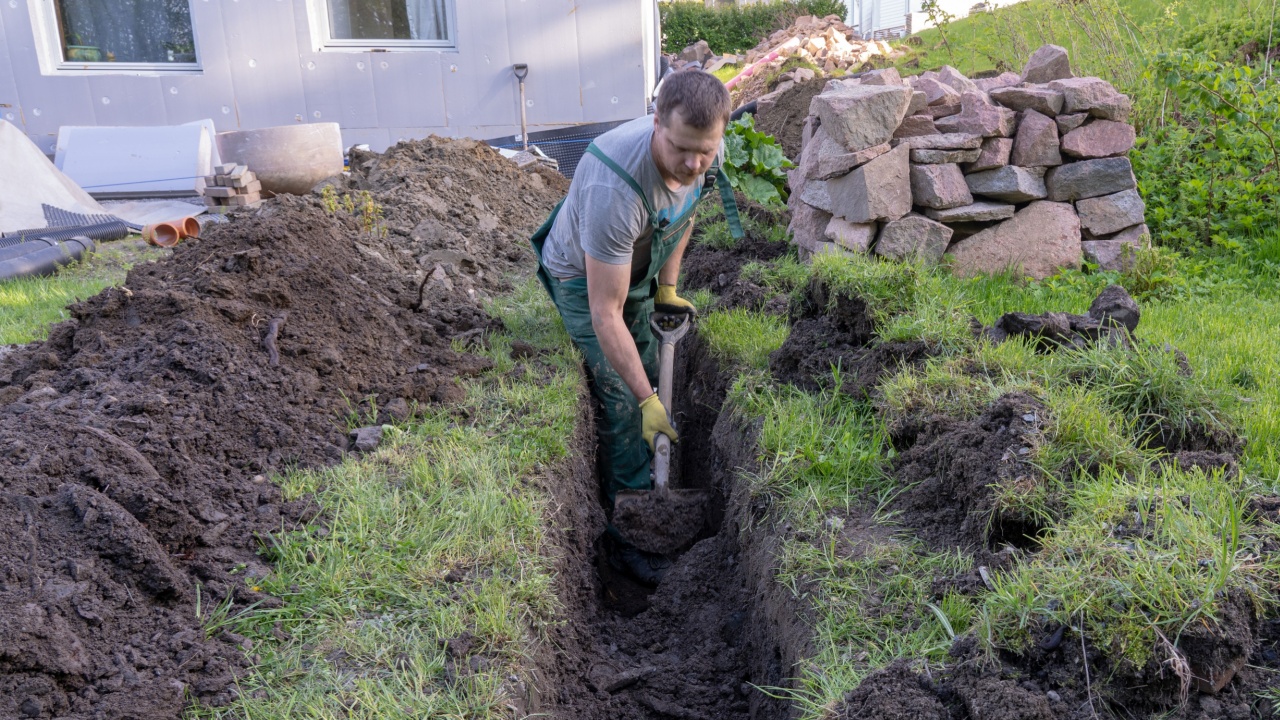
Water drainage problems often pop up when landscaping projects change how rainwater flows. Most states use a “reasonable use” rule to figure out who’s liable. This rule asks if the property owner’s changes to their drainage were reasonable and if the harm caused to the neighbor’s land is fair.
If a new gutter system or recent yard grading floods your basement, you likely have grounds for a lawsuit. Get repair estimates from contractors and hire a drainage expert to pinpoint where the water is coming from. Taking videos during heavy rainstorms can provide powerful evidence.
A successful lawsuit can help you recover the costs of repairing retaining walls, foundations, and mold damage. A judge can also order your neighbor to install a proper drainage system to prevent future flooding.
7. Negligent Property Damage
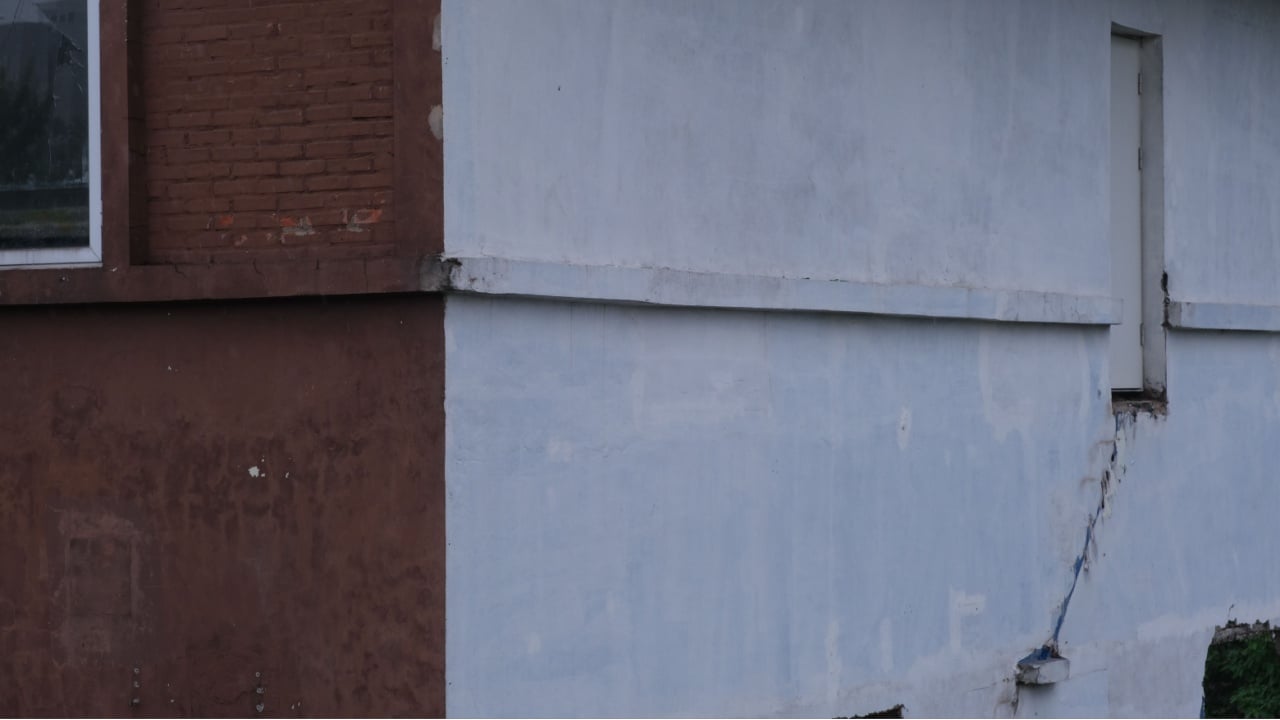
Sometimes, carelessness leads to direct property damage. A botched renovation that cracks a shared wall or a clumsy landscaping project that destroys a fence are classic examples of negligence. The responsible party failed to take reasonable care to protect their neighbor’s property.
To prove property damage, you need a direct link between the action and the destruction. Get repair estimates from several licensed contractors to establish the financial loss. For minor damage, small claims court is a good option, but major structural issues may require a formal lawsuit.
A judge will order the negligent party to pay for all necessary repairs. Holding people accountable for their carelessness helps maintain property values and neighborhood safety.
8. Boundary Disputes and Adverse Possession
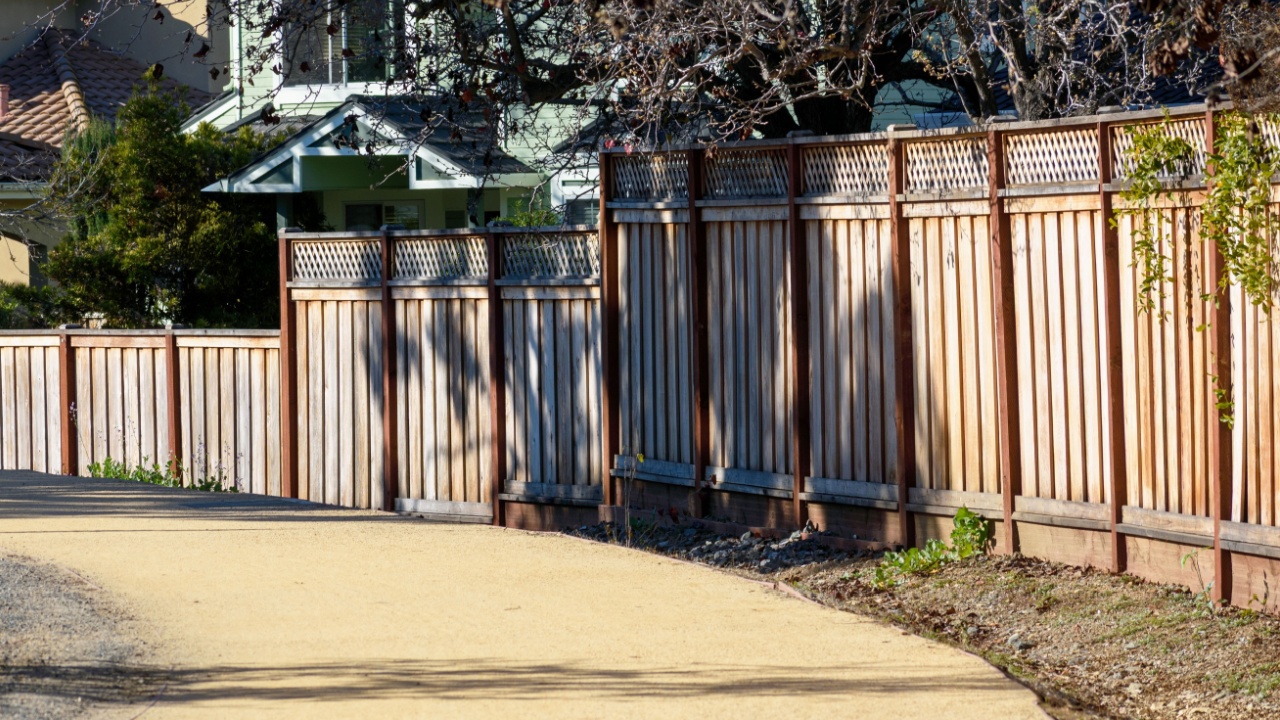
Boundary disputes happen when neighbors can’t agree on where one property ends and the other begins. Old fences are often in the wrong spot, leading to confusion. The legal concept of “adverse possession” even allows someone to claim title to land if they openly use it without permission for a certain number of years.
The first step in any boundary disagreement is to get a professional land survey. It might cost a bit, but it provides a definitive answer about property lines. Addressing unauthorized land use right away is key to preventing someone from claiming your land through adverse possession.
Courts use surveys and land use history to resolve these disputes. However, mediation is often a better route, allowing both parties to find a compromise without the high cost of a legal battle.
9. Structural Encroachments

An encroachment is when a physical structure, like a shed, deck, or driveway, extends past the property line. Unlike a boundary dispute, the property line is clear, but a structure is violating it. You need to act quickly to protect your rights.
When deciding what to do, judges weigh the cost of removing the structure against the harm it’s causing. If a garage wall is a few inches over the line and would cost a fortune to move, a judge might grant a “forced easement” instead of ordering demolition.
However, if someone intentionally builds across the property line, courts are much tougher. They can issue a mandatory injunction, forcing the builder to remove the entire structure at their own expense.
10. Overstepping Easement Boundaries

An easement gives someone the legal right to use a part of your land for a specific purpose, like a shared driveway. Problems arise when the easement holder uses it for more than what was agreed upon, such as paving a simple footpath into a wide road.
Check your property deed to understand the exact limits of any easements. If someone is overstepping, send them a formal letter demanding they stop. If you let it continue, they could gain a “prescriptive easement,” permanently giving them the right to the expanded use.
Courts interpret easements strictly based on the original agreement. A successful lawsuit will force the easement holder to go back to the uses outlined in the property deed.
11. Malicious Spite Fences
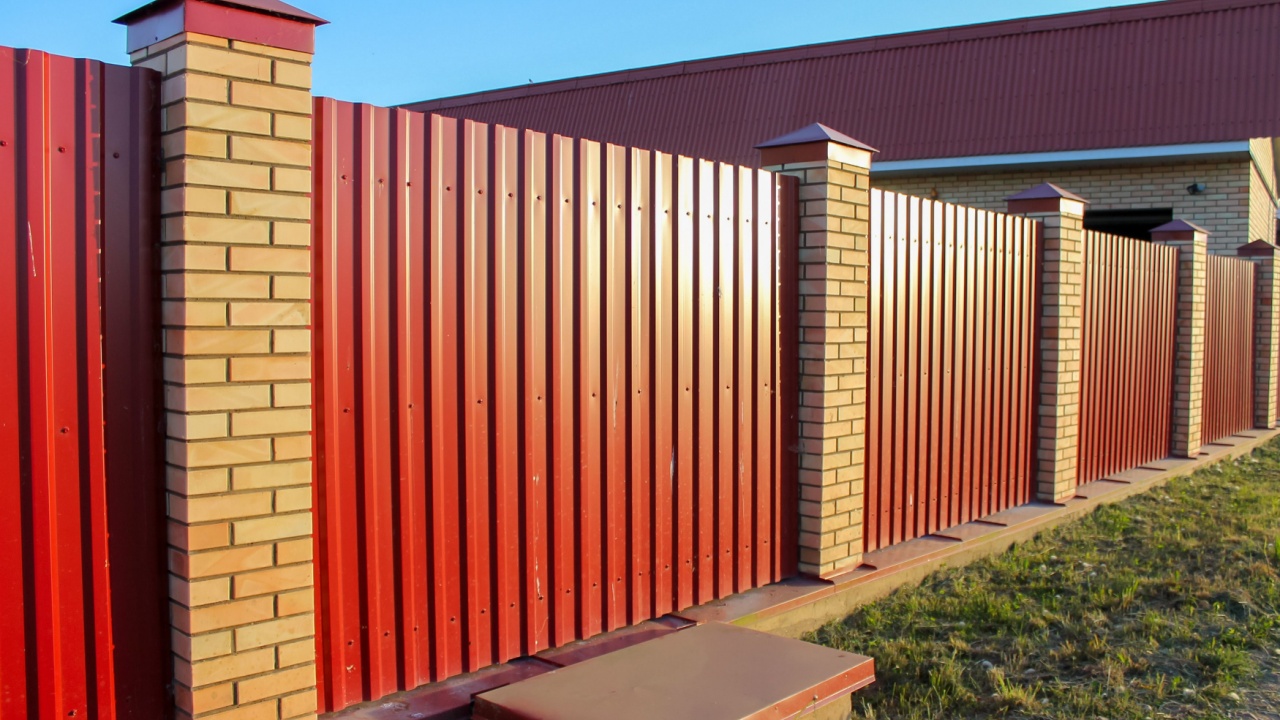
A spite fence is a structure built just to annoy a neighbor. These fences are usually unusually tall, serve no real purpose, and are built with malicious intent. Many states have specific laws that define spite fences as structures over six feet tall.
To prove malicious intent, you’ll need to document previous conflicts and show that the fence has no practical function. Photos from different angles can help illustrate how unreasonable the structure is. Often, these fences also violate local height restrictions, giving you an easier path to resolution through code enforcement.
In states with spite fence laws, you can sue to have the structure declared a private nuisance. A court will order the fence to be lowered or removed completely.
12. Harassment and Intimidation

Harassment is a pattern of threatening or obsessive behavior. This includes verbal threats, aggressive confrontations, or following someone around. A single rude comment isn’t enough, but a documented pattern of alarming behavior is.
Keep a detailed log of every incident, including dates, times, and descriptions. Filing a police report for each threatening encounter creates an official record. The most immediate legal tool is a protective order, which legally forbids the person from contacting you or coming near your property.
Violating a protective order is a criminal offense. You can also file a civil lawsuit for harassment to get financial compensation for emotional distress or the costs of moving or installing a security system.
13. Invasive Surveillance Cameras

Security cameras can lead to major privacy disputes when they’re aimed improperly. While you can record public spaces, pointing a camera into a neighbor’s home or backyard crosses a legal line. Capturing footage of areas where someone has a reasonable expectation of privacy is an invasion of privacy.
Audio recording is even trickier. Many places require all parties to consent to being recorded, so a microphone pointed at a neighbor’s patio is likely illegal. It’s always best to ask your neighbor to redirect the camera before taking legal action.
Lawsuits for invasion of privacy can result in a court order forcing the removal or repositioning of the cameras. Judges take privacy seriously and will penalize those who use security equipment to spy on their neighbors.
14. Dog Bites and Pet Injuries

Unrestrained pets can cause serious injuries. In most states, dog owners are held under “strict liability,” meaning they have to pay for medical bills from a bite, regardless of the dog’s past behavior. This makes it easier for victims to get compensation.
If you’re attacked by an animal, get medical attention immediately and report it to animal control. Witness statements and photos of the injuries will strengthen your claim. In states without strict liability, proving the owner violated a leash law is strong evidence of their negligence.
Lawsuits can help you recover the costs of medical treatment, surgeries, and lost wages. Owners who fail to control their dangerous animals can face significant financial penalties.
15. Homeowners Association Covenant Violations

Living in a community with a homeowners association (HOA) means you’ve agreed to follow certain rules. When a neighbor breaks these rules by being too loud, painting their house a banned color, or letting junk pile up, they’re breaching a contract. The HOA’s governing documents usually allow residents to sue each other directly.
First, review your HOA’s rules on dispute resolution. Many require mediation or arbitration before you can file a lawsuit. Document the violations with photos and a written log to prove how serious the breach is.
Courts will enforce the covenants and order the violating neighbor to comply. The losing party may also be forced to pay all the legal fees associated with the lawsuit.
Keeping the Peace (Legally)

Handling property disputes requires patience, good documentation, and a clear understanding of your local laws. Gather repair estimates, take photos, and talk to code enforcement to build a solid foundation for your claim.
Sending a formal demand letter shows you’re serious about resolving the issue before heading to court. Finally, getting advice from a property law professional can help you evaluate your case and choose the best legal strategy for your situation.
Read More:
10 Petty But Legal Ways to Get Back at a Bad Neighbor
Have a Pesky Neighbor? These Are Your 8 Rights and How to Exercise Them Legally