7 Things Organized People Know Aren’t Worth Keeping
A messy home rarely comes from a lack of storage. More often, it comes from keeping items that have stopped serving a purpose.
Organized people are not born with special skills. They simply get better at spotting the stuff that takes up space, creates extra decisions, and makes daily life harder.
That is why tidy homes often look calm even when they are busy. The people living in them have learned that fewer low-value items mean less sorting, less cleaning, and less stress.
This list covers seven common things organized people know are not worth keeping, and what to do with them instead.
1. Plastic Bags And Extra Food Containers
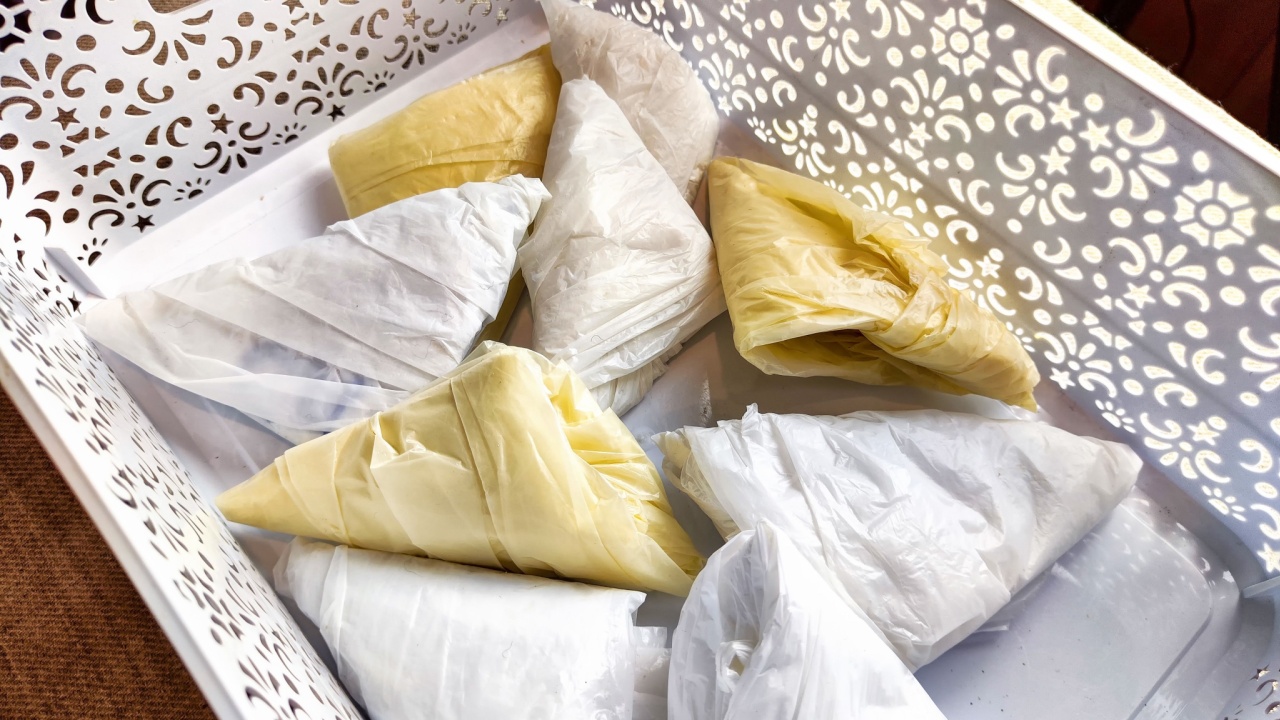
Plastic bags multiply fast, and food containers seem to breed in kitchen cabinets. A giant bag stuffed with smaller bags or a cabinet full of mismatched tubs wastes space and makes it harder to find what you need.
A better plan is to keep a small, fixed amount and let the rest go. Save a limited number of plastic bags for trash liners or pet cleanup, then recycle the extras at a proper drop-off site.
Toss or recycle containers with missing lids, stained plastic, or warped edges, and keep a simple set you actually use each week.
2. Paperwork You Have Not Sorted
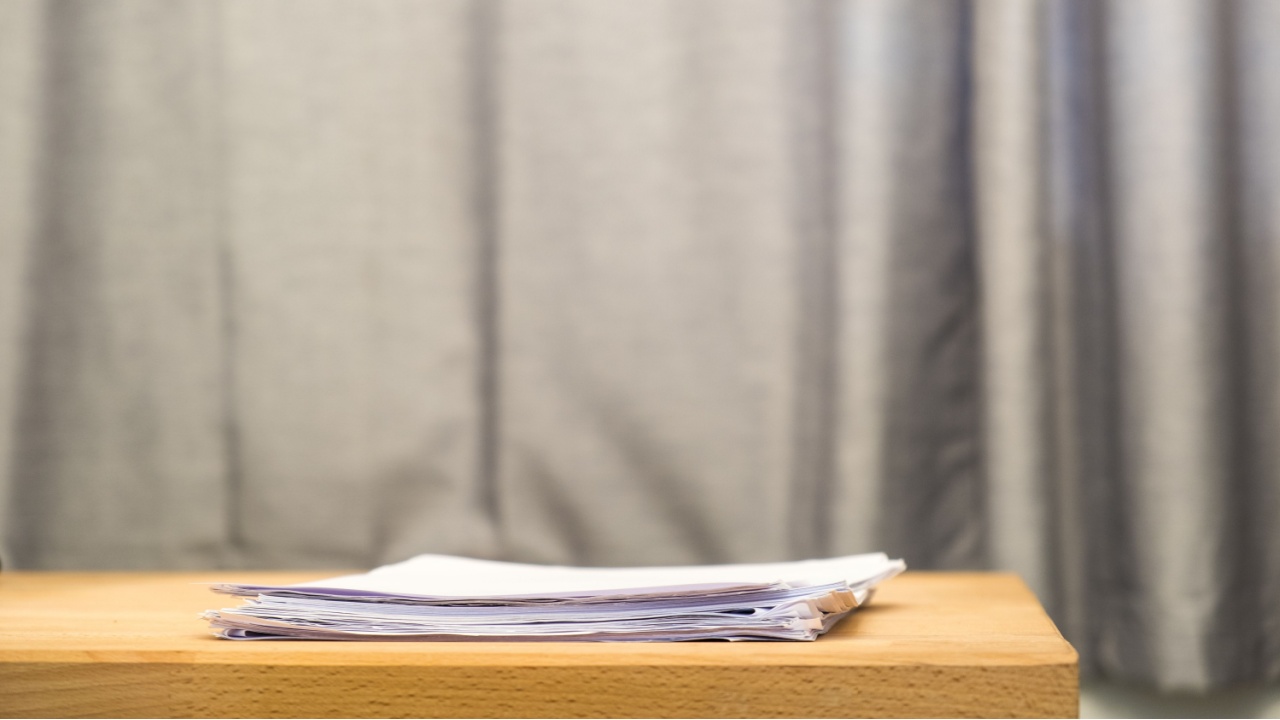
Stacks of paper create visual noise fast. Bills, school forms, receipts, coupons, manuals, and random mail all look important when they land on a counter, so they often stay there longer than needed.
Mixed paper piles make it harder to spot what matters and easier to miss deadlines. To fix this, adopt a simple paper routine or go paperless.
Handle each piece once if you can by filing it, acting on it, scanning it, or recycling it. Keep only records you truly need, such as tax documents, medical records, legal papers, and current warranties, and store them in one labeled place.
3. Clothes That Do Not Fit Your Life Now

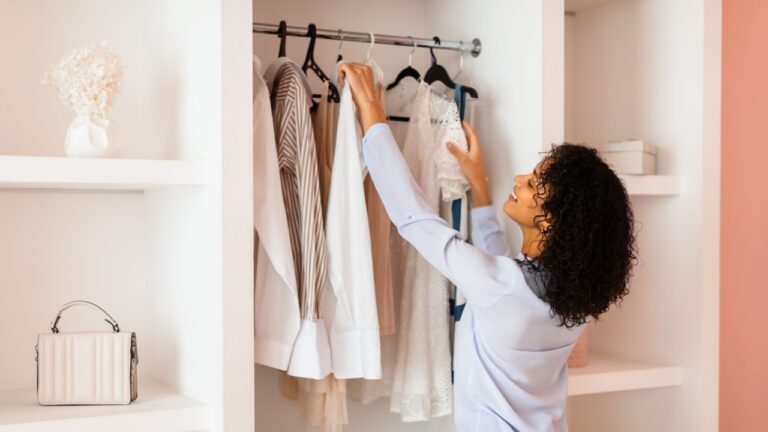
Many closets are filled with clothes for a different size, season of life, or version of yourself. If an item pinches, sags, needs special care you never give it, or has not been worn in months, it is taking up room meant for better options.
A useful closet is one where getting dressed feels easy. Keep pieces that fit well, feel good, and match how you live right now.
Donate wearable items in good condition, sell higher-value pieces, and set a clear limit for sentimental clothing so the whole closet does not turn into storage.
4. Duplicate Kitchen Tools and Single-Use Gadgets
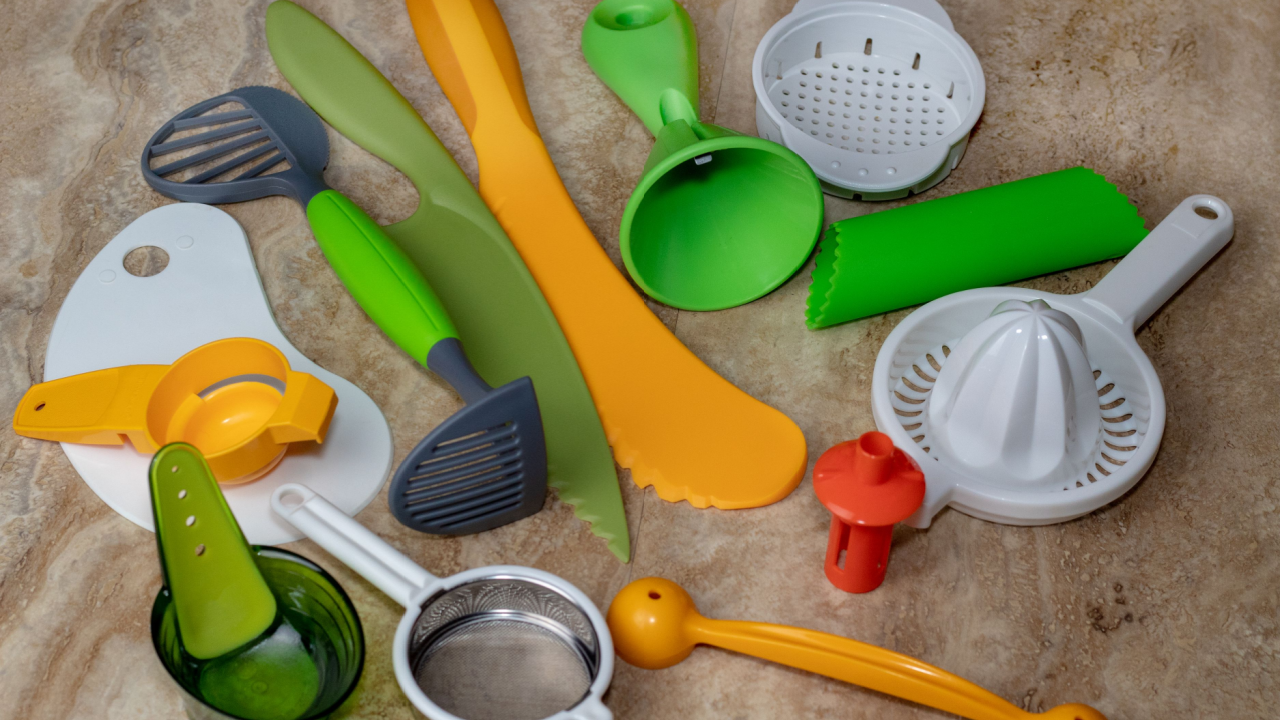
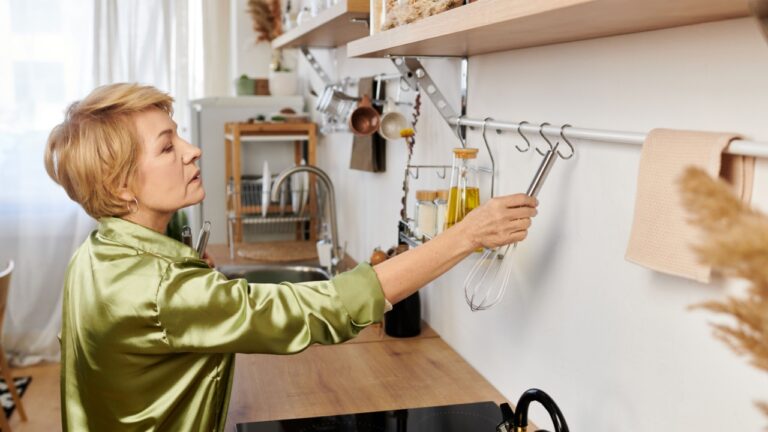
Duplicate kitchen tools and single-use gadgets add clutter for no good reason. Bread makers, avocado slicers, cupcake corers, extra measuring cups, and five spatulas may seem harmless, yet they crowd drawers and cabinets fast.
When tools do the same job or are rarely used, they make cooking more annoying instead of easier. A smart kitchen keeps the items that earn their space.
If a gadget has not been used in the last year and there is no clear plan to use it soon, donate it. Keep sturdy basics that handle many tasks well, such as a chef’s knife, mixing bowls, measuring tools, sheet pans, and a few utensils you reach for all the time.
5. Mystery Cables And Spare Chargers
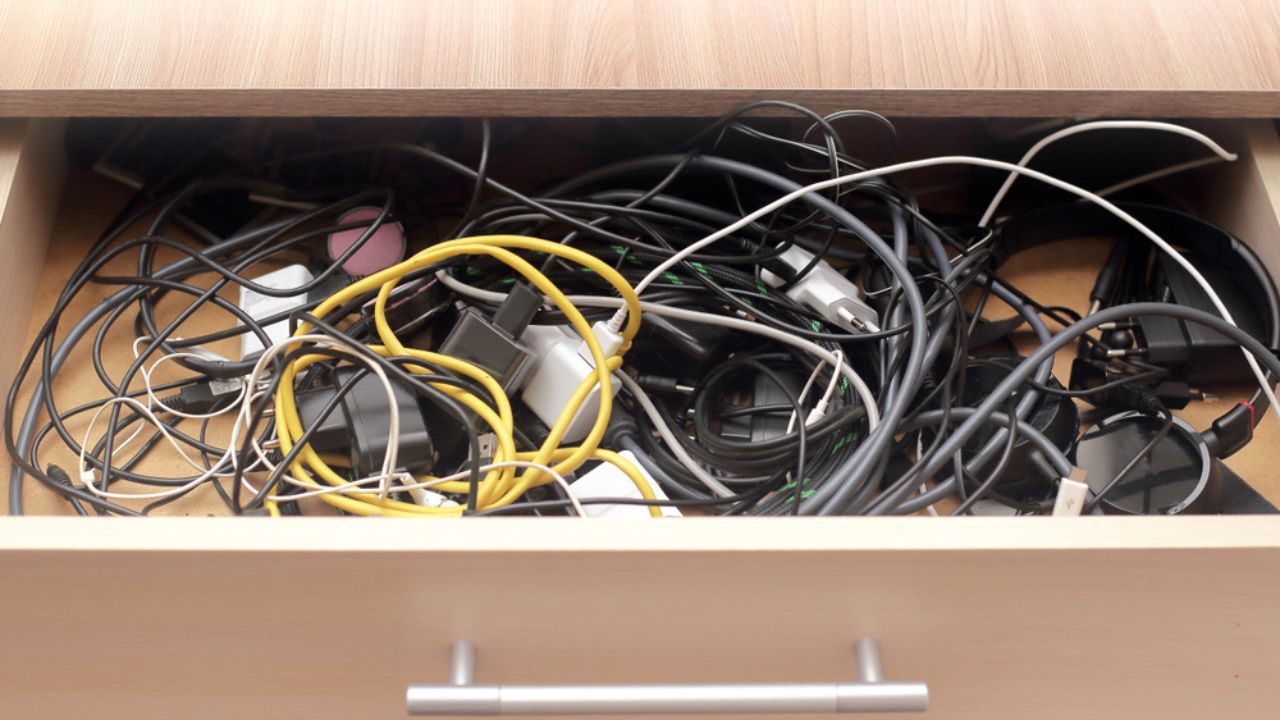
Drawers full of cords are common because many people worry they might need one later. Most old cables are duplicates, outdated, or impossible to identify once they lose the device they belonged to.
Sort every cable by matching it to a device you still own and use. Label the ones you keep with a small tag or piece of tape so you know what they are for.
Recycle damaged cords through an electronics recycling program, and donate working chargers or accessories that fit devices still in circulation.
6. Every Piece of Children’s Artwork and School Papers
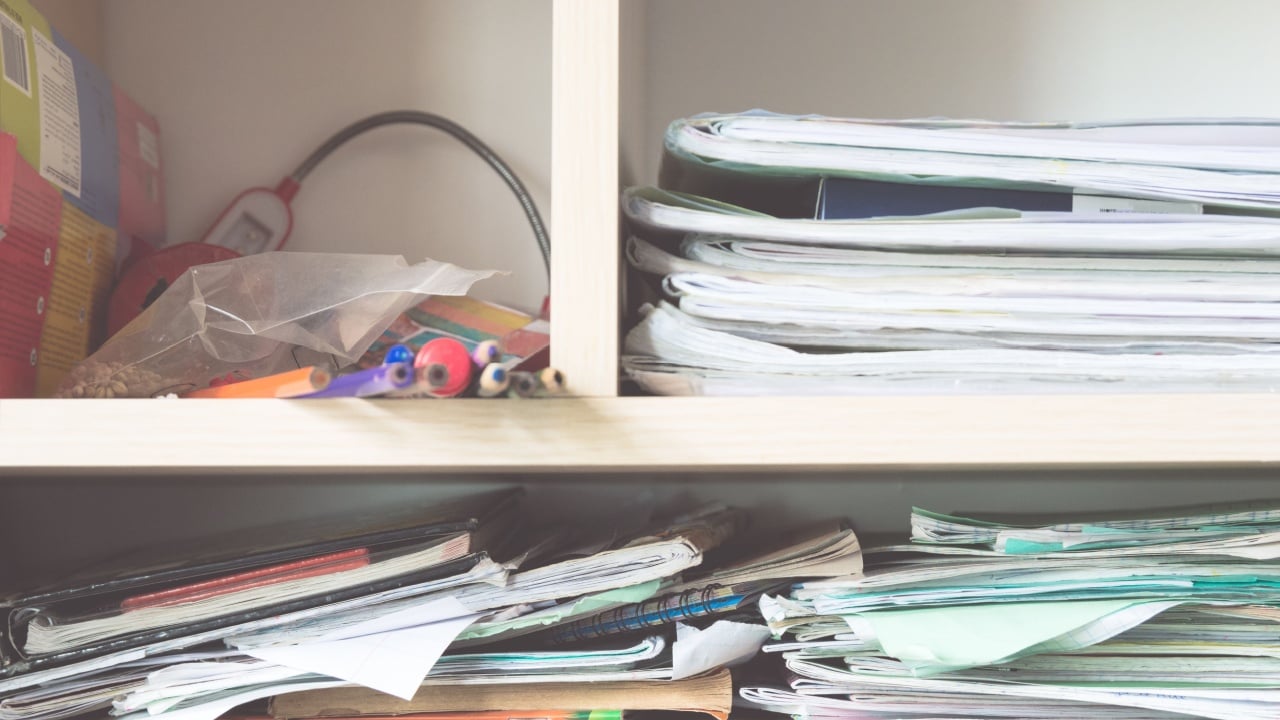
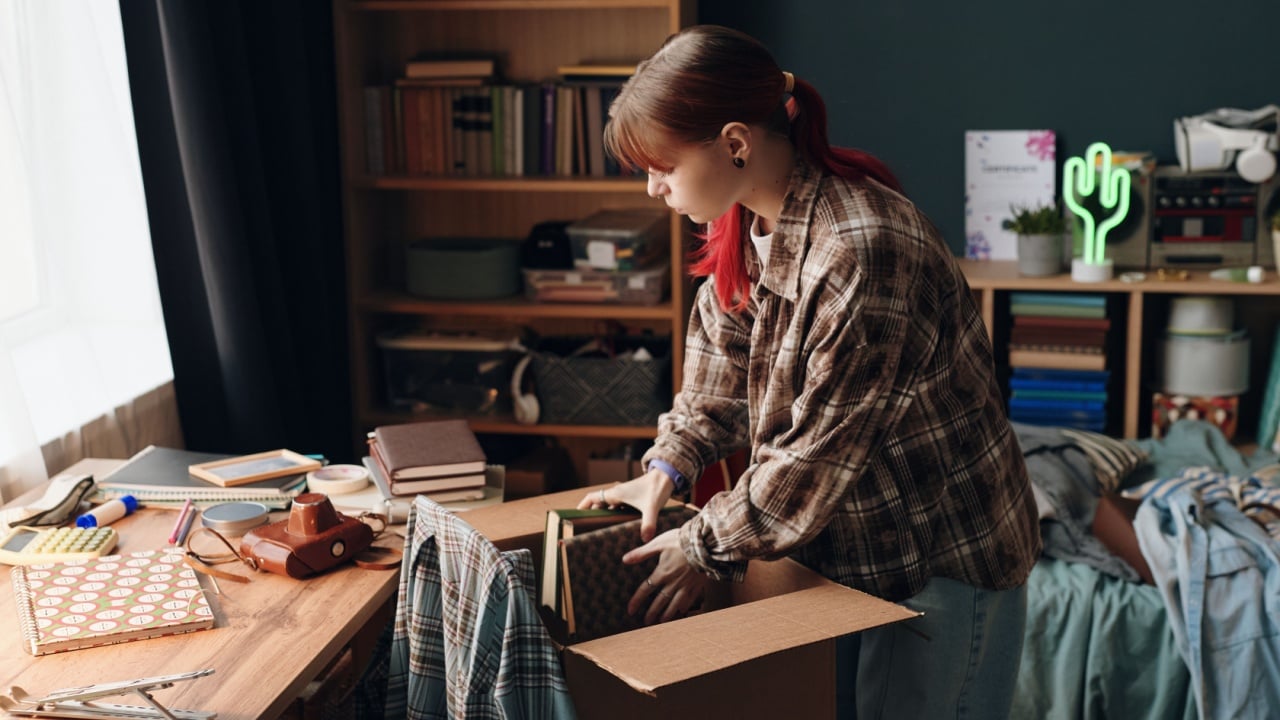
Children create a huge volume of artwork, worksheets, cards, and school projects in a short time. Saving every piece is rarely realistic, and it often turns meaningful keepsakes into stuffed bins no one looks at.
Keeping everything can blur the line between what is sweet for a week and what truly marks a memory.
Choose a thoughtful system instead of a giant pile. Save a few favorites from each school year, such as a self-portrait, a handwritten story, or a piece that shows a new skill.
Photograph larger projects, create a slim memory box for each child, or display a rotating selection so the special items stay visible and valued.
7. Gifts You Do Not Use
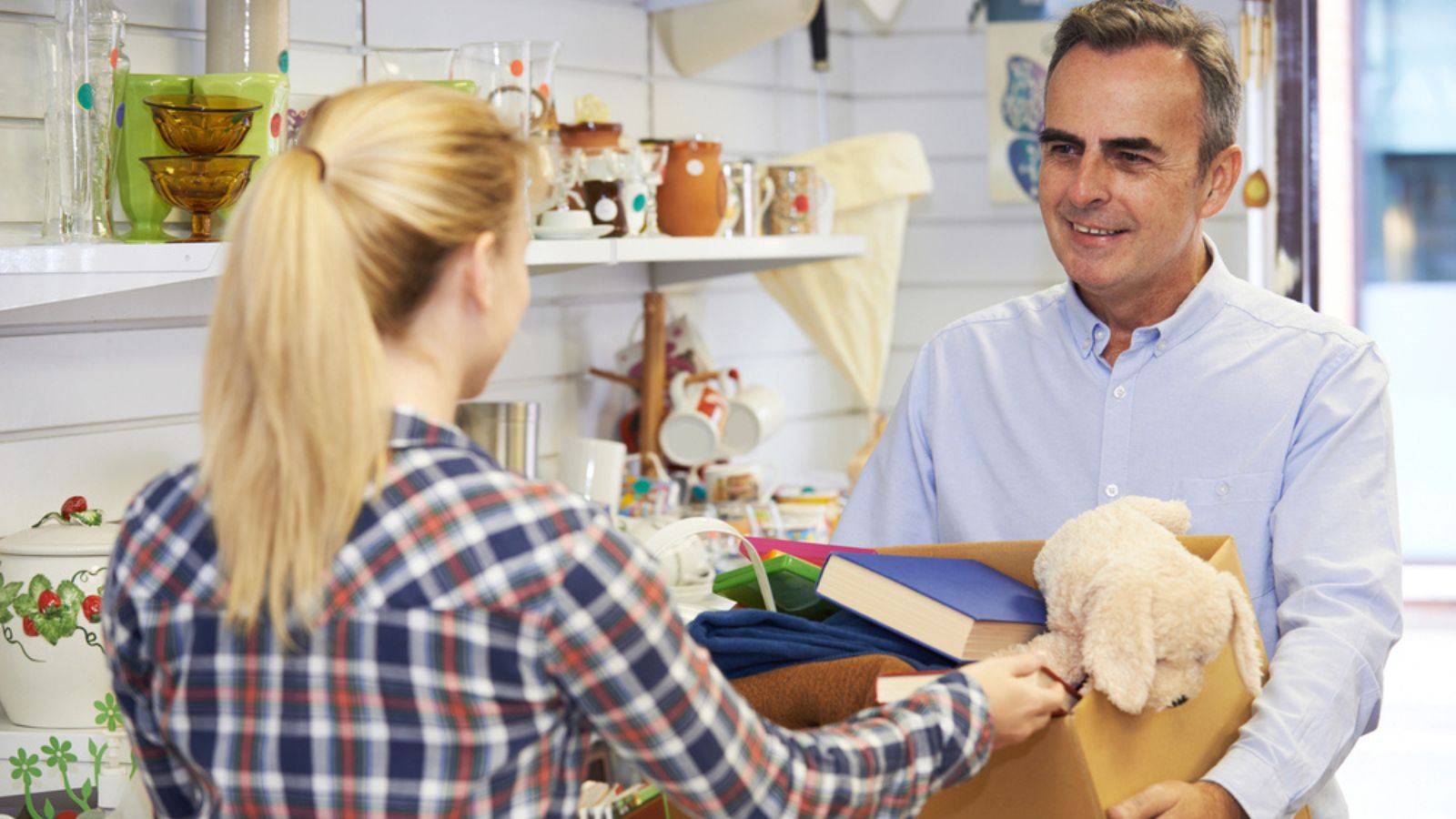
Unwanted gifts can be hard to part with because they carry emotion. Organized people know that keeping unused gifts out of guilt does not honor the giver if the item sits untouched in a drawer or closet.
A present has already done its job when it expresses care, and that does not mean you must store it forever.
If the gift is useful, keep it and enjoy it. If it does not suit your taste, home, or daily life, pass it on in a respectful way by donating it, regifting it when appropriate, or offering it to someone who would truly use it.
A Lighter Home Starts Here

Getting organized often means removing low-value clutter before buying bins, baskets, or drawer dividers. When you stop keeping things that add little to your life, your home gets easier to manage and easier to enjoy.
These eight categories are a good place to begin because they collect fast and wear out their welcome quickly. Clear them out with care, keep what serves a real purpose, and your space will feel more open, calm, and usable.
Read More:
14 Reusable Kitchen Upgrades That Will Make You Regret Ever Buying Disposables