6 Things Tree Experts Say Are Hurting Your Trees
A tree can look fine from the street and still be under stress. Yellowing leaves, weak growth, split bark, and early leaf drop often begin with small care mistakes that are easy to miss.
Many tree problems are caused by people trying to help. A little extra mulch, a tighter planting spot, or a quick cut to reduce height can seem harmless at first, yet each choice can weaken a tree in lasting ways.
Tree experts often point to the same patterns when they inspect damaged trees. Roots get buried, trunks stay wet, branches are cut the wrong way, and lawn care products drift into places they should never reach.
Find below six common habits that hurt trees and what to do instead so your trees can grow stronger and stay healthier for years.
1. Planting Trees Too Close Together
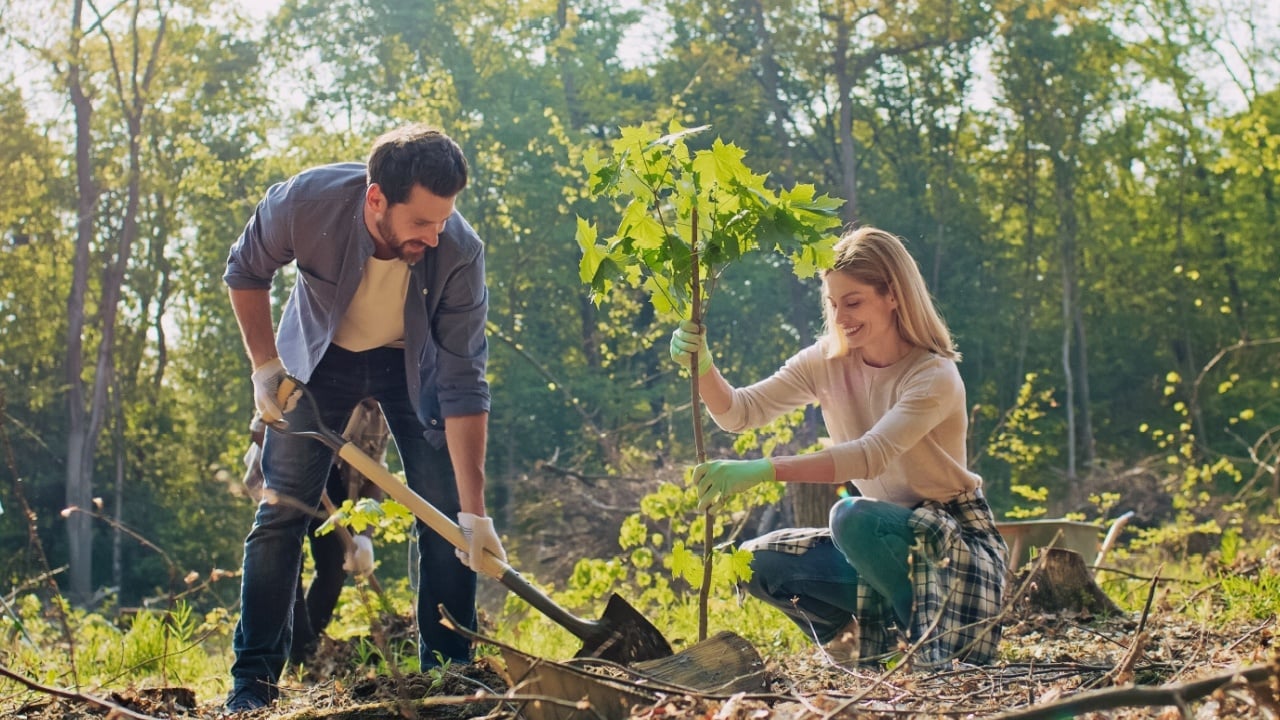
Trees need room above ground and below it. When they are planted too close together, their roots compete for water, air, and nutrients, while their canopies crowd each other and block light.
Arborists often warn that spacing should be based on a tree’s mature width, not the size of the young tree in its nursery pot.
Crowded trees often grow with poor structure as they stretch for light and lean into open space. That can lead to crossing limbs, weak branch angles, and more disease pressure because damp, shaded canopies dry slowly after rain.
Before planting, check the tree tag for mature size and give each tree enough space from nearby trunks, fences, sheds, and garden beds.
2. Planting Trees Too Close to Houses and Hard Surfaces
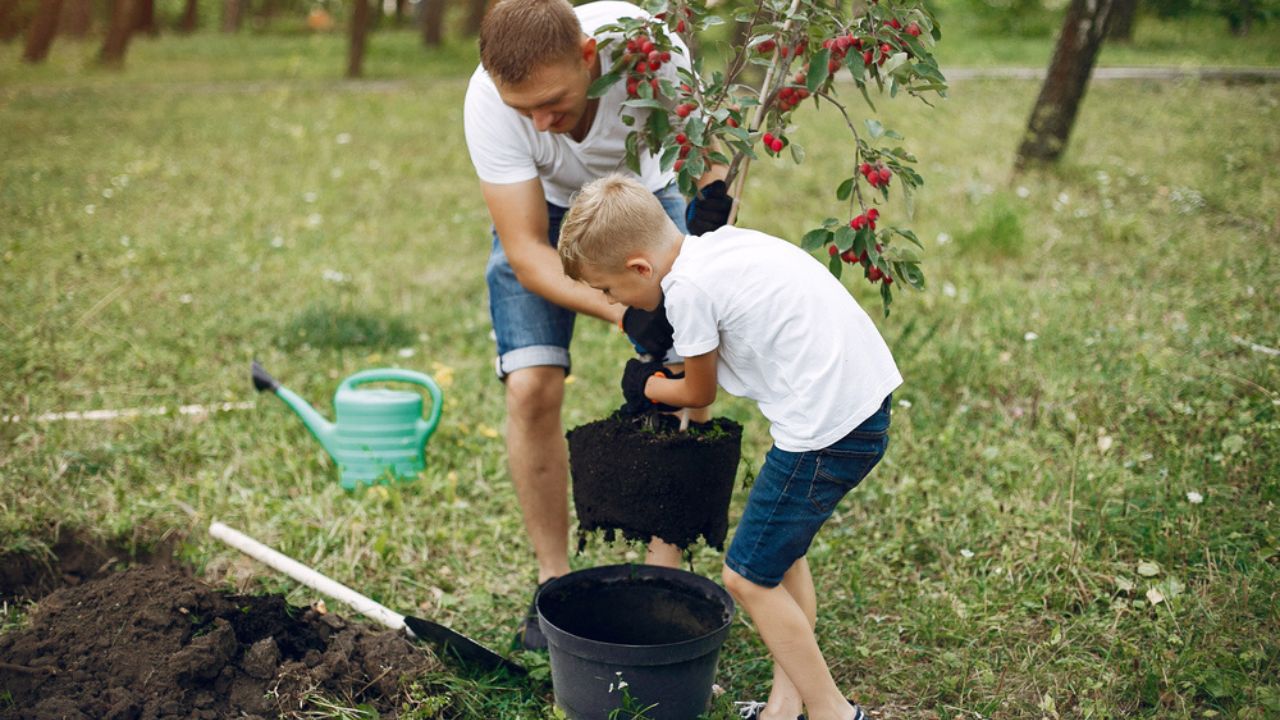
A small sapling near a house can look harmless, yet large trees planted too close to foundations, driveways, patios, or walkways can create serious trouble as they mature.
Roots do not usually smash solid foundations, but they can exploit existing cracks, lift pavers, buckle sidewalks, and crowd soil around buried utilities. The canopy can cause trouble too by scraping roofs, dropping heavy limbs near structures, and trapping moisture against siding.
Tree experts suggest looking at the full adult height and spread before picking a spot. Large shade trees need far more distance from homes than many people expect, while smaller ornamental trees fit tighter spaces better.
If you already have a poorly placed tree, an arborist can help you decide if root management, pruning, or removal is the safer option.
3. Piling Mulch Against The Trunk
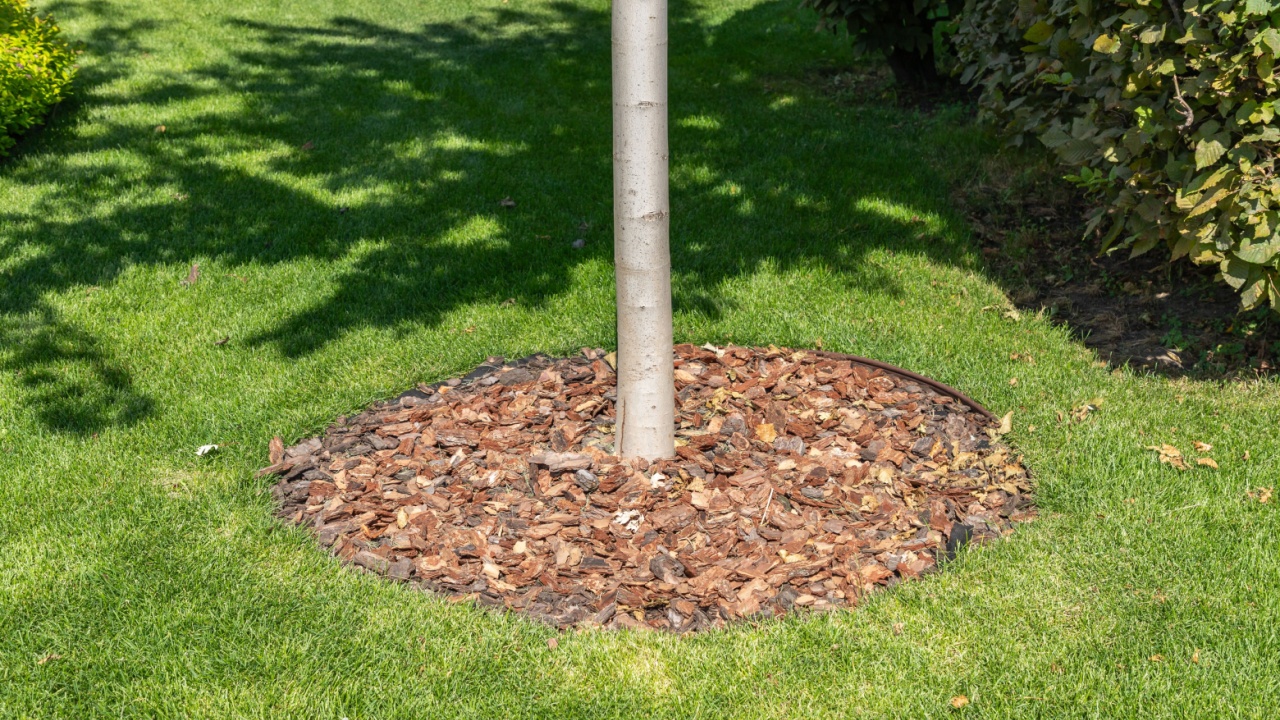
Mulch helps trees hold soil moisture, reduce weed growth, and buffer soil temperatures, yet too much of it in the wrong place can do real harm.
When mulch is piled high against the trunk in a mound, it traps moisture against the bark, which should stay fairly dry, and can hide the root flare, the area where the trunk widens at the base.
Volcano mulching can lead to rot, insect activity, fungal issues, and roots that begin circling in the mulch instead of growing outward into the soil. A healthier mulch ring is wide and flat, not tall and heaped.
Spread mulch to a depth of 2 to 3 inches and keep it pulled back a few inches from the trunk so the root flare stays visible. If your tree already has a mulch volcano around it, gently pull the mulch away and remove any excess until the base of the trunk is exposed again.
4. Spraying Lawn Herbicide Near Tree Roots
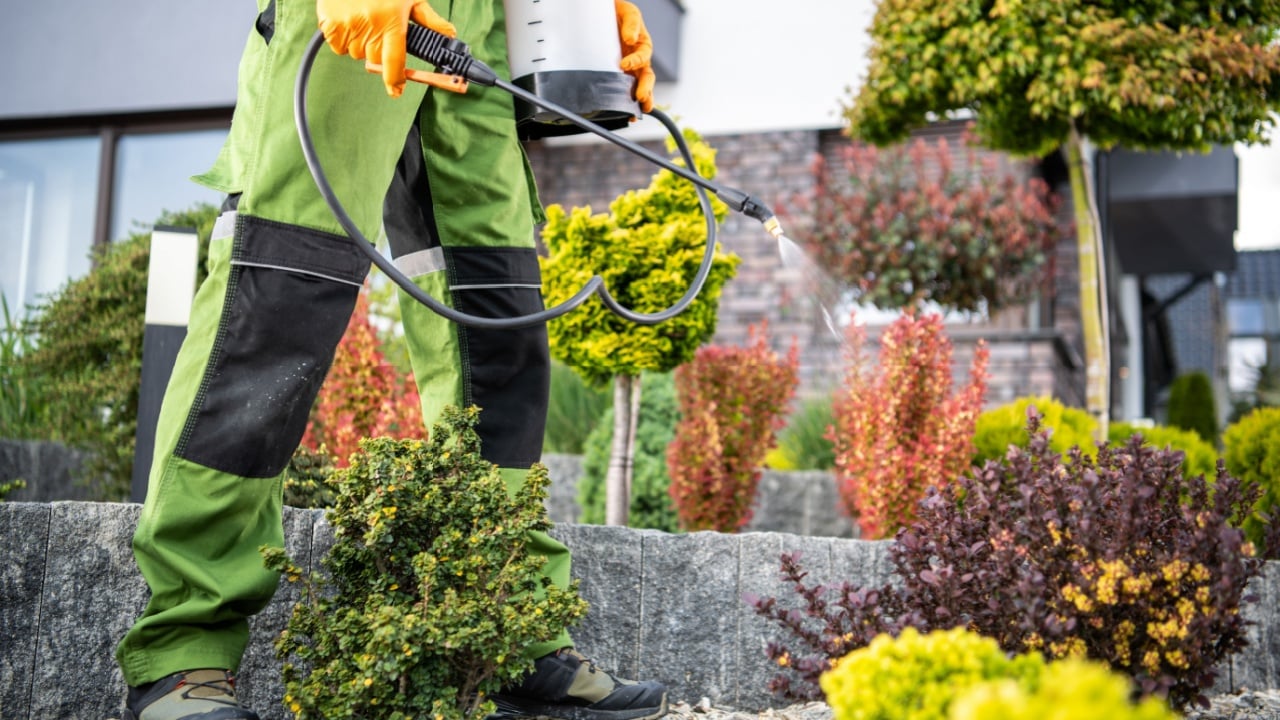
Many homeowners treat weeds in the lawn without realizing that tree roots often extend far beyond the branch canopy. In many cases, roots spread two to three times beyond the drip line, especially in open lawns where water and oxygen are readily available.
That means herbicides sprayed near a tree, or even farther away than expected, can be absorbed by feeder roots and cause leaf curling, poor growth, dieback, or general decline.
Damage may not show up right away, which makes this mistake easy to overlook. Always read the product label, avoid spraying near root zones, and use physical weed control near trees when possible.
Hand pulling, careful spot treatment, and mulch around the base are safer choices than broad lawn applications close to established roots.
5. Leaving Stakes on a New Tree Too Long
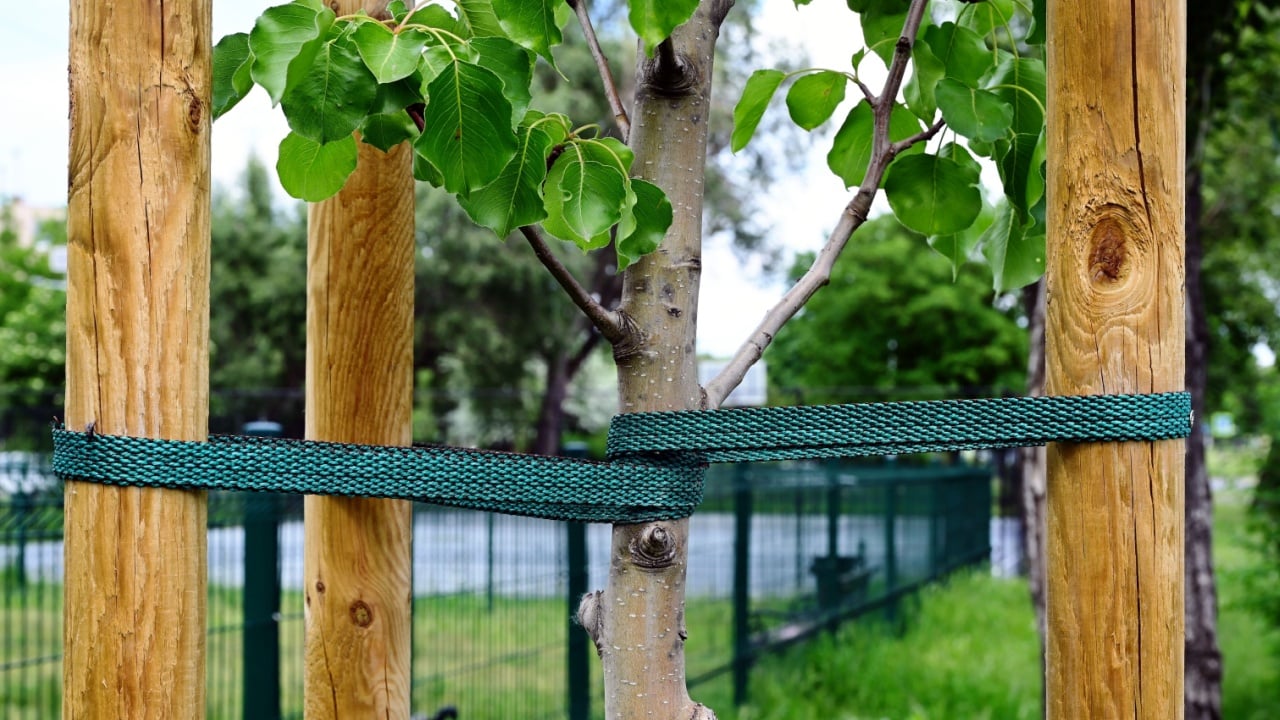
Staking can help a newly planted tree in a windy site or in loose soil, yet many young trees are staked when they do not need it. A trunk that cannot move at all does not develop normal strength, because slight movement helps the tree build supportive wood and a sturdier root system.
Ties that stay on too long can rub the bark, cut into the trunk, and create wounds that open the door to insects and disease.
If staking is needed, use flexible ties and allow some movement rather than pulling the trunk tight.
In many cases, stakes should come off after one growing season, and sometimes sooner if the tree is stable. Check ties often, remove anything that digs into bark, and let the tree stand on its own as soon as it can.
6. Topping A Tree
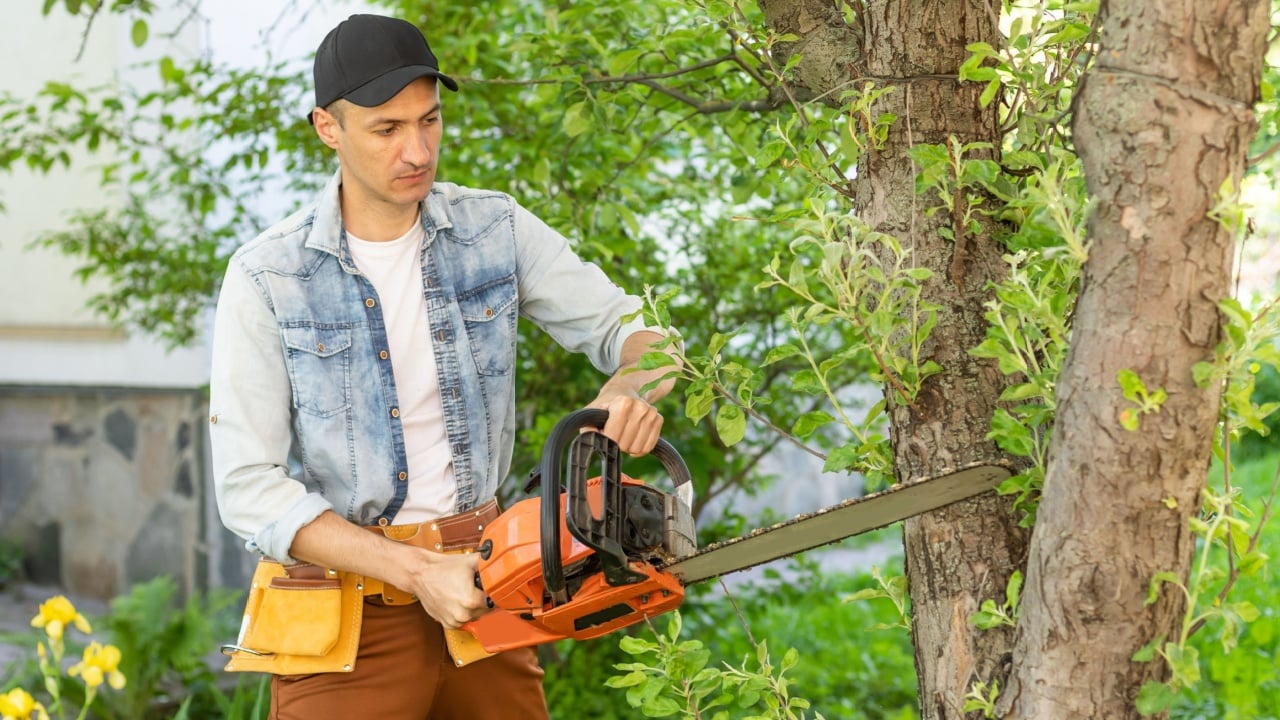
Topping is the practice of cutting back large upright branches or the main crown to reduce a tree’s height. It may seem like a fast fix for an oversized tree, but experts strongly discourage it because it leaves large wounds and removes much of the leaf area the tree uses to make food.
In response, many topped trees push out weak new shoots from the cut points, and those shoots are far more likely to fail than naturally formed branches.
Topping can also expose bark to sunscald and accelerate decay within major limbs. If a tree is too large for its space, a certified arborist can use selective pruning to reduce risk while keeping the tree’s natural form intact.
In some cases, removal and replacement with a better-sized tree is wiser than repeated harsh cutting that keeps the tree in decline.
Stronger Trees Start Today
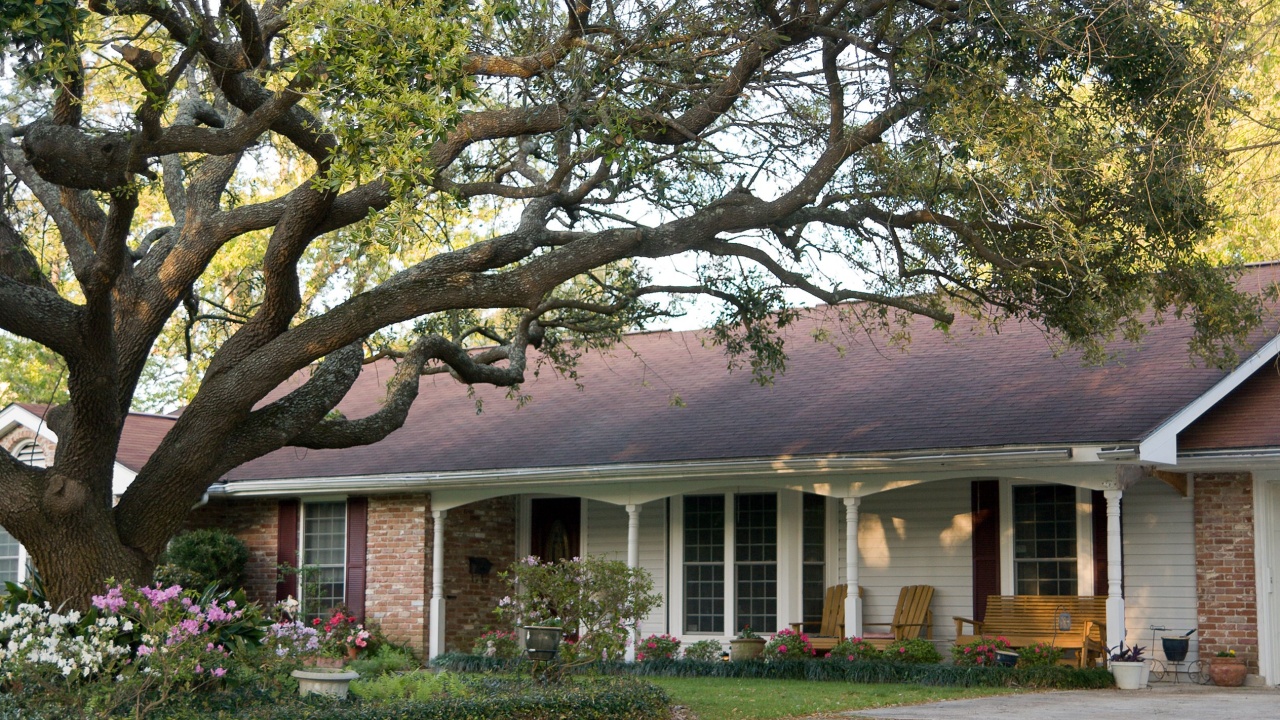
Trees stand as quiet partners in our outdoor spaces, silently adapting to their surroundings. Giving attention to their needs prevents problems.
A good rule is to care for trees with their full lifespan in mind. Give roots room, keep mulch off the trunk, protect the root zone from herbicides, remove stakes on time, and skip harsh cutting methods.
Small changes in tree care can prevent years of stress and help your landscape stay safer and stronger.
Read More:
Turn the Yard Into a Hummingbird Haven with These 15 Trees
If You Have Any of These 10 Trees in Your Yard, Your Foundation May Already Be in Danger