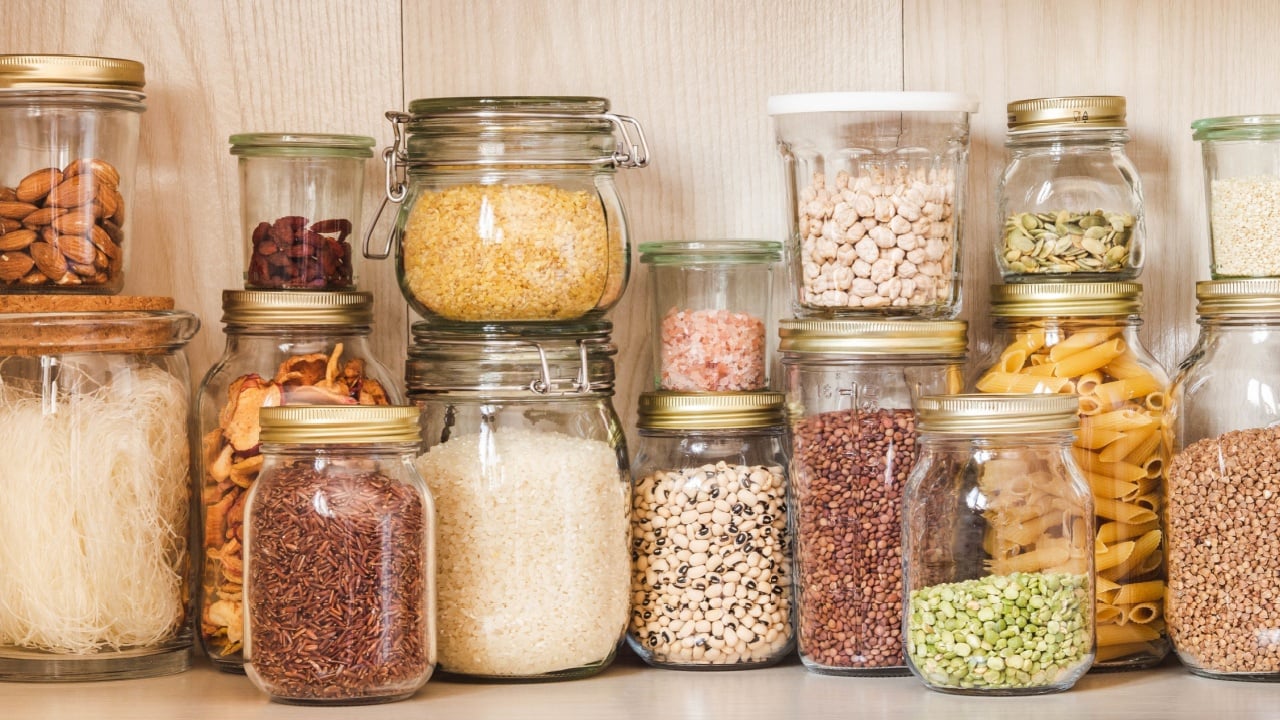
Keep These 8 Grains in Your Pantry to Improve Gut Health
Who doesn’t want a tummy that grumbles less and bowels that move well and often. Good gut health does not always come from fancy powders or costly supplements. Sometimes it starts with the grains sitting on your pantry shelf and the way they feed the microbes in your digestive tract.
Whole grains bring fiber, plant compounds, and slow-digesting carbs that help your gut do its job well. Many of them support regular bowel movements, promote the growth of beneficial bacteria, and provide your intestinal lining with the fuel it needs to stay strong.
The type of grain matters. Refined grains lose much of the bran and germ, which means less fiber and fewer helpful nutrients, while whole grains keep those parts intact and deliver more to your digestive system.
This list covers eight grains worth keeping on hand if you want to improve gut health through everyday meals.
1. Oats
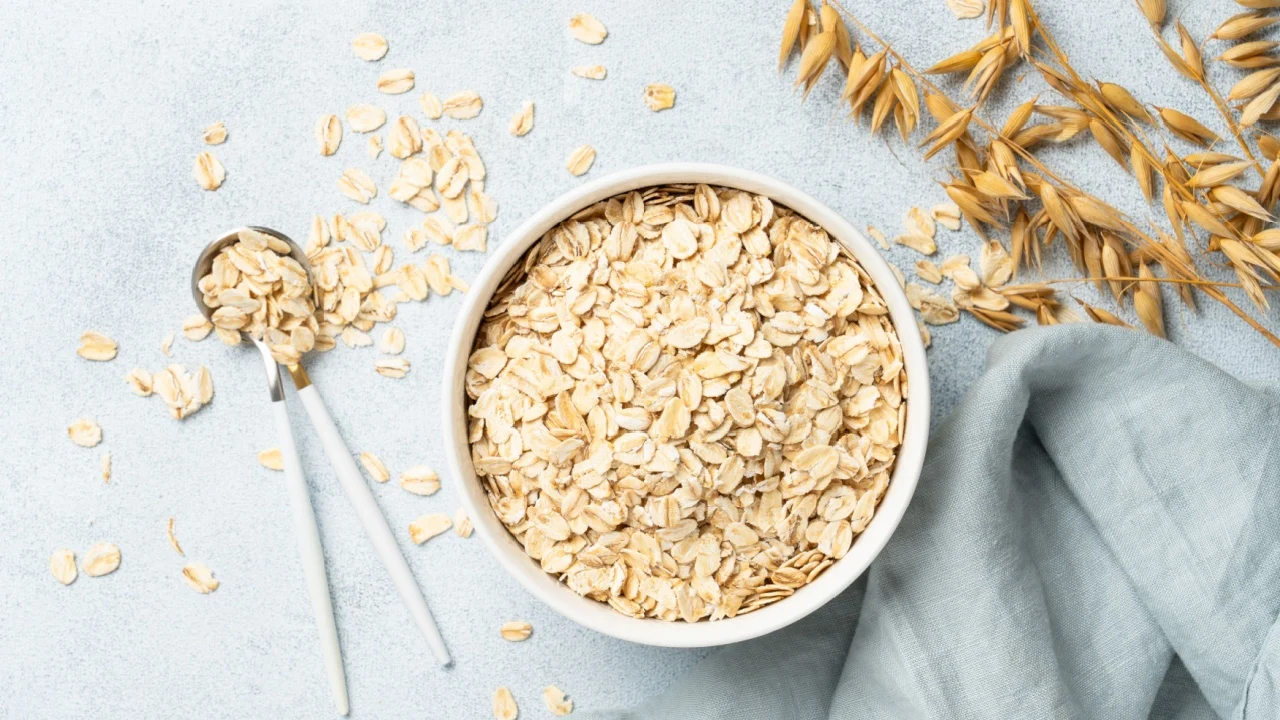
Oats stand out for their beta-glucan, a soluble fiber that forms a soft gel in the digestive tract. That gel helps slow digestion, supports steadier blood sugar, and feeds helpful gut bacteria as it moves through the intestines.
When gut microbes break beta-glucan down, they produce short-chain fatty acids, which help nourish the cells lining the colon. Medical experts have linked oat intake to better bowel regularity, a healthier gut environment, and even improved heart health and weight loss.
For the most benefit, choose old-fashioned oats or steel-cut oats instead of heavily sweetened instant packets. You can cook them into breakfast, blend them into smoothies, or use them in homemade oat bars.
If your diet is low in fiber right now, add oats gradually and drink enough water so your system can adjust more comfortably. People who avoid gluten should look for certified gluten-free oats, since some oats are processed near wheat.
2. Barley
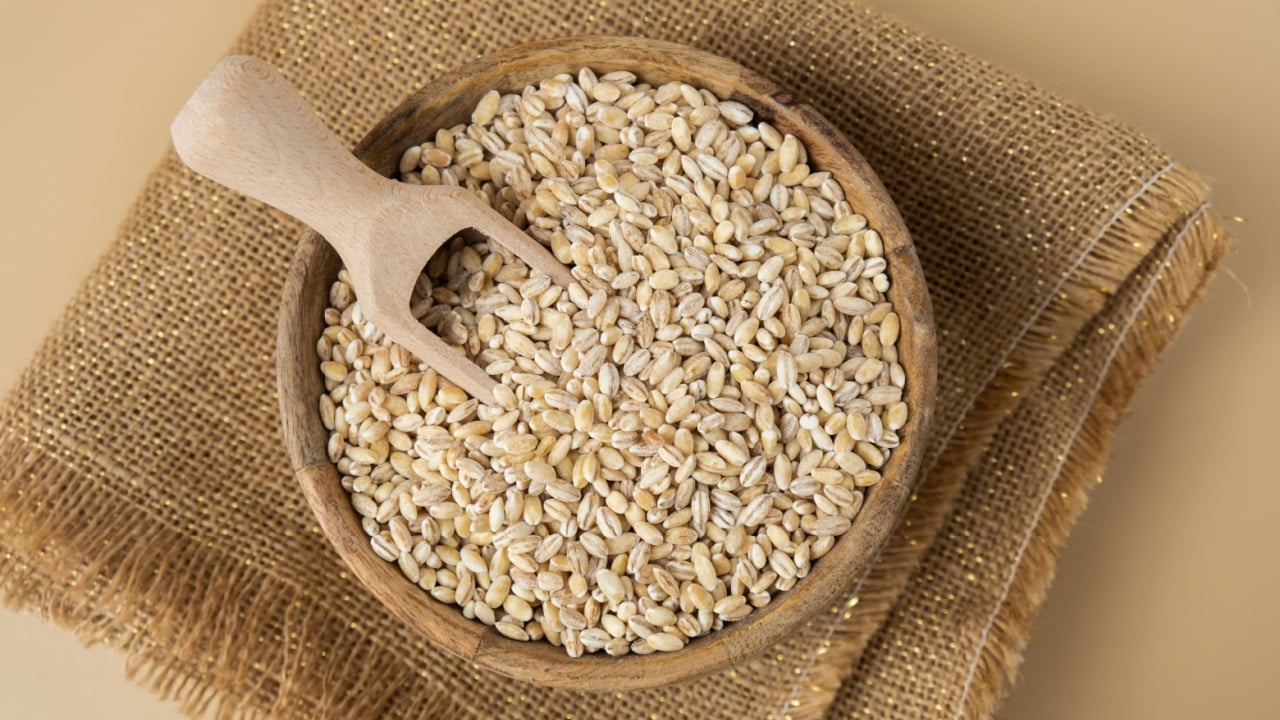
Barley is another grain rich in beta-glucan, and it has one of the highest soluble fiber contents among common grains. In the gut, that fiber becomes food for microbes that produce short-chain fatty acids such as butyrate.
Butyrate matters because it supports the intestinal barrier and may help calm inflammation in the colon. Barley also helps add bulk to stool, which can improve regularity for many people.
Pearled barley still contains fiber, though hulled barley is less processed and keeps more of its grain structure. You can add barley to soups, grain bowls, or simple side dishes in place of rice.
Its mild, nutty taste pairs well with savory dishes, and it stays pleasantly chewy after cooking. Barley does contain gluten, so it is not a fit for people with celiac disease or gluten intolerance.
3. Sorghum
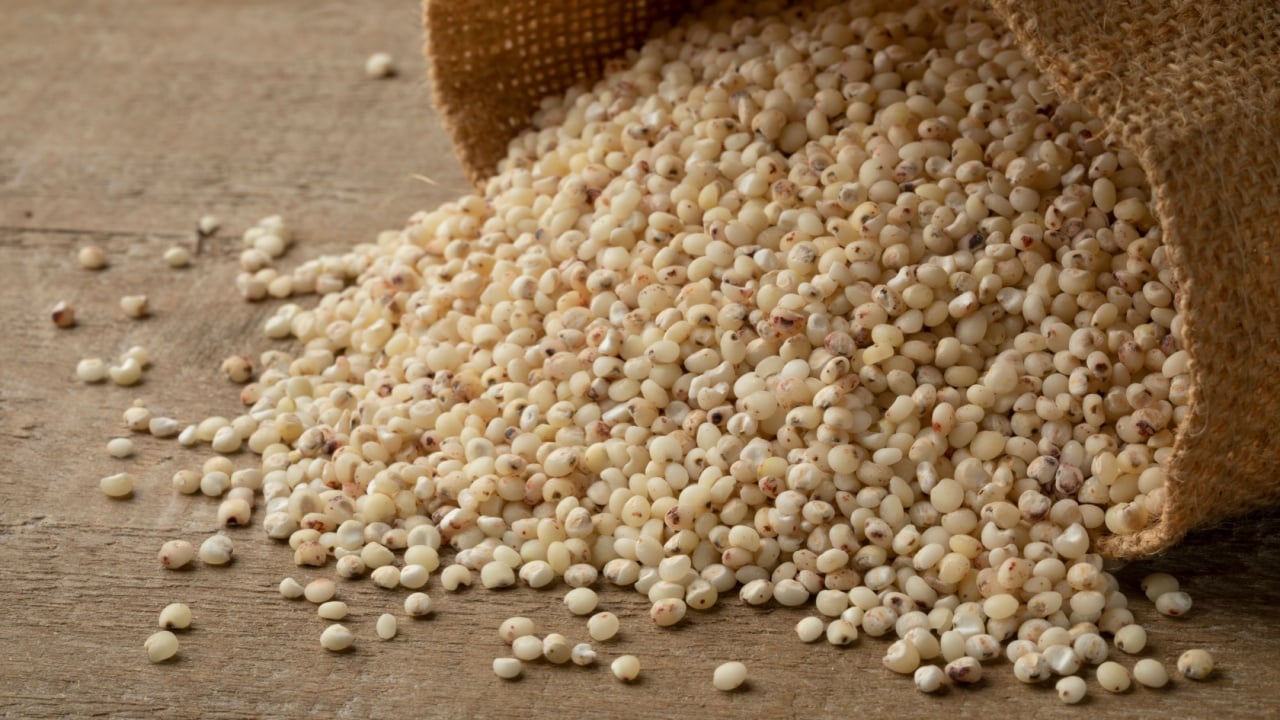
Sorghum deserves more attention because it is rich in fiber and polyphenols. Research indicates that a quarter cup of dry sorghum can provide substantial fiber, which helps stool move through the digestive tract and supports a more diverse gut microbiome.
Its polyphenols may help limit the growth of less helpful bacteria while creating a better setting for beneficial strains. That mix of fiber and antioxidants gives sorghum a strong case for gut support.
This grain is naturally gluten-free, which makes it useful for people who want more grain options without wheat, rye, or barley. Cooked sorghum has a chewy texture that works well in salads, grain bowls, and warm breakfast porridge.
You can even pop whole sorghum like tiny popcorn for a snack with more fiber than many packaged options. Since it has a firmer bite, soaking it before cooking can help cut down the cooking time.
4. Quinoa
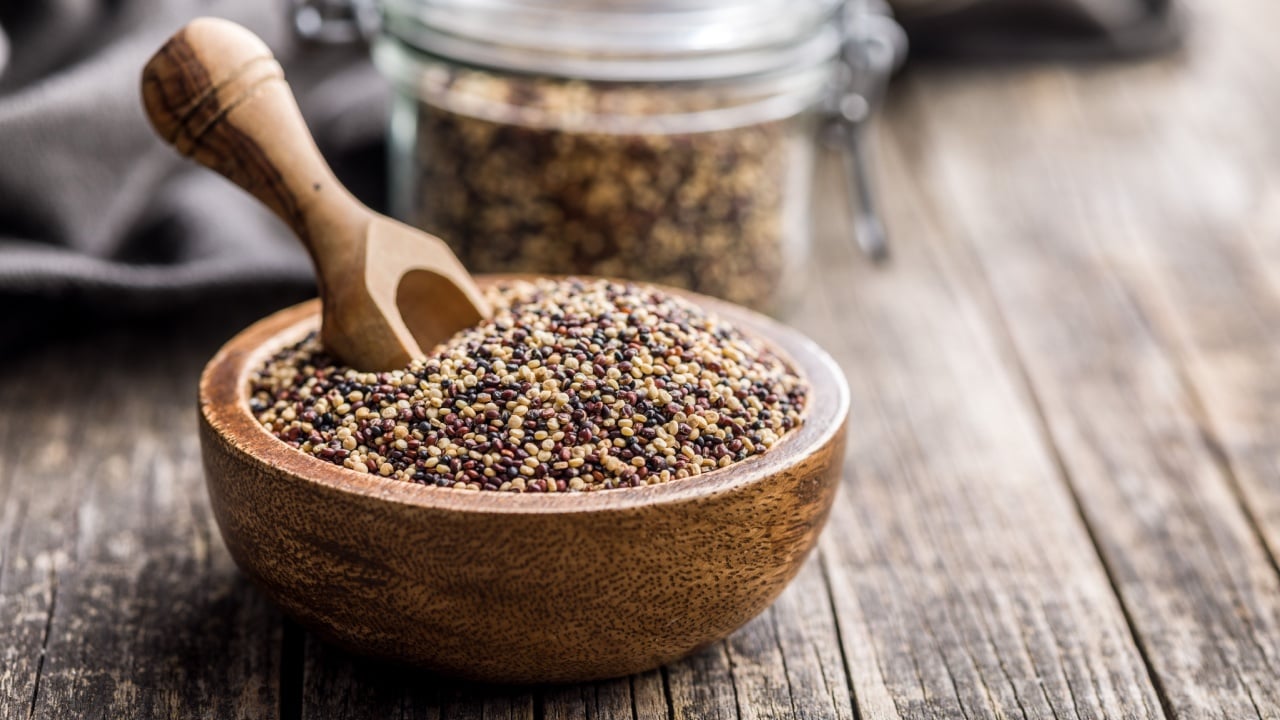
Quinoa is technically a seed, yet it acts like a grain in the kitchen and offers real digestive benefits. It contains fiber, protein, and a range of plant compounds, including quercetin and kaempferol, which are known for antioxidant activity.
Those compounds may help reduce oxidative stress in the gut, while the fiber helps support regularity and feeds helpful microbes. Quinoa also supplies all nine essential amino acids, which is unusual for a grain-like food and useful for overall body repair.
Because quinoa cooks quickly, it is easy to use in meals throughout the week. Rinse it well before cooking to remove saponins, which can leave a bitter taste on the outer coating.
Use it as a base for lunch bowls, mix it into soups, or serve it warm with fruit and nuts in the morning. If you are trying to improve digestion, pairing quinoa with beans and vegetables can build a meal with a broad mix of fibers your gut microbes can use.
5. Brown Rice

Brown rice keeps its bran and germ, which gives it more fiber, vitamins, and minerals than white rice. Much of its fiber is insoluble, which helps add bulk to stool and move waste through the intestines more regularly.
It also provides small amounts of resistant starch, especially after cooking and cooling, and resistant starch can act like a prebiotic in the colon. While brown rice is less flashy than some newer grains, it remains a dependable option for digestive support.
Its mild flavor makes it easy to fit into many meals without much planning. Use it in stir-fries, burrito bowls, casseroles, or as a simple base for roasted vegetables and protein.
Cooking a large batch and cooling leftovers in the fridge can increase resistant starch, which may be useful for gut health and blood sugar control. If brown rice feels too dense at first, mixing it with white rice can help you adjust while still adding more whole-grain fiber to your plate.
6. Millet

Millet is a small, gluten-free grain with a gentle flavor and a solid nutrition profile for digestive health. It provides fiber that helps with regular bowel movements and contains antioxidants that can help protect cells from damage.
Millet may also support steadier blood sugar after meals, and that matters because large blood sugar swings can affect hunger, energy, and long-term metabolic health. A steadier digestive rhythm often starts with foods that break down at a more measured pace, and millet fits that role well.
This grain cooks quickly and can be made fluffy like rice or soft like porridge, depending on how much liquid you use. It works well in breakfast bowls, stuffed peppers, and warm grain salads.
Toasting millet in a dry pan before cooking brings out a nuttier flavor and improves texture. If you are building a gut-friendly pantry, millet is a useful option because it is easy to digest for many people and easy to use in everyday meals.
7. Buckwheat
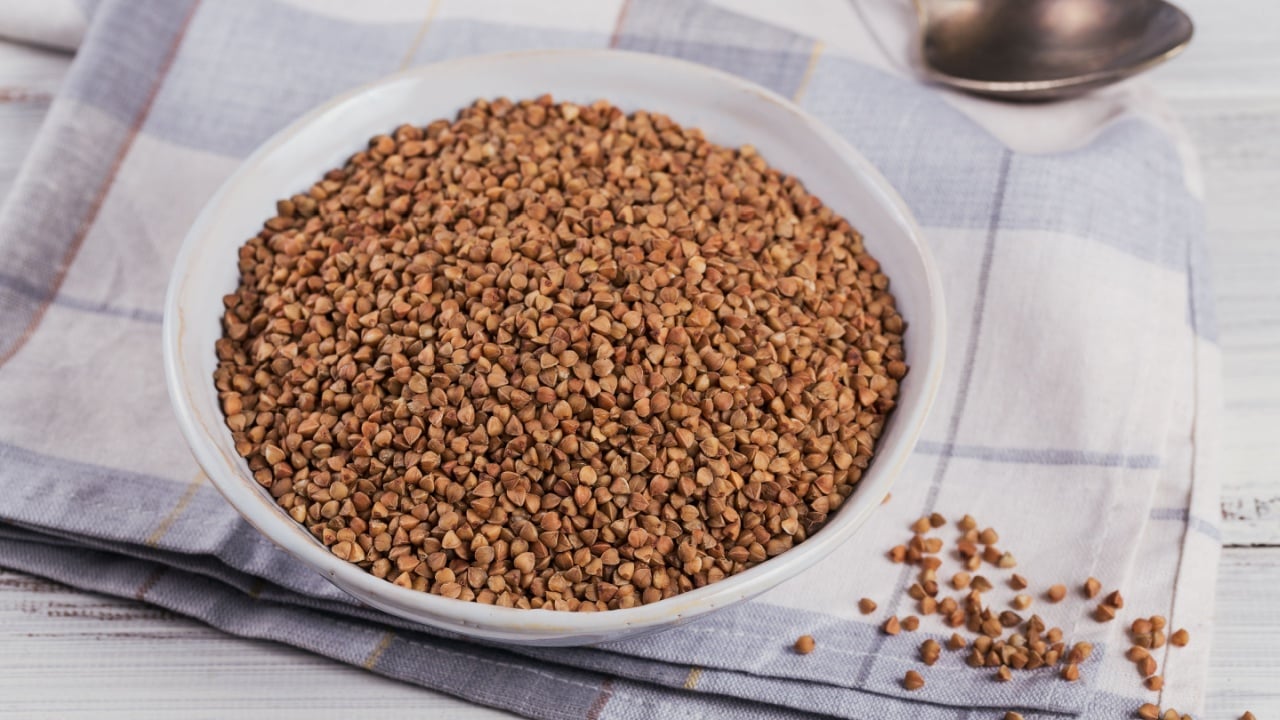
Buckwheat is another gluten-free pantry staple that supports digestion in several ways. Despite its name, it is not related to wheat, and it contains fiber, minerals, and plant compounds such as rutin.
The fiber can help support bowel regularity, while the antioxidants may help protect the digestive tract from inflammation linked with poor diet and stress. Buckwheat also has a lower glycemic impact than many refined grain foods, which can help support steadier energy after eating.
You can buy buckwheat as groats, flour, or noodles made mostly from buckwheat. Groats make a hearty hot cereal or side dish, and buckwheat flour can add more fiber to pancakes or muffins.
When buying soba noodles, check the label carefully because many brands mix buckwheat with refined wheat flour. For gut health, choosing forms with a higher buckwheat content gives you more of the fiber and plant compounds that make this grain useful.
8. Teff
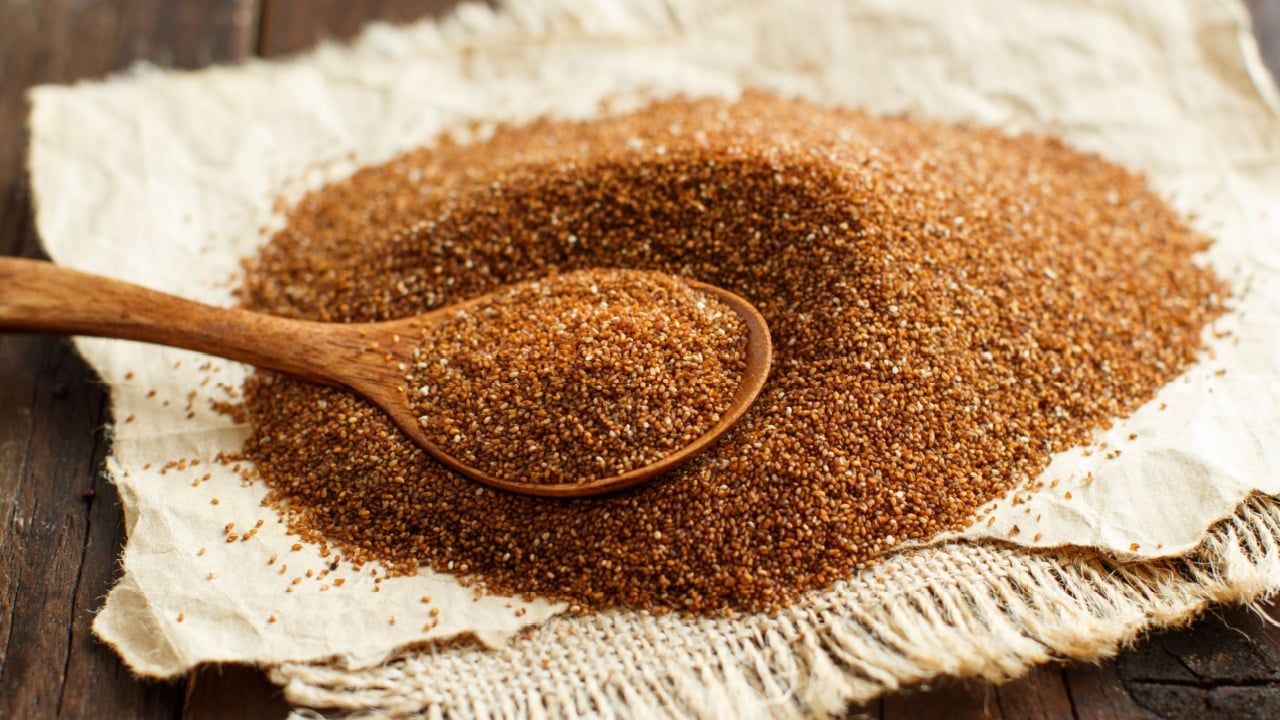
Teff is tiny, yet it brings a lot to the table for digestive health. It contains fiber, protein, iron, magnesium, and calcium, and it is naturally gluten-free.
Teff also has more lysine than many grains, and lysine is an amino acid involved in tissue repair and healthy barrier function in the gut. Since the grain is so small that people eat the whole seed, none of the fiber-rich outer layer is lost during normal use.
Teff has a mild, earthy taste that works in both sweet and savory dishes. You can cook it into a soft porridge, use teff flour in baking, or serve cooked teff as a side dish.
Whole grains can do a lot for your gut when you eat them often and in a range of forms. Oats and barley bring beta-glucan, sorghum and quinoa add fiber with helpful plant compounds, and brown rice, millet, buckwheat, and teff round out the pantry with their own digestive strengths.
A healthy gut usually responds well to variety, since different microbes feed on different fibers and plant compounds. Keeping these eight grains in your pantry makes it easier to build meals that support regularity, nourish the gut lining, and feed beneficial bacteria without relying on packaged products. The more often you swap refined grains for whole ones, the more likely your meals will support better digestion in a lasting, practical way.
Building a Gut-Friendly Pantry

A healthy gut usually responds well to variety, since different microbes feed on different fibers and plant compounds.
Keeping these eight grains in your pantry makes it easier to build meals that support regularity, nourish the gut lining, and feed beneficial bacteria without relying on packaged products.
The more often you swap refined grains for whole ones, the more likely your meals will support better digestion in a lasting, practical way.
Read More:
15 Foods to Improve Gut Health
Dietitians Say You Should Be Eating These 14 Foods Way More Often