
15 Foods with Trans Fat to Take Off the Shopping List Completely
Dietary fats play different roles in human health. Some fats provide necessary energy and support cell function. Others provide zero nutritional value and carry significant health risks. Trans fats fall squarely into the latter category.
Research from health organizations indicates trans fats raise bad cholesterol levels while lowering good cholesterol. This imbalance increases the risk of heart disease, stroke, and type 2 diabetes.
The main culprits are partially hydrogenated oils used by food manufacturers to extend shelf life and maintain flavor at room temperature (trans fat is a lab-made fat only).
Here is a detailed look at 15 foods containing high amounts of trans fats. The following list explains why these items pose health risks and offers practical alternatives for a healthier diet.
1. French Fries

Many restaurants use hydrogenated oils in their deep fryers to make fries. A single serving can contain a considerable amount of trans fat, well over the recommended daily limit. While these oils are cheap and can be reused, the high heat of deep-frying makes them even more harmful.
Try baking your own potato wedges at home with a bit of avocado or olive oil. If you’re eating out, ask what kind of oil the restaurant uses.
If they use hydrogenated oils (usually a blend of soybean, cottonseed, or vegetable oil), pick a healthier side like a salad or steamed veggies. You can also get that crispy texture by using an air fryer.
2. Fried Chicken

Frozen chicken nuggets and other processed chicken products often use trans fats to keep their crunchy coating intact after freezing. A single serving of frozen chicken nuggets can contain up to 1 gram of trans fat. This is because partially hydrogenated oils are used in the batter and pre-frying process to extend shelf life and ensure a crispy texture when you reheat them.
For a healthier crunch, try baking chicken breasts coated in whole wheat breadcrumbs. Always check the nutrition label on frozen chicken products for “partially hydrogenated oil” to avoid hidden trans fats.
If you’re craving that crispy texture, you can make a heart-healthy version at home. A homemade batter using egg and whole-grain flour, baked in the oven or cooked in an air fryer, is a delicious substitute for deep-fried chicken. Grilling or poaching are also great, fat-free cooking methods.
3. Stick Margarine

Margarine sticks often get their solid shape from hydrogenated oils, which means they’re packed with trans fats. These fats were once considered a healthy swap for butter, but now we know they’re bad news for your heart, raising bad cholesterol and lowering the good kind.
Instead of stick margarine, try soft, spreadable tub versions, but always check the label for “partially hydrogenated oil.” Better yet, use mashed avocado or olive oil in your cooking. Avocado can replace butter or margarine one-for-one in most recipes, adding healthy fats instead of harmful ones.
If you need a solid fat, using real butter in moderation is a better choice. While it’s high in saturated fat, it doesn’t have the artificial trans fats found in many margarines. Ultimately, your best bet is to get fats from whole foods like nuts, seeds, and avocados.
4. Vegetable Shortening

Traditional vegetable shortening is almost all partially hydrogenated oil. Companies can get away with labeling a product “zero trans fat” if it has less than 0.5 grams per serving, so you could be eating more hidden trans fat than you think, especially in baked goods.
Always read ingredient lists and watch out for the words “partially hydrogenated.” In your baking, you can use coconut oil or even unsweetened applesauce as a substitute.
If you’re not avoiding animal products, lard or butter are classic baking fats that don’t contain artificial trans fats. For a plant-based option, a mix of coconut oil and a neutral liquid oil can create a similar flaky texture in your pie crusts and biscuits without the health risks.
5. Store-Bought Pie

That flaky pie crust on store-bought pies often comes from trans fats (from the shortening we just talked about), which keep it stable on the shelf for days. A single slice of a grocery store pie can hide up to 4 grams of trans fat, not just in the crust but sometimes in the creamy fillings too.
Making your own pie crust from scratch with real butter is a much healthier and tastier way to go. For a simpler sweet treat, try fresh fruit with an oat crumble topping. This helps you avoid trans fats and control the sugar, making your dessert genuinely wholesome.
If you’re short on time, look for pre-made pie crusts that clearly state they’re made with butter or non-hydrogenated oils. Frozen fruit pies can sometimes be a better choice than shelf-stable ones, but always check the ingredients first. A bowl of fresh berries with yogurt can be just as satisfying and much better for your heart.
6. Commercial Cake Mix and Frosting

That boxed cake mix and canned frosting can sit on your shelf for years, thanks to hydrogenated oils. These oils give frosting its creamy texture, but are terrible for your heart. It’s almost impossible to find a canned frosting without them.
Whipping up homemade frosting with powdered sugar and real butter is quick, easy, and so much better for you. Cakes made from scratch also skip all the processed stabilizers found in a box. You can even get creative and use cream cheese or avocado for a rich, dairy-free frosting.
If you have to use a mix, go for organic or natural brands that use real ingredients. For a quick frosting, a simple glaze of powdered sugar and milk or lemon juice is a trans fat-free topping. These small swaps can make your treats healthier without sacrificing the fun.
7. Pancake and Waffle Mixes

Those convenient “just add water” pancake and waffle mixes often have hydrogenated oils blended right into the powder to make them last longer. This means you could be starting your day with a dose of unhealthy trans fats, along with a lot of sugar and refined flour.
It only takes a few minutes to whip up your own dry mix with whole wheat flour and baking powder, and it will last just as long in your pantry. Instead of sugary syrups, top your pancakes with fresh fruit for a nutritional boost.
For extra flavor and nutrients, add mashed bananas or pumpkin puree to your batter. This adds natural sweetness and moisture, so you’ll need less fat and sugar. Top your stack with yogurt, nuts, and fresh berries for a truly powerhouse breakfast.
8. Microwave Popcorn

The buttery flavor and oil inside microwave popcorn bags are loaded with trans fats. Some flavored varieties can pack up to 15 grams of trans fat in one bag. Plus, the artificial butter flavoring, diacetyl, has been linked to lung problems, making this snack a double whammy for your health.
Making popcorn the old-fashioned way is a much safer bet. Use an air-popper or a pot on the stove for a natural, whole-grain snack. A little sea salt and nutritional yeast can give you great flavor without any of the bad stuff.
If you’re using the stovetop method, just put a little coconut or olive oil in a pot with kernels and cover it with a lid. For fun flavors, try adding smoked paprika or cinnamon. It’s cheap, quick, and way healthier than the microwave version.
9. Packaged Biscuits and Cinnamon Rolls
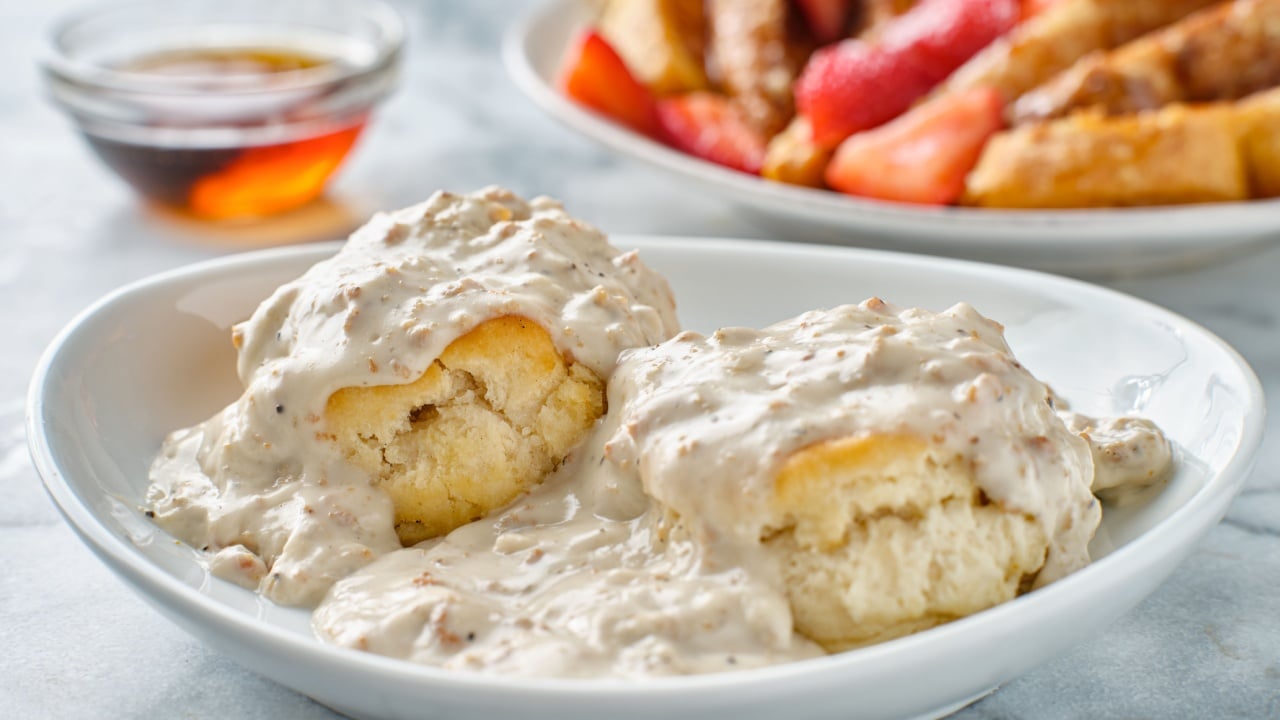
That ready-to-bake dough in the refrigerated aisle gets its long shelf life and texture from hydrogenated oils. Even if the label says “zero trans fat,” small amounts can add up. The convenience of these products just isn’t worth the artificial fats and preservatives.
Baking your own biscuits from scratch with simple ingredients like flour, butter, and milk is surprisingly easy and cuts out all the artificial junk. For a quick morning option, a whole-grain English muffin is a much safer bet.
For a healthier breakfast, try oatmeal with nuts and fruit, or whole-grain toast with avocado. If you’re craving a pastry, find a local bakery that uses real butter. It’s a much better indulgence than the highly processed stuff from the refrigerated section.
10. Fast Food Breakfast Sandwiches

Fast food breakfast sandwiches are often a triple threat, stacking a trans fat-filled biscuit with processed meat and artificial butter spread. A single sandwich can have over 6 grams of trans fat, making it one of the unhealthiest ways to start your day.
It takes almost no effort to make your own breakfast sandwich at home on a whole-wheat wrap with a fresh egg. Add some spinach and tomato to pack in more nutrients. You can even prep a batch of cooked eggs on Sunday for quick assembly all week long.
Another great option is a whole-grain English muffin topped with a poached egg, a slice of low-fat cheese, and some avocado for healthy fats. This homemade version is free of trans fats and full of fiber and nutrients to keep you energized all morning.
11. Non-Dairy Coffee Creamers

Both liquid and powdered non-dairy creamers use hydrogenated oils to get that creamy texture we all love in our coffee. These give the product a long shelf life but add a steady dose of trans fats to your morning routine.
A splash of real milk or a natural plant-based milk like almond or oat milk will give you that creamy feel without the processed junk. You can even make your own creamer by blending soaked cashews with water until it’s smooth and rich.
For extra flavor, add a drop of real vanilla extract instead of a chemical-laden syrup. While whole milk or half-and-half are higher in fat, it’s natural dairy fat, not the industrial trans fat you want to avoid.
12. Frozen Dinners
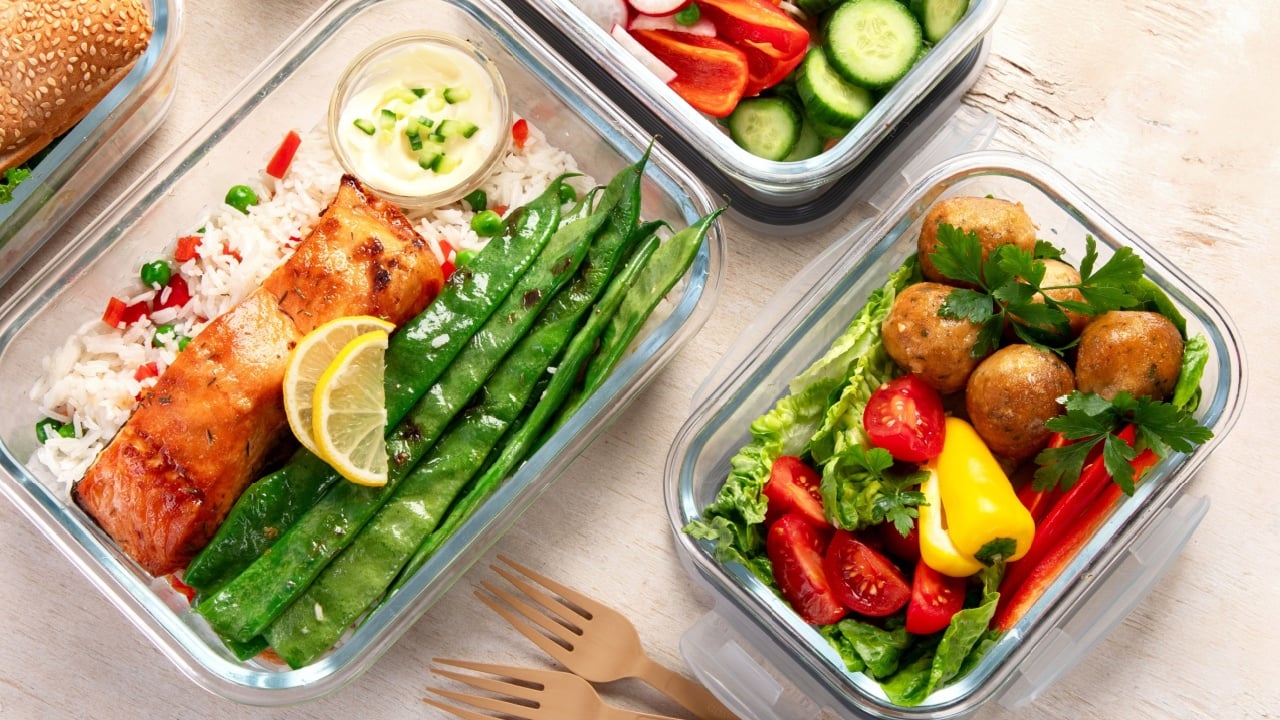
Those pre-packaged frozen meals often rely on trans fats to keep the food stable and tasty after being frozen and microwaved. They’re especially common in dishes with creamy sauces or fried components. The convenience of these meals often masks a ton of sodium, preservatives, and unhealthy fats.
A much healthier approach is to batch-cook your own meals on the weekend and freeze individual portions for quick dinners. When you cook your own food, you have full control over every single ingredient, ensuring your quick meals are also nutritious.
If you have to buy a frozen meal, look for brands that focus on whole foods and have a simple, recognizable ingredient list. Pay close attention to the nutrition facts and avoid anything with “partially hydrogenated oil.”
13. Packaged Cookies

To stay on shelves for months, store-bought cookies need to be made with fats that don’t spoil, which is where trans fats come in. This keeps production costs low but results in a product that’s bad for your heart and offers zero nutritional value.
Baking cookies at home gives you total control. You can swap processed ingredients for healthier ones like mashed bananas, oats, and real butter. Not only are they better for you, but they also taste way better.
If you’re not in the mood to bake, look for cookies from a local bakery that uses quality ingredients. Some store brands are also stepping up their game by using real butter and explicitly stating they are trans fat-free. Always check the label!
14. Frozen Pizza Dough

Many pre-made pizza crusts, especially deep-dish or stuffed-crust versions, contain trans fats to keep the dough soft and flaky. These hidden fats can easily turn your fun pizza night into an unhealthy meal without you even realizing it.
Making your own pizza dough at home is simple, all you need is flour, water, and yeast! For a lighter base, you could use a cauliflower crust or a whole-wheat pita. Homemade dough is not only healthier but also more delicious.
If you’re buying a pre-made crust, check the refrigerated section, as those are less likely to have the preservatives found in frozen versions. Whole-wheat tortillas or lavash bread also make great, speedy bases for a healthy pizza.
15. Potato Chips
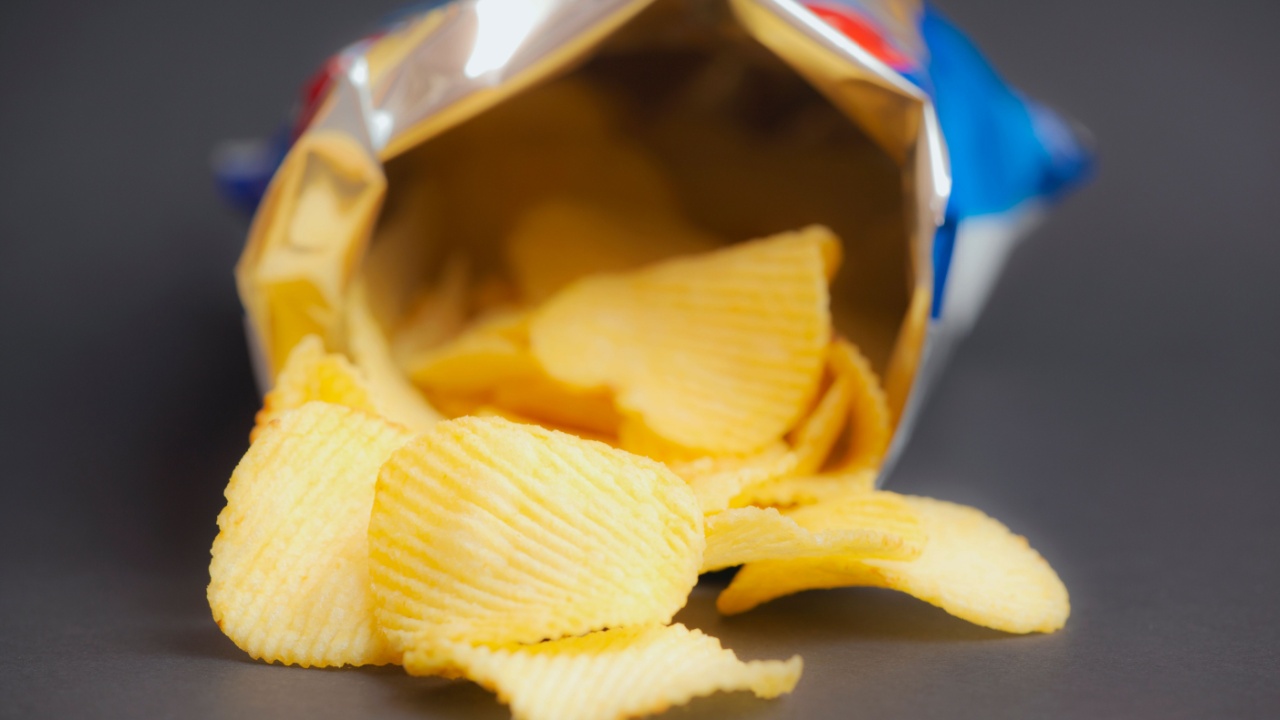
Some brands of chips are still fried in oils containing trans fats to make them extra crispy and extend their shelf life. While many big brands have stopped using these oils, some generic or store brands haven’t, so it’s always good to check.
For a crunchy snack that’s actually good for you, try raw veggies with hummus. Or, you can make your own chips by thinly slicing sweet potatoes, tossing them in olive oil, and baking until crispy. It’s a delicious and much safer alternative.
When you’re buying chips, always read the label. Look for baked options and check the ingredients to make sure there are no “partially hydrogenated oils.” The brands with the simplest ingredients, potatoes, oil, and salt, are usually your best bet.
The Simple Shift That Protects Your Plate

Trans fats hide in many everyday foods, especially the processed and packaged ones that promise convenience and long shelf life. Even small amounts can add up and affect heart health over time.
The safest approach is simple. Choose whole foods, cook more meals at home, and read ingredient labels carefully. If you see “partially hydrogenated oils,” it is best to put that item back. Small changes in daily choices can make a real difference.