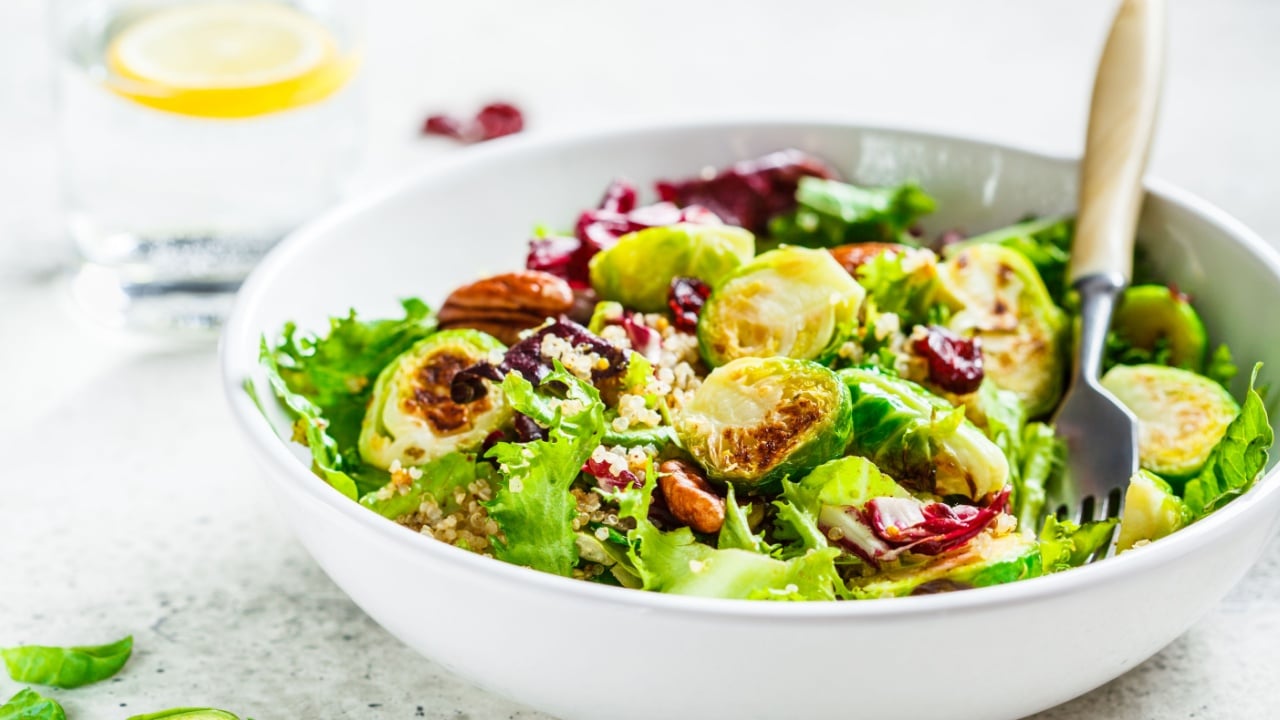
14 Hated Veggies That Are Secretly Delicious When Cooked Right
Vegetables often suffer from a reputation problem that starts in the kitchen rather than the garden. Many of us grew up with memories of gray, mushy side dishes served at holiday dinners or in school cafeterias. When these plants are boiled for too long, they release bitter smells and lose the natural sugars that make them taste good.
Texture is a huge reason why people “hate” certain foods. Most people who dislike a vegetable are actually reacting to a lack of seasoning or poor cooking. By using the same tools as restaurants (such as high heat and a splash of acid), you can repair the damage caused by years of overcooking.
This list explores fourteen vegetables that deserve a second chance on your dinner plate. We will examine why these items often fail in traditional recipes and how to revitalize them with improved techniques.
Let’s look at how to turn these misunderstood ingredients into gourmet side dishes.
1. Brussels Sprouts
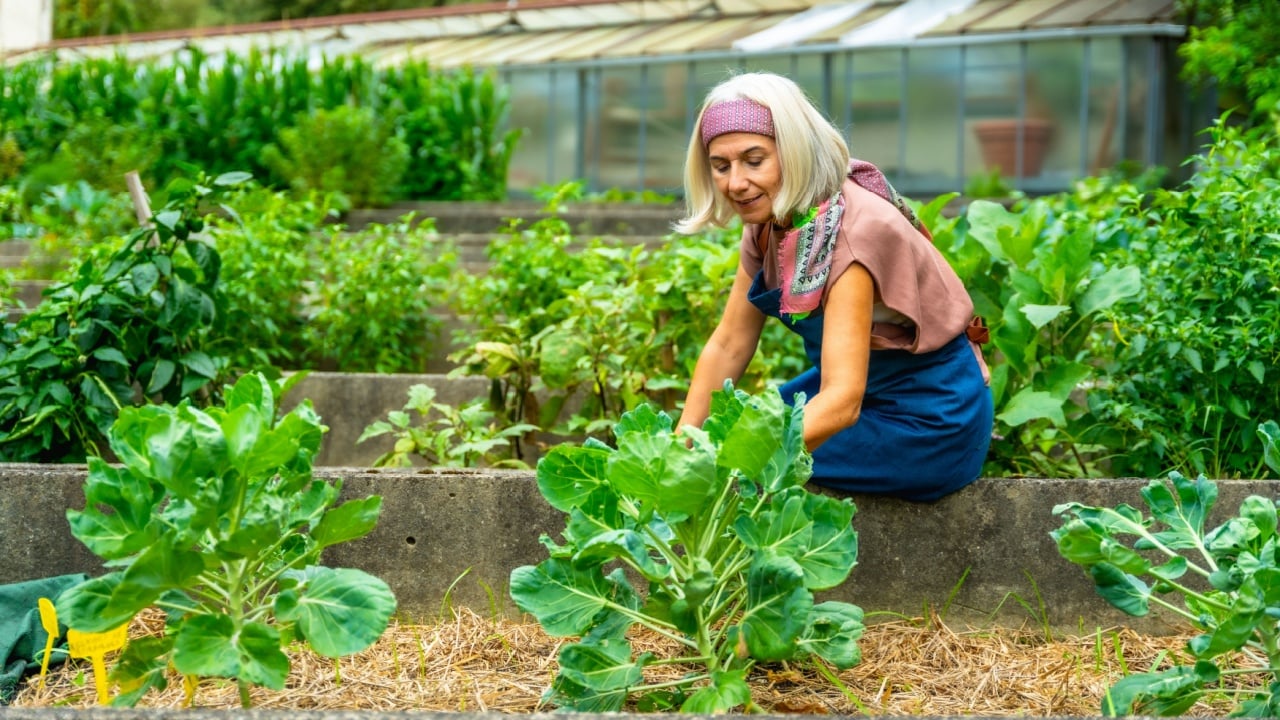
Boiling these tiny cabbages results in a soggy texture and a strong, sulfur-like smell that can fill your whole house. This old-fashioned method traps bitter chemicals inside the leaves and creates a metallic aftertaste. Most people who hate them grew up eating them this way and never looked back.
Roasting at high temperatures completely changes the chemistry of the sprout. The outer leaves become thin and crispy like chips, while the insides turn sweet and tender. This transformation turns a bitter vegetable into a savory, addictive snack that almost tastes like a French fry.
Try tossing them in a mix of balsamic vinegar and honey before they hit the oven. The acid in the vinegar cuts through the earthy flavor and balances out the charred edges. Adding a pinch of red pepper flakes provides a little heat that keeps the dish feeling light and exciting.
2. Asparagus
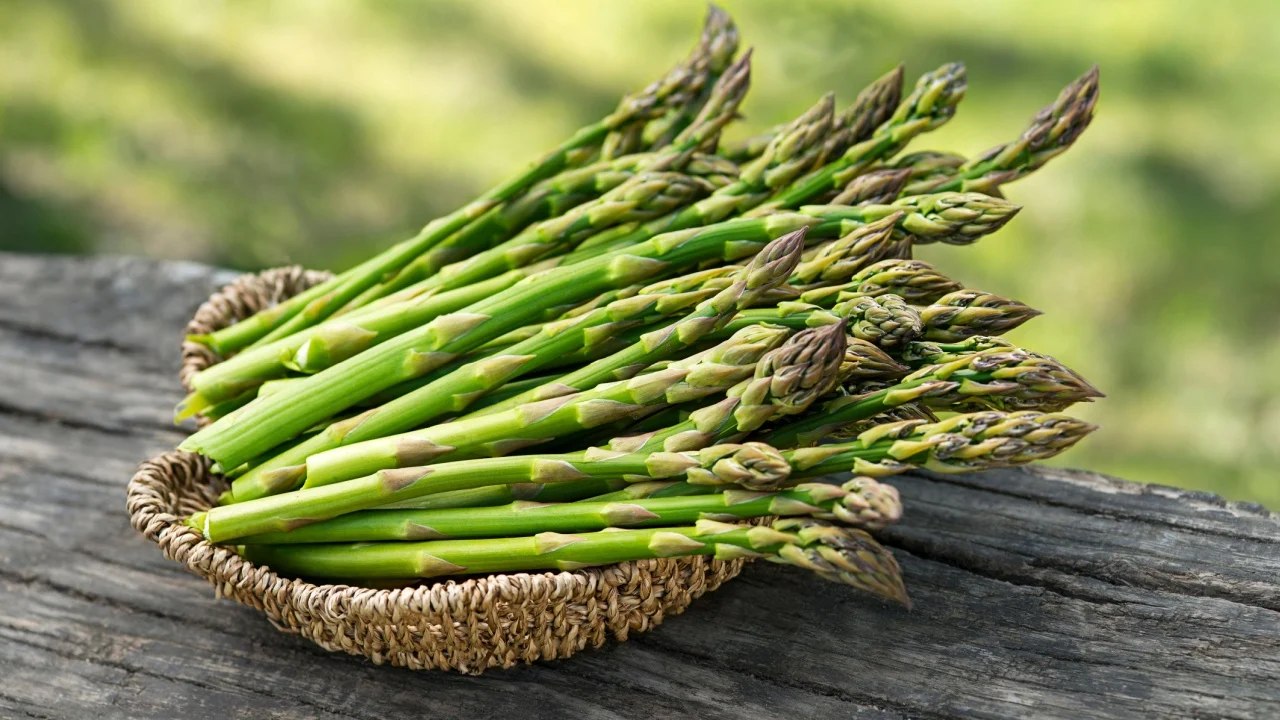
Stringy, limp stalks are almost always the result of steaming or boiling asparagus for way too long. When it sits in hot water, it loses its bright green color and turns a dull olive shade. This creates a fibrous mess that is hard to chew and lacks any of the fresh, grassy flavor it should have.
Searing the stalks in a hot pan with a little oil or butter preserves the “snap.” The goal is to keep the center tender while the tips get a little bit of a crunch. This method highlights the natural sweetness that disappears during a long boil, making the vegetable taste much more expensive.
Before you cook, check how thick the stalks are to decide how much time they need. Very thin spears only need two or three minutes of high heat to be perfect. Always finish the dish with a squeeze of fresh lemon juice right before serving to brighten the flavor and make it pop.
3. Eggplant
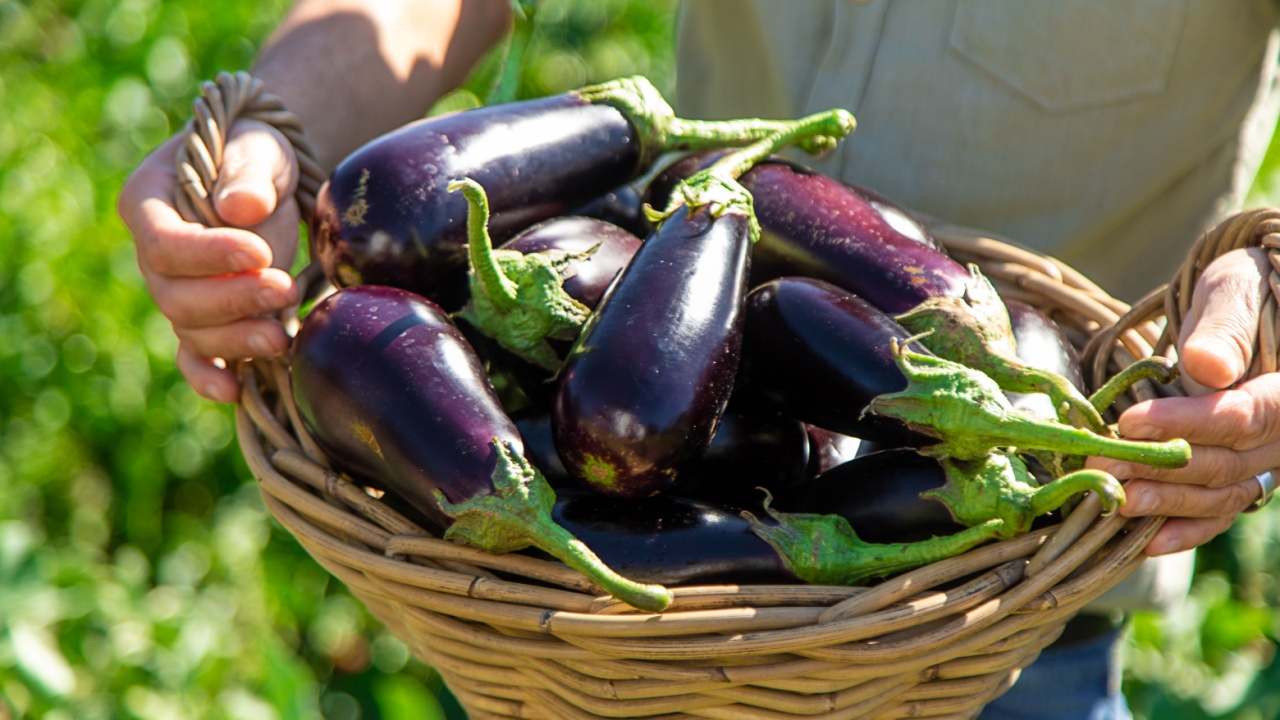
Spongy, bitter eggplant is usually what happens when you skip the preparation work. This vegetable acts like a giant sponge for oil and water, which can lead to a greasy, heavy finished product. Many home cooks make the mistake of not drawing out the extra moisture before the eggplant hits the heat.
Salting the sliced pieces and letting them sit for twenty minutes is a game-changer. This step pulls out the bitter liquid and firms up the flesh so it can brown properly instead of turning into a pile of mush. Once it is salted and rinsed, you can grill or roast it to get a creamy, rich interior.
If you are new to eggplant, try smaller varieties like Japanese or Italian types, which have thinner skins and fewer seeds. These are less likely to be bitter, and they cook much faster than the large globe versions. Sliced rounds are great on a grill, where the smoke adds a delicious layer to the mild flavor.
4. Broccoli

Overcooked broccoli turns into a smelly, sulfur-like paste that most children find repulsive. The stems stay hard while the “tree tops” dissolve into a grainy texture that can ruin a whole meal. This uneven cooking is a big reason why many people avoid the vegetable entirely once they become adults.
Roasting the florets with garlic and olive oil creates a nutty, toasted flavor that you will never find in the steamed version. The edges of the crowns get crunchy while the stems become tender and sweet. This method makes the broccoli taste like a savory treat rather than a health requirement you have to finish.
A pro tip is to peel the tough, woody outer skin off the stems to make the whole plant delicious. By slicing the stems into thin coins, they will cook at the same rate as the soft tops. A dusting of Parmesan cheese right before serving adds a salty punch that goes perfectly with the roasted notes.
5. Spinach
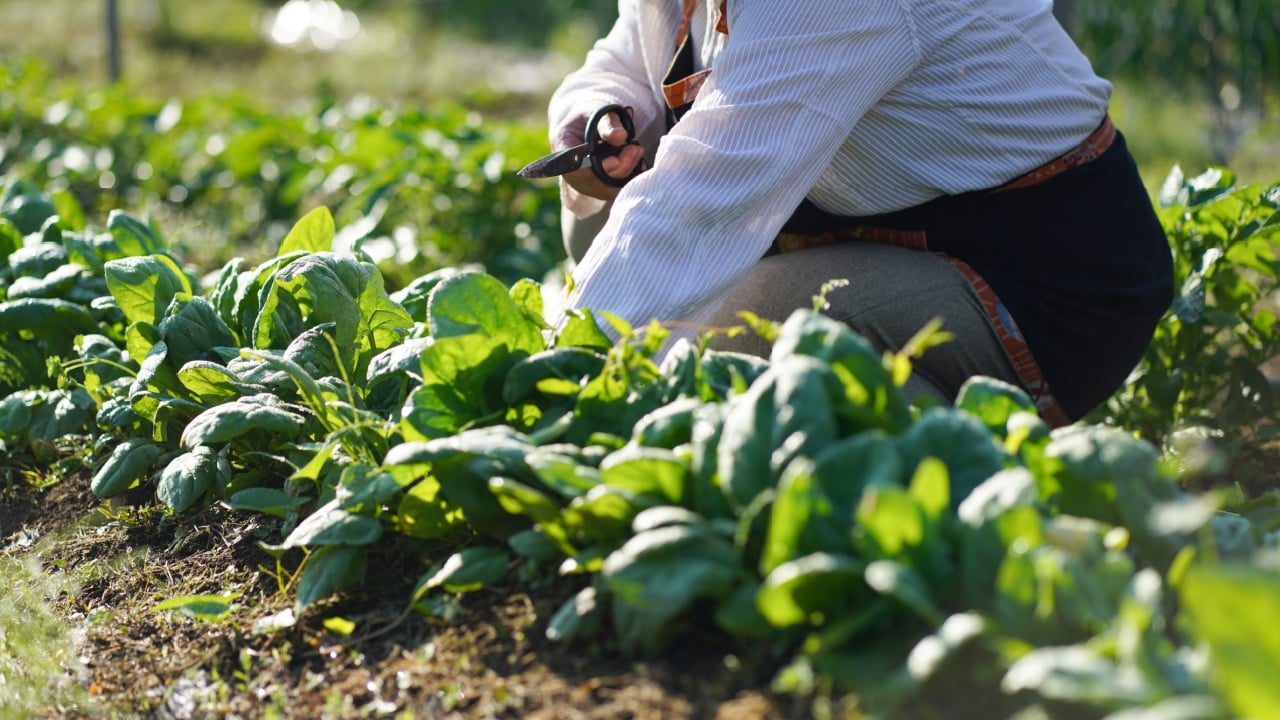
Canned spinach is largely to blame for the negative image of this leafy green. It usually arrives as a slimy, dark mass with a metallic taste that needs a ton of salt just to be edible. Even fresh spinach can turn into a watery pile of goo if it stays in a hot pan for more than a minute.
The best way to cook fresh spinach is to “wilt” it in a pan for only sixty seconds. You should remove it from the heat the very moment it collapses to prevent it from releasing too much water. This keeps the color a vibrant green and ensures the flavor stays fresh and the vitamins stay intact.
Remember to use a huge pile of greens because spinach shrinks down significantly when heated. Folding in a tiny bit of butter or a pinch of nutmeg at the end adds a professional touch to the dish. It serves as a perfect base for grilled chicken or can be stirred into hot pasta for an easy meal.
6. Cauliflower
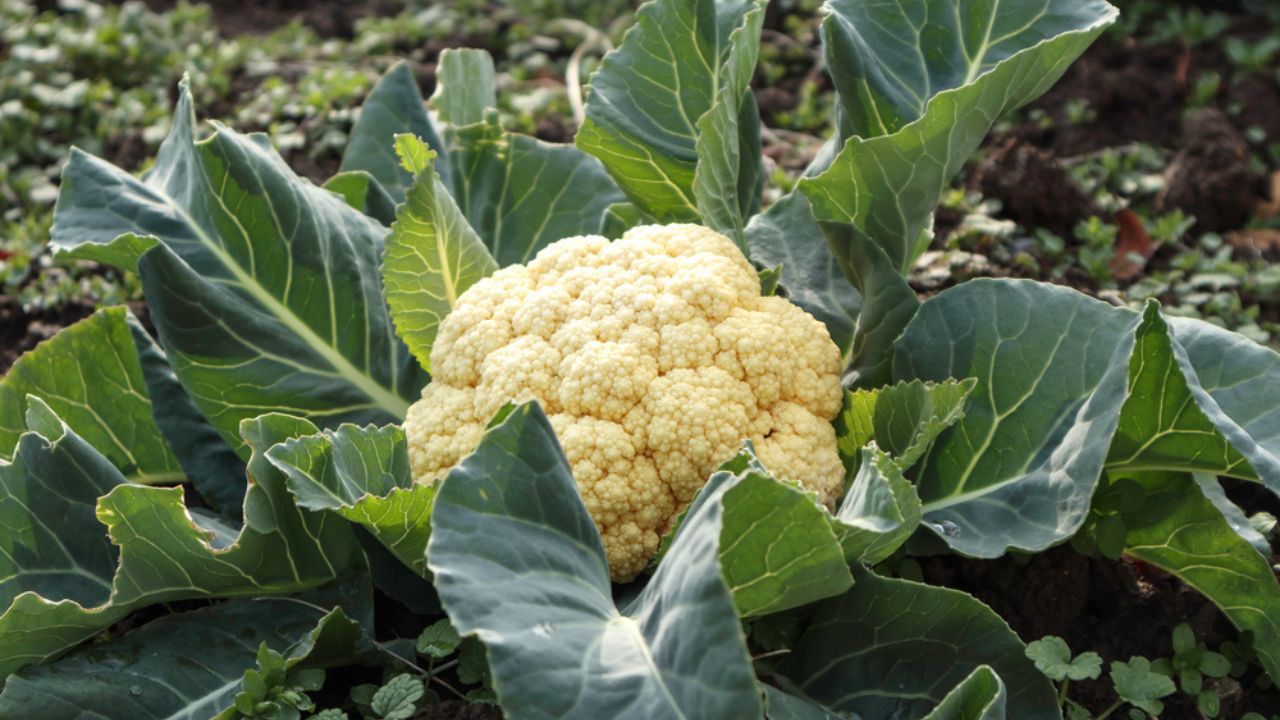
Plain, steamed cauliflower is often bland and has no interesting texture. It often feels like a colorless filler on the plate that provides no excitement for your taste buds. Without the right seasoning and heat, it basically just tastes like water in solid form.
Breaking the head into small pieces and roasting them until they are dark brown unlocks a flavor that is almost like popcorn. High heat triggers a chemical reaction that provides a savory depth you can’t get from steaming. It becomes a sturdy vessel that can handle bold spices like cumin, paprika, or turmeric.
You can also transform it into “steaks” by slicing thick pieces through the center core and searing them in a pan. This creates a substantial feel that works great as a main course for people looking for plant-based options. Top it with a fresh herb sauce to add a bright, zesty kick.
7. Beets
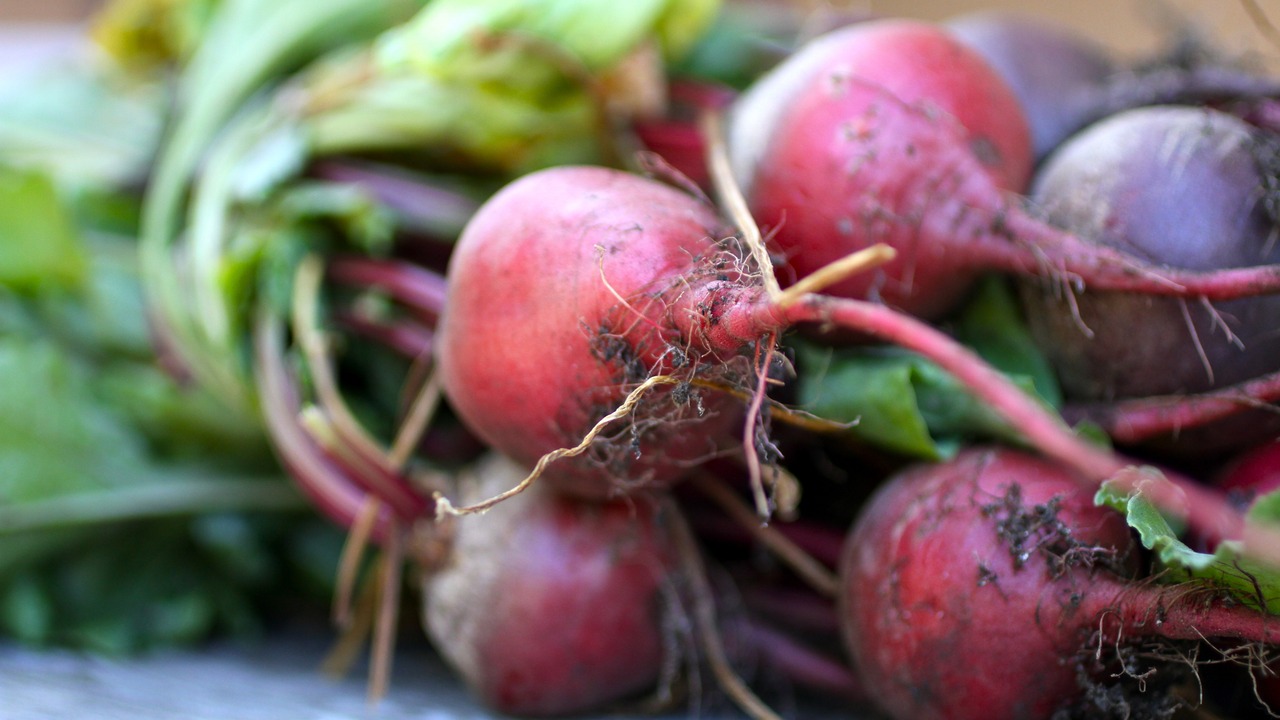
Beets often taste like dirt to people who have only had them boiled or pickled in vinegar. That earthy quality comes from a natural compound that can be overwhelming if it isn’t balanced out. Without a “counter-flavor,” the soil-like taste can dominate the whole experience.
Wrapping whole beets in foil and roasting them in their skins concentrates their natural sugars. The skins will slip right off once they are cooked, and the inside becomes as tender as a soft carrot. This process mellows out the earthiness and replaces it with a deep, candy-like sweetness.
Pairing the finished beets with salty fats like goat cheese or walnuts creates a perfectly balanced bite. The creaminess of the cheese masks any bitterness and provides a nice contrast to the soft beet. A simple drizzle of olive oil and a sprinkle of sea salt is often all you need for a final touch.
8. Cabbage
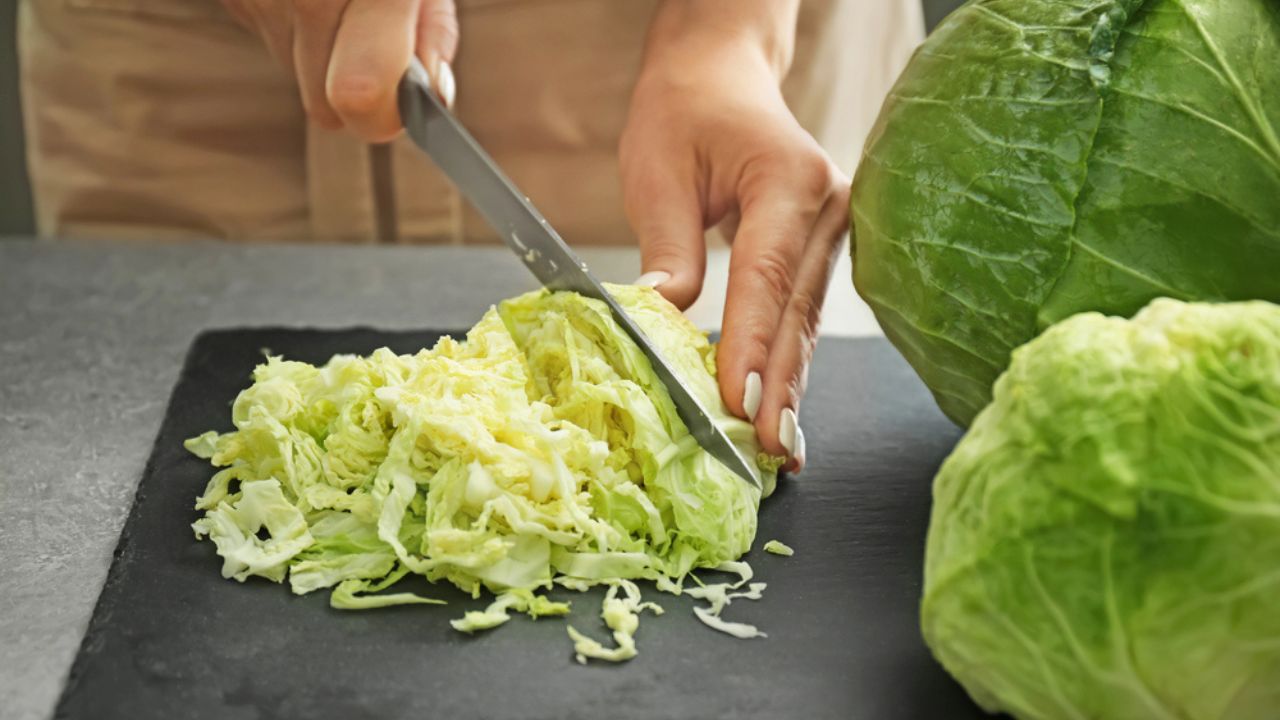
Boiled cabbage is famous for its limp texture and the strong, lingering smell it leaves in the kitchen. When it sits in hot liquid for a long time, it loses its crunch and becomes watery and bland. While this is common in stews, it often turns people off from ever trying cabbage in other ways.
Shredding the cabbage and sautéing it over high heat keeps it crunchy and adds a light char. This keeps the vegetable “alive” and allows it to soak up sauces without becoming soggy or gross. It works perfectly as a base for a quick stir-fry or as a warm, savory slaw.
Try cutting a cabbage into thick wedges and searing them in a heavy skillet like a piece of meat. This creates a caramelized exterior while the middle stays slightly firm and juicy. Adding a splash of apple cider vinegar at the end provides a sharp contrast to the charred edges.
9. Kale
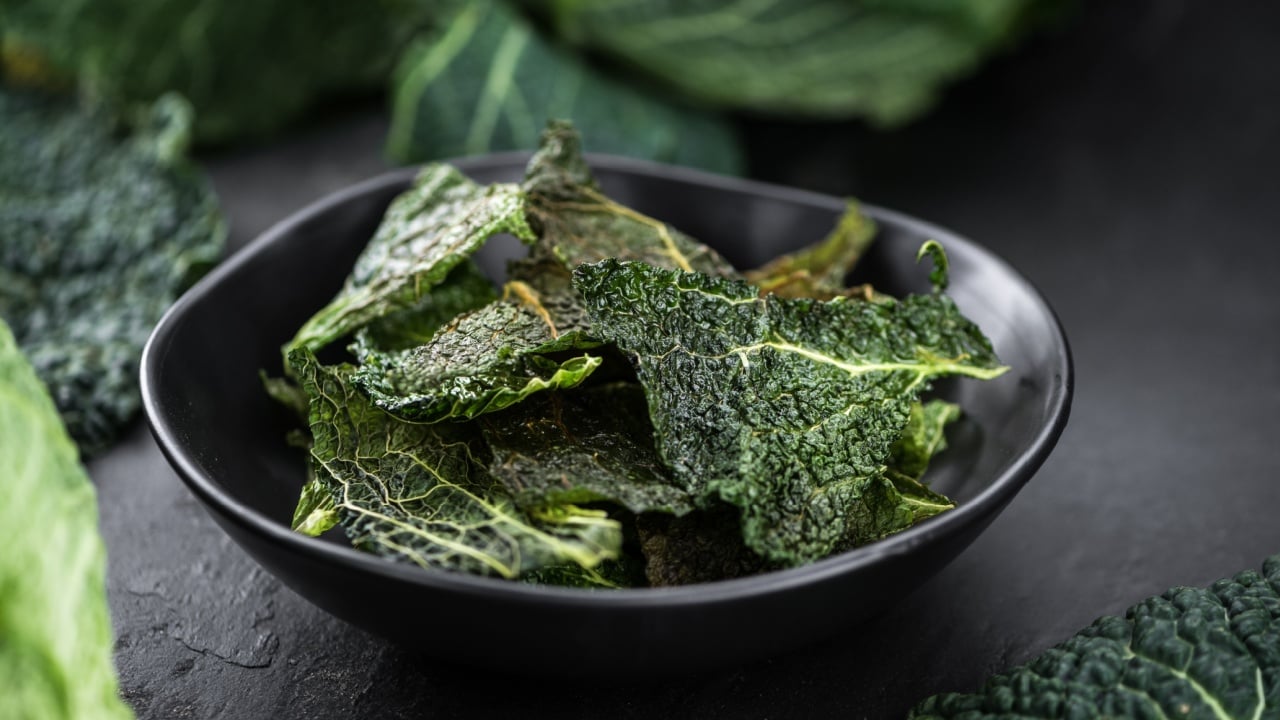
Kale earned a bad reputation for being tough, bitter, and difficult to chew. Most people treat it like regular lettuce and put it in a salad without doing any prep work. This results in a fibrous meal that feels more like eating grass or yard waste than a gourmet ingredient.
The secret to raw kale is “massaging” the leaves with a little olive oil and salt for a few minutes. This manual labor breaks down the tough cell walls, which softens the texture and removes the bitterness. After a quick rubdown, the greens become much more tender and pleasant to eat.
Making kale chips in the oven is another great way to change someone’s mind. By drying the leaves until they are brittle and salty, you create a snack that shatters when you bite it. This removes the “healthy leaf” vibe and turns the kale into something that feels more like a savory treat.
10. Peas
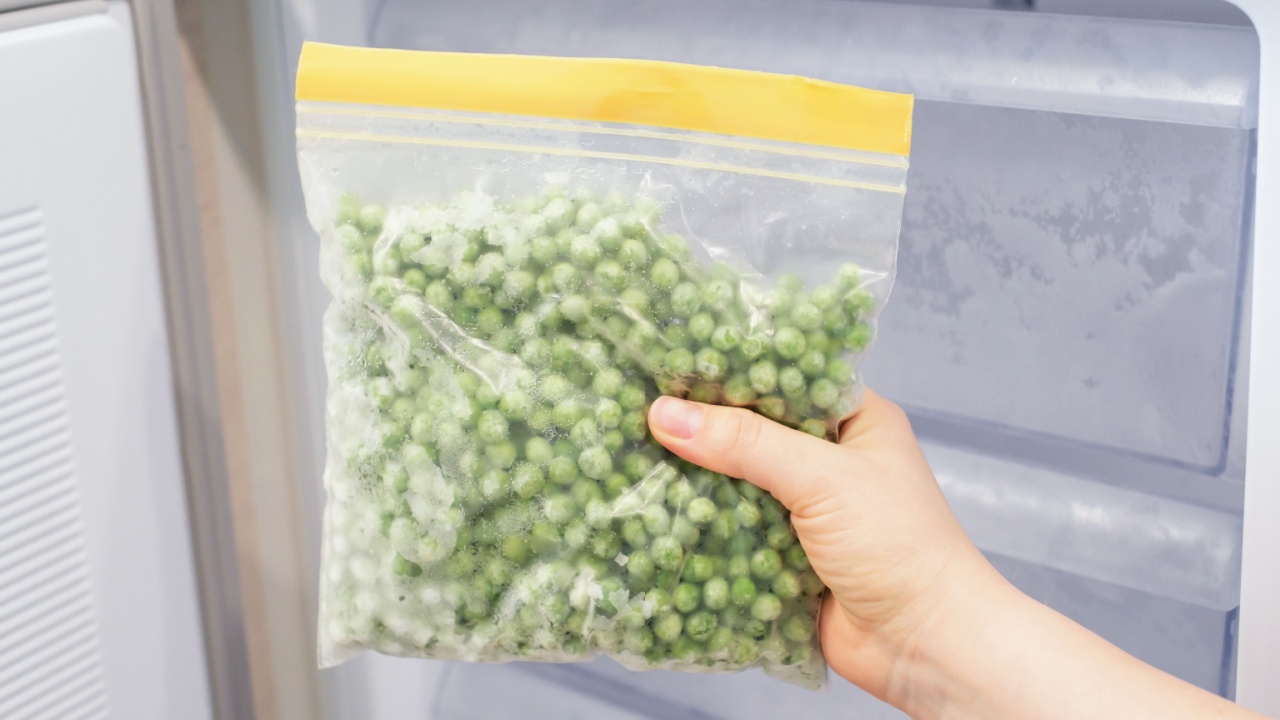
Mushy peas from a can are gray and flavorless, which is why so many people grow up hating them. Canned peas are often overprocessed, losing the natural sweetness and “pop” found in fresh varieties. The texture is usually grainy, and the skins can be tough and unappealing.
Using frozen peas and barely heating them through preserves the bright green color and the snap of the skin. They only need about sixty seconds in boiling water or a quick toss in a warm pan with some butter. This keeps the sugars intact and provides a refreshing burst of flavor.
You can also puree them with a little bit of fresh mint and lemon to create a bright spread for toast. The mint highlights the natural sweetness and makes the peas feel sophisticated rather than like “baby food.” It is an easy way to add a vibrant splash of color to your dinner table.
11. Okra

Okra is frequently avoided because it can become incredibly slimy when it is chopped up and boiled. This “gooey” texture is a natural part of the plant, but it is very off-putting to most people. When handled the wrong way, it turns into a mess that coats the inside of your mouth.
Cooking the pods whole or at very high temperatures prevents that slime from ever developing. Frying the slices in a cornmeal batter creates a crunchy shell that traps the moisture inside so it isn’t slimy. Alternatively, grilling whole pods over a flame gives them a smoky flavor similar to green beans.
Acidity is another great tool for managing okra’s texture. Adding tomatoes or a splash of vinegar to the pan helps to dissolve the compounds that cause the sliminess. This allows the unique, nutty flavor of the okra to stand out without the gooey texture getting in the way.
12. Turnips
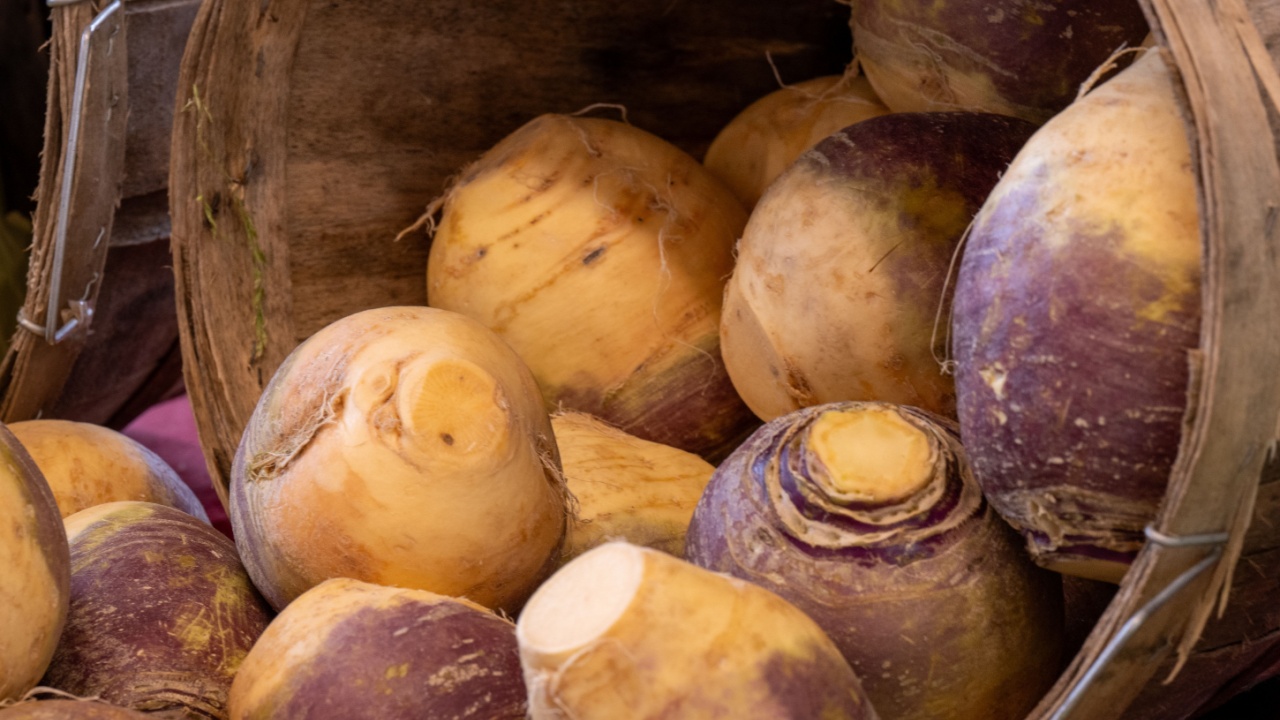
Many people find turnips to be too sharp and peppery when they are eaten raw or undercooked. They have a “bite” similar to a radish that can be a bit too much in large amounts. On the flip side, when they are boiled, they often become watery and lose all their personality.
Roasting turnips alongside other root vegetables (like carrots or potatoes) mellows the sharp notes and brings out a subtle sweetness. They take on a texture similar to a potato but with a much more interesting and complex flavor. This makes them an excellent addition to a tray of winter vegetables.
Mashing turnips with a little cream and butter provides a lighter, more flavorful alternative to mashed potatoes. The slight peppery taste prevents the dish from being boring or one-dimensional. It is a smart way to introduce this vegetable to people who are hesitant about the flavor.
13. Radishes

Radishes are almost always sliced thin and tossed onto salads, where their spicy “kick” can be a bit distracting. This raw preparation is the only way most people know how to eat them. The heat can be quite aggressive and sharp, especially if the radish is older or a larger variety.
Roasting radishes completely changes their personality by removing the spice and adding a juicy sweetness. The bright red skins stay vibrant and pretty, while the white flesh becomes tender and mild. This makes them much more approachable for anyone who dislikes the “burn” of a raw radish.
Sautéing them in a pan with butter and a little salt creates a side dish that goes perfectly with roasted chicken. The butter coats the roots and creates a rich sauce that complements the softened texture. This is a fast way to use a bunch of radishes that might otherwise just sit in your fridge.
14. Lima Beans
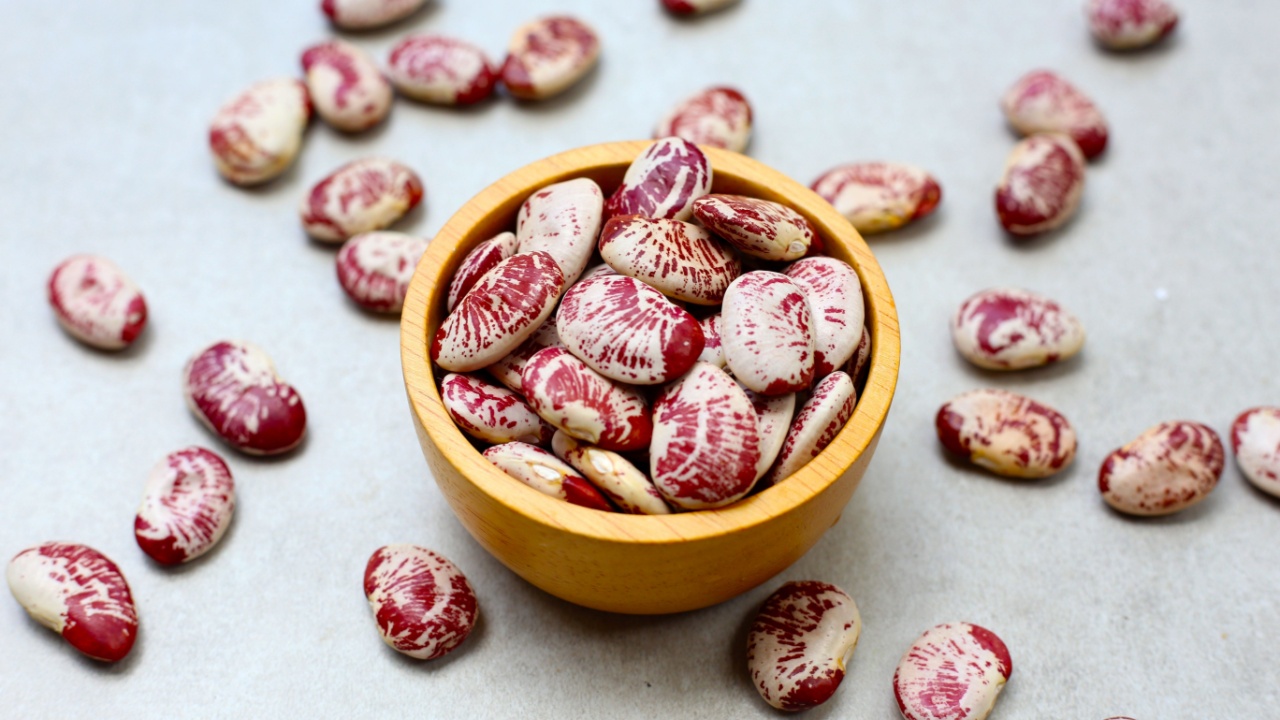
Lima beans are often remembered as the chalky, dry parts of frozen vegetable blends. Because they are often pre-cooked and then frozen for months, they can be starchy and lack any real flavor. This “grainy” texture is the biggest hurdle for most people to get over.
If you start with dried lima beans and simmer them with onion and garlic, the result is creamy and buttery. They absorb all the flavors of the cooking liquid and become much more than just a boring side dish. The texture becomes velvety and smooth rather than dry and chalky.
Adding these beans to a hearty soup or stew allows them to act as a natural thickener. They provide a big boost of plant-based protein while soaking up the savory broth from the meal. This turns a once-hated bean into a comforting and filling part of your dinner.
Creative Culinary Solutions

Taking the time to learn the specific needs of each vegetable changes the entire dining experience. Head to the market and select one of these options that was previously avoided.
Practice with high-heat methods like roasting or searing to see how the flavors shift. Once the fear of the “bitter” or “mushy” vegetable is gone, a whole new world of recipes opens up. Experimenting with acids and fats will help to fine-tune these dishes for any palate.