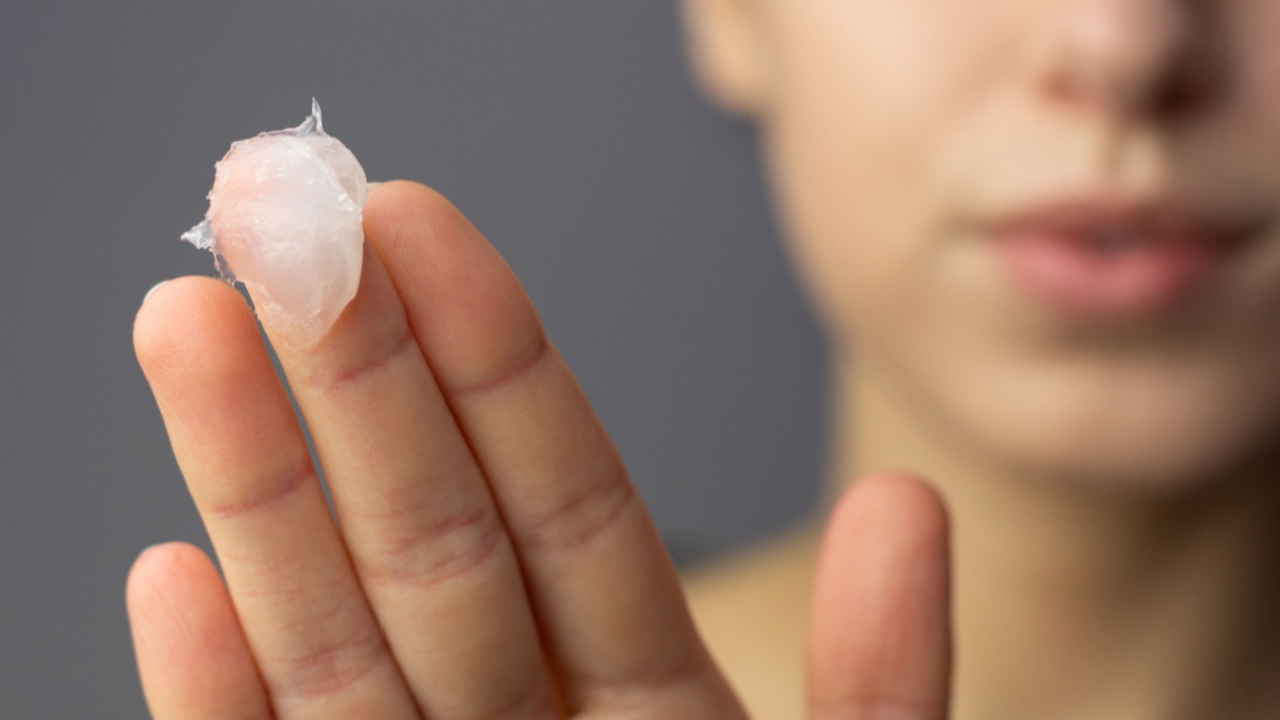
12 Surprising Ways to Use Vaseline Around the House
Petroleum jelly, known by its leading brand name of Vaseline, has been quietly sitting in bathroom cabinets for over a century. This oily substance has long been typecast as a skin soother or lip balm. Yet, that little jar of Vaseline is far more versatile than it gets credit for.
There are myriad jobs it can do. Vaseline is an adept blend of mineral oils and waxes, but it is also integral to quick-fix household hacks and clever preventative tricks. Crucially, it can save you time, money, and a fair bit of frustration.
In fact, Vaseline is one of life’s low-cost cheat codes, and it can be doing more than just gathering dust in a bathroom cabinet. Believe it or not, this humble staple can become one of the hardest-working items in your home.
1. Keep Glue Fresh
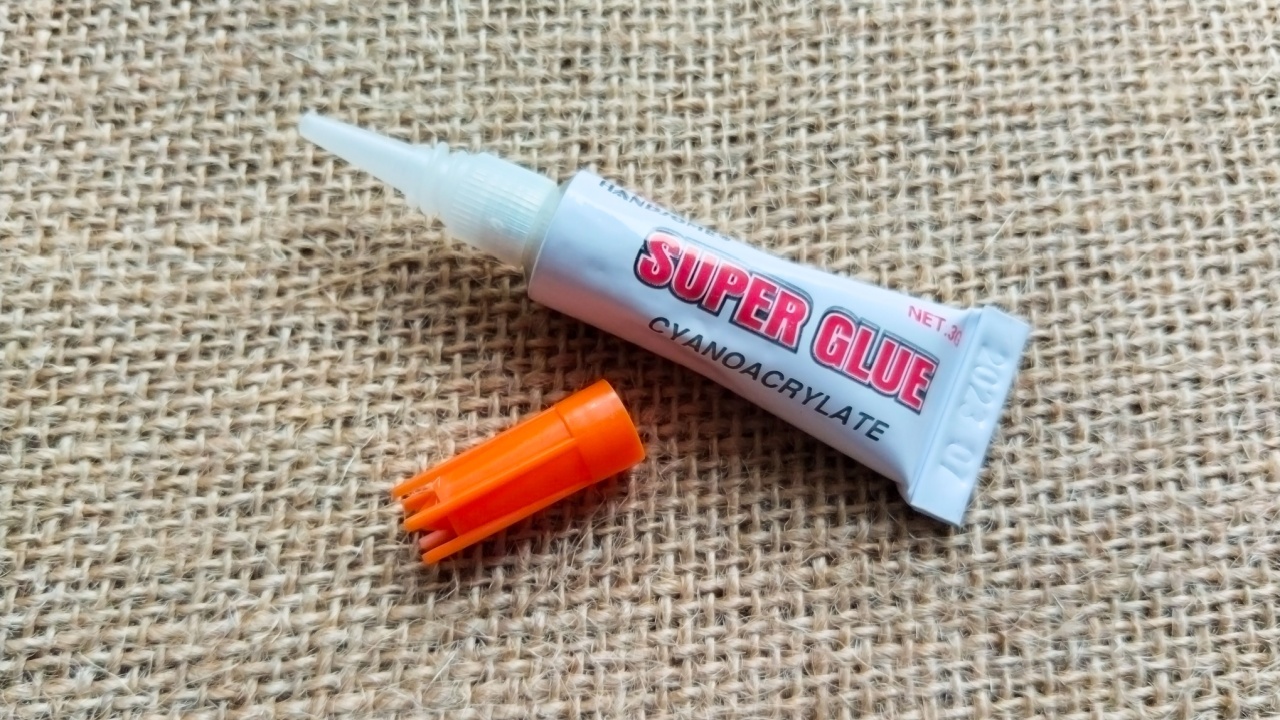
Kim Keller, who regularly posts DIY tips online, swears by this nifty little habit to keep glue from sticking. “Rub a thin coat of Vaseline into the lids of glue to keep them from getting glued shut,” reads her Facebook post. “Especially super glue & E600 in the metal tubes!”
Finally, we have a solution to that age-old problem. It is mind-blowing to think how many tubes of glue have been prematurely discarded because of exposure to air. Super glue companies will not be happy with this news.
2. Silence Squeaky Door Hinges

“Thanks to its oily properties, petroleum jelly is great for anyone looking to stop squeaky door hinges,” states a Hiatt Hardware blog. How do we get to silent door perfection? “By covering the outside of the hinge and rubbing a good amount over the surface of your hinge pins,” adds the post.
It may not be the best long-term solution, especially for aging doors that have lost the fight to gravity. As a quick-fix solution, it is hard to beat. This news comes as a shock to horror movie directors everywhere.
3. Remove Stains from Fabrics

Did you know that Vaseline can remove harsh stains like crayon, candle wax, and chewing gum? Nor did I until I read this Kaitlyn Yarborough article on Southern Living.
“If you happen to get makeup marks on towels, sheets, or pillows, you can use a damp cloth and a tiny amount of Vaseline to lift up the stains before washing,” she says. Just a dab should be enough to attack the most stubborn stains, including makeup.
4. Prevent Paint Messes Before They Start
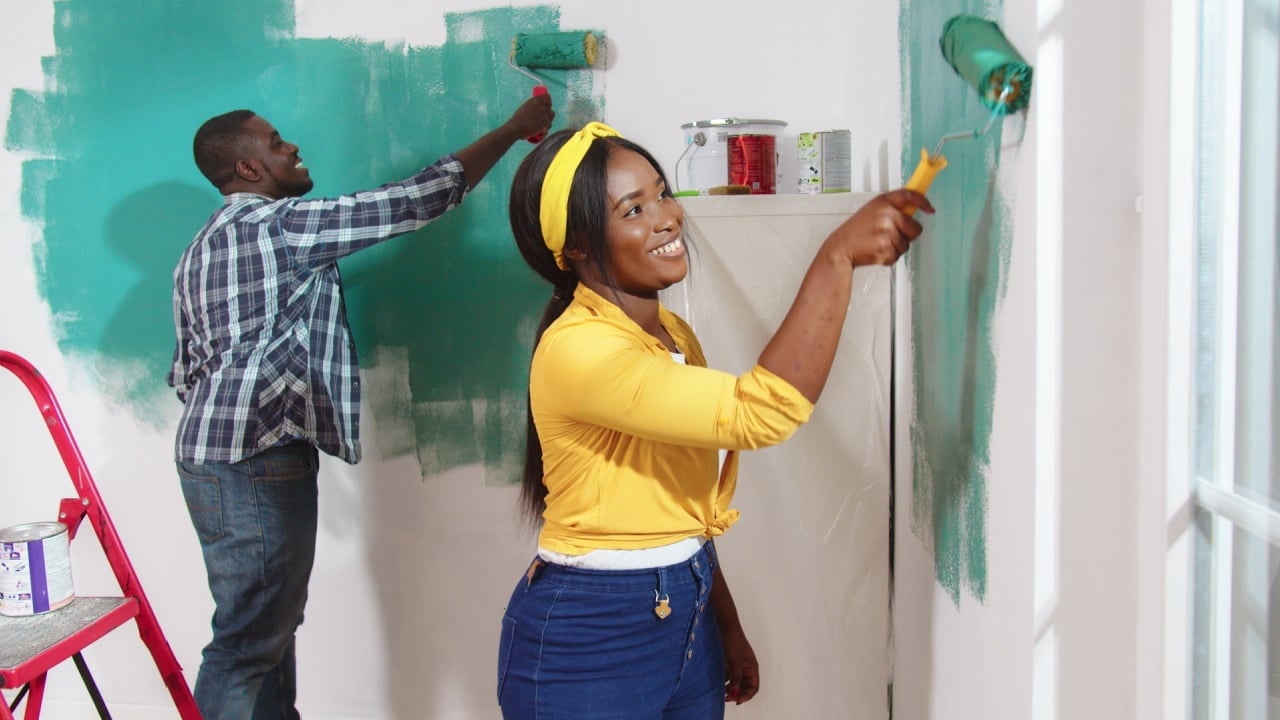
If you’ve ever painted a room, you know the real battle isn’t the walls: it’s avoiding splatters on fixtures. A thin layer of Vaseline on doorknobs, hinges, or window latches creates a barrier that paint won’t stick to.
Once you’re done, simply wipe it away with a cloth, and the paint comes off with it. This trick can save you the painstaking job of scraping dried paint from awkward surfaces.
It’s the preferred method for home improvement site Bob Vila. “Apply a thin layer to surfaces where you don’t want the paint to adhere, such as window glass, door hinges or knobs, and the edges of linoleum, tile, or wood floors,” writes Donna Boyle Schwartz. “When you’ve finished painting, wipe away the gel with a wet rag: No scraping required!”
5. Unstick Zippers Without Breaking Them
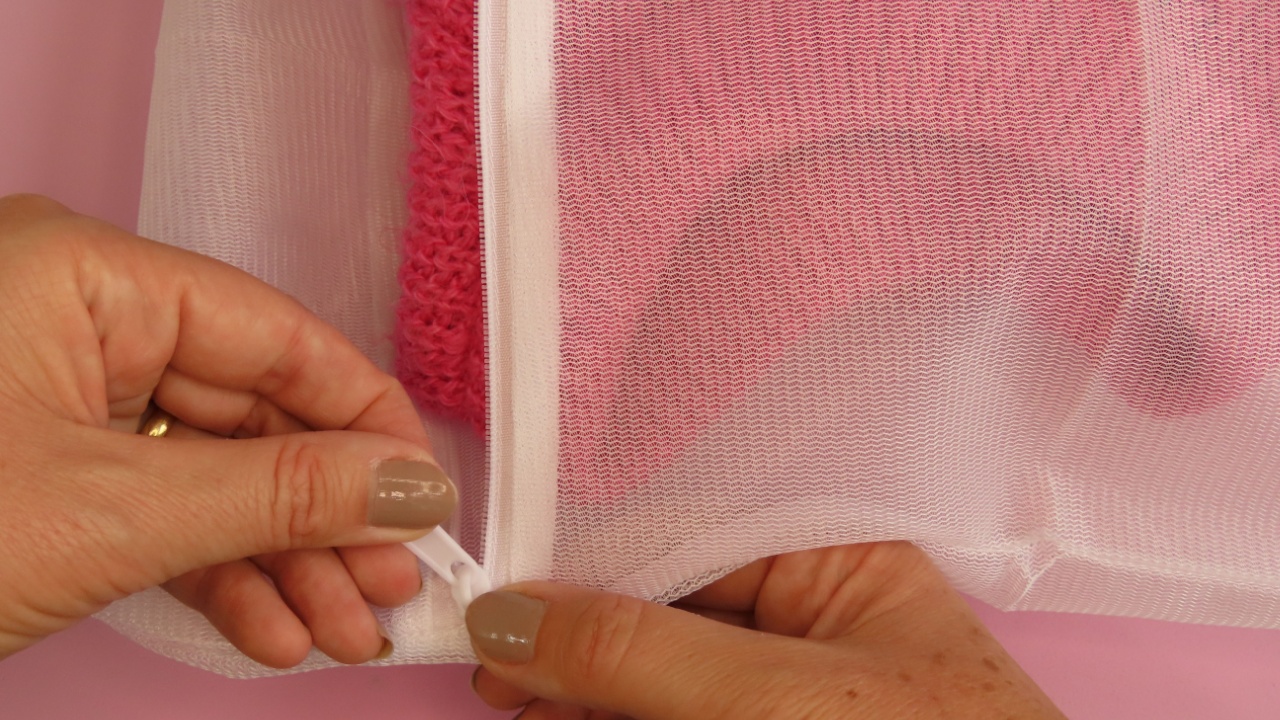
A stuck zipper can ruin a jacket and your patience. Instead of forcing it (and risking a tear), apply a tiny amount of Vaseline along the teeth. The lubricant helps the slider glide smoothly again.
It works on clothing, bags, and even outdoor gear, especially when dirt or corrosion is the culprit. Just be careful not to overapply, as excess can transfer to fabric.
“Once the zipper is completely clean, apply lubricant along the length of the zipper teeth according to the product directions,” reads a Wawak sewing guide.
6. Protect Outdoor Metal From Rust
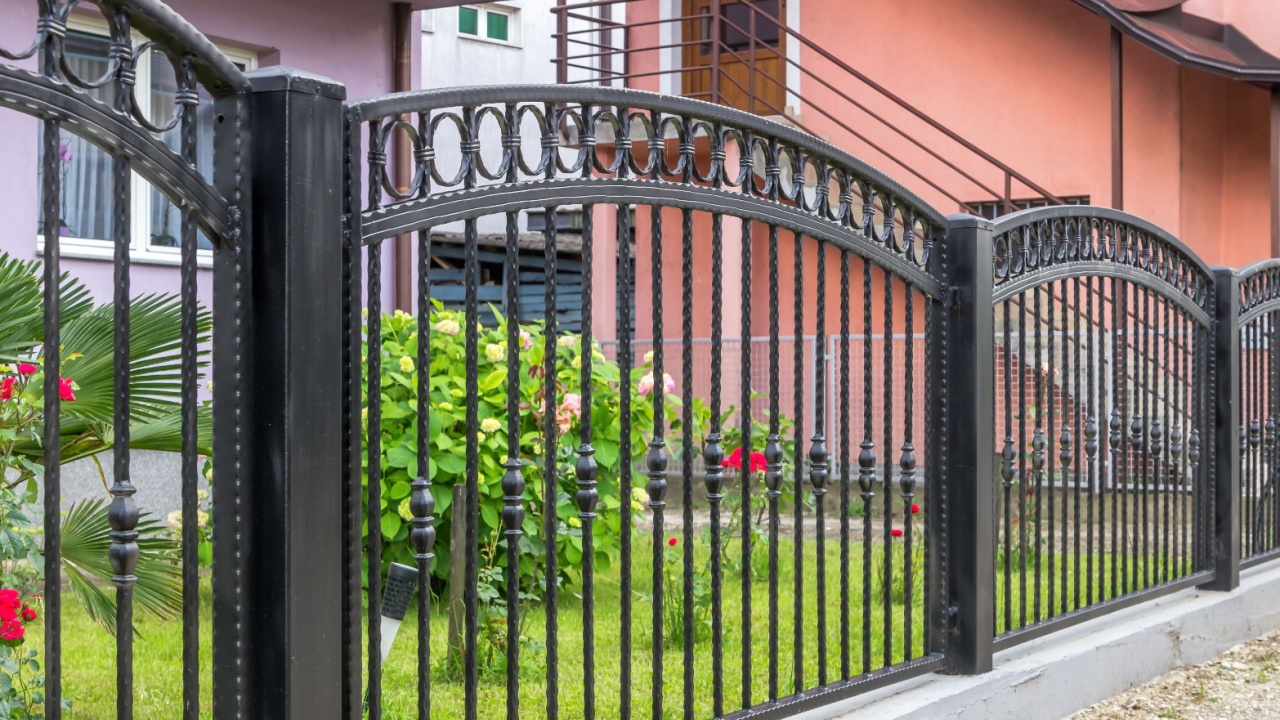
Exposure to moisture is the main culprit behind rust, particularly on tools, garden equipment, and outdoor fixtures. Coating metal surfaces with a light layer of Vaseline creates a moisture-resistant barrier. It is especially useful for items stored in garages or sheds where humidity fluctuates.
Think of it as a low-cost insurance policy against corrosion. Advice for this measure comes from The Ready Store. “Protect your tools from rust by applying a thin coat of petroleum jelly after cleaning,” reads its guide. “For rarely used tools, wrap them in a cloth after coating them for long-term storage.”
7. Remove Sticky Residue Without Harsh Chemicals
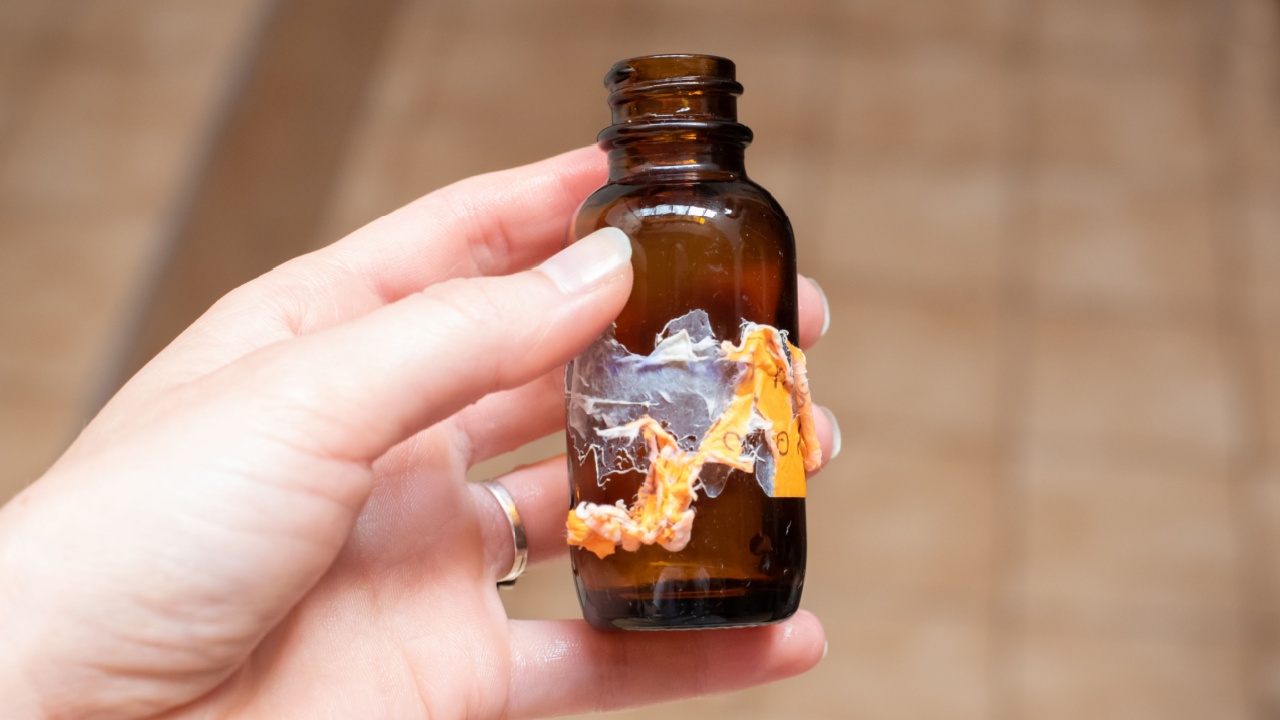
Leftover adhesive from labels, tape, or stickers can be stubborn. This issue is particularly annoying the longer the sticker has been there. Instead of reaching for strong solvents, rub a small amount of Vaseline onto the residue and let it sit for a few minutes.
“Apply a small amount to the leftover adhesive and gently rub the spot,” states cleaning hub Cleaner Cleaner. “The oils will help you push the glue away and remove the old stickers and labels.”
The oils help break down the adhesive, making it easier to wipe away, though it’s gentler on surfaces like glass, plastic, and finished wood. Be warned, Vaseline can leave a greasy residue, so be sure to clean the surface after this step.
8. Keep Leather Soft and Crack-Free
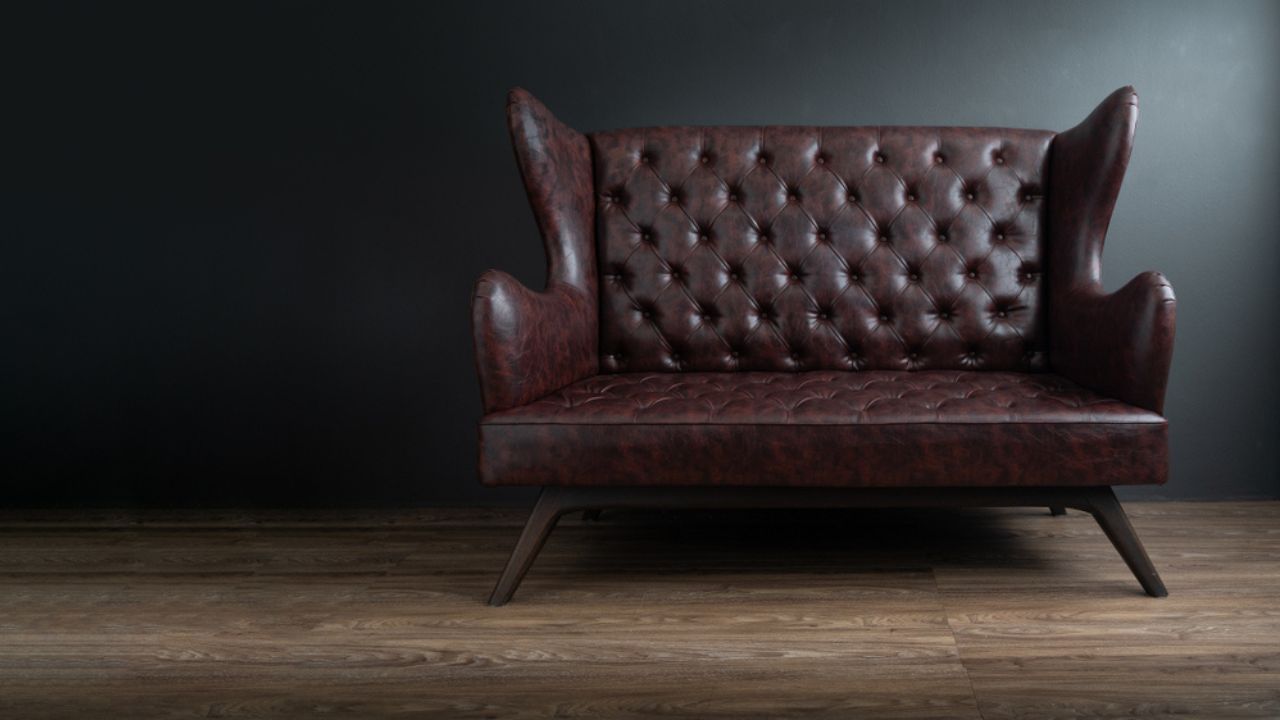
Leather furniture, shoes, and belts can dry out over time, leading to cracks and fading. A small amount of Vaseline rubbed into the surface can restore some suppleness and shine. It’s not a replacement for dedicated leather conditioners, but it works well as a quick touch-up, especially for scuffed or neglected items.
TikToker thevanitycase put this theory to the test in a 2025 post. “This feels like such a lazy girl hack if you want to bring some life into your old leather pieces,” she says. She presents a visibly shiny leather purse to verify this technique. Of course, this method applies to shoes.
9. Stop Drawers From Sticking
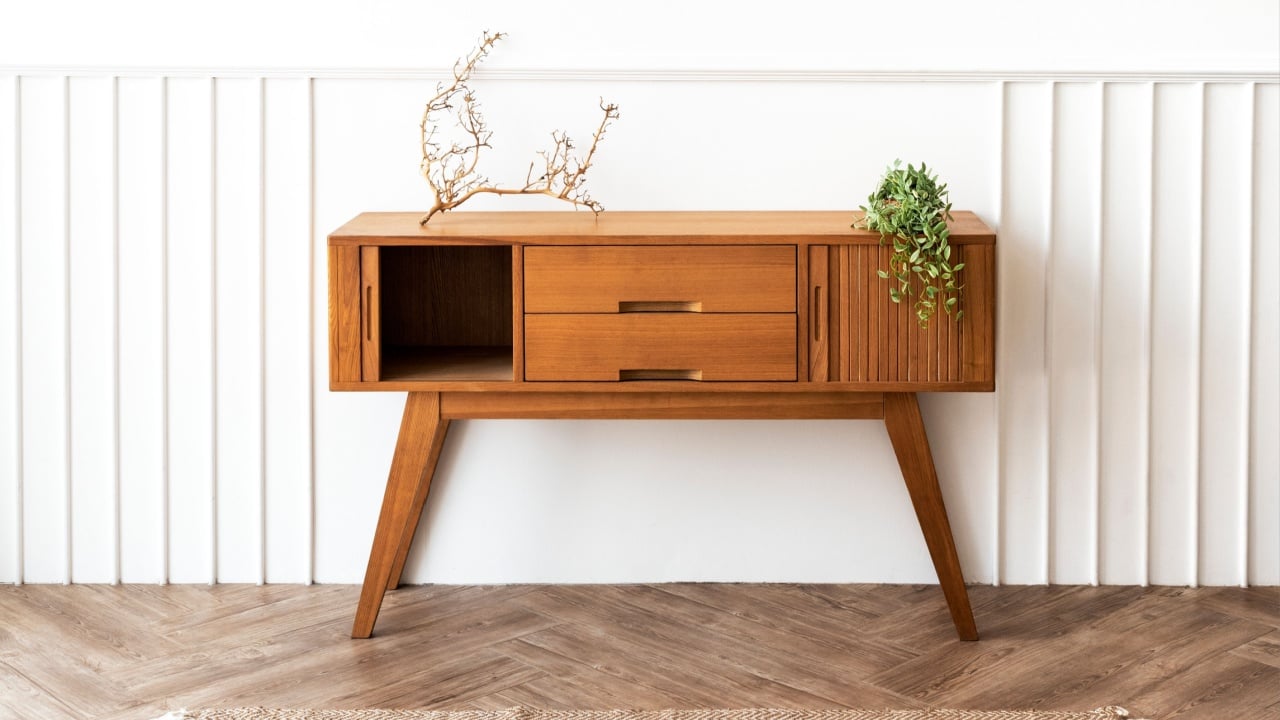
Few human beings have escaped the perils of sticky drawers, the bane of many homeowners’ existence. Wooden drawers often swell with humidity, making them frustrating to open and close.
Applying a thin layer of Vaseline along the drawer runners reduces friction and helps them glide smoothly again.It’s a simple fix that can make old furniture feel functional without any tools or replacements.
A House Digest guide tells users to “put a thin layer of Vaseline onto all parts of the slides, particularly any joints or ball bearings.”
10. Prevent Light Bulbs From Getting Stuck

If you’ve ever struggled to unscrew a bulb that seems welded into place, you’ll appreciate this one. “Put some petroleum jelly around the threads before putting the bulb in to allow for easy removal later,” reads an Autodesk Instructables page.
This step prevents corrosion and makes future removal effortless. Furthermore, it’s particularly useful for outdoor or bathroom fixtures where moisture is common. Thanks to Vaseline (and other petroleum jelly products), stubborn bulbs can be a thing of the past.
11. Polish and Protect Wood Surfaces
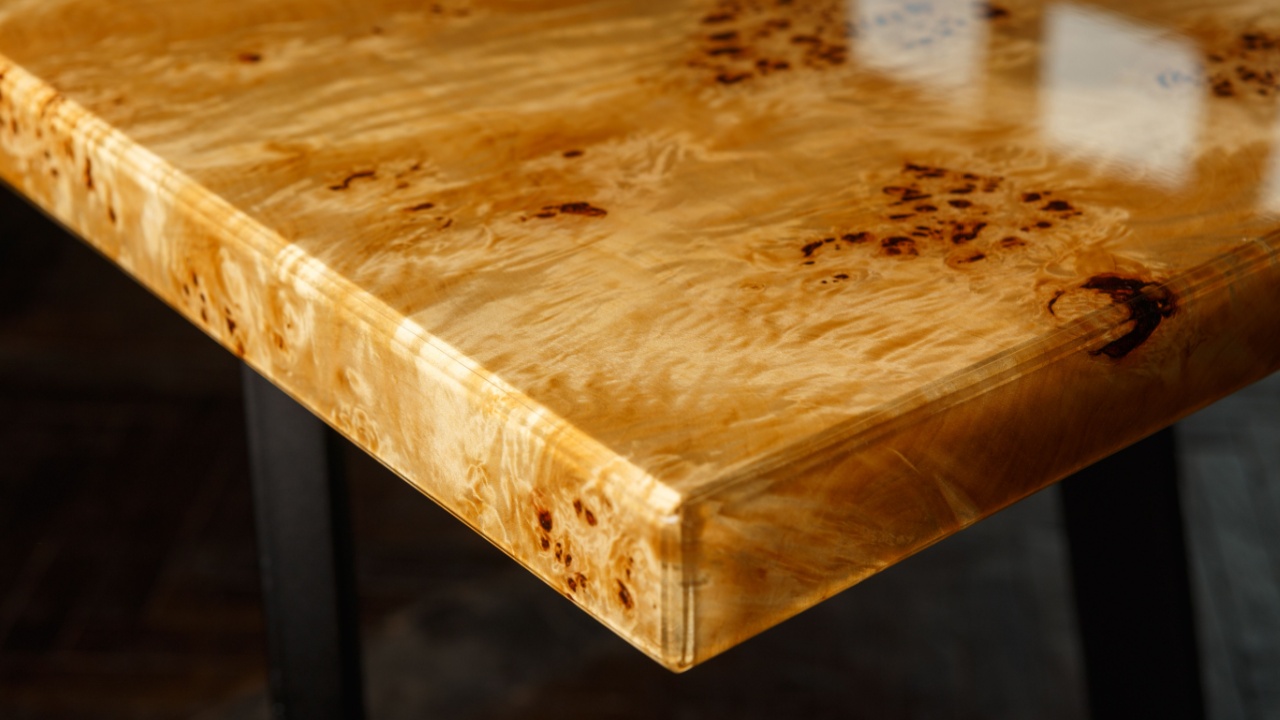
Collecting wooden antiques is a hobby enjoyed by many, but the upkeep can be taxing. For minor scuffs or dull patches on wooden furniture, a light buff with Vaseline can restore a bit of shine. It also adds a subtle protective layer that repels dust and moisture.
While it won’t replace proper polish, it’s a handy trick when you need a quick refresh before guests arrive. Moreover, home and childcare site Net Mums recommends it for removing water stains from wood.
“Allow the Vaseline to sit on the stain for 24 hours, or overnight, before buffing it out with another microfiber cloth,” says Aneira Davies. “The marks should disappear as the Vaseline replaces the moisture.”
12. Clean Substances from Your Hands
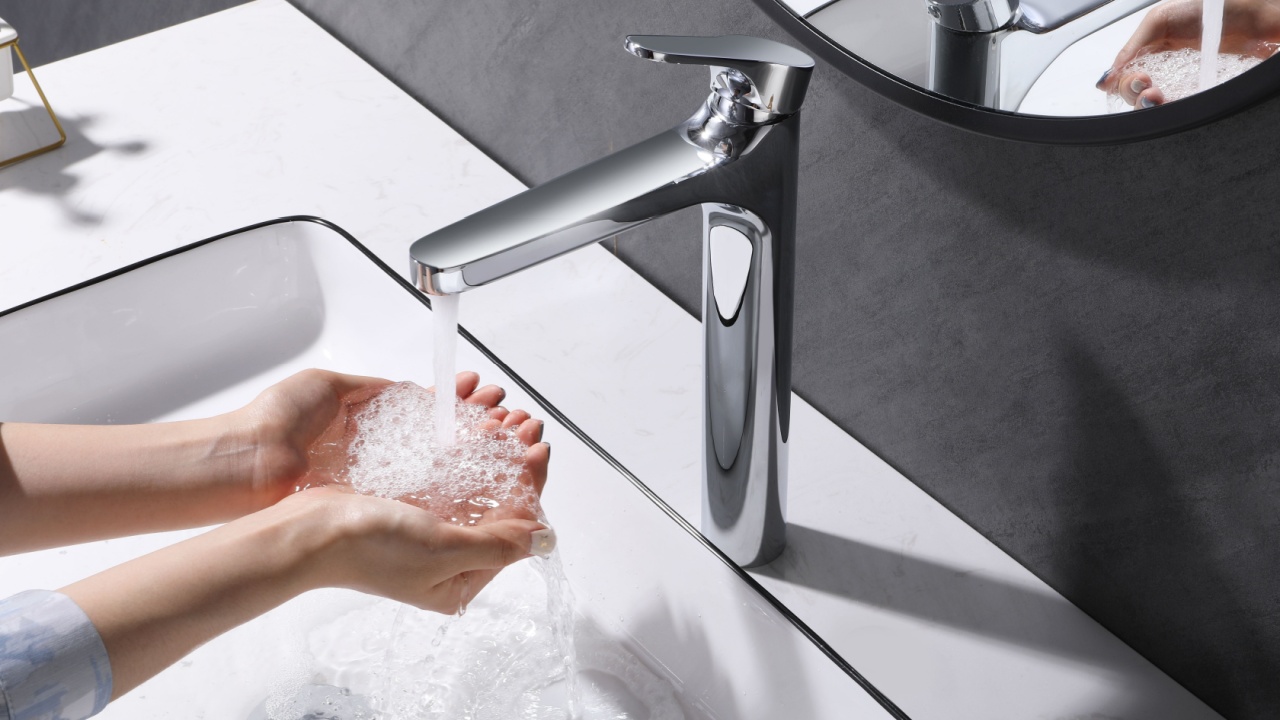
Whether you’re working with glue, caulk, or sealant, applying Vaseline to your hands or around work areas can prevent materials from sticking where they shouldn’t.
“Begin by applying a generous amount of petroleum jelly to the affected areas,” writes Georgia Nunn with expert advice from Silicone Direct.
“Rub the petroleum jelly in circular motions into your skin for a few minutes, and this should begin to break down the sealant.” Following this, normal handwashing steps can proceed. It’s small victories like this that can make life so much easier.
Read more
Drop Baking Soda in These 12 Spots for a Surprisingly Deep Clean