15 Most Overrated Decor Trends That Lead to Regret
Decorating your home gives you the chance to express your personality and create a welcoming environment. Many homeowners rush into popular styles after seeing them online, only to regret their choices a few months later. Trends move incredibly fast, pushing people toward designs that look good on a screen but function poorly in daily life.
Blindly following design fads often leads to spaces that lack practicality and comfort. When you prioritize temporary aesthetics over how you actually use a room, you end up with expensive upgrades that require constant maintenance or fail to meet your daily needs. Finding a balance between current styles and long-term usability prevents costly mistakes down the line.
This guide highlights fifteen overrated design choices that often leave homeowners wishing they had chosen differently. You will discover why these specific concepts fail in practical applications and learn alternative approaches to build a beautiful, functional home.
1. The Barn Door Craze
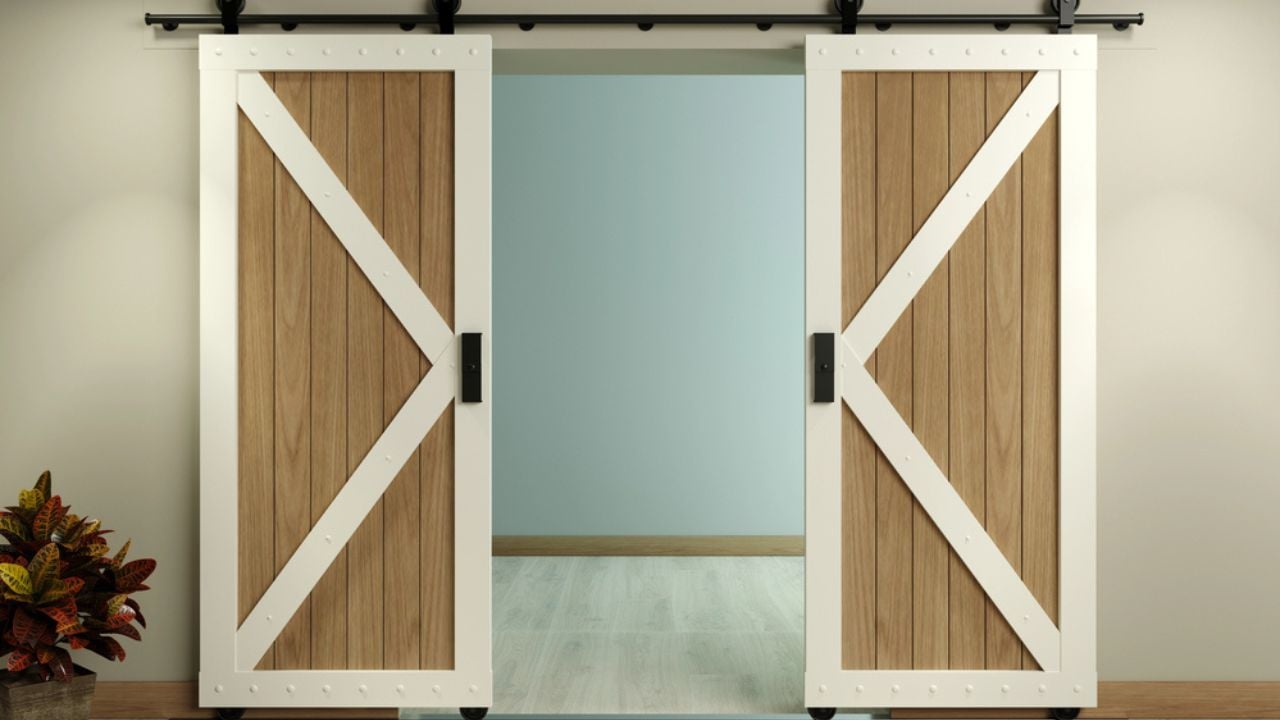
Barn doors exploded in popularity for their rustic charm, popping up in bedrooms, bathrooms, and closets everywhere. The primary issue with these heavy sliding doors is their complete lack of soundproofing and privacy. Because they hover away from the wall, sound travels easily through the gaps, making them terrible choices for private areas.
If you love the space-saving aspect of a sliding mechanism, you have many better alternatives available. Pocket doors slide discreetly into the wall, offering superior sound insulation and a flush finish. French doors also provide an elegant, traditional feel for larger entryways without sacrificing privacy.
2. The Island Obsession
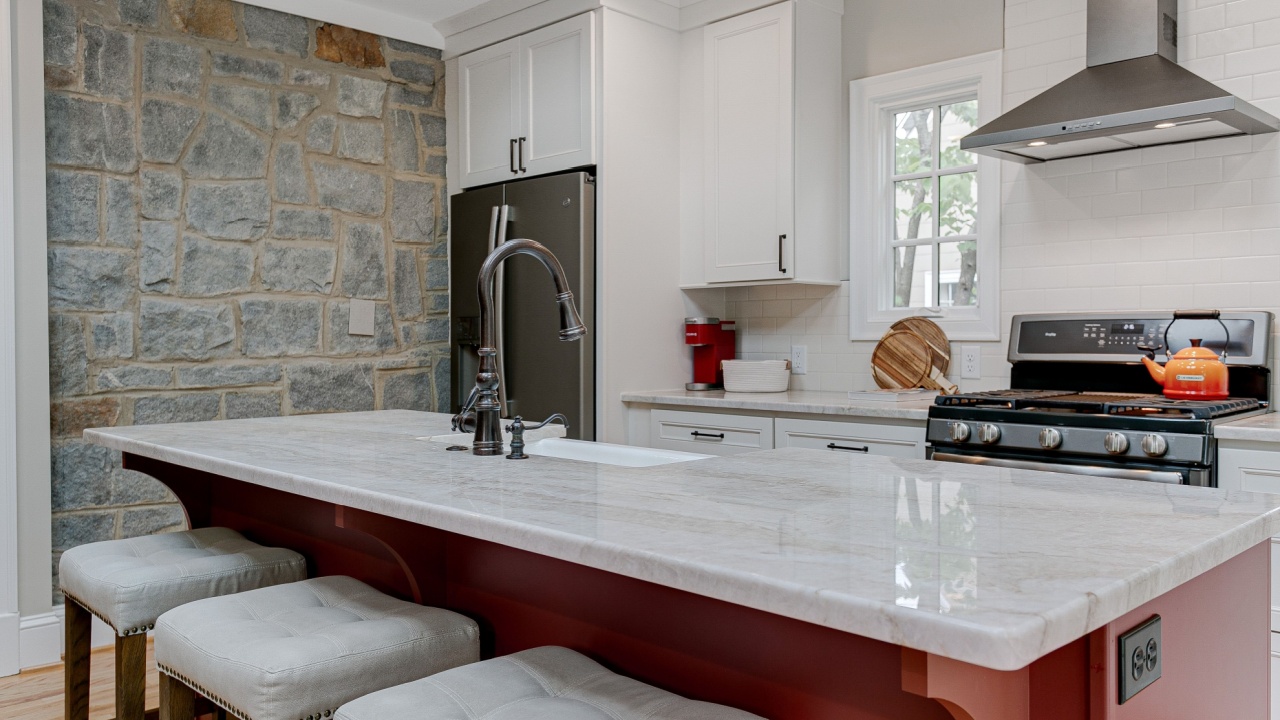
Massive kitchen islands look incredibly impressive in architectural magazines, dominating the center of the room with acres of stone. However, islands that stretch too far become wildly impractical for daily cooking and cleaning tasks. Reaching the center to wipe down the counter requires awkward stretching, and the sheer size disrupts the room’s natural workflow.
A well-designed kitchen relies on a tight, efficient layout between the stove, sink, and refrigerator. Scaling your island to match the actual proportions of your room creates a more comfortable environment. Two smaller islands often function better in large rooms, allowing traffic to flow smoothly between different zones.
3. Arches and Scallops Take Over
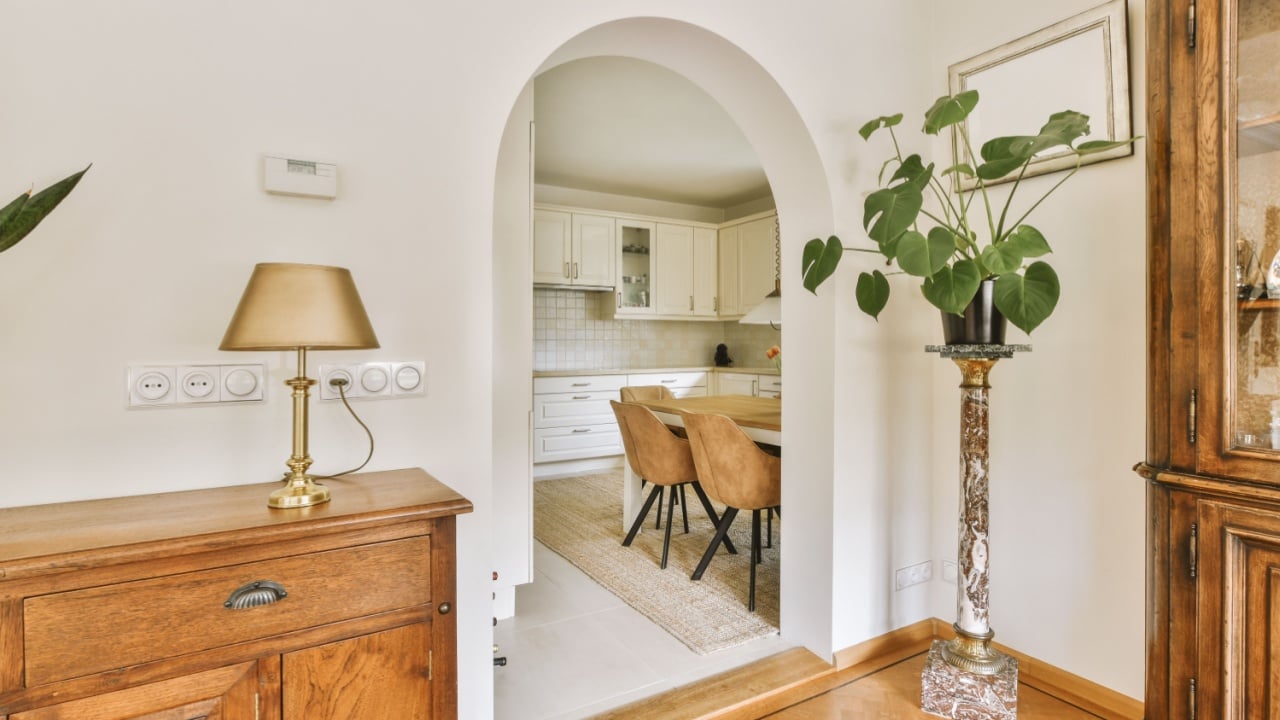
Arches and scalloped edges recently took over modern interiors, appearing on doorways, cabinets, and even furniture. While a single arched doorway adds historical character, applying this shape to every possible surface quickly leads to visual fatigue. This heavily stylized look immediately dates a room to a specific year, making future updates difficult.
Using these shapes sparingly preserves their unique charm and architectural interest. Restrict rounded elements to structural features that naturally support them, rather than applying scalloped borders to modern cabinetry. Straight lines provide a more adaptable foundation that allows you to change your interior styling whenever you desire.
4. “Live Laugh Love” Decor
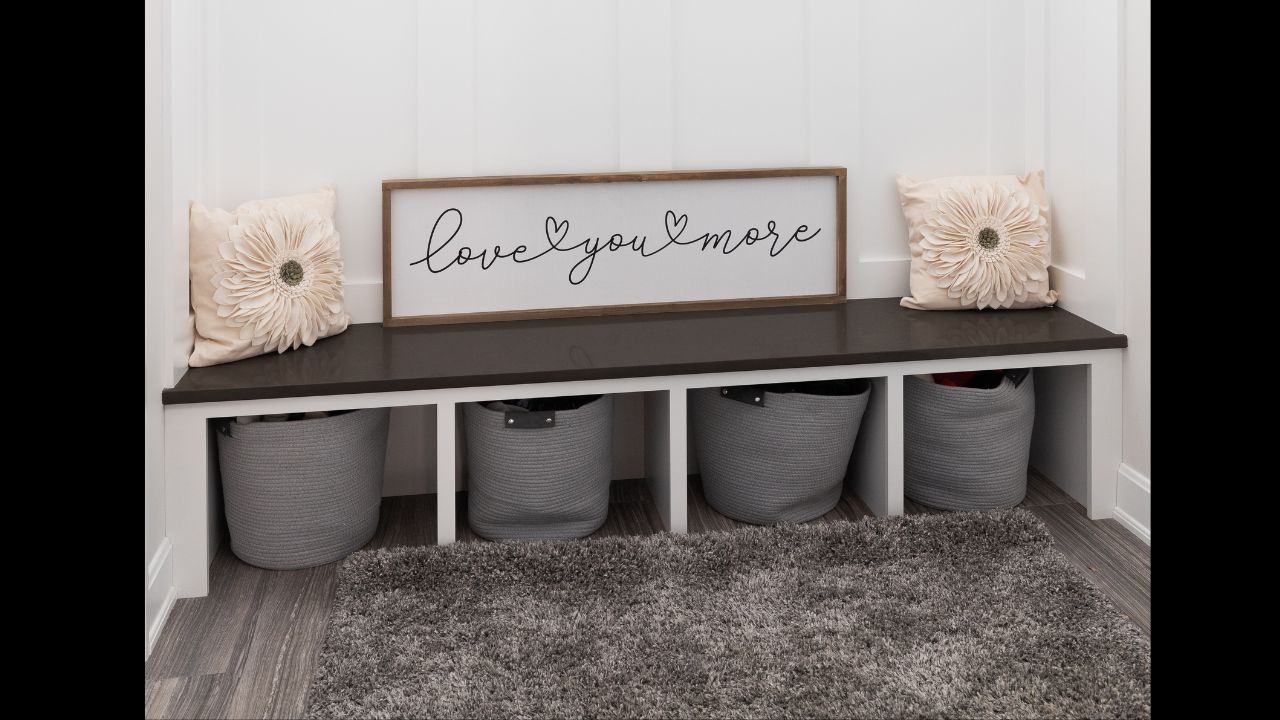
Word art and motivational typography dominated wall decor for an entire decade, with phrases printed on everything from reclaimed wood to canvas. These generic signs strip a room of personal identity and replace it with mass-produced sentiments. Walking into a room filled with identical inspirational quotes creates an environment that feels sterile and uninspired.
Some experts say word art wall decor is now outdated. Your walls provide a canvas for authentic self-expression and genuine creativity. Hang original artwork, family photographs, or interesting objects you collected during your travels. These authentic pieces spark genuine conversation and reflect your actual personality much better than factory-printed words ever could.
5. Concrete Flooring Frustrations in Cold Weather
Poured concrete floors gained massive popularity alongside the industrial loft aesthetic (sometimes just in the bathroom; other times throughout the house), offering a sleek and minimalist foundation. In cold climates, however, these floors become relentlessly uncomfortable without an expensive radiant heating system installed underneath. They drain heat from the room and make winter mornings incredibly unpleasant for barefoot residents.
Engineered hardwood or high-quality luxury vinyl plank provides a much warmer surface for your daily life. These materials mimic the organic beauty of natural elements while maintaining a comfortable temperature year-round. You keep the modern aesthetic intact while protecting your feet from freezing temperatures.
6. Greige Overload
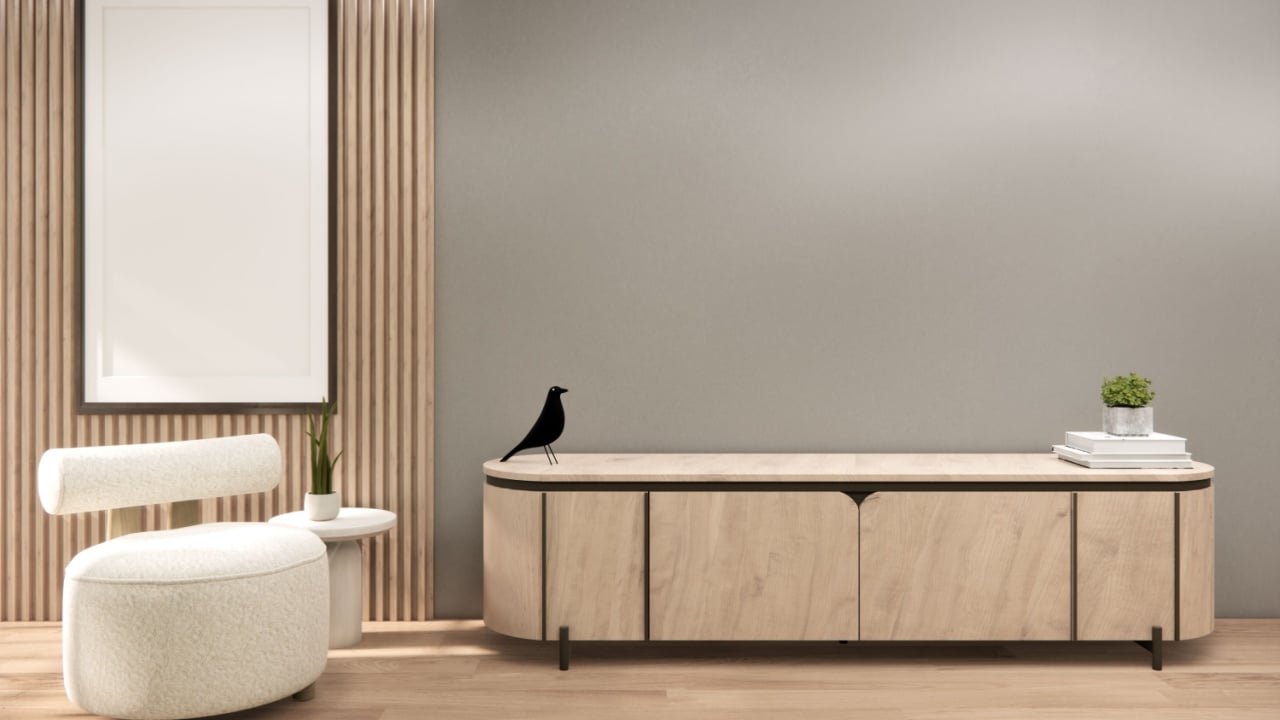
The combination of gray and beige took over the real estate market as the ultimate neutral color palette. Painting every wall, cabinet, and trim in this middle-ground shade results in spaces that feel exceptionally flat and lifeless. A room completely devoid of contrast or color saturation struggles to make any lasting impression on guests.
Introducing richer tones adds immediate depth and personality back into your home. Deep greens, warm terracottas, and moody blues create focal points that draw the eye and stimulate the senses. Mixing different textures alongside varied colors brings energy into spaces that previously felt bland and forgotten.
7. Too Much Macramé and Pampas Grass
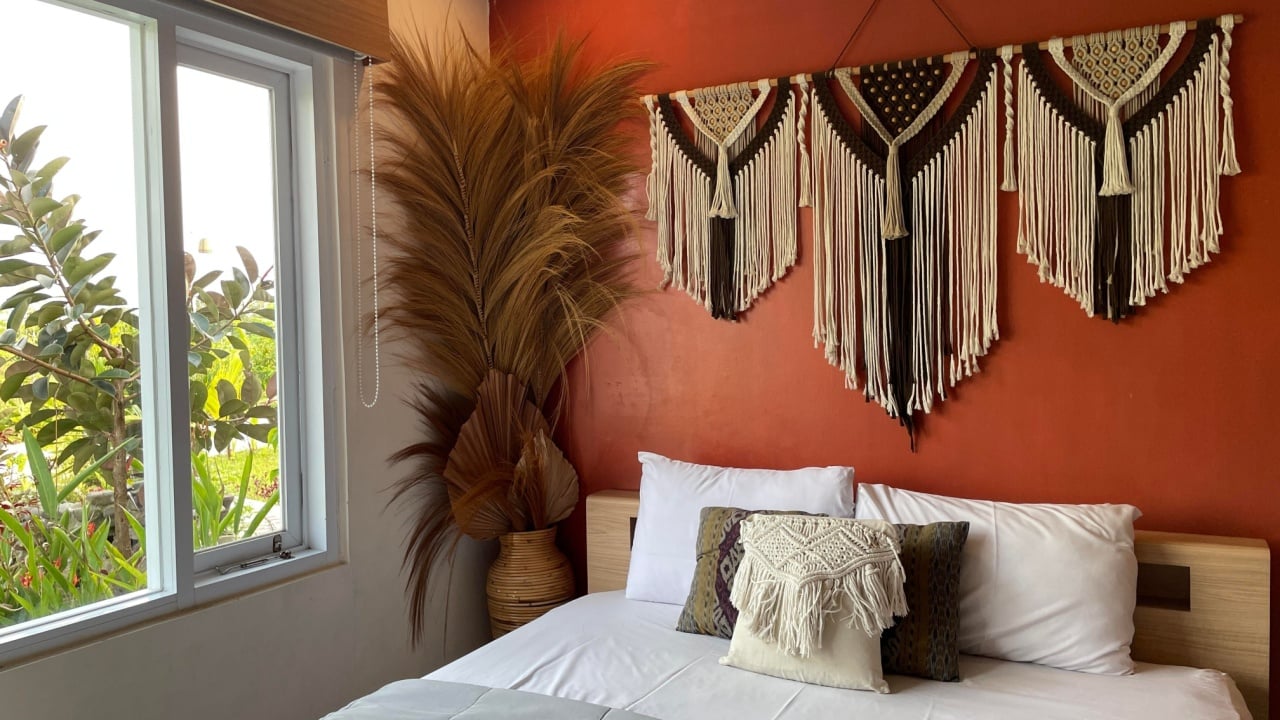
The bohemian revival brought a tidal wave of knotted macramé wall hangings and tall, dusty pampas grass into living rooms. While a single piece adds natural texture, filling a room with dried weeds and heavy string creations creates a cluttered, messy appearance. Furthermore, dried grasses shed constantly and collect massive amounts of dust, triggering allergies and requiring constant vacuuming.
Instead of overwhelming your space with fibrous decorations, select a few high-quality textured pieces to display. A woven wool rug or a single well-crafted textile hanging delivers the desired tactile experience without the associated mess. Incorporating live, healthy houseplants offers a cleaner, more vibrant connection to nature.
8. The Floating Vanity Dilemma
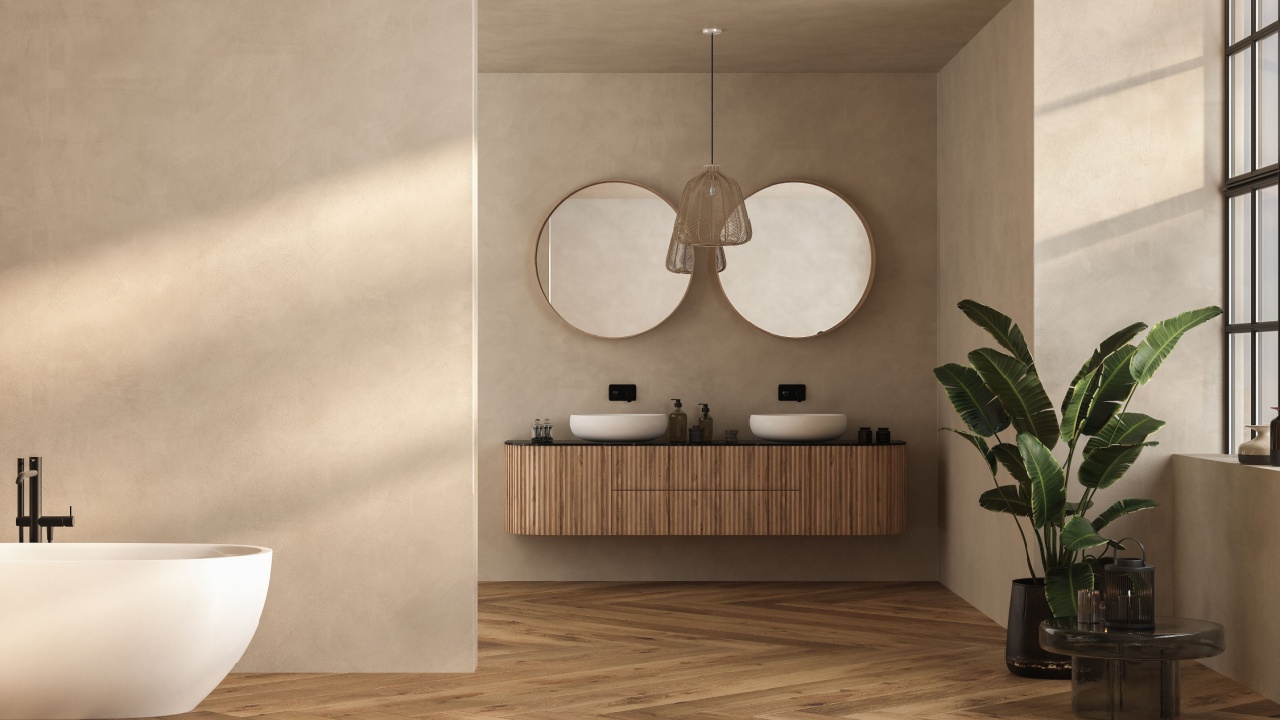
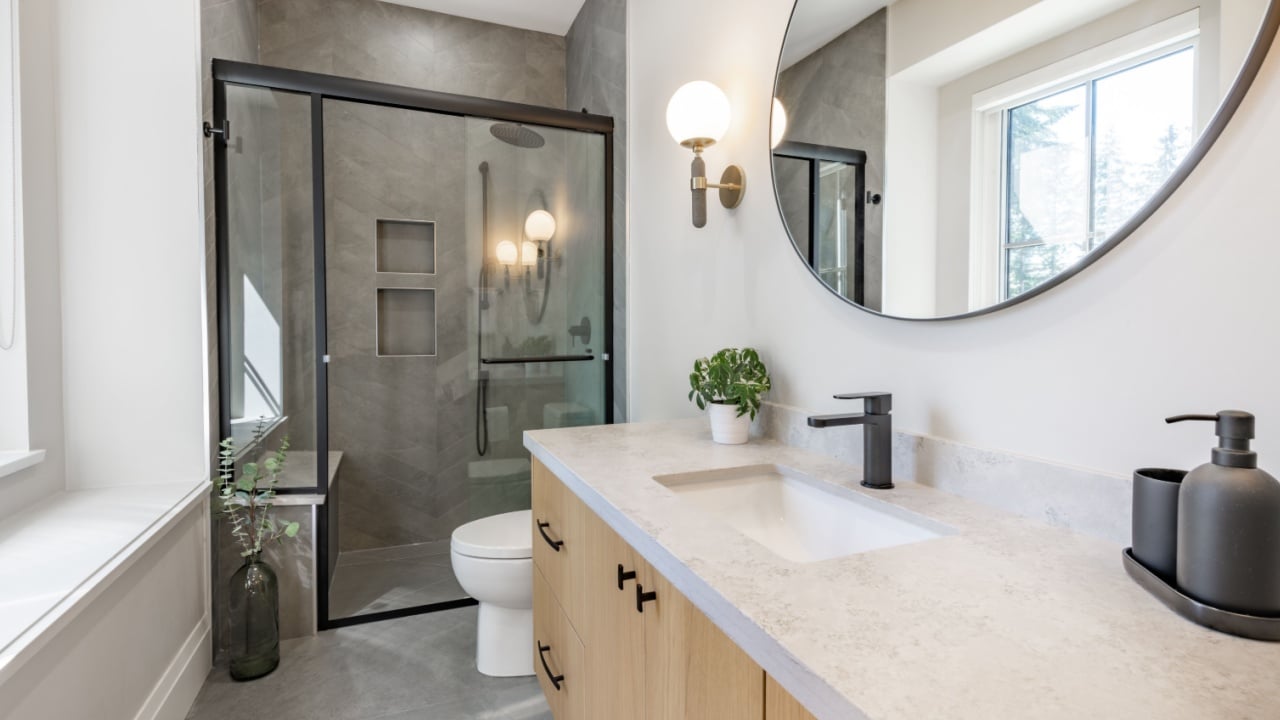
Floating bathroom vanities look incredibly sleek, making modern and/or small bathrooms appear larger by exposing the floor beneath. Unfortunately, this minimalist design completely sacrifices essential storage space for toiletries, cleaning supplies, and extra towels. Homeowners quickly realize that staring at a beautiful floating sink does not compensate for having clutter covering the countertops (because it doesn’t fit anywhere else).
Balancing aesthetics with practical storage requires careful planning in heavily used rooms. Floor-mounted vanities with deep drawers keep daily necessities organized and hidden from view. If you absolutely insist on a floating design, you must install tall linen cabinets nearby to handle your organizational needs.
9. Statement Tile Overload
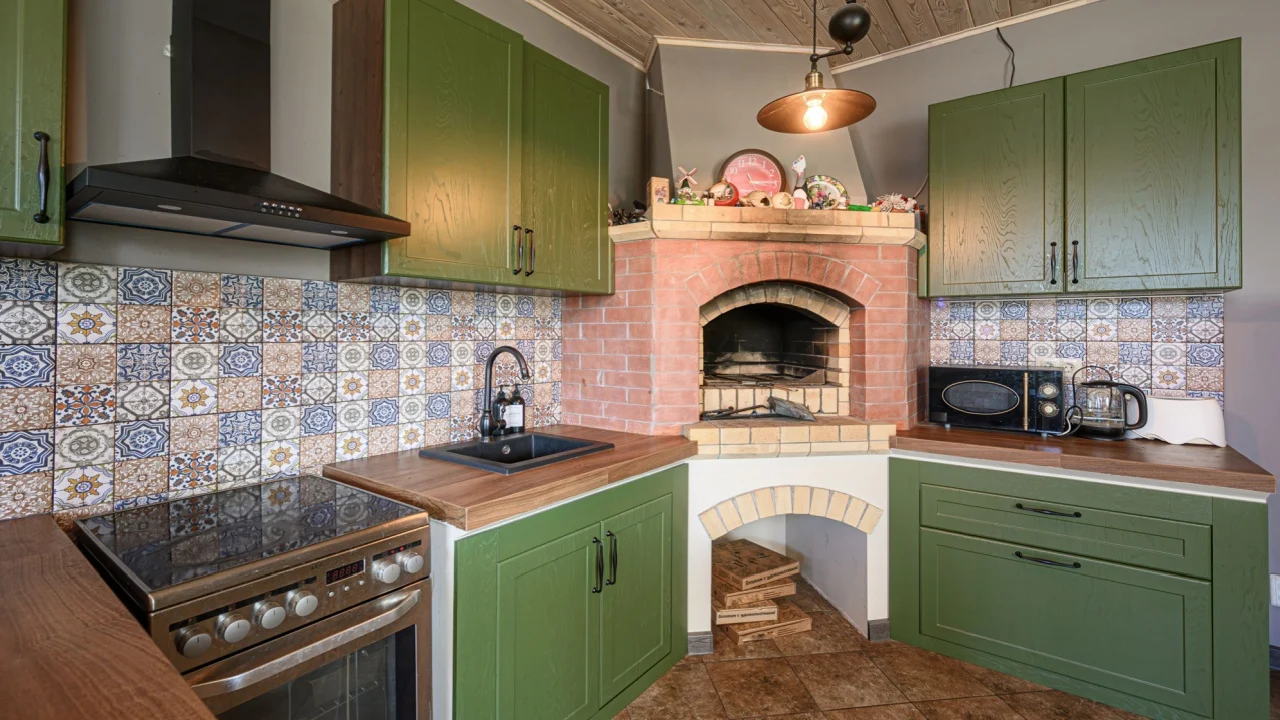
Intricate, brightly patterned cement tiles became a massive trend for kitchen backsplashes and bathroom floors. Installing these loud patterns across large areas creates an overwhelming visual environment. As trends shift rapidly, heavily patterned tiles become incredibly expensive and frustrating to rip out and replace.
Restricting bold patterns to smaller, confined spaces protects your home from visual chaos. A vibrant tile works perfectly in a tiny powder room or as a small accent border in a shower. For your main living areas, neutral, timeless tile foundations allow you to easily update the room with changing textiles and paint colors.
10. The Matchy-Matchy Furniture Mistake
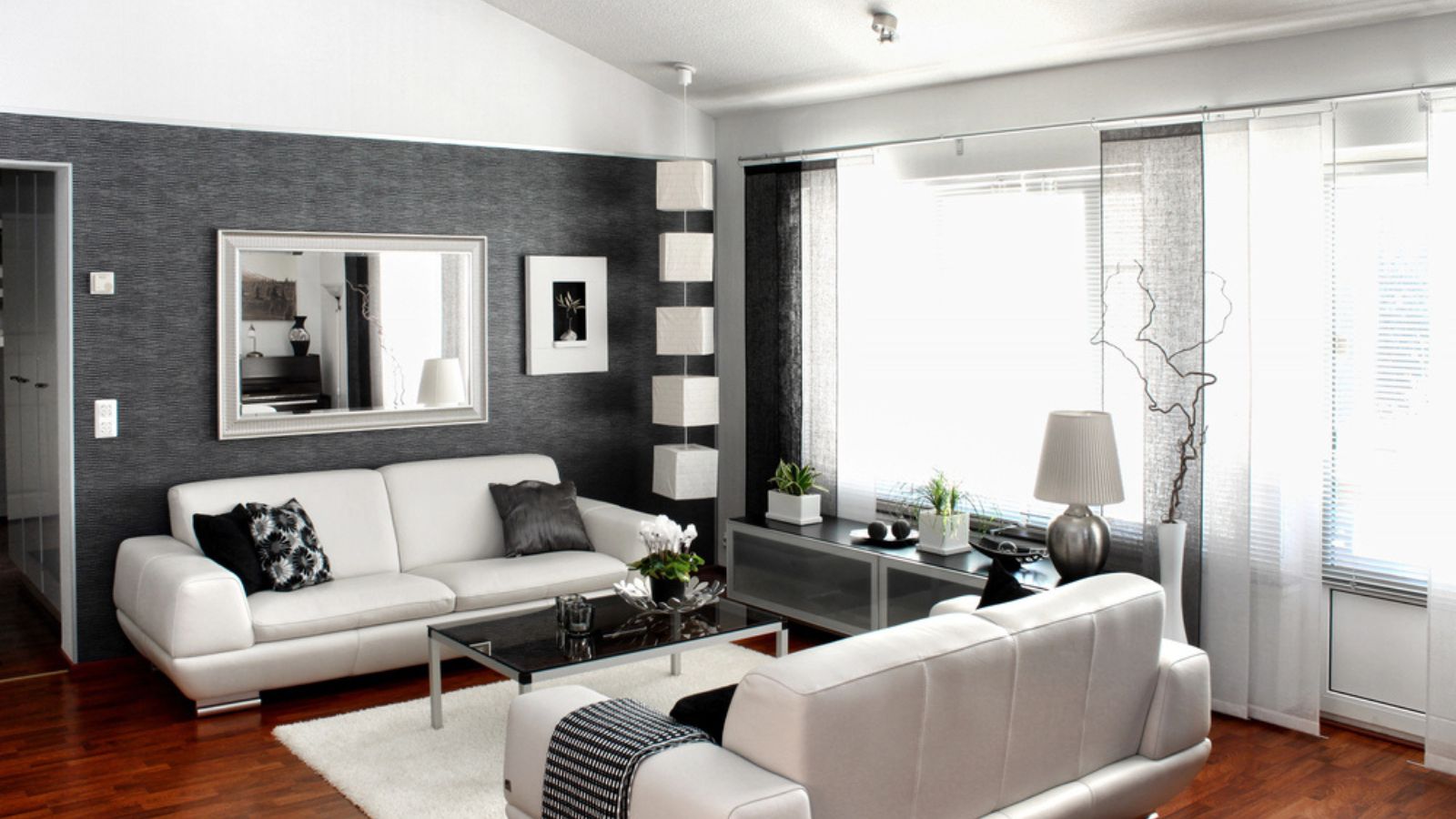
Buying a complete matching set of living room or bedroom furniture from a single catalog seems like an easy shortcut. This approach instantly turns a room into a flat, uninspired space that resembles a cheap furniture showroom. Matched sets lack character, looking rigid and entirely devoid of personal curation.
Mixing different styles, eras, and wood tones creates a curated environment that feels collected rather than purchased all at once. Pair a vintage wooden dresser with a modern upholstered bedframe to create instant visual interest. Blending different materials gives your home a unique personality that no matched set could ever achieve.
11. Problems With Peel-and-Stick Wood Walls
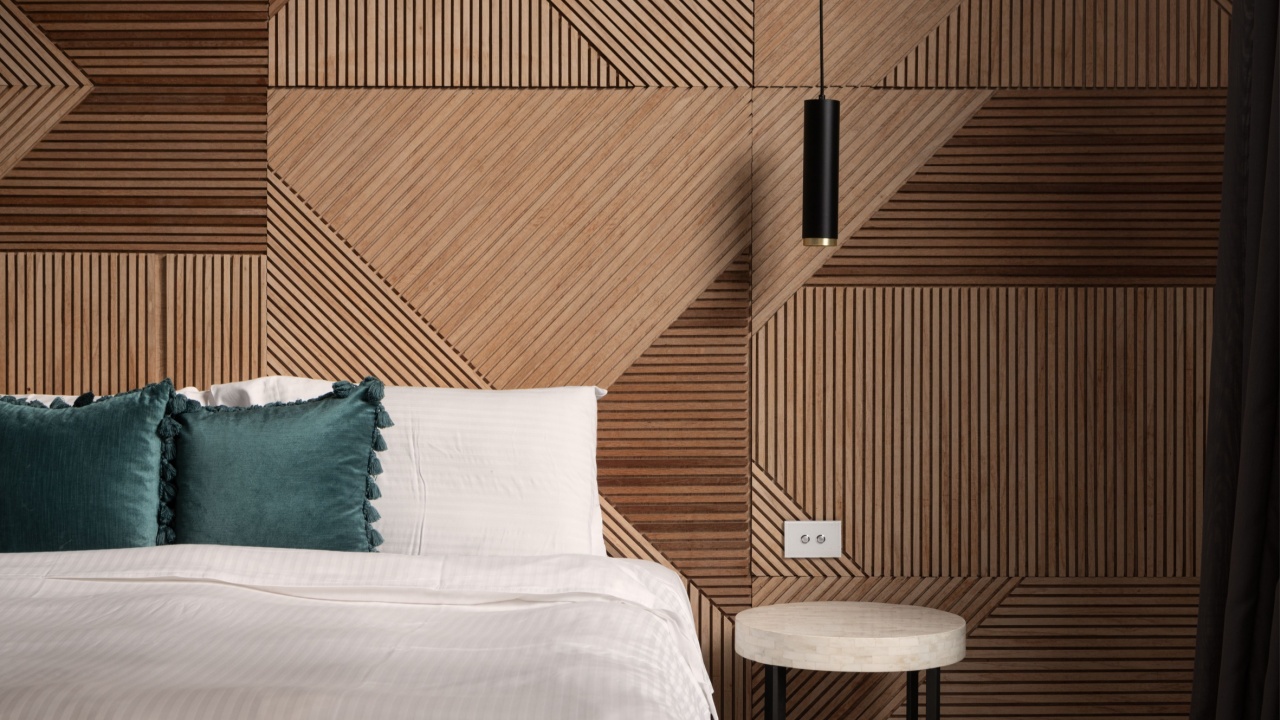
Adhesive wood paneling promised an easy weekend project to add rustic texture to plain drywall. These peel-and-stick wood panels quickly reveal their cheap nature, as the adhesive inevitably fails and edges begin curling away from the wall. The printed grain often looks completely artificial, dragging down the overall quality of your interior.
Investing in genuine materials always yields a better, more permanent result. If you want a textured accent wall, hire a carpenter to install real wood paneling or apply high-quality wallpaper with a subtle pattern. Doing the job right the first time prevents the frustration of watching your weekend project peel away a month later.
12. The All-White Trend
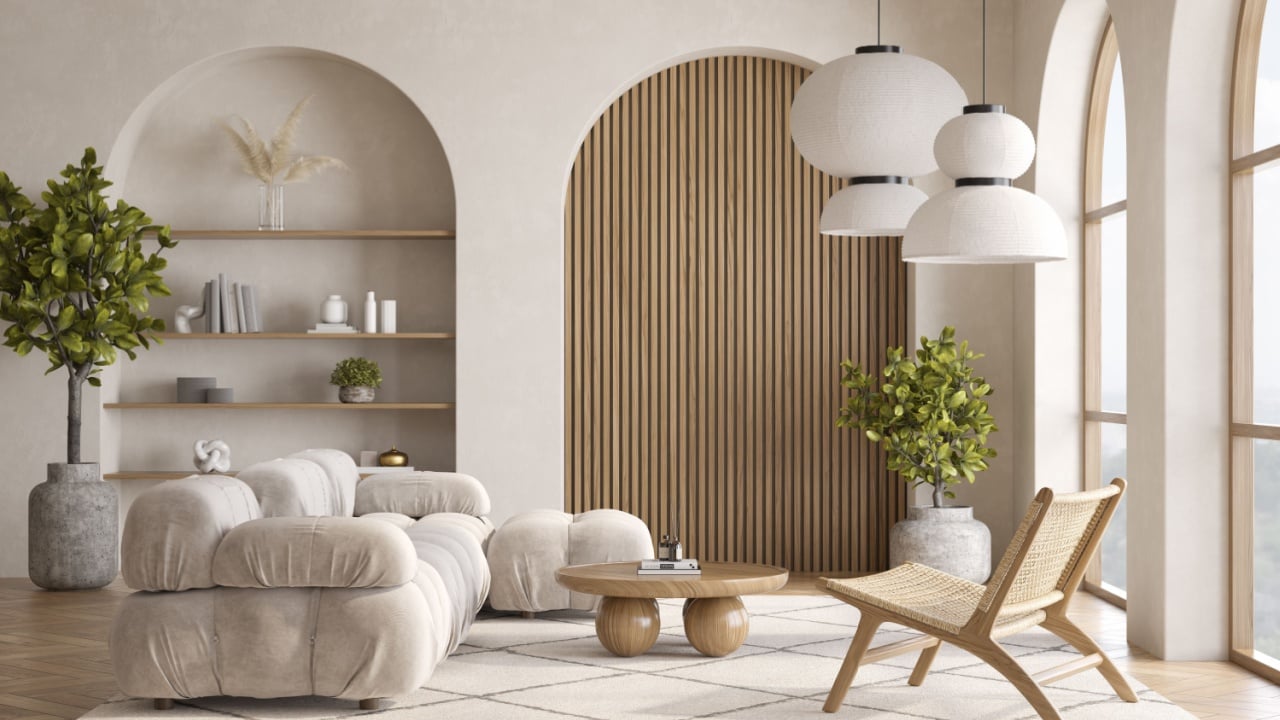
The entirely white kitchen or living room remains a popular request for its bright, clinical appearance. Maintaining this sterile environment requires constant, exhausting labor to wipe away every smudge, fingerprint, and speck of dust. Life happens, and an all-white space highlights every single mess, turning your home into a stressful zone of constant cleaning.
Warming up your palette with soft earth tones and natural wood elements hides minor daily imperfections. Natural stone countertops with veining or colored cabinetry conceal inevitable spills much better than pure white surfaces. A home should feel inviting and forgiving, rather than resembling a strict hospital wing.
13. Farmhouse Sinks Meet Modern Design

The deep, exposed-apron farmhouse sink works beautifully in a rustic cottage or traditional country kitchen. Dropping this highly specific fixture into a sleek, contemporary home creates a jarring clash of architectural styles. The heavy porcelain front disrupts the clean, continuous lines that define modern cabinetry design.
Undermount stainless steel or composite sinks integrate seamlessly into contemporary countertops without fighting the surrounding architecture. These sleek alternatives offer the same depth and functionality without the distracting apron front. Matching your fixtures to your home’s actual architectural style creates a much more cohesive environment.
14. Too Much Shiplap Everywhere
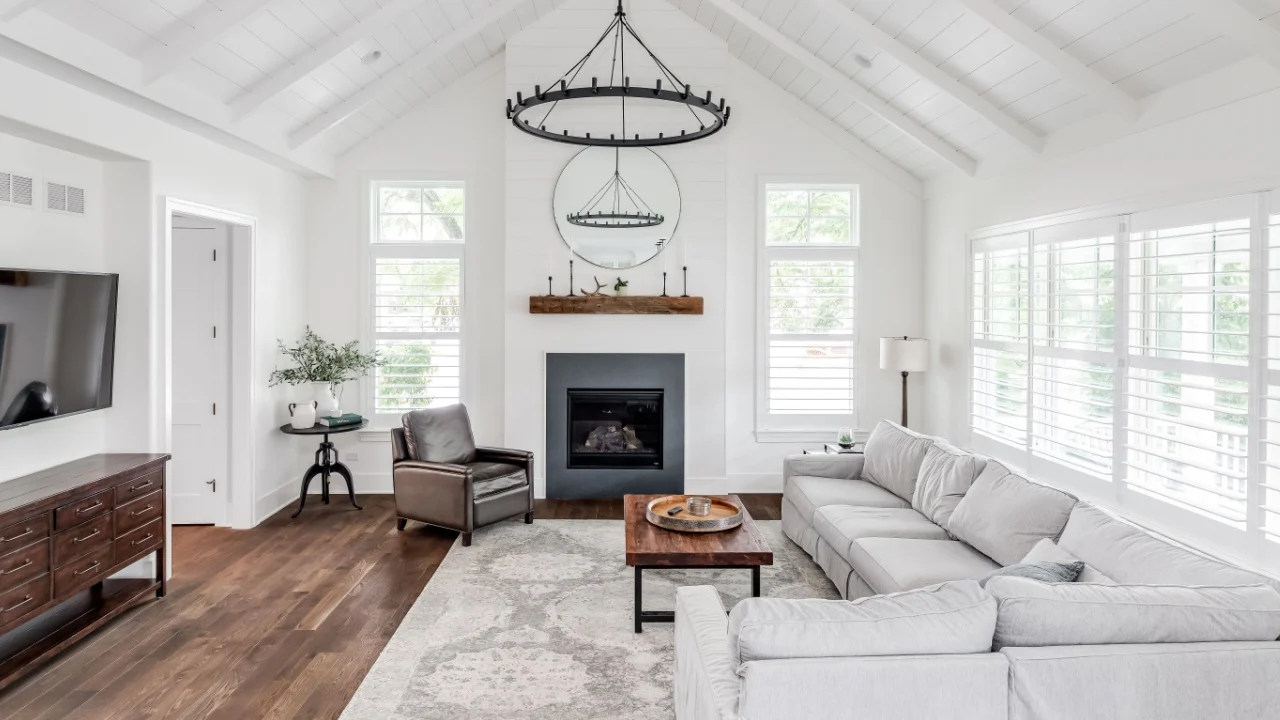
There is such a thing as too much shiplap. Horizontal wooden planks completely dominated modern farmhouse renovations, covering walls, ceilings, and kitchen islands. Because this material was applied so heavily over the last decade, it now instantly dates a renovation to a very specific period. It traps dust in the horizontal grooves and looks completely out of place in homes outside of rural settings.
Exploring alternative wall treatments yields a much more sophisticated finish. Vertical board and batten offers traditional character without the heavy association of the farmhouse craze. Smooth, beautifully painted drywall or elegant wainscoting provides a timeless backdrop that outlasts temporary design fads.
15. The Open Shelving Fad
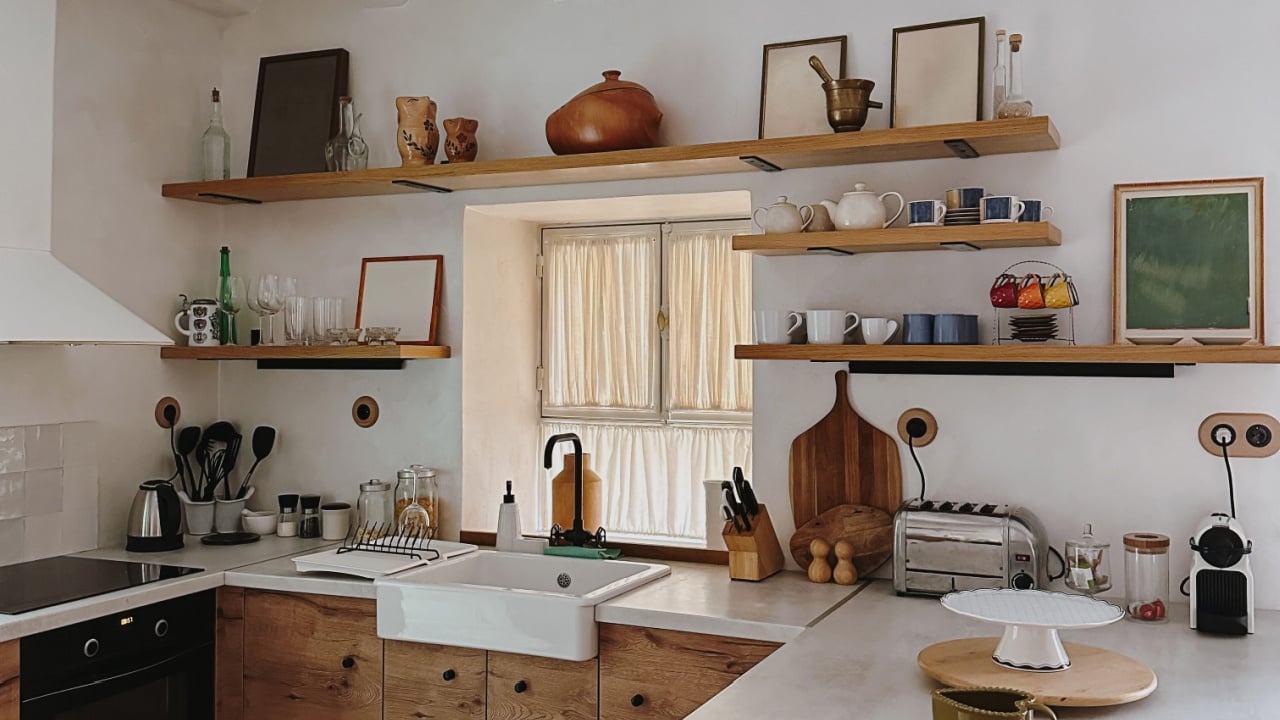
Ripping out upper kitchen cabinets in favor of open wooden shelves created an airy, open feeling in countless renovations. Homeowners soon discovered that open shelving requires perfectly arranged, matching dishware to look decent. Furthermore, every plate, glass, and bowl quickly becomes coated in a sticky layer of cooking grease and floating dust.
A practical kitchen requires a sensible mixture of closed and open storage solutions. Keep your heavy appliances and mismatched plastic containers hidden safely behind solid cabinet doors. Reserve a single small section of open shelving to display your favorite decorative pieces or frequently used coffee mugs.
Beyond the Trend Trap
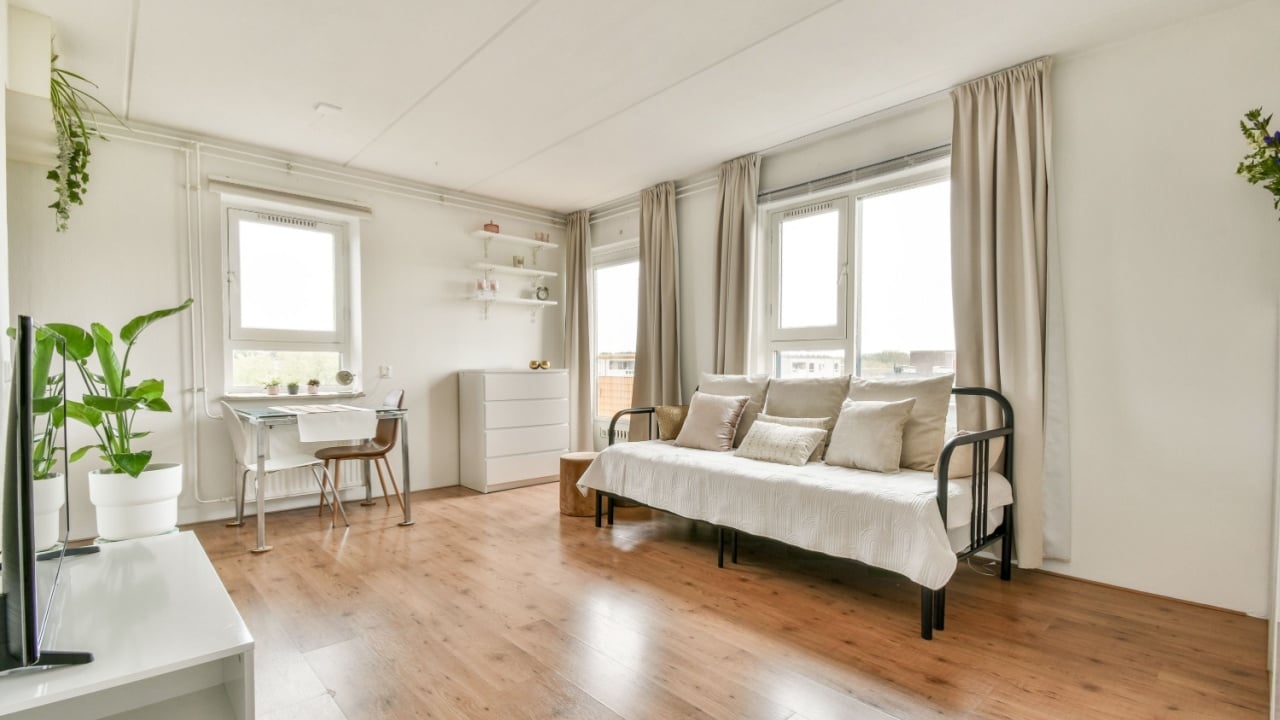
Creating a space that truly works for you means looking past fleeting fads and focusing on long-term functionality. Trends come and go rapidly, but the physical limitations of poor design choices stick around to frustrate you daily. When you prioritize durability, practical storage, and authentic personal style, your home remains beautiful for years.
Many homeowners feel pressure to mimic exactly what they see on social media, leading to costly and regrettable renovations. By avoiding oversized fixtures, high-maintenance materials, and heavily themed decor, you protect your budget and your peace of mind. Thoughtful design requires asking how a room will perform on your worst, busiest days, rather than just how it photographs.
Read More:
Who Cares What Anyone Thinks: 6 Tips to Avoid Trends and Develop Personal Style