14 Places You Should Never Use as Storage (But Probably Are Anyways)
Your home can start to feel like a puzzle that never quite comes together. You move things around, stack them in corners, tuck them into odd spots, and still end up short on space. What begins as a neat pile of magazines on the radiator can slowly turn into a habit of using every spare inch, whether it makes sense or not.
The trouble is, some of those “clever” storage spots do more harm than good. Organizers and home repair professionals see it all the time. Water damage from hidden leaks, mold creeping into forgotten corners, and even fire risks caused by blocked airflow. These issues are not rare. They show up again and again in homes where storage decisions were made for convenience rather than safety.
Here are fourteen places people often use for storage that tend to backfire, along with better ways to handle them.
1. On Top of the Refrigerator
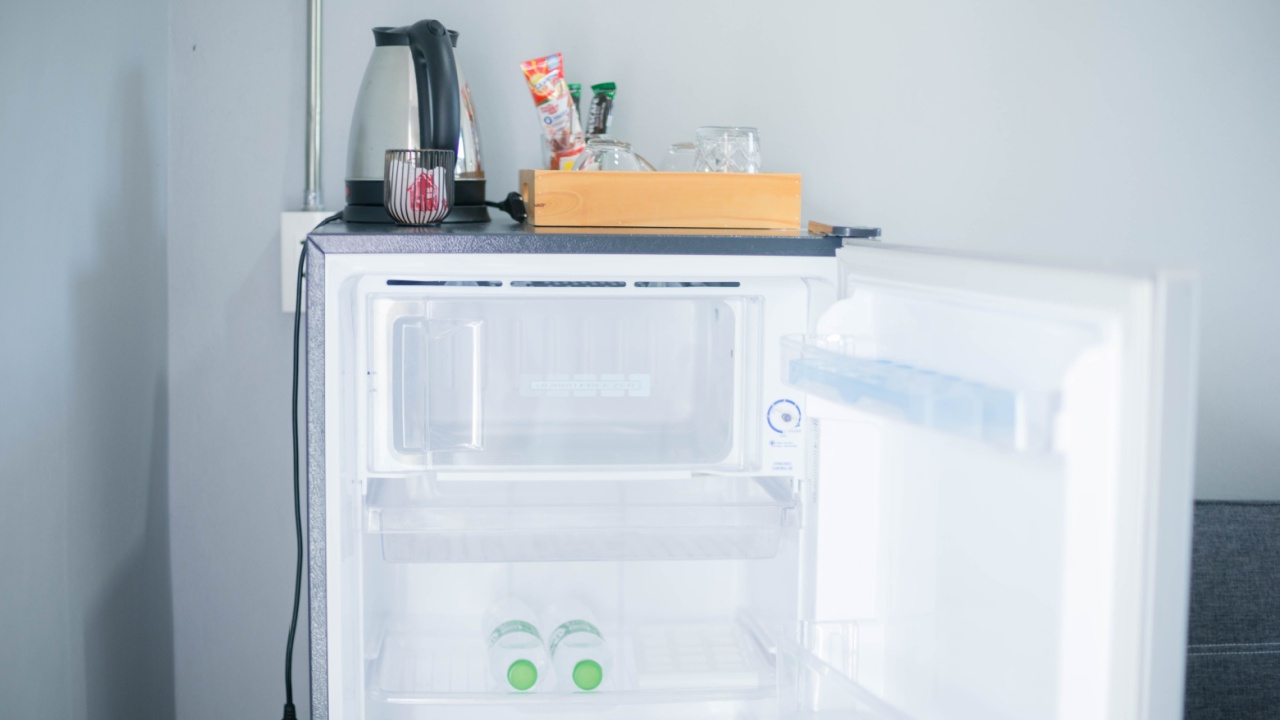
The flat surface above your fridge looks like a perfect shelf for cereal boxes or heavy cookbooks. However, refrigerators work by venting heat, and many models release that heat from the top or back. Placing items here blocks the necessary airflow, forcing the compressor to work harder and shortening the lifespan of your appliance.
Beyond the mechanical strain, the top of a fridge is a magnet for grease and dust. Items stored here become coated in a sticky film that is difficult to remove. Move your kitchen gadgets to a dedicated pantry shelf or a rolling cart to prevent them from becoming grimy and to keep your fridge running efficiently.
2. Near the Furnace
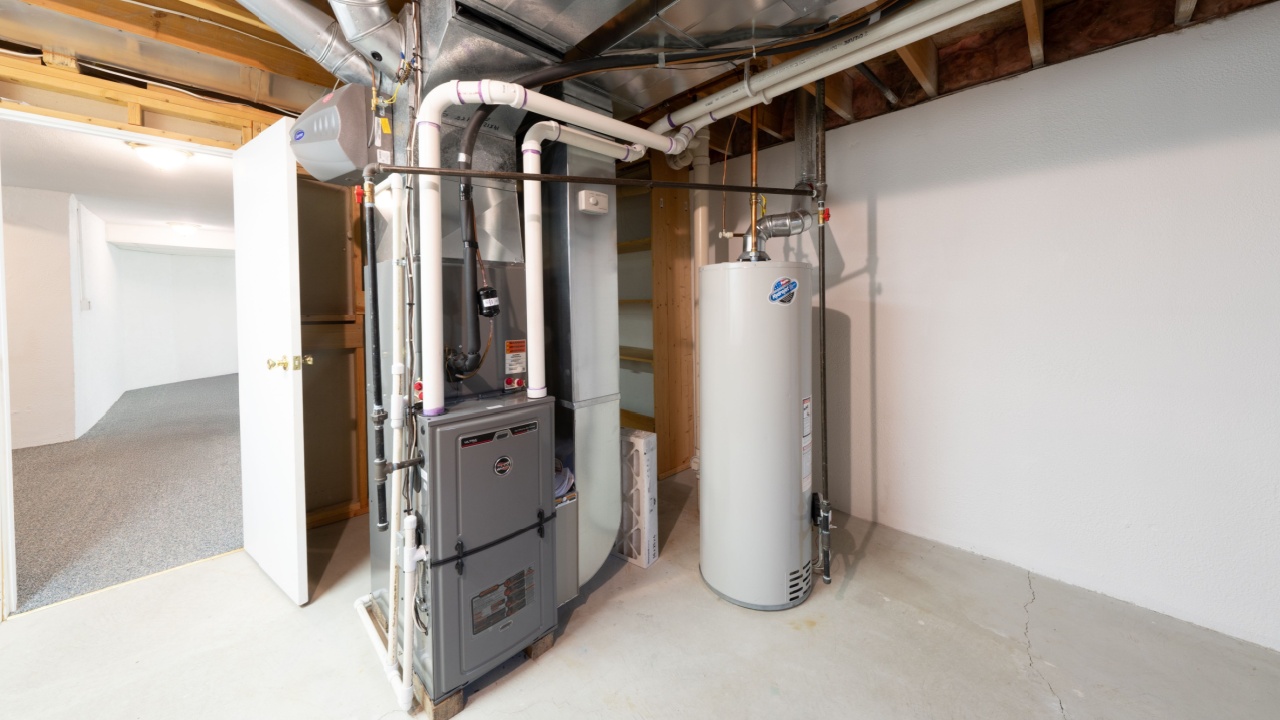
The area around your furnace often looks like wasted square footage in a basement. It is tempting to lean plywood or stack holiday decorations against the unit, but this is a major fire risk. Furnaces require a clear perimeter to draw in air and to prevent any combustible materials from igniting due to the heat generated during operation.
Clear a three-foot radius around all HVAC equipment to maintain safety and allow easy access for repairs. If you are short on space, install wall-mounted shelving far away from the heat source. This keeps your floors clear and prevents a simple mechanical spark from turning into a household disaster.
3. Under the Kitchen Sink

This dark cabinet is the most common spot for sponges, trash bags, and cleaning supplies. The problem lies in the plumbing, which can develop slow leaks or condensation that you won’t notice until mold has taken over. Storing paper products or cardboard boxes here is an invitation for soggy messes and pest infestations.
If you must use this space, stick to plastic bins that can catch drips and protect your items. Check the pipes monthly for any signs of moisture or corrosion. Using a pull-out plastic drawer system makes it easier to see what you have and keeps your supplies from touching the cabinet floor directly.
4. The Attic
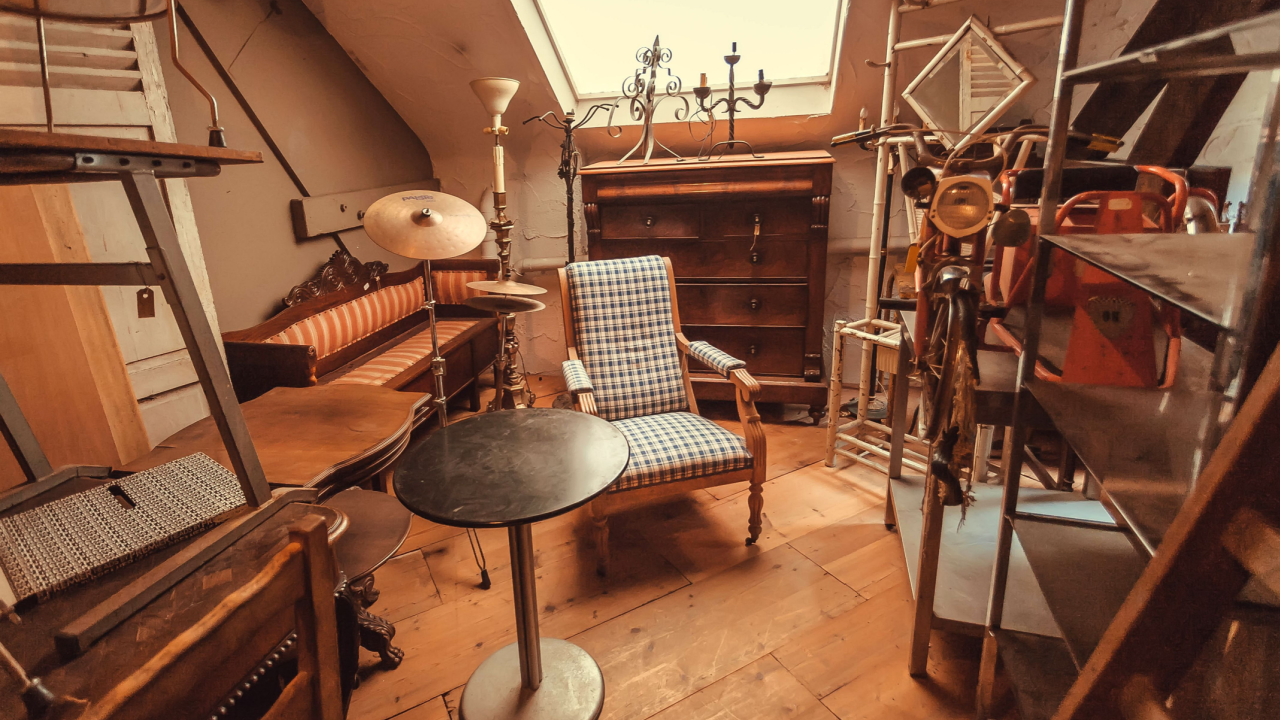
Many people treat the attic as a “set it and forget it” zone for old photos and clothing. Attics experience extreme temperature swings, reaching sweltering highs in summer and freezing lows in winter. These fluctuations cause delicate materials like wood, leather, and film to crack, warp, or disintegrate within a few seasons.
Rethink attic storage by only placing items there that are truly indestructible, such as plastic holiday ornaments or certain outdoor gear. For everything else, find a climate-controlled area inside the main house. Protecting your family memories requires a stable environment that an uninsulated attic simply cannot provide.
5. The Garage Floor
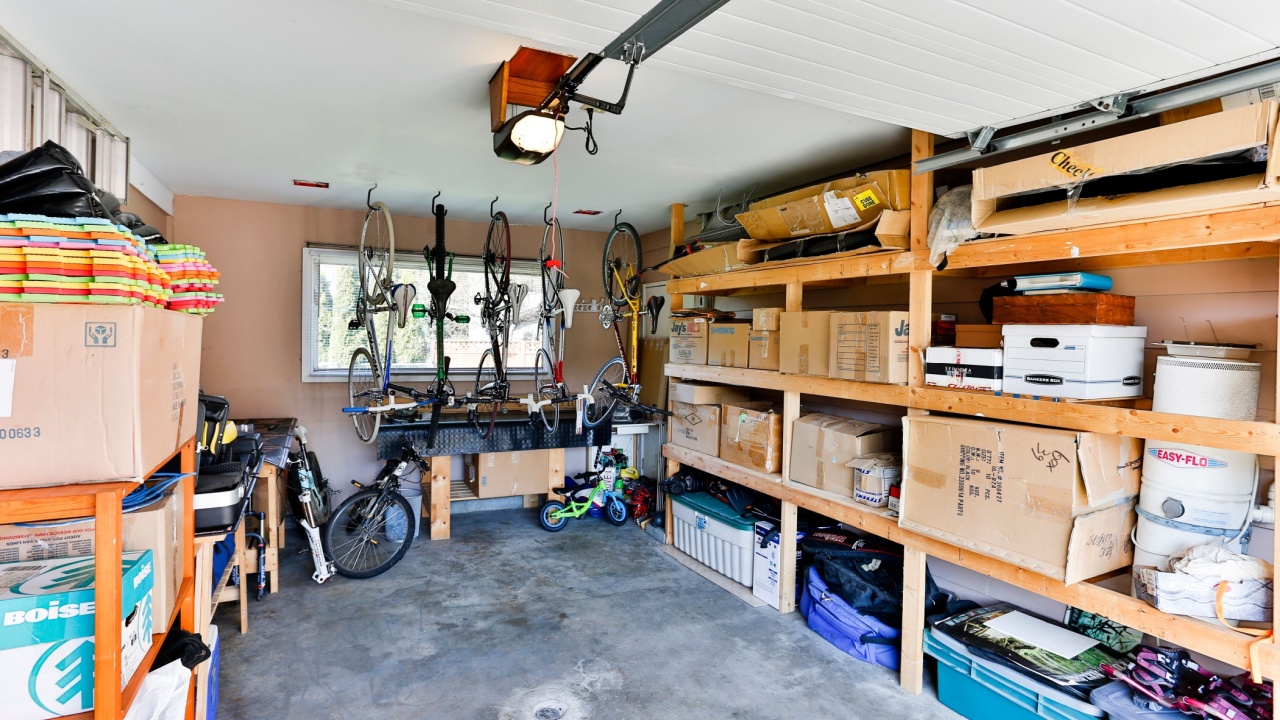
Concrete floors in garages are porous and naturally wick moisture from the ground. Storing cardboard boxes or even plastic bins directly on the floor leads to dampness and attracts spiders and rodents looking for a nesting spot. In the event of heavy rain or a melting snowbank from your car, anything on the floor is at risk of water damage.
Install heavy-duty metal shelving or overhead racks to get your gear off the ground. This improves the organization of your garage and protects your tools and equipment from rust. Keeping the floor clear also makes it much easier to sweep out debris and maintain a clean workspace.
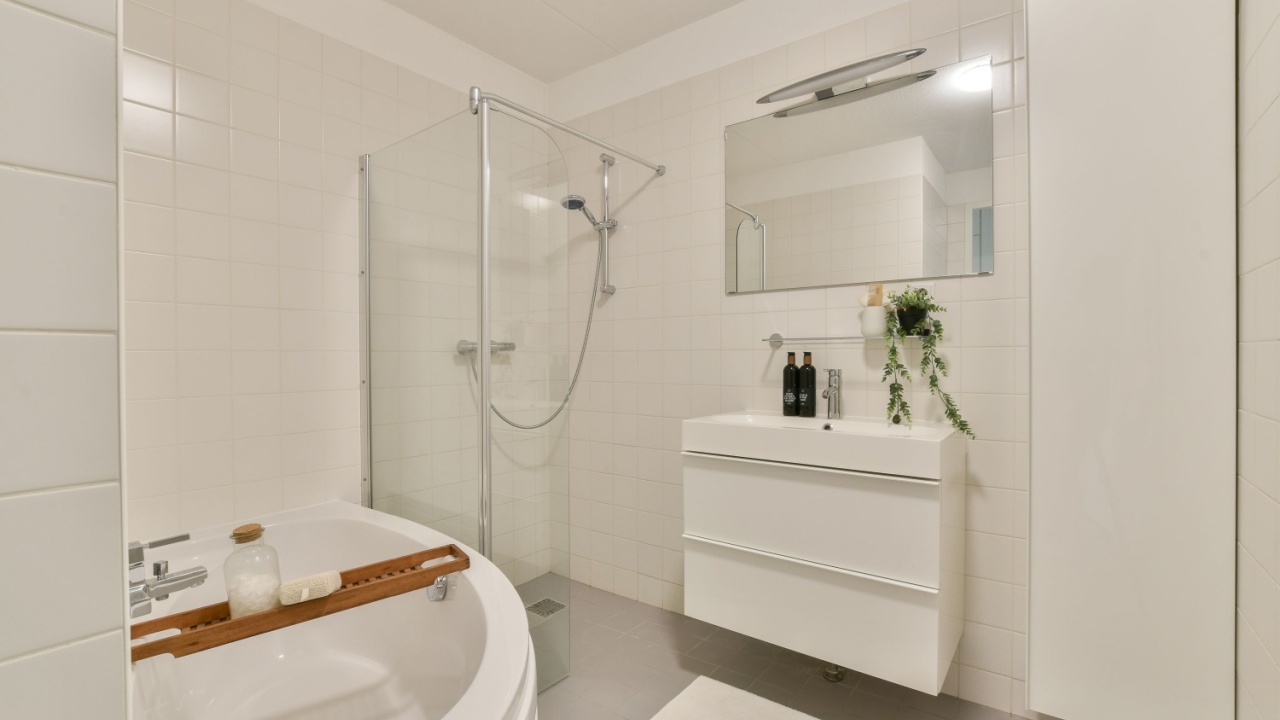
6. The Bathroom Cabinet
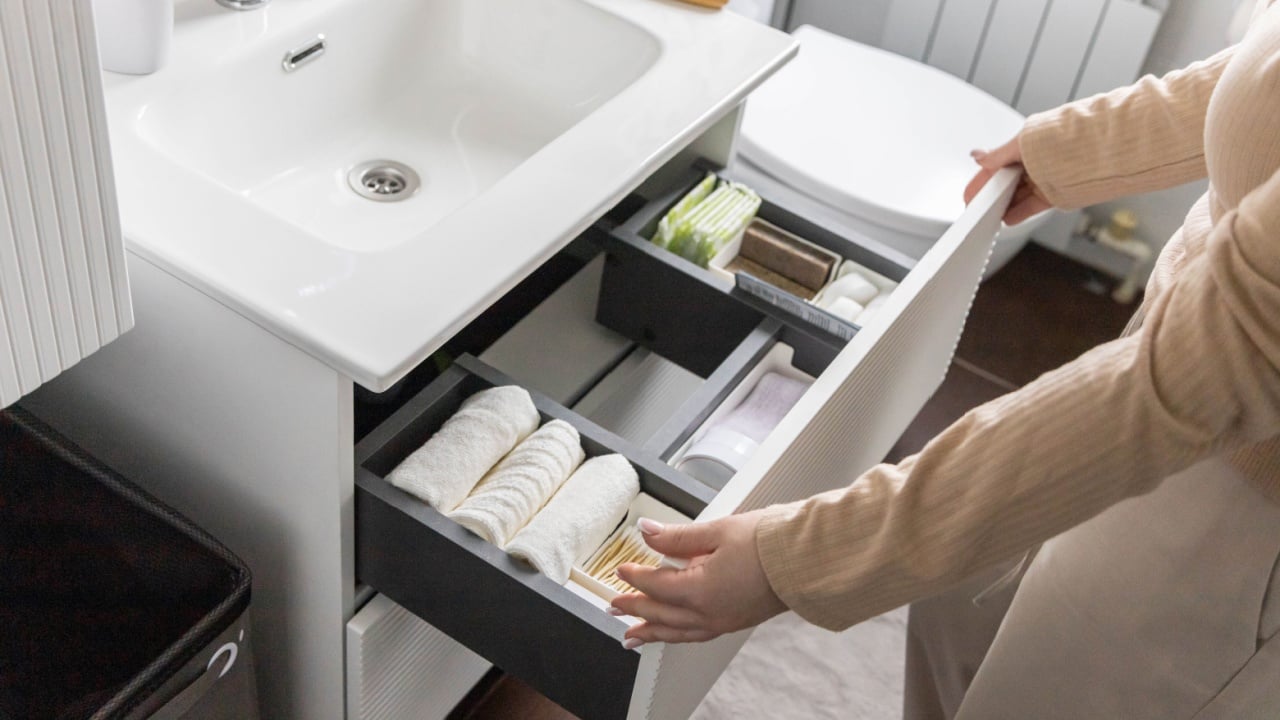
Bathrooms are the most humid rooms in the house, yet they are where most people store medicine and makeup. Steam from the shower penetrates containers and causes medications to lose their potency or expire prematurely. Cosmetics can also separate or grow bacteria more quickly when exposed to constant heat and moisture.
Relocate your medicine cabinet items to a linen closet or a bedroom drawer where the air stays dry. If you lack space, use airtight containers for anything kept in the bathroom. This simple move extends the life of your expensive skincare products and keeps your first-aid supplies effective.
7. Next to the Water Heater
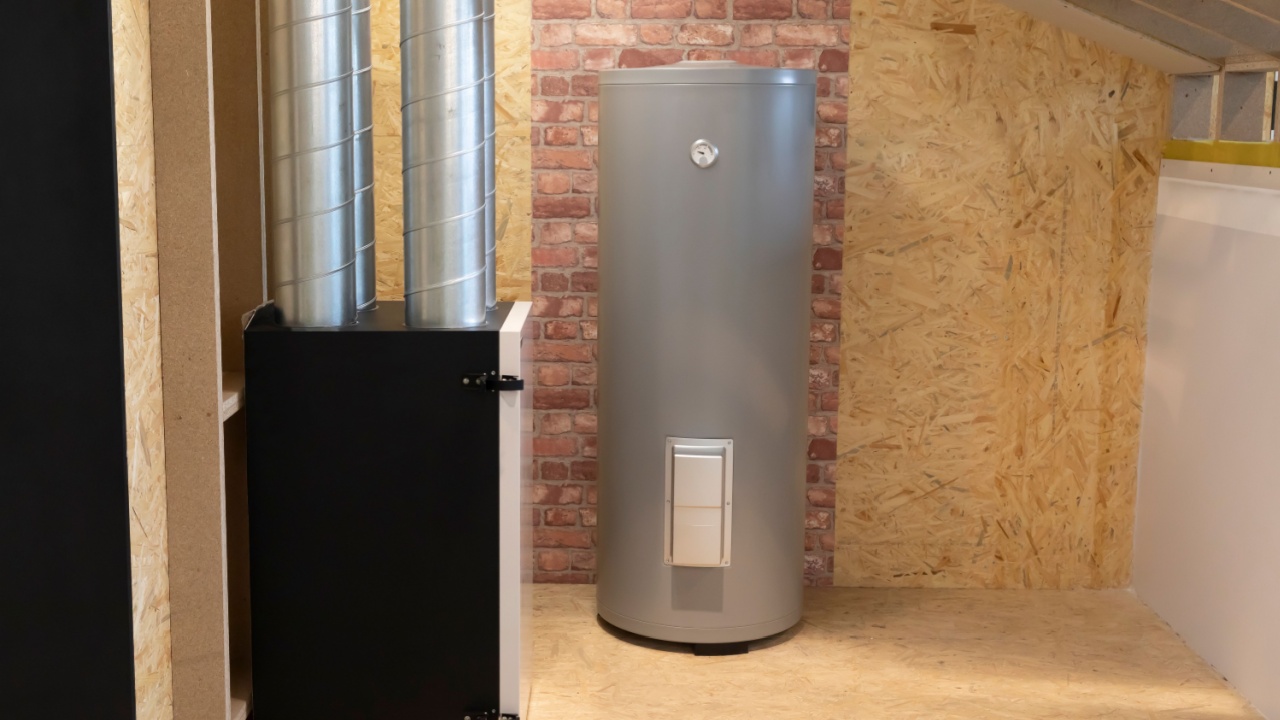
Similar to the furnace, the water heater needs breathing room. People often tuck mops, brooms, or old paint cans in the gap between the heater and the wall. This creates a dust trap and prevents you from seeing small leaks that could indicate the tank is about to fail.
Keep this area empty to allow for proper ventilation and inspection. If you spot a pool of water early, you can save thousands of dollars in flooring repairs. Use wall hooks in a different part of the laundry room to hang your cleaning tools instead.
8. Radiators and Baseboard Heaters
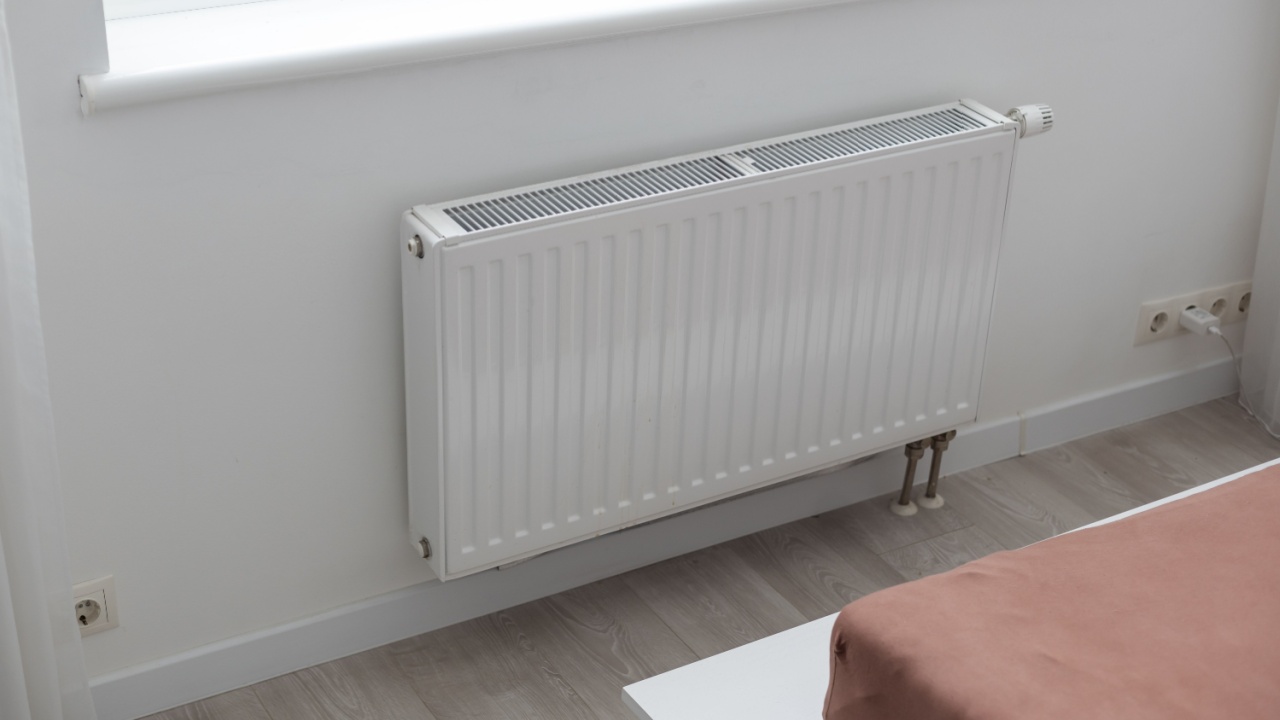
Placing a bookshelf or a sofa directly against a radiator is a common mistake in small apartments. This blocks the heat from circulating into the room, making your heating system inefficient and expensive. Furthermore, the constant direct heat can warp wooden furniture and create a scorching surface that might damage fabrics.
Maintain at least a foot of space between any furniture and your heating elements. This allows the warm air to rise and move throughout the room as intended. If you need more storage, look for “floating” shelves that sit well above the heater rather than resting against it.
9. The Crawlspace

A crawlspace is often a damp, dirt-floored area that is prone to flooding and pests. Storing anything here, especially fabrics or papers, is a recipe for mildew. Most people forget what they put in a crawlspace until they find it covered in a thick layer of white mold years later.
Avoid using this area for anything other than essential house systems like pipes or ductwork. If you are truly desperate for the space, invest in professional encapsulation and a dehumidifier. Without those upgrades, your belongings are safer in a weather-tight plastic shed outdoors.
10. Staircases
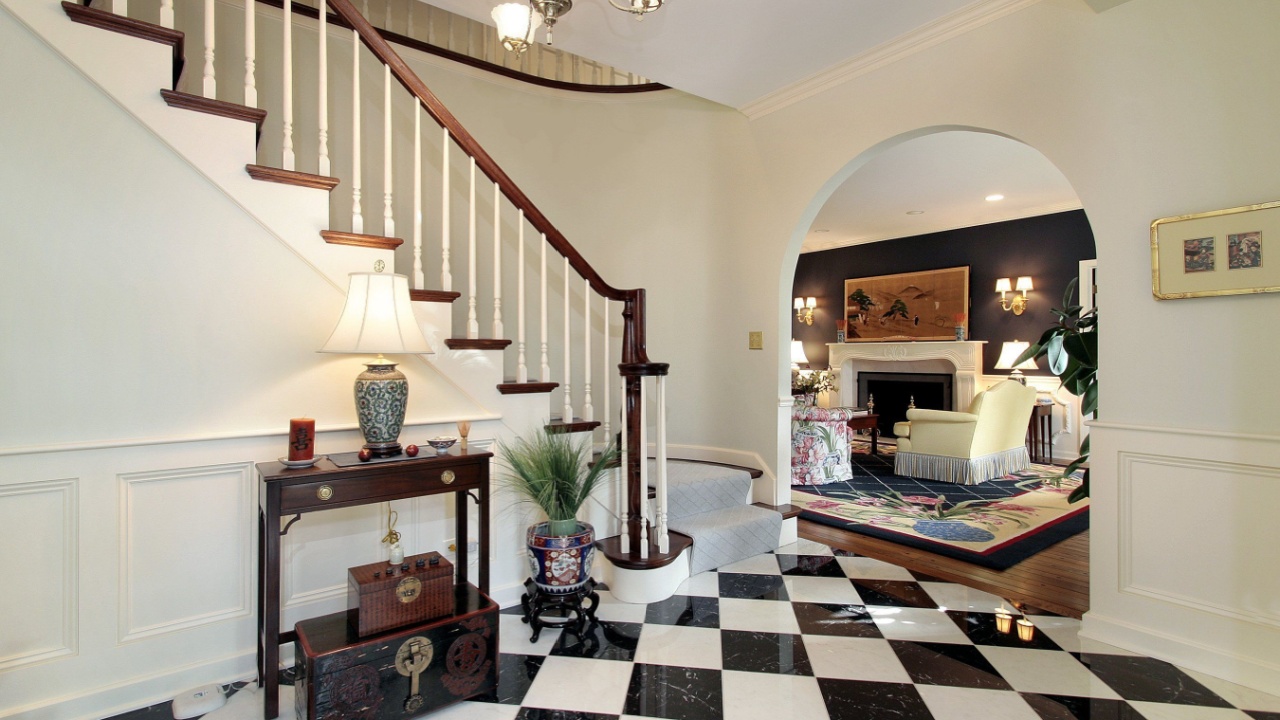
Using stairs as a temporary holding ground for items going up or down is a universal habit. However, even a small pair of shoes or a book on a step creates a significant tripping hazard. Stairwells should always be kept completely clear to allow for safe passage, especially in the dark or during an emergency.
Instead of piling things on the steps, place a decorative basket at the top and bottom of the staircase. This keeps the walkway clear while still providing a place to “stage” items that need to be moved. Once the basket is full, take it to its destination in one trip.
11. Under the Bed (Without Containers)
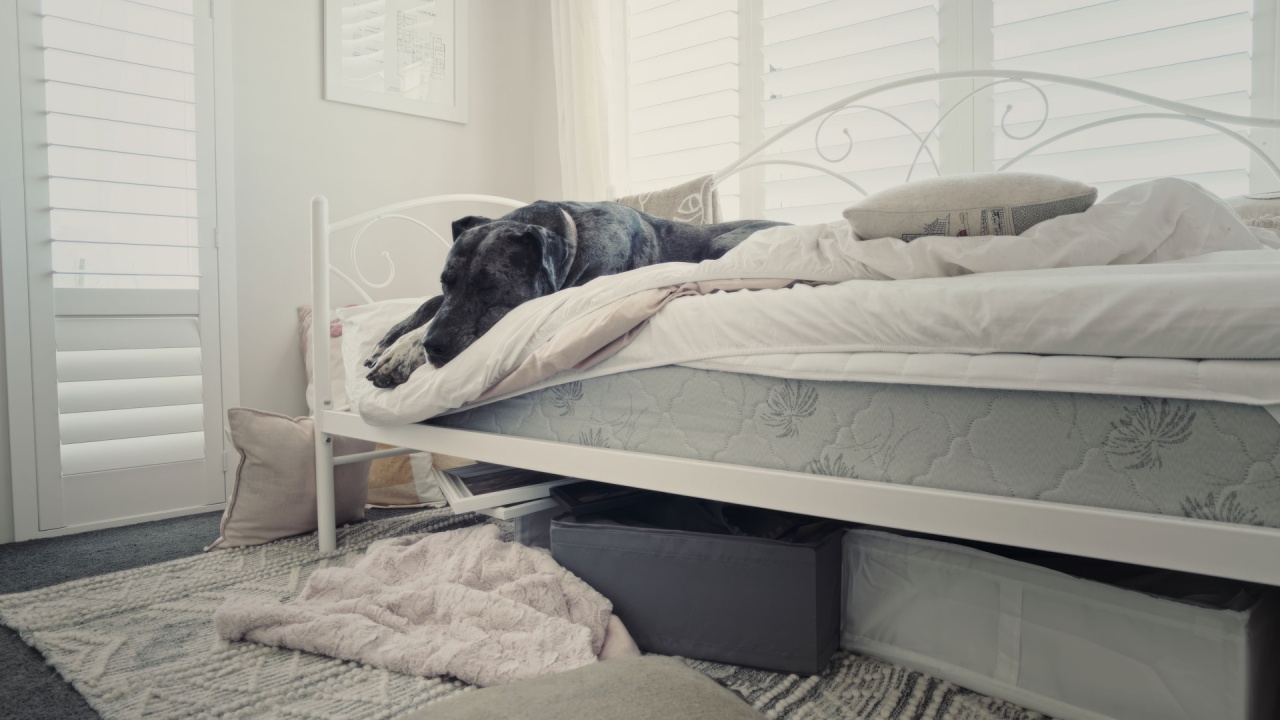
The “out of sight, out of mind” nature of the space under your bed makes it a prime candidate for clutter. When you shove loose items under the bed, they become giant dust collectors that can aggravate allergies. It also makes cleaning the floor nearly impossible, leading to a buildup of debris that can attract bedbugs or moths.
If you utilize this space, use low-profile plastic bins with tight lids. These containers protect your extra linens from dust bunnies and make it easy to slide everything out for vacuuming. Choose transparent bins so you can see the contents without having to open every single one.
12. Unfinished Basements
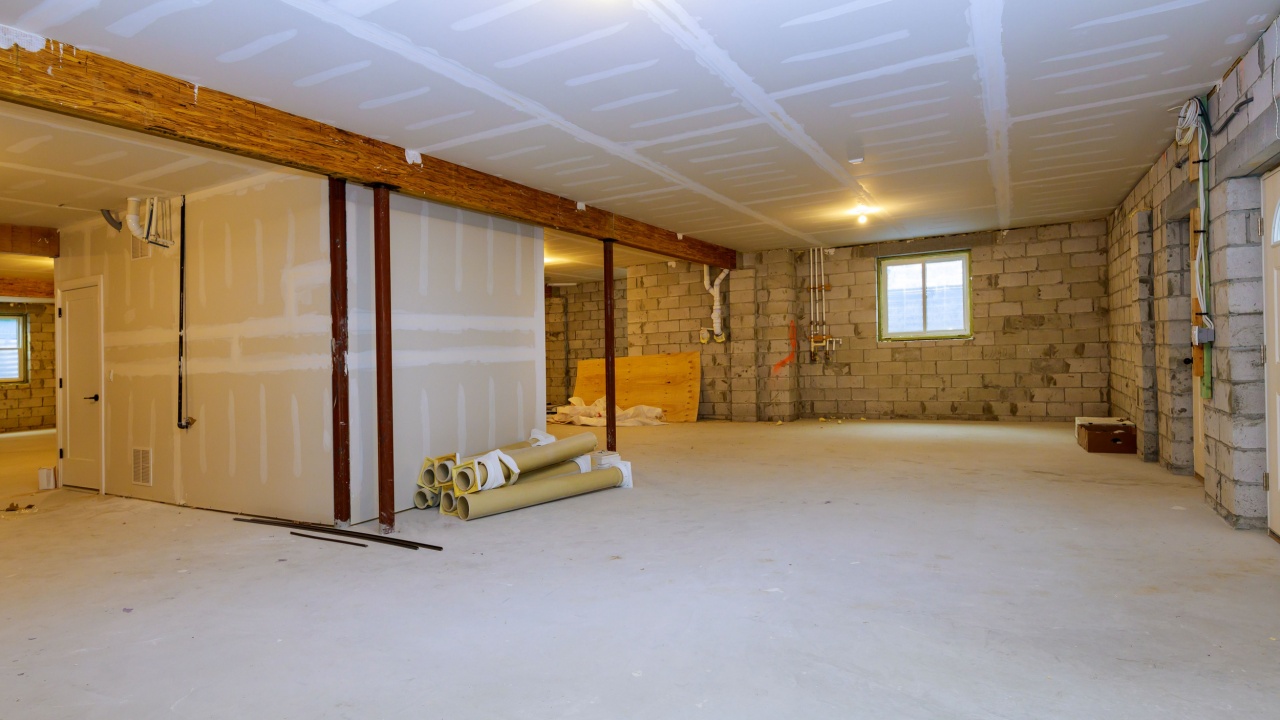
An unfinished basement is essentially a giant sponge for humidity. Storing upholstered furniture or delicate wooden antiques here will result in a musty smell that is almost impossible to remove. Cardboard boxes will eventually soften and collapse as they absorb moisture from the air.
Stick to plastic shelving units and airtight plastic totes for basement storage. Avoid storing anything of high sentimental or monetary value in an area that isn’t climate-controlled. Adding a dehumidifier can help, but it won’t eliminate the risk to sensitive materials.
13. Behind the Door
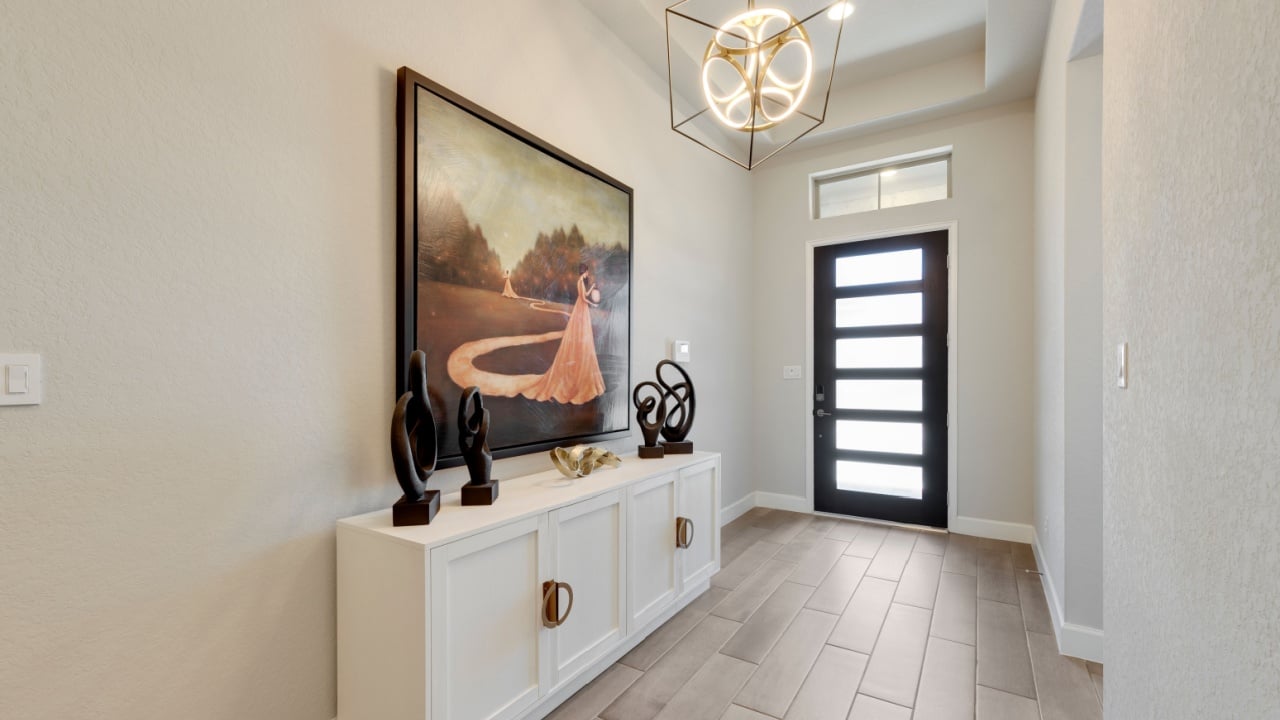
Hooks on the back of a door are fine, but stacking boxes or furniture behind a door prevents it from opening fully. This limits the “swing” of the door and makes a room feel cramped and uninviting. In an emergency, a door that cannot open all the way becomes a dangerous bottleneck.
Ensure every door in your home can swing open at least 90 degrees without hitting an obstacle. If you need more storage in a small room, use vertical wall space that doesn’t interfere with the door’s path. This keeps the room’s flow natural and ensures a quick exit if needed.
14. Near the Oven or Stove
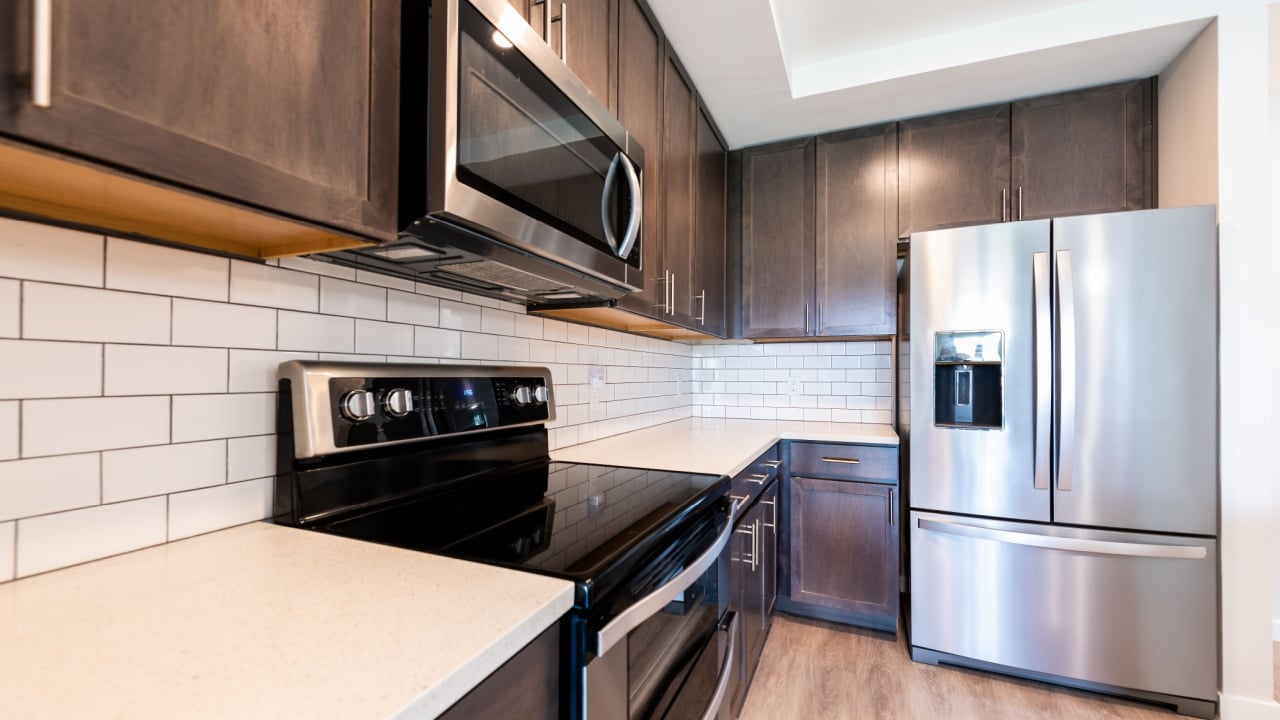
Kitchen cabinets directly above or beside the stove are often filled with spices and oils. The heat and steam from cooking are the enemies of flavor, causing spices to go stale and oils to turn rancid quickly. It also causes flour and sugar to clump or develop pests more easily.
Move your spices to a cool, dark drawer or a pantry away from the stove’s heat. Use the cabinets near the oven for heat-resistant items like baking sheets or ceramic pots. This change keeps your ingredients fresh and helps you get the best results from your cooking efforts.
A Smarter Home Starts With Smarter Storage Choices
Taking the time to evaluate these hidden storage traps protects your home and your health. Moving a few boxes away from a heater or relocating your photos from the attic might take an afternoon, but it prevents long-term damage and keeps your household running smoothly.
Read More: