What to Plant in April (A Zone-by-Zone Guide)
April is the month most home gardeners have been waiting for. Days are getting longer, soil is waking up, and the nursery shelves are stocked with temptation. But what you should plant in April depends entirely on where you live. A gardener in Minnesota and a gardener in Texas are not gardening in the same April.
This guide breaks down exactly what to plant in April, both indoors and outdoors, by USDA Hardiness Zone, so you can stop guessing and start planting the right things at the right time.
First: Know Your Zone and Last Frost Date

Before planting anything, you need two pieces of information: your USDA Hardiness Zone and your average last frost date. These two data points determine nearly every April planting decision you’ll make.
Your zone tells you how cold your winters get. Your last frost date tells you when it’s safe to transition warm-season crops outside. According to Sow True Seed, pairing zone knowledge with local experience and consistent record-keeping is what separates confident gardeners from frustrated ones.
What to Plant in April in Zones 3–4
Zones 3–4 cover the northern tier of the United States, including Minnesota, Wisconsin, the Dakotas, northern Michigan, and much of New England. Last frost dates in these zones typically fall between mid-May and late May, so April is still cold. Frost is not just possible in April here — it is likely.
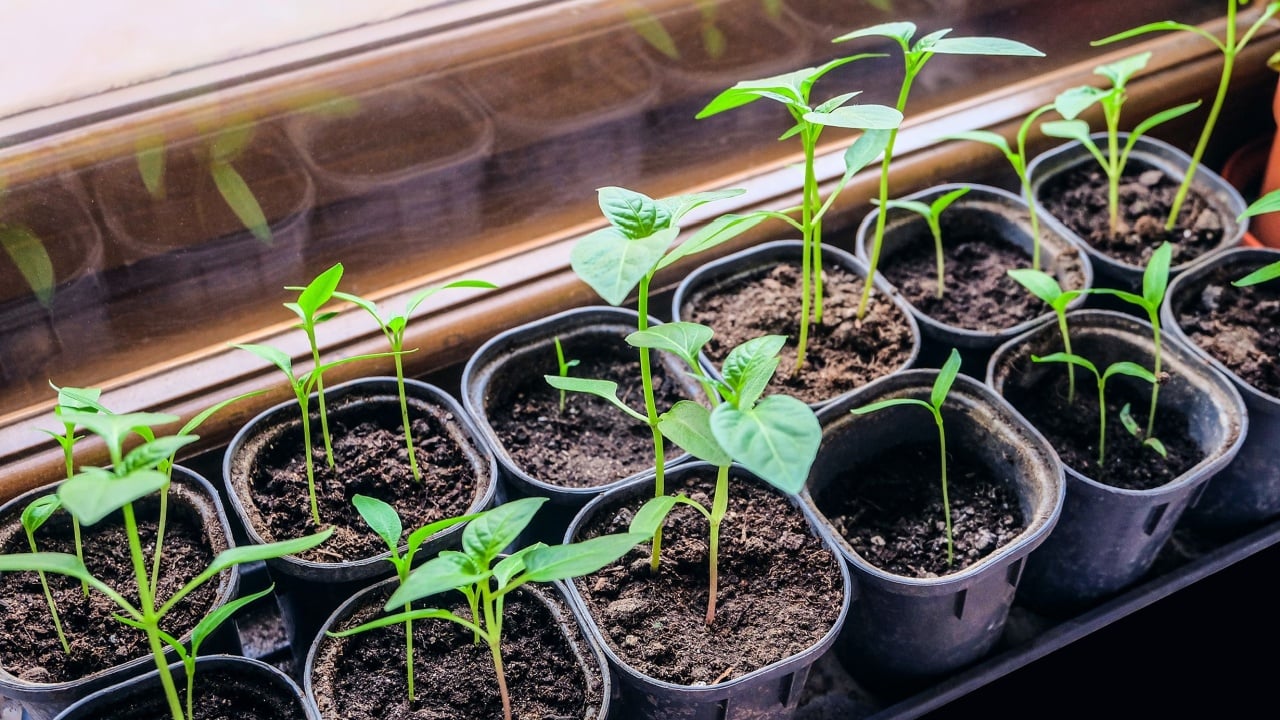
In Zone 4, now is the time to start broccoli, early cabbage, cauliflower, celery, eggplant, and head lettuce indoors if you haven’t already, according to Sow True Seed. Tomato seeds should go in during the third or fourth week of April. Peppers can also be sown from seed indoors now. These crops need 6–10 weeks of indoor growing time before outdoor temperatures are consistently safe.
Elise New at Frugal Farm Wife adds artichoke, asparagus, Brussels sprouts, Chinese cabbage, kale, and tomatillos to the indoor-start list for Zones 3–4. Herbs to start indoors include basil, chives, cilantro, dill, fennel, and thyme.
Some cold-hardy crops can go directly into the ground in April in these zones, even with frost still on the calendar. Asparagus, beets, carrots, chard, kohlrabi, leaf lettuce, mustard, onion sets, parsnips, peas, potatoes, radishes, spinach, and turnips are safe outdoor-sow options once the soil can be worked, according to Sow True Seed.
Peas are the classic early-season performer here: they germinate in soil temperatures as low as 40°F and can handle a light frost. Luke Marion at MIgardener notes that peas are ideal for direct sowing in early spring, well before warm-season crops can even be considered.
What to Plant in April in Zones 5–6
Zones 5–6 cover a broad swath of the Midwest, mid-Atlantic, and lower New England, including Ohio, Indiana, Illinois, Pennsylvania, and parts of the Pacific Northwest. Last frost dates generally fall between mid-April and early May.
For gardeners who haven’t already, now is the time to start eggplant, peppers, and tomatoes indoors in April for Zones 5 and 6. These crops need 6–8 weeks before outdoor transplanting.
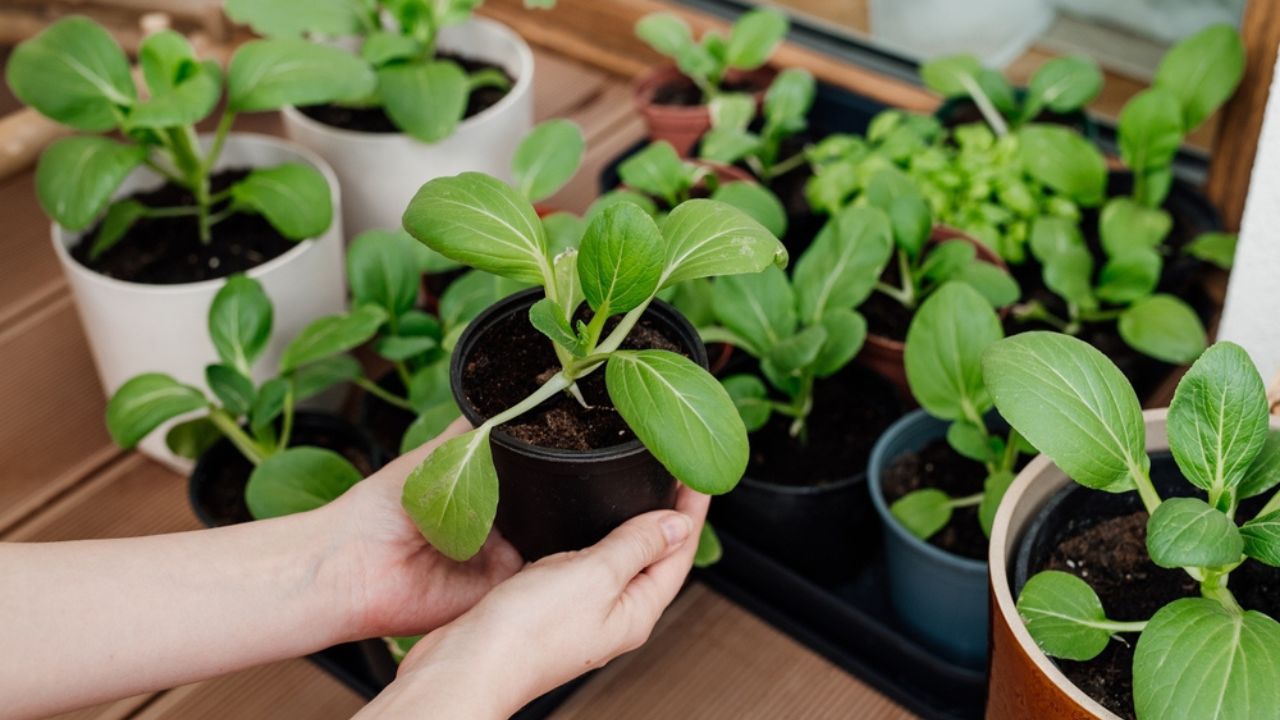
Luke Marion at MIgardener, writing from Michigan (Zone 6b), calls April the prime month for starting fast-growing summer crops indoors: cucumbers, melons, squash, and beans. These are crops that need only 3–5 weeks of indoor growing time — long enough to get a head start, short enough that they won’t become root-bound before they go outside. Marion recommends starting melons and summer squash in their own separate trays, as they tend to overshadow smaller neighboring seedlings.
The outdoor direct-sow list is extensive. Arugula, asparagus, beets, carrots, chard, kohlrabi, kale, leaf lettuce, mustard, onion sets, parsnips, peas, potatoes, radishes, spinach, and turnips are recommended by Sow True Seed. Kellogg Garden also recommends direct sowing collards and leeks in early April in these zones.
What to Plant in April in Zones 7–8
Zones 7–8 include much of the mid-South, the Carolinas, Tennessee, Arkansas, the Pacific Northwest coast, and parts of Virginia. Last frost dates range from late March to mid-April, making April a genuine transition month: cool-season crops are still appropriate early in the month, and warm-season crops become options as the month progresses.
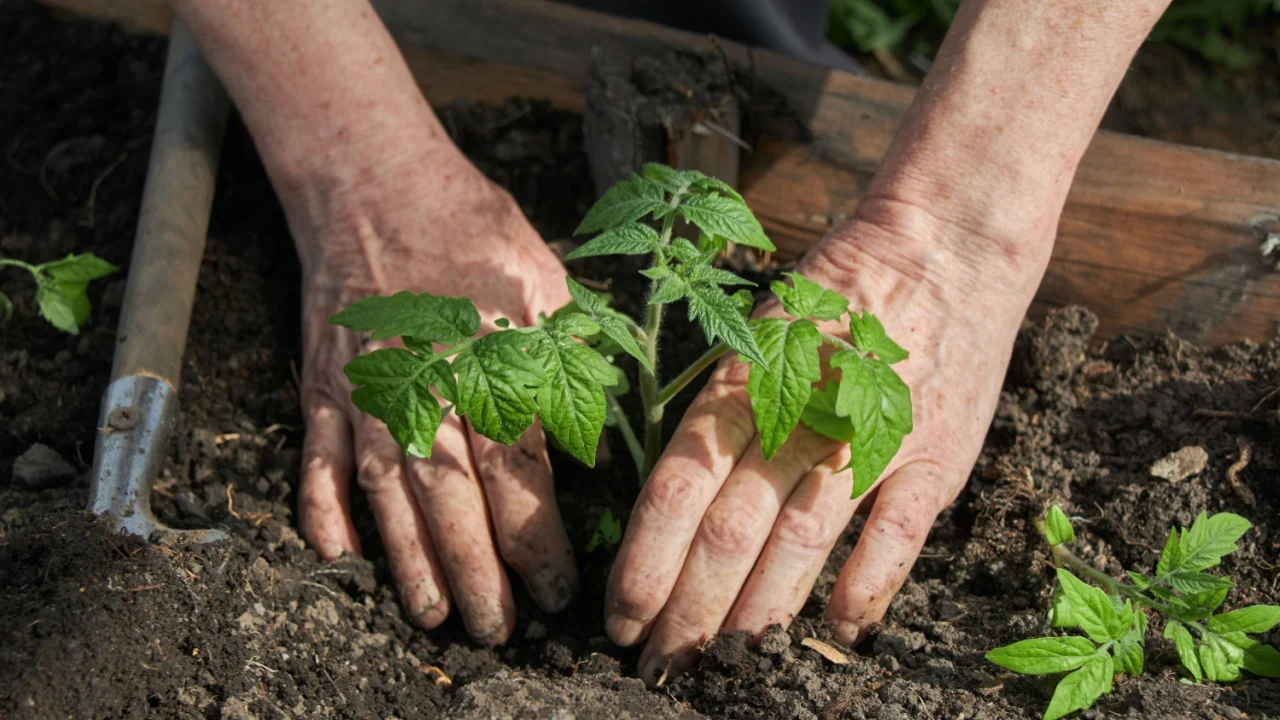
In Zones 7–8, many crops requiring indoor starts can go directly outdoors as transplants in April. This includes tomatoes, peppers, eggplant, artichokes, asparagus, broccoli, Brussels sprouts, cabbage, cauliflower, onions, shallots, scallions, and sweet potatoes, according to Frugal Farm Wife.
Resist the urge to plant warm-season crops early in the month, because the risk of a late frost is still real, and warm April days can be deceptive, writes Sow True Seed. Wait for your confirmed last frost date before transplanting tomatoes and peppers outdoors.
The direct-sow list for Zones 7–8 is expansive. Beans, beets, carrots, cantaloupe, collards, corn, cowpeas, cucumbers, kale, kohlrabi, leeks, lettuce, melons, mustard, okra, parsnips, peas, potatoes, radishes, rutabaga, spinach, squash, Swiss chard, and turnips can all be direct sown now.
Zone 8 gardeners can sow even more, including beginning to sow sweet corn, cucumbers, summer squash, and bush beans at mid-month, once soil temperatures are reliably above 60°F. Swanson’s Nursery, writing for Pacific Northwest Zone 8 gardeners, confirms that all cool-season vegetables are appropriate for direct outdoor planting now, including radishes, lettuce, kale, strawberries, broccoli, and beets if you haven’t already.
What to Plant in April in Zones 9–10
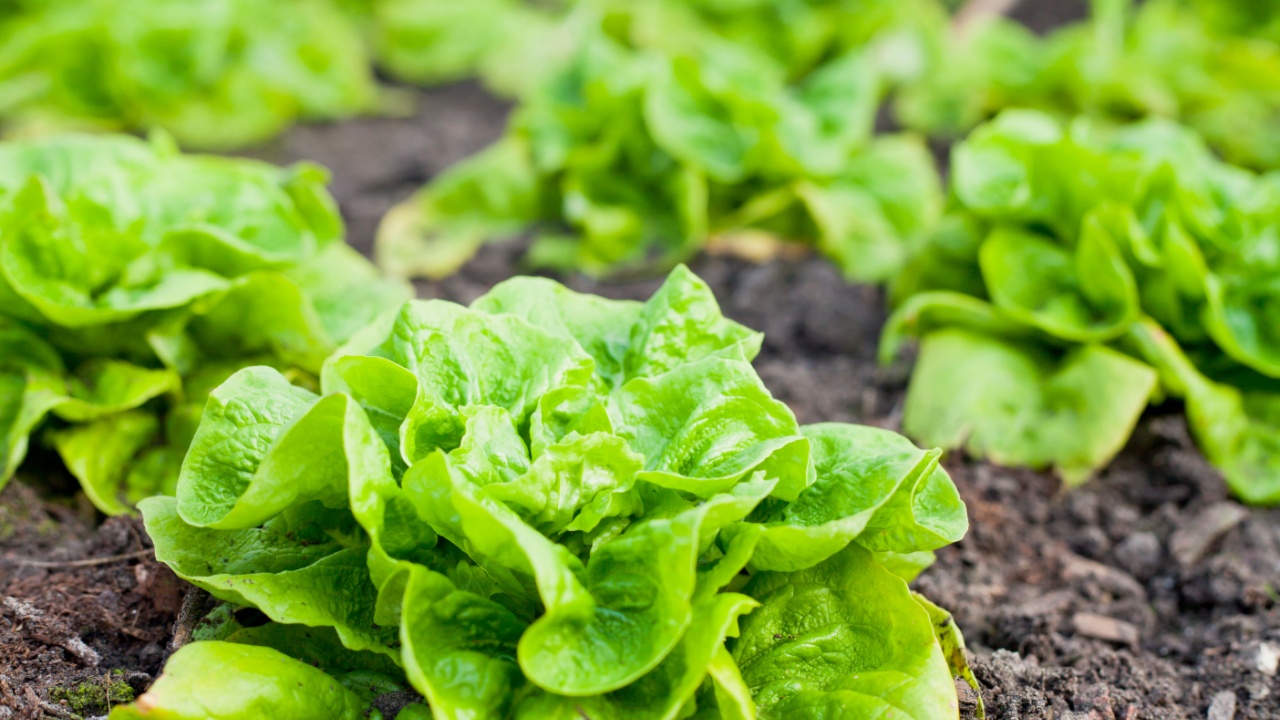
Zones 9–10 cover Southern California, the Gulf Coast, Florida, Arizona, and parts of Texas. In these zones, April is not the beginning of the gardening season — it’s the pivot point toward summer heat, and timing becomes critical.
Gardening Know How describes April in Zone 9 as “the prime month for gardening in this mild hardiness zone.” All chance of frost is gone by early April, and the focus shifts entirely to warm-season crops.
Now is the time to direct sow beans, beets, corn, cucumbers, heat-tolerant leafy greens, melons, okra, peas, peppers, squash, and sweet potatoes outdoors, according to Gardening Know How. Tomatoes, peppers, and eggplant can be transplanted outdoors now if not already in the ground.
Sow True Seed notes that in Zone 10, beans, Chinese cabbage, Southern peas, and sweet potatoes can still be planted in April, with consistent mulching and irrigation key to managing rising heat. Frugal Farm Wife adds cantaloupe, corn, cowpeas, cucumbers, okra, pumpkins, squash, watermelon, and zucchini to the direct-sow list for Zone 9–10 gardeners.
An important note for warm-climate gardeners: April is actually the month to heat-proof the garden in Zone 7 and warmer, according to Nicole Burke at the Gardenary. Cool-season crops like spinach and standard lettuce are nearing the end of their window. Prioritize heat-tolerant greens, like arugula, mizuna, and mustard, and summer staples like sweet potatoes, okra, and heat-tolerant basil.
One Consistent Rule Across Every Zone
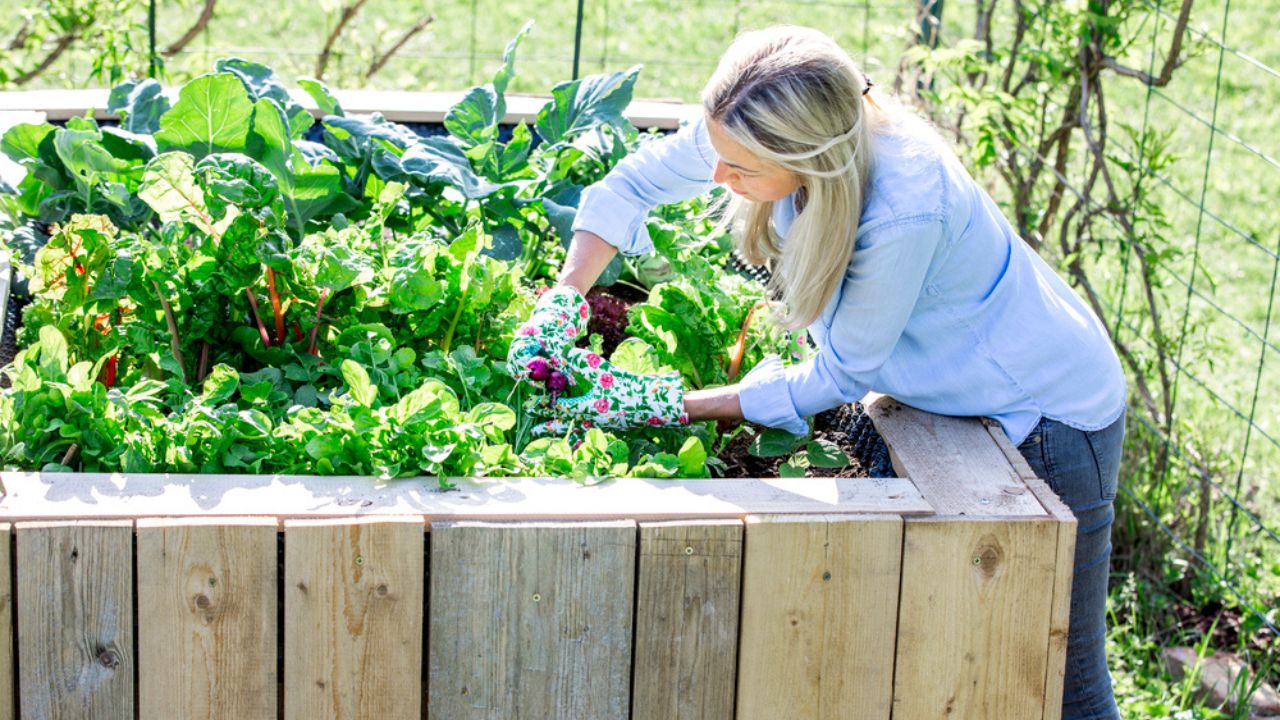
Whether you garden in Minnesota or Miami, one principle holds: soil temperature matters more than the calendar date. Costa Farms recommends the barefoot test as a practical guide — if the soil is comfortable to walk on barefoot, it’s warm enough for most warm-season crops (around 60°F). If it’s cold enough to make you flinch, warm-season plants aren’t ready to go in, regardless of the date.
As Tenth Acre Farm puts it, weather dictates gardening actions more reliably than any calendar. April rewards the gardener who plants the right things at the right time, not the one who plants the most things the fastest. Know your zone, check your soil temperature, and the rest follows naturally.
Read More
Plant these 10 companion plants with your tomatoes — and stop planting these 4
13 Plants That Grow Better (and Faster) Hydroponically — and Why March Is the Perfect Time to Start