15 Plants Worth Adding to Your Garden Just for Their Heavenly Smells
Step inside a garden where every breath feels like a luxury. Most people obsess over color palettes and bloom times, but focusing on scent turns a regular yard into a full sensory retreat. A few well-placed aromatic plants can change the way you use your outdoor space, making a random Tuesday evening feel like a luxury getaway.
We pulled together these top picks by looking at garden favorites famous for their heavy-hitting oils and reliable growth. Our research relies on horticultural data that prioritizes plants offering a steady fragrance rather than a faint, blink-and-you-miss-it smell. By mixing varieties that peak at different times, you can keep your garden smelling incredible from your first morning coffee until the stars show up.
This list covers everything from hardy shrubs to delicate vines that work in a range of climates. Each entry explains why these specific plants earned their spot and how to get the most scent out of them.
1. Gardenia
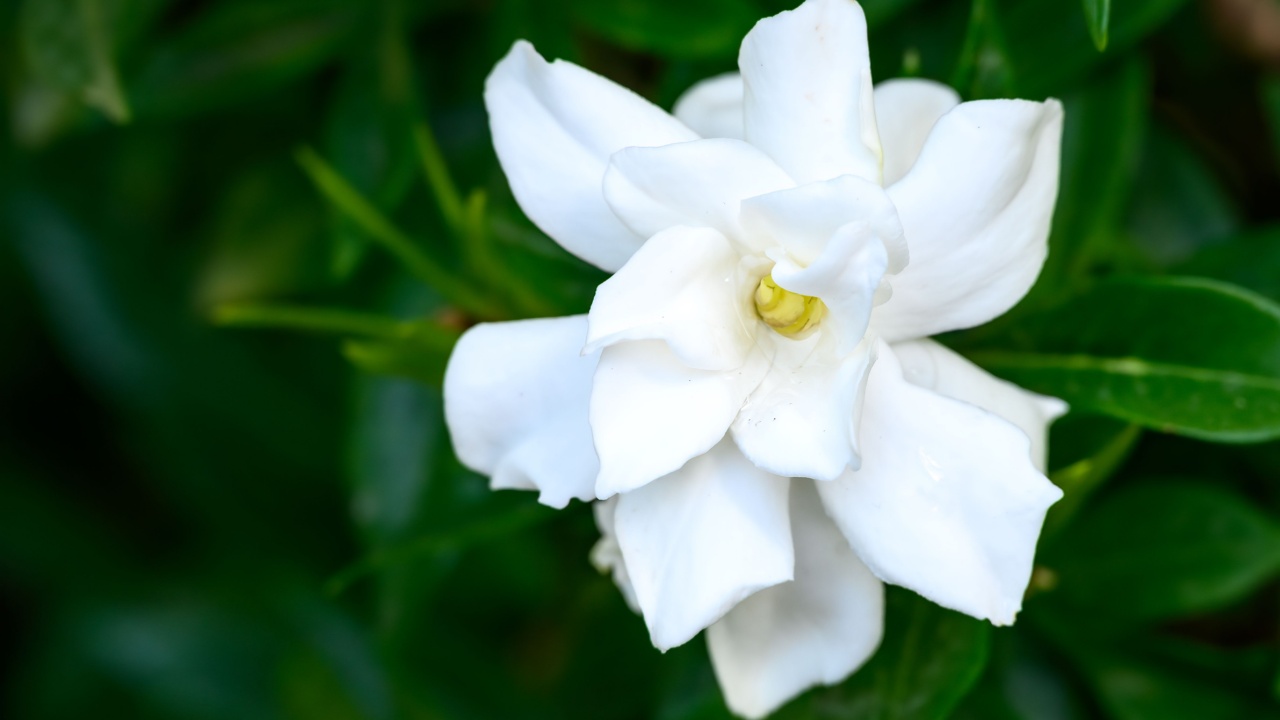
These creamy white blossoms are the gold standard for floral perfumes. Gardenias produce a heavy, waxy scent that carries easily on a warm breeze, making them a favorite for planting near windows or seating areas. They thrive in humid environments and prefer acidic soil, rewarding a little extra attention with a scent that is both sophisticated and powerful.
To get the most out of your gardenia, ensure it has plenty of organic matter and consistent moisture. Since these plants are sensitive to root disturbance, choose a permanent spot where they can grow undisturbed for years. If you live in a cooler climate, consider a container-grown variety that you can move indoors when temperatures drop.
2. Jasmine
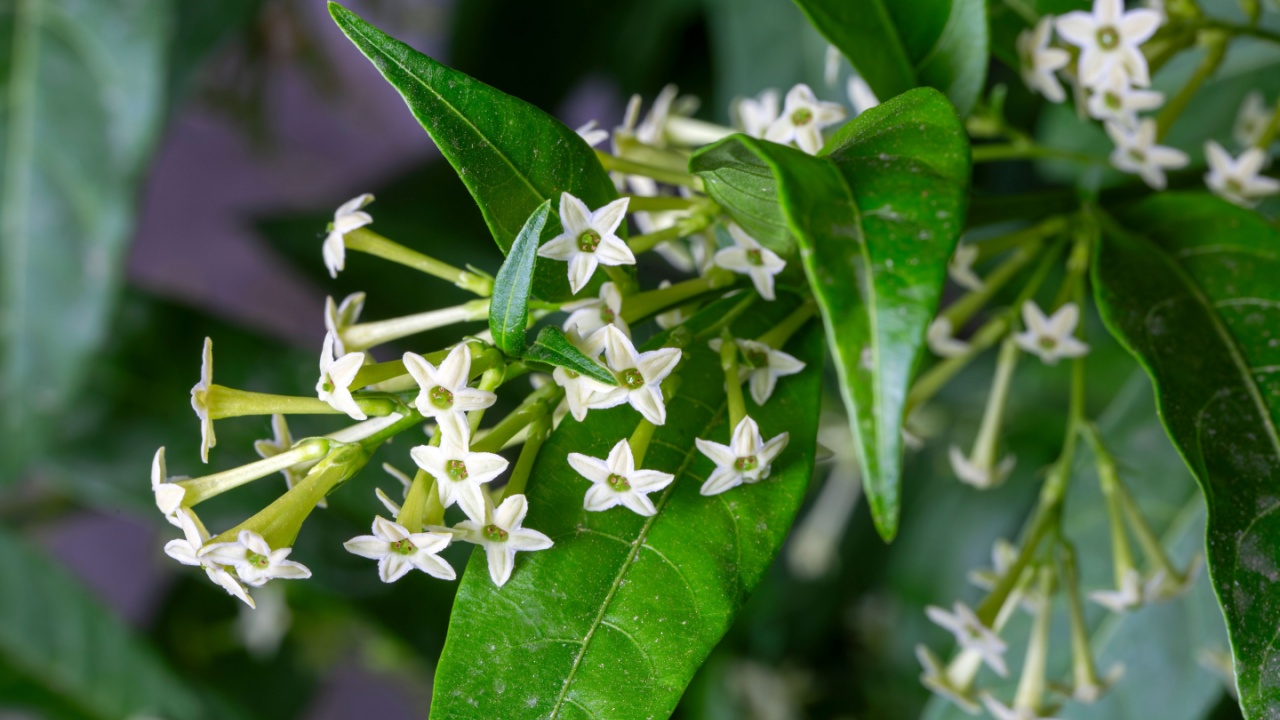
Jasmine is a vigorous climber that can quickly cover a fence or trellis with star-shaped flowers. The fragrance is most intense during the evening hours, which makes it an ideal companion for a patio or balcony used for nighttime relaxation. Its sweet, exotic aroma is a staple in the perfume industry for a reason (truly unmistakable).
Plant jasmine in a sunny spot to encourage the most prolific blooming. You can prune it after the main flowering flush to keep it tidy and promote new growth for the next season. Because it grows so quickly, it serves as a natural screen that provides both privacy and a constant stream of perfume.
3. Lavender
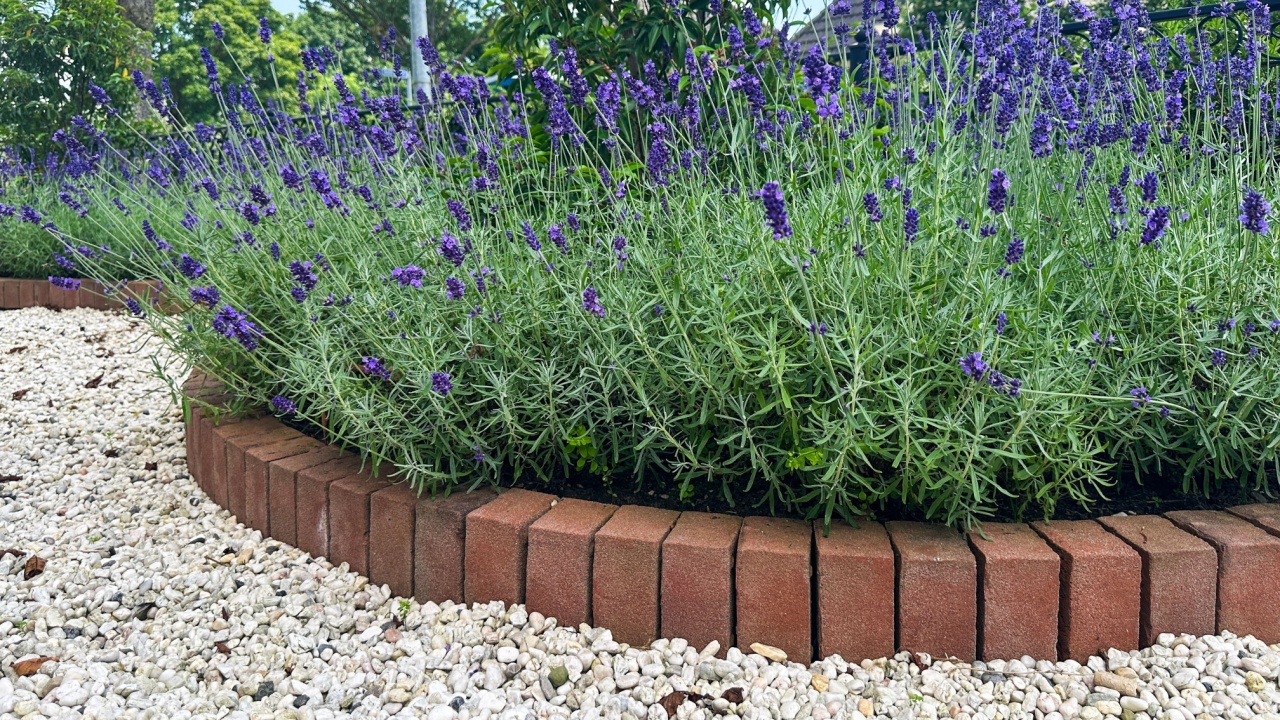
Lavender is famous for its calming properties and silvery-green foliage. It loves full sun and well-drained, sandy soil, making it a rugged choice for dry landscapes or rock gardens. Beyond the purple spikes of flowers, the entire plant is aromatic, releasing its herbal scent whenever you brush against the leaves.
Place lavender along walkways where your clothes or hands will naturally touch the plants as you pass. This frequent contact releases the oils and keeps the air around your path smelling fresh. After the flowers fade, you can harvest the stems to dry for indoor sachets or culinary use.
4. Rose
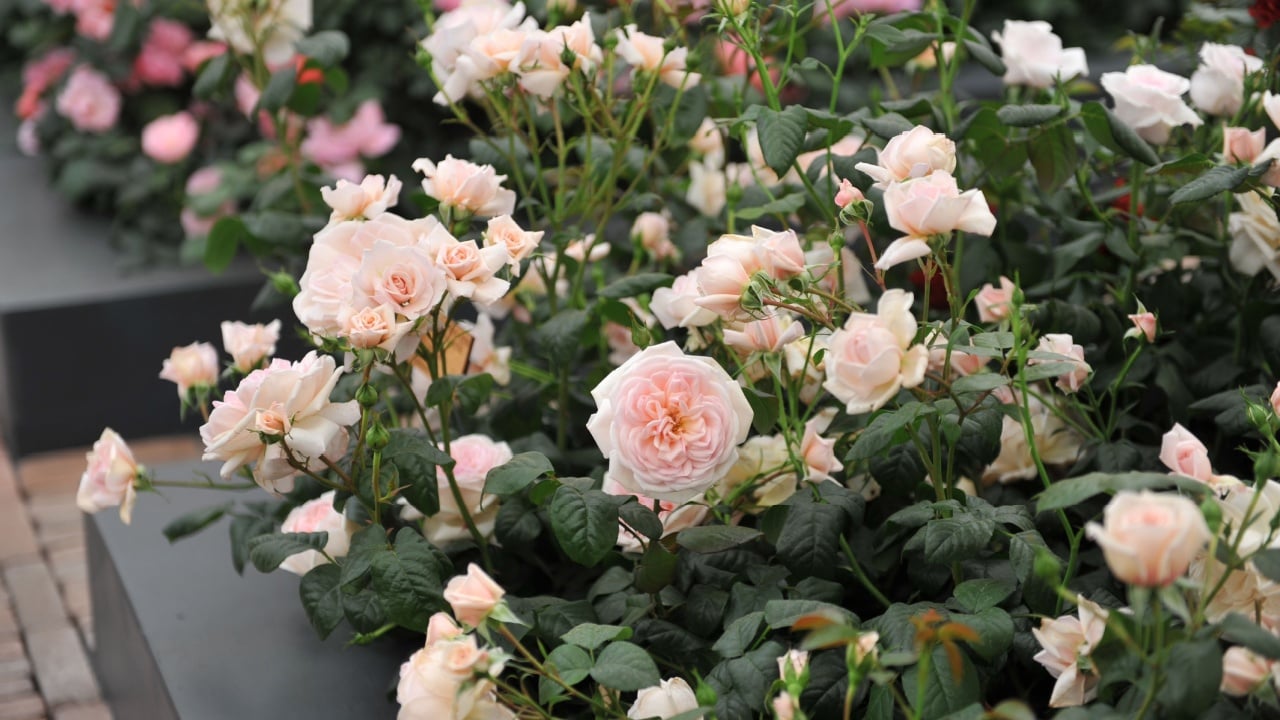
No fragrant garden is complete without at least one rose bush. While wide modern varieties are bred for looks, classic scented roses offer a range of aromas from citrus and honey to deep musk. They are resilient plants that, once established, provide a reliable source of beauty and scent from spring through autumn.
Check the labels specifically for fragrance ratings before you buy, as some showy roses have very little smell. Planting them in a spot with good air circulation helps prevent common issues like mildew and black spot. Regular deadheading will encourage the plant to produce more blooms and keep the scent coming all summer.
5. Honeysuckle
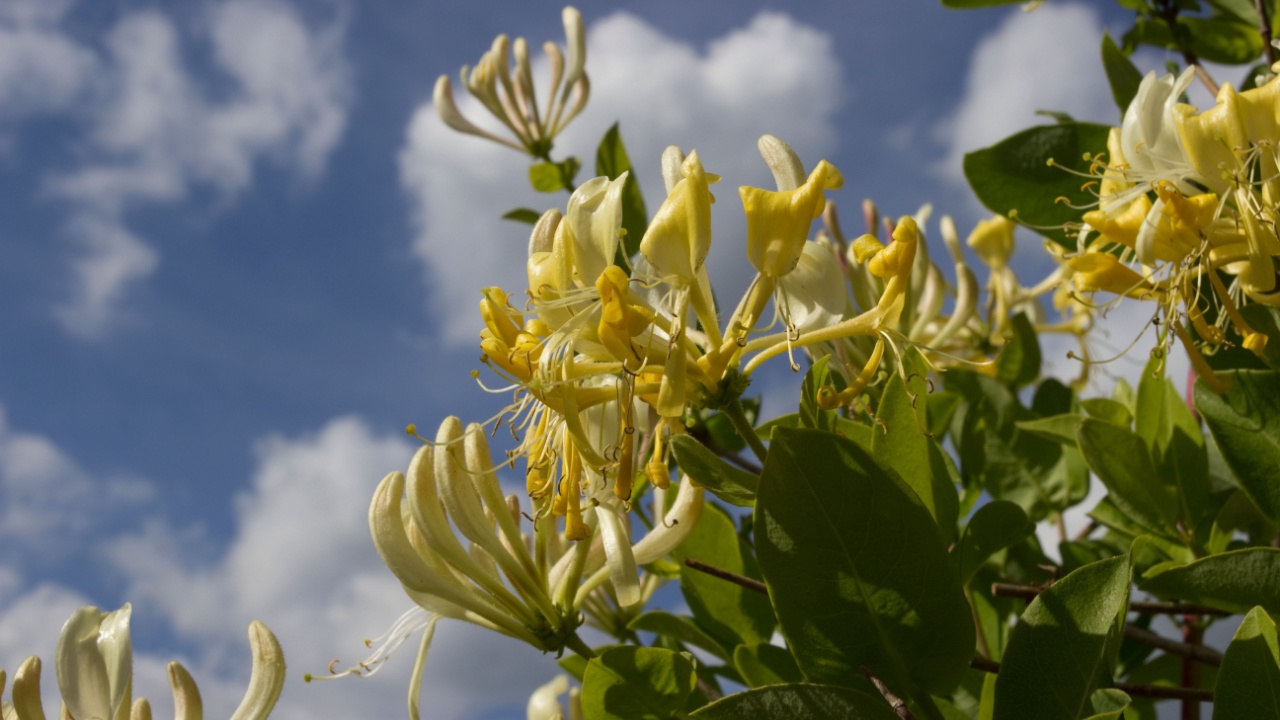
Honeysuckle is a nostalgic favorite that produces tubular flowers dripping with sweet nectar. It is a hardy vine that can tolerate some shade, though it flowers most heavily in the sun. The scent is particularly strong at dusk, drawing in pollinators and filling the air with a honey-like aroma.
Choose a non-invasive variety to keep your garden manageable and eco-friendly. It is a great option for covering an unsightly chain-link fence or a sturdy arbor. Because it is a fast grower, you will want to give it a solid support system to climb as it matures.
6. Lilac

Lilacs are the heralds of spring, offering dense clusters of flowers with a scent that defines the season. These deciduous shrubs are incredibly long-lived, often surviving for decades with minimal care. They prefer neutral to slightly alkaline soil and plenty of sunshine to produce their signature blooms.
If you have a smaller yard, look for dwarf varieties that provide the same punch of fragrance without taking up too much space. Pruning should be done immediately after the flowers fade to ensure you don’t cut off next year’s buds. They make excellent cut flowers, allowing you to bring a bit of the garden’s perfume into your home.
7. Sweet Alyssum
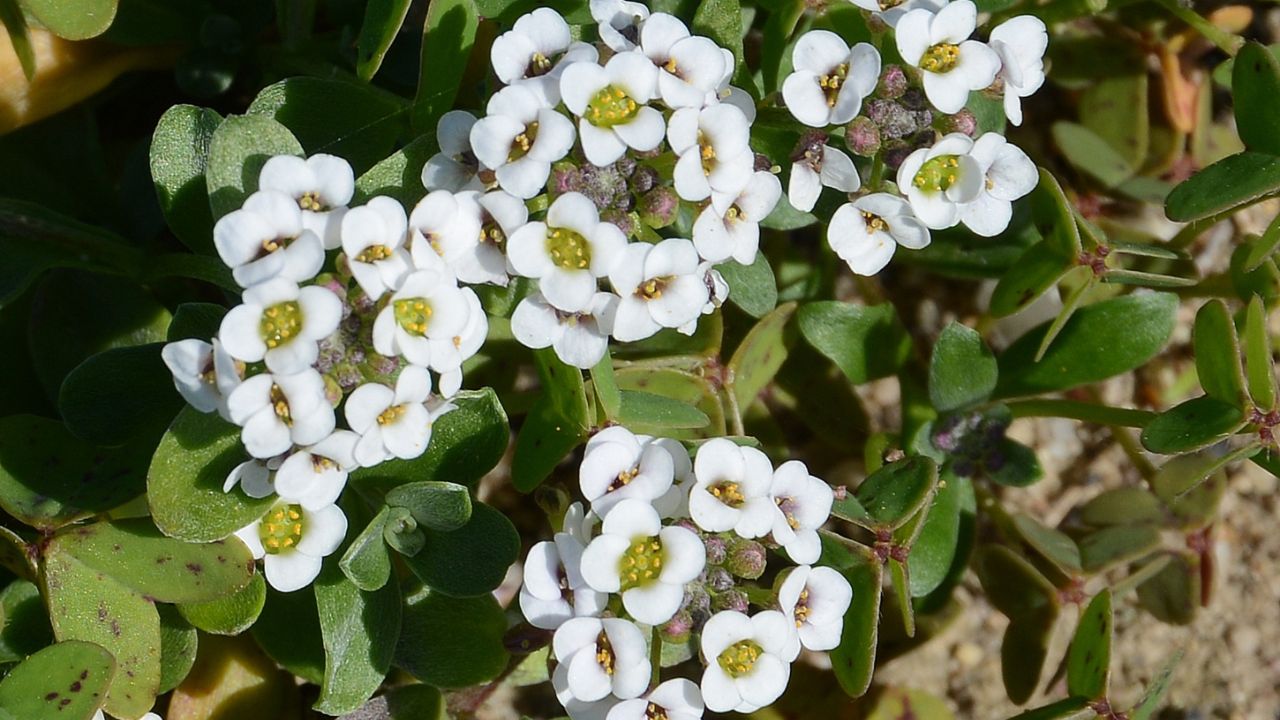
This low-growing annual acts as a living carpet of tiny flowers that smell like warm honey. It is an excellent choice for filling gaps between paving stones or spilling over the edges of containers. Despite its delicate appearance, it is quite hardy and can bloom from spring until the first frost.
Sweet alyssum is a magnet for beneficial insects, helping to keep your garden ecosystem healthy. If the plants start to look leggy in the heat of midsummer, give them a quick trim to stimulate a fresh round of growth. They self-seed easily, so you might see them popping up again next year without any extra effort.
8. Hyacinth
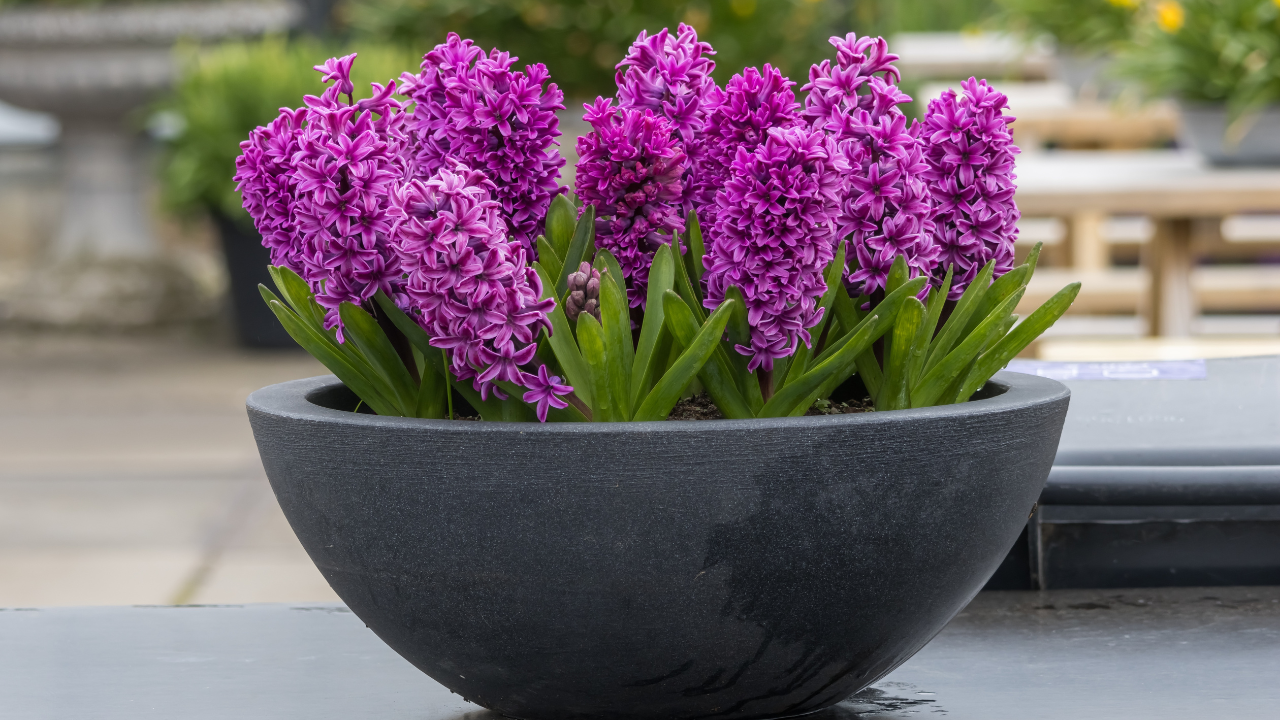
Hyacinths are bulb plants that provide a massive burst of fragrance early in the year. Their upright spikes of bell-shaped flowers come in a wide array of colors, each carrying a potent, sweet scent. They are often used in “forcing” to bring early spring color and aroma indoors during the winter.
Plant the bulbs in the fall in a spot where you will be able to enjoy them in March or April. They work well when massed together in beds or tucked into the front of a border where their shorter height won’t be hidden. After they finish blooming, let the foliage die back naturally to store energy for the following year.
9. Mock Orange
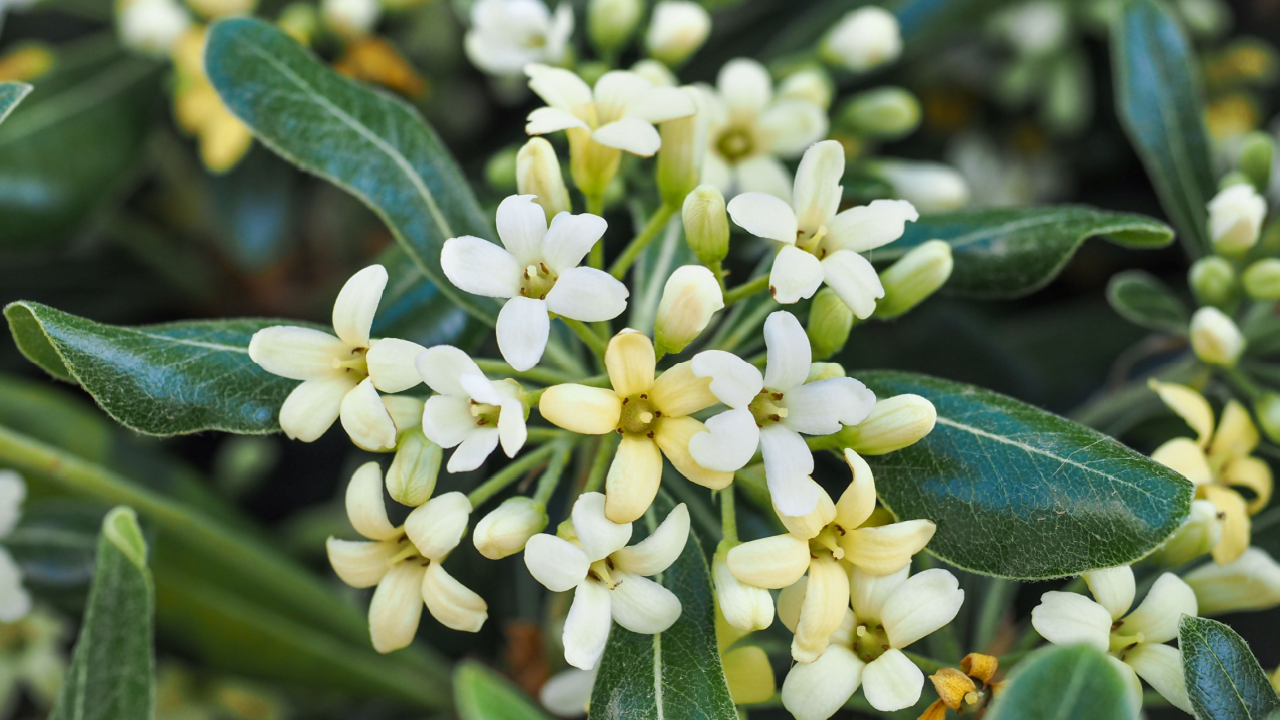
The mock orange shrub gets its name from its white flowers that smell remarkably like citrus blossoms. It is a traditional garden staple that blooms in late spring or early summer. The scent is clean and refreshing, providing a nice contrast to the heavier floral smells of other plants.
This shrub is easy to grow and adapts well to various soil types as long as they are well-drained. It can reach a significant size, so it works well as a background plant or a flowering hedge. A bit of thinning out of the older branches every few years will keep the plant vigorous and flowering well.
10. Peony
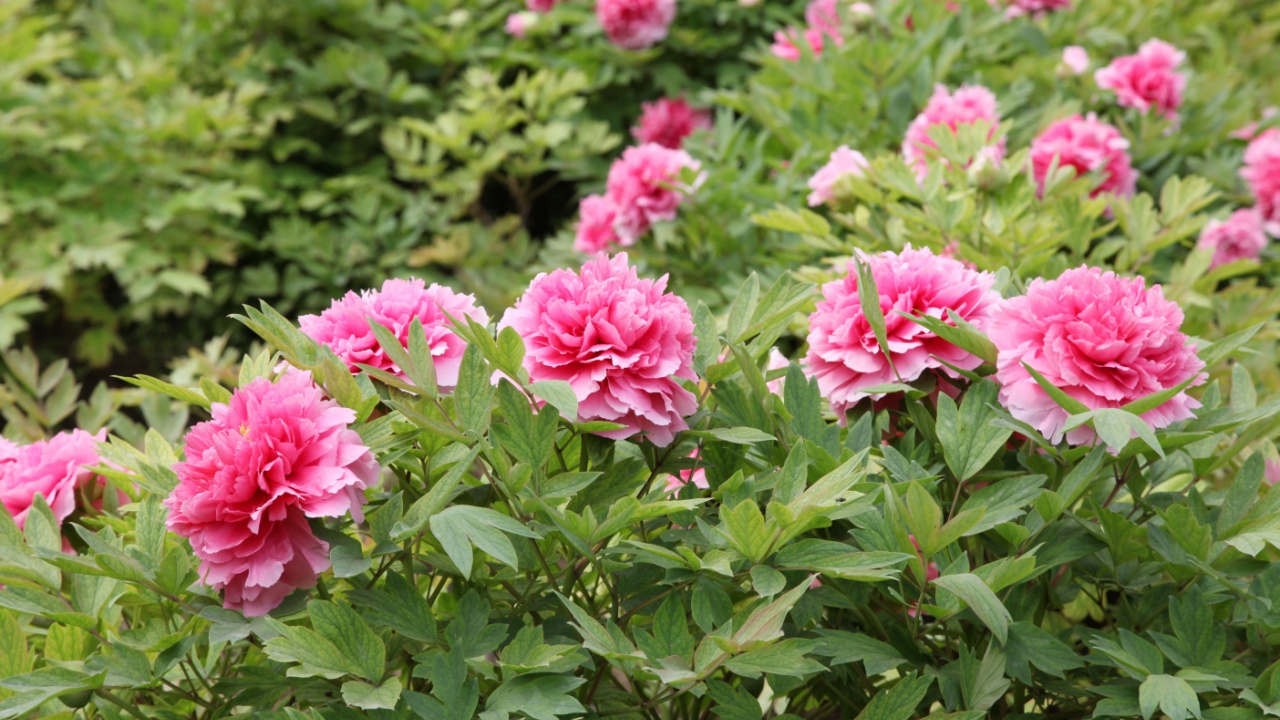
Peonies are prized for their massive, ruffled blooms and their heavenly, rose-like fragrance. They are perennials that return year after year, becoming more productive as they age. While their blooming window is relatively short, the sheer intensity of their scent and beauty make them a must-have.
Support the heavy flower heads with stakes or cages to prevent them from flopping over after a rainstorm. They prefer a spot with full sun and rich, well-drained soil. Once they are finished blooming, their deep green foliage remains an attractive backdrop for other plants throughout the summer.
11. Scented Geranium

Unlike common geraniums, these varieties are grown specifically for their fragrant leaves. Depending on the variety, the foliage can smell like lemon, peppermint, chocolate, or even nutmeg when touched. They are typically grown as annuals or kept in pots that can be moved indoors for the winter.
Place these in containers on a porch or near a doorway where guests are likely to rub the leaves as they walk by. The scent is held in tiny glands on the leaf surface and is released with the slightest friction. They are low-maintenance plants that thrive with regular watering and plenty of light.
12. Heliotrope
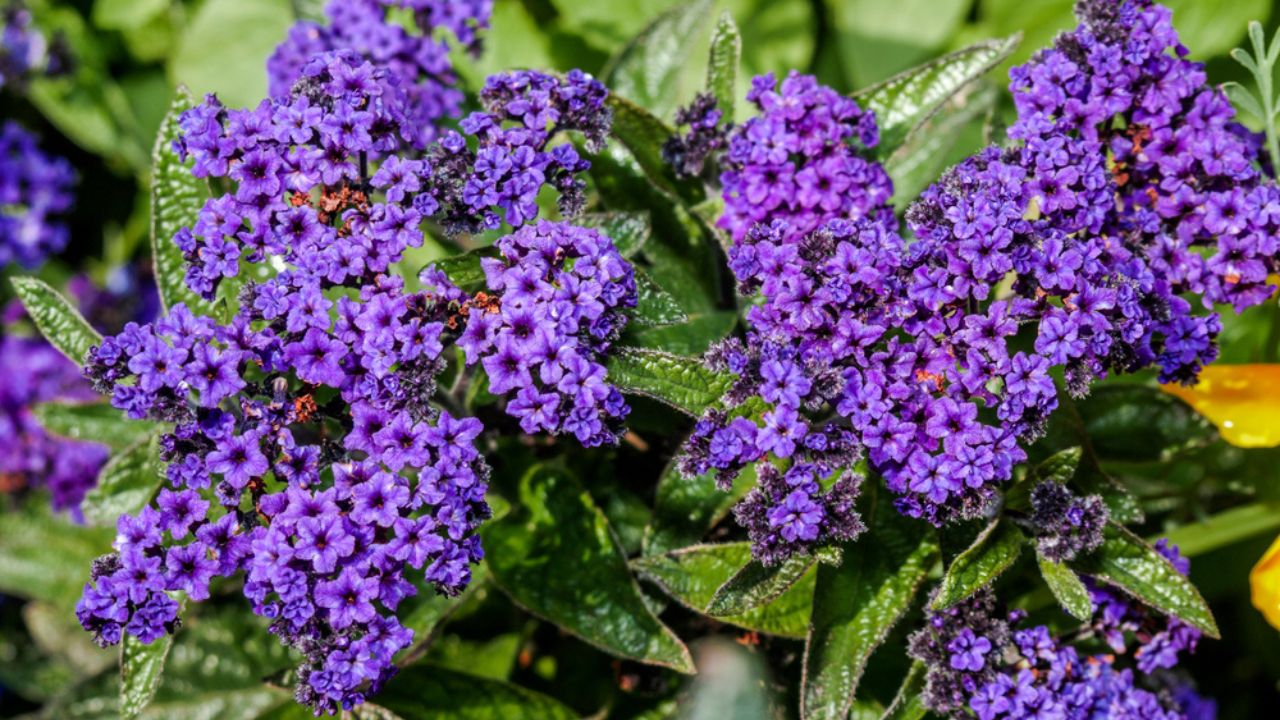
Heliotrope is often called the “cherry pie plant” because its clusters of purple flowers smell like vanilla and cooked fruit. It is a tender perennial usually grown as an annual in most climates. It performs best in full sun and provides a unique, sweet scent that stands out from more traditional floral aromas.
Use heliotrope in mixed containers or at the front of a garden bed where its fragrance can be easily appreciated. It needs consistent moisture to stay healthy and continue blooming throughout the summer. The deep violet color of the flowers also provides a beautiful visual anchor for lighter-colored plants.
13. Tuberose
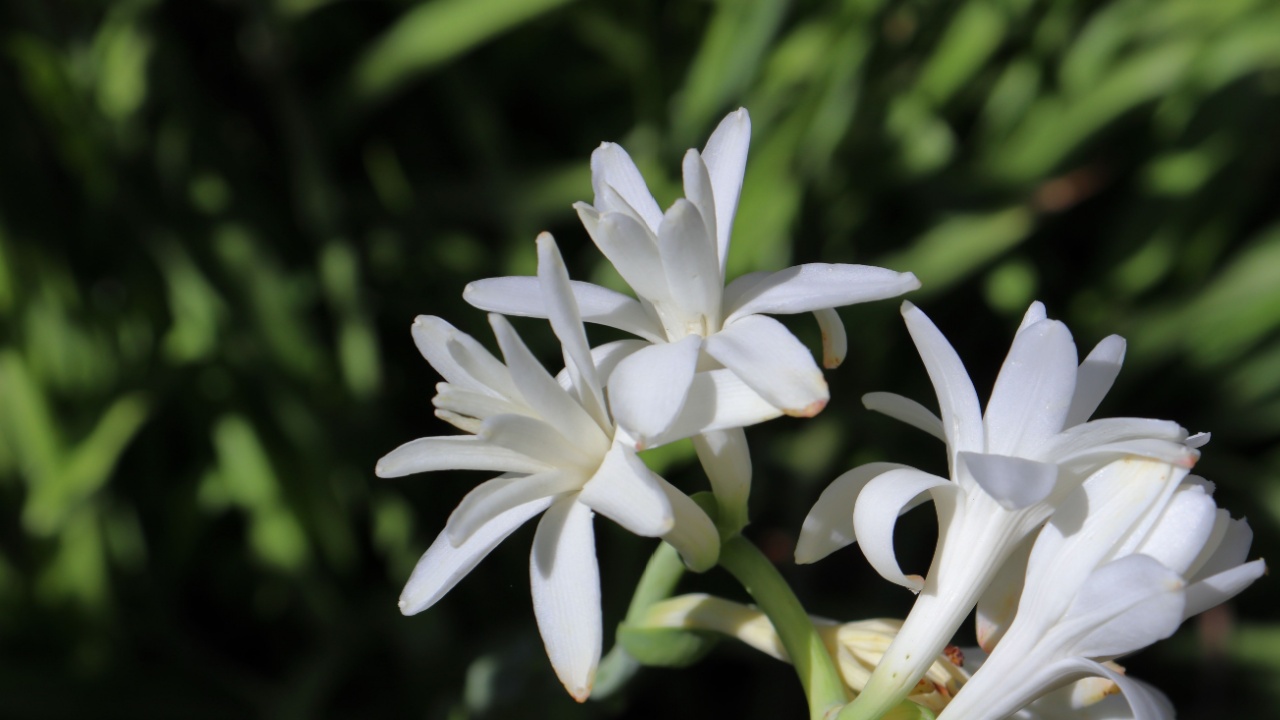
Tuberose is a tropical bulb that produces tall spikes of waxy white flowers with an incredibly heavy, sweet scent. It is one of the most fragrant plants in the world, often used as a base note in high-end perfumes. It blooms in late summer, providing a scent boost when many other spring flowers have faded.
In colder regions, you will need to dig up the bulbs in the fall and store them in a dry, frost-free place until spring. They love heat and sun, so give them the warmest spot in your garden to ensure they bloom. The flowers are long-lasting and make a dramatic addition to any vase.
14. Dianthus
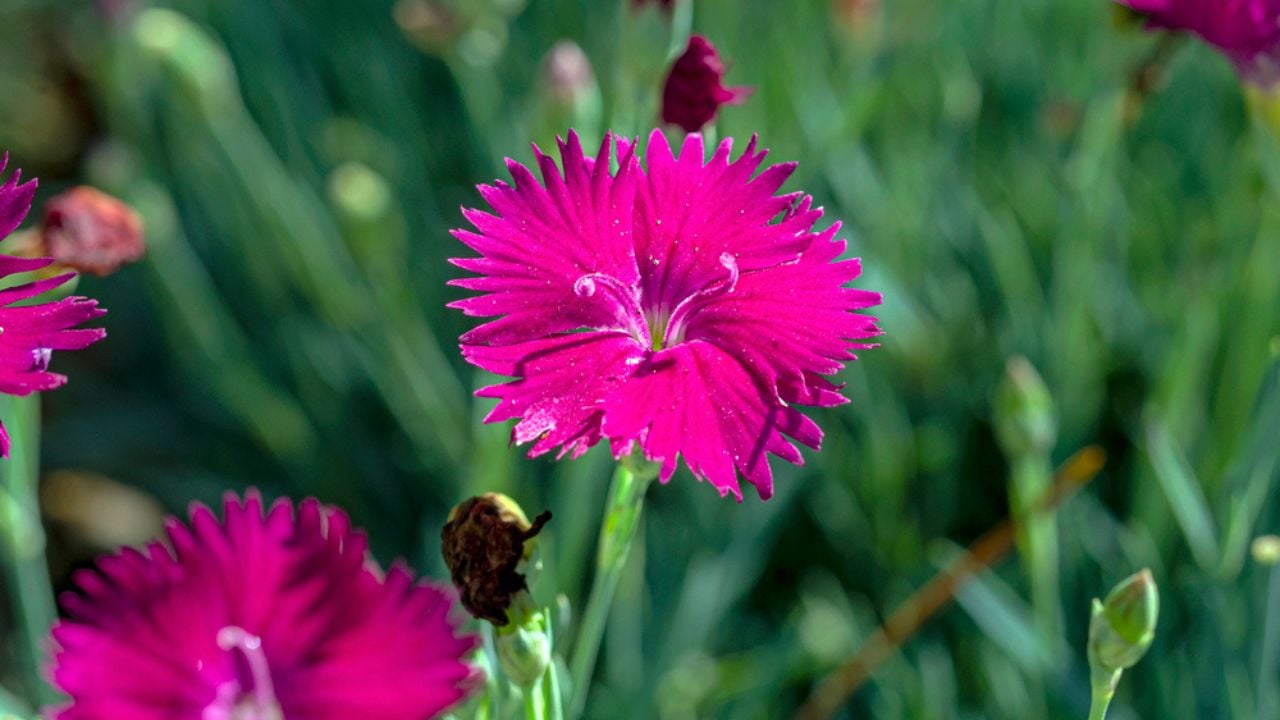
Often called “pinks,” these flowers are famous for a spicy fragrance that mimics cloves. They have fringed petals and blue-green foliage that stays attractive even when the plant isn’t in bloom. They are low-maintenance perennials that work perfectly in rock gardens or at the edge of a bed.
Plant dianthus in a spot with plenty of sun and avoid overwatering, as they prefer drier conditions. Deadheading the spent flowers will encourage a second flush of blooms later in the season. Their compact size makes them a great choice for filling in small gaps in your landscape.
15. Sweet Pea
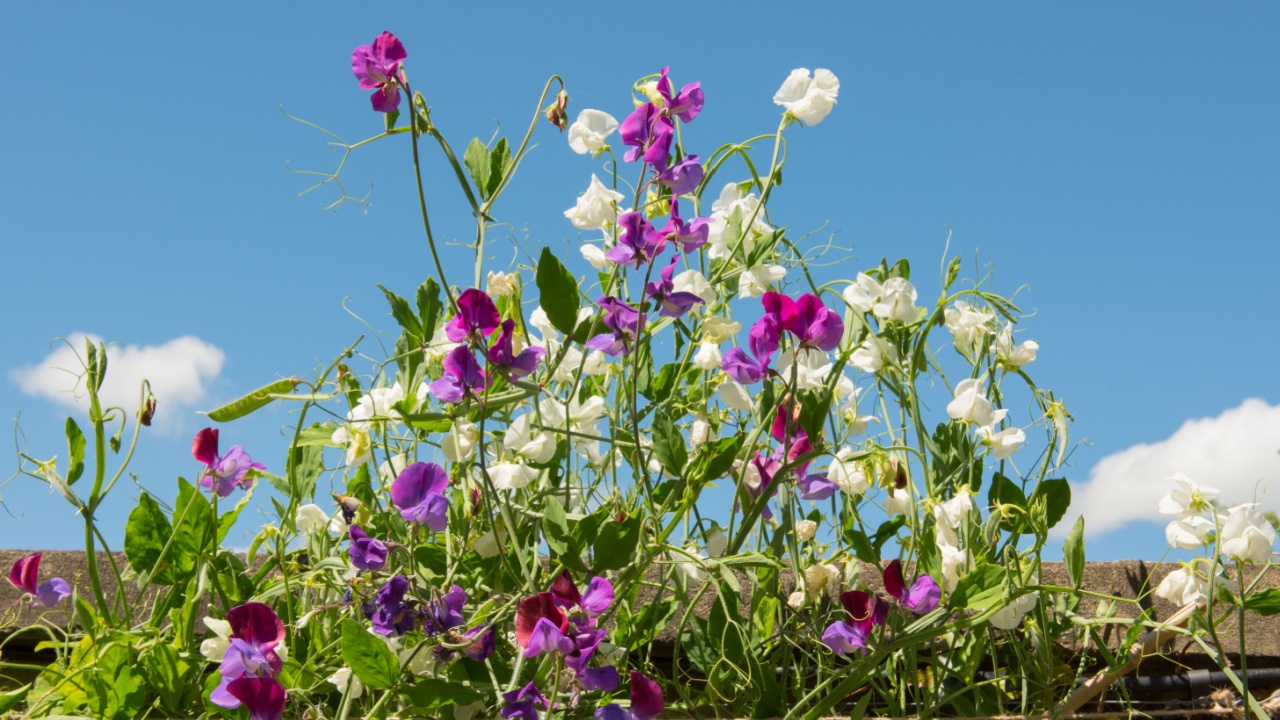
Sweet peas are charming climbing annuals that provide a delicate, honey-and-orange-blossom scent. They are famous for their ruffled petals and their ability to produce more flowers the more you pick them. They prefer the cooler weather of spring and early summer, making them a perfect companion for early-season gardens.
To get a head start, soak the seeds overnight before planting to soften the tough outer coating. They require a trellis or netting to climb and benefit from a layer of mulch to keep their roots cool as the weather warms up. Frequent harvesting for indoor arrangements keeps the vines productive for weeks.
A Symphony for the Senses
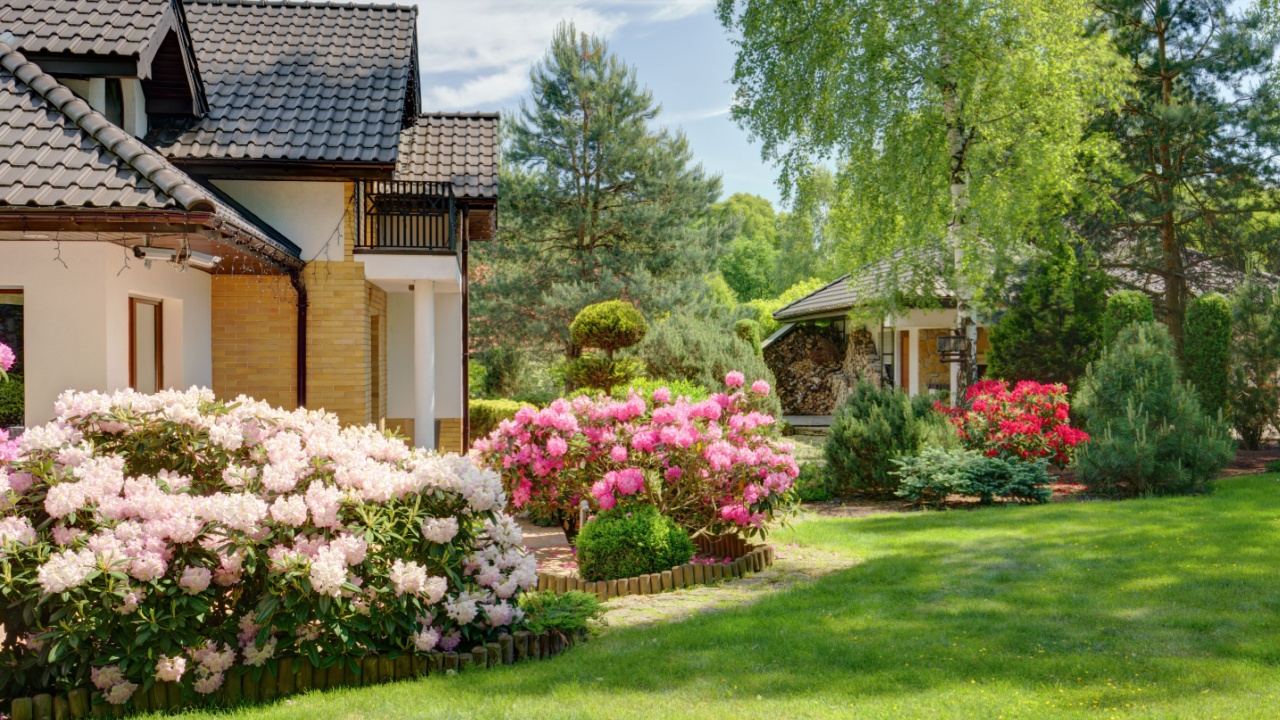
Creating a garden that appeals to the nose is just as rewarding as designing one for the eyes. By choosing a mix of these fragrant options, you ensure that your outdoor space provides a rich, sensory experience throughout the year. Take the time to consider where you spend the most time outside and place your favorite scents nearby to enjoy the full benefits of a heavenly-smelling garden.
Read More: