Not Looking to Move But Need More Space? Try These 14 Home Additions
Finding the perfect house often means leaving a neighborhood you already love. Many homeowners reach a point where their current floor plan simply no longer fits their daily routine. They crave more room to grow, work, or relax without having to pack boxes or hire movers.
Expanding your current property offers a brilliant alternative to entering a chaotic housing market. By modifying the structure you already own, you build equity while customizing every detail to match your specific preferences. Expanding gives you complete control over the design process and keeps you planted in a familiar community.
Read on to discover fourteen distinct ways to expand your living area. You will find ideas ranging from minor interior changes to major structural builds. Each option provides a fresh perspective on maximizing your property.
1. Build a Second Story
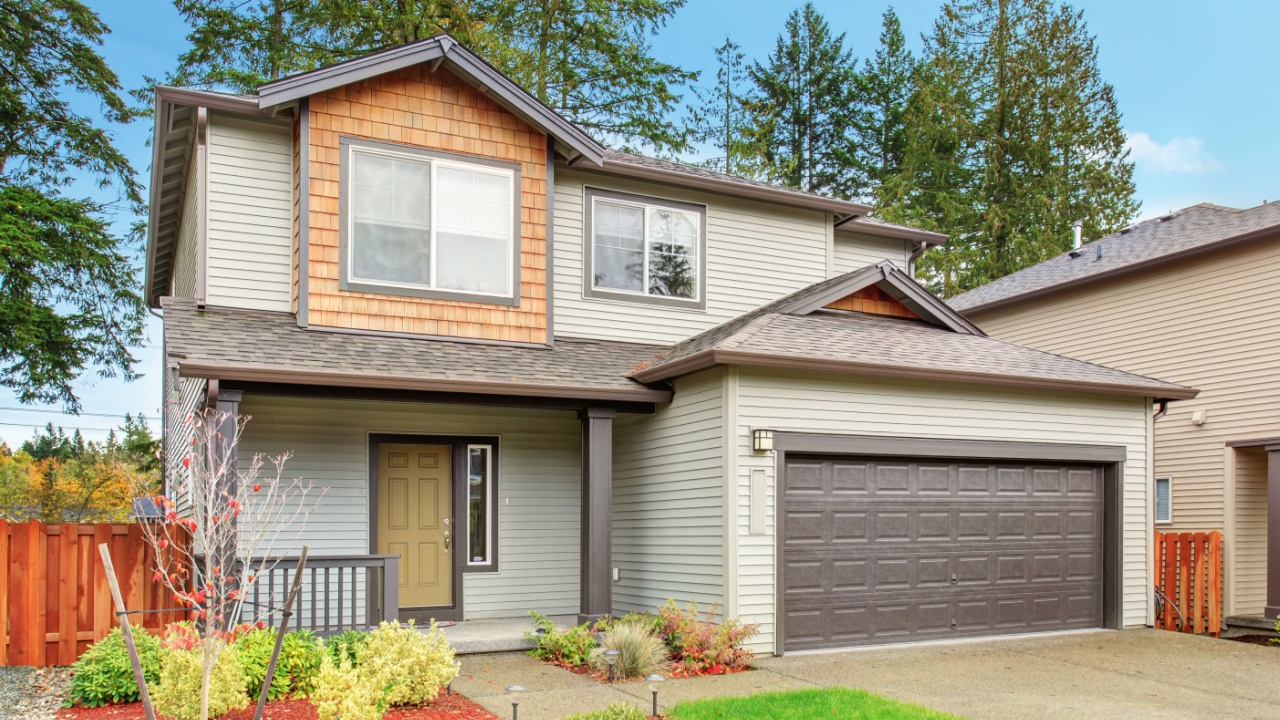
Adding an entire second level transforms a single-story property into a massive family residence. This major project doubles your square footage without reducing your yard space. You get the opportunity to design a completely customized layout for bedrooms, bathrooms, and recreational areas.
Before starting this massive project, consult a structural engineer to verify your foundation can support the extra weight. You will need to plan for temporary housing during construction, as the roof removal makes the interior uninhabitable for several weeks.
2. Add a Room Over the Garage
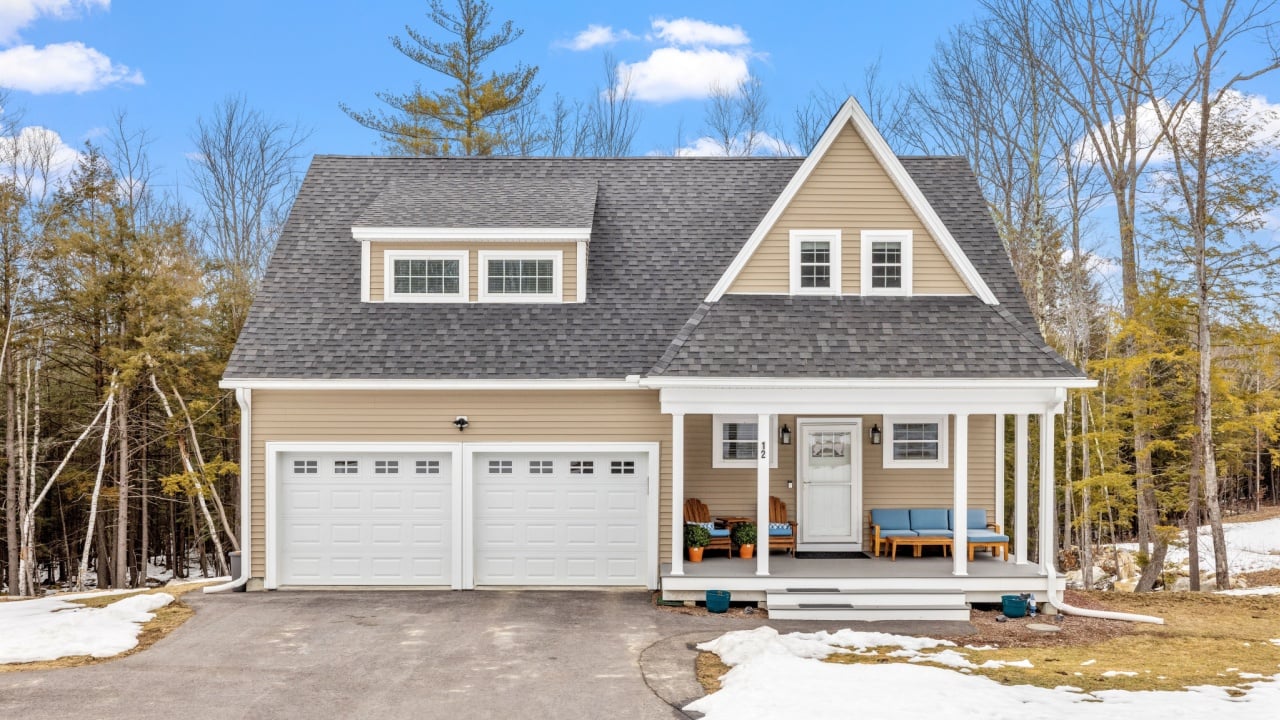
The empty air above an attached garage provides prime real estate for a new bedroom or home office. Using this existing footprint keeps construction costs lower than pouring a brand new foundation. The separation from the main living areas makes it an ideal spot for a quiet workspace or guest suite.
You must upgrade the insulation and climate control systems for this specific room, as garages experience extreme temperature fluctuations. Check local zoning laws early in the planning process to confirm height restrictions in your neighborhood.
3. Install a Modular Addition
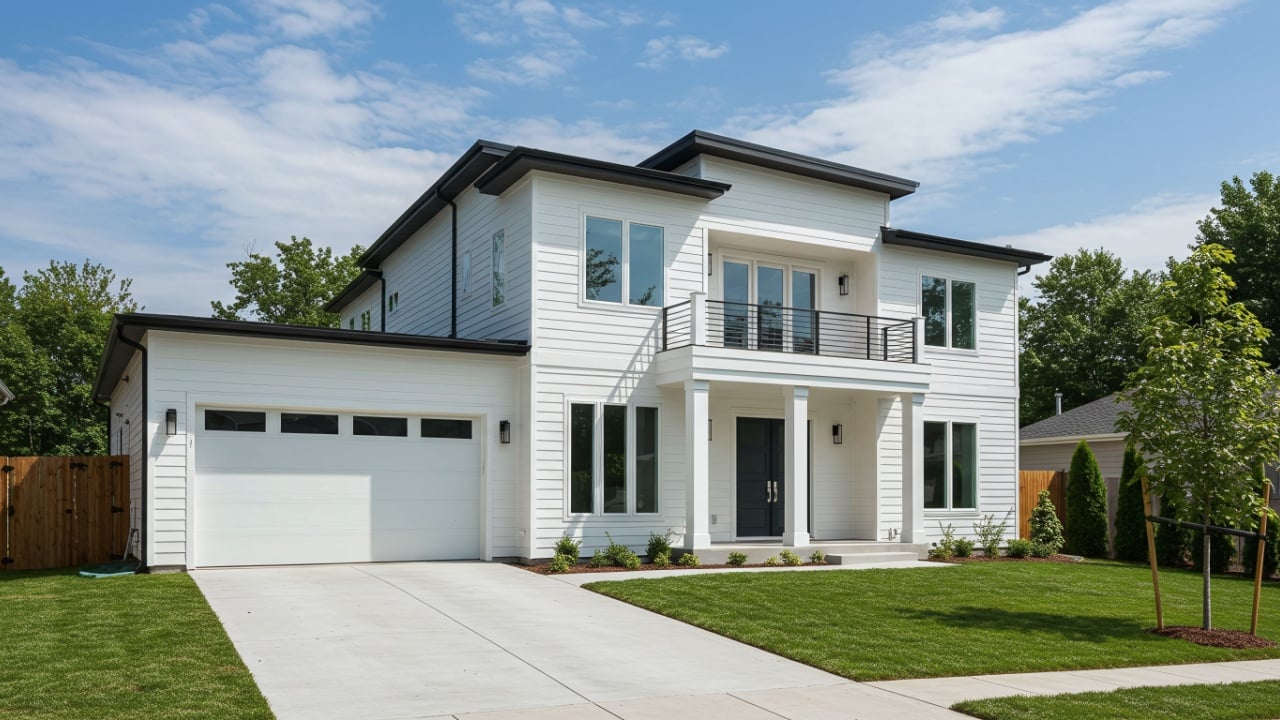
Factory-built modular rooms offer a rapid solution for homeowners needing extra space quickly. Builders construct these units off-site and attach them directly to your existing house. This method drastically reduces the noise and mess associated with traditional construction sites.
Choose a manufacturer that specializes in matching exterior finishes to blend the new unit seamlessly with your original architecture. Plan your plumbing and electrical connections carefully so the transition from the old structure to the new room feels natural.
4. Incorporate a Dormer
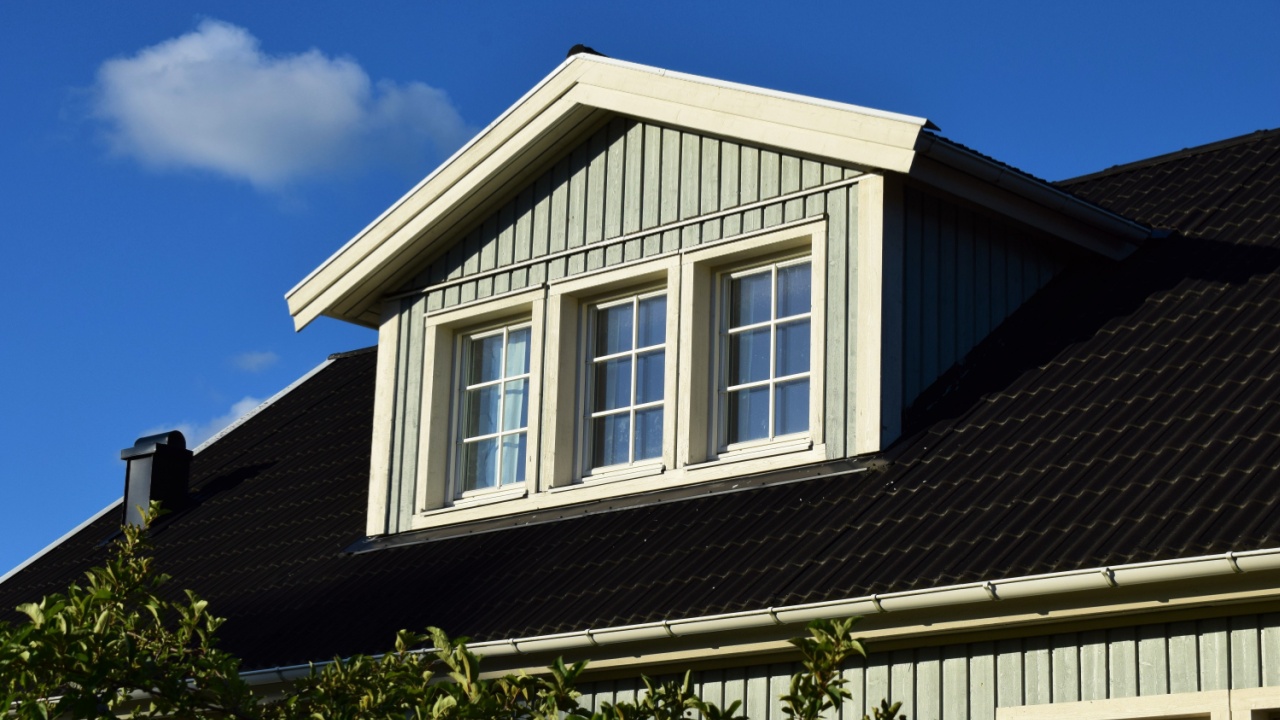
Roof dormers push outward from a sloped roof to create extra headroom and introduce natural light into cramped upper levels. This architectural feature transforms a previously unusable half-story into a bright, functional living area. Dormers also add immense curb appeal by breaking up a monotonous roofline.
Work with an architect to select a dormer style that complements your exterior design. Pay close attention to waterproofing and flashing around the new windows to prevent leaks during heavy rainstorms.
5. Finish the Basement
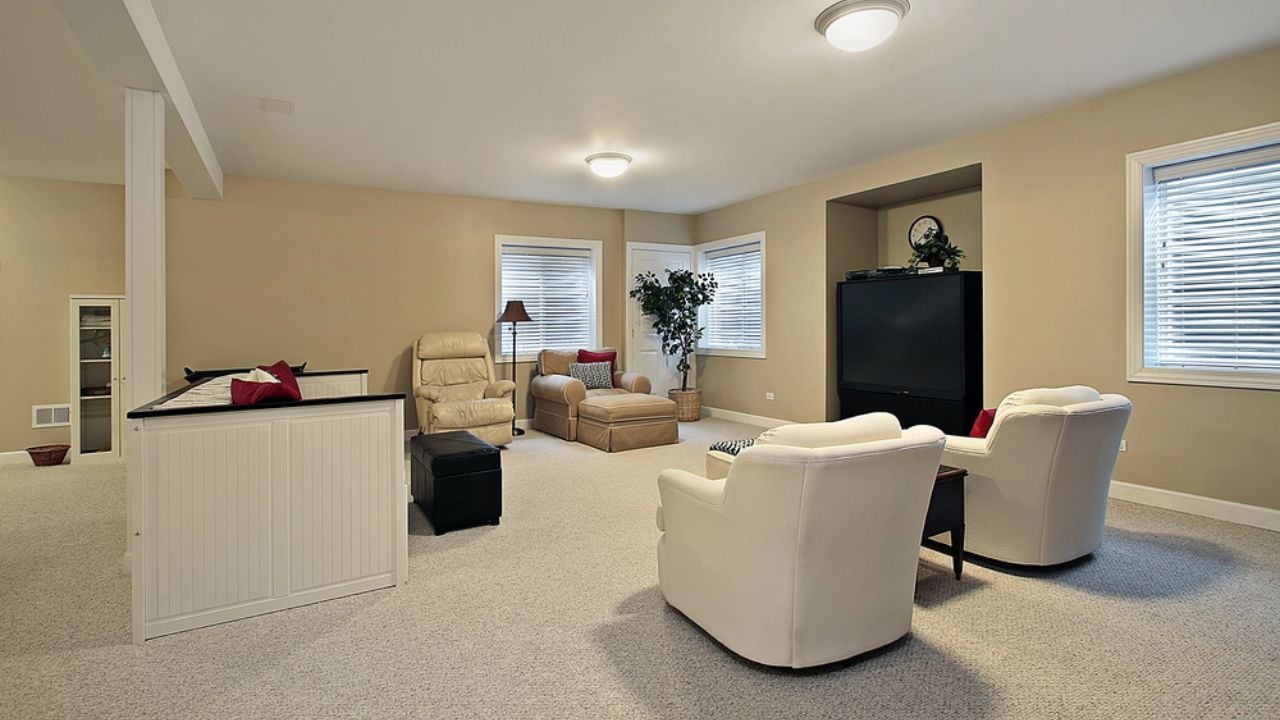
Transforming a dark cellar into a vibrant living area ranks among the most cost-effective ways to increase your square footage. The walls and foundation already exist, keeping material costs relatively low. Basements naturally stay cooler in the summer, making them ideal for home theaters or recreational rooms.
Moisture control is absolutely critical when finishing a lower level. Install proper vapor barriers and a high-quality dehumidifier to protect your new drywall and flooring from water damage.
6. Enclose the Porch
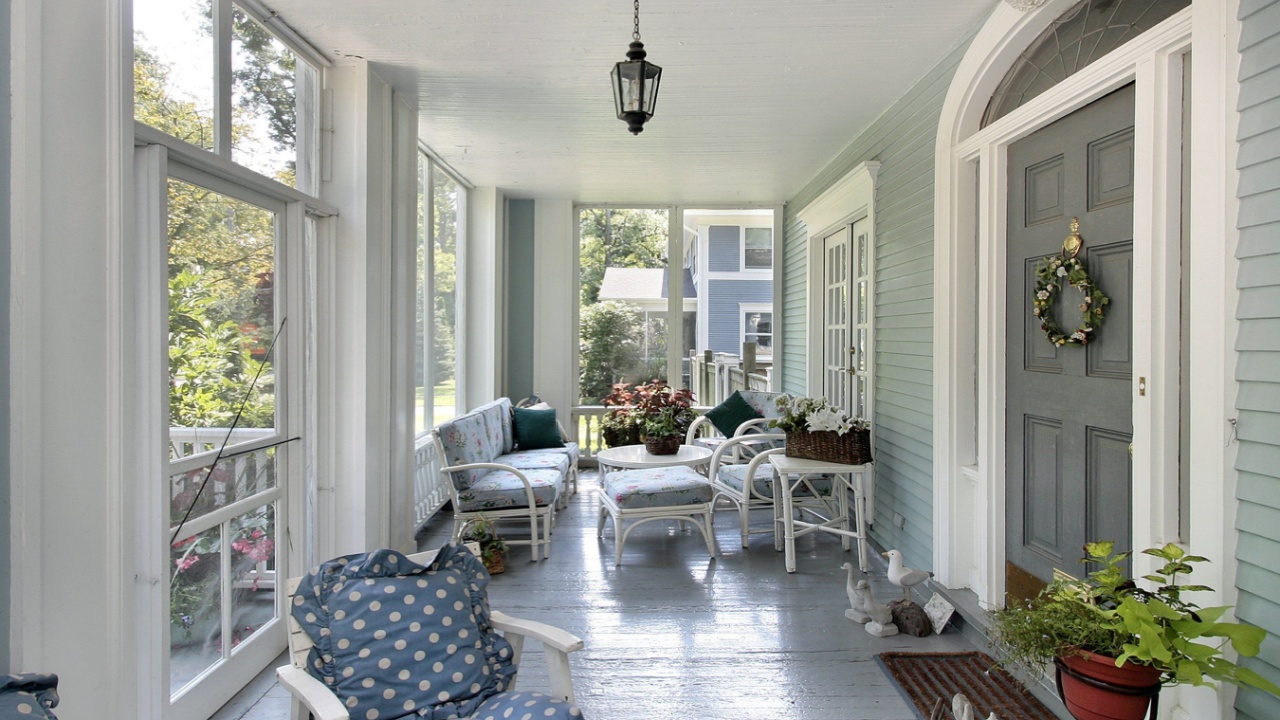
Turning an existing front or back porch into a sunroom provides year-round enjoyment of your outdoor views. By adding glass walls and proper insulation, you create a climate-controlled environment protected from insects and harsh weather. This new room serves as a perfect spot for morning coffee or evening reading.
You will need to run heating and cooling ducts into the space to make it usable in winter. Choose energy-efficient windows to keep utility bills low while maximizing the sunlight entering the room.
7. Maximize Attic Space
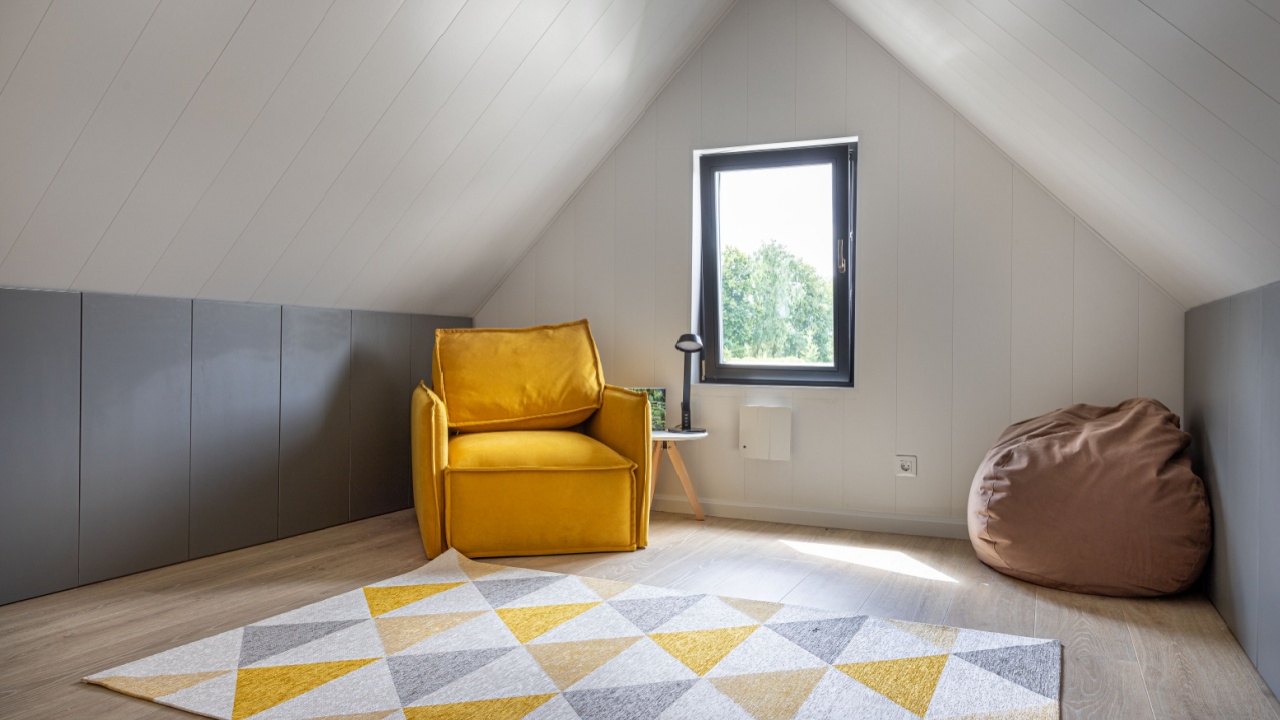
If your roof pitch allows enough standing room, your attic holds incredible potential for a primary suite or children’s playroom. Modifying this existing area saves space in your yard while providing a secluded retreat away from the busy main floor. Hardwood floors and skylights quickly turn this storage zone into a premium living area.
Reinforcing the floor joists is mandatory because most attic floors are built to hold only boxes. Upgrading the insulation in the ceiling and walls guarantees the room remains comfortable despite intense summer sun hitting the roof.
8. Repurpose the Dining Room
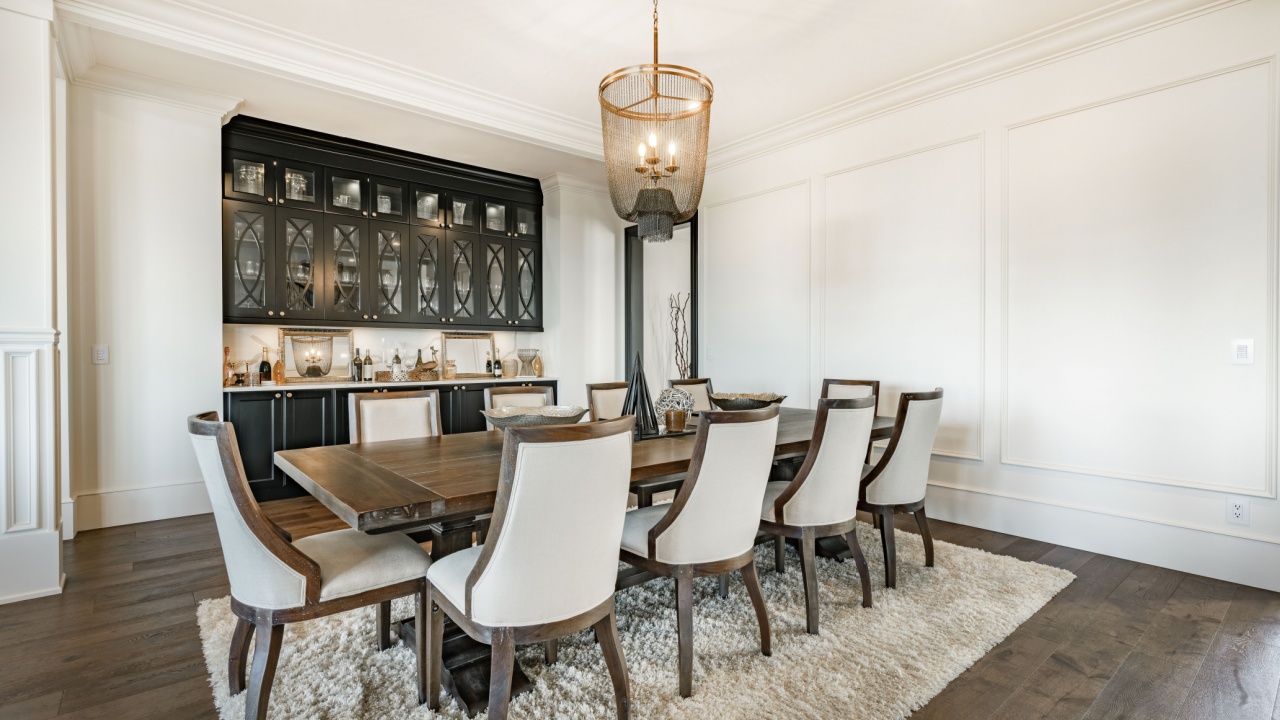
Formal dining rooms frequently sit empty except for major holidays. Removing the walls dividing this room from the kitchen reclaims valuable square footage for daily use. You can easily repurpose the area into a massive kitchen island setup or a casual family lounge.
Consult a contractor to identify any load-bearing walls before you start demolition. Updating the lighting fixtures and flooring helps visually connect the old dining space with the rest of your modern layout.
9. Convert the Attached Garage
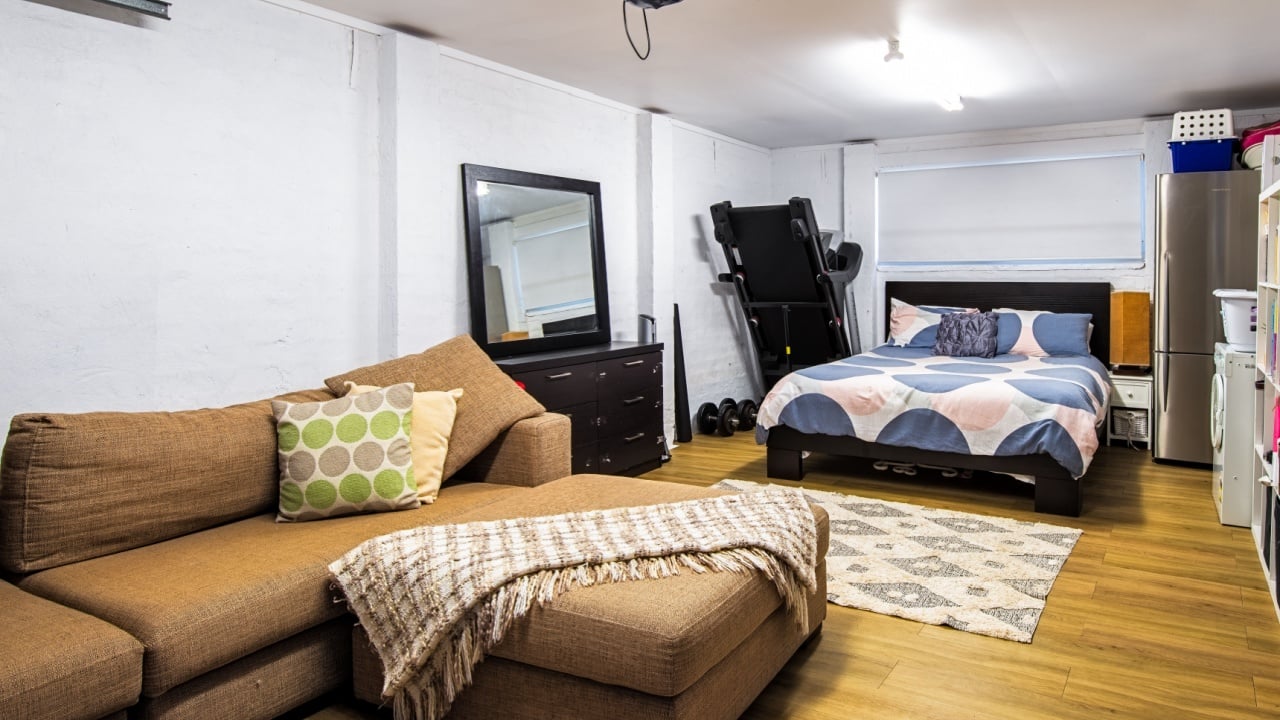
Transforming a garage into a living room or apartment completely changes how your family interacts with the house. This massive space typically features high ceilings and a solid concrete floor, providing an excellent blank canvas for interior design. You eliminate the need for exterior framing and roofing by working within the existing walls.
You will have to replace the large garage door with a traditional wall and windows to complete the residential look. Leveling the sloped floor and upgrading the exterior insulation will make the room comfortable for daily habitation.
10. Embrace Open-Concept Living
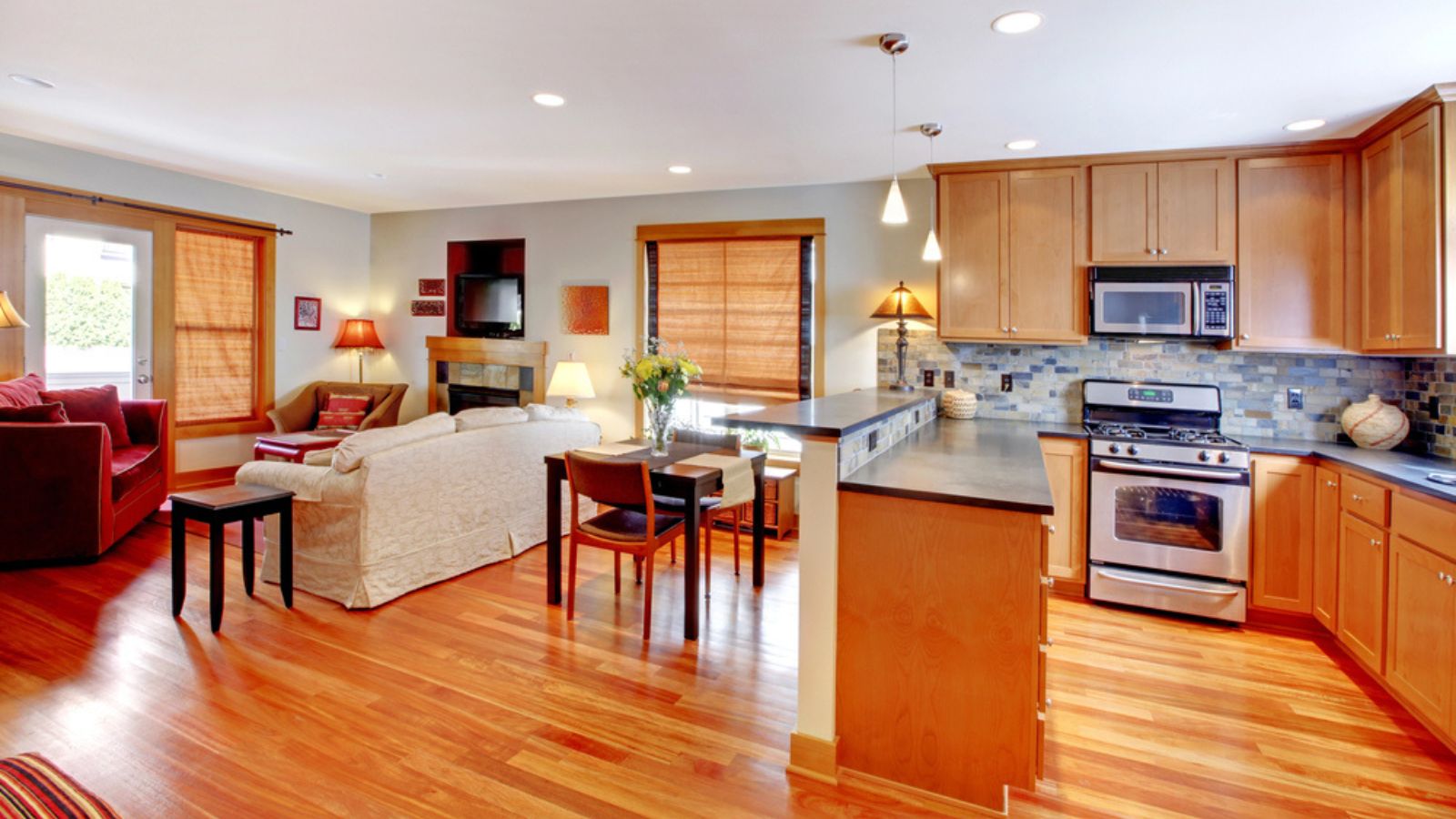
Knocking down non-structural interior walls creates the illusion of a much larger house. Removing physical barriers between the kitchen, living room, and dining area allows natural light to flow freely across the entire floor plan. Open-concept living is a modern layout that promotes better family interaction and makes entertaining large groups significantly easier.
You must strategically plan furniture placement to define different functional zones within the large open room. Using area rugs and distinct lighting fixtures helps separate a cooking area from a relaxation zone without needing solid walls.
11. Design Multi-Functional Spaces
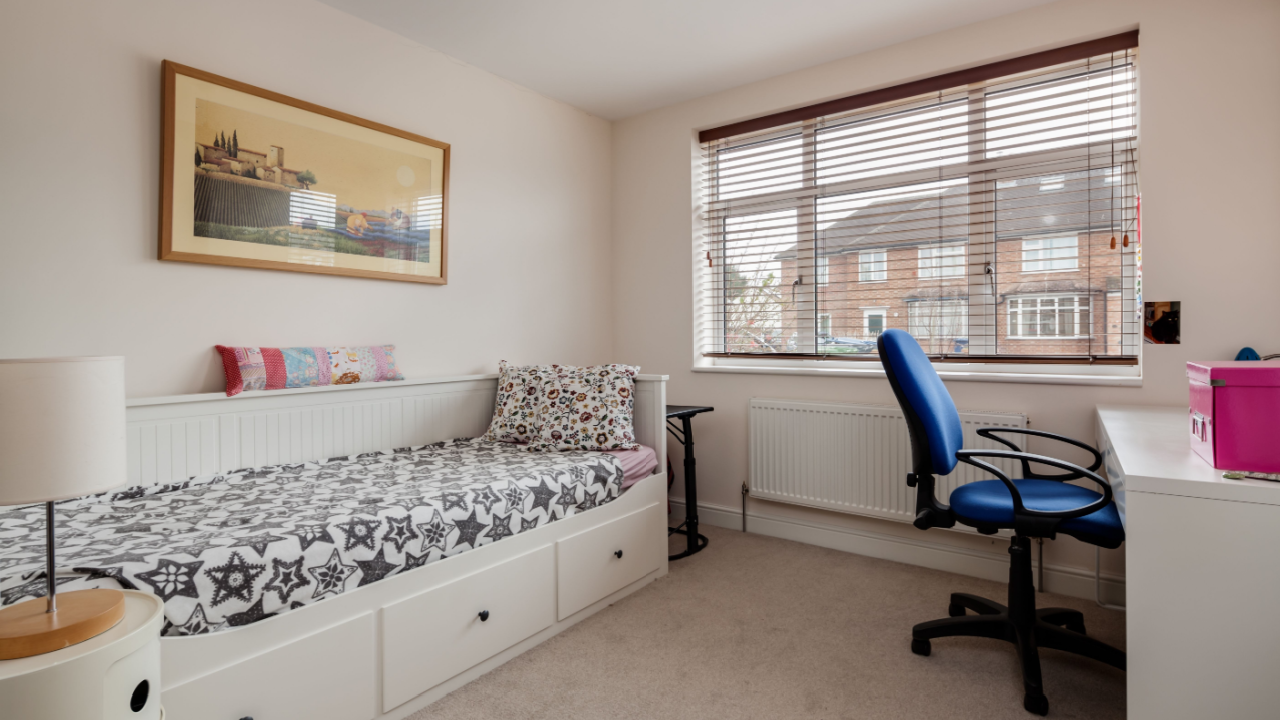
When expanding the footprint is impossible, modifying existing rooms to serve dual purposes maximizes your available square footage. Installing a Murphy bed in a home office allows the room to instantly become a guest bedroom. Custom-built-in cabinetry hides work supplies during the evening, transforming a busy workspace into a quiet den.
Invest in high-quality transformable furniture to make the daily transition between functions smooth and effortless. Maintaining strict organization prevents the room from feeling cluttered when switching between different daily activities.
12. Enhance Indoor-Outdoor Living
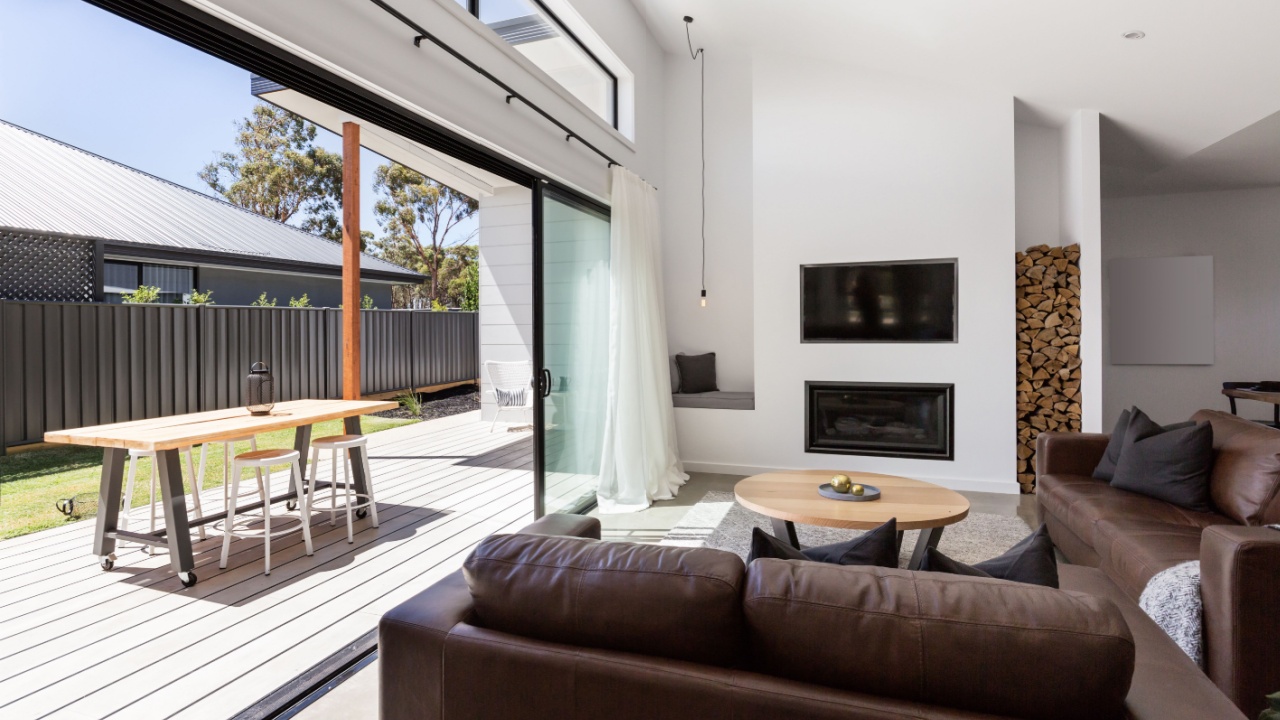
Large sliding glass doors or folding wall systems completely erase the boundary between your interior living room and the backyard deck. This modification effectively extends your usable living space directly into nature during warm months. The massive glass panels flood your interior with natural light even when closed during the winter.
Creating a continuous floor level between the inside and outside makes the transition feel seamless. Install an overhead awning or pergola to provide shade, making the patio a comfortable extension of your living room on hot afternoons.
13. Build a Yard Cottage
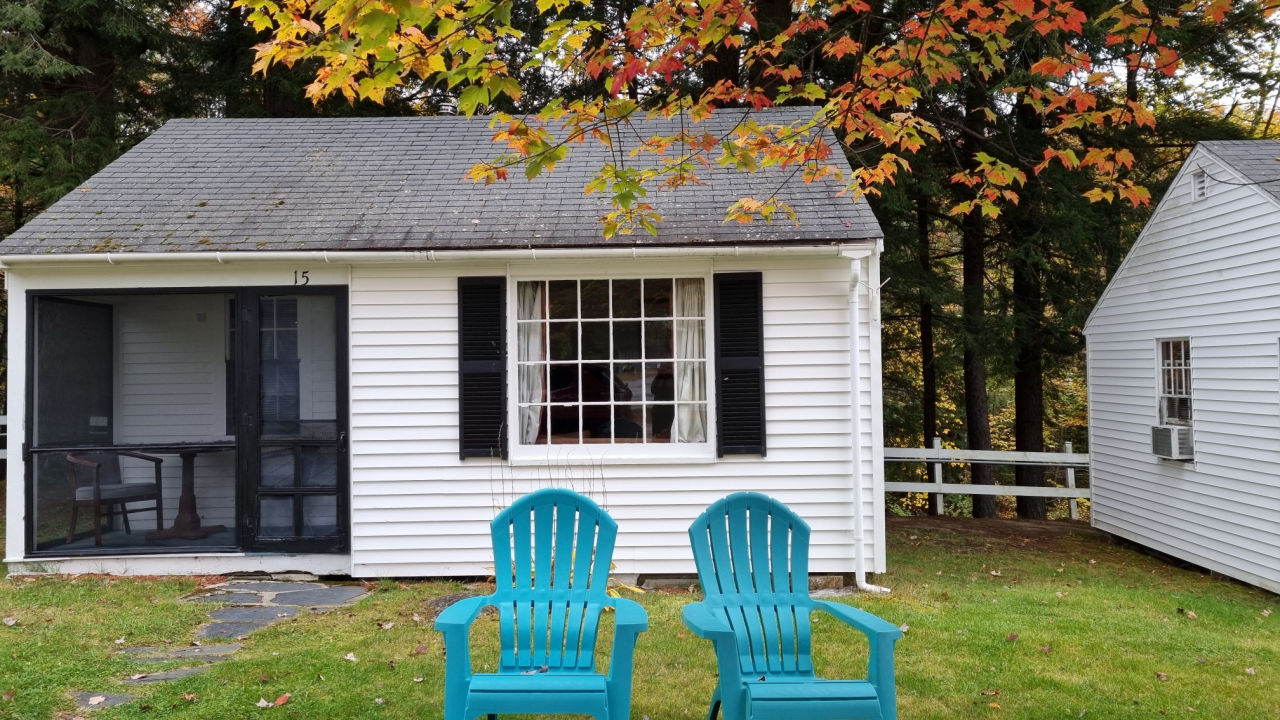
Constructing an independent accessory dwelling unit in your backyard provides the ultimate separated living arrangement. Yard cottages serve beautifully as private home offices, art studios, or separate apartments for aging parents. Because they sit detached from the main house, they offer complete privacy for anyone inside.
Trenching for new plumbing and electrical lines from the main house requires careful planning and significant budget allocation. Always check your local municipality regulations regarding property setbacks and accessory dwelling permits before breaking ground.
14. Extend the Kitchen
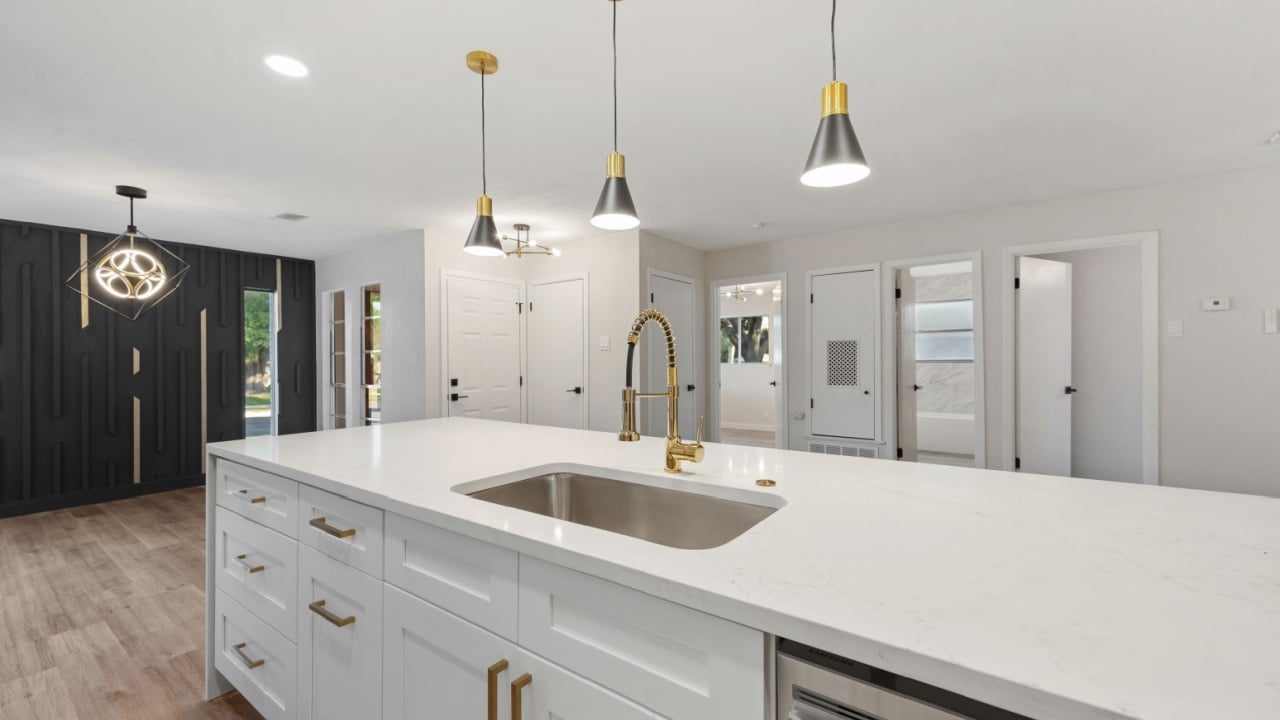
Pushing the exterior kitchen wall out by just a few feet dramatically improves your cooking and dining experience. This small bump-out addition provides enough extra floor area for a large central island, a walk-in pantry, or a sunny breakfast nook.
Coordinate your plumbing and gas line modifications early to prevent delays during the installation of new appliances. Matching the exterior siding and roofing of a small bump-out to the main house requires careful attention to detail.
Wrapping Up Your Home Improvement Journey
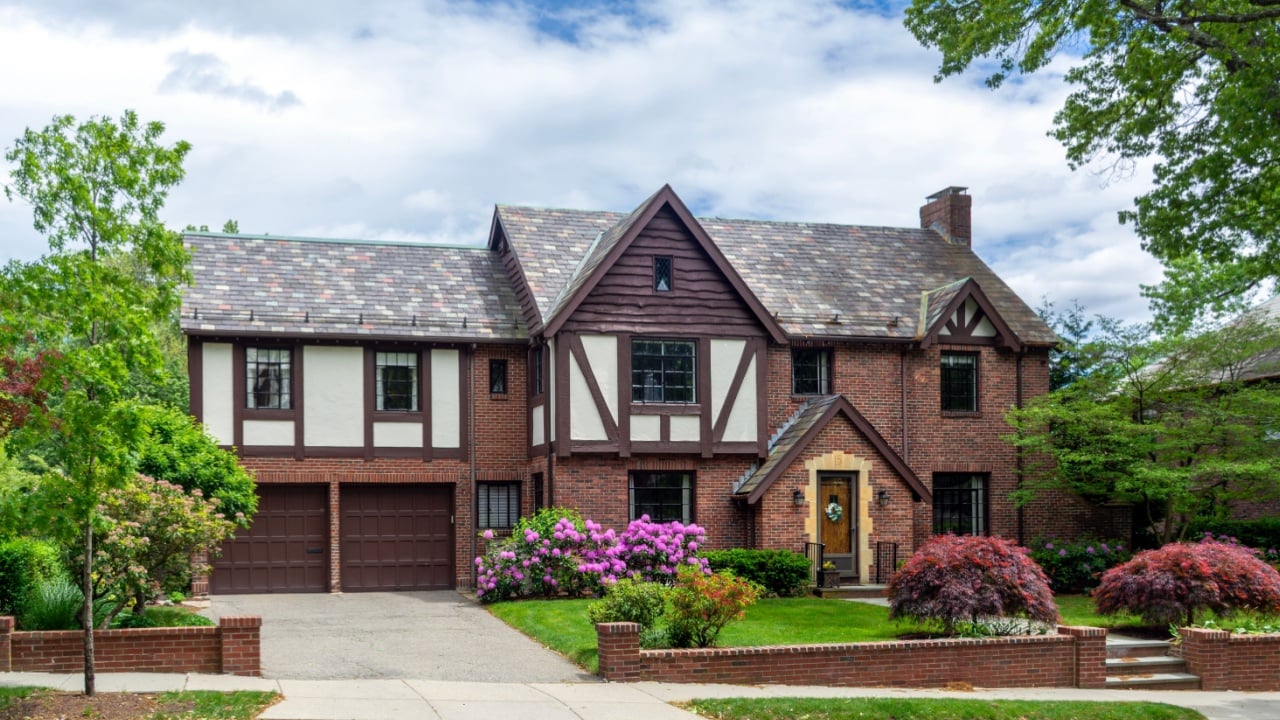
Expanding your current property offers a remarkable path to achieving your dream layout without packing a single box. By selecting the right modification for your budget and lifestyle, you breathe new life into a familiar space while building significant equity. Take the time to consult with experienced contractors, evaluate your daily needs, and sketch out a vision that perfectly aligns with your family routine.
Read More: