13 Everyday Household Items That Hide Serious Fire Hazards
You might think your home is safe, but everyday items from kitchen appliances to festive decorations could be hiding serious fire risks. Identifying these hidden dangers is the first and most crucial step in protecting your home and loved ones.
Every year, preventable house fires cause billions of dollars in damage and lead to countless injuries. These aren’t freak accidents; they often stem from simple mistakes or neglected maintenance. These numbers are a wake-up call to how a little awareness can make a huge difference.
In this guide, we’ll expose the most common fire hazards lurking in your home and provide simple, actionable steps to neutralize them. From the laundry room to the living room, you’ll learn what to watch out for to keep your space safe.
1. Unattended Cooking Pans

Cooking remains a leading cause of residential fires, largely because hot pans are frequently left alone on active burners. Grease and oil can ignite rapidly when exposed to high temperatures, creating a dangerous flare-up that easily spreads to nearby cabinets and walls. Many people walk away to answer a text or grab an ingredient, completely forgetting the intense heat building up on the stove.
To prevent this dangerous scenario, a cook must always remain in the kitchen while food is frying or broiling. Keep all flammable items, such as paper towels and dishcloths, completely clear of the stovetop area. Keeping a properly rated fire extinguisher within easy reach provides a necessary line of defense if a flare-up does occur.
2. Neglected Clothes Dryers

Heat-generating appliances are always risky, and clothes dryers are a big one. The main problem is lint building up in the trap and the vent hose. Lint is super flammable and can catch fire from the high heat of a running dryer.
A simple way to lower this risk is to clean the lint trap before and after every load. You should also get a professional vent cleaning once a year to clear out any blockages hiding deep inside. This regular upkeep not only helps your dryer run better but also keeps your laundry room safe.
3. Overloaded Power Strips
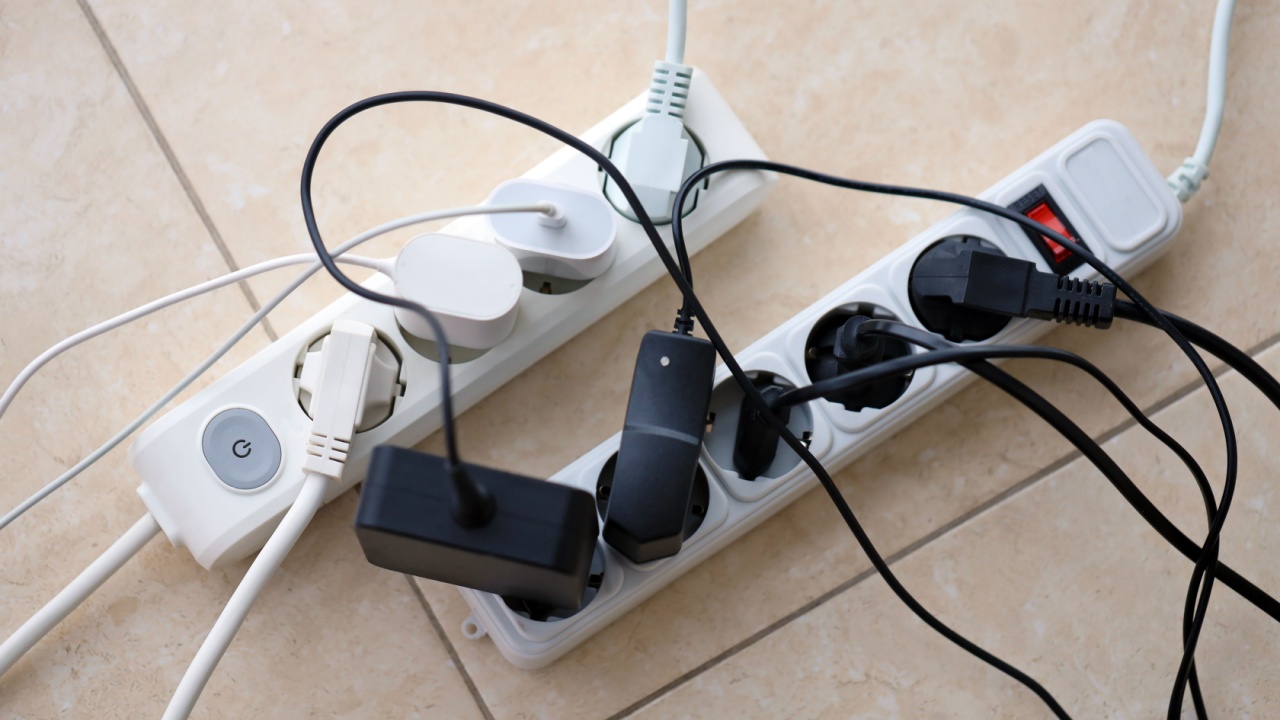
Power strips are super handy for plugging in lots of devices, but they have their limits. If you plug in too many high-power items, you can overload the circuit. This creates a ton of heat, which can melt the plastic and spark a fire in minutes. A common mistake is thinking that open slots mean it’s safe to plug in more, especially heavy appliances.
Rule of thumb: never plug major appliances like refrigerators or microwaves into a regular power strip. It’s better to buy strips that have built-in surge and overload protection, as they’ll automatically shut off if the load gets too heavy. For extra safety, unplug electronics when you’re not using them.
4. Faulty Electrical Wiring
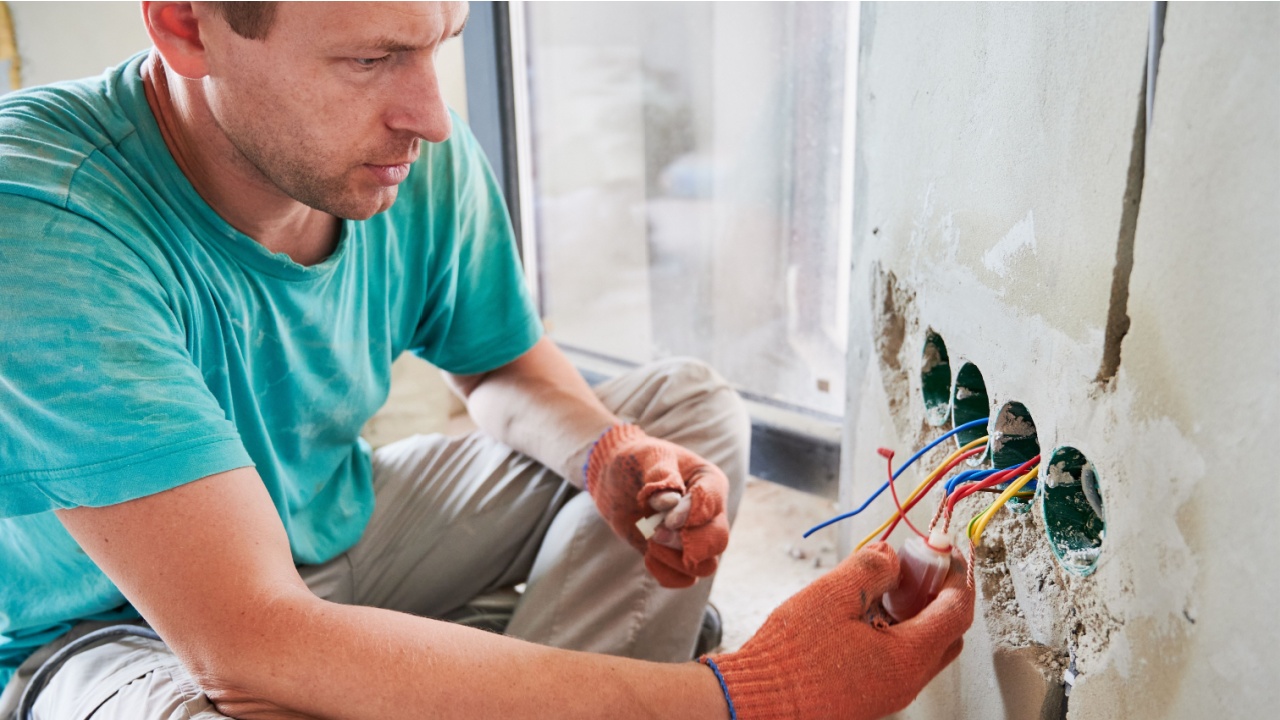
Electrical systems power the entire home, but damaged wires and aging circuits present a massive hidden danger. Frayed wires and overloaded circuits generate intense heat behind walls, often going unnoticed until smoke appears. Regular wear and tear degrades insulation, leaving bare wires exposed to highly combustible dust and building materials.
Hire a licensed electrician to inspect the home if signs of faulty wiring appear, such as flickering lights or discolored wall outlets. Avoid running extension cords under rugs, as friction and trapped heat can easily spark a flame. Dusting around outlets and heat sources regularly removes a potential fuel source for electrical fires.
5. Portable Space Heaters
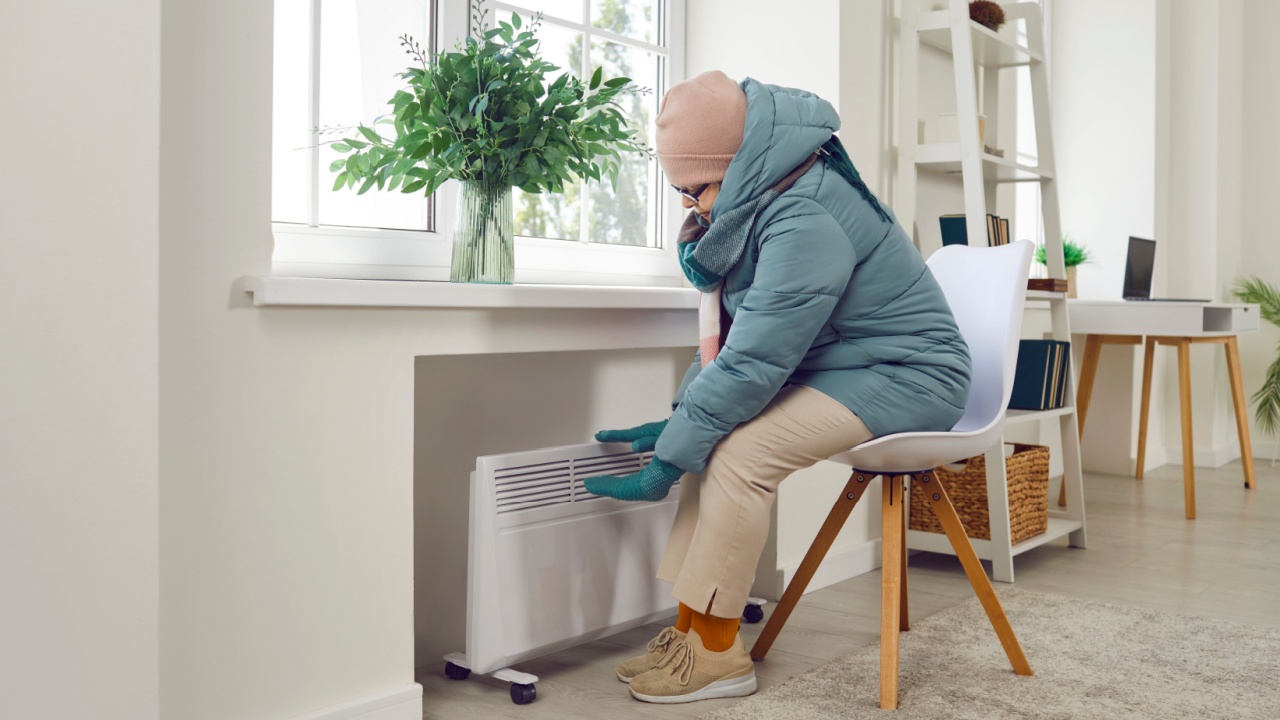
Space heaters provide excellent localized warmth during colder months, but improper use leads to thousands of fires each year. These devices heat up rapidly and can ignite nearby fabrics or debris in a matter of seconds. Placing a heater too close to a bed, curtain, or upholstered chair creates an immediate and severe hazard.
Keep all space heaters a minimum of three feet away from anything that can burn. Always turn the unit off completely before leaving the room or going to sleep. Placing the heater on a hard, level surface prevents it from tipping over and starting a fire on a carpet or rug.
6. Scented Candles

Scented candles bring a relaxing atmosphere to a room, but an open flame is always a liability. A strong breeze from an open window can blow a curtain directly into the flame, instantly starting a massive fire. Even a slightly unstable surface can cause a candle to tip over and spill burning hot wax onto a rug.
Always place candles on sturdy, heat-resistant surfaces far away from any fabrics or drafty areas. Never leave a burning candle completely unattended in an empty room. Snuff out the flame completely before leaving the house or going to bed, taking extra care to watch for smoking wicks that might reignite.
7. Indoor Smoking Materials
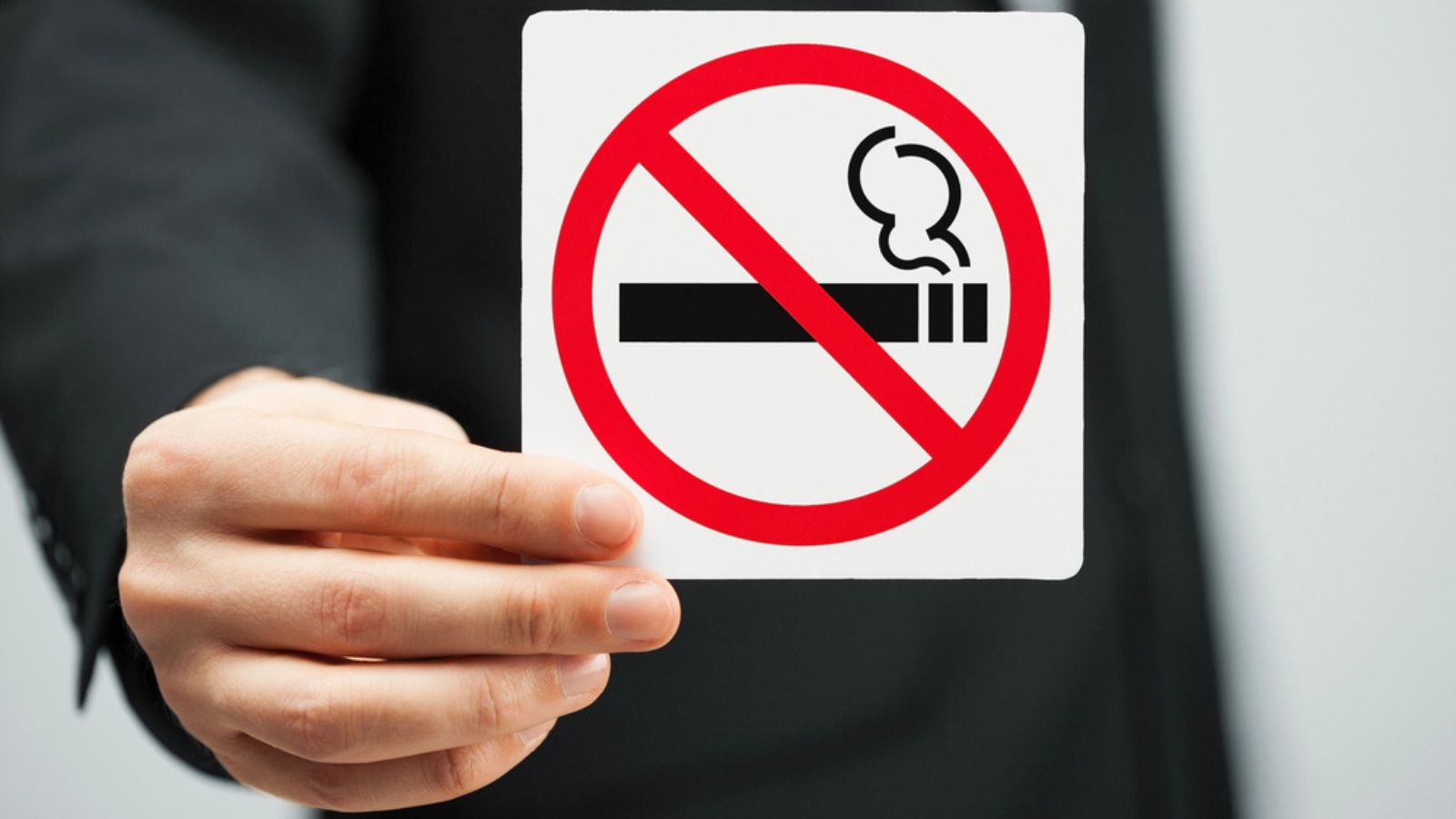
Careless smoking habits consistently rank high on the list of residential fire causes. Dropping a lit cigarette onto a couch cushion or mattress allows the fabric to smolder for hours before finally bursting into flames. The smoke also permeates furniture and carpets, leaving unpleasant odors and increasing the flammability of the room.
If someone must smoke, doing it outdoors is the only truly safe option. Use a heavy, fireproof ashtray placed on a solid surface to collect ashes and butts safely. Dousing the discarded materials with water before tossing them in the trash eliminates the chance of a smoldering fire.
8. Combustible Liquids and Chemicals
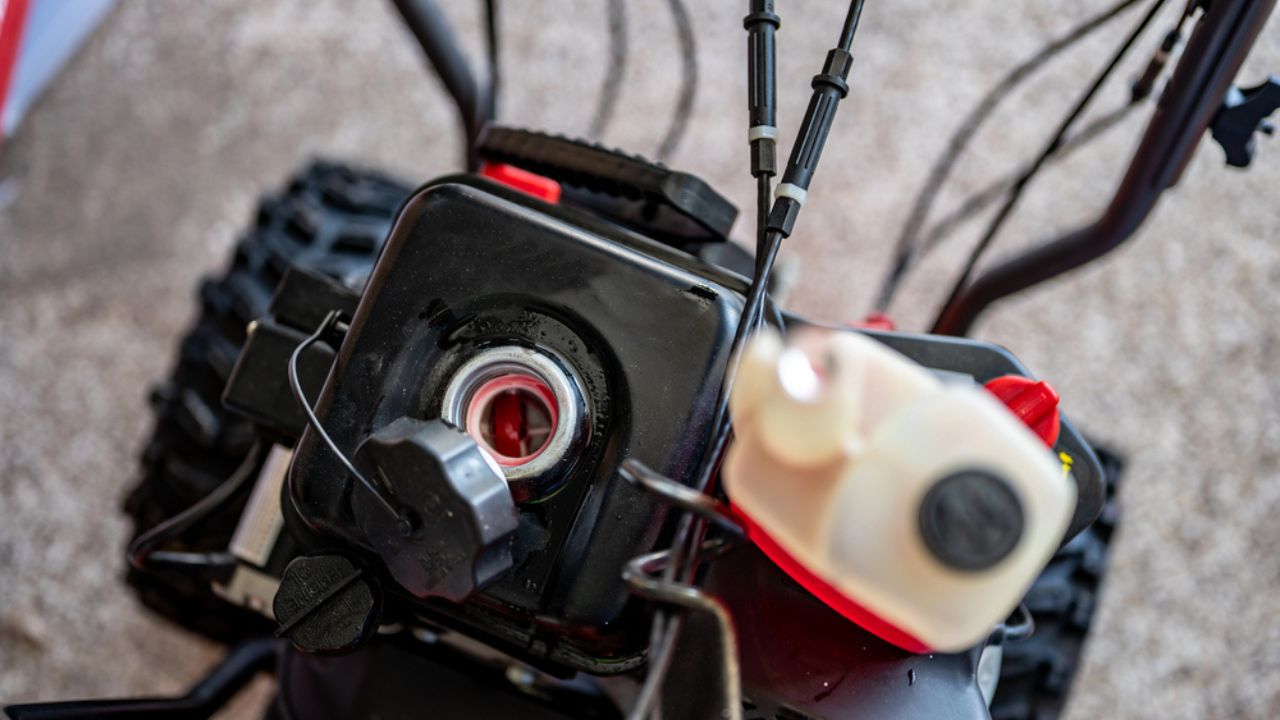
Household chemicals like paint thinner, gasoline, and aerosol cleaning sprays contain highly volatile compounds. Storing these items near heat sources or in direct sunlight causes the containers to pressurize and potentially explode. Many people ignore the printed warning labels and shove these dangerous items into cramped, unventilated cabinets.
Read the manufacturer’s instructions on every chemical container to understand proper storage protocols. Keep gasoline in approved containers inside a cool, dry, and well-ventilated garage away from water heaters or furnaces. Dispose of old or unneeded chemicals at a local hazardous waste facility instead of letting them sit around the house.
9. Fireplaces and Chimneys
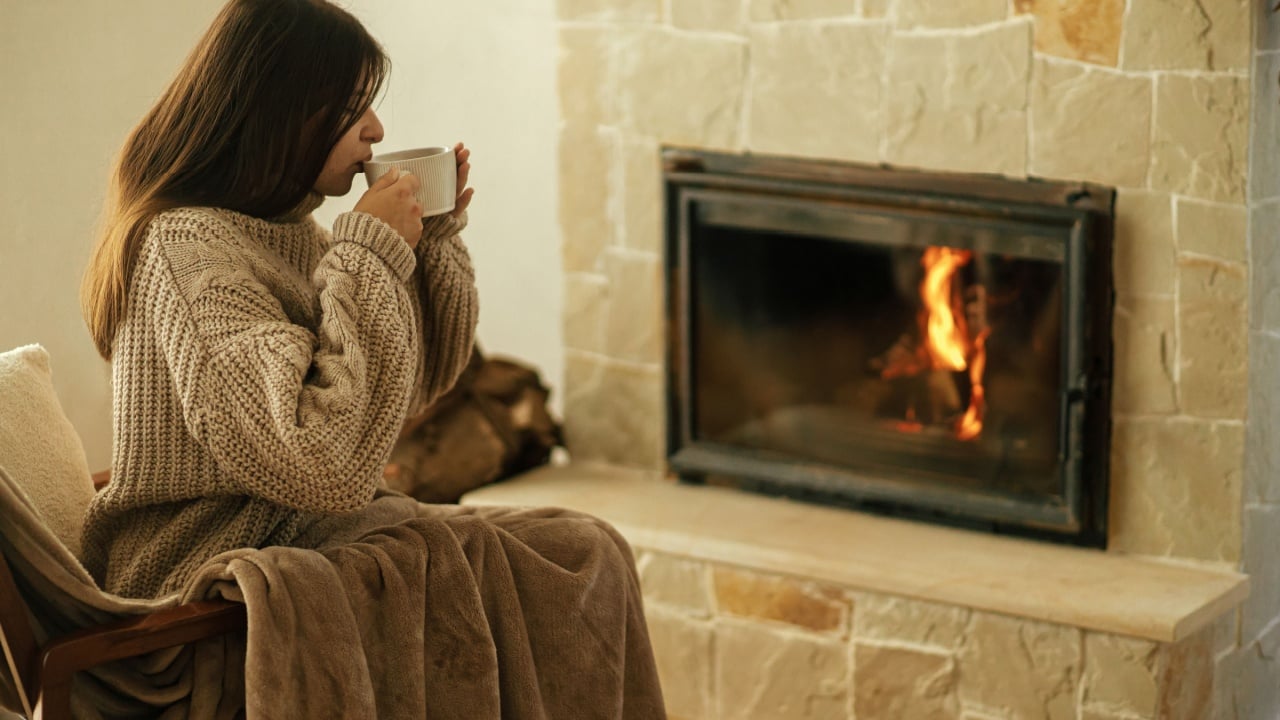
A roaring fire feels wonderful on a winter evening, but neglected fireplaces are incredibly dangerous. Burning wood creates a sticky byproduct called creosote, which coats the inside of the chimney and is highly combustible. Using chemical starters like gasoline to ignite the logs is another common mistake that leads to uncontrollable flames.
Only burn dry, seasoned wood to minimize the amount of creosote produced during the winter season. Keep a protective metal or glass screen in front of the hearth to stop stray sparks from landing on the living room rug. Hire a professional chimney sweep annually to clear out dangerous buildup and inspect the masonry for hidden cracks.
10. Holiday Lights and Decorations
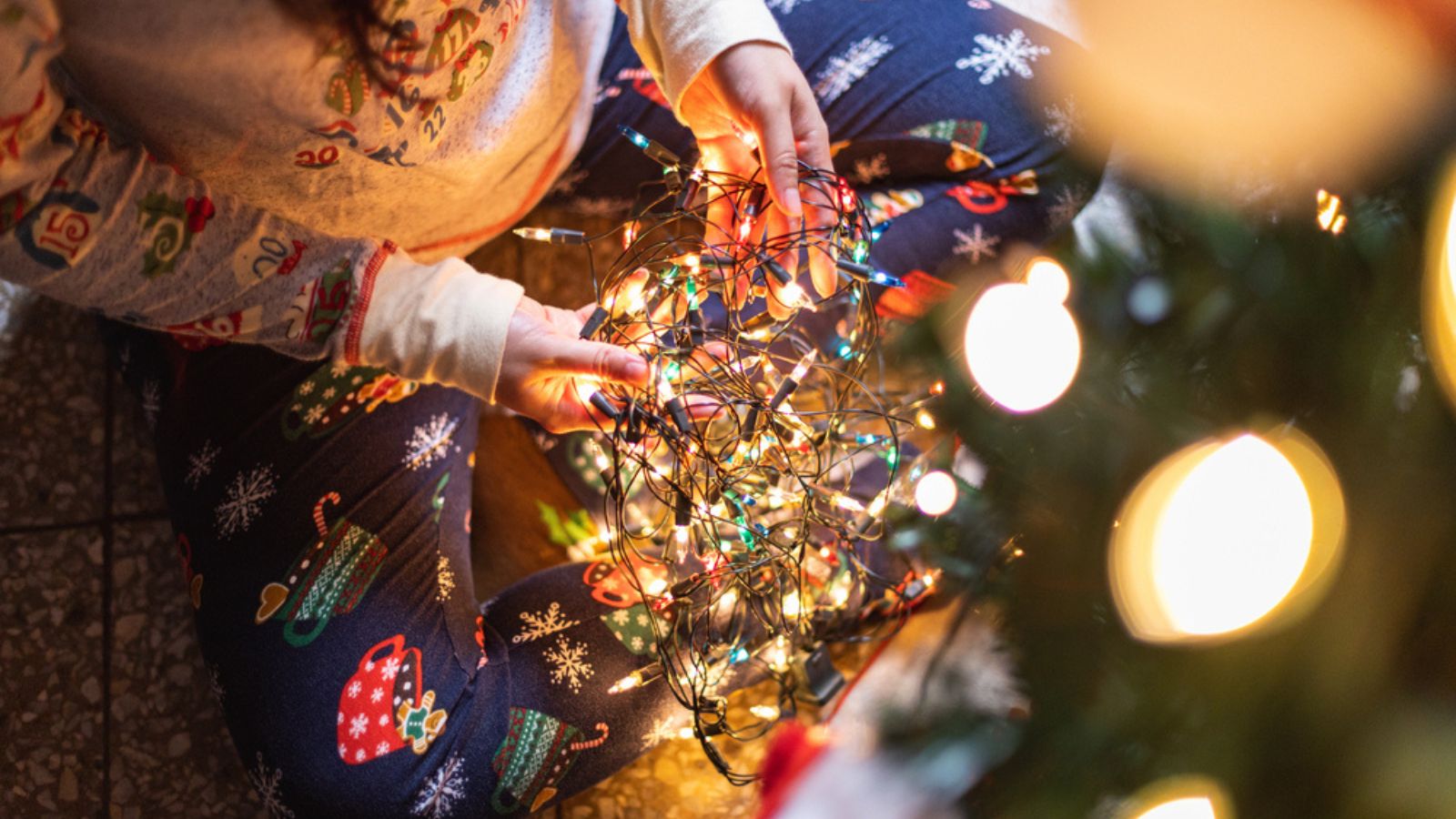
Festive decorations often involve stringing electricity across dry pine needles and wrapping cords around staircases. Old light strands with frayed wires or broken bulbs can easily spark and ignite a dry Christmas tree or nearby wrapping paper. Connecting too many strands end-to-end overwhelms the fuses and creates a massive electrical hazard.
Inspect every string of lights for damage before hanging them up for the season. Water live trees daily to keep the branches hydrated and less susceptible to catching fire. Always unplug every holiday decoration before leaving the house or going to sleep for the night.
11. Barbecue Grills
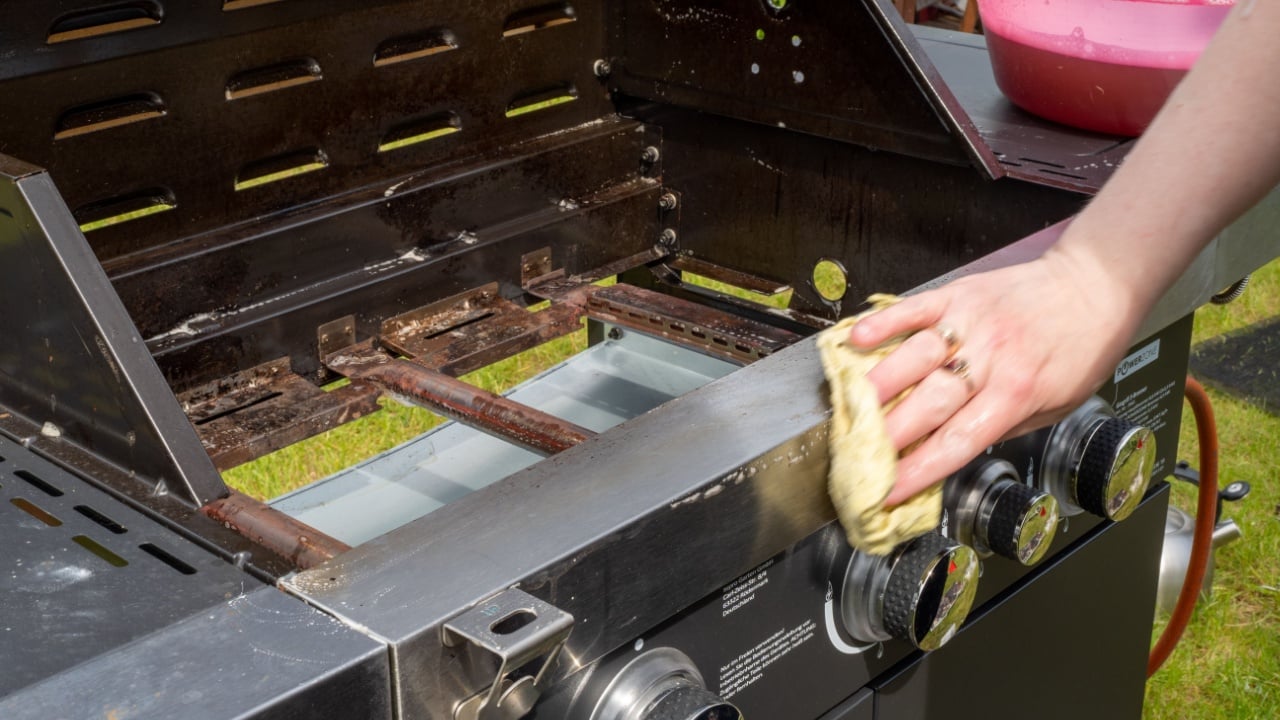
Grilling on a patio or deck is a fun weekend activity, but stray grease and open flames present obvious risks. Positioning a grill too close to vinyl siding, wooden deck railings, or low-hanging branches easily leads to a structural fire. Grease buildup inside the grill tray can also ignite suddenly, creating a massive fireball that is hard to extinguish.
Keep all grills a minimum of ten feet away from the side of the house or any wooden structures. Clean the grease catch pan regularly to prevent dangerous flare-ups during a cookout. Never leave an active grill unattended, and keep a bucket of sand nearby to smother any unexpected grease fires.
12. Lithium-Ion Batteries

Rechargeable batteries power laptops, phones, and electric scooters, but they carry a unique fire risk. If a lithium-ion battery is punctured, overcharged, or exposed to extreme heat, it can experience thermal runaway and violently burst into flames. Using cheap, knock-off charging cables often bypasses the safety mechanisms built into the devices.
Only use the charging equipment provided by the original manufacturer to power up devices. Avoid charging phones or laptops under a pillow or on a soft bed where the device cannot properly vent heat. Disconnect devices as soon as they reach a full charge to prevent the internal battery cells from overheating.
13. Piles of Dust and Clutter

A messy house is more than just an eyesore; it provides ready fuel for a spreading fire. Large piles of old newspapers, cardboard boxes, and dusty clothing in a basement or attic allow a tiny spark to grow into a massive blaze very quickly. Dust itself is highly combustible when it accumulates near electrical outlets or heating vents.
Keep storage areas neat and dispose of old cardboard and paper products regularly. Vacuum around baseboards, behind large appliances, and near electrical strips to remove combustible dust bunnies. Keeping a tidy home removes the unnecessary fuel that allows small fires to grow out of control.
Don’t Wait, Fireproof Your Home Today
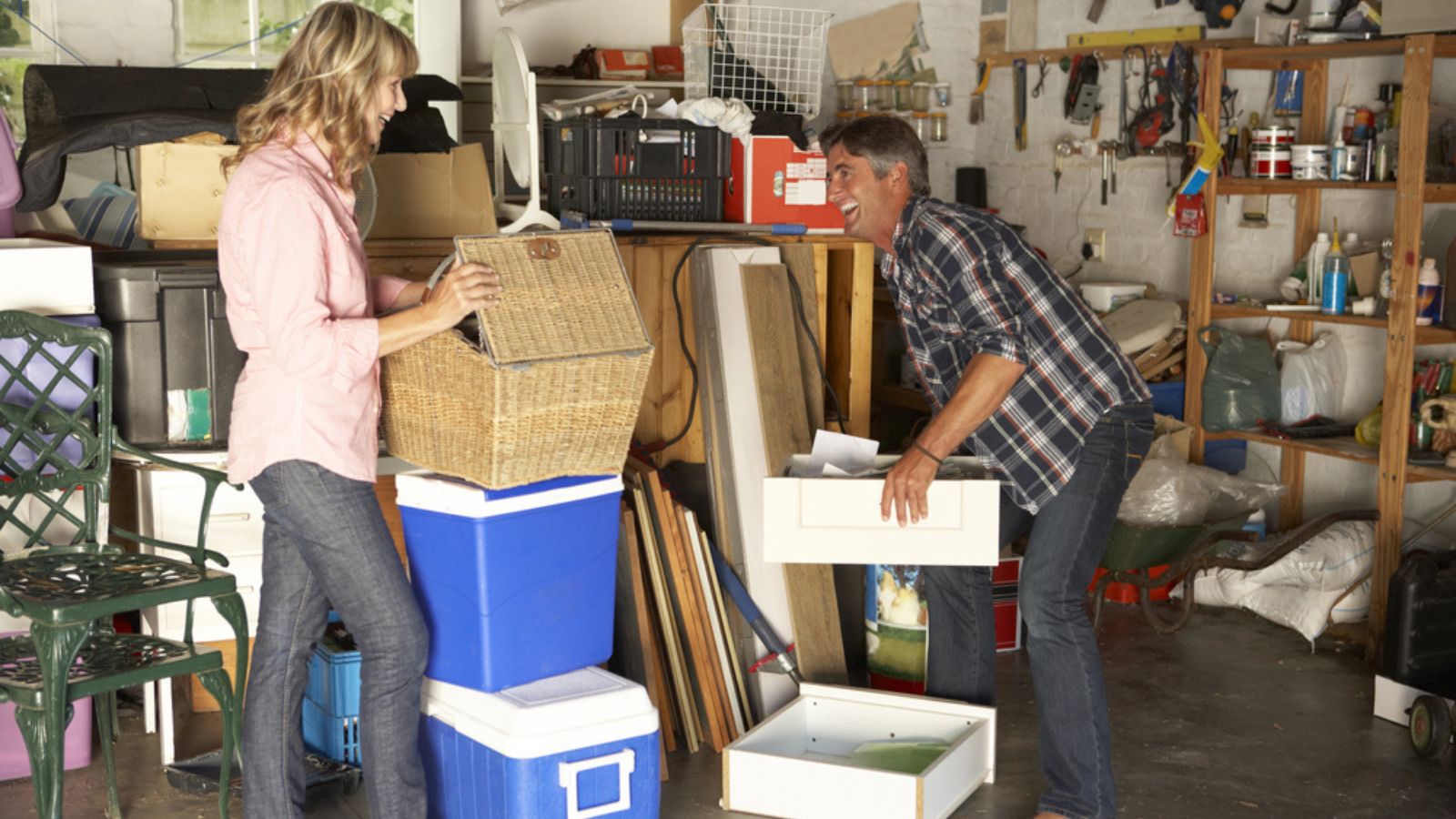
Addressing these common hazards dramatically improves the overall safety of a household. Take time this weekend to test all smoke detectors, inspect power cords, and review an emergency escape plan with everyone living in the house. Equip the kitchen and garage with fresh fire extinguishers today to protect the property from unexpected disasters.
Read More: