12 Kitchen Design Horror Stories from Real People
Creating a new cooking space brings immense excitement and high expectations for homeowners. Unfortunately, those grand visions can turn into stressful nightmares when contractors reveal unusual layout choices and building errors. Instead of a functional room for preparing meals, people find themselves navigating obstacle courses and dealing with unbelievable construction failures.
Many remodeling mistakes happen because homeowners and builders miscommunicate during the critical planning phase. Rushing the measuring process or failing to map out daily walking paths can lead to permanent structural errors that ruin the meal-preparation routine. Oftentimes, poorly placed appliances and shocking visual choices usually occur when people prioritize quick fixes over careful, deliberate planning.
This guide shares a collection of genuine layout blunders experienced by homeowners who survived their disastrous renovations. Reading through these specific misadventures shared online will give you a clear understanding of what to avoid during your next major remodeling project.
1. A Staircase In The Kitchen
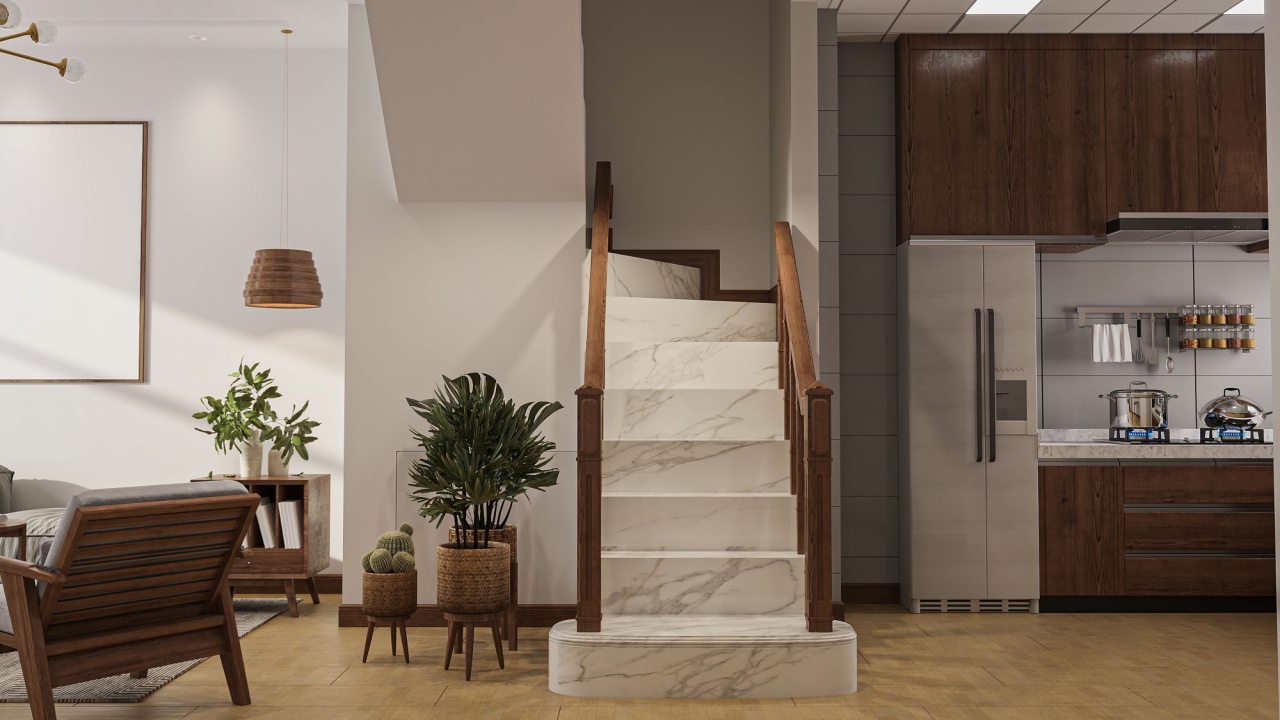
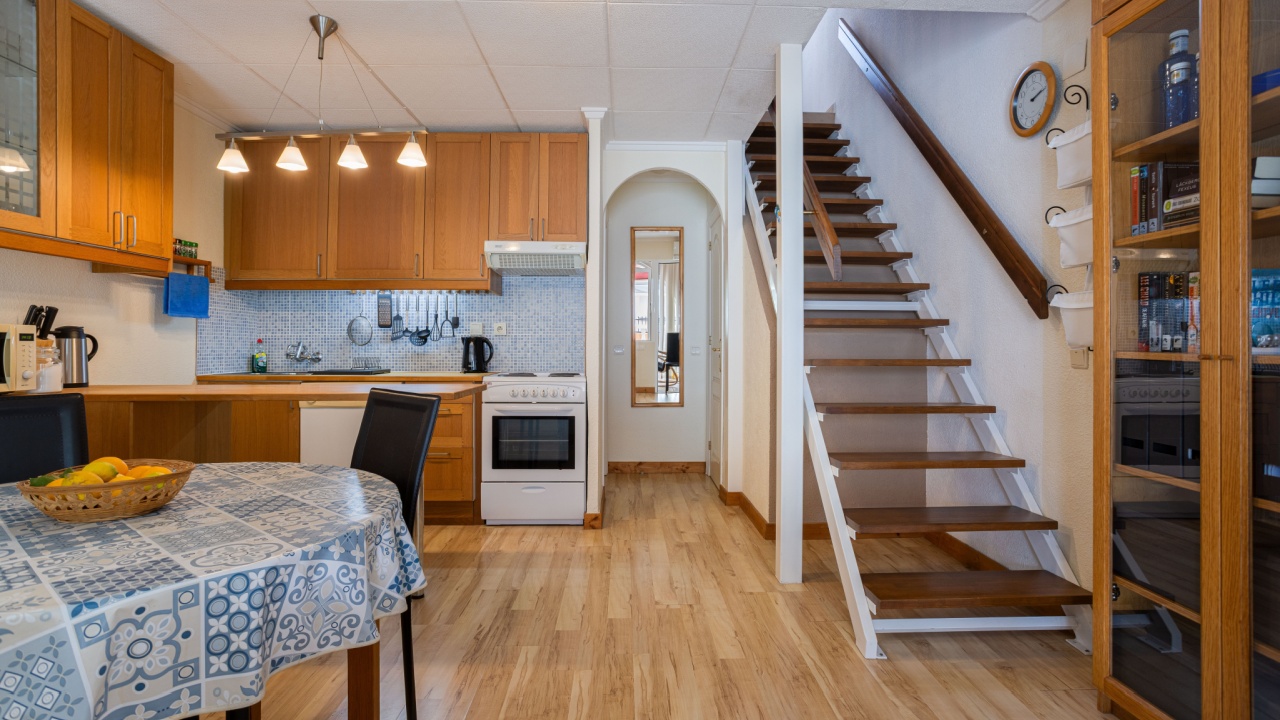
The placement of stairs in a home should be carefully considered to avoid accidents and inconveniences. Some homeowners inherit houses with a full flight of stairs slicing directly through the main meal preparation area. This bizarre placement forces people to walk around the steps just to move from the refrigerator to the sink.
Carrying hot pots and heavy pans around a permanent staircase creates severe safety hazards for anyone trying to cook a simple family dinner. Fixing a structural nightmare like this requires serious architectural intervention and heavy construction work. If you buy a house with a similar layout, you should budget for completely relocating the stairs or moving the cooking zone to a different room.
2. A Floor Level Oven (Unnecessarily)
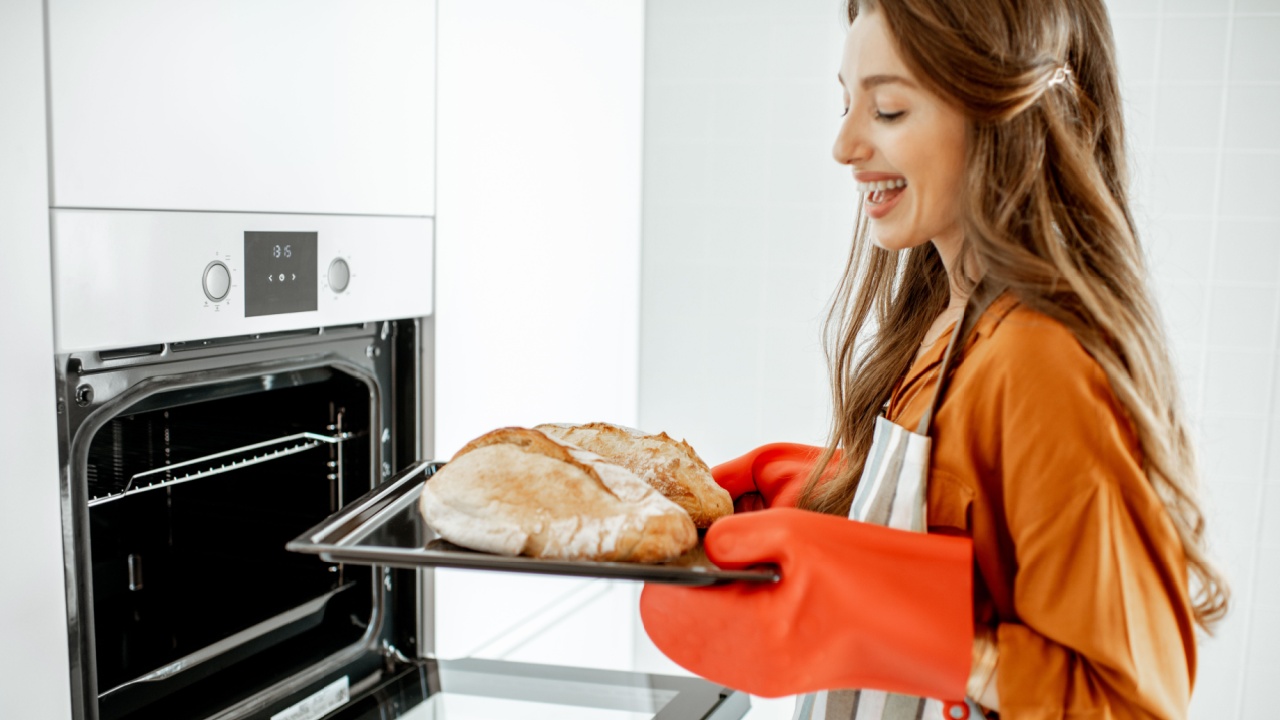
One homeowner discovered their new wall oven sat flush against the floorboards instead of being mounted at eye level. To check on a roasting chicken or bake a batch of cookies, the cook had to crouch low to the ground (common with stove/burner combos- but not for stand-alone ovens like the image above). This painful positioning strains the back and makes lifting heavy, hot dishes incredibly dangerous.
Oven placement should be at a comfortable height to protect your posture and prevent severe burns from accidental spills. Always review the exact elevation measurements on your contractor’s blueprints before any physical installation begins. Catching elevation errors on paper saves you from spending thousands of dollars to rebuild custom cabinetry later.
3. Awkward Cabinet Doors Colliding
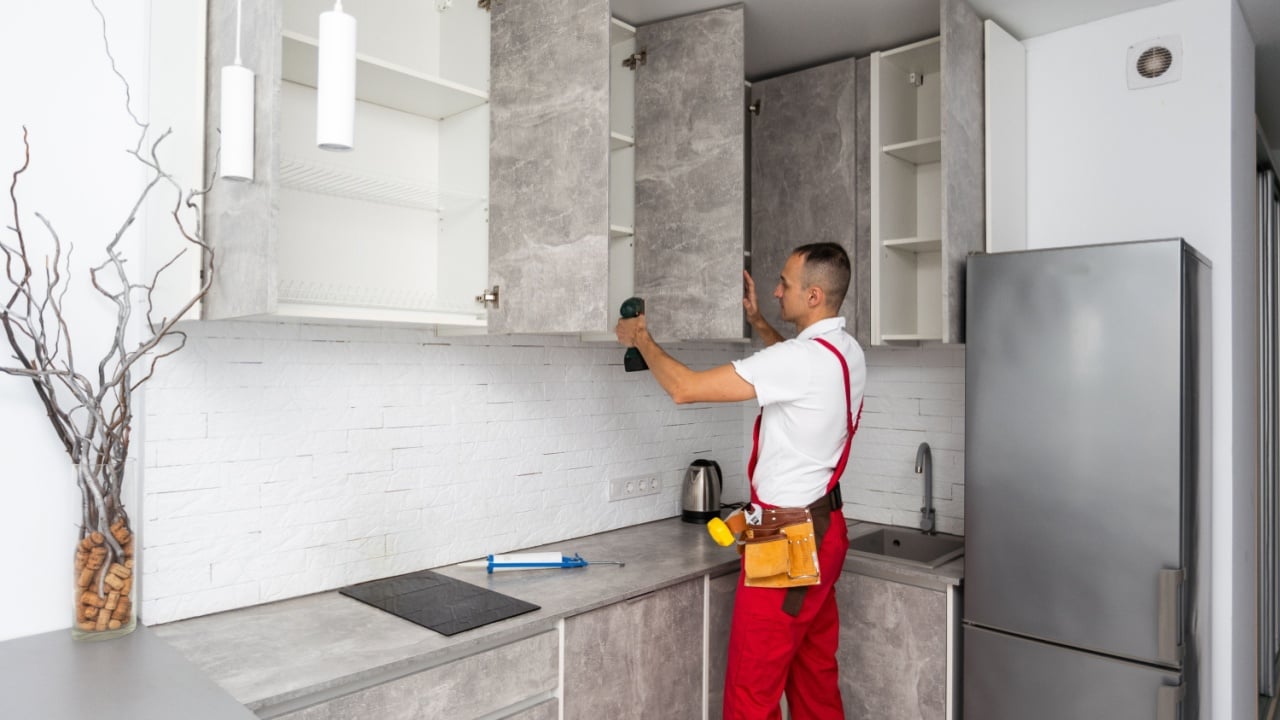
Improperly measured corners often result in cabinet doors and appliance panels smashing into each other. A common blunder involves placing the dishwasher right next to a corner drawer, making it impossible to open both at the same time. The homeowner loses valuable storage space because certain compartments remain permanently trapped behind blocking doors.
Careful measuring and spatial awareness prevent these irritating functional collisions during your daily routine. Designers recommend using filler strips and wide corner cabinets to give every door enough clearance to swing open completely. Testing the swing radius of your specific appliances on a physical floor plan will reveal these conflicts early.
4. Neon Green Counters with Busy Tile
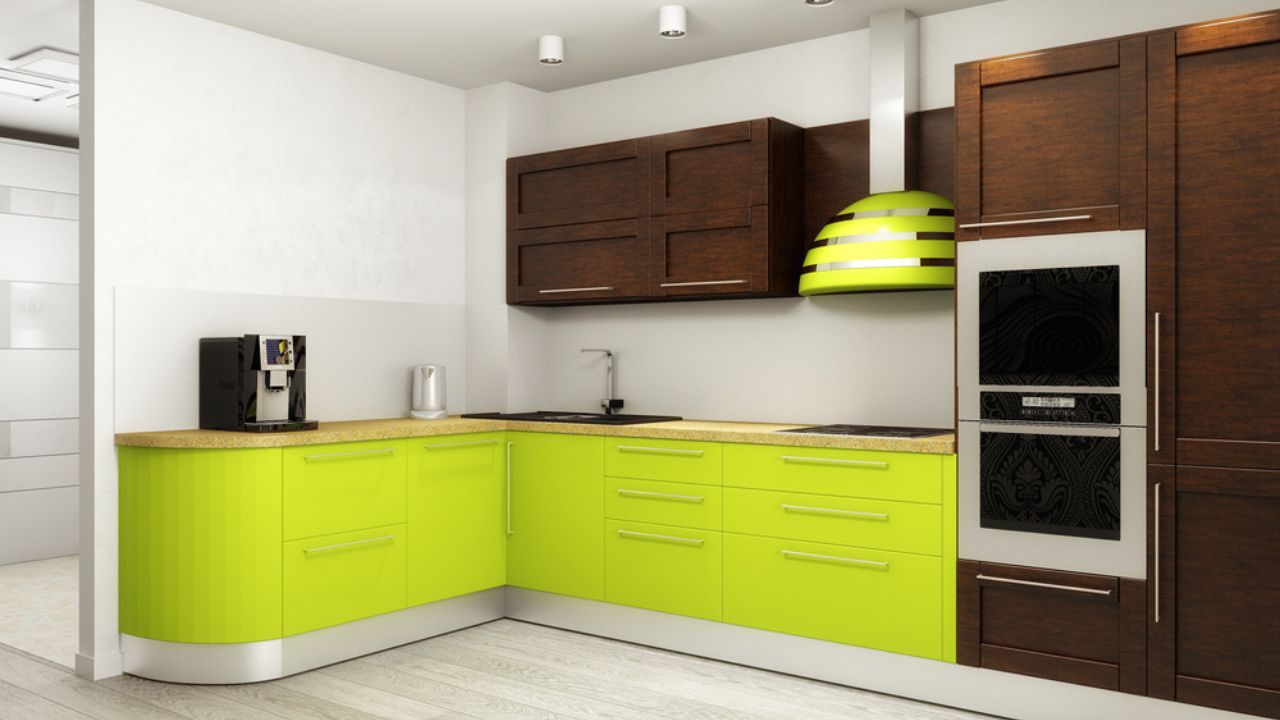
Interior design experts say adding too many colors to a mosaic is a classic visual disaster. Some kitchens do this by pairing incredibly bright lime green countertops with a highly patterned, chaotic backsplash. The clashing colors and overwhelming geometric shapes create severe visual tension that hurts the eyes. Instead of looking retro and fun, the entire room comes off as confusing and permanently unfinished.
Selecting materials requires balancing bold colors with neutral resting spaces to keep the design visually pleasing. If you love bright green surfaces, pair them with simple white walls to let the bright color shine naturally. Requesting large physical samples of your materials allows you to view them together in natural light before committing to a permanent installation.
5. A Bathroom Opening Right into the Cooking Zone
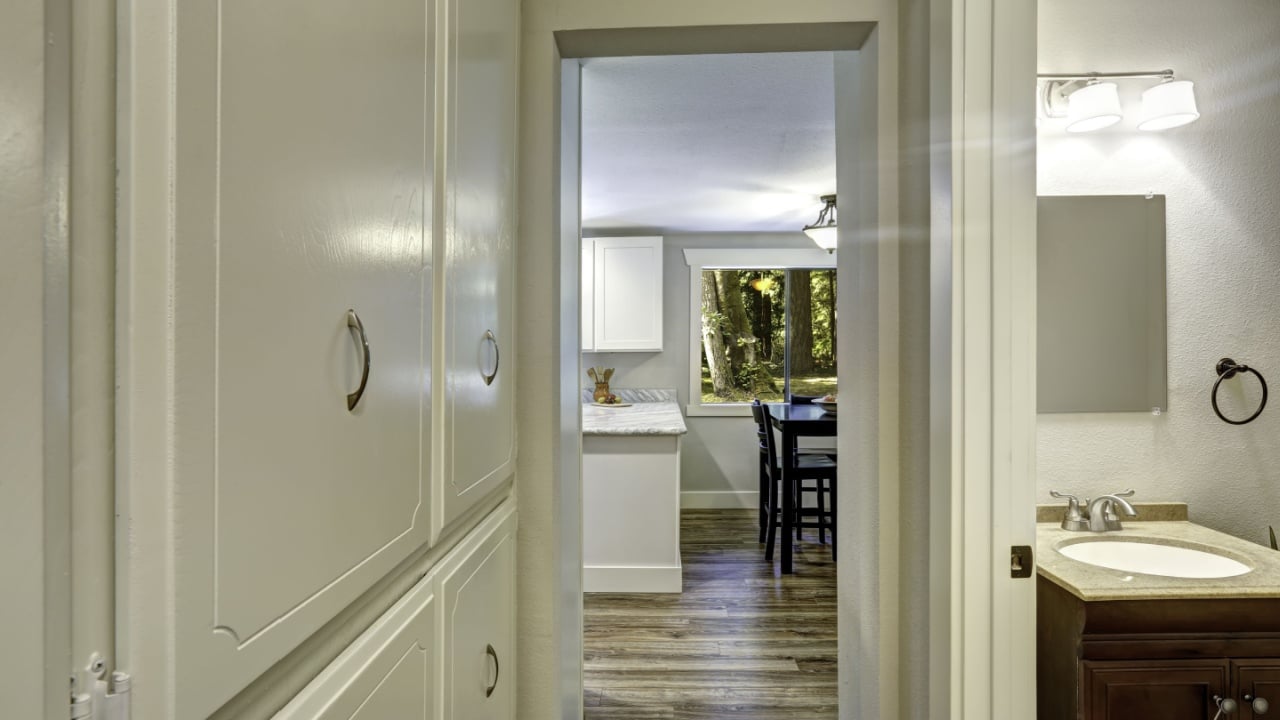
Some older homes feature a tiny half-bathroom literally inches from the kitchen. Slicing vegetables right next to a toilet raises obvious sanitary concerns and completely ruins the appetite of any visiting dinner guests. The unpleasant odors and lack of privacy make the layout uncomfortable for everyone living in the house.
Kitchen experts say that some local building codes still prohibit this type of proximity today, but older properties often hide these bizarre floor plans. Moving a bathroom requires expensive plumbing modifications, but the investment instantly improves your home’s hygiene and value. You should always separate food preparation areas from restrooms by at least a small hallway or a sturdy barrier wall.
6. Bold Hexagon Flooring Clashing with Dark Cabinets
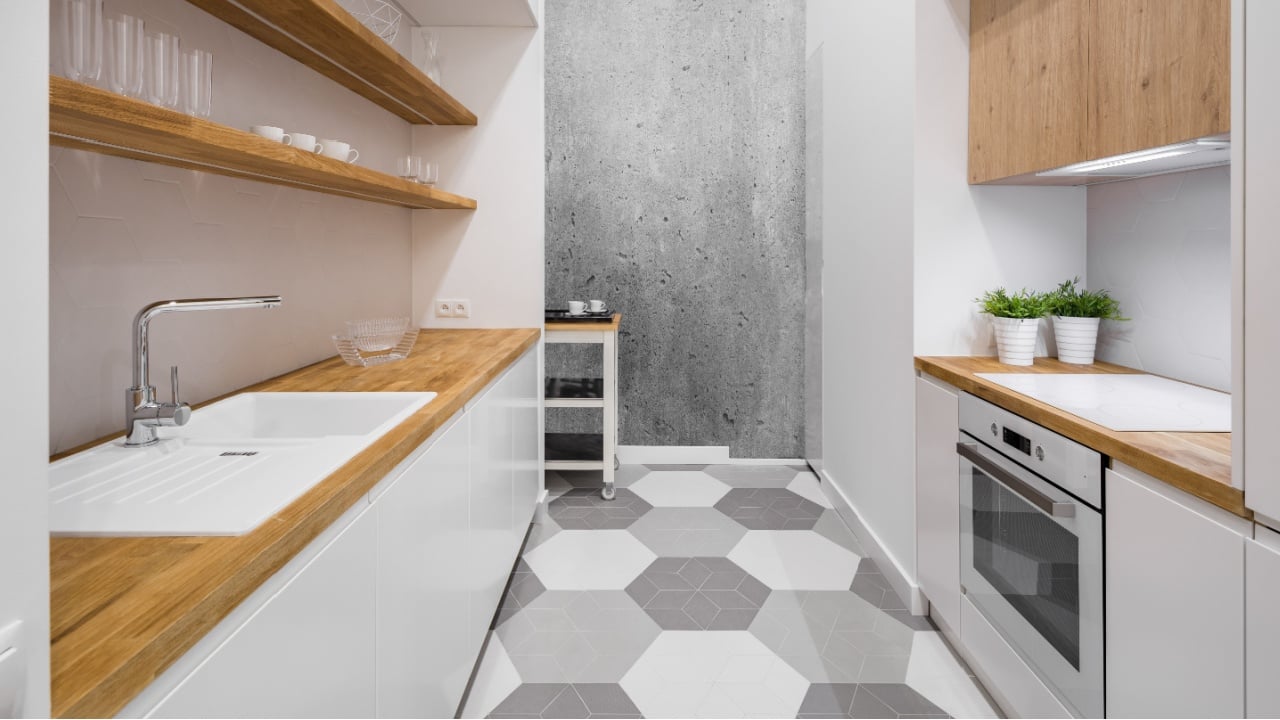
One remodeling project featured aggressive, massive hexagon floor tiles paired with heavy navy blue cabinetry. The extreme geometric pattern on the floor completely overpowered the dark, heavy woodwork, making the room feel enclosed and chaotic. The mismatched elements constantly fought for attention, making the room feel visually exhausting.
If you want a bold kitchen, experts recommend balancing the flooring, cabinets, and your workspace so they complement each other rather than compete. Strong flooring patterns require simple, understated cabinetry to maintain vexactly where the new island was plannedsual harmony in the room. Choose clean cabinet lines and minimal hardware to balance the overall aesthetic. Gathering your flooring, paint, and wood finish samples on a mood board will prevent expensive stylistic clashes.
7. An Island Interrupted by Load-Bearing Pillars
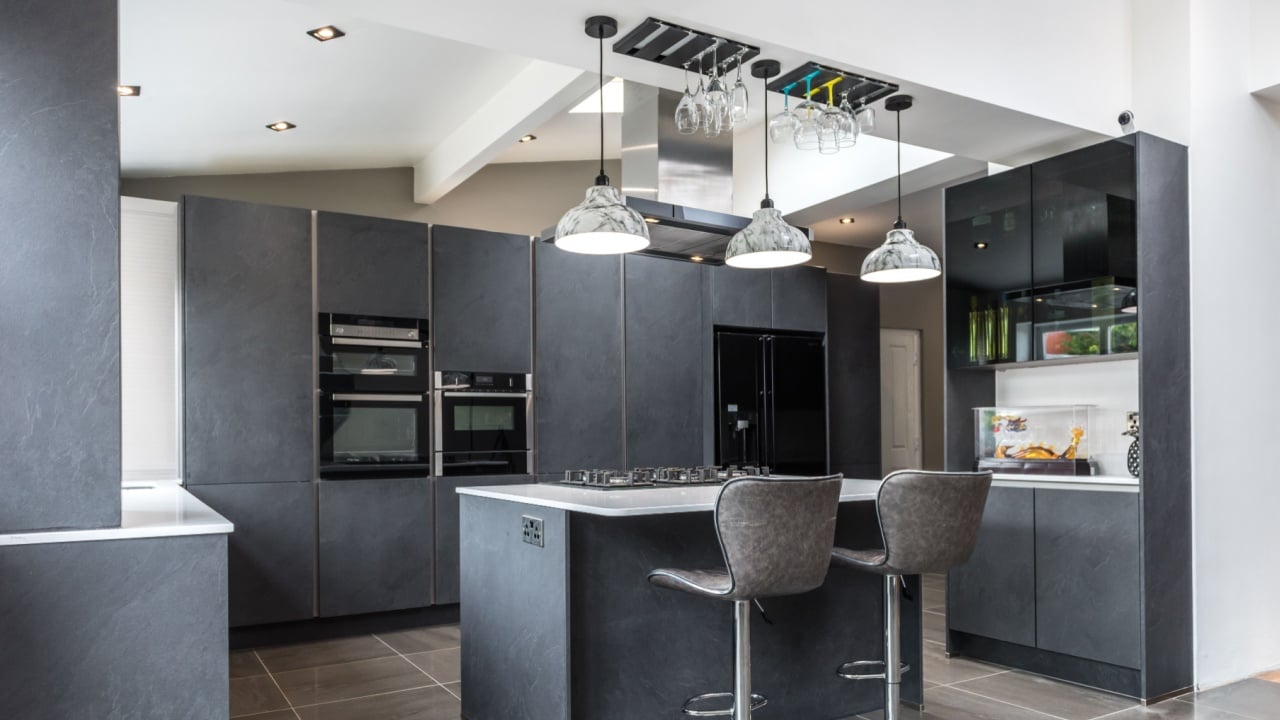
A homeowner attempted an open-concept layout but discovered a load-bearing column exactly where the new island was planned. Instead of adjusting the layout, the builders cut the counter material and built the island entirely around the massive wooden pillar. This choice fragmented the flat workspace and severely limited the seating capacity for family meals.
Structural supports dictate exactly how you can arrange your heavy furniture and permanent counters. Consulting a structural engineer before removing walls will tell you exactly where the pillars must stay to support the roof safely. You can then design separate prep stations around the structural supports instead of forcing a single, massive island to work.
8. Unusable Corners Wasting the Floor Plan
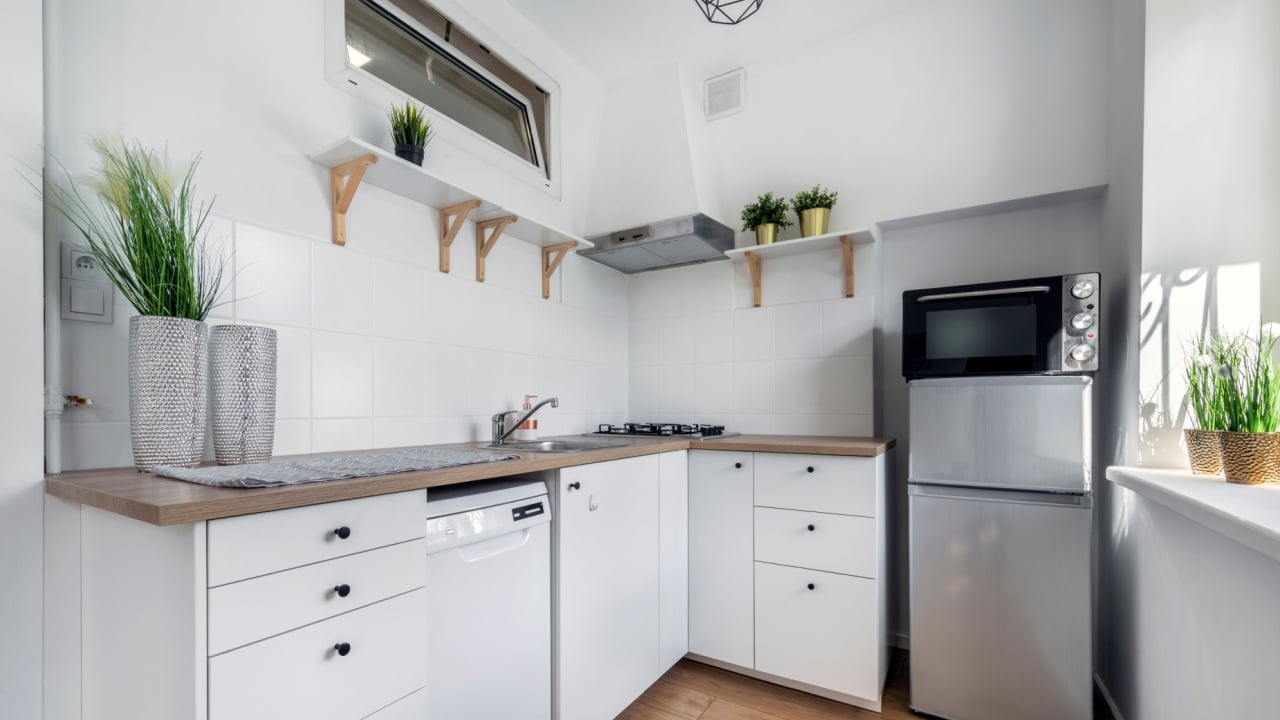
A common mistake is shoving a rigid U-shaped layout into a narrow corner, leaving large patches of empty floor untouched. One homeowner struggles with tiny, cramped counter space while a vast expanse of empty floor space goes completely unused. This disproportionate layout makes meal prep frustrating because all the appliances sit awkwardly bunched together in one tight spot.
Maximizing your square footage requires distributing the functional zones evenly throughout the available space. Spacing the sink, stove, and refrigerator in a wide, comfortable triangle utilizes the entire floor plan effectively. Hiring a professional designer to map out the footprint will maximize your storage capacity and eliminate wasteful empty gaps.
9. Tall Fixtures Blocking Window Functionality

Mounting massive, industrial-style sink faucets directly in front of low-hanging windows creates immediate ventilation problems. Homeowners quickly discover they cannot push the glass panes open because the tall metal spout physically blocks the window frame. This obvious oversight reduces natural light and completely prevents fresh air from circulating through the room.
Plumbing fixtures must match the scale and physical limitations of your existing architecture to work properly. Measuring the clearance between the countertop and the window ledge helps you select appropriately sized hardware. Choosing a low-profile faucet or a pull-down sprayer keeps the view completely clear and preserves full window mobility.
10. A Range Hood Located Far from the Stove
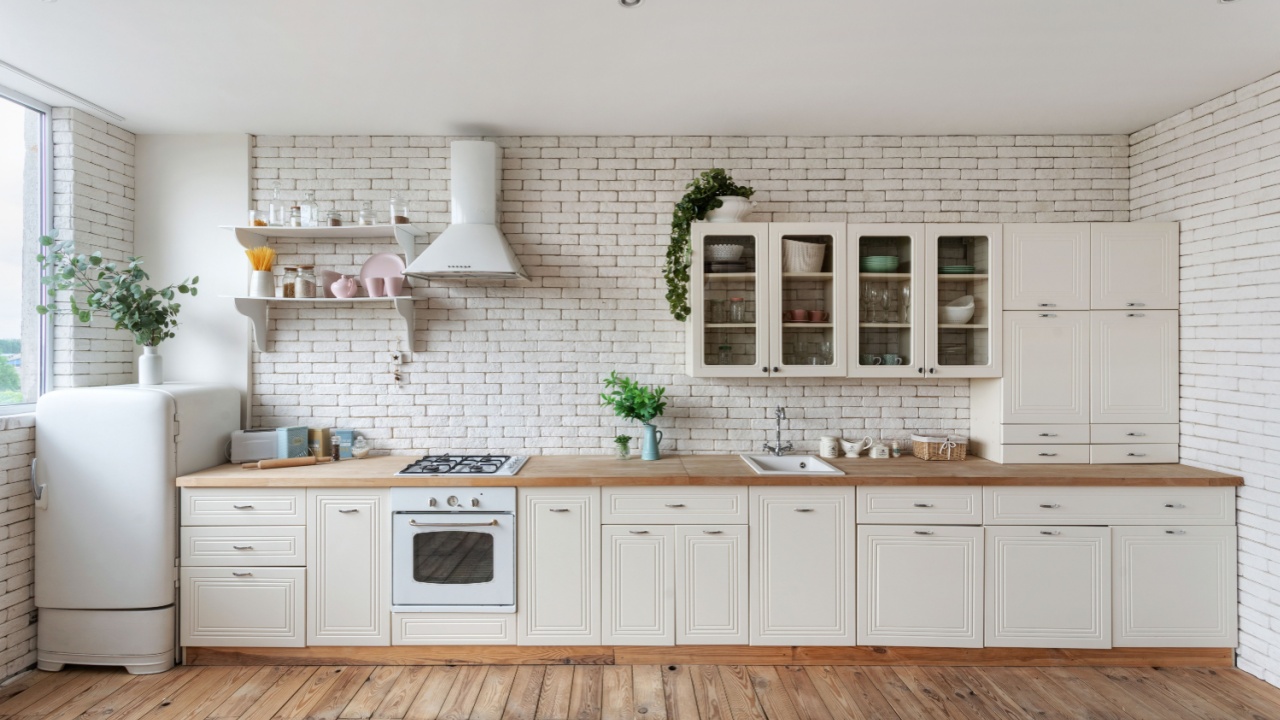
What is the ideal distance between a range hood and the stove? In one confusing renovation, the contractor installed a heavy ventilation hood on the ceiling, completely opposite to the actual stovetop. This bizarre separation renders the exhaust fan totally useless for capturing rising smoke, steam, and flying cooking grease.
Ventilation equipment must sit directly above the heat source to capture emissions effectively. Double-checking your appliance layout before the electrician runs the heavy wiring will keep the hood and stove perfectly aligned. Proper alignment protects your paint from grease damage and helps maintain healthy indoor air quality for your family.
11. Refrigerator Doors Pinned Against the Wall
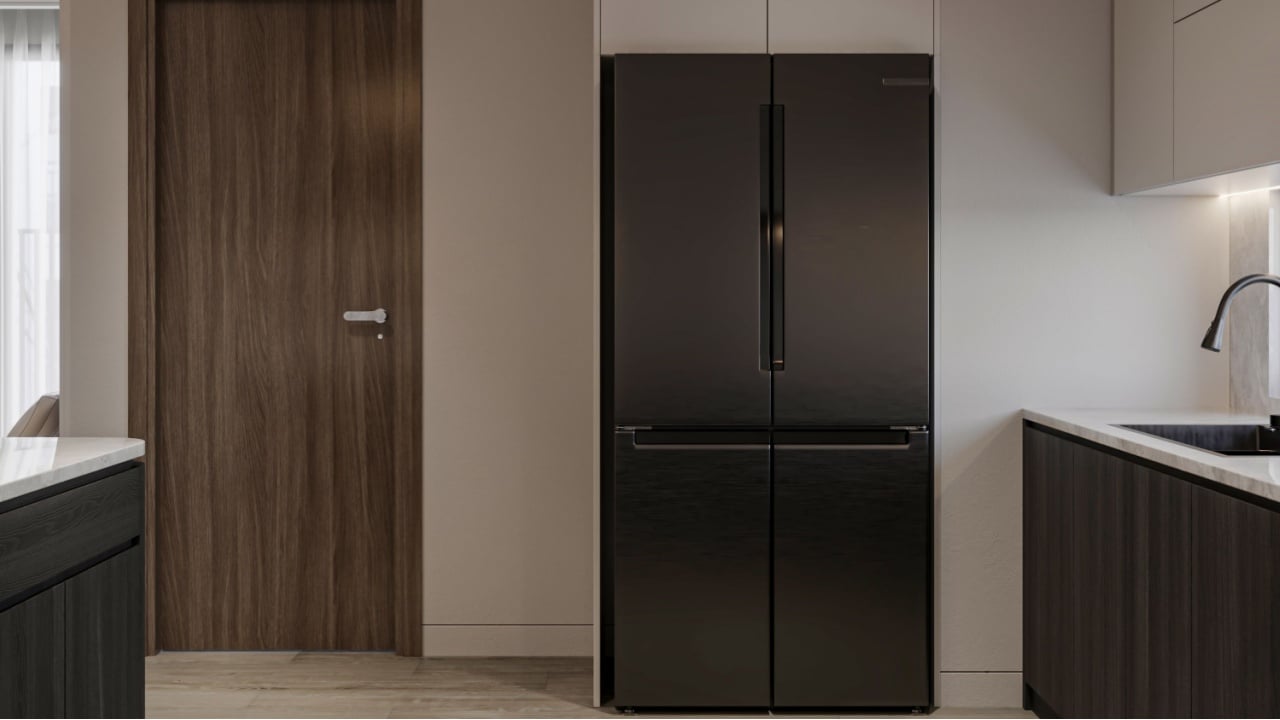
Placing a massive double-door refrigerator directly against a solid side wall guarantees daily frustration for the homeowner. The right-side door hits the drywall immediately, preventing the internal storage drawers from sliding out for cleaning or loading. The user must awkwardly reach around the half-opened door just to grab a simple jug of milk.
Large modern appliances require specific clearance gaps on all sides to operate as intended by the manufacturer. Leaving at least 3 inches of clearance between the appliance and any adjacent walls gives the hinges room to swing fully. Reading the installation manual before finalizing your cabinet dimensions prevents this irritating everyday roadblock.
12. Micro-Sinks Installed in Massive Countertops
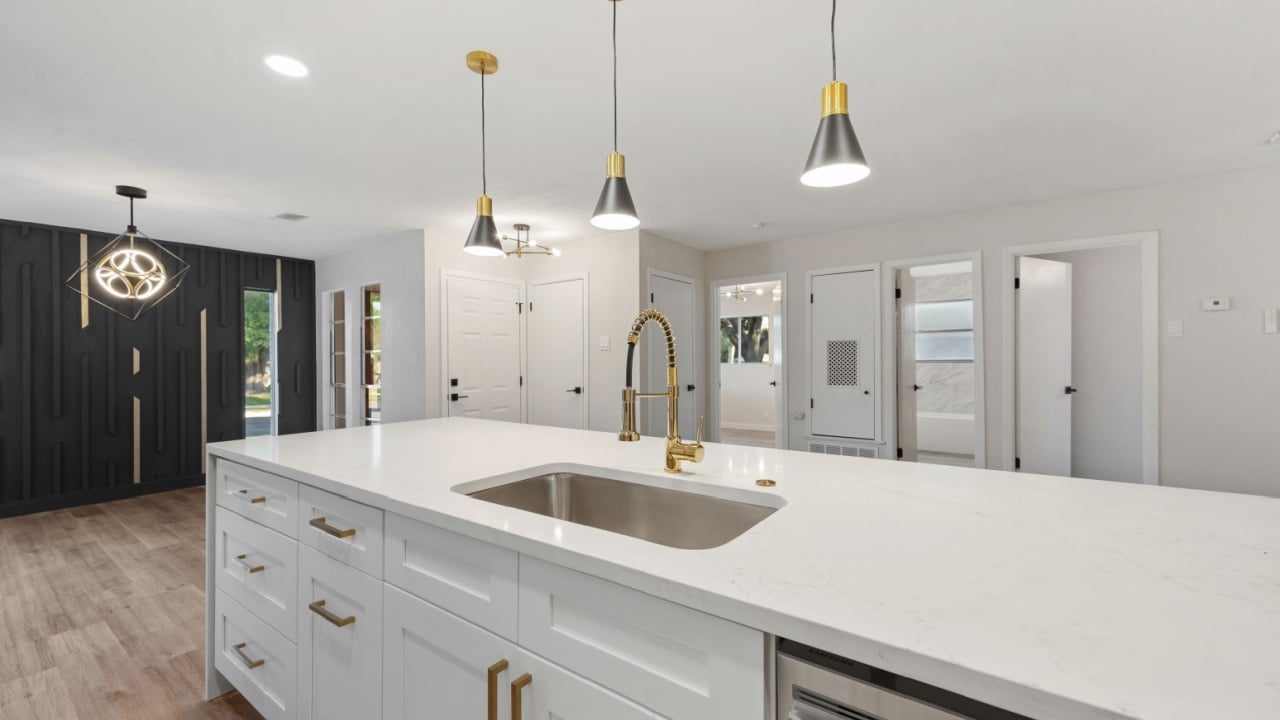
Another baffling trend involves placing an incredibly tiny bar sink in the middle of a gigantic, sprawling granite countertop. The homeowner gains miles of flat workspace but cannot fit a single large frying pan under the running water. Washing dishes daily becomes a splashy, miserable chore because the basin lacks sufficient depth and width for normal cleaning.
The size of your cleaning basin should correspond directly to the scale of your room and your cooking habits. A large preparation space demands a deep, wide basin capable of handling baking sheets and tall boiling pots. Matching the proportions of your cleaning station to your room size creates a much more balanced and practical environment.
Designing a Kitchen That Works
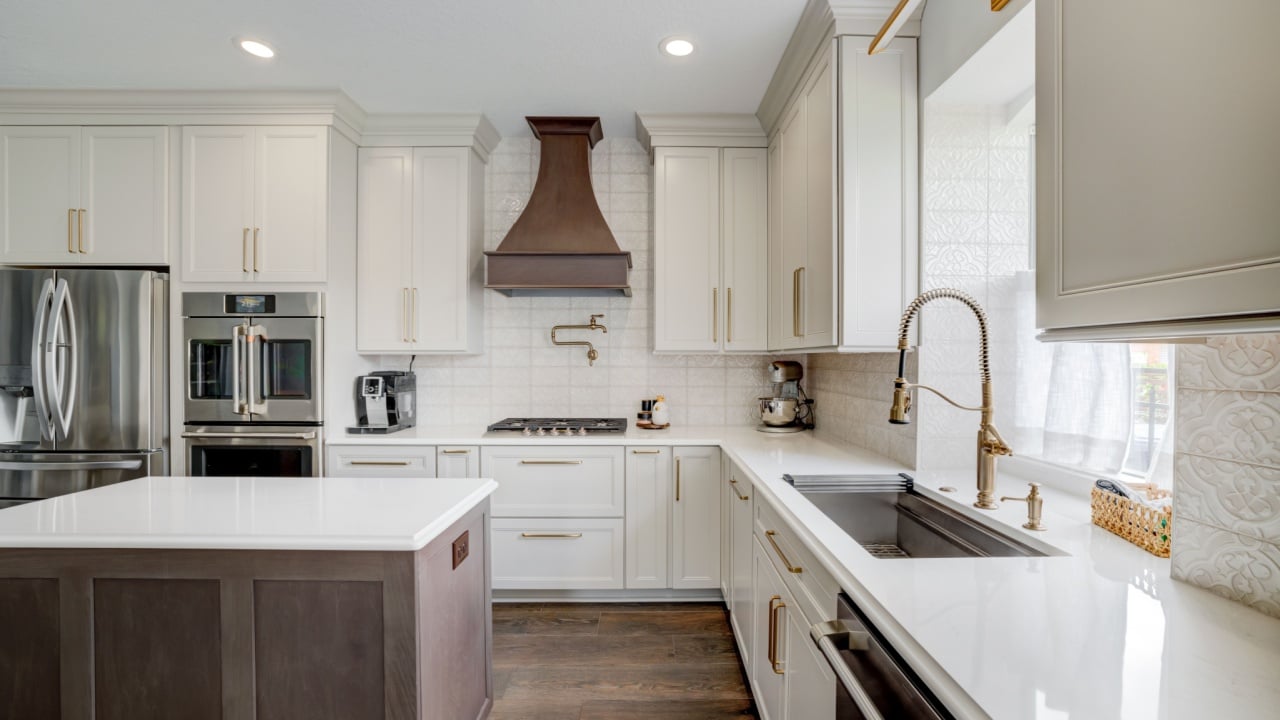
Wrapping up a major renovation requires patience, a solid budget, and a keen eye for practical details. Taking the time to measure doorways, check clearances, and visualize walking paths prevents the functional disasters listed above. A beautiful cooking space means absolutely nothing if you cannot open the oven or wash a pan comfortably.
Learning from these specific homeowner missteps gives you a massive advantage when drawing up your own floor plans. By prioritizing practical function alongside your visual preferences, you will build a comfortable room that serves your family perfectly for decades.
Read More: