Plant These 12 Spring Bulbs Before Easter for the Most Beautiful Holiday Garden You’ve Ever Grown
Most people buy a grocery store bouquet the week before Easter and call it a day.
But the gardeners who started planting last fall, or who are filling containers right now, in March, are about to have something those grocery flowers can never replicate: a garden that blooms as if it planned itself, timed to Easter, layered with color and scent, and rooted in centuries of tradition.
Easter 2026 falls on April 5. That means the window for potting forced bulbs and staging containers is open right now. And whether you have a sprawling backyard or a single sunny porch, these twelve bulbs will give you an Easter garden worth gathering around.
Why Spring Bulbs Are the Original Easter Flowers
Before the florist industry existed, spring bulbs were the Easter flowers.
In England, daffodils have been called “Lent lilies” for centuries, their golden blooms arriving in lockstep with the Lenten season. According to the Farmers’ Almanac, daffodils represent the arrival of new life and have been holiday symbols long before they became grocery store merchandise.
Hyacinths, native to the eastern Mediterranean, carry perhaps the most explicitly Easter-coded symbolism of any bulb. The floral resource Thursd notes that in the Christian tradition, hyacinths are associated with rebirth and resurrection, and their intoxicating fragrance has long been considered an announcement of spring’s arrival.
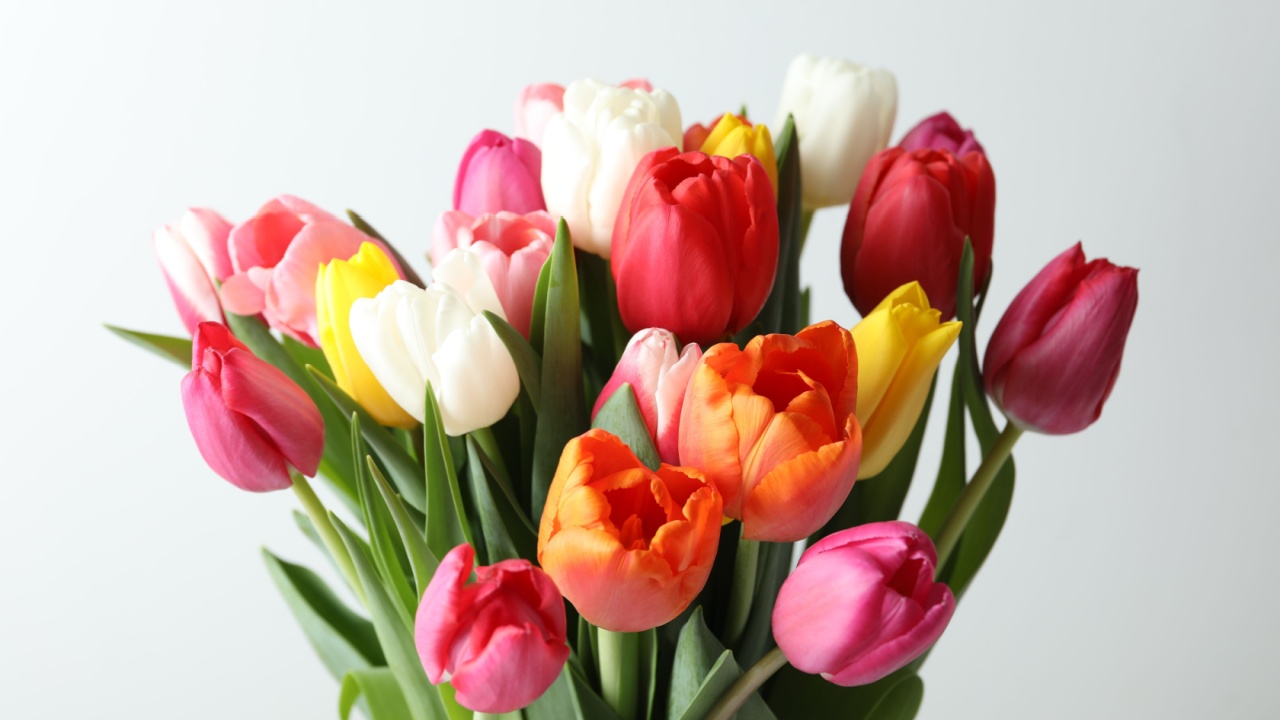
Tulips carry their own Easter layer: according to Interflora Australia, purple tulips symbolize royalty and white tulips symbolize forgiveness, and the two together represent the celebration of Christ’s resurrection. Even the egg-shaped tulip bloom has Easter-egg folklore associations.
This is a planting tradition worth reviving.
1. Daffodil (Narcissus spp.)

Plant these first, plant them everywhere, and don’t second-guess yourself. Garden Design describes daffodils as among the most carefree and reliable spring bulbs, and their one killer feature for the Easter garden: deer, rabbits, and squirrels all leave them alone. They naturalize readily, meaning a patch planted this fall will grow larger and more impressive each year. Daffodils thrive in Zones 3–9.
2. Hyacinth (Hyacinthus orientalis)
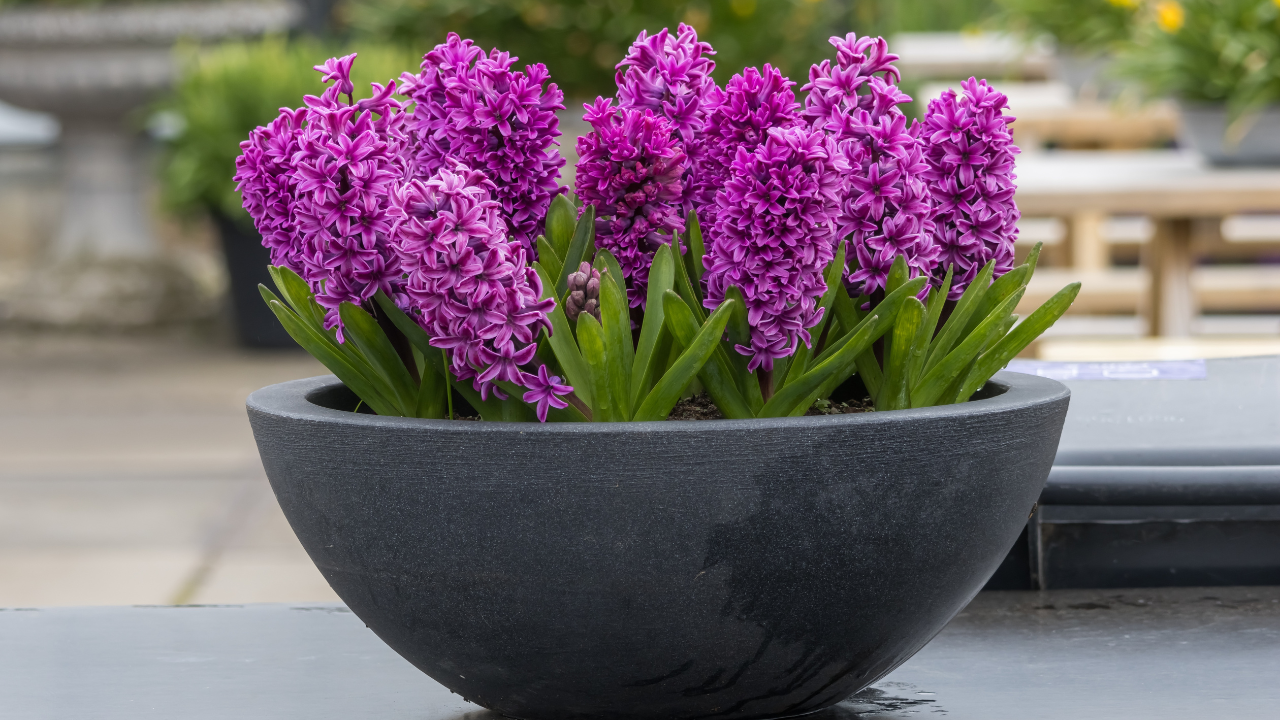
The scent alone justifies planting. A single hyacinth in bloom near the front door transforms the entire approach to your home. They pair beautifully with tulips and daffodils and return reliably year after year. Five or six Hyacinth bulbs are plenty in a container. Their fragrance is extraordinary in small quantities and overwhelming in large ones. Hyacinths thrive in Zones 4–8.
3. Tulip (Tulipa spp.)
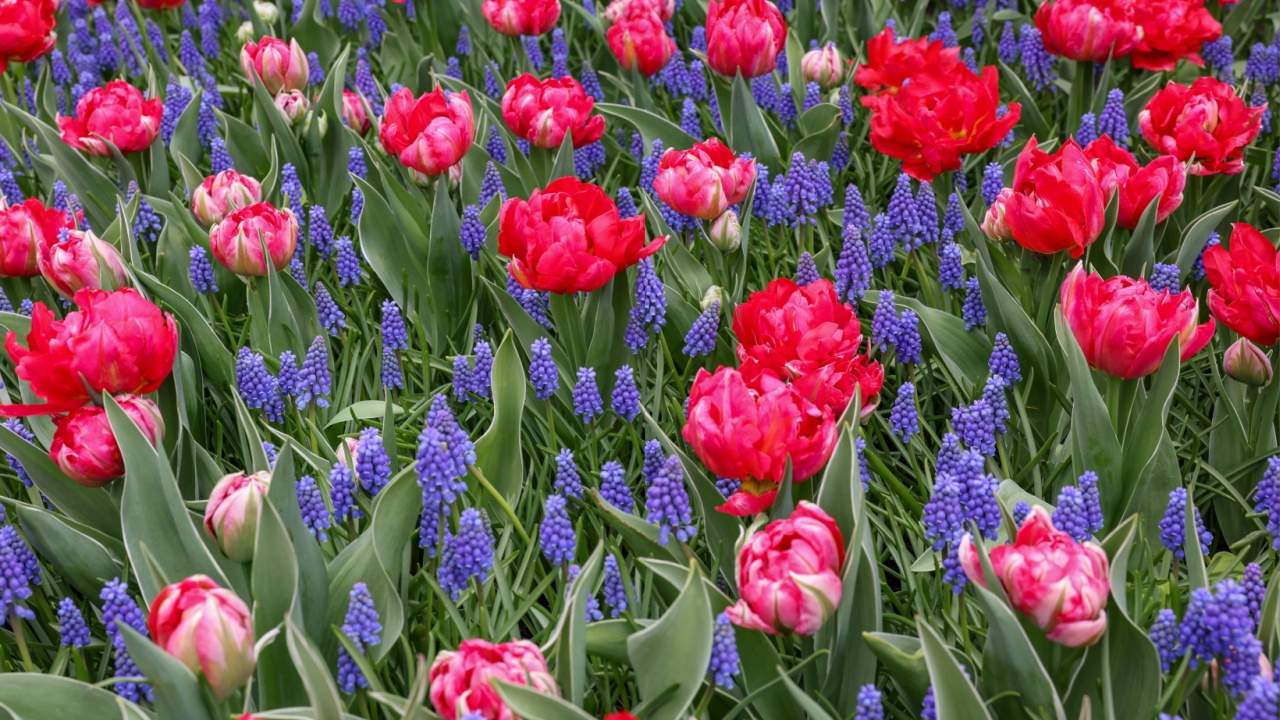
With hundreds of cultivars available in nearly every color, tulips are the painter’s palette of the Easter garden. Country Living notes that Darwin hybrid tulips are among the most reliable reblooming varieties. For Easter color, lean into whites, pale yellows, and soft purples. For drama, mix in deep burgundy or Easter-egg pink. Tulips grow well in Zones 3–8.
4. Crocus (Crocus spp.)
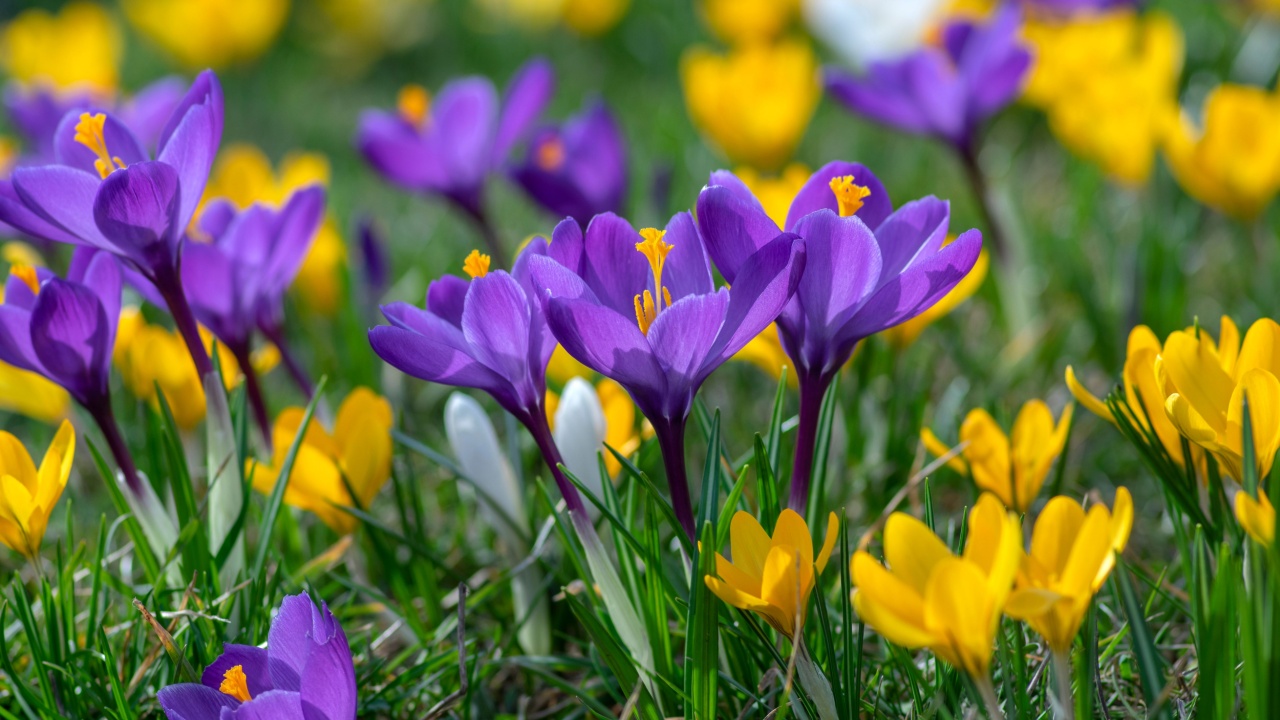
Crocuses arrive first each spring, sometimes pushing through the last of the snow, which is exactly the kind of moment that earns gasps. The Farmers’ Almanac notes they symbolize youth and happiness, making them perfect for joyful Easter celebrations. They’re exceptionally easy, thrive in most zones, and naturalize quickly. Crocuses will grow well in Zones 3–8.
5. Grape Hyacinth (Muscari armeniacum)
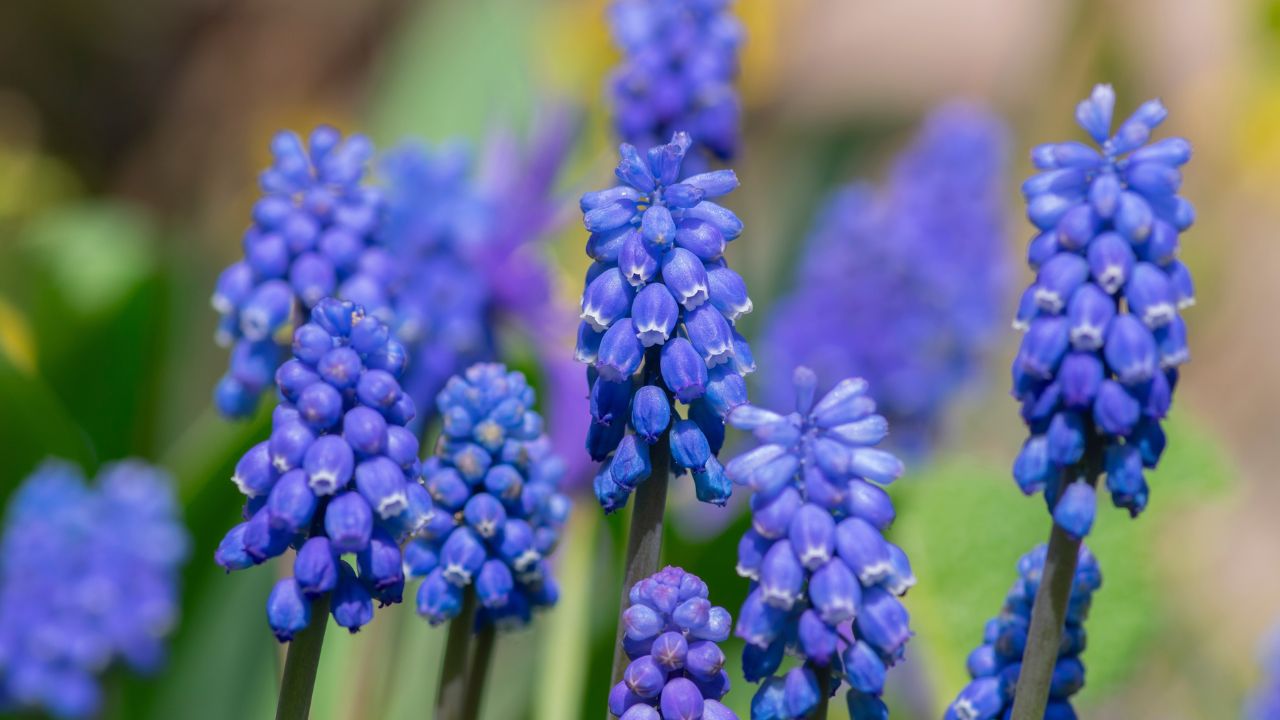
Grape hyacinth underpromised and overdelivered every single year. These cobalt-blue clusters are among the best companion bulbs for pale tulips and white daffodils; the color contrast is spectacular. Longfield Gardens notes they naturalize and spread reliably, giving you a larger display every spring for minimal effort. Grape hyacinth thrives in Zones 4–8.
6. Allium (Allium spp.)

Alliums are the eye-catching, architectural choice. Spherical flower heads ranging from golf-ball to softball size sit atop tall stems in shades of purple and white, blooming in mid-to-late spring and bridging the Easter garden into early summer. A bonus is that deer and rodents completely ignore them. Garden Design confirms alliums as outstanding accents in spring beds. Alliums grow well in Zones 4–10.
7. Fritillaria (Fritillaria spp.)
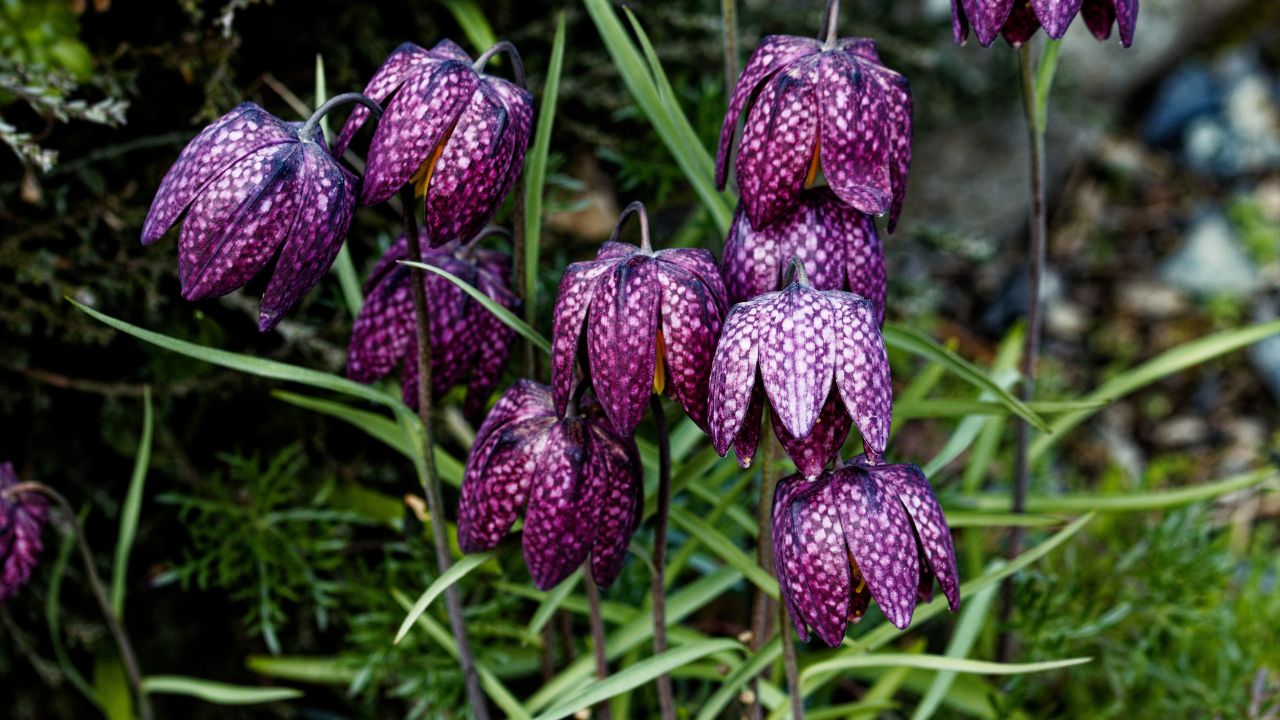
This one surprises every guest. The nodding, checkered bell-shaped flowers look like something out of an illustrated fairy tale, and they have no equivalent in the spring garden. Garden Design calls them underutilized bulbs that deserve wider use in the landscape. Plant them behind grape hyacinth for a combination that will make visitors stop mid-stride. Plant in Zones 3–9.
8. Dutch Iris (Iris spp.)
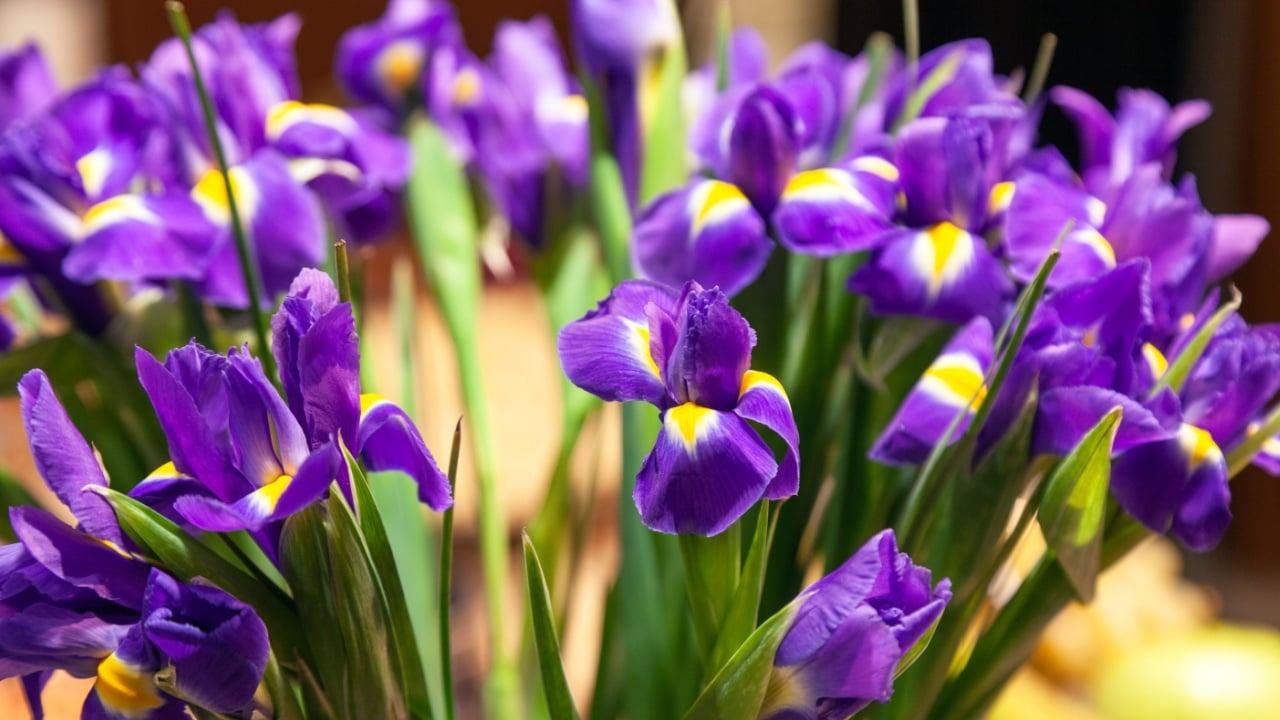
Sword-like foliage and orchid-like blooms in mid-to-late spring, in shades of white, yellow, blue, and amethyst. A meaningful Easter addition: the iris has long symbolized faith, wisdom, and courage. They make extraordinary cut flowers for the Easter table. Irises thrive in Zones 5–8.
9. Glory of the Snow (Chionodoxa spp.)
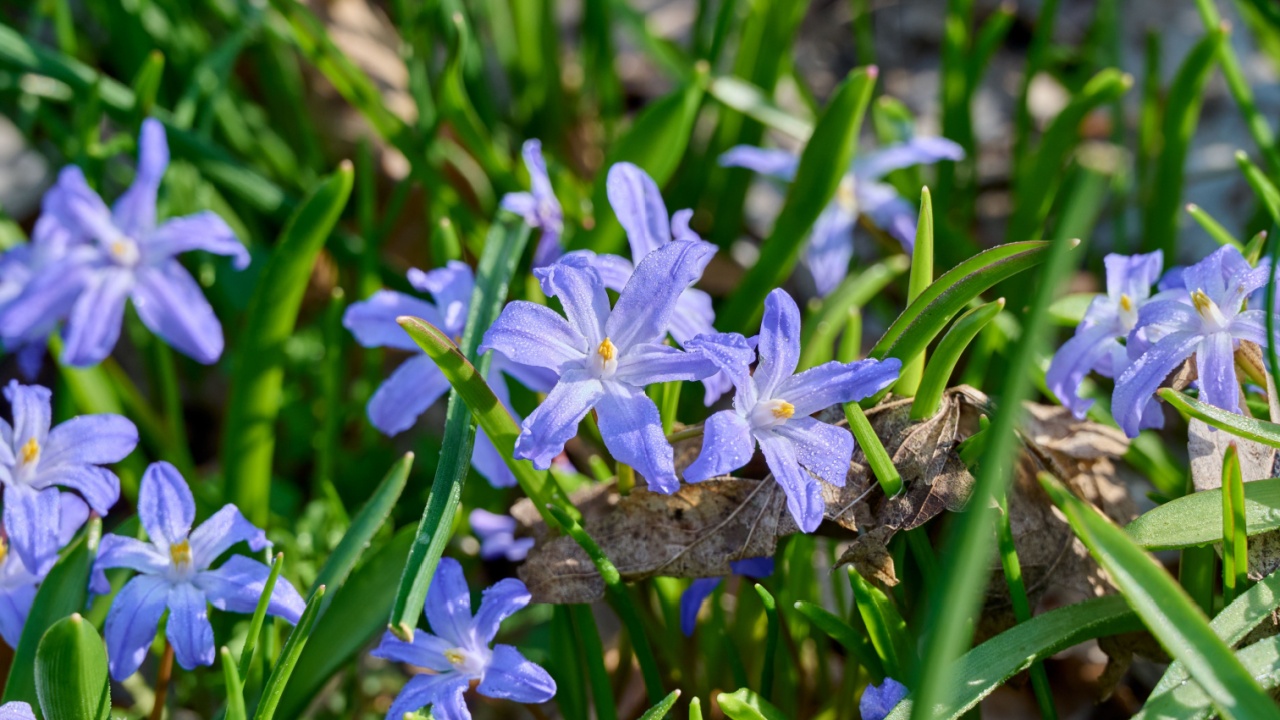
One of the earliest bulbs to flower, named for its habit of blooming while snow is still on the ground. The upward-facing star-shaped flowers in blue, pink, and white are diminutive but dazzling in mass plantings. Grow them under deciduous trees or along pathways for a carpet of early Easter color in Zones 3–8.
10. Snowdrops (Galanthus spp.)
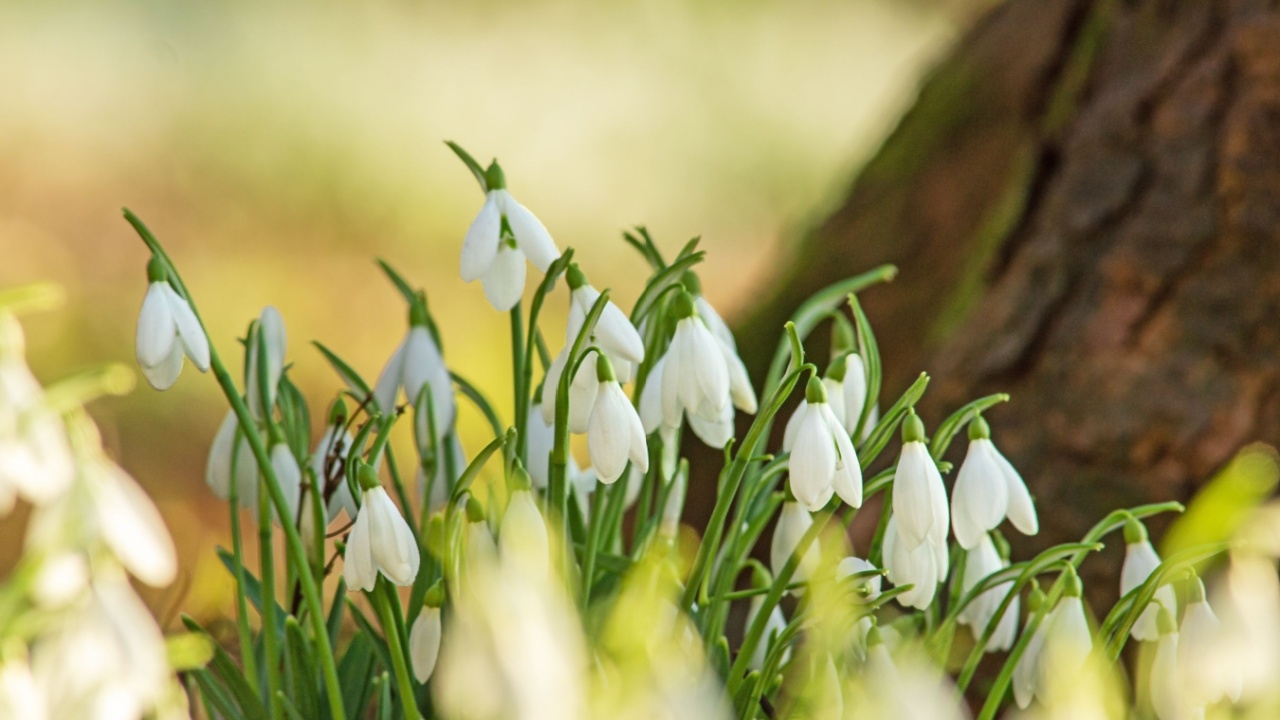
If your Easter falls early, snowdrops are your anchor. The small, nodding white bells are among the first signs of life after winter, and they spread readily into drifts that create genuine emotional impact. Garden Design describes them as blooming in February and March, even when snow is still on the ground. Snowdrops grow well in Zones 3–8.
11. Anemone (Anemone spp.)
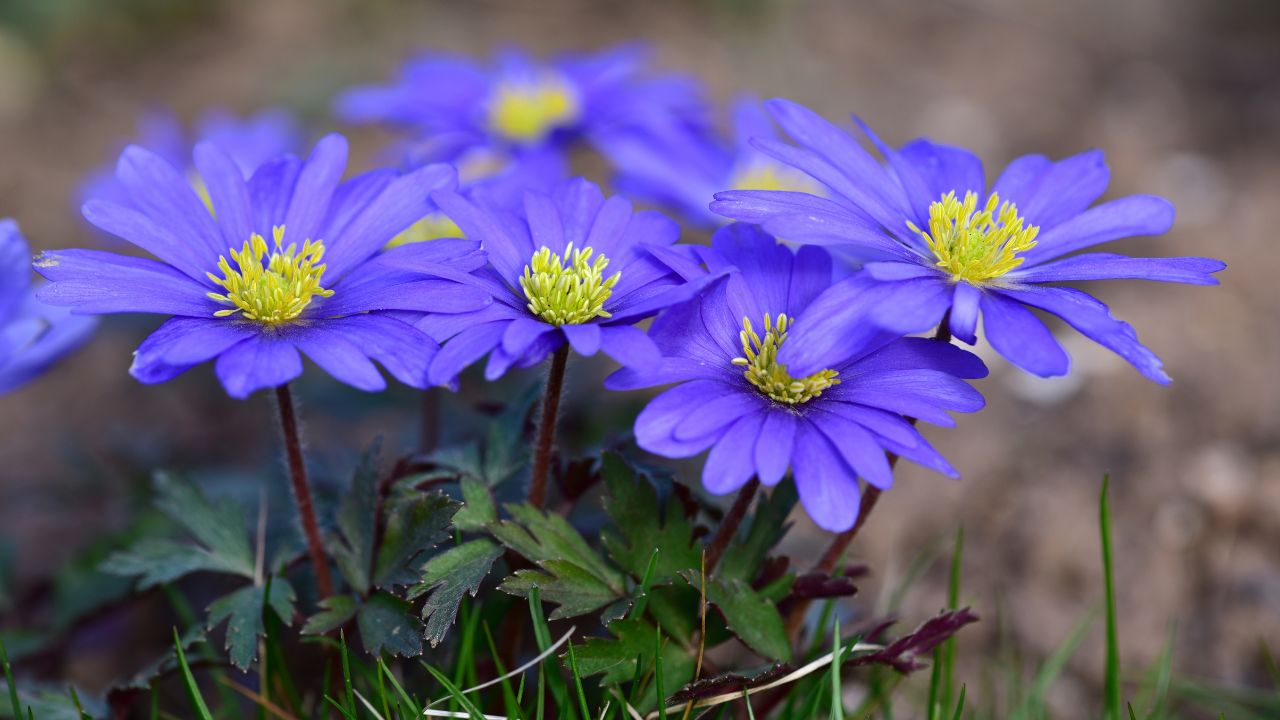
For warmer climates, fall-planted anemones produce poppy-like flowers in jewel-bright reds, purples, blues, and whites right around Easter. In colder zones, plant in spring for early-summer flowers in containers. The color saturation is unlike anything else in the spring garden. Fall plant in Zones 7–11; spring plant in Zones 5–8.
12. Ranunculus (Ranunculus asiaticus)
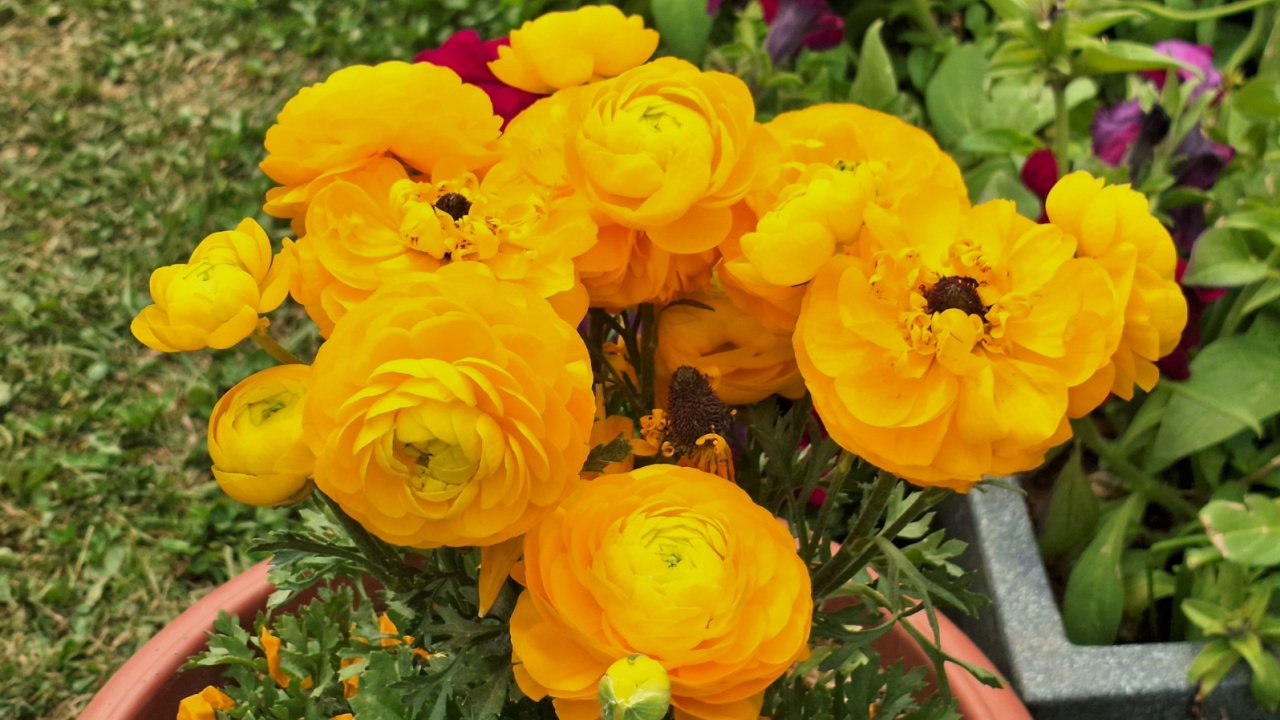
Ranunculus are the florist’s favorite, now available for your garden. Layers upon layers of tissue-thin petals in pastels and saturated brights; Martha Stewart Living describes their blooms as rose-like and long-lasting as cut flowers. They bloom in cool weather, making them ideal for early Easter displays. Ranunculus grow well in Zones 8–11; treat as annuals elsewhere.
The Secret to Timing Your Easter Spring Bulbs Every Year
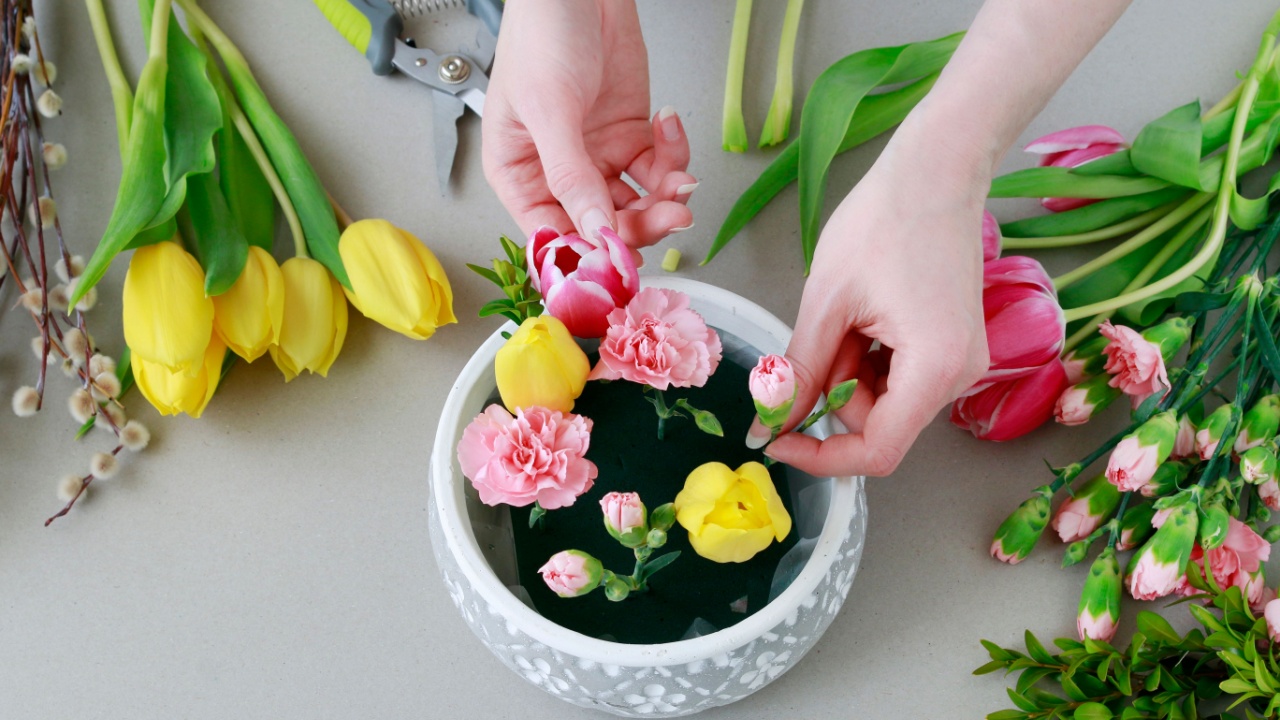
Here is the thing nobody tells you: Easter moves. It occurs between late March and late April, and if you plant for a specific week, you will miss it at least half the time. The fix is a layered approach—what Longfield Gardens calls planting a combination of early-, mid-, and late-bloomers, which can extend the spring bulb season by 8 to 10 weeks.
In practical terms: plant crocus, snowdrops, and glory-of-the-snow as your early anchor. Follow with daffodils and hyacinths for the mid-season peak. Let tulips, alliums, and Dutch iris carry the display into late spring. Something will always be blooming at Easter, regardless of when it falls.
Every spring bulb carries its bloom inside it before it ever touches soil. The flower is already there, complete and waiting. All it needs is time and cold.
For small-space gardeners or those who want guaranteed Easter-week blooms, Gardening Know How recommends the “lasagna” container method: layer larger, later-blooming bulbs at the bottom of a deep pot, then mid-bloomers, then early bloomers near the surface. A single container blooms in succession for weeks. Combine this with one or two pots of pre-chilled forced bulbs, which Epic Gardening notes can be timed to bloom within two to three weeks of planting once the chill period is complete, and your Easter display is essentially guaranteed.
How to Design an Easter Garden That Looks Intentional
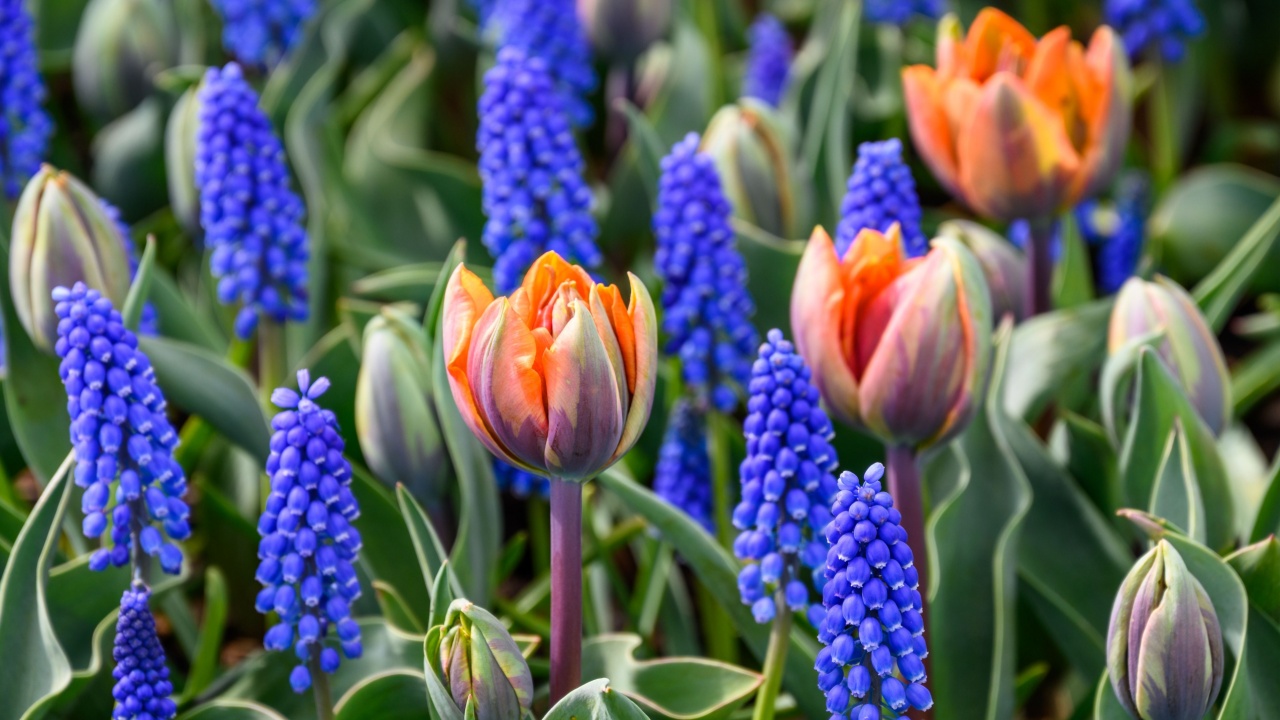
The most common mistake is planting single bulbs scattered like polka dots. Longfield Gardens is clear on this: spring bulbs look best in generous groupings: at least twelve tulips together, at least twenty-five small bulbs like crocus or muscari. This is not about excess; it’s about the way the eye reads a garden. Clusters read as intention. Single plants read as accidents.
For Easter, lean into the traditional color palette: whites, creams, pale yellows, soft lavenders, and purples. These tones photograph beautifully, work in natural and religious contexts alike, and hold up in both early spring chill and late April warmth. For more visual drama, add one or two containers in saturated jewel tones — deep burgundy tulips, cobalt muscari — as accent punctuation against the pastels.
Gardenista’s bulb-planting advice is worth noting: rather than wide, round beds, plant in narrow, curving clusters that run parallel to paths and borders. The effect is more naturalistic, more cottage-garden, and far more beautiful than a geometric grid.
The Garden That Keeps Giving

The extraordinary thing about a bulb-based Easter garden is that it gets better every year.
The daffodils multiply. The muscari spreads. The alliums come back larger.
What you plant this spring becomes the foundation of something that will, in four or five years, look genuinely established — the kind of garden people ask about. Plant it now, while March still has days left in it.
Read More
Do these 12 raised garden bed tasks before March ends, or lose your head start
12 vegetables to direct sow in the garden right now in March