
12 Household Items That Get Nasty Fast and Need Frequent Replacement
Many people hold onto household items long past their prime, completely unaware of the hidden bacteria accumulating daily. You wash your floors and wipe down your counters, expecting a clean home. However, the exact tools you use to clean might be spreading more dirt than they pick up. We constantly use items until they fall apart, ignoring the invisible grime building up beneath the surface.
Replacing everyday objects at the right time is critical for maintaining a hygienic environment. Materials break down and harbor dangerous microbes, making older items less effective and potentially harmful to your health. Keeping up with a regular replacement schedule prevents allergens and germs from taking over your living spaces. Regular updates keep your home genuinely clean and protect your family from unnecessary exposure to bacteria.
This guide outlines exactly when you should throw away fourteen common objects found in most homes. We detail the hidden risks of holding onto things too long and provide practical timelines for replacing them. You will learn the exact lifespan of your daily essentials so you can maintain a truly fresh home.
1. Kitchen Sponges
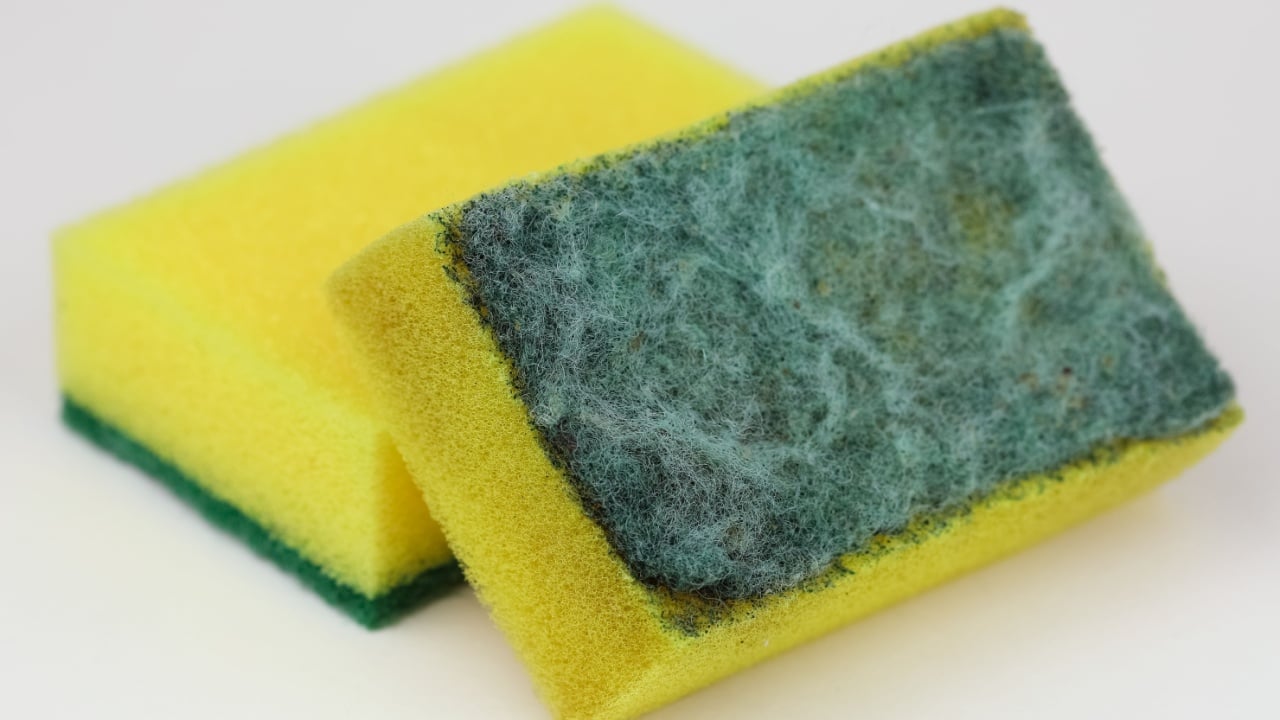
Sponges absorb water and trap food particles, creating the perfect environment for bacteria to multiply rapidly. Research shows that a standard kitchen sponge holds millions of bacterial colonies, making it one of the dirtiest objects in your entire house. Washing them in the dishwasher or microwaving them only provides a temporary fix, as the deepest layers remain contaminated.
You should discard kitchen sponges every week to maintain a sanitary food-preparation area. Waiting longer than seven days means you are simply wiping bacteria across your dishes and countertops. To keep them as clean as possible between weekly replacements, place them in a well-ventilated spot where they can dry completely. Buying them in bulk packs makes it much easier to remember your weekly swap.
2. Toothbrushes
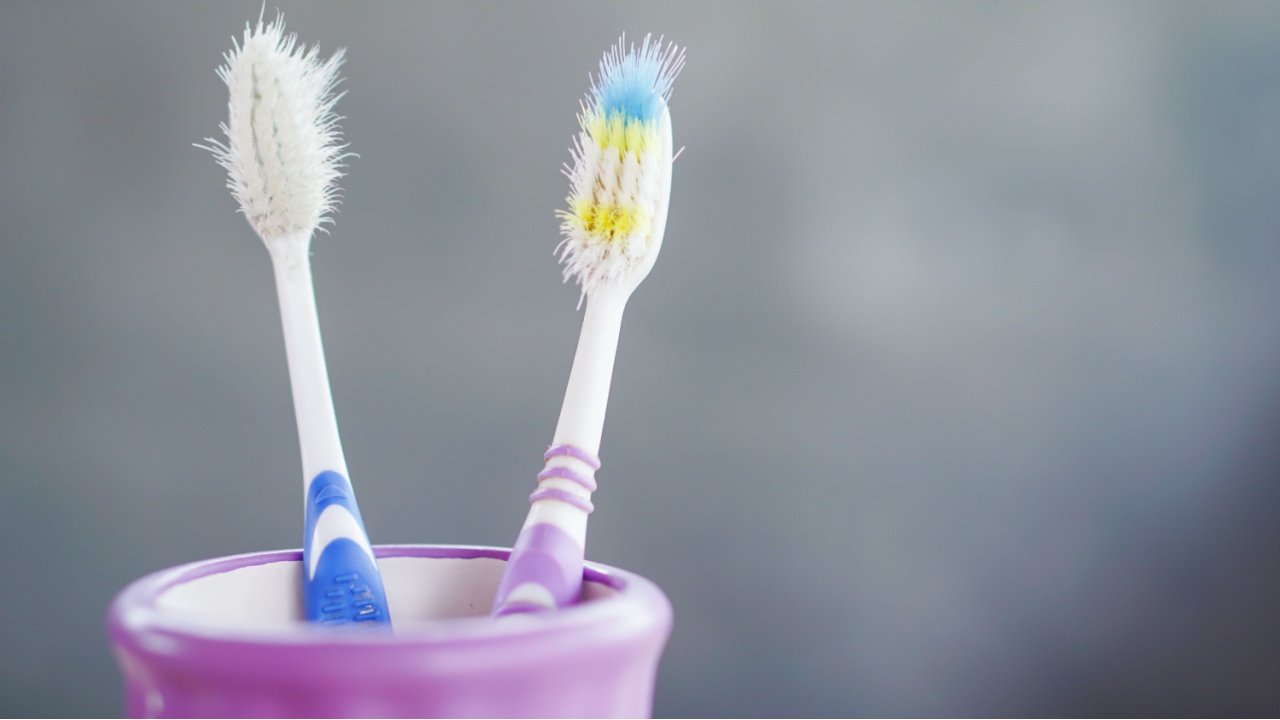
Dental professionals strongly recommend replacing your toothbrush every 3 months for optimal oral hygiene. The bristles gradually fray and lose their stiffness, drastically reducing their ability to remove plaque from your teeth. A worn toothbrush requires you to brush much harder, potentially damaging your sensitive gums.
Replacing your toothbrush promptly protects your mouth from recurring infections and cavities. You should also replace your brush immediately after recovering from an illness like strep throat or a heavy cold. Storing your brush upright in a cabinet protects it from airborne bathroom germs
3. Cutting Boards
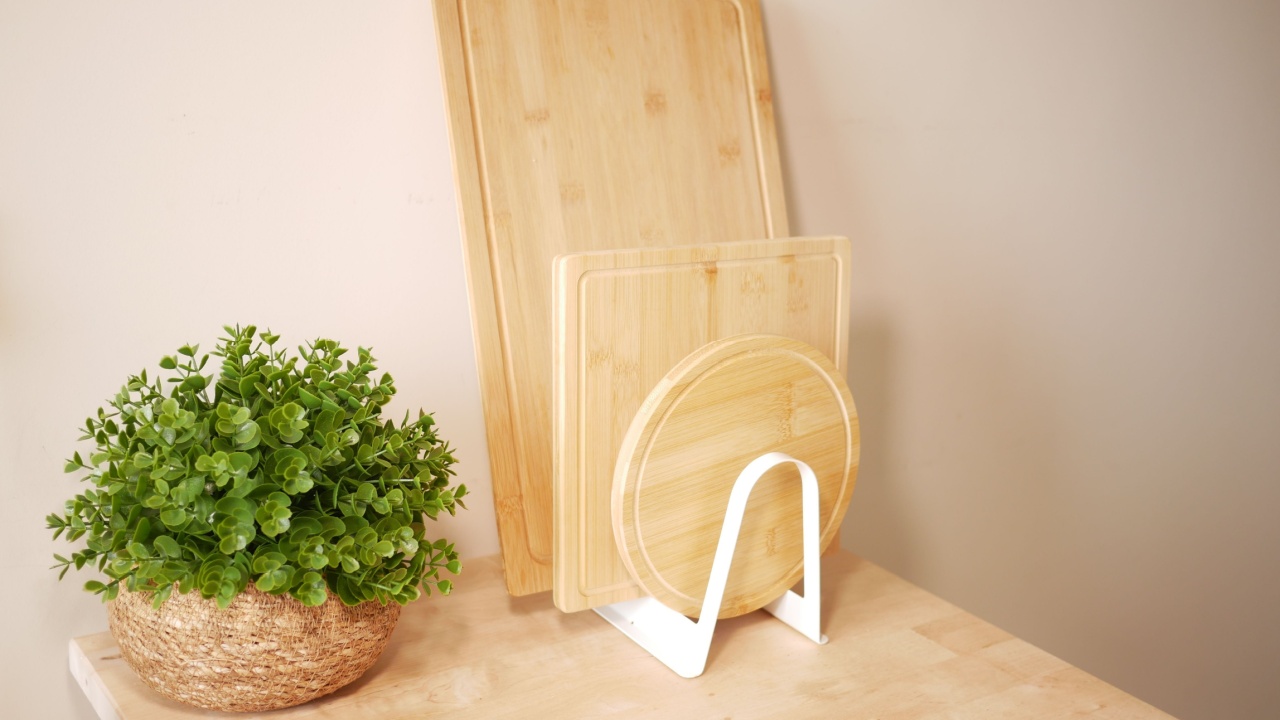
Plastic and wooden cutting boards develop deep grooves from repeated knife strikes during meal prep. These tiny crevices become impossible to clean thoroughly, trapping raw meat juices and food bits. Bacteria multiply hidden within these scratches, creating a severe health hazard for your subsequent meals.
Depending on use, experts recommend replacing cutting boards every two to five years to prevent foodborne illness. Keeping separate boards for raw meats and fresh vegetables minimizes cross-contamination risks significantly. You must inspect your boards frequently and discard them immediately if you notice deep gouges or persistent stains.
4. Bed Pillows
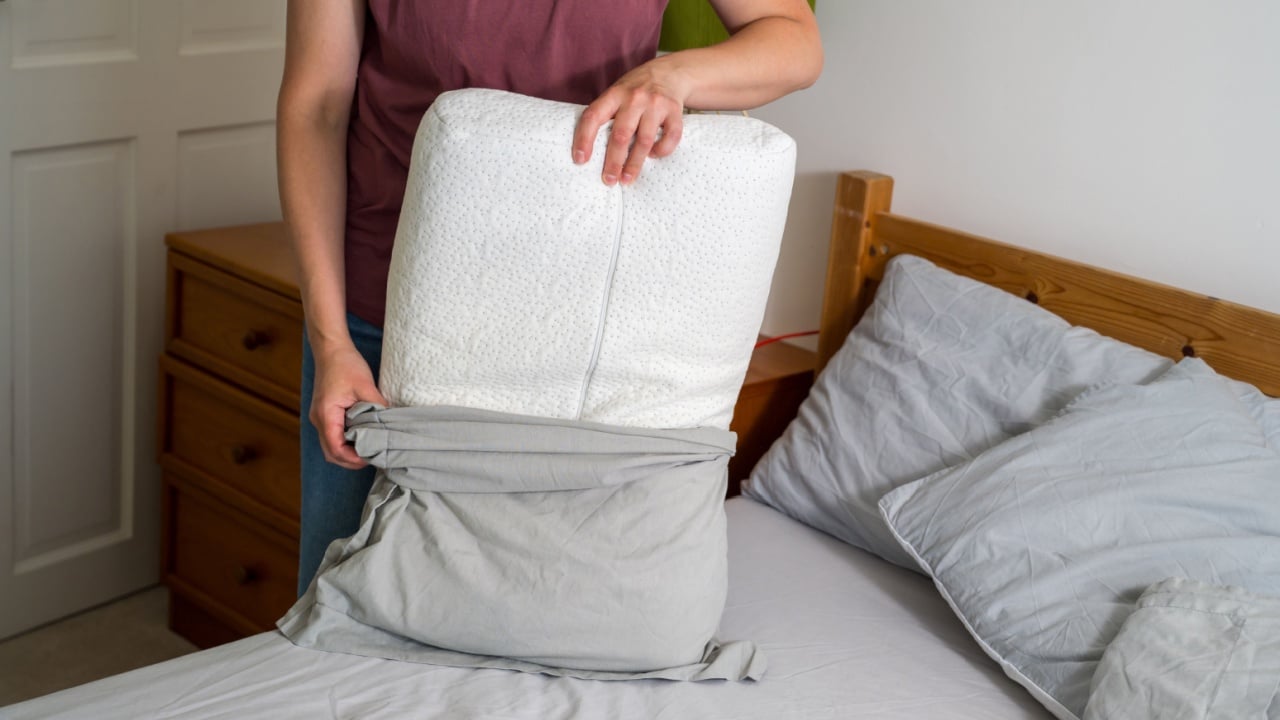
Your favorite pillow accumulates dead skin cells, body oils, and sweat every single night. Dust mites feast on this debris, triggering severe allergies and causing unexpected morning congestion. Even with frequent washing, the structural integrity of the filling degrades after two years of constant use. A flat pillow fails to support your neck properly, leading to stiffness and poor sleep quality.
Replacing pillows every two years improves both your respiratory health and your spinal alignment. Using protective covers guards the inner filling against moisture and extends the lifespan of your bedding. You should wash these protectors weekly alongside your sheets to eliminate dust mites completely. When you fold a pillow in half, and it fails to spring back, you definitely need a new one.
5. Bath Mats

Bath mats endure constant moisture and warmth, making them prime breeding grounds for dangerous mold spores. Stepping onto a damp mat with clean feet defeats the entire purpose of taking a shower. Fungal infections thrive in these damp fabrics, easily transferring to your bare skin. You need to purchase a fresh mat every two years to maintain a sanitary bathroom floor.
Washing your current mat weekly in hot water prevents severe fungal growth between replacements. Hanging the fabric over a shower rod allows it to dry quickly after you finish bathing. Avoiding mats with rubber backing helps them survive frequent trips through the washing machine. Consistently dry floors keep your bathroom smelling fresh and prevent slippery accidents.
6. Mattresses
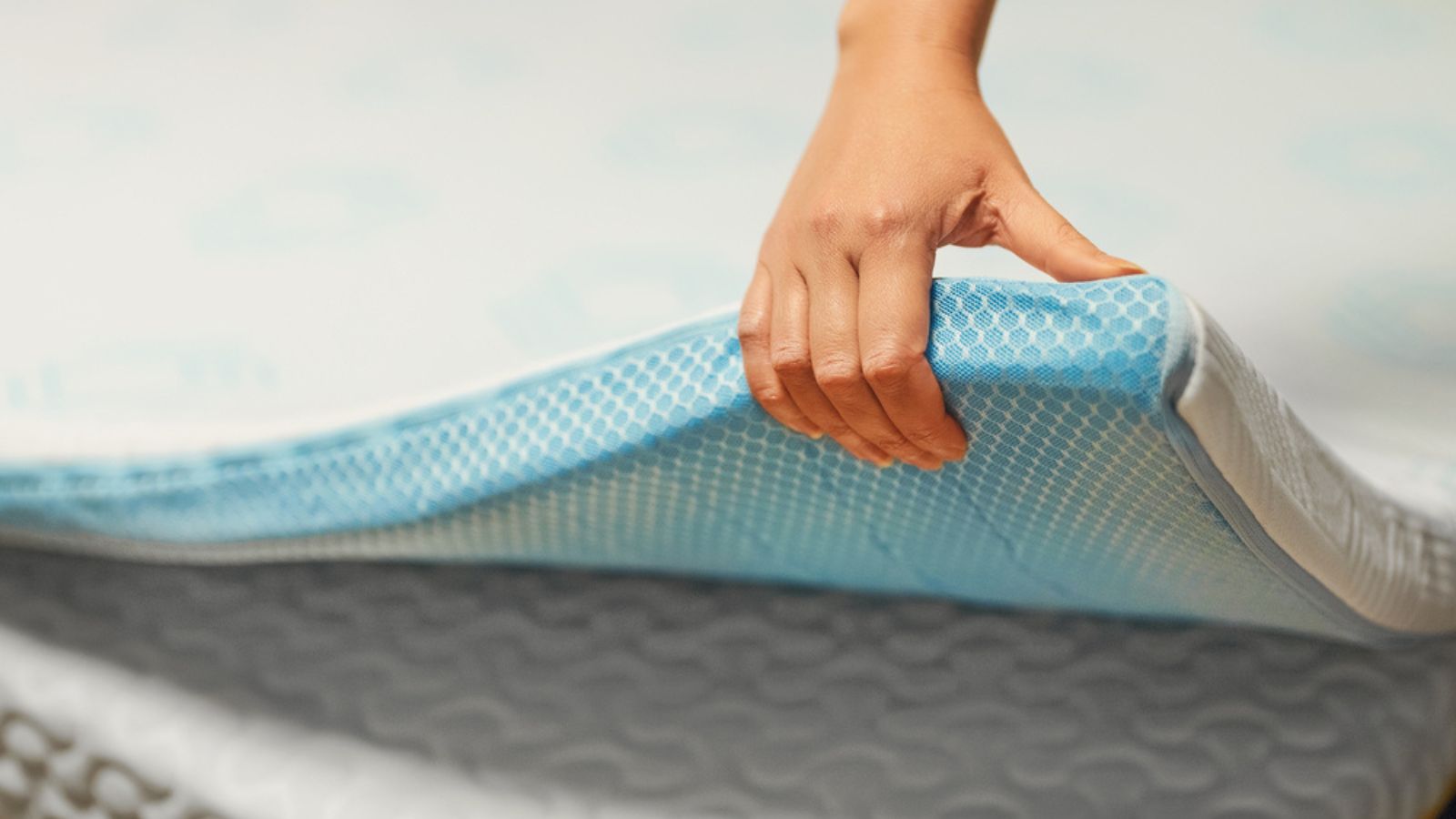
A typical mattress loses its supportive qualities after five to seven years of nightly use. The internal springs weaken and the foam compresses, resulting in back pain and restless nights. Much like pillows, mattresses absorb gallons of sweat and pounds of dead skin cells during their lifespan. Millions of dust mites eventually call your bed home, contributing to chronic respiratory issues.
Investing in a new bed provides immediate relief for your joints and dramatically improves your sleep hygiene. Vacuuming the surface monthly removes surface debris and keeps the fabric layer relatively clean. Use a waterproof protector to prevent sweat from penetrating the deep foam layers. Rotate the bed regularly to prevent deep body impressions from forming too quickly.
7. Vacuum Cleaner Filters
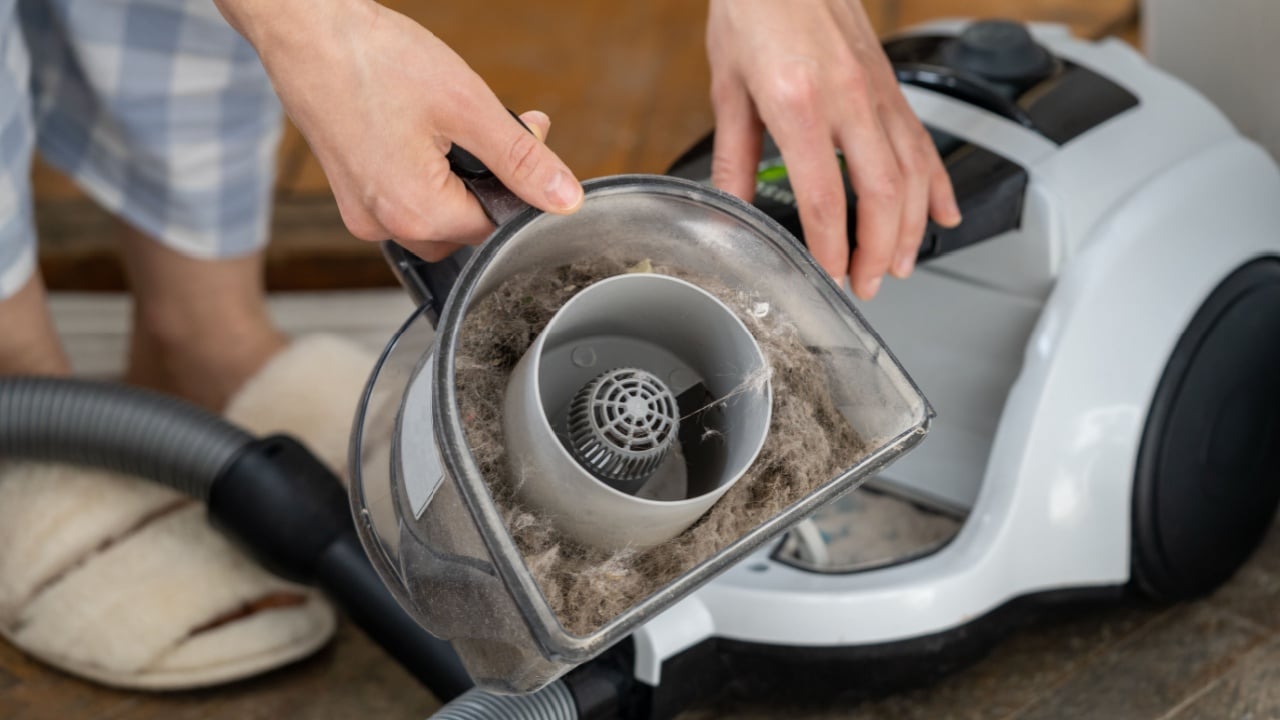
Filters trap fine dust particles, pet dander, and allergens as you push the machine across your carpets. A clogged filter severely restricts airflow, reducing the suction power of your expensive appliance. Instead of capturing dirt, a blocked filter forces dusty air right back into your living room. You must install a fresh filter every 3 to 6 months to effectively capture microscopic debris.
Consult your user manual to find the exact filter specifications for your model. Washing reusable filters monthly keeps the machine running smoothly between your scheduled replacements. Allow washable parts to dry completely to keep mold from growing inside the motor housing. Consistent maintenance keeps your indoor air quality pristine and extends the life of the appliance.
8. Floor Mops
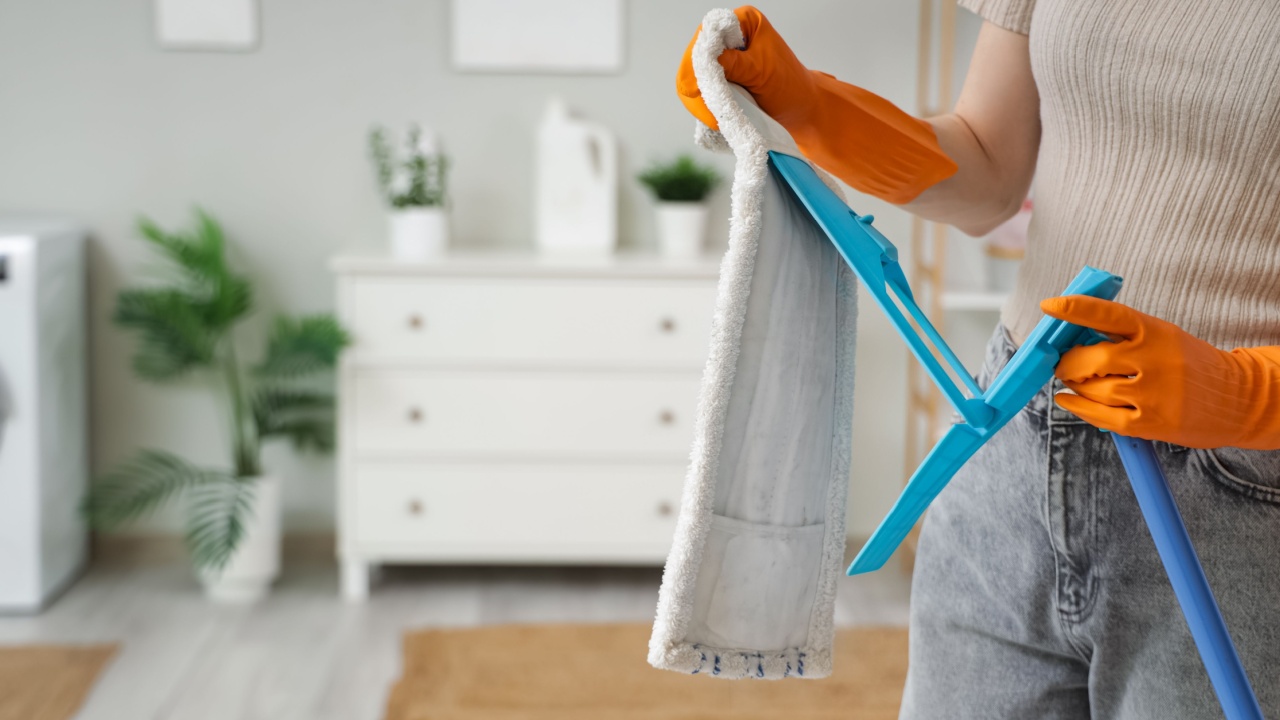
Mop heads push dirty water across your floors, absorbing immense amounts of grime in the process. Storing a damp mop in a dark closet encourages massive bacterial growth and foul odors. Cleaning your kitchen with a sour mop simply spreads old germs onto newly swept surfaces. Replace the mop head every three months for a typical household, and every six to eight weeks for high-traffic areas.
Thoroughly rinsing the strands in hot water after mopping removes the heaviest soil. Detachable microfiber pads go straight into the washing machine for a rigorous sanitizing cycle. Hang the mop in a well-ventilated area to allow it to dry completely before your next chore day.
9. Bath Towels
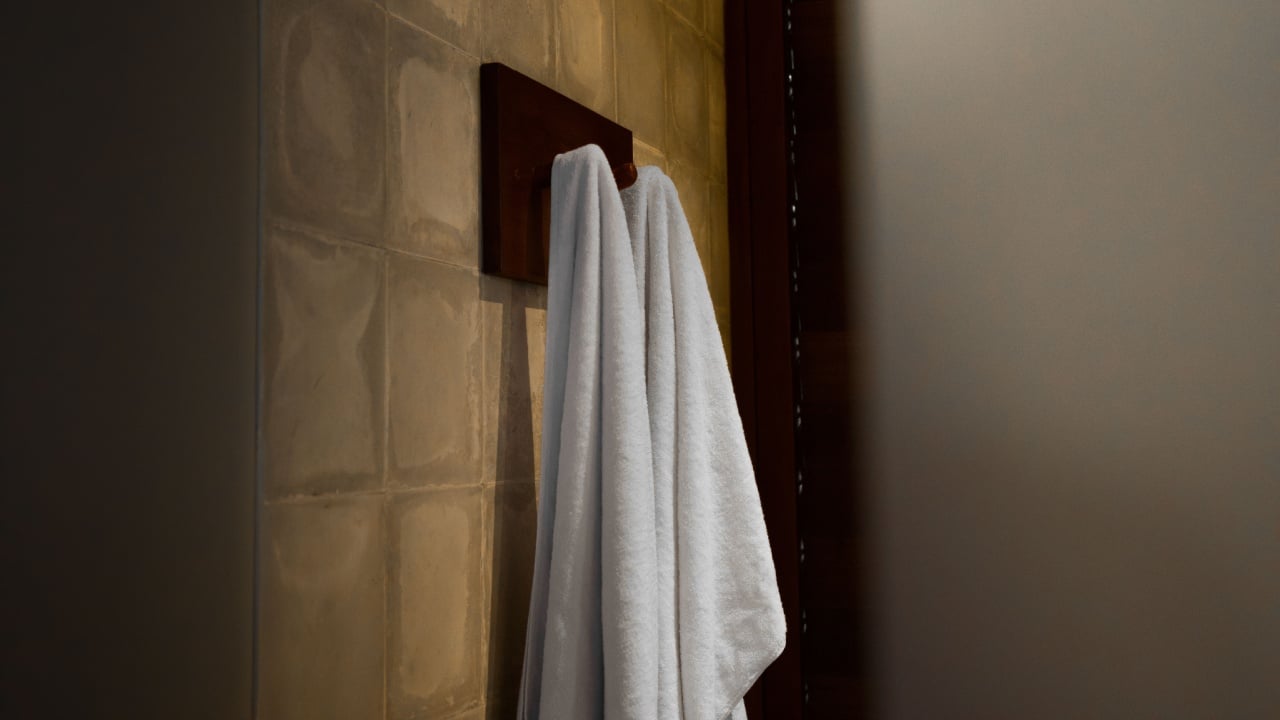
Towels lose their soft texture and absorbency after roughly two years of heavy rotation. Repeated washing breaks down the cotton fibers, leaving the fabric scratchy and thin. Towels left hanging in damp bathrooms also develop a permanent musty smell from trapped mildew. You should purchase a new set every two to three years for maximum comfort and hygiene.
Washing towels in hot water eliminates the oils and skin cells trapped deep within the loops. Avoid liquid fabric softeners to keep the fibers incredibly absorbent for drying off quickly. Hanging them completely flat allows air to circulate, preventing sour odors from developing. Repurposing old towels as cleaning rags gives them a useful second life.
10. Cleaning Cloths
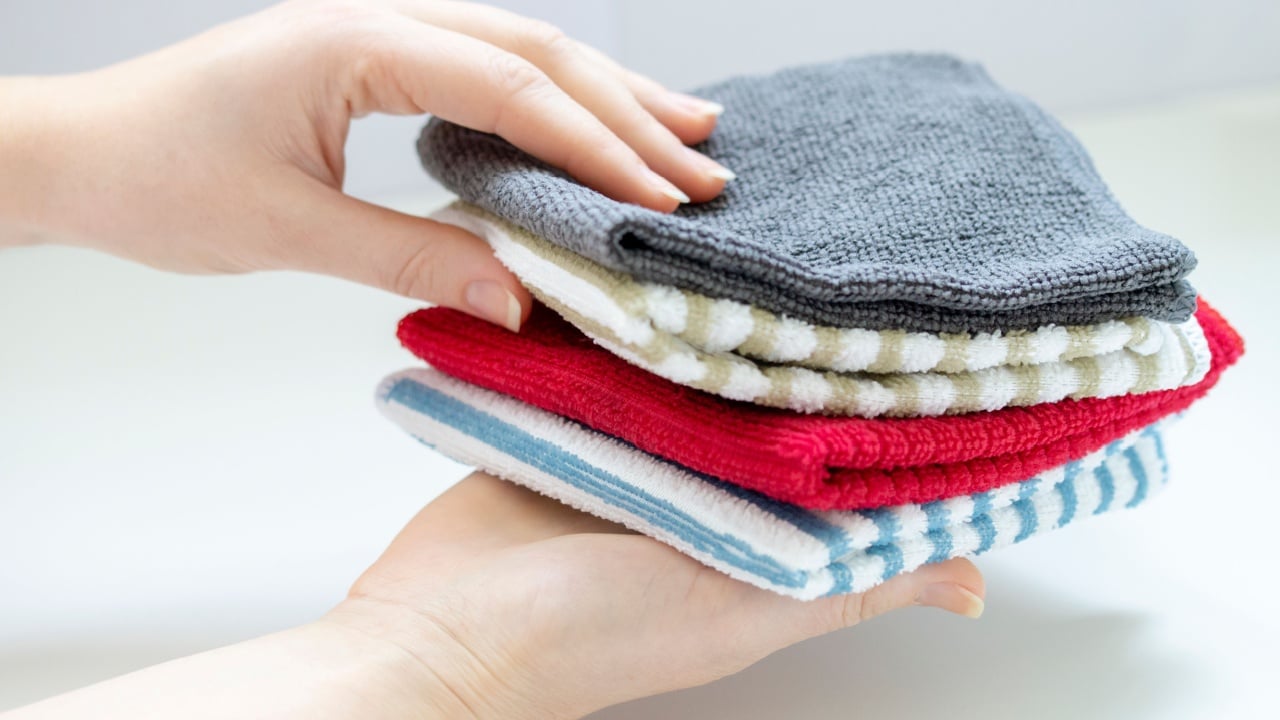
Microfiber cloths and cotton rags handle the dirtiest jobs, from scrubbing toilets to wiping up grease. Over multiple months, the fibers become permanently stained and lose their ability to grab dust. A saturated rag leaves streaks on mirrors and simply pushes dirt across your countertops. You need to replace your entire stash of cleaning rags completely every 1-2 years, or if they look worn out.
Laundering heavily soiled cloths separately from your clothing prevents gross cross-contamination. Boil rags in a pot of water to sanitize them thoroughly between your regular deep cleaning sessions. Discard rags that smell bad even after washing to stop you from wiping odors onto clean surfaces.
11. Refrigerator Water Filters
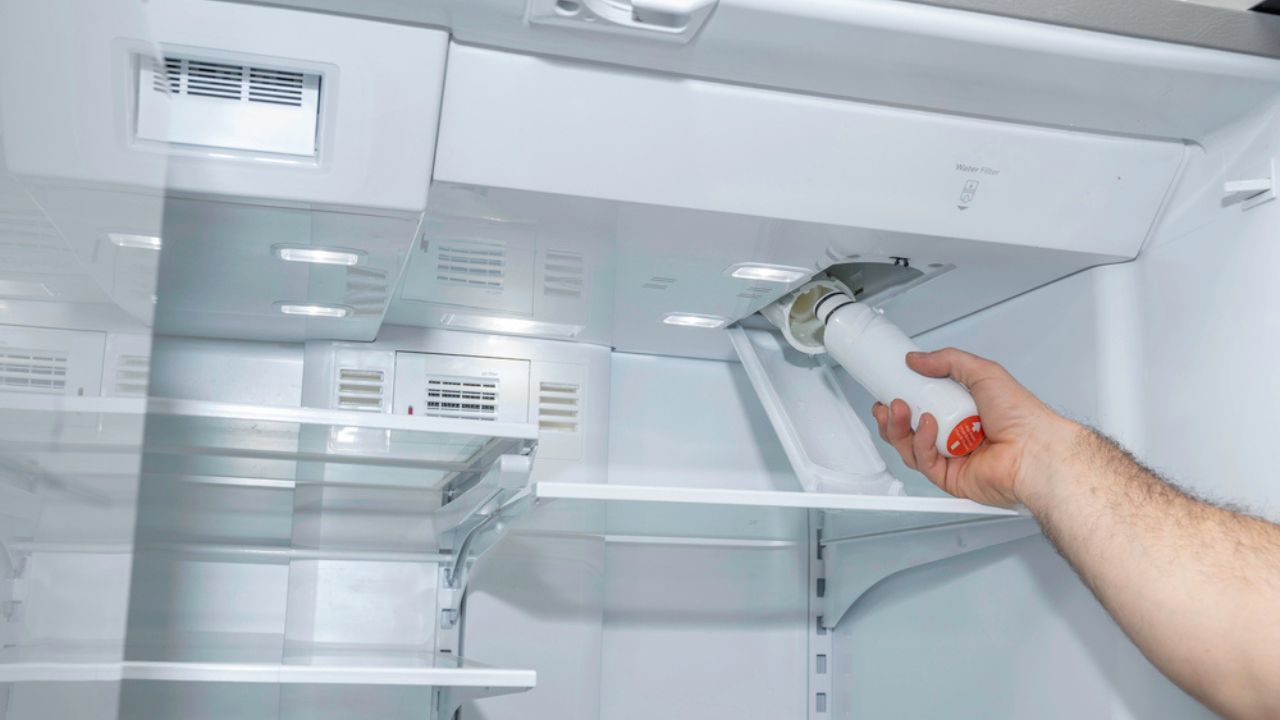
The filter inside your refrigerator removes chlorine, lead, and heavy metals from your drinking water. As the carbon block fills with trapped impurities, water flows much more slowly from the dispenser. An expired filter eventually fails completely, allowing contaminated water to be directly into your glass. You should install a new cartridge every six to eight months for safe hydration.
Ignoring the warning light on your control panel compromises the taste of your beverages. Setting an automatic delivery subscription guarantees a replacement arrives exactly when you need it. Running two gallons of water through the new unit clears out loose carbon particles before drinking.
12. Wooden Spoons
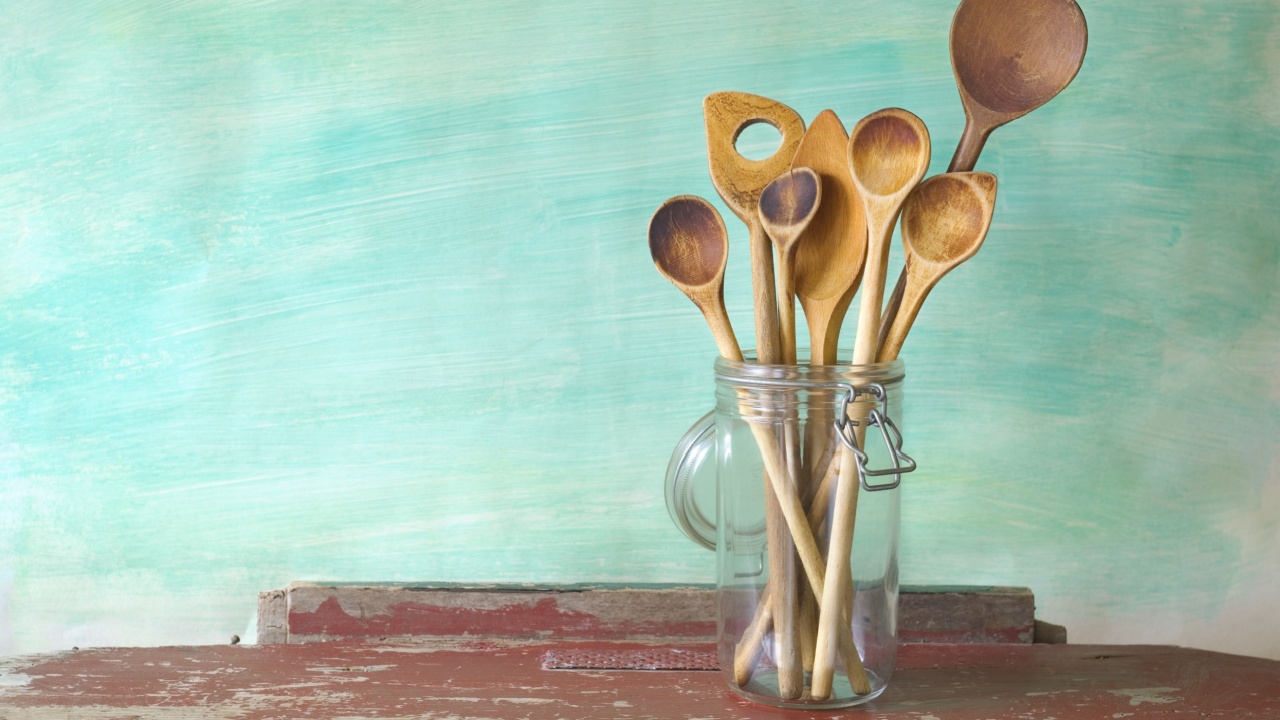
Wooden utensils absorb liquids and cooking oils, causing the material to weaken gradually. Frequent runs through the dishwasher cause the wood to splinter, warp, and crack down the middle. Bacteria slip into these narrow crevices, hiding safely away from your dish soap. You must discard any cracked wooden spoons immediately to prevent food contamination.
Hand washing wooden utensils preserves their smooth finish and prevents catastrophic cracking. Rub food-grade mineral oil into the handles to repel water and keep the wood structurally sound. Inspecting your stirring spoons closely before cooking reveals any dangerous splinters. Buying solid silicone alternatives eliminates the cracking problem entirely for your heavy stirring tasks.
13. Toilet Brushes
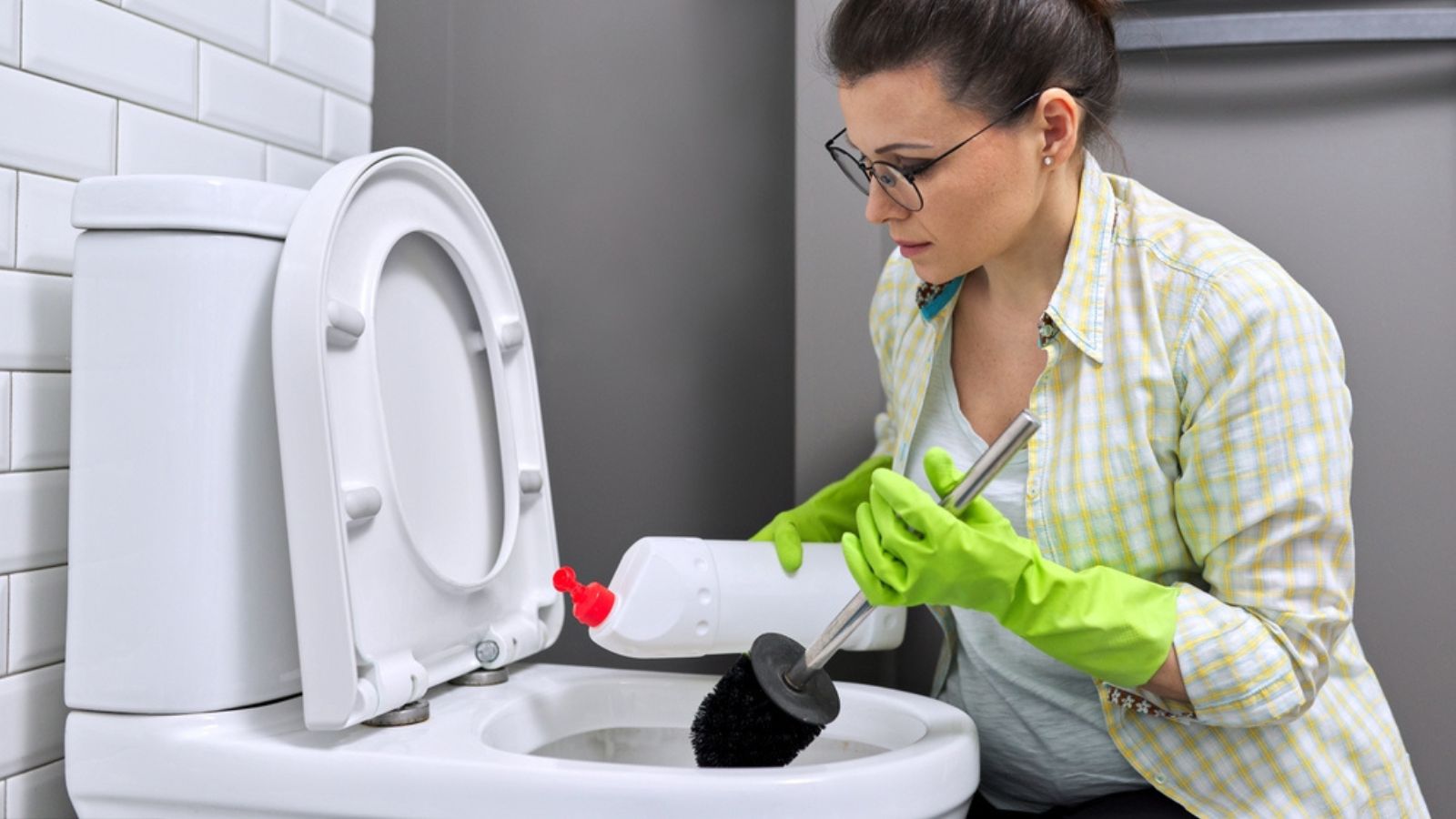
Toilet brushes scrub the most highly contaminated porcelain bowl in your entire house. The stiff plastic bristles trap fecal matter, toilet paper bits, and dangerous bacteria daily. Placing a wet brush back into its holding cup creates a stagnant pool of germ-filled water. You should replace your toilet brush every 6 months to keep your bathroom sanitary.
Spraying the bristles with a strong disinfectant after scrubbing kills remaining microbes instantly. Wedge the handle under the toilet seat to allow the head to dry completely over the bowl. Emptying and washing the plastic holder prevents terrible smells from taking over the room. Fresh cleaning supplies make tackling bathroom chores much more hygienic.
14. Hair Brushes
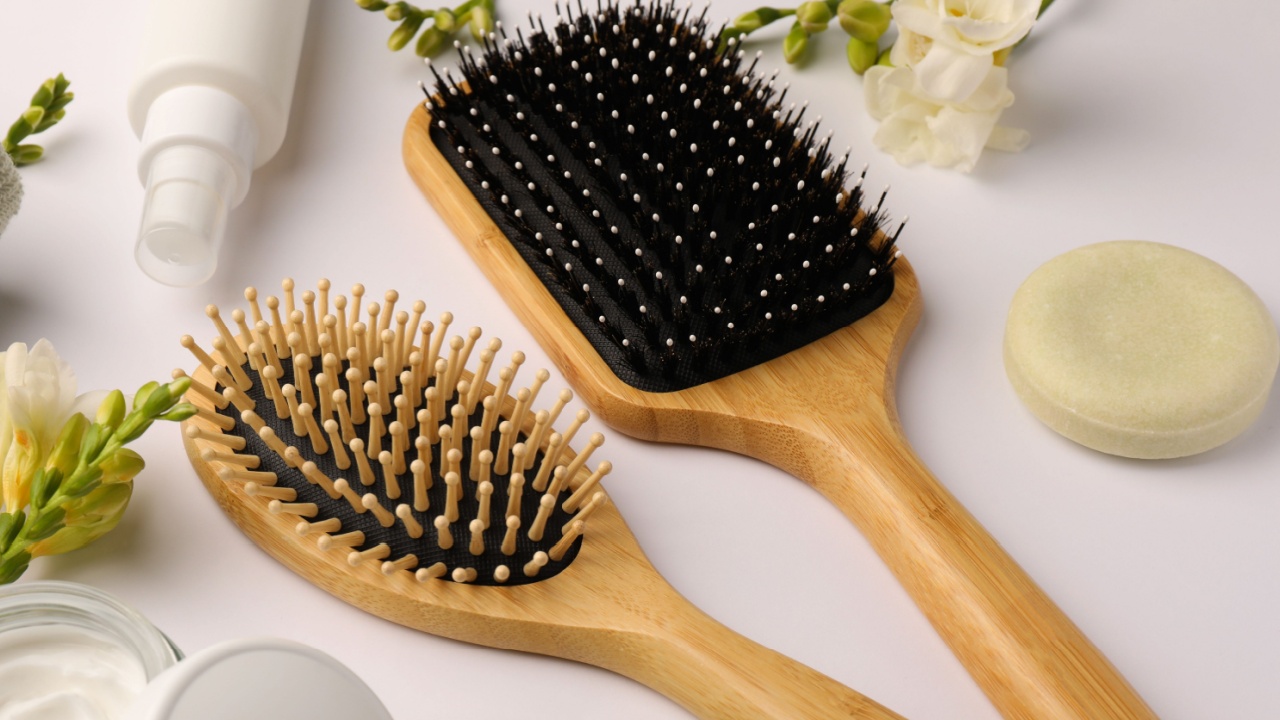
Brushes accumulate large amounts of fallen hair, scalp oils, and styling product residue daily. This sticky buildup attracts household dust, creating a gray fuzz at the base of the bristles. Running a dirty brush through clean hair simply deposits old grease back onto your scalp. You should buy a new hairbrush biannually.
Pulling trapped hair out of the bristles weekly prevents the heavy dust buildup. Soaking the brush in warm water and mild shampoo dissolves the stubborn hairspray residue completely. Broken bristles snag strands and cause unnecessary split ends during your morning routine. A clean styling tool keeps your hair looking shiny and totally free of debris.
Smarter Replacement Habits
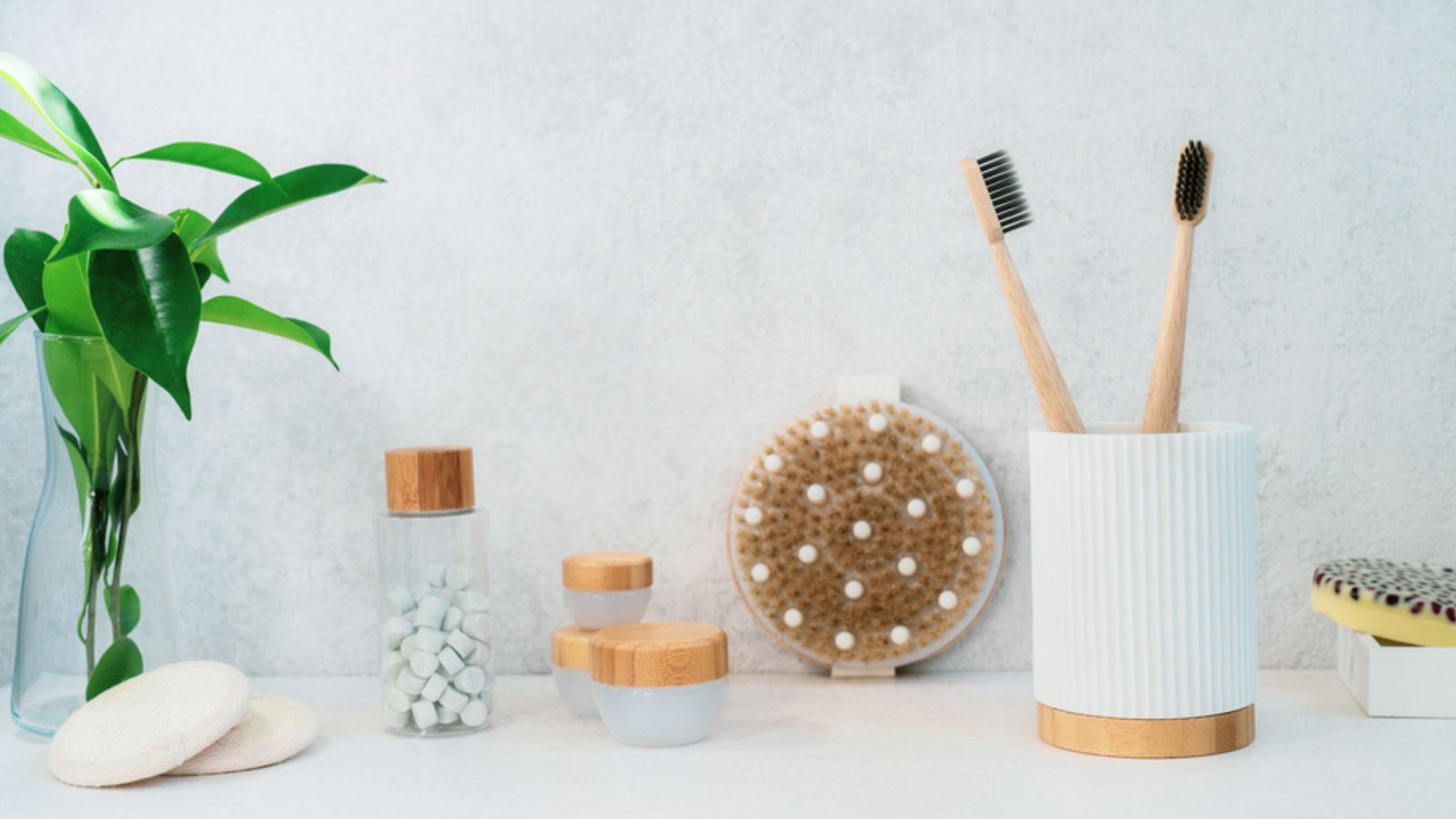
Maintaining a strict schedule for replacing household objects keeps your living environment incredibly clean. Ignoring the lifespans of these items invites unnecessary bacteria and allergens into your daily routine. Throwing away old sponges, toothbrushes, and filters protects your health and improves the efficiency of your chores. Small changes in your habits create a massive difference in the overall hygiene of your home.
Read More: