15 Global Hygiene Habits That Won’t Fly in America
Hygiene is one of those topics that most people assume is universally understood. Shower daily, use deodorant, flush and go. Simple, right? Not quite. What counts as “clean” shifts dramatically depending on where you grew up, how much water your region has access to, and what your culture has passed down for generations.
A study spanning 56 nations found that hygiene norms differ so widely that what reads as basic courtesy in one country can seem borderline shocking in another. Researchers have found that factors such as climate, infrastructure, and cultural values shape hygiene routines just as much as any scientific recommendation. The American obsession with daily showers and individually wrapped everything is genuinely unusual on a global scale.
Below are 15 hygiene habits practiced across the world that would make most Americans pause, look twice, and maybe reach for their hand sanitizer. None of them is wrong. They’re just different.
1. Showering Every Few Days
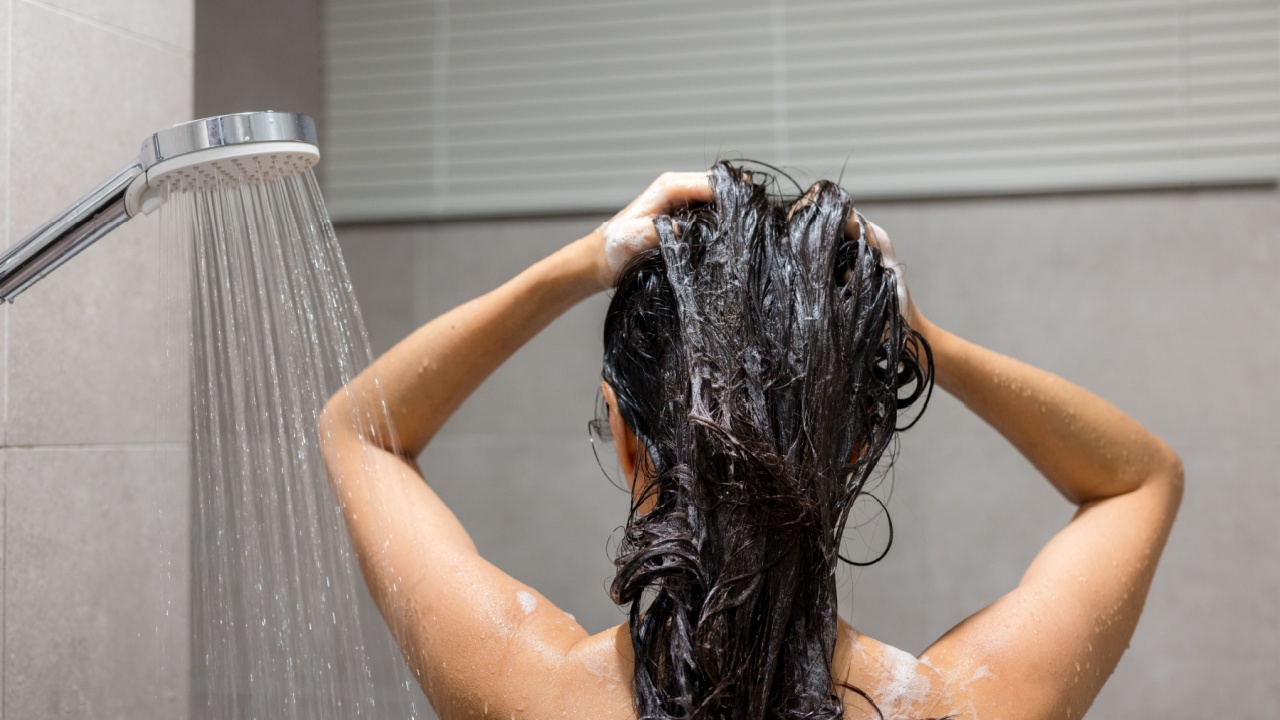
In many parts of Europe and Asia, daily showers are seen as unnecessary or even excessive. On average, Americans shower nearly seven times a week, while in China, people shower fewer than six times a week, according to data from World Population Review. In Northern Europe, showering two or three times a week is totally normal.
There’s science to back this up. Dermatologists say daily showers can strip the skin of natural oils and mess with the microbiome that keeps skin healthy. For some cultures, it’s just common sense, not laziness. But for Americans who see daily showers as a basic part of cleanliness, this idea can take a little getting used to.
2. Wearing Clothes Multiple Times Before Washing
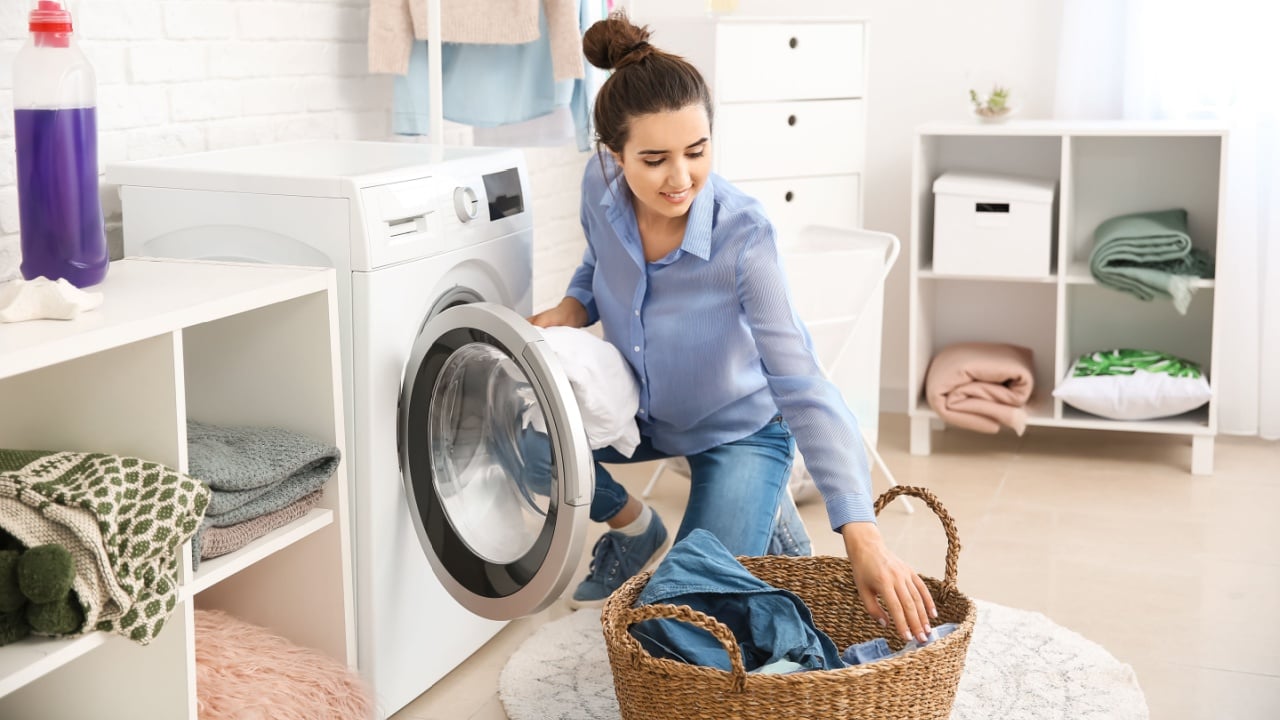
Americans tend to toss clothes into the hamper after a single wear, sometimes after just a few hours. In many European countries, re-wearing outfits several times before laundering is completely standard practice, provided they aren’t visibly dirty or odorous.
This habit is partly about sustainability since washing machines use a lot of water and energy, and frequent washing wears out fabrics faster. From that angle, the Europeans are definitely onto something (plus, have you seen how tiny their washers actually are? And they rely on air drying). But for many Americans, it can feel a little unhygienic. The truth is probably somewhere in the middle.
3. Skipping Deodorant

In the U.S., deodorant is practically a rite of passage. In parts of Europe, particularly France and Germany, embracing natural body odor is far more accepted. Some cultures actively reject the idea of masking the body’s natural scent with synthetic products.
Part of this comes down to biology. About two percent of people worldwide carry a gene variant (ABCC11) that produces little to no underarm odor, and in East Asian populations, that percentage is much higher. For cultures where natural scent is not considered offensive, the American deodorant habit reads as a product of marketing more than necessity.
4. Removing Shoes at the Door
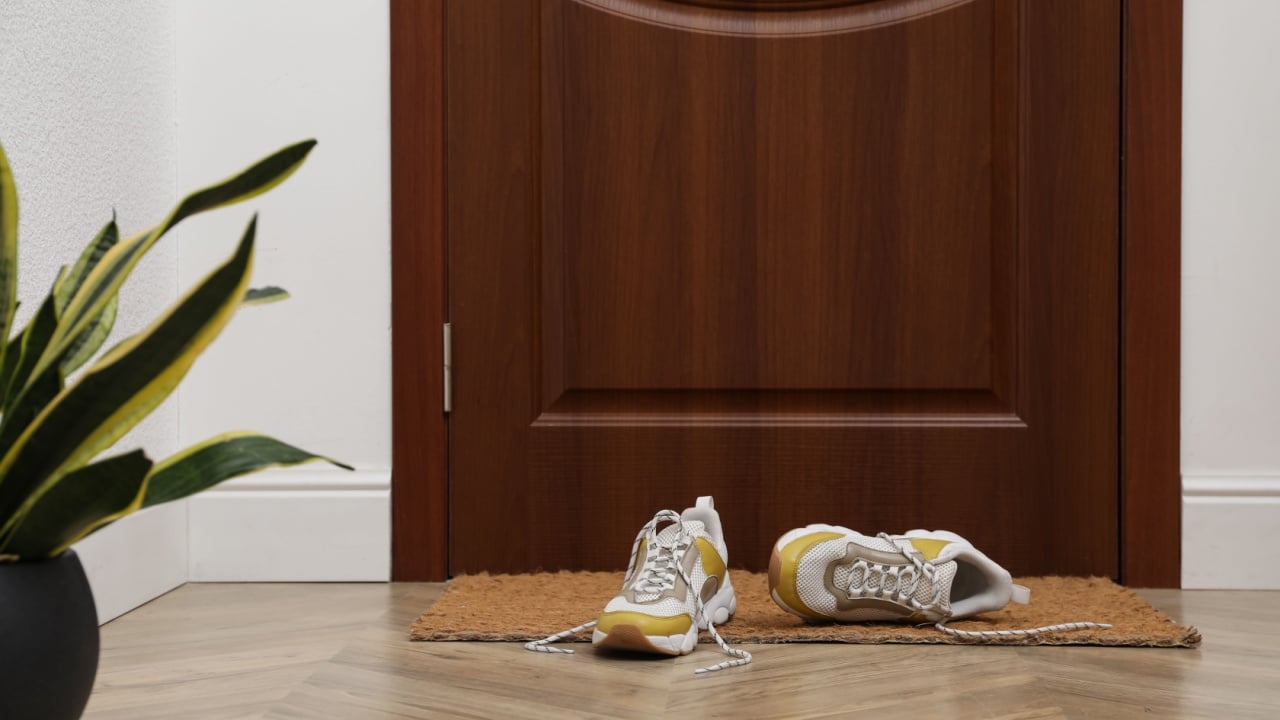
This one might actually make Americans reconsider their own habits. In Japan, South Korea, and across much of the Middle East, shoes come off at the door without question. Outdoor footwear is viewed as a vehicle for bacteria, pesticides, and general street grime. Guests are often offered house slippers.
Science backs up this custom. Studies have found that the average shoe sole carries a startling 421,000 units of bacteria, including E. coli. As you might expect, indoor surfaces in households that practice shoe removal are significantly cleaner. While some American households are starting to adopt this practice, it remains far from standard across the country.
5. Using a Bidet Instead of Toilet Paper
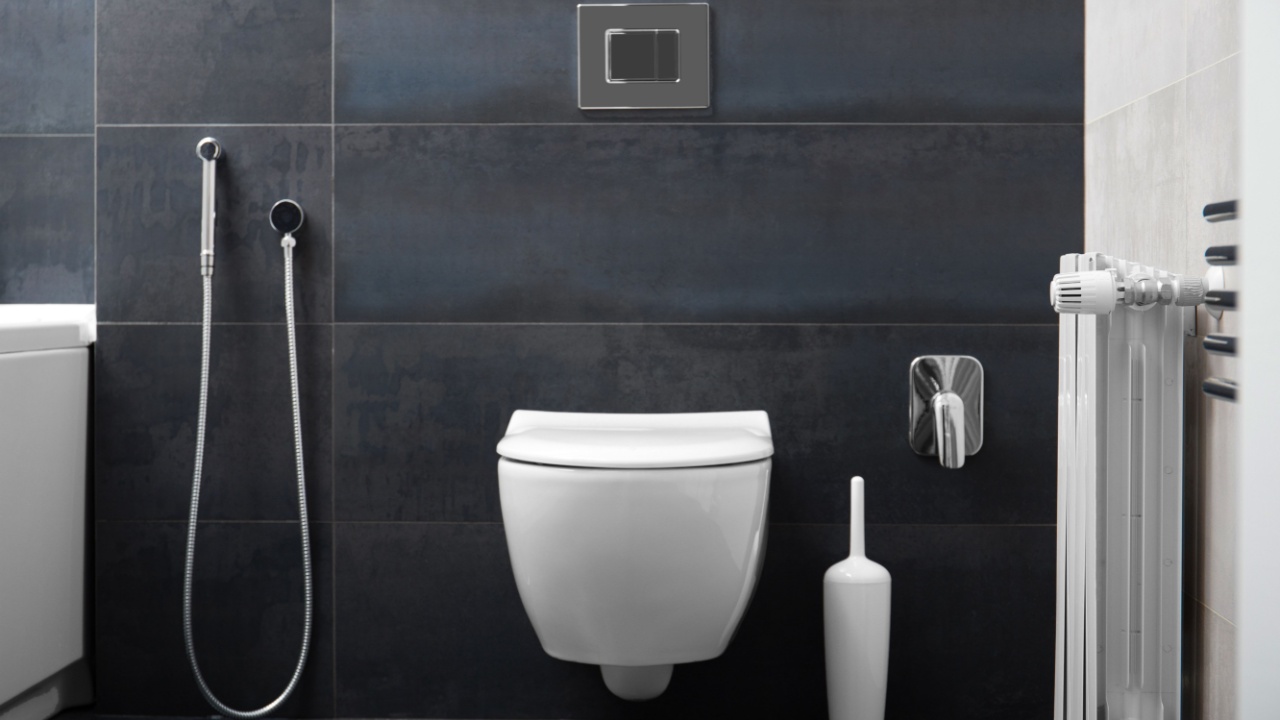
In Japan, over 80% of households have a high-tech toilet seat with a built-in bidet. Across Europe, South Asia, and the Middle East, bidets or water-based cleaning after using the toilet is simply how it’s done. Americans largely rely on toilet paper and have historically been skeptical of bidets.
The hygiene argument is straightforward. Water cleans more thoroughly than dry paper. Bidet advocates also point to reduced environmental impact. The U.S. alone uses approximately 36.5 billion rolls of toilet paper per year. Bidet adoption has grown slightly in the U.S. in recent years, but it remains a novelty in most American bathrooms.
6. Communal Bathing at Public Bathhouses

In Japan, you have onsen and sento, which are public hot springs and bathhouses. In South Korea, the jjimjilbang serves a similar social role. In Turkey, the hammam has existed for centuries. In these cultures, bathing is a social event. People gather in shared spaces with strict rules for getting clean.
On the other hand, Americans are usually raised with private bathrooms and the idea of personal space, so bathing with strangers can feel a little weird. But these public baths often have very strict pre-washing rules before anyone gets into the shared water. This makes their cleaning standards arguably similar to just taking a quick shower at home.
7. Brushing Teeth After Every Meal
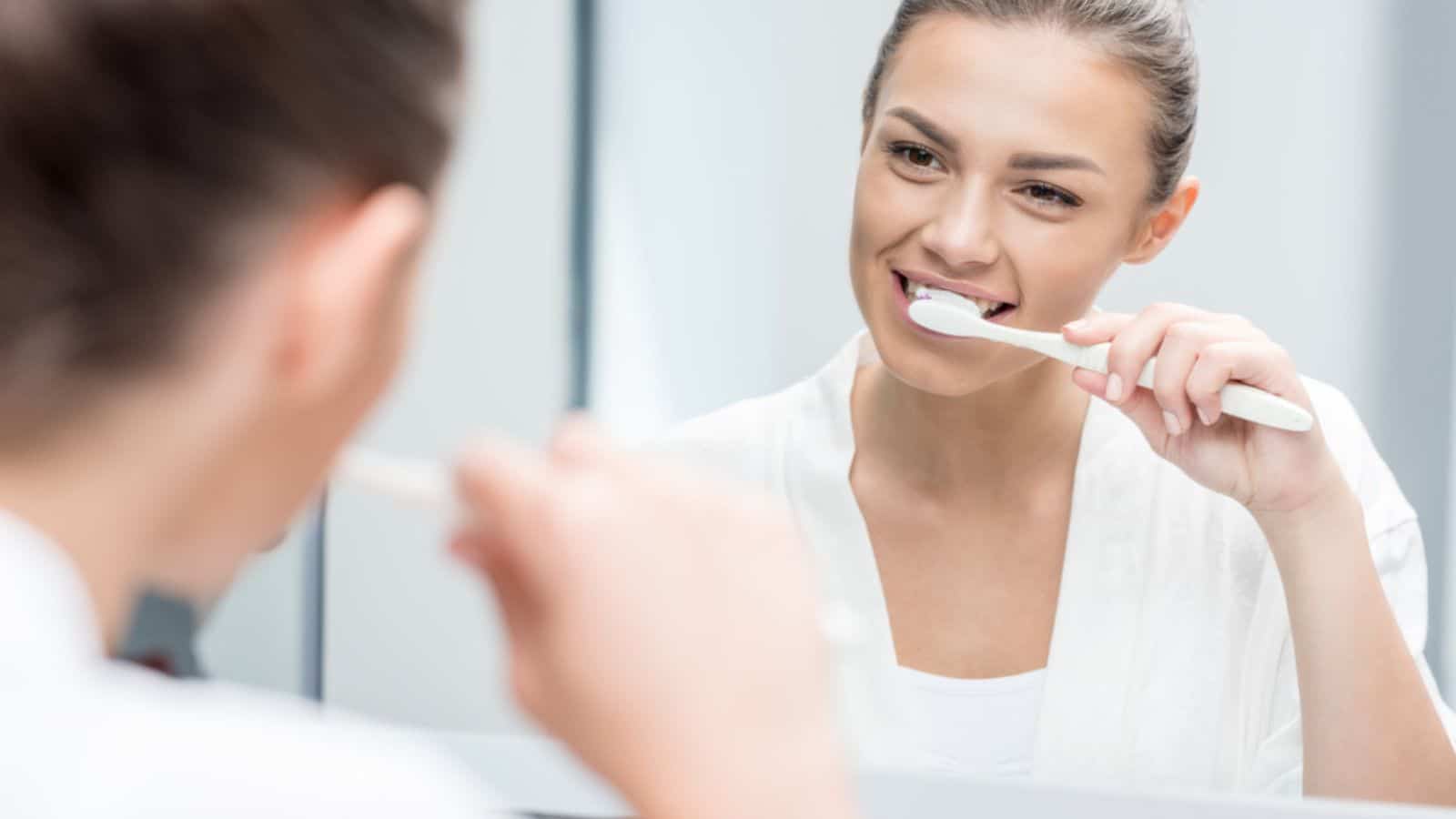
In India and several other countries, brushing teeth after each meal is a standard part of the daily routine, done even in public restrooms without a second thought. The logic is straightforward: why wait until morning or night when food particles are sitting on teeth in between?
Meanwhile, Americans typically brush twice a day, and the idea of using a toothbrush in a restaurant restroom might raise eyebrows. Interestingly, dentists recommend waiting 30 minutes after eating before brushing to protect softened enamel. So, while the frequency of brushing varies between cultures, the timing is something everyone can pay attention to.
8. Never Blowing Your Nose in Public
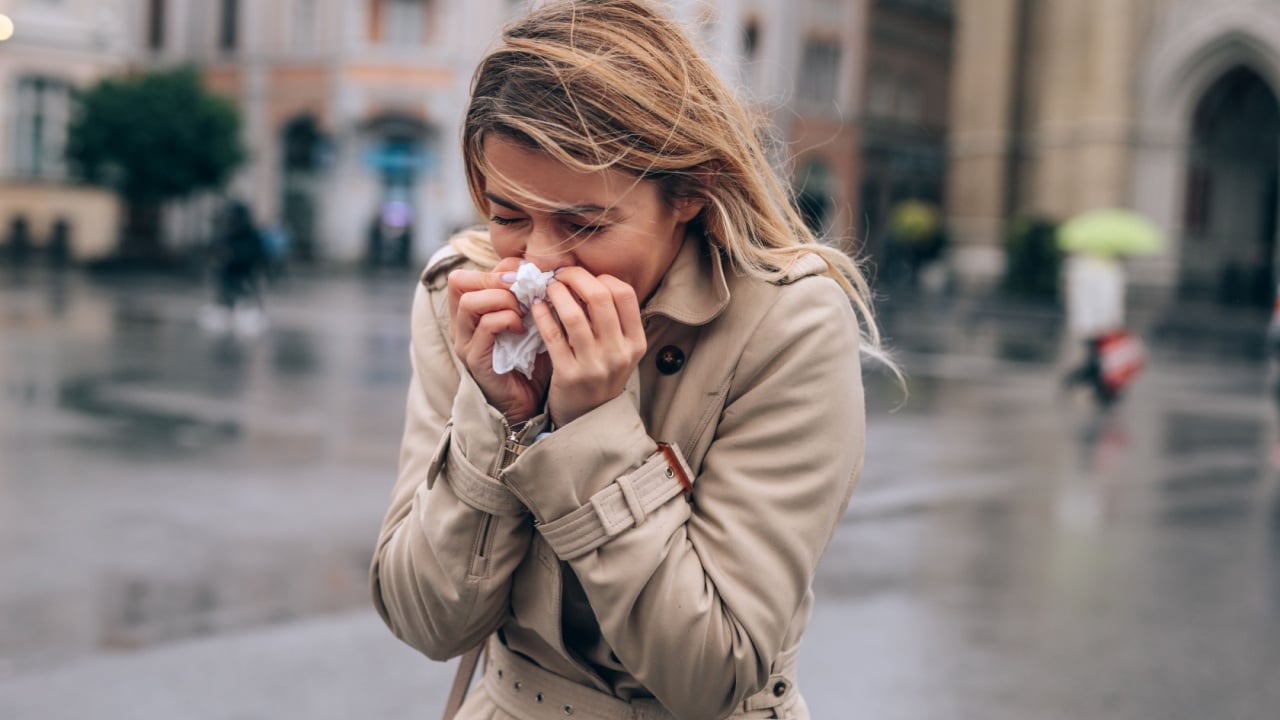
In Japan, it’s considered rude and unhygienic to blow your nose in public, especially if you do it loudly. The proper thing to do is to excuse yourself and take care of it in private. It’s actually more socially acceptable to sniffle in public than to loudly blow your nose at the dinner table.
On the other hand, Americans generally see nose-blowing as a normal, discreet thing you can do anywhere as long as you have a tissue. This difference shows how cultures categorize bodily functions as either acceptable or unacceptable. Neither way is better or more hygienic than the other; it just comes down to social expectations.
9. Eating with Hands
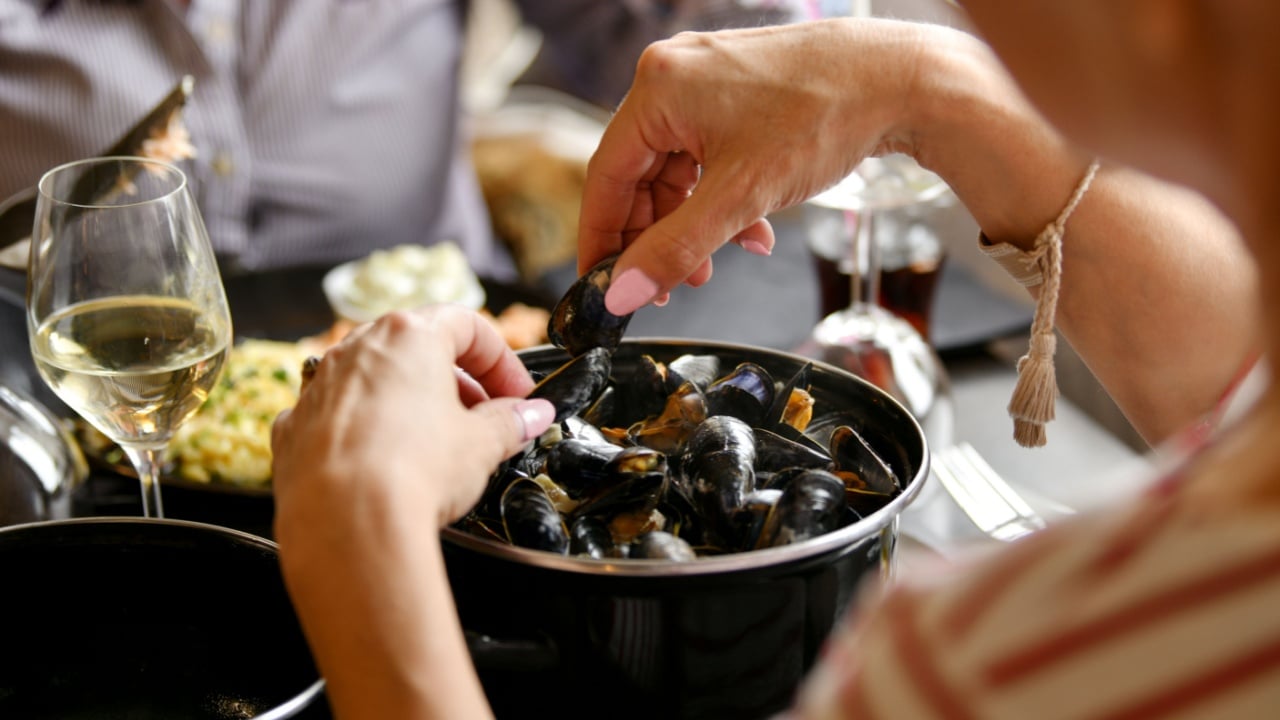
In parts of West Africa, India, Ethiopia, and across the Middle East, eating with the hands is traditional, natural, and carries its own set of rituals. Handwashing before a meal is expected and thorough. In Ethiopia, people even use a type of flatbread called injera as both their food and their utensil.
Americans who grew up using forks and spoons might see this as unsanitary. But when you think about it, properly washed hands are just as clean as a fork from a shared kitchen drawer. In fact, the pre-meal handwashing routine is often more thorough than how most Americans handle their silverware.
10. Street Food as a Daily Staple

From Bangkok’s night markets to Mexico City’s taco stands, street food is a primary way millions of people eat every day. The food is fresh, made to order, and in many cases prepared with high turnover and visible cooking processes that make it easy to assess quality.
Some Americans might be nervous about eating the hygiene of food cooked outdoors, especially without seeing a health inspection grade. But in many countries, a street food vendor’s reputation is everything. If they make someone sick, they’re out of business instantly. Their entire livelihood depends on happy, repeat customers. This system builds a kind of trust that you don’t always get from a big restaurant chain.
11. Reusing Bathwater
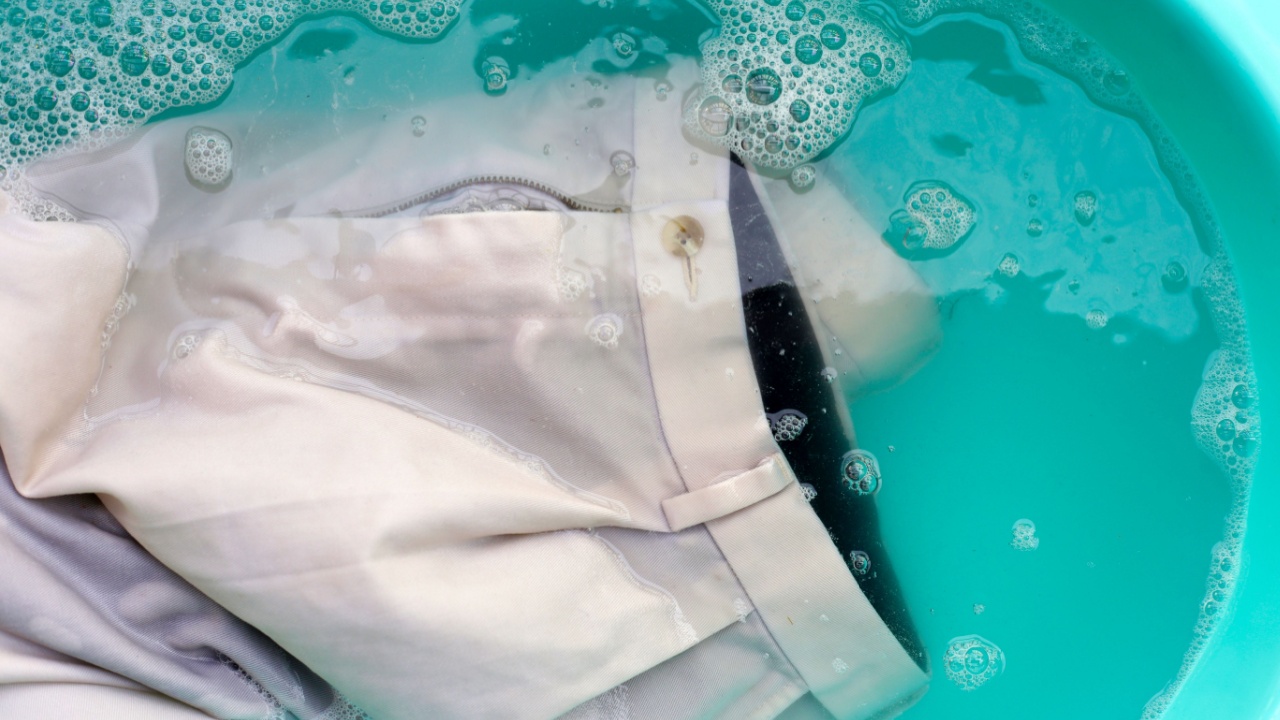
In regions where water scarcity is a reality, bathwater doesn’t always go down the drain after a single use. In parts of rural Asia and sub-Saharan Africa, the same water used for bathing might be collected afterward to wash clothing, clean floors, or water plants.
For Americans accustomed to abundant running water, this practice can seem unhygienic. In context, it’s a logical and necessary response to limited resources. The United Nations estimates that around two billion people live in countries experiencing high water stress. Water reuse isn’t a hygiene choice; it’s a practical one.
12. Shared Towels in Public Spaces
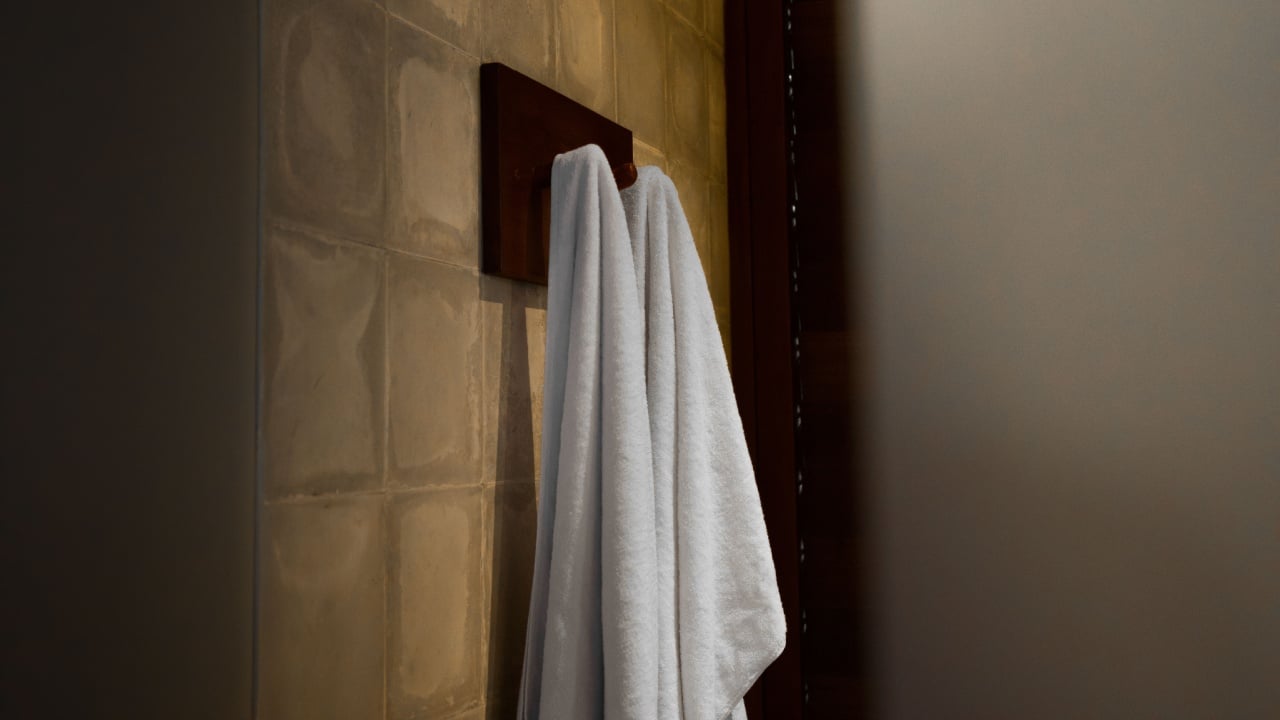
Walk into a public restroom or gym in some parts of Europe, and you might find a shared cloth towel instead of a paper towel dispenser. These aren’t just left there; they’re laundered frequently and swapped out on a regular rotation. The idea is that a properly cleaned shared towel is more hygienic than a hand dryer and more eco-friendly than a mountain of paper towels.
For many Americans, who are used to single-use hygiene products, this can feel a little strange. And damp towels can indeed be a breeding ground for bacteria, so how often they’re laundered is key. If they’re maintained properly, it’s a perfectly hygienic system. If not, well, that’s another story.
13. Squat Toilets

Across much of Asia, parts of Africa, and the Middle East, squat toilets are the norm. Instead of sitting, people squat, which means no direct contact with a shared surface. Supporters say this is actually more hygienic, and some studies suggest squatting might be more natural for the digestive system.
For Americans, squat toilets feel uncomfortable and unfamiliar, which makes sense since it’s outside their usual experience. But it’s hard to ignore the no-contact argument. A squat toilet means no one’s skin touches the same surface as the person before them, which is exactly what Americans claim to want.
14. Bathing in Rivers or Natural Water Sources

In many communities across South and Southeast Asia, sub-Saharan Africa, and parts of Latin America, bathing in rivers, lakes, or communal water sources is a normal part of daily life. For Americans used to private bathrooms and temperature-controlled showers, this can seem unsanitary.
In reality, flowing water in clean rivers often has fewer bacteria than you might think. Hygiene really depends on the local water quality and environment. For communities without running water, this is the only option available, and it’s worked just fine for most of human history.
15. Oil Pulling as Oral Hygiene
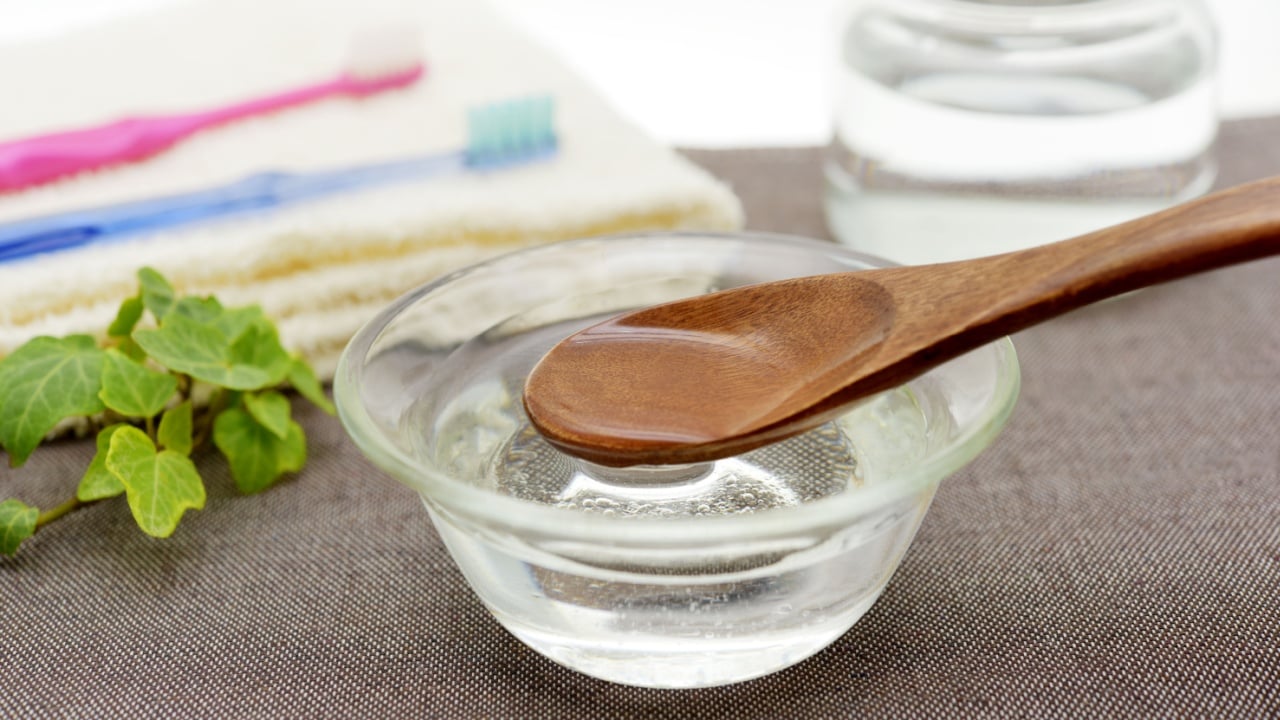
Rooted in Ayurvedic tradition and widely practiced across India and Sri Lanka, oil pulling involves swishing a tablespoon of oil (usually coconut or sesame) around the mouth for 10 to 20 minutes before spitting it out. The practice is believed to remove bacteria and improve oral health.
Western dentists are divided. Some research suggests oil pulling can reduce certain oral bacteria and plaque levels. Others note that the evidence is limited. Americans raised on fluoride toothpaste and mouthwash tend to raise an eyebrow at the idea of replacing or supplementing their routine with cooking oil, but the practice has roots far older than Listerine.
What’s “Clean,” Anyway?
Hygiene habits are a reflection of geography, resources, cultural values, and history. None of the practices above are signs of carelessness; most of them are deeply rational within their context. The real takeaway is that “clean” is more of a cultural construct than most people realize.
Exposure to different norms doesn’t have to mean discomfort. It can mean curiosity. Travel, read, and stay open to the fact that the rest of the world figured a few things out, too.
Read More: