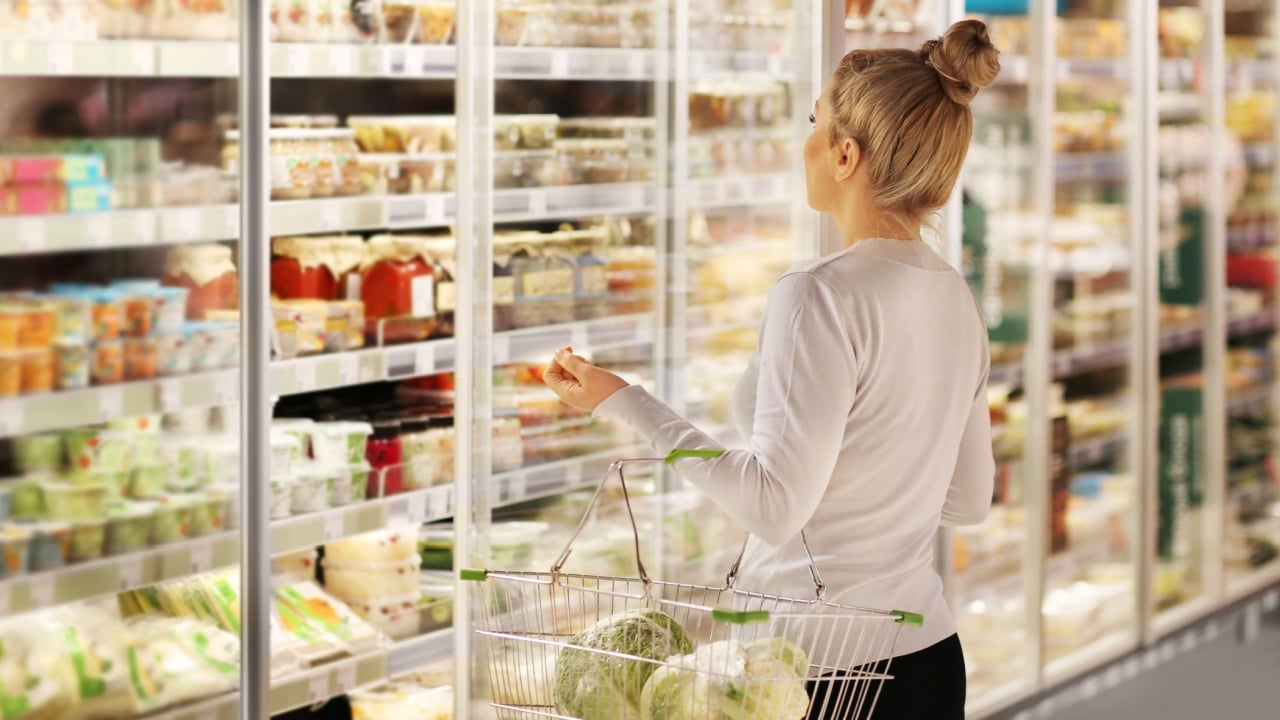
12 Grocery Staples That Come With a Heavy Chemical Hit
Everyone aims to have a balanced diet with lots of fruits, veggies, whole grains, and good fats. But let’s be honest: convenience sometimes wins out, leading you to fill your shopping cart with foods that seem easy and harmless but might be worse for you than they seem.
According to the Environmental Working Group (EWG), over 10,000 harmful chemicals are sneaking into many foods in the USA. These chemicals can cause allergies, hormone issues, chronic diseases, and even some cancers.
It’s important to know what to look for on food labels to avoid these chemicals. Knowing which foods have more toxic chemicals can help you make healthier choices. Let’s have a closer look at 12 foods that may seem harmless but are actually hiding some nasty stuff.
1. Processed Meats
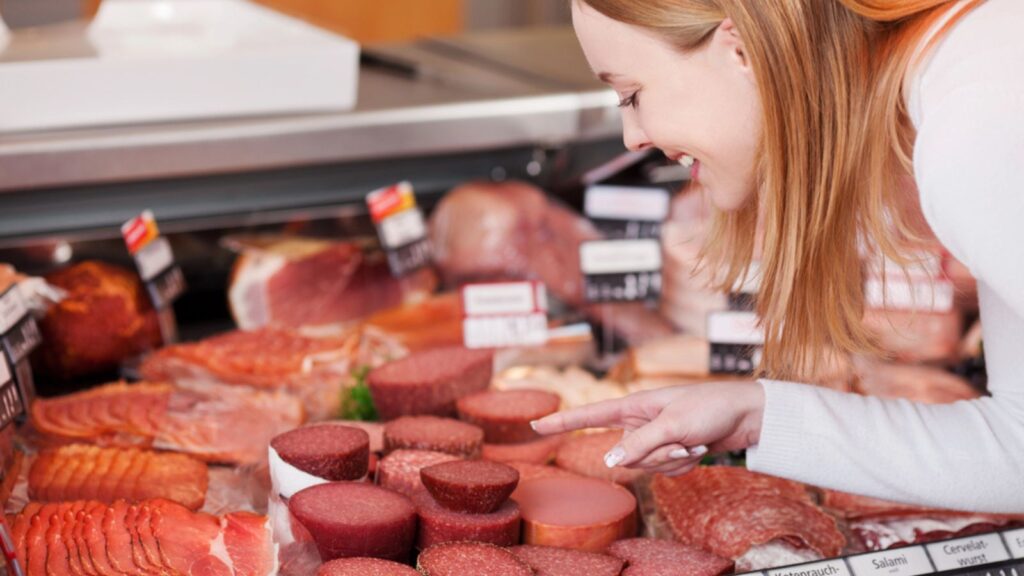
Processed meat is defined as meat products that have been salted, canned, smoked, or dried. These meats, including bacon, sausages, and deli lunch meat, contain nitrates and nitrites for a more pleasing flavor and longer shelf life. However, studies suggest that these preservatives are associated with an increased risk of certain cancers and heart disease.
When processed meats are exposed to high heat, these nitrates and nitrites convert into nitrosamines, which are major culprits behind stomach and bowel cancers. Avoiding processed meat consumption and choosing fresh, unprocessed meats or plant-based proteins is best.
2. Diet Soda

You might think diet sodas are harmless or even healthier than regular drinks because they have almost zero calories. But here’s the catch: They contain artificial sweeteners like aspartame, saccharin, and sucralose, which research indicates increases the risk of developing type 2 diabetes and heart disease, increases appetite, and disturbs gut microbes.
As if that were not enough, drinking diet soda might also increase your sweet cravings, which can derail your weight loss goals. With all that in mind, it’s a good idea to cut back and opt for healthier drinks like fruit-infused water or herbal teas to stay hydrated.
3. Non-Organic Strawberries

Non-organic strawberries have a high chemical content because farmers use pesticides to keep pests away. Those chemicals can remain on the fruit even after washing and peeling, which is detrimental to your health.
The Environmental Working Group lists strawberries as one of the “Dirty Dozen,” indicating they have large amounts of pesticide residue. Eating these strawberries can disturb your hormones and raise cancer risks, so go for organic when possible.
4. Farmed Fish

Some farmed fish, like certain types of tuna, have high mercury levels because of their diet and environment. Mercury is a toxic metal that affects your brain function and causes cognitive difficulties, especially for pregnant women and young children.
To keep your mercury exposure risk low, try opting for wild-caught fish instead. These fish usually have less mercury because they live shorter lives and have different eating habits. They are also more sustainable and have higher omega-3 fatty acids, which are great for your heart and brain.
5. Microwave Popcorn

Microwave popcorn bags usually contain PFAS (poly-fluoroalkyl substances), a chemical linked to higher cancer risk. PFAS are used to make the bag non-stick, but they have raised many health concerns.
Air-popped popcorn or stovetop kernels are nutritious options. Air-popped uses hot air, so you skip the unhealthy oils, and the stovetop lets you get creative with herbs and spices for flavoring.
6. Canned Foods With BPA
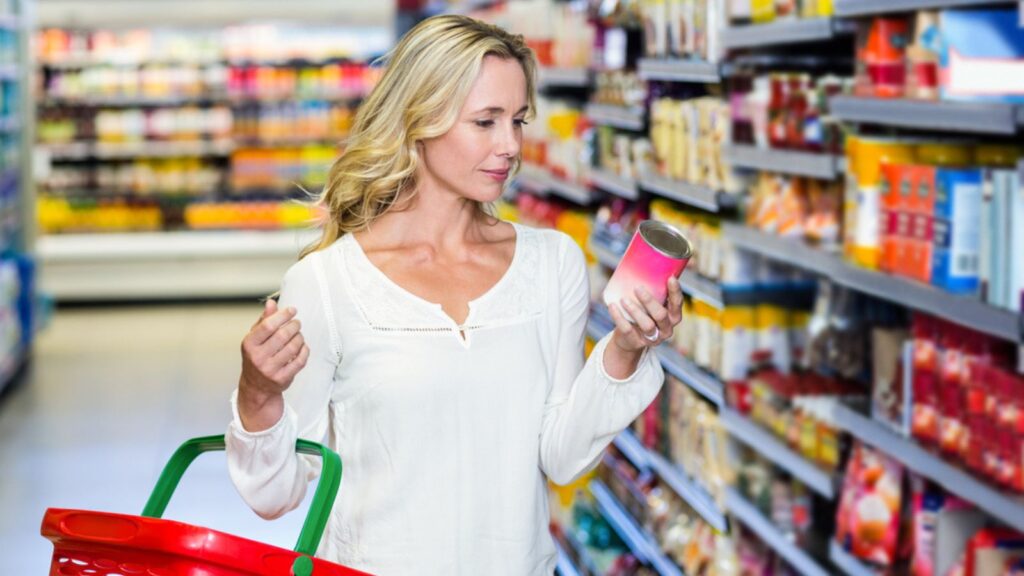
Bisphenol A (BPA) is a chemical found in canned food liners that helps prevent metal corrosion. However, BPA can leach into food, especially when you heat it or store it for a long time, which may expose you to harmful levels.
Research links BPA exposure to health issues like reproductive disorders, heart problems, and certain cancers. It can also mimic estrogen, leading to hormonal imbalances. Recently, BPA was banned from use in canned liners, and alternatives were introduced. If purchasing canned goods, look for “BPA-free” labels for safer options.
7. Packaged Baked Items

Many packaged baked goods, such as cookies, pastries, and bread, use high-fructose corn syrup (HFCS) as a sweetener because it’s cheaper than sugar and helps products last longer. However, eating foods high in HFCS can lead to health problems such as obesity, insulin resistance, and a higher risk of developing type 2 diabetes.
It may also raise triglyceride levels, increasing cardiovascular risks. To reduce these health issues, choose baked goods labeled “HFCS-free” or make homemade versions with natural sweeteners.
8. Cereal

Breakfast cereals are convenient and tasty, but most contain added sugars and refined carbs that can spike blood sugar levels and increase the risk of insulin resistance and type 2 diabetes.
Some also contain artificial colors and flavors that offer no nutritional value and may be harmful. Choose whole-grain cereals high in fiber and low in added sugars for healthier options. Look for those with whole grains as the first ingredient and at least three grams of fiber per serving.
9. Candy

We all crave a little sweet treat now and then, and candy is a favorite among children and adults alike. However, it is typically high in sugar and artificial ingredients. Many candies contain dyes like Red 40, Yellow 5, and Blue 1, which give them attractive hues and come from petroleum. These dyes are associated with adverse health effects and allergic reactions, and some studies have linked them to behavioral issues in children.
Because of these concerns, it’s wise to check food labels and choose products with natural colorings from fruits, vegetables, and herbs.
10. Frozen Meals
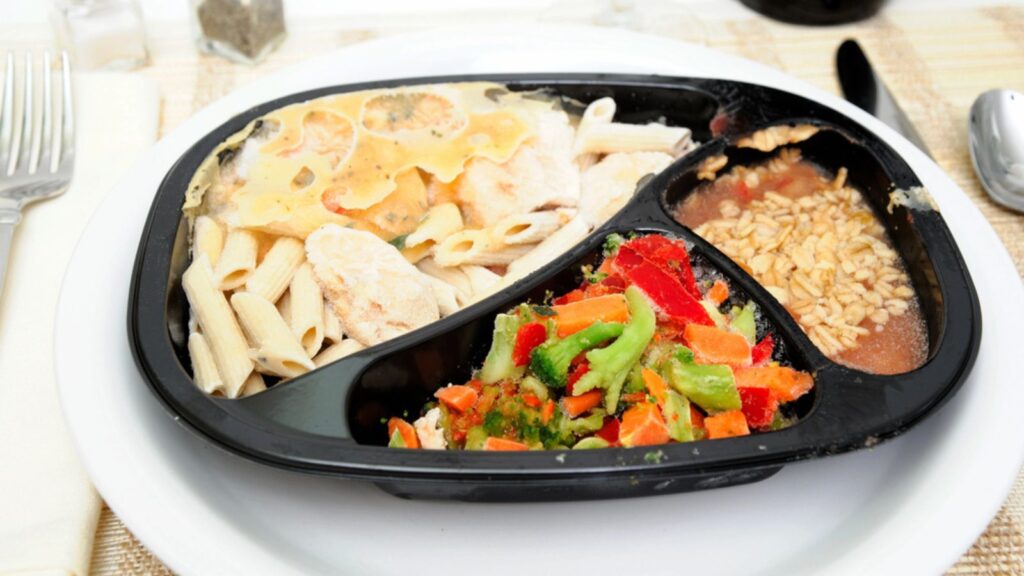
Many frozen meals are high in sodium, preservatives, and unhealthy fats, which can harm your health if eaten often. High sodium can lead to high blood pressure and increase the risk of heart disease. Some frozen meals also have trans fats and artificial additives that can negatively affect your health over time.
As an alternative to eating frozen meals regularly, it could be time to make more time in your schedule to cook homemade meals. By setting aside some time to meal prep for the week, you could have homemade meals ready to reheat and eliminate the risks associated with frozen meals.
11. Foods in Plastic Packaging

Many foods are packaged in plastic for ease, but this can be risky due to harmful chemicals like BPA and phthalates, which can leak into food, especially when heated or stored for a long time. These chemicals are linked to hormone problems, developmental issues, and certain cancers.
To reduce exposure, choose foods in glass, stainless steel, or BPA-free packaging. If no other option is available, try to transfer food from plastic wrapping to safer containers at home.
12. Dairy Products Containing Hormones

Many conventional dairy products are produced using growth hormones given to cows to increase milk production. These hormones, including reproductive hormones like estrogen and growth hormones like rBGH (recombinant bovine growth hormone), are released in milk, and consuming these dairy products may affect human hormone balance, leading to many health problems.
They might also raise levels of IGF-1 (Insulin-like Growth Factor) in humans, which is linked to a higher cancer risk. Additionally, these hormones can cause more cases of mastitis in cows, leading to antibiotic use that can cause resistance in humans.