
14 Foods That Contain More Chemicals Than Nutrients
What if the most “normal” items in your grocery cart are actually closer to a science experiment than real food? Bright colors, long shelf lives, and bold flavors often come from ingredients created in factories, not farms. Many packaged foods are designed to look fresh and wholesome, yet their ingredient lists tell a very different story.
Data from the National Institutes of Health shows that ultra-processed foods now make up more than half of calorie intake in many Western diets. Ultra-processed foods are typically packed with additives, preservatives, flavor enhancers, and artificial colors that go far beyond basic ingredients. This means many foods that look harmless on the shelf are heavily processed behind the scenes.
In this article, we’ll break down 14 common grocery store foods that often contain more chemical additives than real nutritional value.
1. Sugary Breakfast Cereals
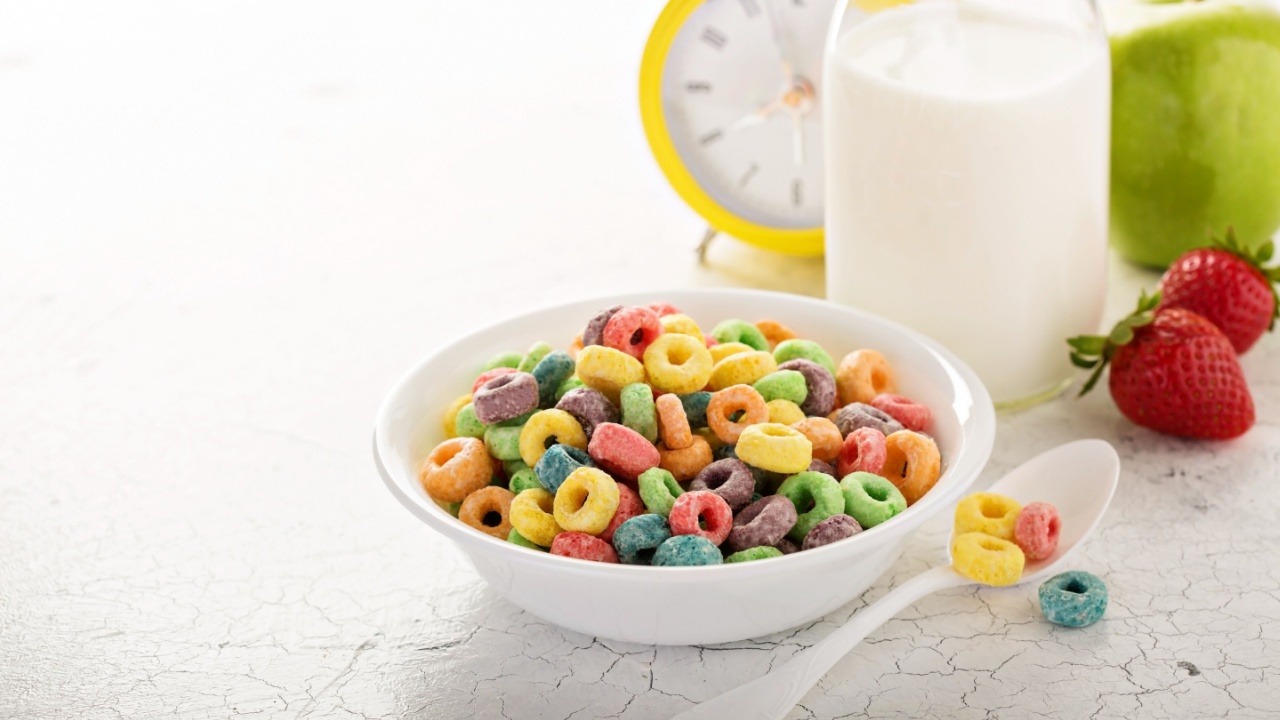
Many popular breakfast cereals are packed with added sugars, artificial colors, and synthetic flavorings. According to the Centers for Disease Control and Prevention, children and teens consume excessive amounts of added sugar daily, and breakfast products are a major contributor. Some cereals contain more sugar per serving than dessert, while fiber and protein levels remain low. Manufacturers often add synthetic vitamins back into the cereal after heavy processing and end up removing natural nutrients too.
A better option is choosing cereals with whole grains listed first and minimal added sugar (or ditching cereal altogether for meals with more protein and healthy fats that keep you full). Plain oatmeal with fruit and nuts provides fiber and steady energy without artificial dyes. Reading labels carefully and comparing sugar content can make a major difference in long-term health.
2. Processed Meats

Hot dogs, salami, and packaged turkey slices contain nitrates and nitrites used as preservatives. The World Health Organization has classified processed meat as a Group 1 carcinogen, meaning there is strong evidence that it can increase cancer risk. These meats are also high in sodium and chemical stabilizers.
Choosing freshly cooked chicken, turkey, or roast beef prepared at home significantly reduces exposure to preservatives. Slicing meat at home may take extra time, but it cuts down on additives and lowers sodium intake. Even small reductions in processed meat consumption can support long-term health.
3. Instant Noodles

Instant noodles are convenient but often contain high sodium levels and flavor enhancers such as monosodium glutamate (MSG). A study found frequent instant noodle consumption was associated with increased cardiometabolic risk, particularly in women. Many brands also use refined flour and artificial flavor packets instead of whole ingredients.
Swapping instant noodles for whole-grain pasta or rice noodles and preparing broth at home helps reduce sodium and chemical additives. Adding vegetables and lean protein transforms a quick meal into a more balanced option without sacrificing convenience.
4. Packaged Snack Cakes

Snack cakes often contain emulsifiers, artificial flavors, preservatives, and high-fructose corn syrup. Experts explain that diets high in ultra-processed foods are associated with chronic inflammation and long-term disease risk. These products are engineered for taste and shelf stability rather than nutrition.
Baking simple treats at home using flour, eggs, butter, and natural sweeteners dramatically reduces exposure to additives. Even reducing portion sizes and frequency of packaged dessert consumption can improve dietary balance.
5. Soda and Sugary Soft Drinks

Sodas typically contain high-fructose corn syrup, artificial coloring, phosphoric acid, and chemical flavorings. Studies show sugary beverages are strongly linked to obesity and type 2 diabetes. Liquid sugars are absorbed quickly, causing blood sugar spikes.
Replacing soda with water, sparkling water, or unsweetened tea reduces both sugar and chemical intake. Gradually cutting back can retrain taste preferences and improve overall hydration habits.
6. Microwave Popcorn

Microwave popcorn packaging has previously contained PFAS chemicals, which the Environmental Protection Agency identifies as environmental contaminants with potential health risks. Artificial butter flavorings may also include additional additives for taste and aroma.
Air-popping popcorn on the stove or in an air popper eliminates exposure to chemical-lined bags. Adding simple seasonings like sea salt or nutritional yeast keeps ingredients clean and recognizable.
7. Frozen Pizza
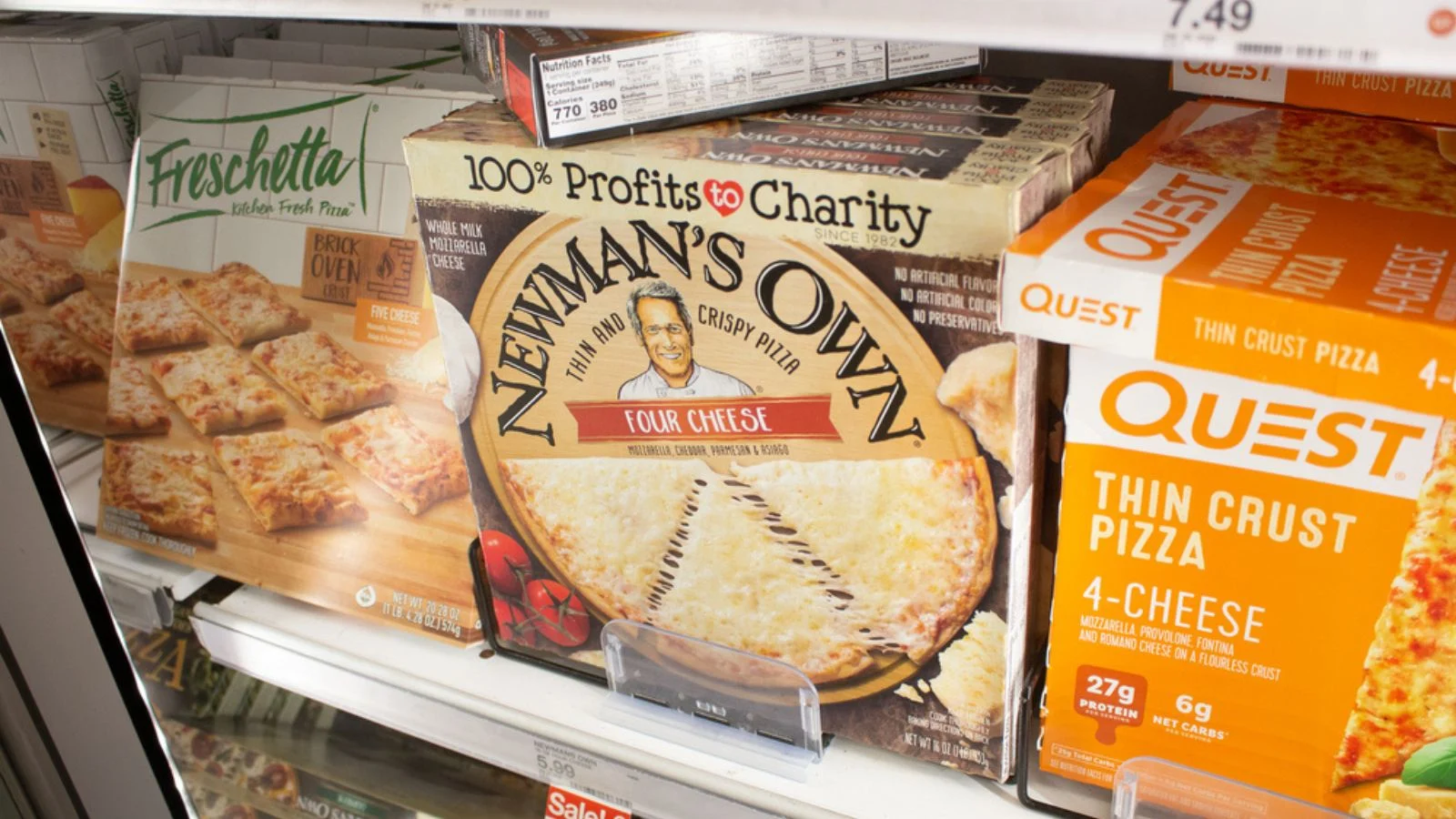
Frozen pizzas often combine processed meats, refined flour crusts, preservatives, and high sodium levels. Excess sodium intake increases the risk of hypertension and heart disease. Many frozen options contain more sodium than half the daily recommended limit in a single serving.
Preparing homemade pizza using whole-wheat crust, fresh vegetables, and moderate cheese allows control over ingredients. Even choosing lower-sodium frozen varieties and adding fresh toppings can improve nutritional quality.
8. Flavored Yogurt

Flavored yogurts often include significant amounts of added sugars, artificial colors, and synthetic flavor compounds, which can diminish their overall nutritional value compared with plain yogurt. Research has shown that many flavored yogurt products contain nearly twice the total sugar of plain versions.
High added sugar levels in flavored yogurts are linked to poorer diet quality and excess calorie intake, which can contribute to weight gain and related metabolic issues over time, meaning these products can behave more like sugary snacks than health foods.
9. Packaged Salad Dressings

Many store-bought dressings are shown to contain significant amounts of sugar and sodium, sometimes several grams per 2-tablespoon serving, which contribute to spikes in blood glucose and may undermine heart health and weight goals. Packaged dressings often include additives like artificial colors and preservatives such as sodium benzoate or flavor enhancers, which may negatively affect digestion or inflammation when eaten regularly.
Making dressing at home with simple ingredients like olive oil, vinegar or lemon juice, and herbs takes just minutes but drastically cuts back on added sugars, sodium, and artificial chemicals. This approach supports heart health and keeps the focus on whole, nourishing foods instead of unnecessary additives.
10. Flavored Coffee Creamers

Non-dairy creamers contain hydrogenated oils, artificial sweeteners, and chemical flavorings. The Food and Drug Administration has addressed health concerns regarding trans fats and artificial additives. Some creamers are more similar to processed oil blends than dairy products.
Switching to real milk or unsweetened plant-based options with short ingredient lists reduces chemical intake. Checking for added sugars on labels is an important step. Choosing options with no hydrogenated oils or artificial flavors can further protect heart health and keep your daily coffee habit cleaner and simpler.
11. Energy Drinks

Energy drinks are often marketed as quick fixes for long study nights, long drives, or exhausting gym sessions, but their ingredient lists tell a more complicated story. Research published in Frontiers in Public Health associates energy drink consumption with cardiovascular and neurological concerns, including elevated heart rate and blood pressure.
Choosing simpler caffeine sources like plain coffee or tea reduces exposure to artificial stimulants and excessive sugar. Monitoring total caffeine intake throughout the day is essential for protecting heart health, maintaining stable energy levels, and supporting better sleep patterns.
12. Processed Cheese Slices

Those perfectly square, individually wrapped cheese slices might look convenient for burgers and sandwiches, but their smooth texture comes from more than just milk. Study shows that highly processed dairy products often carry emulsifying salts, artificial coloring, and preservatives to maintain uniform meltability and extended shelf life, which can impact heart health over time.
Natural cheese blocks typically contain fewer ingredients like milk, salt, cultures, and enzymes, and provide protein and calcium without unnecessary fillers. Even using smaller portions of real cheese can provide rich flavor without relying on heavily engineered products, helping maintain both taste and nutritional quality.
13. Flavored Instant Oatmeal

Flavored instant oatmeal packets may look like a healthy grab-and-go breakfast, but some single packets contain 10–15 grams of added sugar, which is a significant portion of the daily recommended limit, especially first thing in the morning.
Plain oats cooked at home provide fiber, especially beta-glucan, which supports heart health and helps keep blood sugar steady. Preparing oatmeal from scratch allows full control over sweetness and ingredients.
14. Bottled Fruit Juices

Even juices labeled “100% fruit” can be misleading, as many are made from concentrated juice and contain little to no fiber. Without the natural fiber found in whole fruit, the body misses out on the benefits of slower sugar absorption and balanced nutrient intake.
Choosing whole fruits instead provides fiber, vitamins, and minerals while promoting steady blood sugar levels. When juice is consumed, keeping portions small and occasional rather than daily helps maintain metabolic health and prevents overconsumption of concentrated sugars.
Rethink the Cart Before Checkout

Ultra-processed foods dominate grocery shelves, but small changes can create a lasting impact. Research consistently shows that diets higher in minimally processed foods support better heart health, blood sugar balance, and overall well-being. The goal is not perfection but awareness and gradual improvement.
Reading ingredient lists, choosing whole foods more often, and cooking simple meals at home are realistic next steps. Every grocery trip becomes an opportunity to replace one heavily processed item with something closer to its natural form. Those small swaps can shift an entire lifestyle toward stronger long-term health.
Read More: