12 Reasons Raccoons Are a Welcome Sight in Your Yard
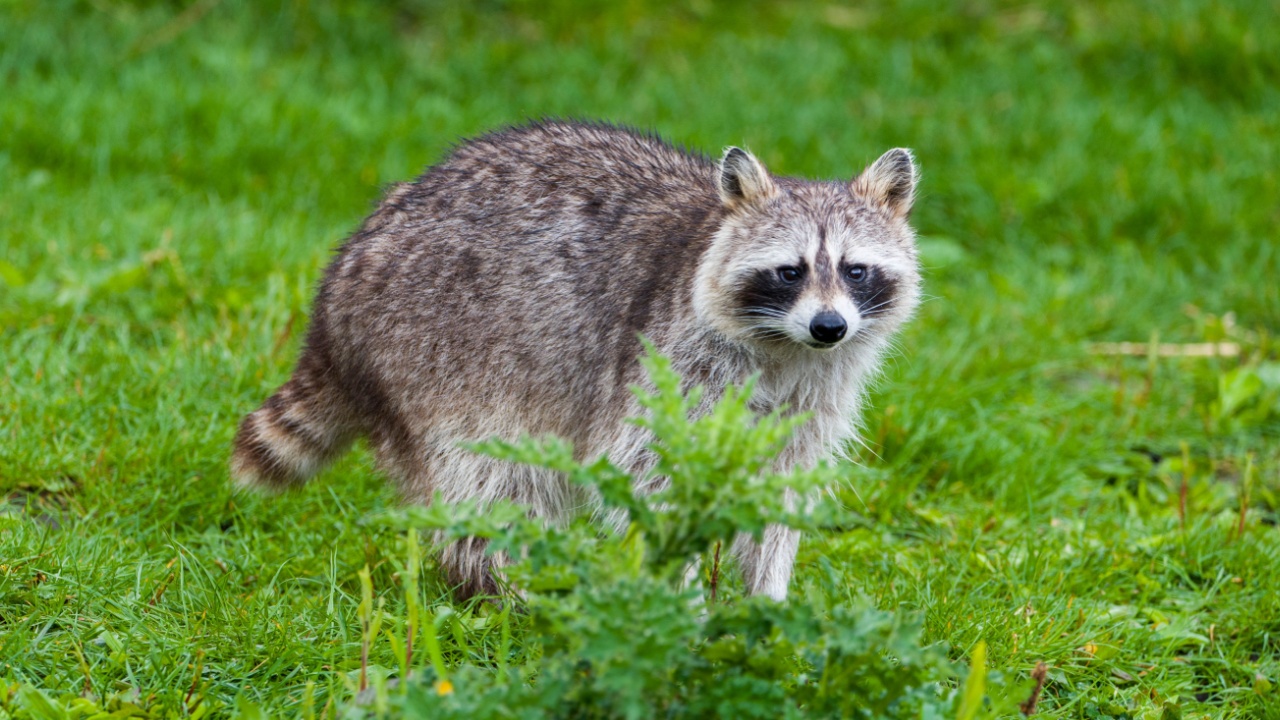
Raccoons have a reputation problem. Knock over one trash can, steal a few ears of corn, and suddenly they’re public enemy number one. But written off too quickly, these masked mammals are doing more good in backyards across North America than most people ever stop to notice. Before setting out the deterrents, it’s worth taking a closer look at what raccoons actually bring to the table (or, more accurately, the garden bed.)
This list draws directly from that research while going deeper into the science, the practical benefits, and a few bonus reasons that deserve attention. Data on soil health, biodiversity, and pollinator support all point in the same direction: raccoons are more ally than adversary when given the chance.
Here are 12 well-supported reasons to reconsider the raccoon’s standing in the backyard ecosystem. Some will surprise, some will make immediate practical sense, and a few might just earn the neighborhood raccoon a little more goodwill than it currently enjoys.
1. Natural Pest Control

Raccoons are opportunistic omnivores, and for gardeners dealing with pests, their diet is a dream come true. They’ll happily devour grubs, beetles, caterpillars, slugs, and cutworms. In just one night, a single foraging raccoon can cover a lot of ground, snapping up insects before they have a chance to damage plant roots or chew through leaves.
This is especially valuable because raccoons go after soil-dwelling larvae, like Japanese beetle grubs, which can destroy lawns and garden beds from below. While pesticides often struggle to reach these pests without risky runoff, raccoons get the job done naturally. No spray tank, mixing ratios, or environmental fine print required.
2. Soil Aeration Without the Equipment
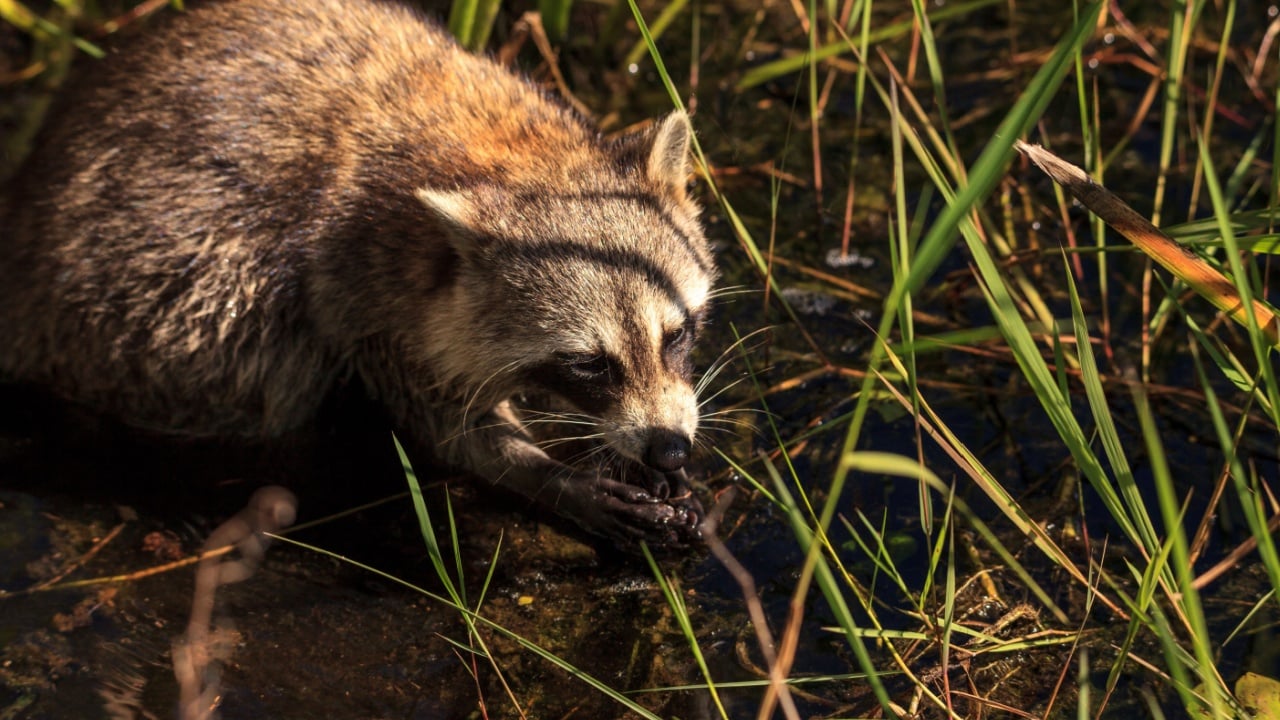
Raccoons dig in the dirt to look for grubs and earthworms. This digging helps the soil. It makes hard soil loose, which helps water soak in and lets plant roots grow deeper. Hard soil can stop gardens from growing well. Using machines to loosen the soil can be rough on plants.
Raccoon digging is softer and more spread out. Too much digging in one spot can sometimes cause problems, but overall, it’s like a light tilling of your yard. This helps tiny living things in the soil and allows it to hold more water. Healthy soil means healthy plants, and raccoons help make your soil healthier for free.
3. Seed Dispersal Across the Yard

Raccoons love to eat fruit. When they do, the seeds pass through their bodies and come out in their droppings. This spreads seeds wherever they go. Studies show that animals like raccoons are very important for spreading native plants around cities and suburbs.
This means you get more types of plants in your yard without having to do anything. When you see new plants popping up, they might not be weeds. A raccoon might have “planted” them for you during its nightly travels. This is a great way to add more variety to your backyard.
4. They’ll Speed Up Your Compost Pile
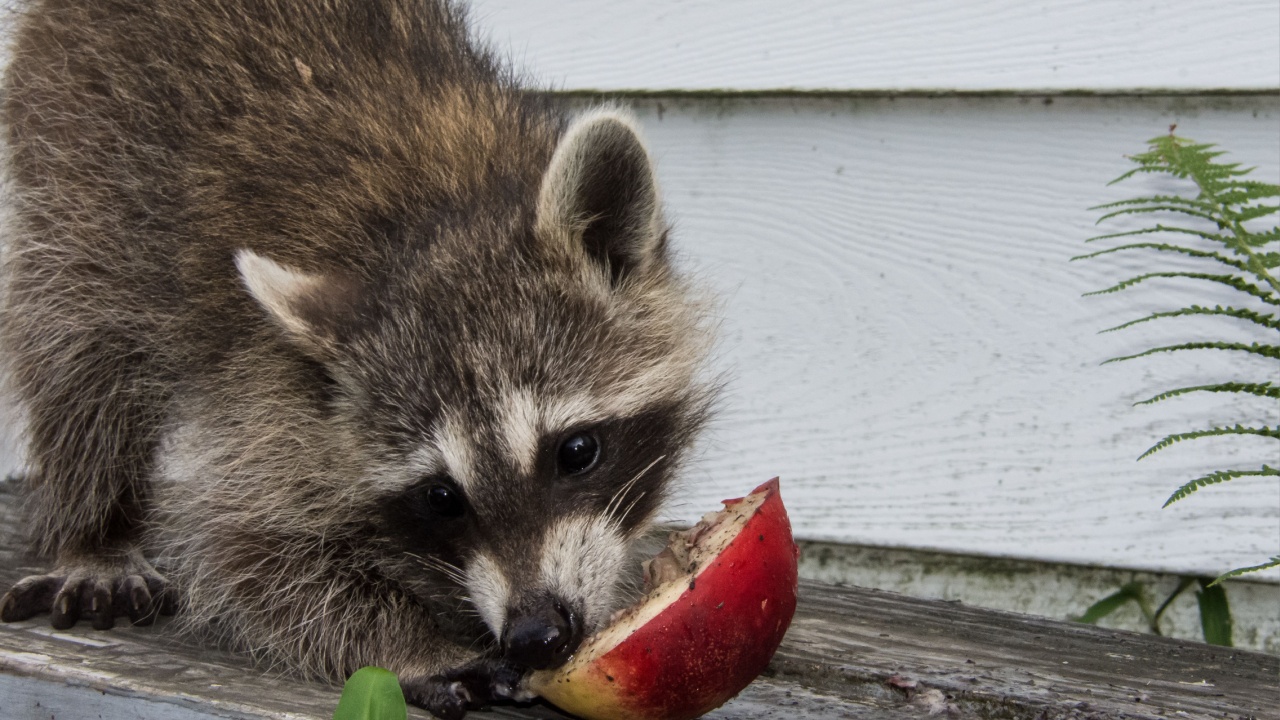
A raccoon sees a compost pile as an all-you-can-eat buffet. As they rummage for food, they’re actually helping you out by speeding up the decomposition process. By digging around and breaking up bigger food scraps, they increase the surface area for the good bacteria and fungi to do their work. The result? You get finished compost much faster.
Their droppings also give the pile a direct hit of nitrogen, a key ingredient for hot composting. This nitrogen boost fires up microbial activity, heats the pile, and helps produce richer soil. Unintentionally, these little masked bandits act as your personal compost co-managers.
5. Free Fertilizer
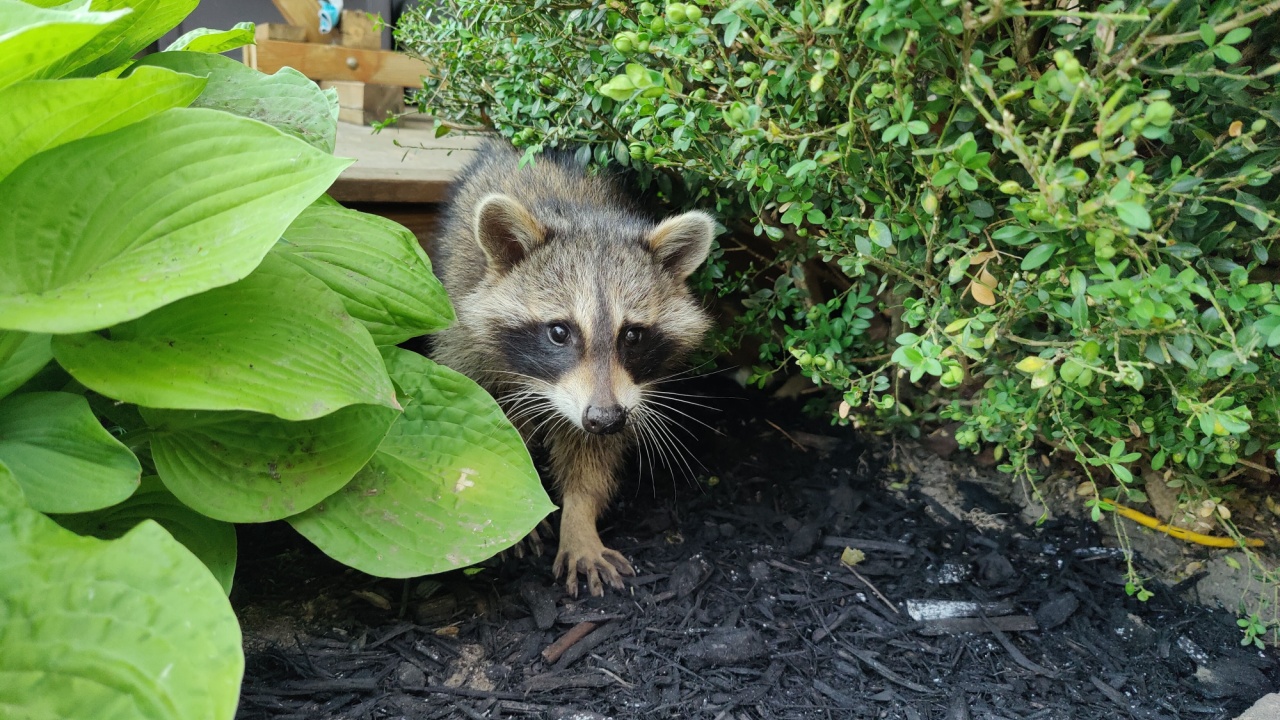
Raccoon droppings are basically nitrogen-rich organic fertilizer. When left in garden beds or on the lawn, they break down and feed the soil just like any store-bought product would. While it won’t replace a full fertilizing schedule, it’s a consistent, free input that improves your soil’s health.
A quick word of caution: raccoon feces can carry a roundworm (Baylisascaris procyonis) that is harmful to humans. If you find a “latrine” (a spot they use repeatedly), clean it up carefully with gloves. Otherwise, scattered droppings in the garden are generally low-risk and a nice nutritional bonus for your soil.
6. Bird Feeder Cleanup Crew
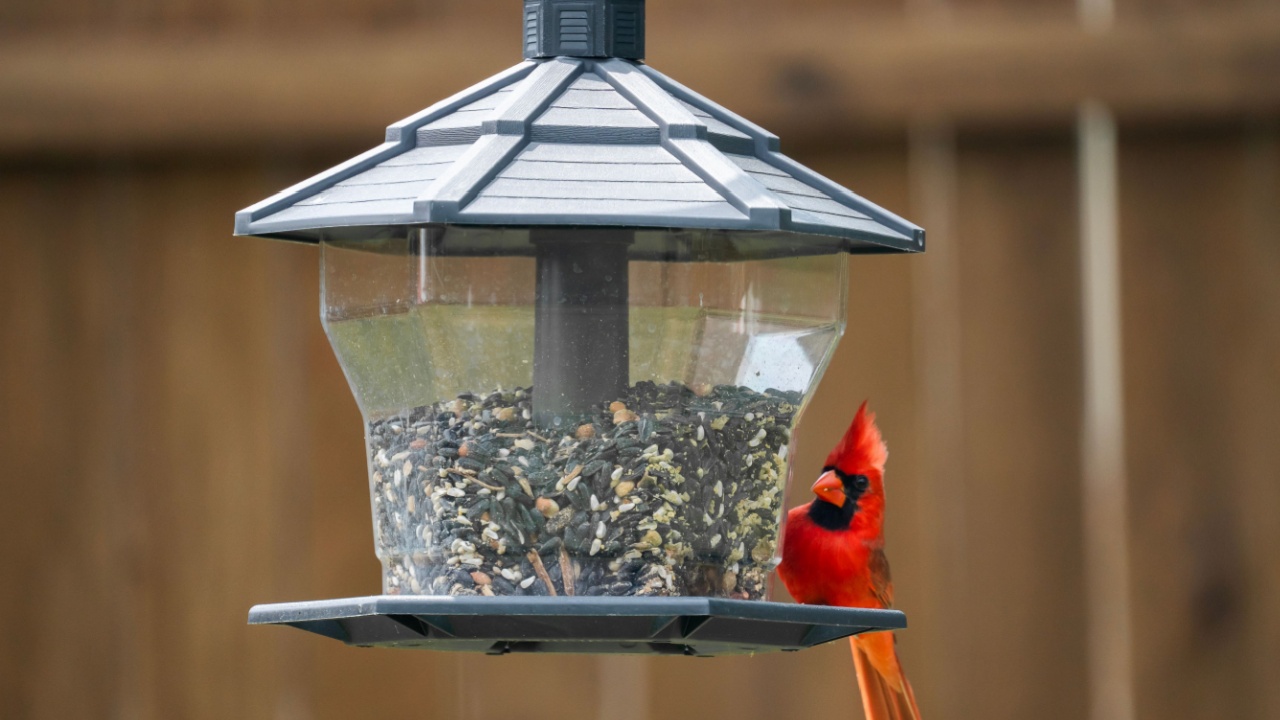
This might sound like a negative, but hear me out. Spilled birdseed piles up quickly under feeders, attracting rodents and growing mold. Raccoons are expert scavengers and will happily clean it all up for you.
Keeping the ground under your feeder clean also protects ground-feeding birds from getting sick. A good compromise is to install baffles to keep raccoons off the feeder itself, while letting them handle the ground-level cleanup. It’s a win-win for maintenance and wildlife.
7. They Help with Pollination
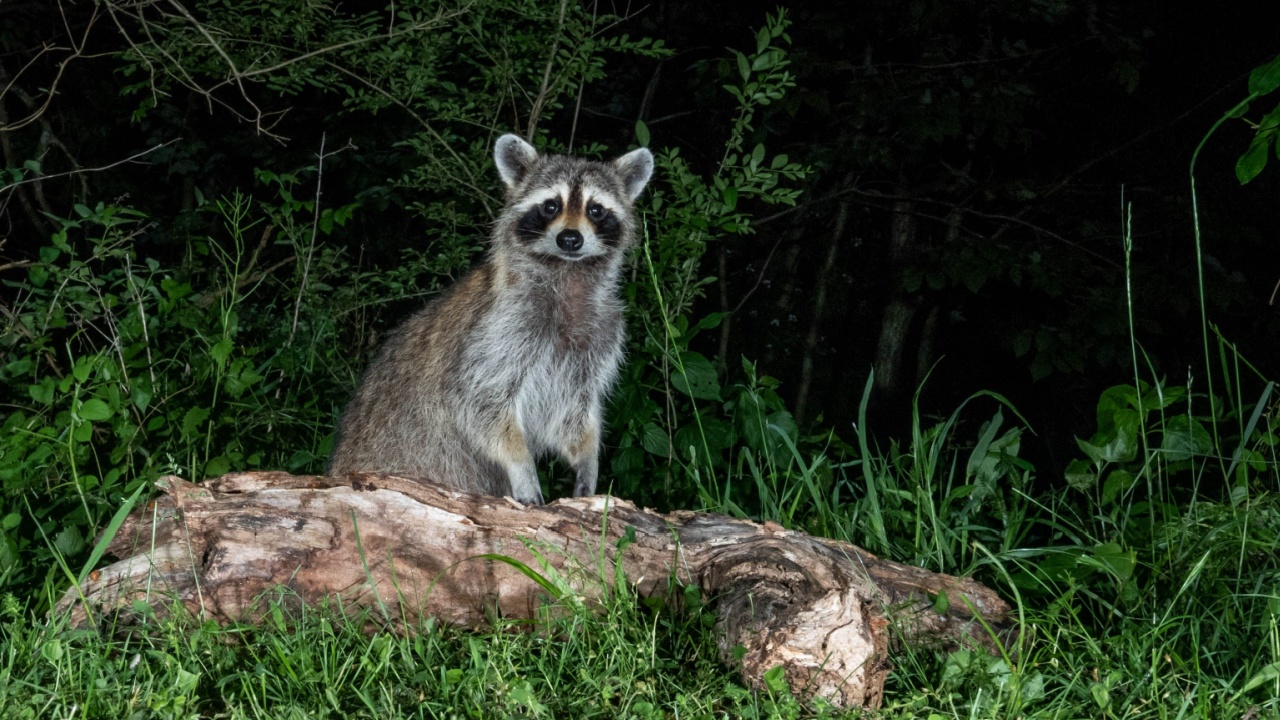
Okay, raccoons aren’t bees. They don’t have special body parts for carrying pollen. But as they move through your garden at night, hunting for insects and fruit, they inevitably brush against flowers, transferring pollen along the way. Think of it as a little extra help for the nocturnal moths already on the job.
More importantly, raccoons help create a better environment for pollinators. By keeping grub and caterpillar numbers down, they reduce stress on your plants, allowing more flowers to bloom. More flowers mean happier pollinators and a healthier garden.
8. They Boost Local Biodiversity
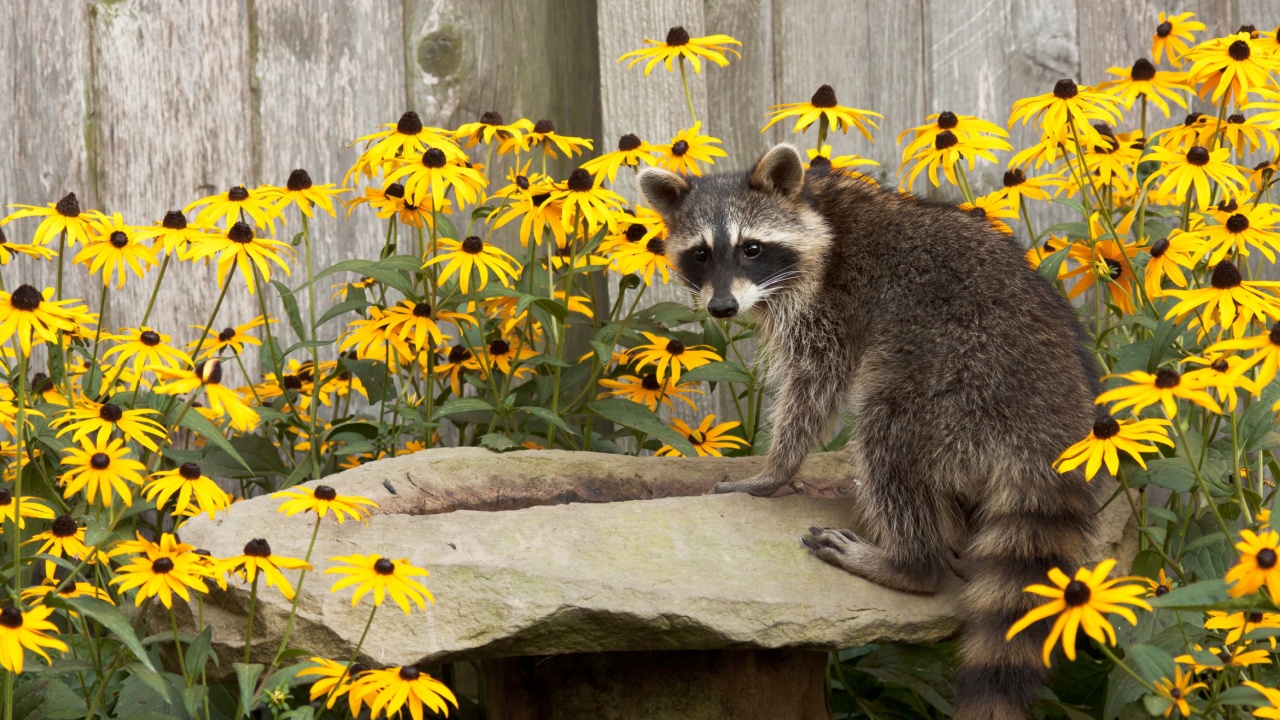
Raccoons sit comfortably in the middle of the food web. If you have them around, it’s a good sign your yard has enough food, water, and shelter to support them. That same environment also supports songbirds, amphibians, and beneficial insects.
A biodiverse backyard is a resilient backyard. With a variety of wildlife, you’re less likely to have one pest species take over because natural checks and balances are already in place. Raccoons don’t create this balance on their own, but their presence is a good indicator that it exists.
9. Natural Rodent Control
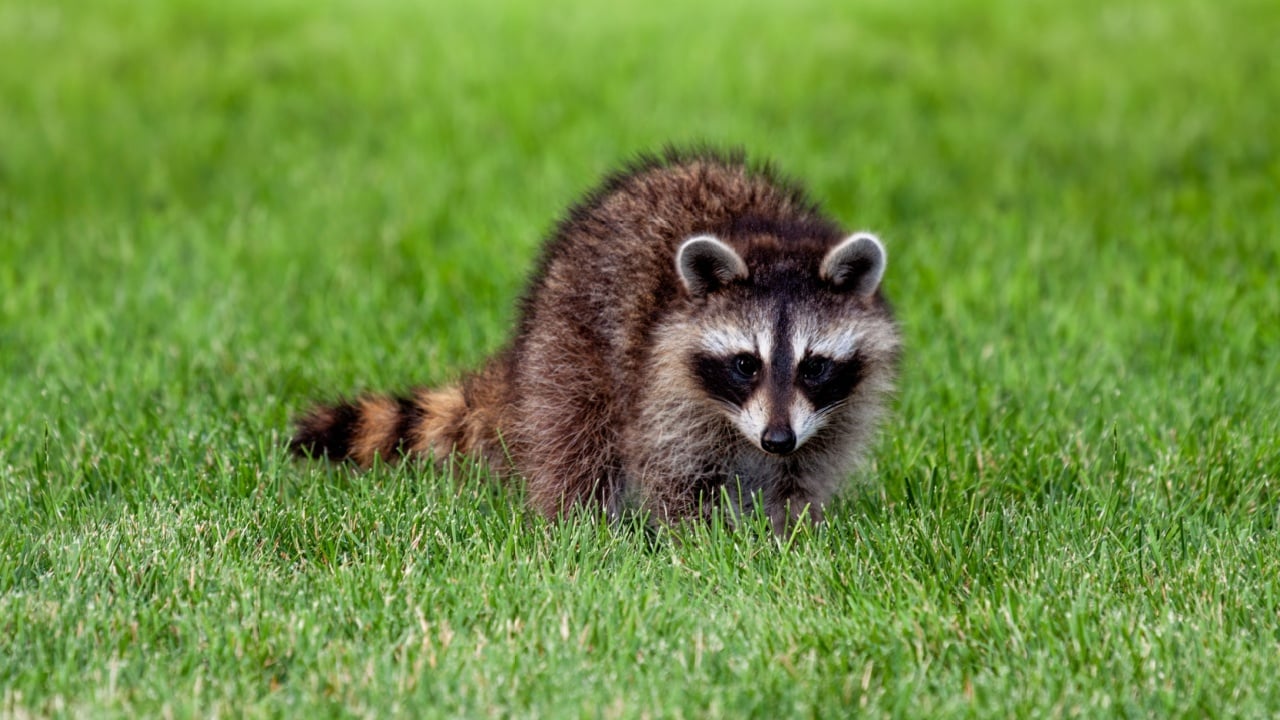
Raccoons are opportunistic hunters, and small rodents like mice and voles are on their menu. In suburbs where predators like foxes or hawks are scarce, raccoons provide an extra layer of pest control that often goes unnoticed.
Voles, for instance, can wreak havoc on lawns by tunneling underground. Raccoons are surprisingly good at sniffing out and digging up these tunnels. If you’ve ever wondered why your vole problem wasn’t worse, you might have a raccoon to thank.
10. They Help Balance Pest Cycles
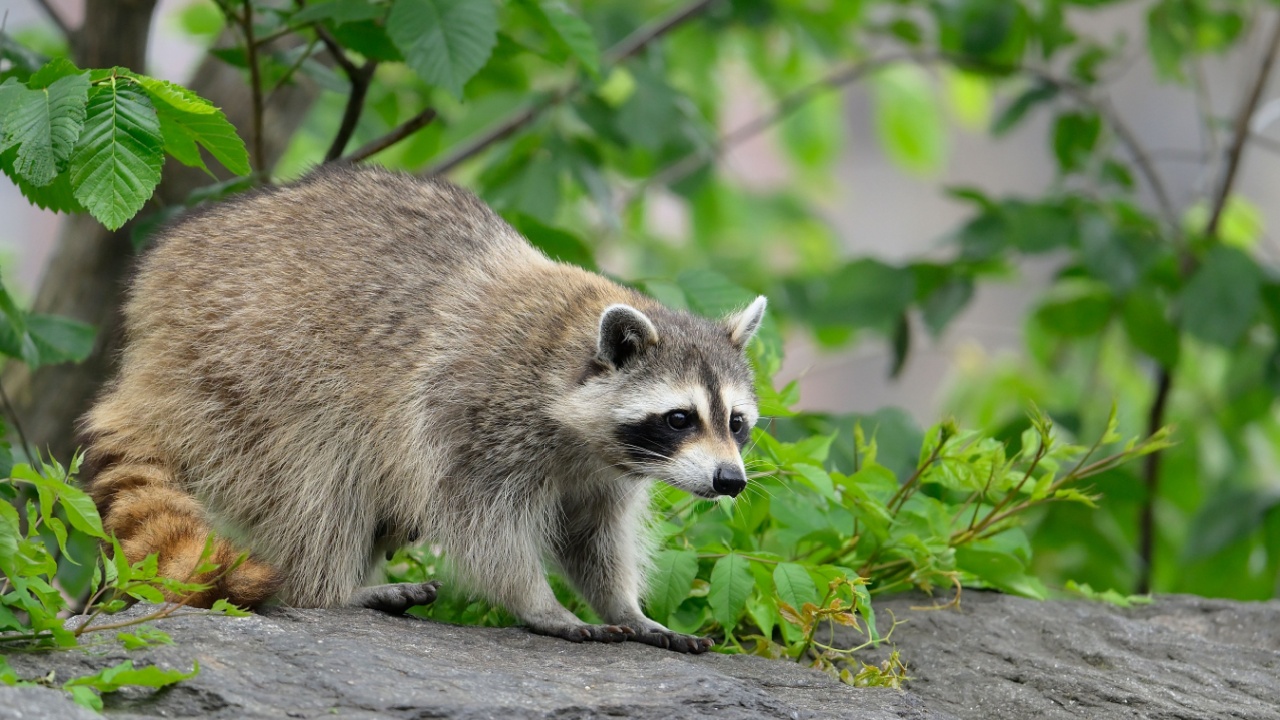
Beyond just eating pests, raccoons help stabilize the entire pest cycle in your yard. By consistently preying on common invertebrates, they prevent any single species from exploding in number and causing widespread damage.
This isn’t a quick fix, but rather long-term regulation. Gardens with regular raccoon visitors tend to have fewer dramatic boom-and-bust cycles for pests like grubs and cutworms. This steady pressure keeps populations in check, meaning you’re less likely to need to intervene.
11. A Free Wildlife Education
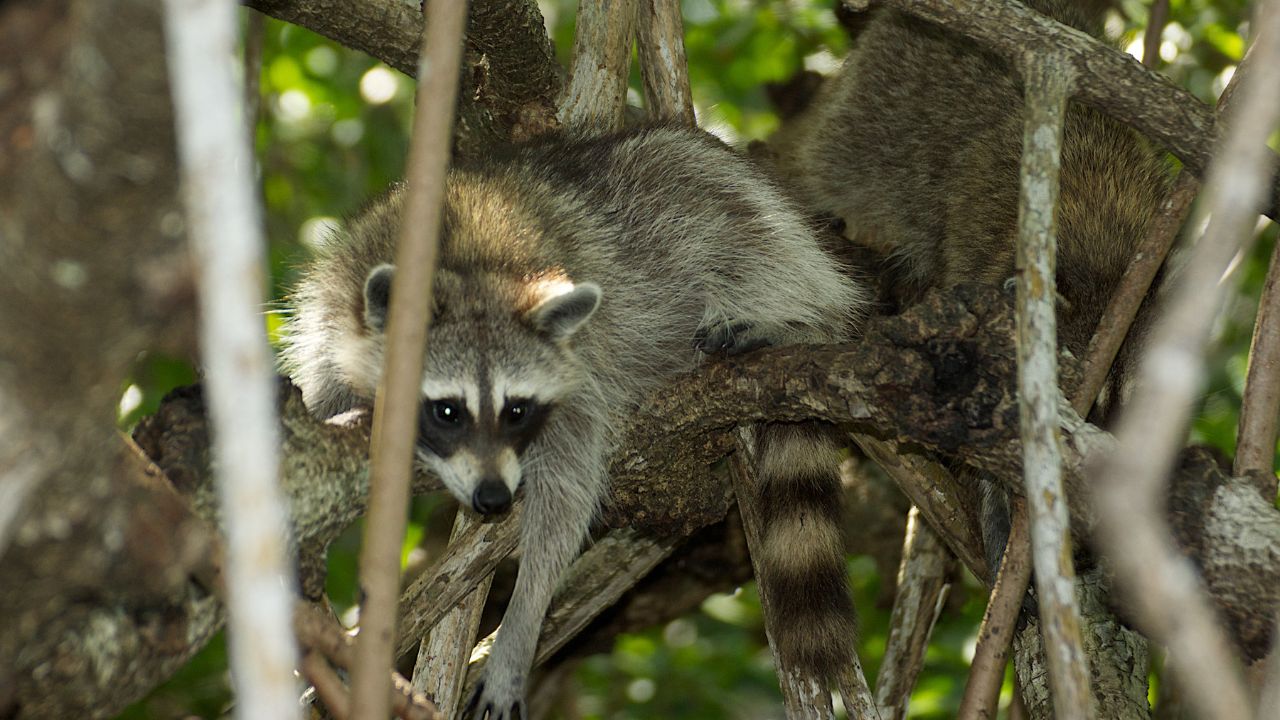
For families with kids, a backyard raccoon is a living, breathing science lesson. They are fascinating to watch; they solve problems, adapt to new situations, and communicate in complex ways. This kind of firsthand exposure to wildlife can build a love for the environment that a classroom can’t replicate.
Try setting up a motion-activated camera near a water source. You’ll get a low-impact way to see their nightly routes, social squabbles, and seasonal habits, turning your backyard into your very own nature documentary.
12. They’re Genuinely Fun to Watch
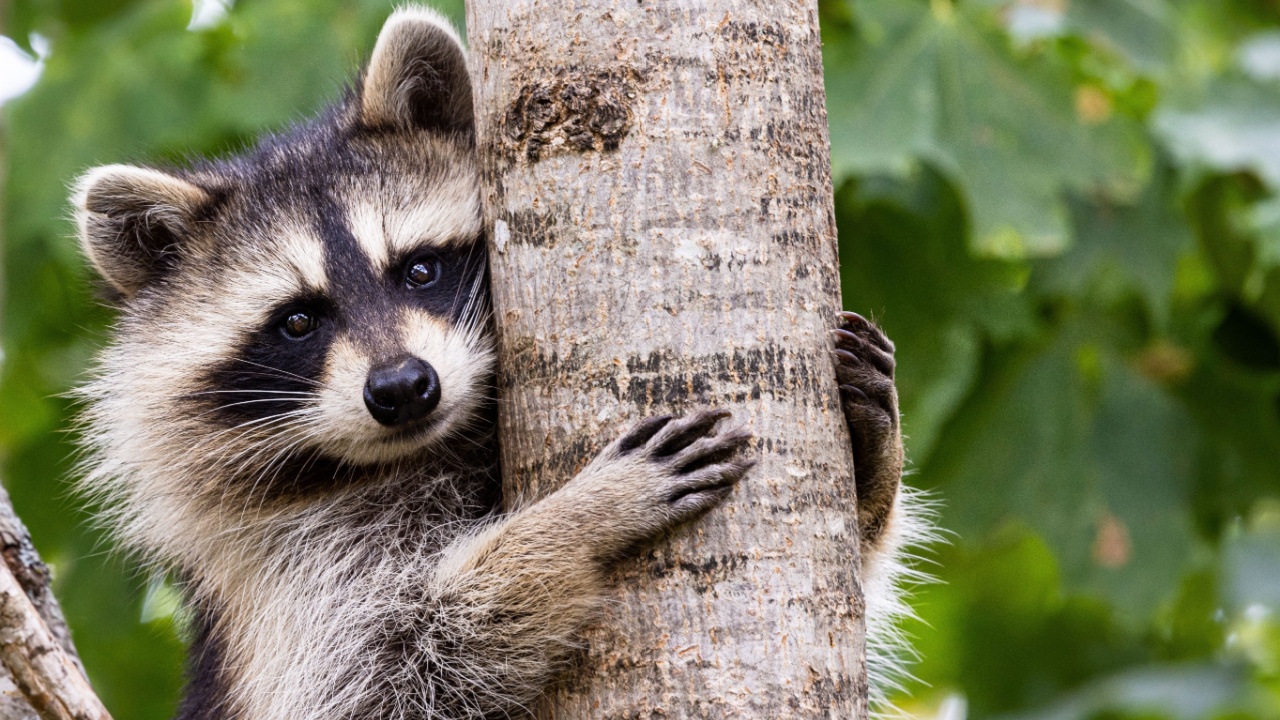
If you’ve ever taken the time to watch, seeing a raccoon navigate the garden at night is pretty entertaining. They investigate everything with their sensitive paws and approach problems with a methodical curiosity that makes them one of the most interesting animals around. It’s no surprise they score highly on animal intelligence tests.
Unlike birds or squirrels, raccoons offer a chance to watch complex behaviors unfold right in your own backyard. Seeing one figure out a puzzle is more engaging than most things you’ll see on TV.
The Uninvited, Underappreciated Gardener
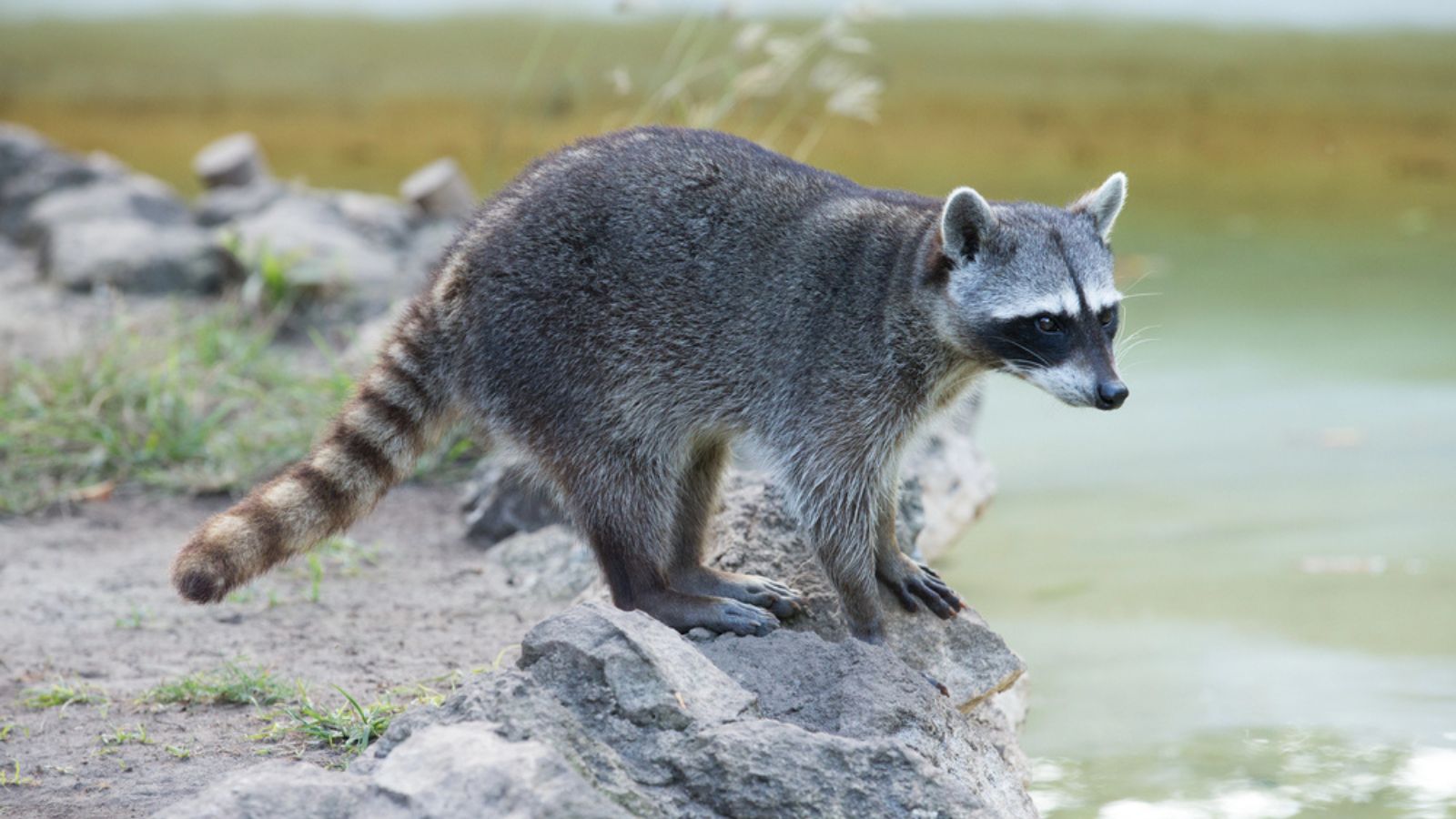
Raccoons aren’t asking for a formal invitation, but they’ve earned a more balanced reputation than the one they’re usually handed. From grub control to seed dispersal, compost acceleration to biodiversity support, their contributions to a backyard ecosystem are real, measurable, and in most cases, free.
The next time a masked face peers in from the garden edge, it might be worth a second look before reaching for the deterrent. Consider setting up a motion-activated camera to see what the night shift is actually getting done.
Read More: