12 Behaviors of Younger Generations That Seriously Confuse Boomers
Generations often struggle to understand each other, with daily habits serving as the biggest points of confusion. Grandparents look at their grandchildren and often see entirely different species operating on unusual rules. The gap between how baby boomers grew up and how young people navigate the world today is massive, leading to plenty of head-scratching moments at family gatherings.
Much of this disconnect stems from growing up with constant internet access and smartphones in hand. Baby boomers relied on physical tools and face-to-face interactions, while younger folks live heavily digitized lives. Technology changed how people communicate, consume information, and present themselves to society. It created new social norms that contradict decades of established tradition.
This article details twelve specific actions younger individuals do that leave older adults completely baffled. You will discover exactly how modern technology and shifting cultural attitudes have transformed everyday routines into unfamiliar territory. The following list highlights these daily habits to help explain the massive divide between the generations.
1. Treating TikTok as a Legitimate News Source

Research shows that at least 85% of young people get their news on social media. Individuals often turn to short video clips on social media to understand current events instead of reading traditional newspapers or watching evening broadcasts. They rely on their favorite creators to summarize political developments, economic shifts, and global news within sixty seconds.
For baby boomers who grew up trusting established journalists and formal news anchors, seeing a teenager get their daily updates from a dancing influencer is genuinely baffling. Relying on algorithm-driven platforms for information changes how society understands complex issues. When news is condensed into tiny, entertaining fragments, important context frequently disappears entirely.
2. Recording Themselves Crying for Public Validation

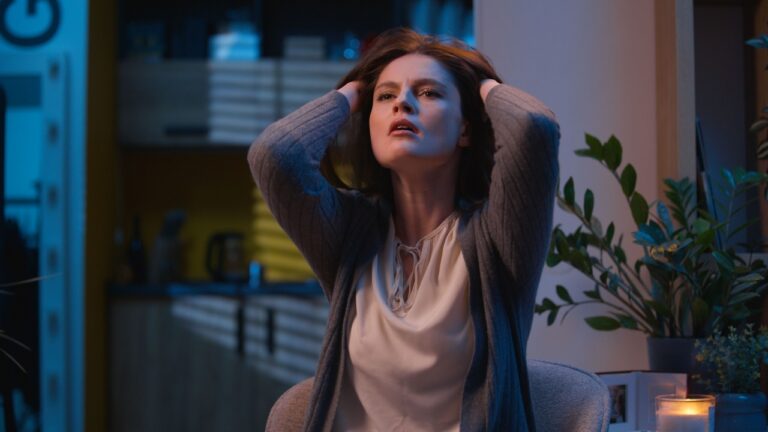
Posting a video of oneself shedding tears online is a remarkably common trend among young users seeking sympathy or connection. They set up their cameras, capture their emotional breakdowns, and share these vulnerable moments with thousands of strangers online. Older adults view crying as a deeply private experience meant for trusted friends and family members, not public consumption.
This behavior highlights a massive shift in how society views vulnerability and personal boundaries. For young people, broadcasting their sadness serves as a way to find a supportive community and break the stigma around mental health struggles. Boomers, however, see this constant public display of emotion as highly inappropriate and entirely artificial.
3. Crop Tops Dominating Clothing Styles
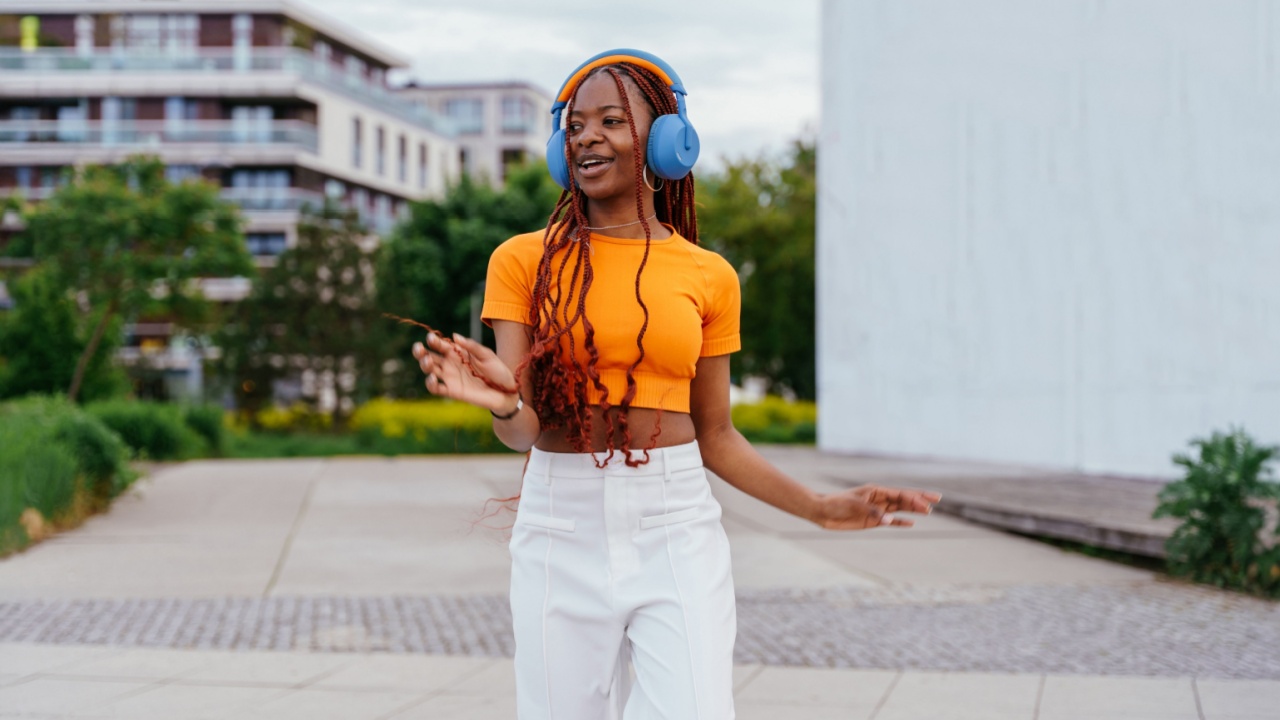
The modern fashion landscape heavily favors shirts that expose the midriff (although it isn’t a new concept by any means), with young people wearing them in almost every possible setting. From casual outings to formal events, half-shirts have replaced traditional full-length tops in many younger wardrobes. Boomers remember a time when showing so much skin was reserved for the beach, making this everyday clothing choice seem entirely out of place.
Clothing serves as a reflection of changing social standards and personal comfort levels. Younger generations prioritize body positivity and individual expression over traditional modesty rules. Older adults struggle to accept this shift, as their upbringing emphasized dressing conservatively for public appearances and respecting formal attire guidelines.
4. Filming Entire Concerts Through Their Phone Screens

At live music events, crowds are now illuminated by thousands of glowing rectangles as young attendees record the entire performance. Instead of watching the artist on stage, they stare at their screens to capture the perfect video for their social media profiles. Baby boomers attended concerts to experience the live music directly, making this obsession with recording completely illogical to them.
Documenting experiences has become more important to younger crowds than simply enjoying the moment as it happens. They feel a strong desire to prove they were present and to share the excitement with their digital followers. Older concertgoers find this habit highly distracting and feel it ruins the immersive experience of live entertainment.
5. Writing Entire College Essays on Their Phones

Many students today prefer to tap out thousands of words for their academic assignments using only their smartphone keyboards. They compose complex research papers while sitting on the bus or lying in bed, ignoring the traditional desktop computer setup. Boomers, who learned to type on mechanical typewriters or early bulky computers, cannot comprehend completing serious work on such a tiny screen.
This preference demonstrates how smartphones have become primary computing devices for the youth. The younger demographic is so fast at thumb-typing that they find it perfectly efficient for academic writing. Older individuals still associate mobile phones strictly with brief communication, viewing a physical keyboard as necessary for any serious writing task.
6. Watching Other People’s Morning and Evening Routines

Millions of young internet users spend their free time watching videos of strangers making coffee, making their beds, and applying skincare products. These routine videos generate massive audiences, with viewers tuning in daily to see entirely ordinary activities unfold on screen. To a baby boomer, watching someone else brush their teeth or fold laundry seems like an incredible waste of time.
This fascination with mundane routines provides young people with a sense of structure and comfort in a chaotic world. They use these videos for motivation to improve their own daily habits and organize their lives. Older generations prefer their entertainment to feature actual stories or talents, finding no value in watching regular chores.
7. Speaking Very Quietly or Showing Negative Confidence in Class

Many educators note that younger students frequently speak in hushed tones or deliberately downplay their knowledge when answering questions. They actively avoid sounding too confident, often adding filler words to make their statements sound like uncertain suggestions rather than facts. Boomers were taught to speak up clearly, project their voices, and stand firm in their convictions.
This hesitant communication style stems from a deep fear of appearing arrogant or being publicly corrected. Younger individuals prioritize blending in and avoiding conflict (after all, it might show up on social media later if they misbehave), which results in this subdued way of speaking. Older generations view this lack of projection as a sign of weakness or unpreparedness, failing to see the social preservation behind it.
8. Obsession With Life Hacks That Are Just Basic Tasks

Social media platforms are flooded with short videos claiming to reveal revolutionary methods for doing laundry, cutting vegetables, or cleaning shoes. Young people treat these fundamental life skills as incredible discoveries, sharing them widely under the label of “life hacks.” Boomers find it confusing that basic household chores they learned in childhood are now presented as brilliant modern inventions.
The popularity of these tutorials highlights a gap in traditional domestic education among younger individuals. Since many grew up focused heavily on academics and digital skills, they missed out on learning practical household management early on. Older adults see these viral tips as plain common sense and laugh at the exaggerated excitement surrounding them.
9. Preferring FaceTime Over Phone Calls
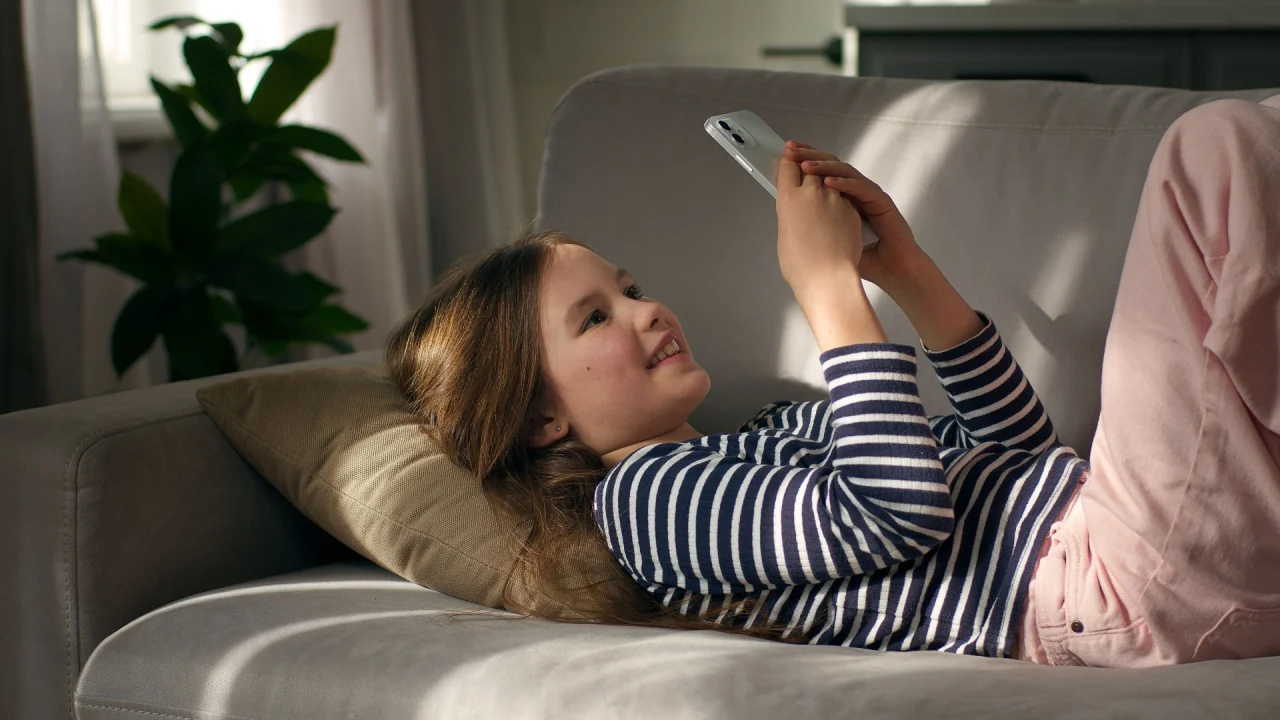
When communicating with friends, young people almost always choose video calls over traditional voice calls. They will walk down the street or sit in a coffee shop holding their phones up to their faces, engaging in public video chats. Boomers grew up using landlines and value the privacy of a voice-only conversation, finding constant video chatting to be entirely unnecessary.
Video communication allows the younger crowd to read facial expressions and share their environments, making interactions feel more connected. They view traditional phone calls as formal and slightly intimidating, preferring the casual nature of visual platforms. Older adults find the requirement to be on camera exhausting and completely intrusive to their daily activities.
10. Being Overly Sensitive to How Others Perceive Them

There is a heightened awareness among younger people regarding their public image and the opinions of their peers. They constantly monitor their social media metrics, worry intensely over small social missteps, and carefully curate their online personas. While everyone cares slightly, baby boomers generally developed a thicker skin and placed far less importance on the opinions of acquaintances.
The permanent nature of the internet forces young individuals to be highly protective of their reputations. A single awkward moment can now be recorded and shared globally, leading to intense social anxiety. Older adults remember a time when mistakes were quickly forgotten, making them less sympathetic to this extreme level of self-monitoring.
11. Using Voice Notes for Entire Conversations

Instead of calling or texting, younger groups frequently exchange recorded audio messages back and forth. They will send five-minute monologues, requiring the recipient to stop and listen to the whole recording before responding with their own audio clip. Boomers view this as highly inefficient, wondering why they do not simply call each other and have a live conversation.
Audio messages offer the emotional tone of a phone call without the immediate pressure to respond perfectly in real-time. Young people appreciate the ability to listen and reply on their own schedule while multitasking. Older generations see this method as tedious and frustrating, especially when trying to find specific information within a long recording.
12. Sending Incoherent or Poorly Written Emails

Professional communication has taken a massive hit, with young employees frequently sending emails that lack punctuation, proper capitalization, or clear structure. They treat email exactly like instant messaging, firing off fragmented thoughts without basic greetings or sign-offs. Baby boomers were trained in formal business correspondence and view these casual messages as highly disrespectful.
The lines between formal and informal communication have completely dissolved for people raised on instant messaging apps. They prioritize speed and quick answers over professional presentation in the workplace. Older professionals find this casual approach highly unprofessional and a sign of declining educational standards.
Finding Common Ground Across Generations
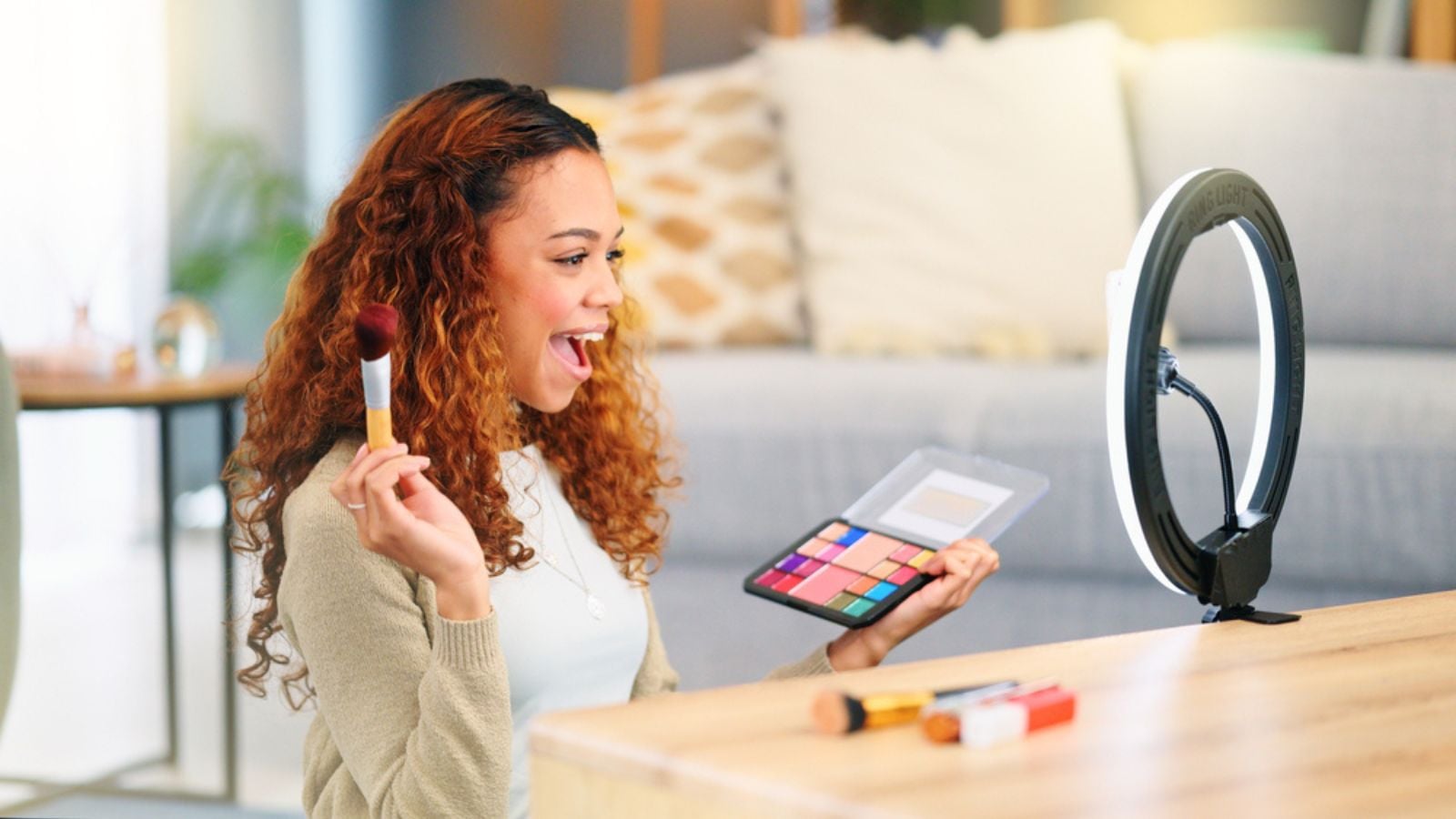
The vast differences in daily behaviors highlight exactly how rapidly society changes with each new generation. From relying on video platforms for news to communicating entirely through voice memos, young people have rewritten the rules of modern interaction. Baby boomers watch these new habits form and struggle to reconcile them with the traditional values and methods they learned decades ago.
Bridging the gap between generations requires patience and an open mind from everyone involved. While older adults may never fully embrace recording their daily routines, recognizing the reasons behind these actions helps ease family tensions. Taking the time to observe and discuss these differences is the best way to maintain strong relationships across generational divides.
Read More:
15 Foods Baby Boomers Ate Growing Up That Defined a Generation