
10 States Where Americans Pay the Most and Least for Electricity
Electricity prices vary dramatically across the United States. Geography, fuel sources, infrastructure costs, and energy policy all play a role in determining what households ultimately pay for electricity. Therefore, it makes sense to know where it charges the most and the least.
Data from sources like the U.S. Energy Information Administration (EIA), Electric Choice, and Compare Power give us rough estimates. This collection is not an exact science. Nonetheless, it gives a good indication of where those pocket hole-burning states and their opposites currently rank.
One thing is guaranteed: all electricity prices rise over time. Sidenote: fluctuating markets may affect reported average prices and rankings at the time of publication.
1. Hawaii

At roughly 39.9¢ per kWh, Hawaii consistently has the highest electricity prices in the United States. There are obvious reasons. Because the islands are geographically isolated, much of the state’s electricity historically comes from imported fuel. That dependence on shipped energy makes power generation significantly more expensive than on the mainland.
Henry Curtis, a Hawaii energy analyst and former utility executive, spoke to Hawaii News Now. “If you look at islands throughout the world, they pay much higher rates than continents,” he explained to Hawaii News Now. “Continents have large systems. They have economies of scale. They can trade electricity with each other.”
2. California

Unsurprisingly, the most populous state has the second-highest electricity prices in the continental United States. Averaging roughly 33.7¢ per kilowatt hour, Golden State authorities have spent billions on state essentials. Therefore, wildfire mitigation, grid modernization, and renewable energy infrastructure are costs often passed along to customers.
“California electricity costs have averaged about 31.5 cents per kilowatt hour,” reads a Reuters report. For a state that uses less electricity per capita than the national average, this hits hard. It wasn’t always the way: California once had some of the nation’s cheapest electricity costs, according to a 2025 Public Policy Institute of California (PPIC) report.
3. Massachusetts
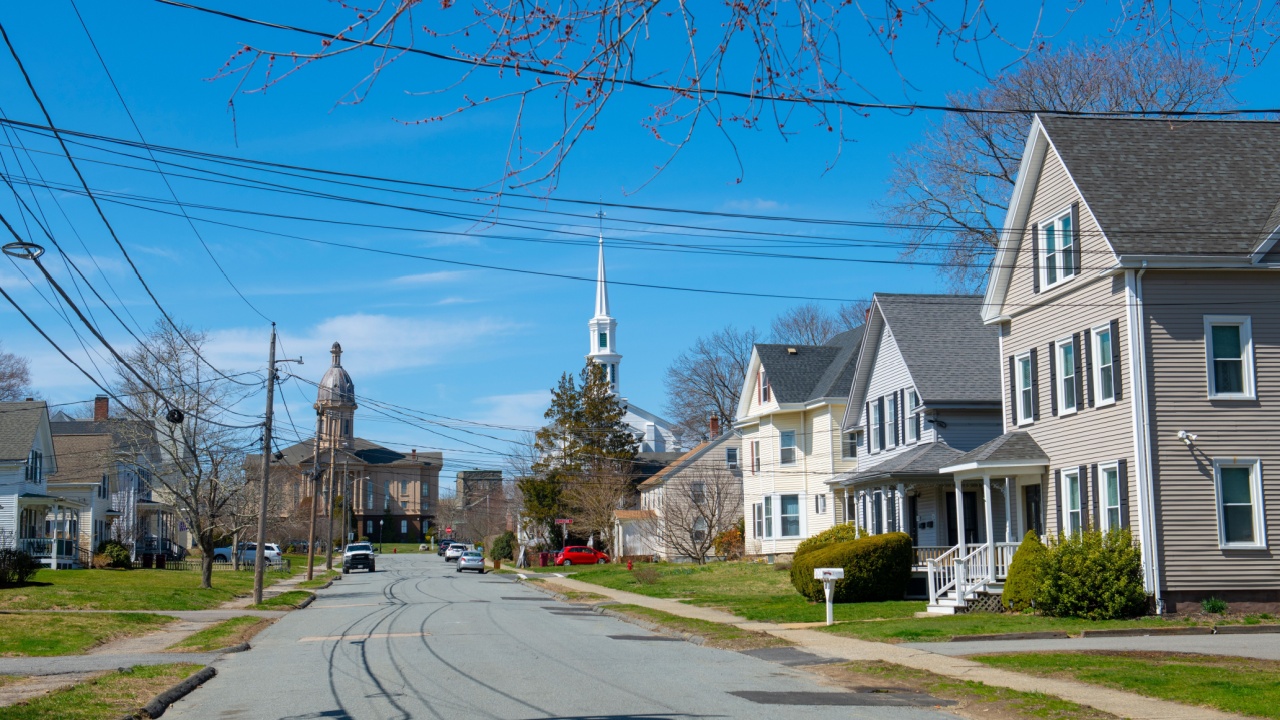
Massachusetts residents pay a 29–30¢ per kWh rate. Kiplinger’s latest report on energy prices shows a sizable 13% jump for Massachusetts electricity prices for average residents. What’s more, it means the average household pays over $2,260 annually, $300 per year more than the nearest rival.
The state’s energy transition has required significant grid upgrades. The main reason for this unfair energy levy is due to “older grid infrastructure that requires costly upgrades, and utility providers often pass those costs to consumers.” The Boston website revealed in 2025 that many locals are now moving away for energy cost-related reasons.
4. Connecticut
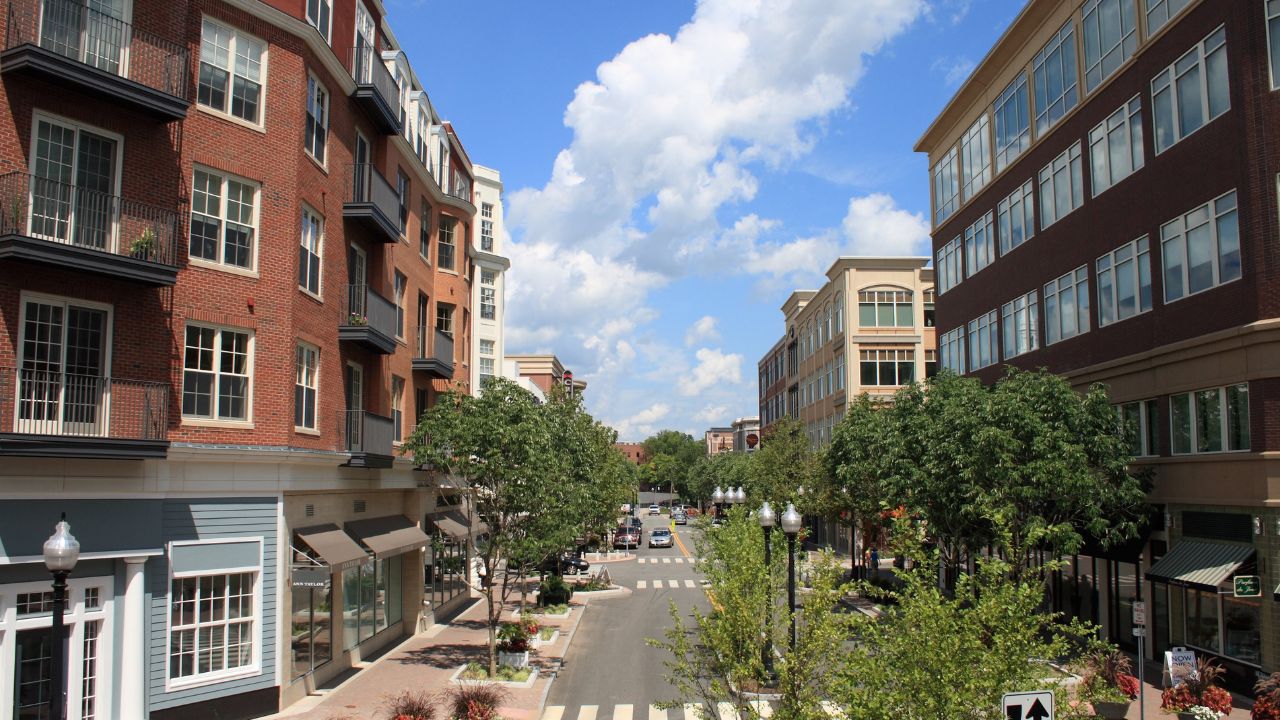
Connecticut residents pay 27.8¢ per kWh, one of the steepest electricity rates in the country. Much of New England relies heavily on natural gas generation, and supply constraints can push prices higher during peak demand periods. Yet, consumer platform Power Outage gives other reasons.
“Your Connecticut electricity could be high because you’re paying for expensive nuclear contracts and aging infrastructure,” reads the state’s profile. “State policies, renewable energy goals, and federal mandates can increase the average cost of energy in Connecticut.” Added to this is limited natural gas pipeline access, which keeps the prices high.
5. Rhode Island
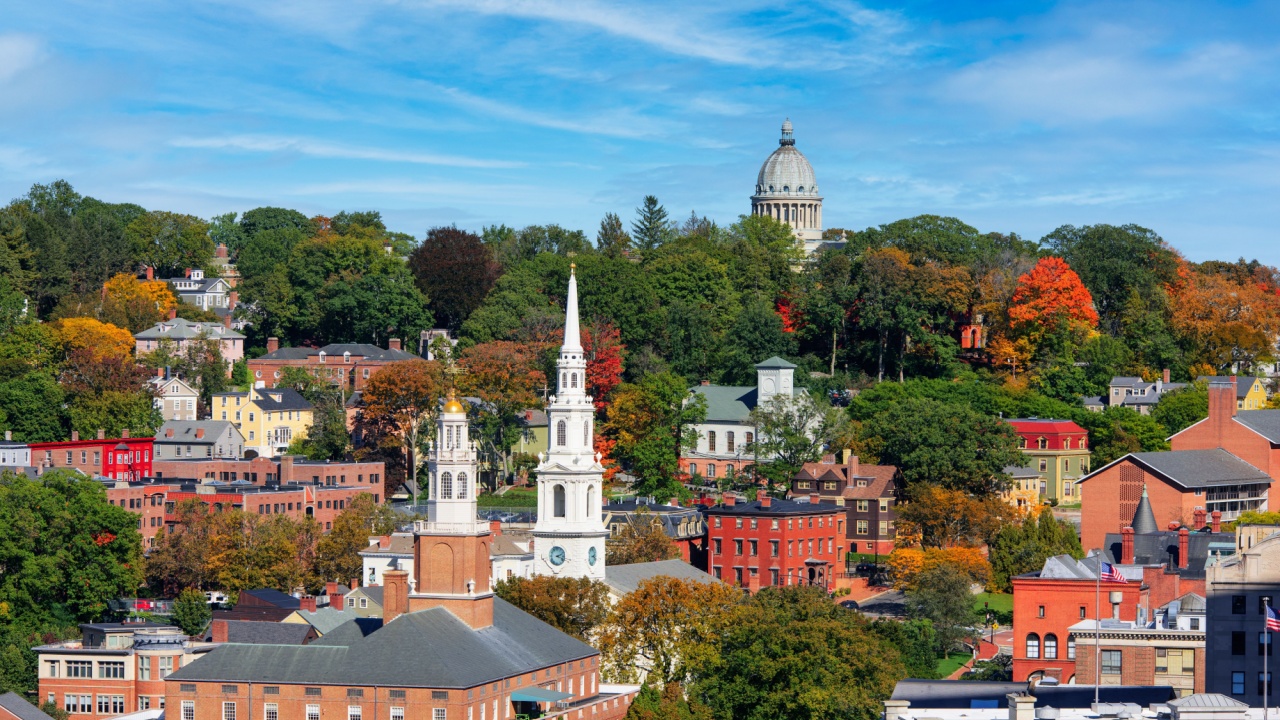
There is certainly a New England-shaped pattern emerging here. Quite simply, this part of the Continental USA has expensive, aging infrastructure and growth in demand. Of course, Rhode Island is the smallest state in the Union, and its electricity rates mirror those of neighboring New England states.
What’s clear is that the region relies heavily on natural gas generation and imports power from regional markets, which can make electricity more expensive. The average rate for Rhode Island is about 27–31¢ per kWh, which is typical for New England on the whole. “New England electricity markets can see higher prices during periods of strong demand,” reads the ISO New England website.
The Cheapest Five States for Electricity- 1. Idaho

It certainly helps your electricity bills if you are surrounded by mountains, and Idahoans fit this description. Hydropower plays a major role in Idaho’s affordable electricity prices, keeping the average at about 12.5¢ per kWh.
Having a constant supply of renewable energy production keeps electricity rates relatively stable. Idaho Power lists all the other sources, such as geothermal, wind, and solar power. In all, the Gem State generates almost 70% of its energy through non-fossil means.
2. Louisiana

Louisiana benefits from abundant natural gas production, which makes electricity generation relatively inexpensive. Yet, this blessing can have some drawbacks. Such high fossil fuel production has attracted negative nicknames, linked to the state’s high concentration of pollution-based health issues.
Moreover, one article from 6 KTAL News alleges that Louisiana is one of the worst states for rising energy costs. Regardless, the Pelican State continues with no cap on fossil fuels, allowing a 12.1¢ per kWh state average cost. Therefore, its prices should remain lower than average for the foreseeable future.
3. Nebraska
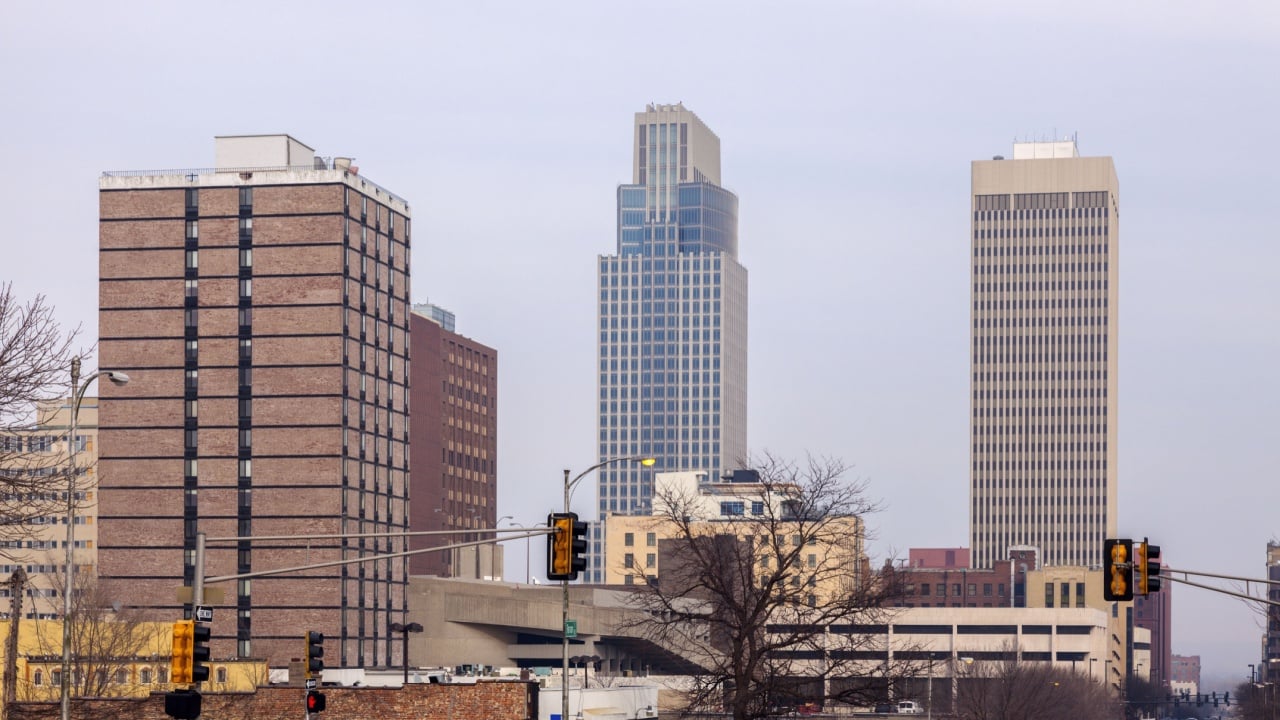
Nebraska has a unique electricity system in which nearly all utilities are publicly owned. This structure means profits are reinvested in infrastructure rather than distributed to shareholders. The model has helped keep electricity prices low.
“Nebraska is the only state in America totally served by a consumer-owned public power system delivering electricity as a nonprofit service,” reads the Nebraska City Utilities website. Maybe this is the model for all states: state utilities run by state companies and residents. The average Nebraskan pays around 11.9¢ per kWh, at the time of writing.
4. North Dakota

At only a third of Hawaii’s electricity rates, North Dakota is one of the cheapest electricity markets in the United States. The Average rate: about 11.7¢ per kWh. North Dakota may be what some consider a flyover state, but the locals won’t care. They benefit from abundant coal and wind energy resources, meaning relatively inexpensive power generation. In fact, they have too much of it.
North Dakota produces more energy than it actually consumes, according to the EIA report. “They’re trying to balance bringing in new projects without passing those costs on to existing users,” writes Michael Standart for North Dakota News Cooperative.
5. Utah
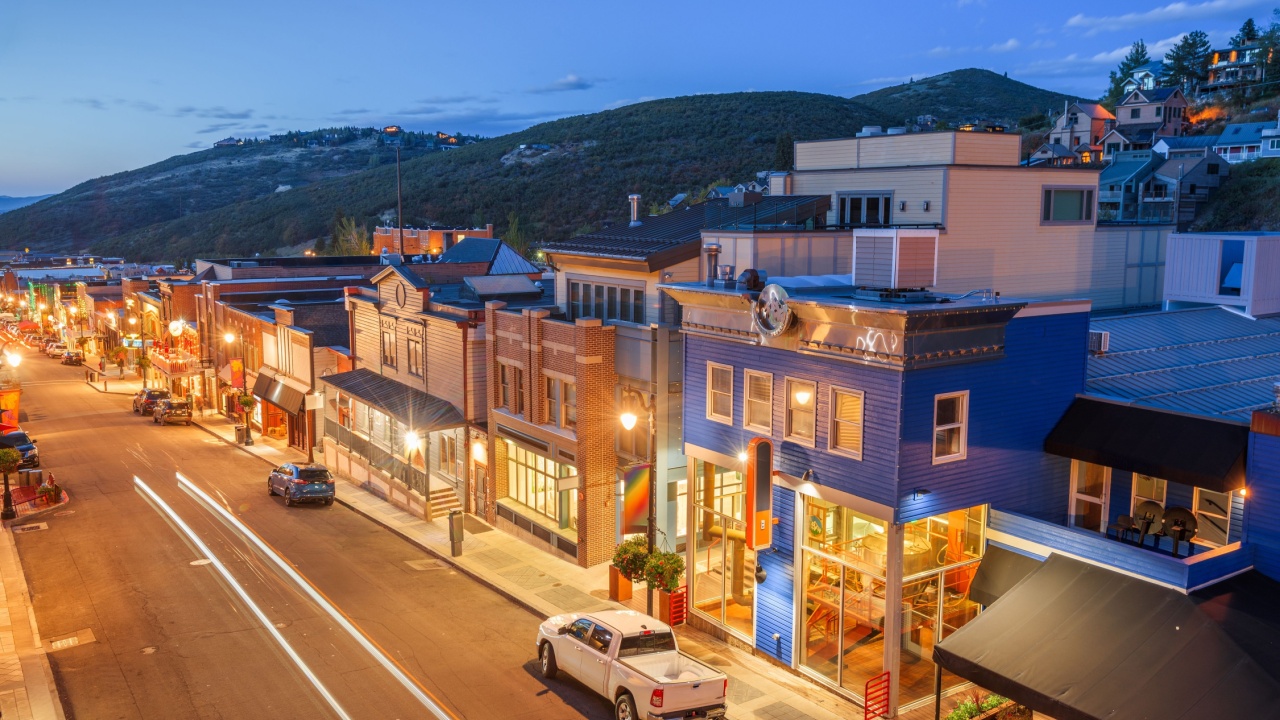
Utah’s apparent 11.6¢ per kWh rate puts it unofficially as the least expensive electricity market in the country. Utahns benefit from relatively low fuel costs and efficient electricity generation, the majority from coal.
The Utah Office of Energy Development has an excellent guide to the state’s energy generation methods over 20 years. While renewables and natural gas have rocketed, “coal’s contribution has decreased from 94 percent to 47 percent.”
Such statistics might please more green-minded citizens. However, the report also outlines the impact of reduced coal mining on rural communities that work in those industries.